Storm Or Negligence? How It Changes Who Pays In Illinois
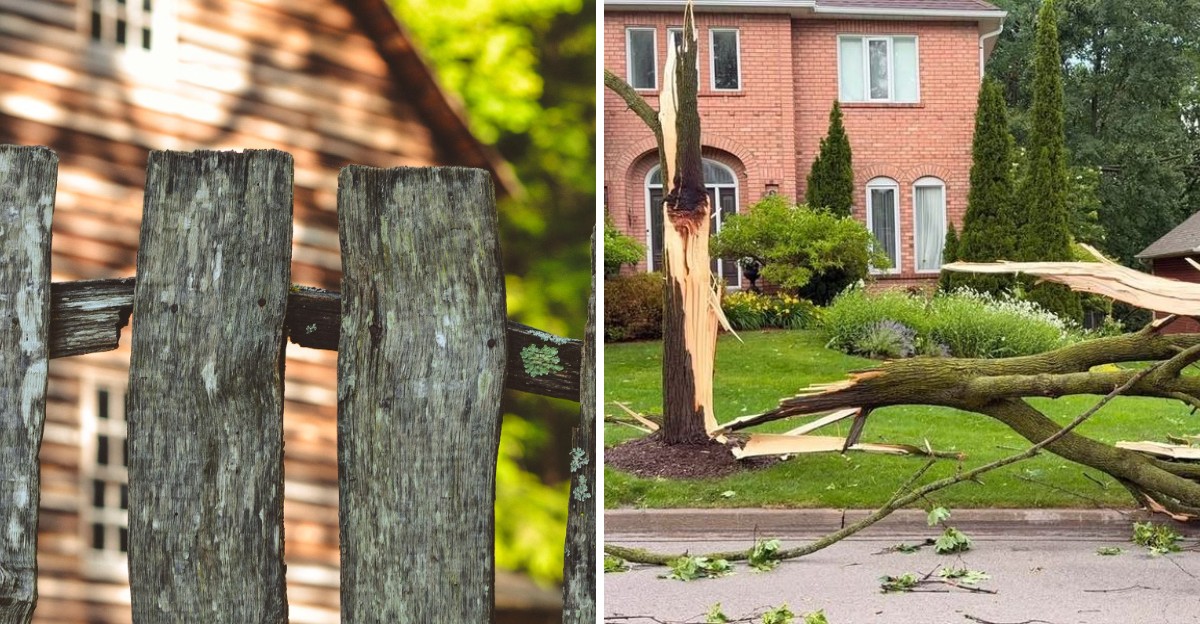
A healthy tree that crashes onto your fence in a freak windstorm is often treated very differently from a rotten one that falls in a mild breeze. Same tree species, same fence, same storm, yet the person paying for repairs can switch sides.
I learned this after a summer gale dropped limbs all over my vegetable beds. Some came from my own maple. Others came from a neighbor’s tree that had looked sickly for two seasons.
In Illinois, the answer often hinges on one quiet question. Did someone know about a hazard and ignore it?
Courts, insurers, and adjusters across Illinois all lean on that idea, and a few photos on your phone can matter more than you expect.
You probably have a tree, a gutter, or a sagging fence you keep meaning to check. Check it today, because a known hazard you ignored becomes your liability.
That Fallen Oak Limb Might Not Be Just Bad Luck
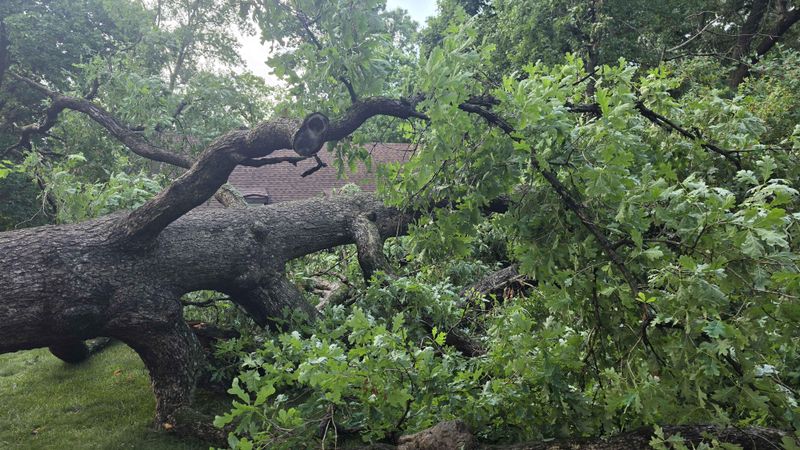
Neighbors love to shout “act of God” when a big branch lands in someone else’s yard. The phrase sounds final, like nobody can be blamed.
In practice, it only covers events so powerful that ordinary care could not have prevented the damage.
Tornadoes, straight-line winds, and severe hail often fit that description. A healthy, well-kept tree snapped by a fierce gust usually counts too. In those cases, each owner typically leans on their own insurance for their own property.
The picture shifts when human choices helped set the stage. A limb hanging by a thread for months, a trunk full of fungus, or a leaning tree everyone noticed can turn a weather event into a negligence question.
The storm becomes the trigger, not the whole cause. Courts look at whether the damage would have happened anyway. If a reasonable owner would have spotted and fixed the problem, the storm may not erase their responsibility.
So before accepting a shrug from next door, take a calm look at the debris. Splintered healthy wood tells one story.
Hollow, crumbly, discolored wood tells another, and that difference can decide who pays for your crushed hostas and that bent fence panel.
A Visibly Sick Tree Changes Who Pays
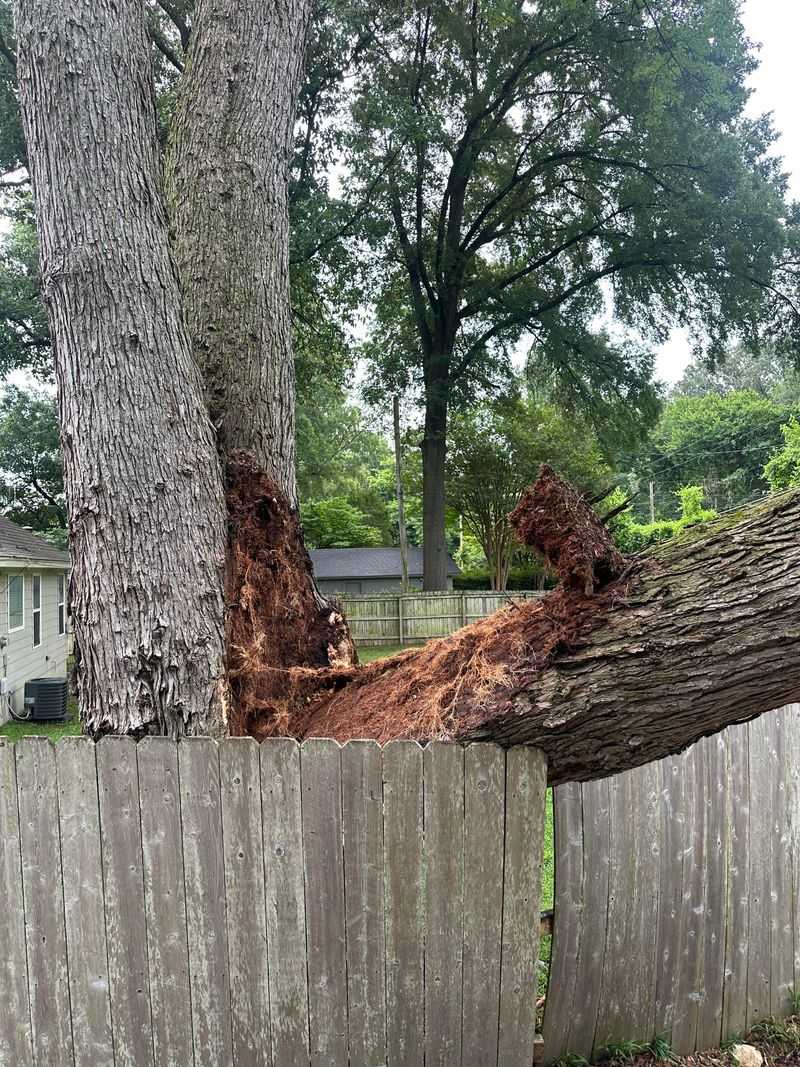
Here is the core rule in plain words. If a tree owner knew, or reasonably should have known, that a tree was hazardous and did nothing, they can be liable when it falls, even in a moderate storm.
Warning signs tend to be obvious to anyone paying attention. Mushroom-like conks on the trunk, large cracks, missing bark, bare branches in summer, and a sudden lean are classic red flags.
Ash trees hit by emerald ash borer, common across the state, often turn brittle fast. Notice matters a lot. A written note, an email, or a text pointing out the problem creates a record that the owner was aware.
Arborist reports and city complaints work the same way. On the flip side, a tree that looked sturdy and showed no visible trouble usually puts the owner in a safer spot. Hidden internal rot that nobody could reasonably spot is harder to blame on anyone.
My practical tip is simple. If a neighbor’s tree worries you, snap dated photos and send a friendly, polite message. You keep the peace, and you also build the paper trail that protects your garden later.
Your Homeowners Policy Usually Pays First
Most people get surprised by this one. Even when a neighbor’s tree wrecks your shed, your own homeowners policy is often the first place to file a claim.
Standard HO-3 policies commonly cover sudden damage from wind, hail, lightning, and the weight of ice or snow. Your insurer pays the covered repairs, minus your deductible.
If negligence was involved, the company may then go after the neighbor or their insurer to recover the money, a process called subrogation.
That recovery can sometimes return your deductible to you as well. It is worth asking your adjuster about it directly.
Coverage for trees themselves is usually limited. Many policies pay to remove a fallen tree only if it hit a covered structure, and often with a dollar cap.
Landscaping coverage for shrubs and plants tends to be small and may exclude wind entirely.
Flood damage is excluded from standard policies and needs separate coverage, often through the National Flood Insurance Program. Some policies also carry a separate wind or hail deductible.
Pull out your declarations page this week so the fine print never ambushes you after a storm.
Reasonable Care Means Regular Walks Around Your Yard
Gardeners already have a secret advantage. We wander our yards constantly, and that habit lines up neatly with what the law expects.
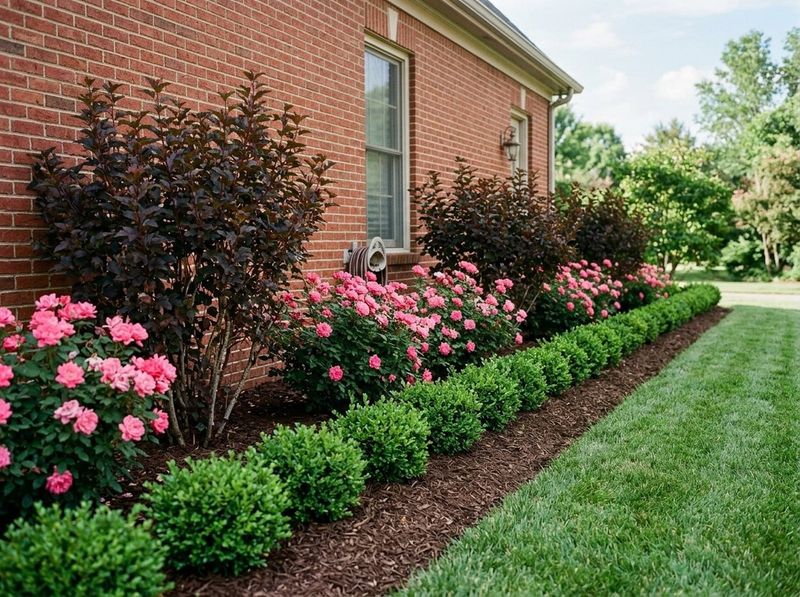
Property owners in the state owe a duty of reasonable care. That means inspecting for hazards you could reasonably find, fixing them in a sensible time, and warning visitors about dangers you cannot fix right away.
Nobody expects perfection, just honest attention. A seasonal walk-around covers a lot. Check trees after leaf-out and again after leaf drop, when decayed wood is easy to see.
Look at fences, sheds, gutters, downspouts, and anything that could blow loose in high wind.
After a big storm, owners usually get a reasonable window to clear hazards. Leaving a cracked limb dangling over the sidewalk for weeks can turn an innocent storm into a negligence claim.
For large trees, an ISA-certified arborist can assess risk and suggest pruning or removal. That report doubles as proof you took care.
I keep a simple note on my phone listing the date and what I checked. It takes two minutes, and it feels oddly satisfying, like crossing off a weeding chore.
Icy Sidewalks Follow a Special Winter Rule
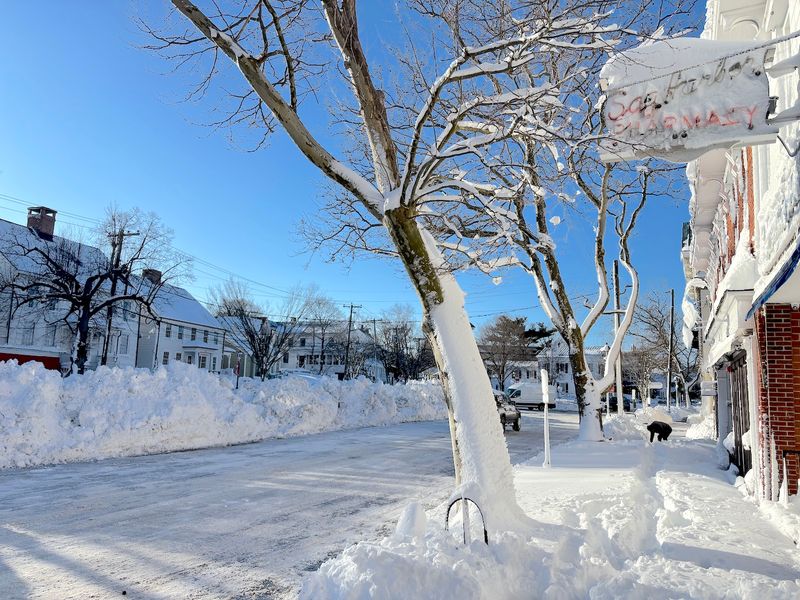
Winter brings a twist many newcomers miss. Under the natural accumulation rule, owners generally are not liable when someone slips on snow or ice that formed naturally from the weather.
The state even passed the Snow and Ice Removal Act, which protects residential owners who shovel their own sidewalks from most claims tied to that removal. Lawmakers wanted people to clear walks without fear of lawsuits.
Things change with an unnatural accumulation. If ice forms because of something on the property, such as a downspout dumping water across the path or a leaky gutter dripping onto steps, the owner may be responsible.
Piling plowed snow where it melts and refreezes over a walkway can create the same problem.
So the storm gets the blame for the snowfall, but your drainage may get the blame for the ice. Willful or wanton conduct is also excluded from the shoveling protection.
A quick fix helps a lot. Extend downspouts away from walkways, clean gutters in late fall, and pile snow on the low side of paths. Your perennial beds will appreciate the extra moisture next spring anyway.
Sharing Blame When Both Sides Ignored a Rotting Fence
Real life rarely hands out blame in neat packages. Sometimes a storm, a careless neighbor, and a little bit of your own choices all mix together.
Illinois follows modified comparative negligence. You can recover damages if your share of fault is 50 percent or less, and your award shrinks by your percentage. If you are found more than half at fault, you recover nothing from the other party.
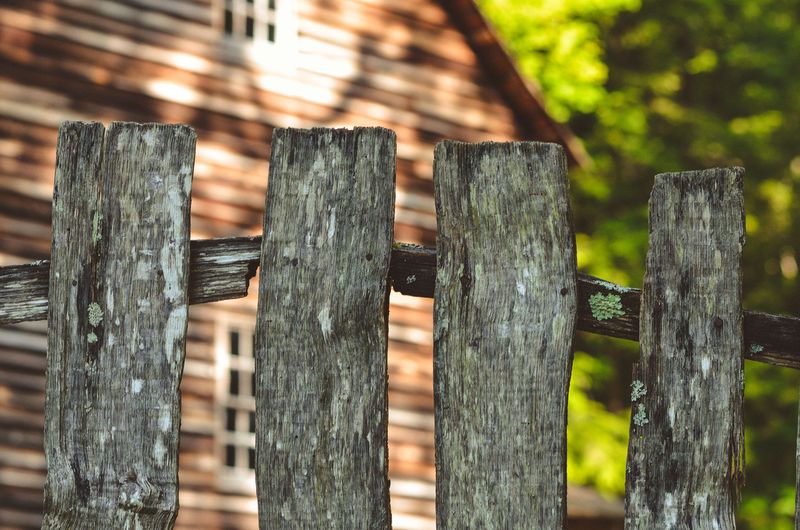
Say a neighbor’s rotting fence blows over and dents your car. If you knew the fence was wobbly and parked right against it anyway during a wind warning, an Illinois court could assign some fault to you.
A 20 percent share would cut a 5,000 dollar claim to 4,000. This applies to people, too. In Illinois, a guest who ignored a clear warning sign might carry part of the blame for their own injury.
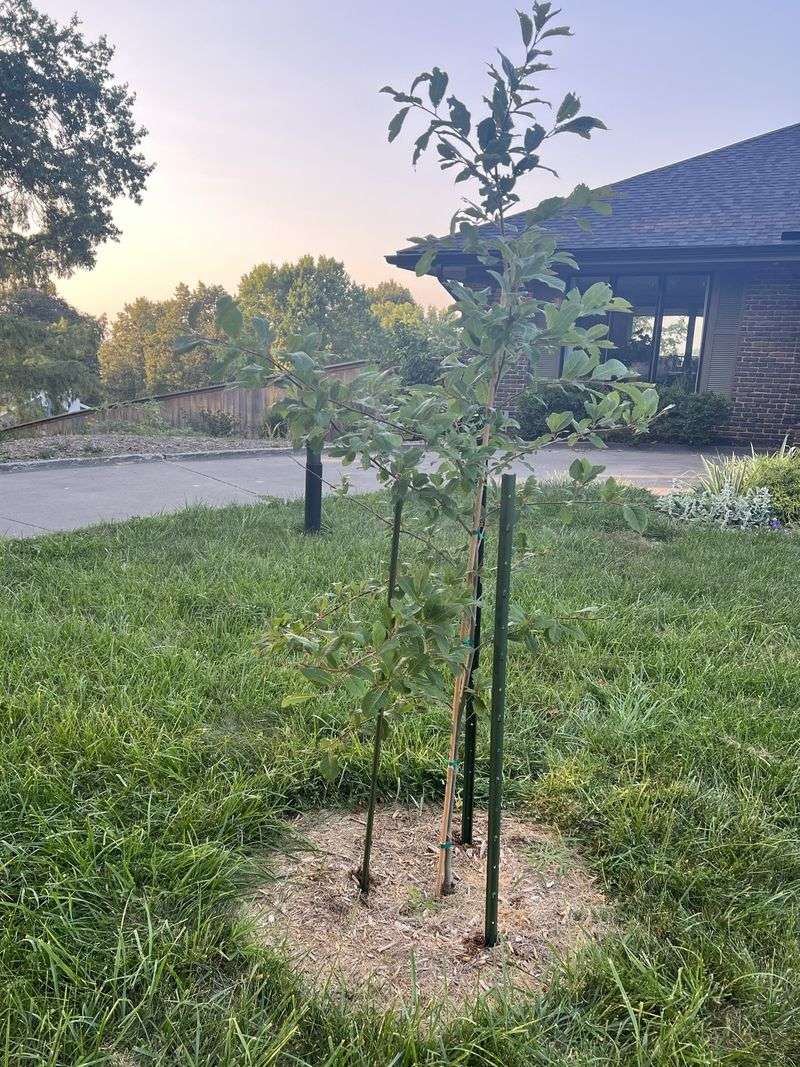
The lesson feels very garden-friendly. Small, sensible actions matter, like moving the car, staking young trees, or bringing in patio furniture before storms. They protect your stuff and keep your share of the blame minimal when things get messy.
Photos of Storm Damage Before Cleanup Are Gold
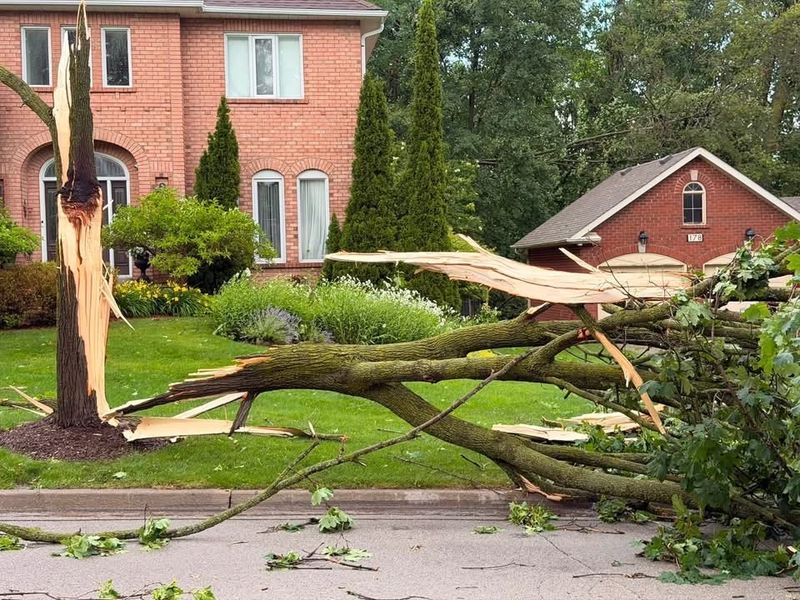
My first instinct after a storm is to grab the loppers and start tidying. Over time I learned to pause and grab my phone first.
Evidence disappears fast once cleanup begins. Take wide shots showing where a tree or limb landed, then close-ups of the broken end, any rot, and the damage to your roof, fence, car, or garden beds.
Videos with a quick spoken description help too. Save the broken wood if possible, especially pieces showing decay. An adjuster or arborist may want to see them.
Keep receipts for emergency repairs like tarps, since most policies expect you to prevent further damage.
Weather records strengthen your case either way. The National Weather Service posts storm reports and wind data, which can show whether gusts were extraordinary or fairly ordinary for the area.
Report claims promptly, because many policies set strict time limits. Write down conversations with neighbors and adjusters, including dates and names.
Illinois generally allows five years to sue for property damage and two years for personal injury, but waiting rarely helps. Fresh photos and quick notes carry far more weight than fuzzy memories months later.
A Healthy Tree Canopy Is Your Best Protection
Prevention beats every legal argument I have read. A sturdy, well-pruned tree rarely starts a dispute in the first place.
Start with what you already have. Remove decayed branches, thin crowded limbs, and have weak V-shaped crotches checked by a certified arborist.
University of Illinois Extension recommends structural pruning on young trees so they grow strong frames that handle wind better.
Late winter, while trees are dormant, is a great time for most pruning. Oaks are a special case, since pruning them from April through July can invite oak wilt beetles, so schedule oak work in the dormant season.
When planting new trees, choose species suited to your site and keep them a sensible distance from houses and power lines. Native picks like bur oak, swamp white oak, and Kentucky coffeetree tend to hold up well.
Talk with neighbors about shared trees before trouble arrives. Shared trees along a boundary can raise extra questions, so a friendly chat and maybe splitting an arborist visit goes a long way.
A strong canopy, a clear paper trail, and a reviewed policy give you peace of mind when the next squall line rolls in.