9 Texas Plants That Look Best In December
A wild shrub growing across East Texas holds a quirky title as North America’s only native plant with natural caffeine. Its bright red winter berries glow just as most gardens start looking tired and a little sleepy.
Cold weather usually signals a quiet season, yet plenty of plants actually save their best show for shorter days. Some leaves deepen in color after chilly nights, and a few flowers open right as frost threatens.
Even better, these winter stars need very little work once they’re planted in the right spot. You can skip the fussy routines and still enjoy a yard that looks cheerful from your kitchen window.
Mild Texas winters give gardeners an advantage that northern neighbors can only envy from under the snow.
Which nine plants deserve a front-row spot in your yard when December rolls around?
1. Yaupon Holly
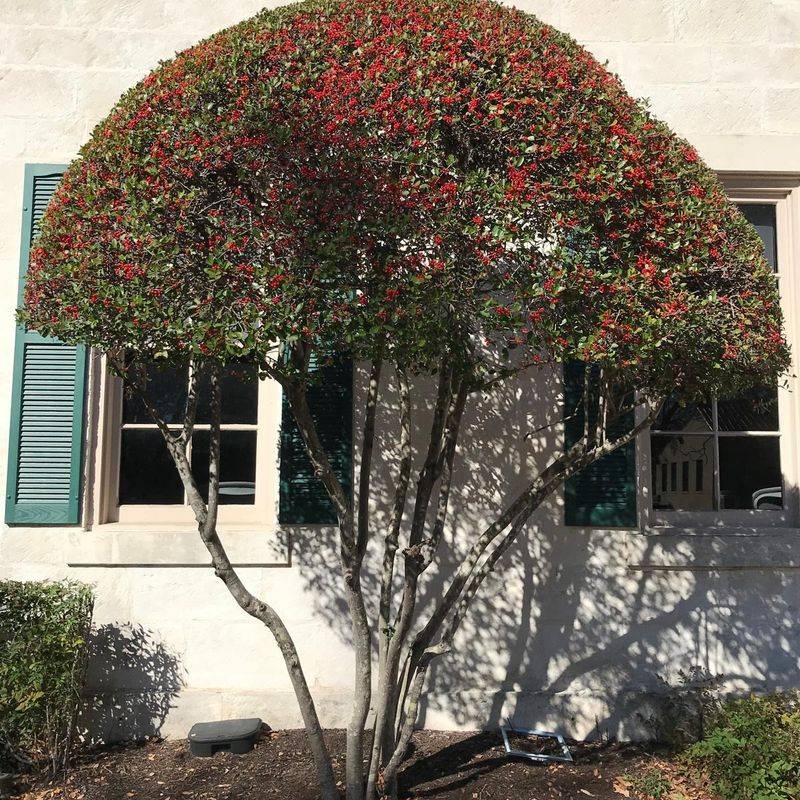
Bright red berries cling to yaupon branches all winter, and hungry cedar waxwings and mockingbirds come looking for them. I love watching a flock strip a shrub clean on a frosty morning while my coffee cools.
Yaupon holly, or Ilex vomitoria, is native to the southeastern United States, including the eastern half of the state. Its leaves stay glossy and green through the coldest weeks, giving your yard structure when other shrubs go bare.
Only female plants produce berries, so check the tag carefully or ask your nursery for a fruiting selection. A male plant growing somewhere nearby helps with pollination, though wild yaupons in many neighborhoods often handle that job.
Mature size varies a lot, ranging from tidy dwarf mounds to multi-trunked trees reaching fifteen or twenty feet tall. Dwarf types rarely make berries, so choose an upright form if winter fruit is your main goal.
Yaupon grows happily in sun or partial shade and handles clay, sand, or alkaline soil without much complaint. Once established, it shrugs off drought far better than many imported shrubs sold at big box stores.
Fall and winter are great planting seasons here, since cooler air lets roots settle before summer heat arrives. Water deeply every week or two through the first year, then cut back as the plant matures.
Here’s something worth knowing about the caffeine in its leaves, which Native peoples brewed into a ceremonial tea. Despite the alarming scientific name, modern companies now sell yaupon tea as a locally grown alternative to imported brews.
2. Possumhaw
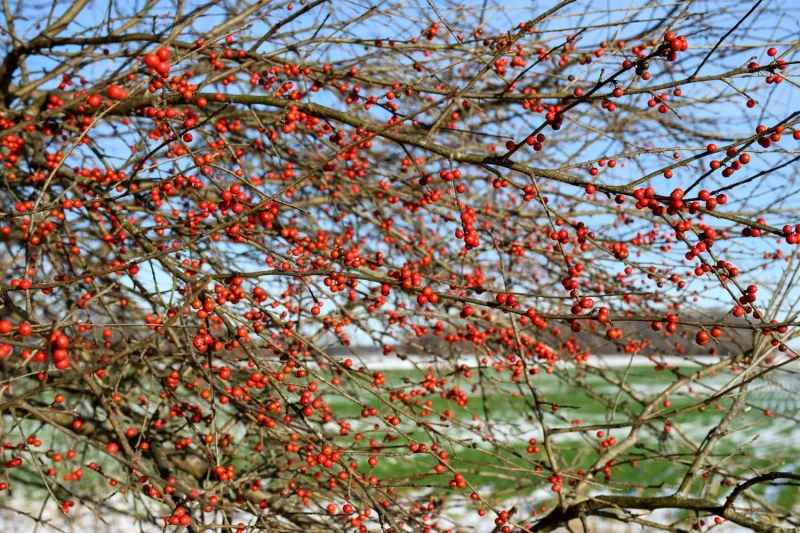
Bare gray branches covered in shiny orange-red berries make possumhaw look like it was decorated for the holidays. Once the leaves drop in late fall, the fruit suddenly steals every bit of attention in the yard.
Possumhaw, known to botanists as Ilex decidua, is a deciduous native holly found in woodlands and creek bottoms across much of the state. Unlike its evergreen cousins, it sheds its foliage each autumn, which turns the berries into the star attraction.
I find the contrast almost unfair, because a single fruiting tree outshines most evergreens on a cloudy afternoon. Robins and cedar waxwings usually clean off the berries by late winter, so enjoy the show while it lasts.
Like yaupon, only female plants produce fruit, so buy one in winter when you can actually see berries. Named selections such as Warren’s Red and Pocahontas were chosen for heavy, colorful crops on reliable female plants.
Possumhaw typically grows fifteen to twenty feet tall as a small, multi-stemmed tree with a graceful spreading habit. It tolerates heavy clay and occasional flooding, so low spots that stay soggy suit it surprisingly well.
Give it full sun or light shade for the best berry production and a tidier, denser branching pattern. Morning sun with afternoon protection works nicely in hotter western regions where summers feel especially harsh on young trees.
Pruning is rarely needed beyond removing suckers or crossing branches during the dormant season in winter. You might be surprised how many neighbors stop and ask about your mystery berry tree each December.
3. Camellia
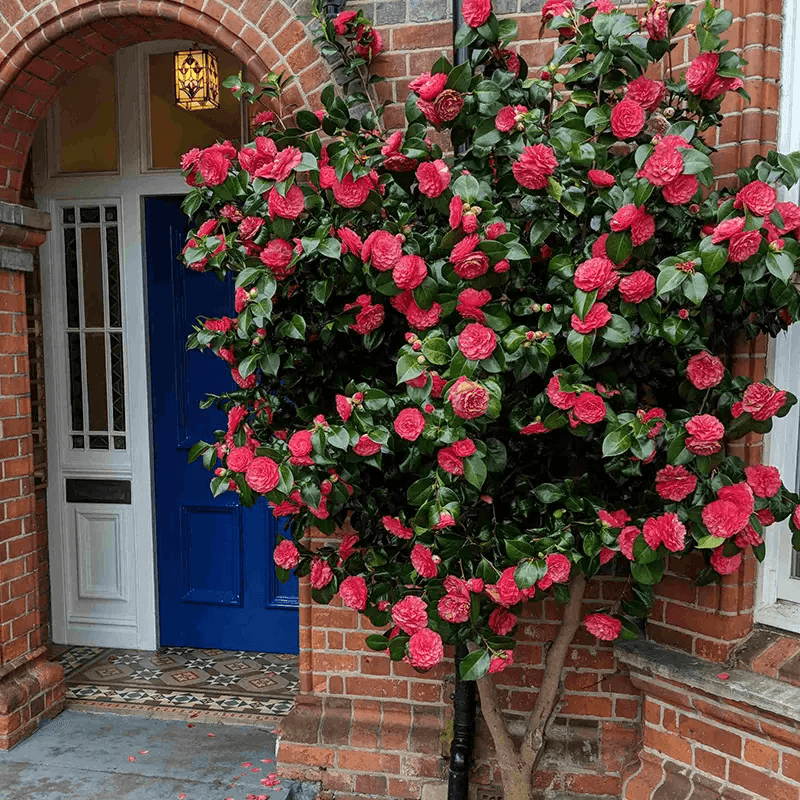
Pink petals scattered across a dark green carpet of leaves on a gray morning feel like a small gift. Sasanqua camellias drop their spent flowers so gracefully that I hesitate to rake them up at all.
Camellia sasanqua usually blooms from fall into early winter, while Camellia japonica often follows from midwinter into spring. Planting both types can stretch your flower season over several months when little else in the yard is blooming.
Flowers range from crisp white to deep rosy red, with single and double forms that resemble small roses. Glossy evergreen foliage looks handsome year-round, so the shrub earns its space long after petals fall.
Soil is the tricky part, because camellias want slightly acidic, well-drained ground rich in organic matter. Much of North and Central Texas has alkaline clay, which can leave leaves yellow and plants struggling.
Raised beds or large containers filled with an acidic planting mix let you control conditions much more easily. East Texas gardeners with naturally acidic, sandy soil often grow beautiful camellias with very little extra effort.
Choose a spot with morning sun and afternoon shade, since harsh summer light scorches the shiny leaves. Fall is an excellent planting time, giving roots months to settle before hot weather returns next summer.
Mulch with pine bark and water consistently, especially while flower buds swell, because dry spells cause buds to drop. Sasanquas also tolerate more sun than japonicas, making them the friendlier choice for beginners trying camellias.
4. Pansies And Violas
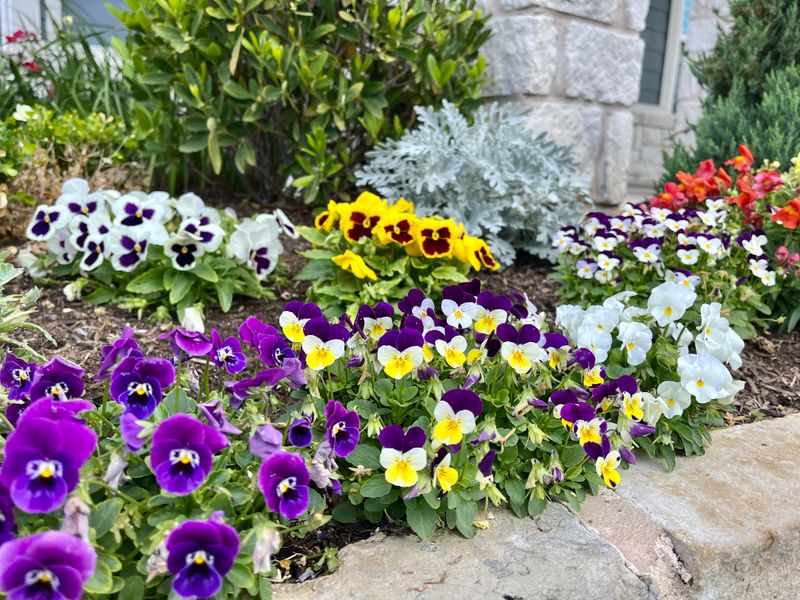
Those cheerful little faces staring up from a flower bed look almost cartoonish, and kids usually spot them first. Pansies and violas handle chilly mornings like champs, perking right back up after a frosty night flattens them.
Pansies, Viola x wittrockiana, carry larger blooms, while violas, often Viola cornuta, produce smaller flowers in greater numbers. I lean toward violas for containers, since they keep blooming steadily and bounce back faster after rough weather.
Most garden centers stock them from early fall, and transplants set out in October or November look fantastic now. With decent care, they often keep flowering until rising heat in spring finally sends them into decline.
Give them full sun in winter, because short days already limit light and blooms depend on plenty of it. Well-drained soil enriched with compost helps prevent root rot during wet, chilly spells that settle in for days.
Feed them every few weeks with a fertilizer made for cool-season annuals, since cold soil slows nutrient uptake. Pinch off faded flowers regularly to encourage fresh buds instead of seed pods that sap the plant’s energy.
Hard freezes in the teens can damage open blooms, though the plants themselves usually recover within a week. Water them before a big freeze, because moist soil holds warmth better than dry ground does overnight.
You might find it hard to believe, but these flowers are edible when grown without pesticides or chemicals. Sprinkle a few petals on a salad or cupcakes, and watch your dinner guests react with delighted surprise.
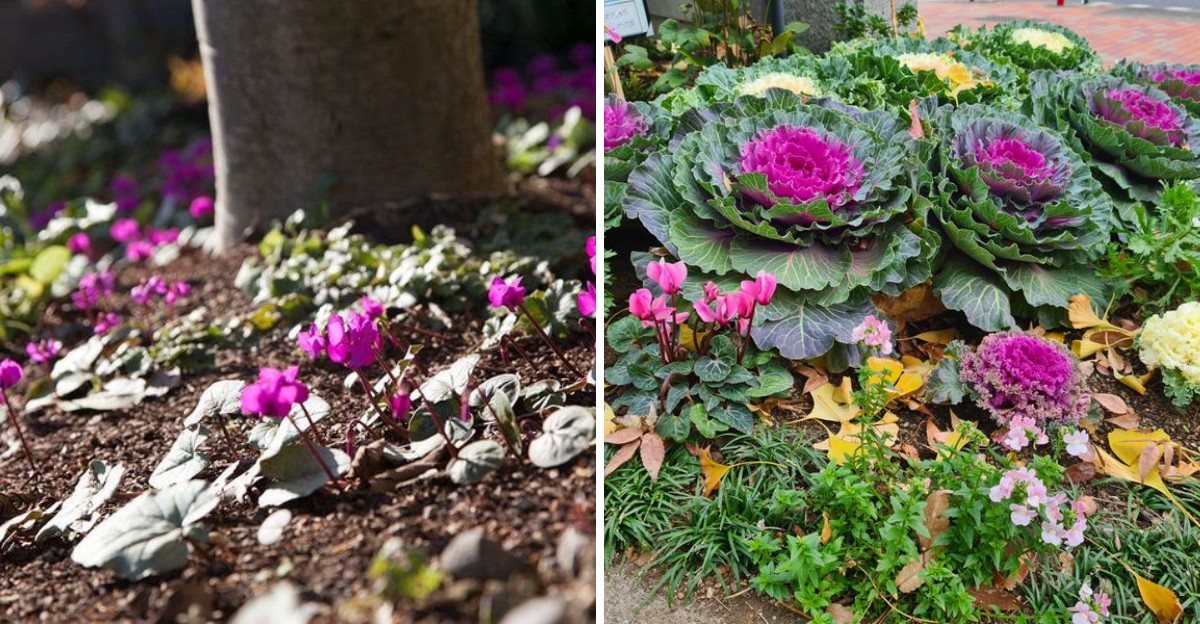
5. Cyclamen
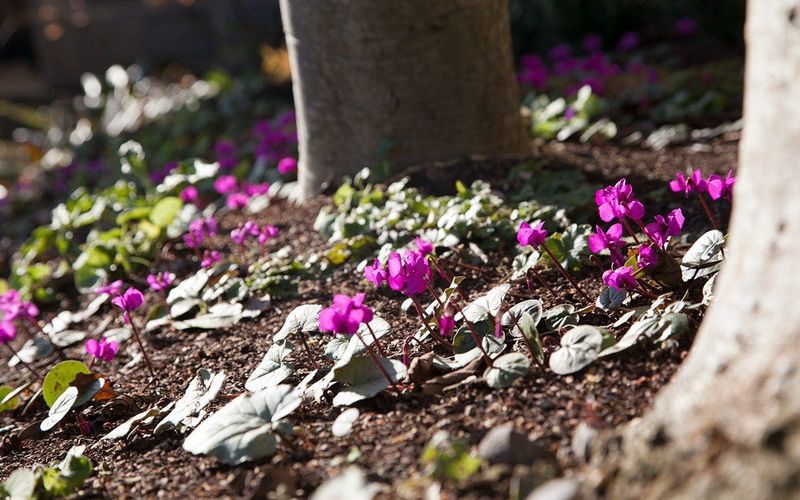
Swept-back petals hover above the leaves like tiny butterflies frozen in mid-flight on a cool, shady porch. Cyclamen brings that kind of drama to dim corners where most winter flowers simply refuse to cooperate.
Florist cyclamen, Cyclamen persicum, grows from a tuber and produces heart-shaped leaves often marked with silver patterns. Flowers come in shades from snowy white to electric magenta, and many plants stay under a foot tall.
Cool temperatures keep cyclamen happy, so our mild winters suit it far better than our blazing summers ever could. Most gardeners treat it as a cool-season annual outdoors, since heat pushes the tuber into summer dormancy.
Prolonged temperatures below about 28 degrees can damage plants, so keep frost cloth or an old sheet handy. Potted cyclamen are easy to roll into a garage when a serious cold front heads your way.
Bright, indirect light works best, which makes cyclamen a natural fit for shaded entryways and north-facing beds. Plant them in rich, well-drained soil, keeping the top of the tuber slightly above the soil line.
Water at the soil edge rather than over the crown, because soggy tubers rot surprisingly fast. Let the top inch of soil dry slightly between waterings, then soak it thoroughly when you water again.
I can see why designers love grouping them tightly, since a dense cluster creates a glowing carpet of color. Pull faded blooms with a gentle twist at the base, and fresh buds should keep rising for months.
6. Ornamental Cabbage And Kale
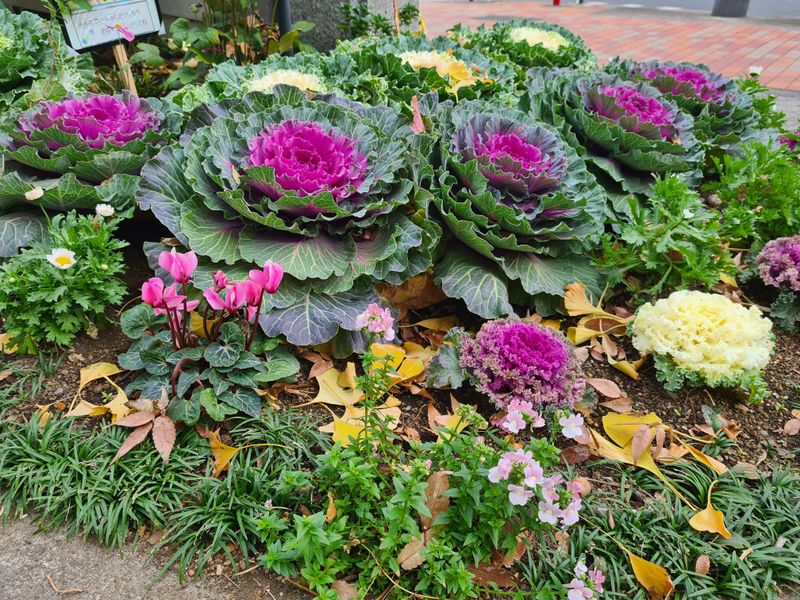
Giant ruffled rosettes in purple and cream look like someone planted oversized roses made of crinkled leaves. Ornamental cabbage and kale actually grow more colorful as nights turn colder, which feels like a clever trick.
Both belong to Brassica oleracea, the same species behind broccoli and the kale sold in grocery stores. Breeders selected these types for showy foliage rather than flavor, so their leaves taste fairly bitter.
Pink, white, or purple centers usually intensify once temperatures dip below about fifty degrees for a while. Cabbage types have smooth, flat leaves, while kale types show frilly or feathery edges that catch the light.
Full sun keeps plants compact and colorful, although a little afternoon shade will not bother them much. Set them out in fall so they reach a decent size before the coldest weeks slow their growth.
Water deeply and consistently, since uneven moisture can cause stress and weaken their tight, tidy rosette shape. A light feeding with balanced fertilizer at planting time helps, but heavy nitrogen can dull those bright centers.
Most plants handle hard frosts in the low twenties and look perfectly fine once the sun warms them. Watch for cabbage loopers on mild days, and pick off the green caterpillars whenever you notice chewed leaves.
What I find charming is how well they pair with pansies in a pot by the front door. When warm spring weather arrives, they bolt and send up yellow flower stalks, signaling time for something new.
7. Snapdragons
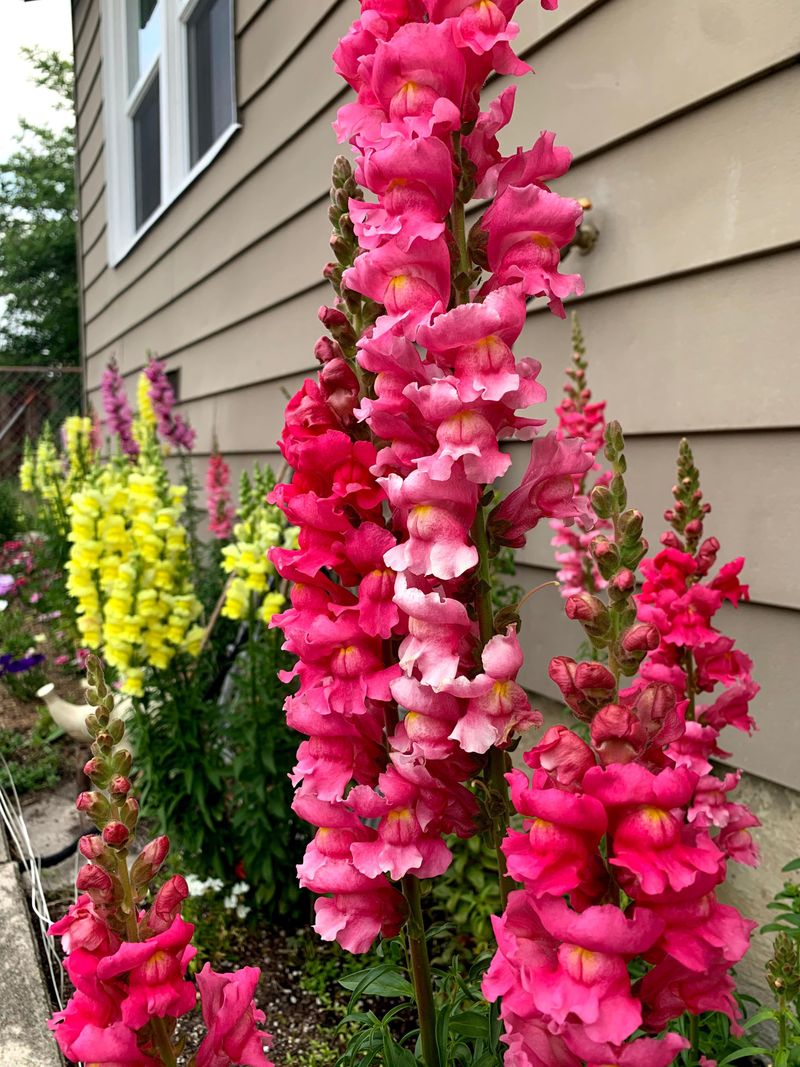
Gently squeeze the sides of a snapdragon flower, and its little jaw pops open like a talking dragon. Kids find this trick endlessly entertaining, and honestly, I still do it every time I walk past mine.
Snapdragons, Antirrhinum majus, are short-lived perennials usually grown as cool-season annuals across most parts of the state. Plants set out in fall build strong roots over winter, then put on their biggest show in early spring.
Tall spikes of blooms add vertical interest that low winter flowers like pansies simply cannot provide in a bed. Colors run from soft peach to deep crimson, with plenty of bicolor varieties for gardeners who love variety.
Height ranges widely, from dwarf types under a foot to tall cutting varieties reaching three feet or more. Taller snapdragons may need staking or a sheltered spot, since winter winds can snap their heavy stems.
Full sun gives the most flowers, so pick the brightest bed you have for these colorful spikes. Well-drained soil matters, because cold, soggy ground leads to root rot faster than most gardeners expect.
Most established plants tolerate frost and light freezes, though flower spikes may suffer during a hard freeze. Cut damaged stems back after cold snaps, and fresh side shoots usually appear within a few weeks.
Snip spent spikes regularly to encourage new blooms rather than seed production that slows the floral show. Leave a few spikes at season’s end, and you might find volunteer seedlings popping up next fall.
8. Dianthus
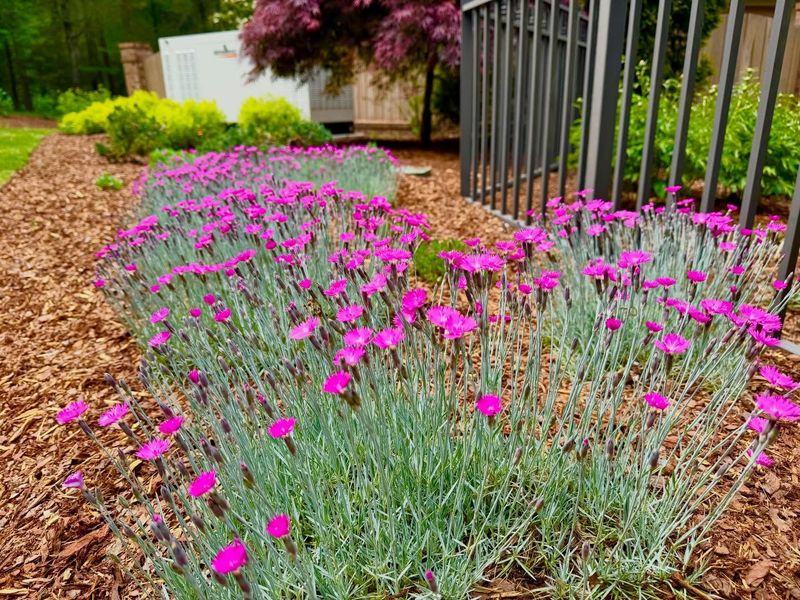
Lean close to a dianthus bloom, and you might catch a spicy, clove-like scent drifting from its fringed petals. Old-fashioned gardeners called them pinks, possibly because the ragged edges look like they were trimmed with pinking shears.
Dianthus is a large genus, and many hybrid bedding types perform beautifully as cool-season color in our winters. They form low mounds of grassy, blue-green foliage that stay attractive even when flowers take a short break.
Most varieties grow eight to twelve inches tall, making them perfect edging along walkways or the front of beds. Blooms come in white, pink, red, and purple, often with contrasting eyes or bicolor patterns on each petal.
Plant them in fall for color stretching through winter into spring, when they often put on their heaviest flush. Hardy types shrug off frosts and freezes that would flatten many tender annuals sold at the same nursery.
Give dianthus at least six hours of direct sun daily, because shady spots produce leggy stems and fewer flowers. Well-drained soil is essential, and slightly alkaline conditions actually suit many varieties quite nicely in local beds.
Avoid piling mulch against the crowns, since constant moisture there can cause rot during long rainy stretches. Water at the base in the morning so the foliage dries quickly before chilly evening temperatures arrive.
Deadhead spent flowers by snipping stems back to the foliage, and new buds will quickly follow behind them. I like tucking a few near the patio, so their fragrance greets anyone stepping outside on mild afternoons.
9. Texas Sage
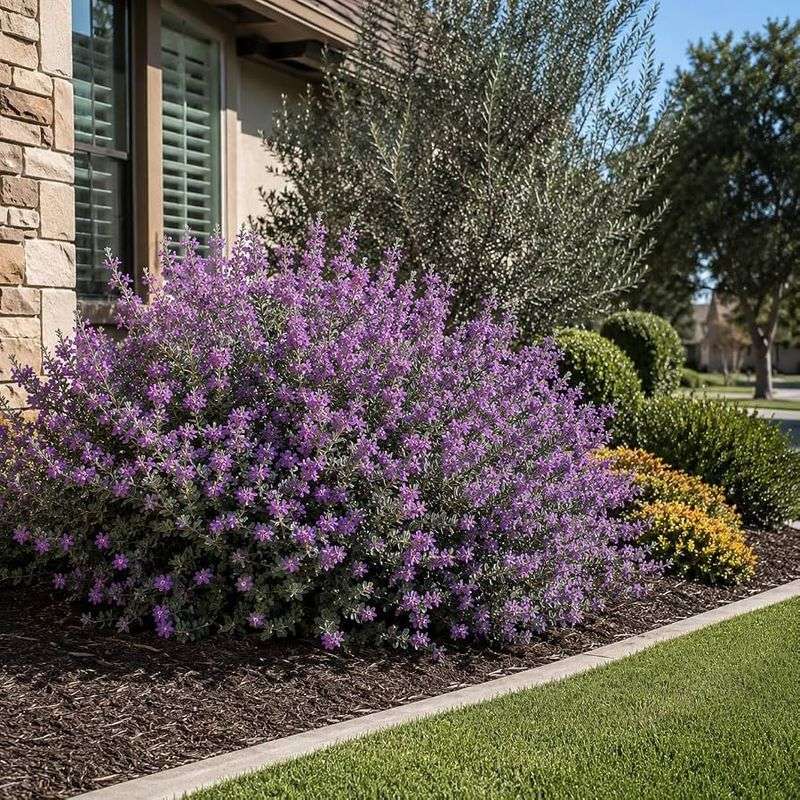
Silvery leaves on a cloudy winter afternoon almost glow, and Texas sage pulls off that effect beautifully. Its soft gray foliage stands out against brown lawns and dormant trees when color feels scarce outdoors.
Known scientifically as Leucophyllum frutescens, this native shrub also goes by cenizo or barometer bush in many regions. That nickname comes from its habit of bursting into purple flowers after rain or a spike in humidity.
December is not bloom season, so I wouldn’t promise flowers, but the evergreen foliage carries the show nicely. Some compact selections have even grayer leaves, creating a striking contrast beside dark green yaupon or possumhaw branches.
Most plants reach three to eight feet tall and wide, forming a dense rounded shape without much help. Full sun is a must, since shade produces sparse, floppy growth and far fewer blooms in warm months.
Excellent drainage matters more than anything, because wet roots cause this tough shrub to decline quickly. Rocky, alkaline soils in central and western regions suit it perfectly, while heavy clay needs raised planting areas.
Hold off on watering during winter unless conditions stay unusually dry for many weeks in a row. Overwatering ranks as a top reason gardeners struggle, so let rainfall handle most of the work.
Skip shearing it into tight boxes, because heavy pruning reduces flowering and spoils the natural silhouette. Light shaping in late winter keeps it tidy, and established plants handle temperatures down to about ten degrees.