Bitten by a Coral Snake While Digging in Mulch in Florida? Why You Shouldn’t Wait for Symptoms
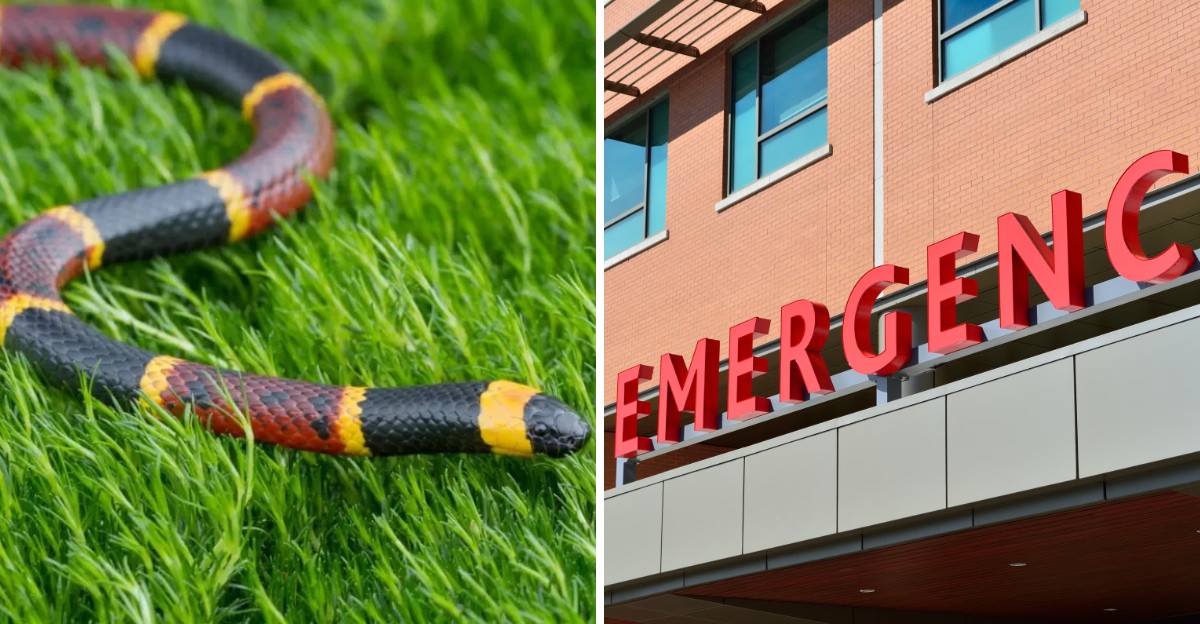
A bite from one of Florida’s most venomous snakes can leave only tiny marks and almost no swelling. That fact sent a chill down my spine the first time I read it in a medical guide.
The venom goes after nerves instead of skin, so trouble can show up hours after the bite. Doctors report that serious signs sometimes appear up to twelve hours later, long after people feel safe.
You might spend a lazy Saturday spreading pine bark around your roses without suspecting a single thing. These days I wear thick gloves, because loose mulch in Florida makes a cozy hideout for secretive reptiles.
If something small and striped ever nips your hand while you dig, the right first move might not be the one your instincts are shouting for.
Red And Yellow Rings Mark The Eastern Coral Snake
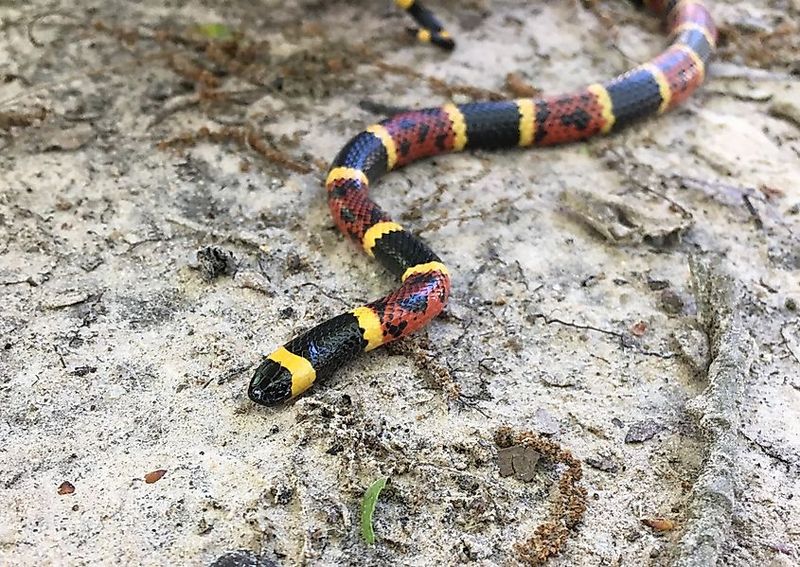
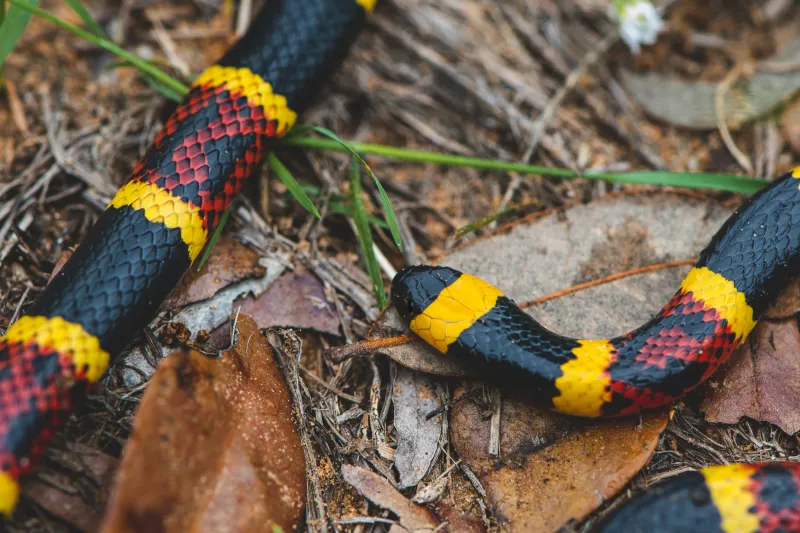
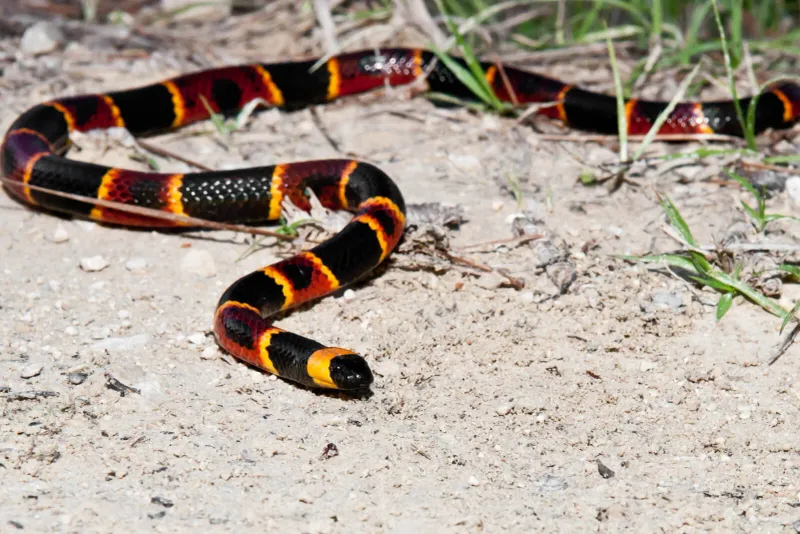
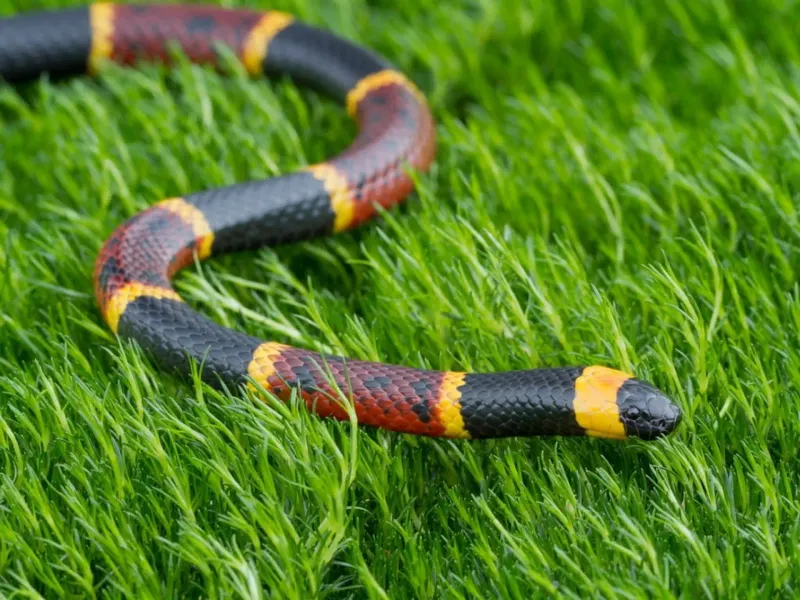
Few creatures in the backyard look as much like a painted candy stick as this glossy little snake. Its wide red and black bands are separated by narrow yellow rings that wrap around the slender body.
The eastern coral snake, Micrurus fulvius, has a blunt black snout followed by a bright yellow band. Adults usually measure around two to three feet long, so they are easy to overlook in thick mulch.
Many of us grew up with a rhyme saying red touching yellow means danger for anyone nearby. In the United States, that pattern does fit the coral snake, while harmless mimics show red touching black.
The scarlet kingsnake and scarlet snake both copy those warm colors, which fools plenty of nervous gardeners. I like how clever that disguise is, though it makes quick identification in the yard a little risky.
Rhymes have limits, because rare color variations and faded patterns can show up in some individuals. Wildlife experts advise treating any banded red snake with caution rather than counting stripes up close.
You also need to remember that the rhyme does not work for coral snakes in Mexico or farther south. Stick to observing from several feet away, and snap a photo with your phone if you want an expert opinion.
Local extension offices and wildlife agencies often help residents identify snakes from clear pictures sent by email. Honestly, that small step keeps your hands safe and gives you a fun story to share later.
Coral Snakes Love Hiding Under Loose Garden Mulch
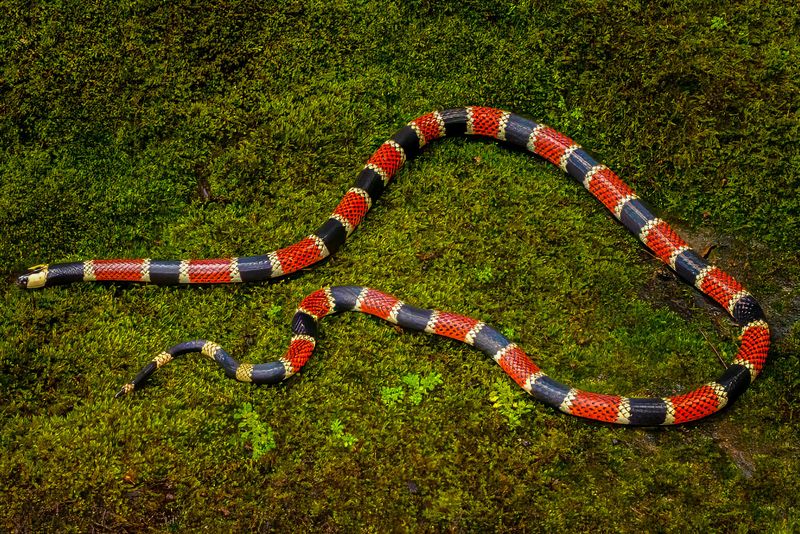
Fresh mulch smells earthy and sweet, and apparently coral snakes appreciate it almost as much as gardeners do. These shy reptiles spend most of their lives tucked under damp leaf litter and rotting logs.
Scientists call this burrowing lifestyle fossorial, which simply means the animal likes digging and staying underground. Because they stay hidden so well, many longtime residents go years without spotting a single one.
Their favorite meals are other small reptiles, especially skinks and smaller snakes that also hide in garden debris. So if your flower beds are full of lizards, a hungry coral snake might find them interesting too.
In Florida, these snakes turn up in sandy pinelands as well as suburban yards that border wild areas. What surprises me most is how comfortable they seem in landscaped beds right beside busy patios.
Sightings tend to rise in spring and fall, when the snakes move around more to hunt and find mates. Heavy rain can also push them toward the surface, so watch your step after a soaking storm.
Pulling mulch away with bare hands gives a hidden snake very little warning that a giant is coming. Raking first lets it slip away quietly, which is what it really wants to do anyway.
I believe a little patience and respect go a long way with these colorful underground neighbors. They help control other snakes and lizards, so leaving them alone keeps the backyard food web nicely balanced.
A Coral Snake Bite Can Feel Like A Tiny Pinch

Most people expect a snake bite to burn, yet a coral snake bite can feel like a thorn prick. Swelling is often slight, and the marks may be so small you barely notice them on your skin.
Rattlesnakes and cottonmouths usually cause quick pain and spreading swelling, so people assume every venomous bite looks dramatic. Coral snakes work differently, and that mismatch fools a lot of folks into shrugging it off.
Their fangs are short and fixed in place at the front of the mouth, unlike the folding fangs of vipers. Because of that design, the snake sometimes hangs on briefly to deliver venom into the wound.
Old stories claim they must chew for a long time, but experts say even a quick bite can be serious. I have to admit that fact busted one of my own favorite backyard myths about these snakes.
Most recorded bites happen when someone picks up the snake on purpose, often thinking it is a harmless mimic. Gardeners can still get bitten by accident when a hand lands on a snake buried in mulch.
You might notice one or two tiny punctures, or perhaps just a red scratch that looks like nothing. That calm appearance tells you very little about how much venom actually entered your body this time.
If you saw red and yellow rings before the pinch, treat it as a real bite right away. Feeling fine in the first hour says nothing reliable about how you will feel by dinnertime.
Nerve Symptoms From Coral Snake Venom Can Show Up Hours Later
Coral snake venom is a neurotoxin, which means it blocks the signals your nerves send to your muscles. It shares this style with cobra venom, and the two snakes are actually distant relatives in the same family.
Medical references note that symptoms may hold off for several hours, sometimes up to twelve or more. During that quiet stretch, the venom can be working its way through your system without obvious warning signs.
Early clues can feel strangely vague, like numbness near the bite or an unusual sleepy heaviness. Some people also report nausea or a tingling feeling that spreads slowly up the injured arm.
Later signs include drooping eyelids and double vision, which point straight to trouble with the nerves controlling your face. Slurred speech and difficulty swallowing can follow, and those changes may build faster than you expect.
The biggest worry is weakness in the breathing muscles, including the dome-shaped diaphragm sitting under your lungs. Without hospital support such as a breathing machine, that weakness can become a true medical emergency very quickly.
Personally, I find it eerie that a bite can feel minor at lunch and serious by evening. That slow fuse is the main reason doctors prefer to watch patients closely from the start.
Once nerve damage begins, antivenom may not quickly reverse it, so recovery can take days or weeks. Catching the problem before it starts is far easier on your body than catching up afterward.
Head To The Emergency Room Before Any Symptoms Appear

Nobody enjoys sitting in an emergency room for a pinprick that barely hurts, and I understand that feeling. Still, with coral snakes, the waiting room is exactly where you want to be after a suspected bite.
Poison control experts recommend heading to a hospital right away, even when you feel perfectly normal. A lack of pain or swelling does not prove that the snake held back its venom.
Doctors usually keep coral snake patients for observation for about a full day, checking nerves and breathing often. Some hospitals start antivenom once the first signs appear, rather than waiting for symptoms to get worse.
Home is a tough place to notice subtle eyelid drooping or a slight change in how you swallow. Trained nurses spot those small clues early, which gives treatment the best chance of working well.
Driving yourself is a poor idea, because vision and muscle control can change during the trip. Call 911 or have a calm friend take the wheel while you sit still in the passenger seat.
I can’t imagine gambling on a wait-and-see plan when the venom targets the muscles that help you breathe. Losing half a Saturday in the hospital beats a long stay in intensive care by a mile.
Bring the photo of the snake if you managed to take one safely, but skip chasing it down. Staff in Florida hospitals see enough snake cases that a quick picture helps them confirm the species.
Simple First Aid Steps After A Snake Bite In The Garden
Your heart will probably race after a bite, and honestly that reaction is normal for anyone. Step well away from the snake and leave it alone so a second bite does not happen.
Call 911 or the Poison Help line at 1-800-222-1222, which connects you to your regional poison center. Specialists there answer around the clock and can help alert the nearest hospital before you even arrive.
Keep the bitten arm or leg still, and try to hold it roughly level with your heart. Slip off rings and bracelets right away, since fingers and wrists can sometimes swell later in the day.
Gently wash the area with soap and water if it is handy, then cover it loosely with a clean bandage. Mark the time of the bite on your skin or phone, because doctors will want that detail.
Old movie tricks like cutting the wound or sucking out venom do more harm than good. Ice packs and tight tourniquets also cause extra problems, according to most poison centers and emergency doctors.
Some guides mention pressure wraps for coral snake bites, but advice varies, so follow what the poison center tells you. I like that approach because it puts real experts in charge during a scary and confusing moment.
Skip any snake grabbing or trapping, even if a helpful neighbor insists on confirming the species first. Your only job is getting to medical care quickly while staying as calm and still as possible.
Coral Snake Antivenom Is Given In The Hospital
The vials that treat coral snake bites come from one FDA-approved product called North American Coral Snake Antivenin. Production slowed for years, and the FDA has repeatedly extended expiration dates on existing lots to stretch supplies.
I love how much teamwork goes into this, since poison centers help hospitals track down available doses. Not every small clinic keeps it on the shelf, which is another reason to call ahead.
Doctors give antivenom through an IV, usually once any sign of nerve trouble shows up during observation. Some medical guidelines also support treating early when a confirmed coral snake bite clearly broke the skin.
It works by grabbing venom still floating in the body before it reaches more nerve endings. Since it cannot easily undo damage already done, timing matters more here than with many other treatments.
The antivenom is made from horse antibodies, so allergic reactions are possible in some sensitive patients. Medical teams watch carefully during the infusion and keep allergy medicines ready nearby just in case.
Expect a hospital stay of at least twenty-four hours, even if you feel bored and perfectly healthy. Breathing tests and frequent nerve checks help the staff decide when sending you home is safe.
Florida poison centers handle many snake calls each year and know which hospitals stock this antivenom. Saving that number in your phone takes ten seconds and could spare you a frantic search later.
Garden Gloves And Long Tools Help Prevent Coral Snake Bites
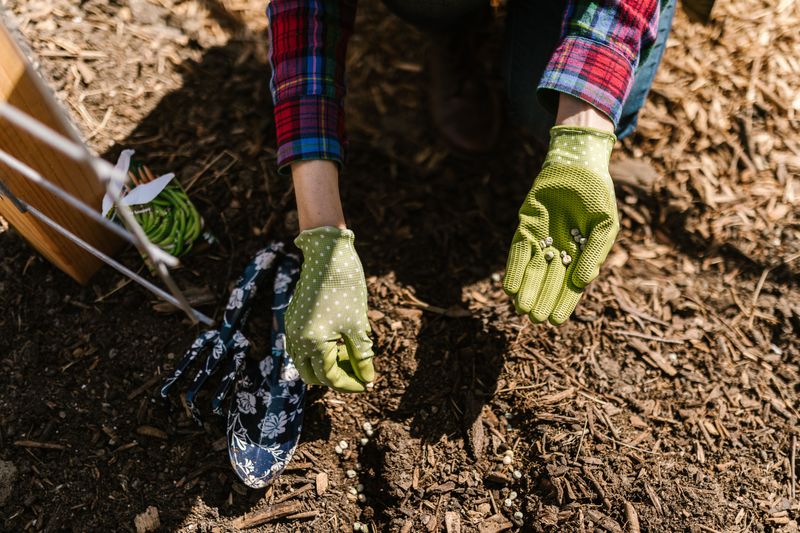
A pair of thick leather gloves might be the cheapest snake insurance any gardener can buy. Coral snake fangs are short, so sturdy gloves and closed shoes add a useful layer between you and trouble.
Before pulling mulch or weeds by hand, I rake or poke the spot with a long tool first. That small pause gives any hidden snake time to slide off quietly instead of feeling cornered.
Keep mulch about two to three inches deep rather than piling it high against walls and shrubs. Thinner layers still help plants hold moisture, yet they offer fewer roomy tunnels for burrowing visitors.
Woodpiles and stacked pots near the house can attract lizards, which then tempt hungry coral snakes to visit. Moving those piles farther from patios and doorways cuts down on surprise meetings right where you relax.
Teach kids that brightly banded snakes are for admiring from a distance, not for picking up. Most coral snake bites in the United States involve people handling the animal, so that lesson matters.
Florida gardens stay busy almost all year, so these habits are worth practicing in every season. I keep a small note with the poison center number taped inside my tool shed door.
Coral snakes rarely want any contact with people, and they usually flee when given a little room. Some extra caution lets you enjoy fresh mulch and bright blooms while these shy neighbors keep to themselves.