How To Mow A Florida Lawn During Rainy Season Without Spreading Disease
Florida rainy season and lawn care have a complicated relationship. The grass grows fast, the afternoon storms roll in almost daily, and the humidity creates exactly the kind of conditions that lawn diseases love.
Then a rare break in the clouds appears and the instinct to grab the mower and get out there is completely understandable.
The problem is that mowing at the wrong time or with habits that seem harmless can actually make things worse for turf that is already dealing with heat, moisture, and relentless summer rain.
Wet grass, dull blades, and clumped clippings can spread pathogens across a lawn faster than most homeowners realize, and the damage can show up in ways that look a lot like other problems entirely.
A few smarter mowing habits can make a genuinely noticeable difference in how your lawn holds up all season.
1. Wait Until The Grass Is Dry
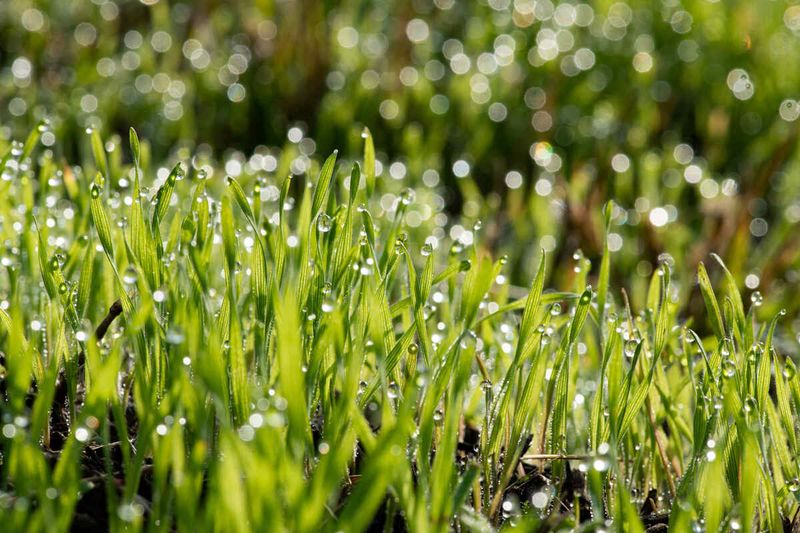
Those muddy tire tracks left behind after mowing wet turf are a sign that something went wrong before the mower even made its first pass.
Mowing grass that is still wet from rain or irrigation can cause clippings to clump together and stick to the lawn surface, blocking sunlight and trapping moisture against the soil.
In Florida’s humid summer climate, that combination creates ideal conditions for fungal diseases to take hold.
Wet grass blades also bend under the mower deck rather than standing upright, which means the cut is uneven and ragged.
Pathogens that live on infected plant material can move easily through wet clippings, spreading from one part of the lawn to another during a single mowing session.
St. Augustinegrass, bahiagrass, and zoysiagrass are all vulnerable to this kind of disease movement when turf is already under heat stress.
Waiting until the leaf blades are dry to the touch before mowing is one of the most straightforward ways to reduce disease spread during rainy season.
On most Florida summer days, morning rain clears by midday, leaving a window of drier conditions in the late afternoon.
Check the grass by walking through it and looking at your shoes. If they come away soaking wet, the turf needs more drying time before mowing begins.
A cleaner cut on dry grass also puts less stress on the lawn overall.
2. Mow At The Proper Height For Your Grass
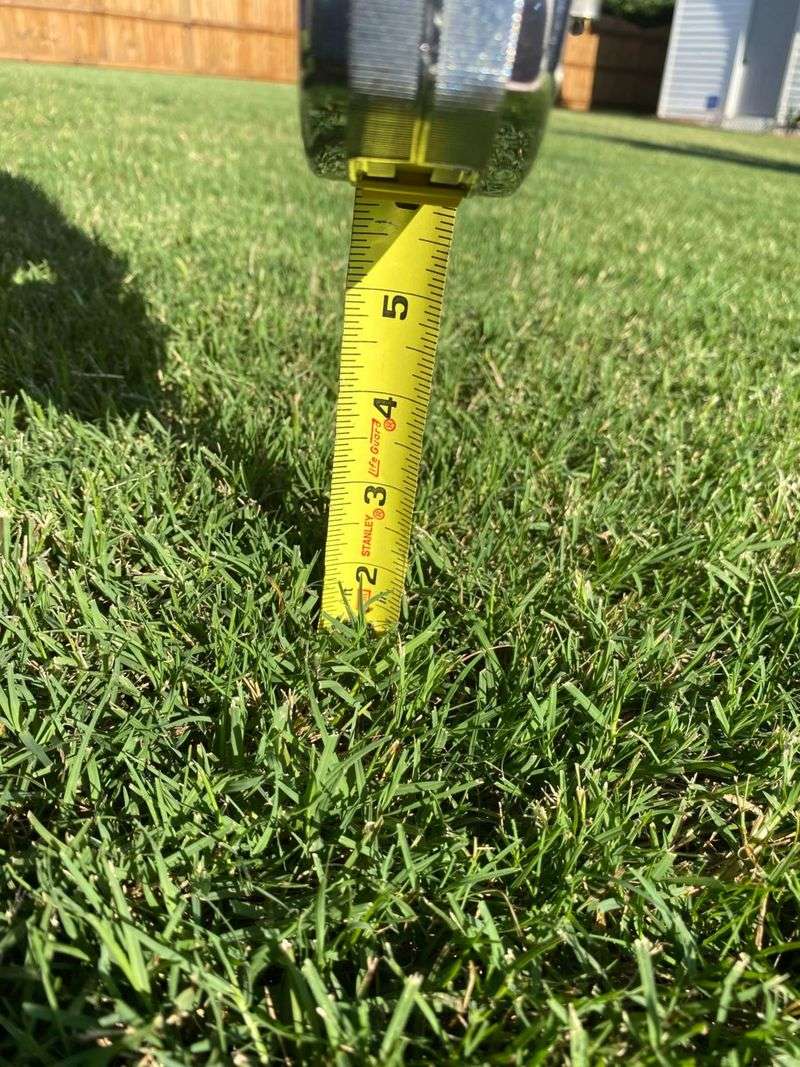
Cutting a lawn too short during rainy season is one of the most common mistakes Florida homeowners make, especially when grass shoots up quickly after several days of afternoon storms.
Each turfgrass type has a recommended mowing height that supports root depth, heat tolerance, and overall turf health.
Mowing below that range removes too much leaf tissue and weakens the grass at the exact time of year when it faces the most environmental pressure.
St. Augustinegrass generally performs well when kept between three and a half and four inches tall during the summer months.
Bahiagrass holds up better when mowed at three to four inches, while zoysiagrass can be maintained at a slightly lower height depending on the variety.
Your Florida Garden Changes Every Week. Your Plan Should Too.
Gardening in Florida changes quickly throughout the season. Every Friday you’ll receive a simple weekly plan showing exactly what to plant, prune, fertilize, harvest, and protect so you never miss the right timing.
These ranges help the grass maintain enough leaf surface to support photosynthesis and recover from the stress of frequent mowing during a busy rainy season.
Taller grass also shades the soil surface, which slows moisture evaporation and can reduce weed pressure in patchy areas.
When turf is already dealing with disease pressure or thin spots, keeping mowing height on the higher end of the recommended range gives the lawn a better chance to recover without added stress.
Check the mower deck setting before each session and make sure the wheels are adjusted evenly so the cut stays consistent across the entire yard rather than leaving low spots or uneven patches behind.
3. Remove No More Than One-Third Of The Blade
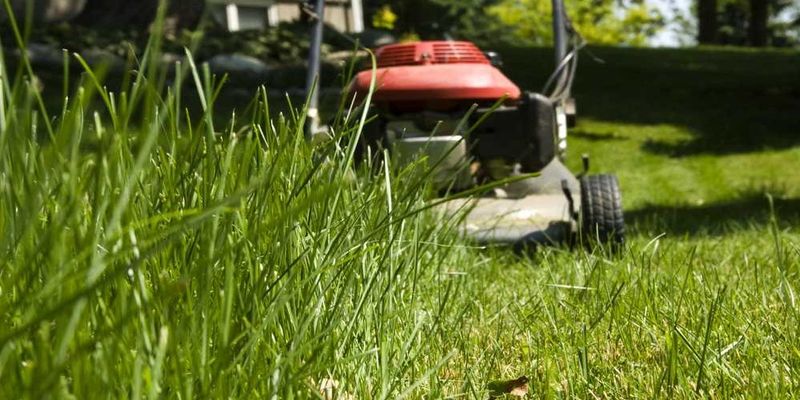
Florida’s summer rain can push grass from manageable to overgrown in just a few days, and that rapid growth tempts many homeowners to cut the lawn way down in one pass to buy more time before the next mowing.
Removing more than one-third of the grass blade in a single session puts significant stress on the turf, slowing root growth and leaving the plant more vulnerable to disease and heat damage during an already demanding season.
The one-third rule applies to every turfgrass type grown in Florida, including St. Augustinegrass, bahiagrass, and zoysiagrass.
When grass gets ahead of schedule during a particularly wet week, the better approach is to mow more frequently rather than cutting a large portion off all at once.
Two lighter mowing sessions spaced a few days apart cause far less stress than one aggressive cut.
If the lawn has already grown well beyond the recommended height before mowing is possible, raise the mower deck to remove just the top third of the current growth.
Then lower the deck slightly during the next session and continue gradually until the lawn reaches the target height.
This stepdown approach takes a bit more planning, but it keeps the turf from going into shock and gives the grass time to adjust between cuts.
During rainy season in Florida, frequent lighter mowing is almost always better for the lawn than waiting too long and then cutting hard.
4. Keep Mower Blades Sharp
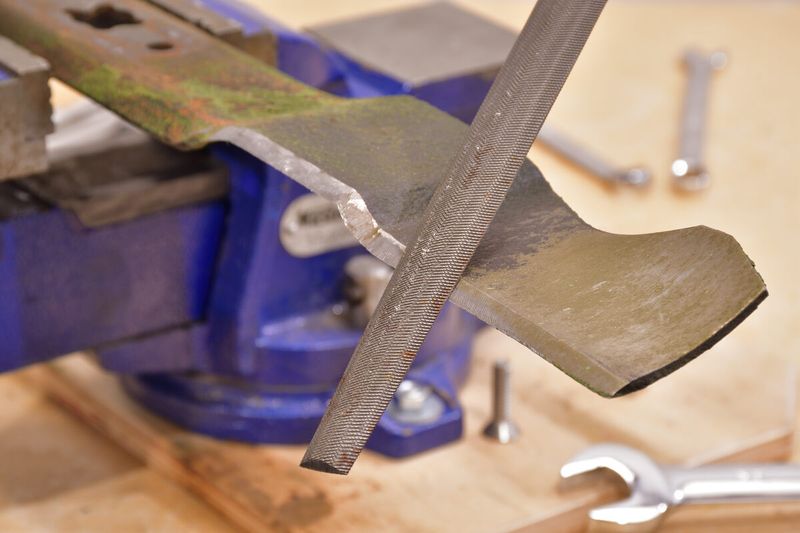
Ragged leaf tips across a freshly mowed Florida lawn are usually a sign that the mower blade needs sharpening. Dull blades do not cut grass cleanly.
Instead, they tear through the leaf tissue and leave behind frayed, jagged edges that turn tan or brown within a day or two of mowing.
During Florida’s humid rainy season, those damaged tips create entry points where fungal pathogens can move into the plant more easily.
A clean cut, by contrast, allows the grass blade to seal quickly and recover with less stress. Sharp blades also reduce the amount of energy the mower needs to get through thick, fast-growing summer turf, which means a more consistent cut across the entire lawn.
St. Augustinegrass in particular can look rough and uneven when mowed with a dull blade, especially in areas where the turf is already dealing with shade stress or thin spots.
Mower blades should be inspected and sharpened several times throughout the mowing season, and more often during periods of heavy use like Florida’s summer rainy months.
A blade that hits a root, rock, or irrigation head may need immediate attention even if it was recently sharpened.
Sharpening a blade takes only a few minutes with the right tools, and the difference it makes in turf health and lawn appearance is noticeable after just one mowing session. Keeping a spare sharpened blade on hand makes the swap quick and easy.
5. Mow Diseased Areas Last
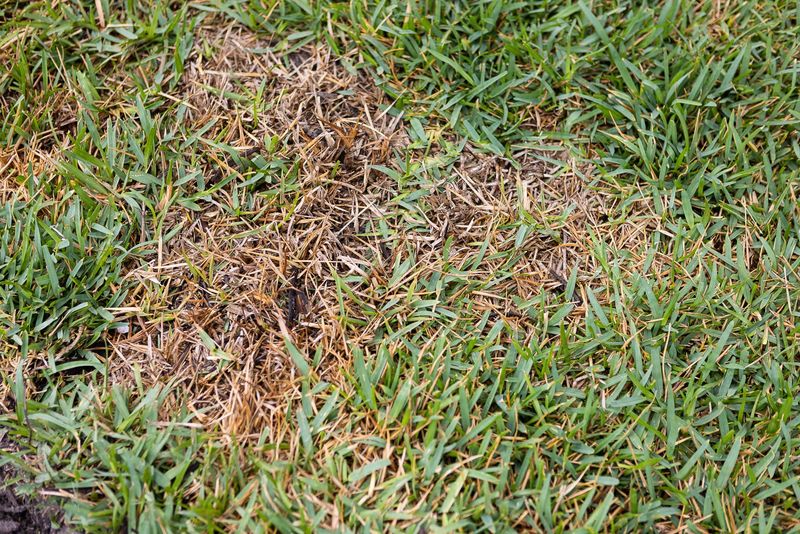
Spotting a suspicious brown or thinning area in a Florida lawn during rainy season should change the order in which you mow.
Those patchy, discolored sections may be dealing with fungal disease, and running the mower through them first means clippings and plant material from affected areas can be carried directly into healthier parts of the lawn.
Adjusting the mowing route to save those areas for last is a simple habit that can reduce how far a potential problem spreads.
Brown patch, gray leaf spot, and other common Florida turf diseases tend to show up during humid stretches when nighttime temperatures stay warm and grass stays wet for extended periods.
These conditions are standard during rainy season, making disease pressure a real concern for St. Augustinegrass lawns especially.
Zoysiagrass and bahiagrass can also develop disease symptoms under similar conditions, though the specific pathogens and appearances may differ.
When mowing diseased areas last, try to avoid circling back through healthy turf afterward. If the mower path can exit the diseased area and lead directly to where you will clean the equipment, that is even better.
Not every brown spot in a Florida lawn is caused by disease. Drought stress, insect activity, and irrigation problems can all cause similar discoloration.
But when the cause is unclear and the area looks suspicious during a wet stretch, treating it as a potential disease zone during mowing is a reasonable and low-effort precaution worth taking.
6. Clean Clippings Off Equipment After Mowing
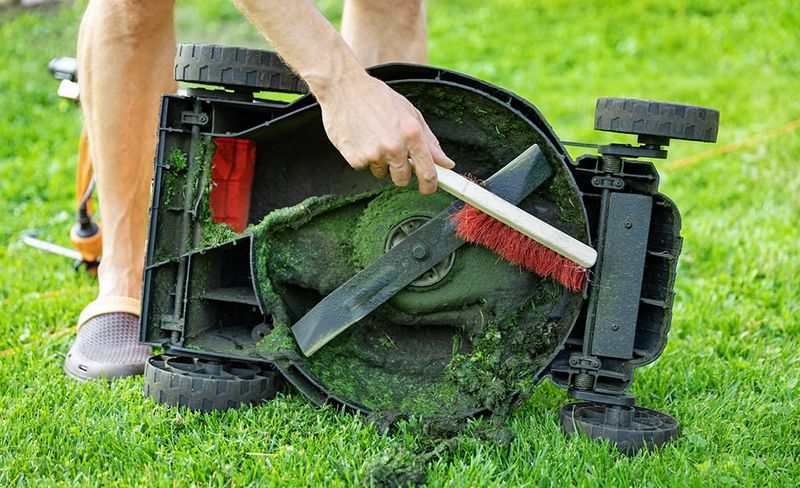
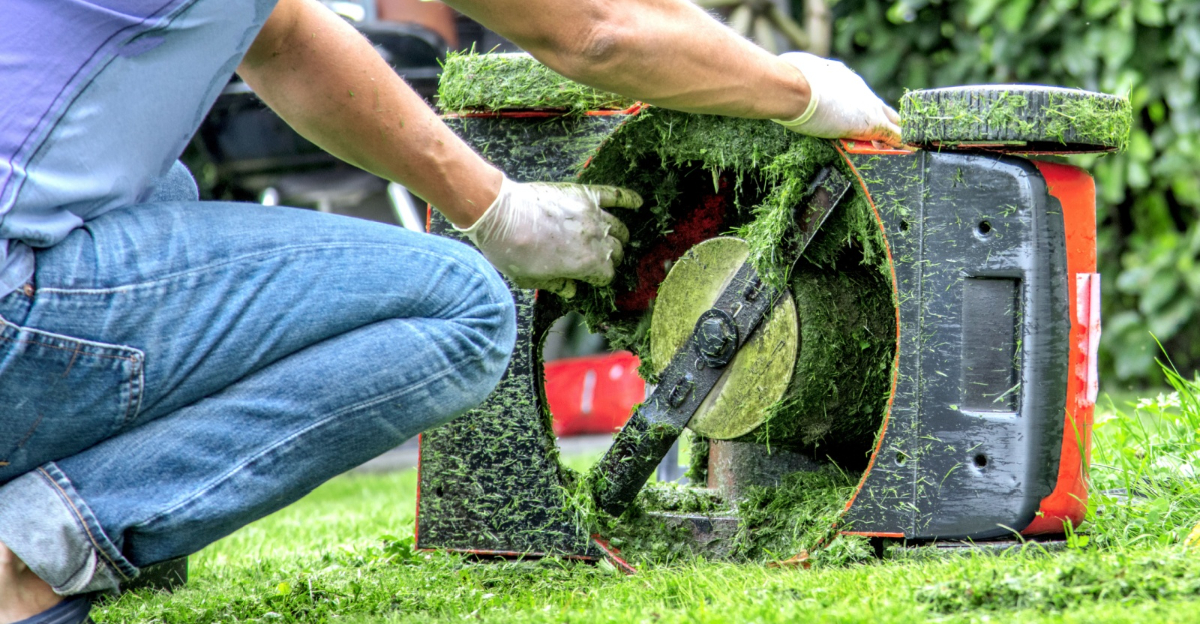
Clumps of wet grass clippings stuck to a mower deck are more than just a mess. During Florida’s rainy season, those clippings can carry fungal spores, bacteria, and other plant material from one lawn session to the next.
If the mower is not cleaned between uses, pathogens from a diseased area can end up being spread across an otherwise healthy lawn the very next time the equipment is used.
Cleaning the mower after each session does not need to be a lengthy process. Blowing off the deck, wheels, and undercarriage with a leaf blower removes most loose clippings quickly.
For heavier buildup, a hose and a stiff brush can clear the deck more thoroughly. Paying attention to the underside of the mower deck is especially important because that surface collects the most material during a single mowing pass through tall or wet grass.
This habit matters even more when mowing is done across multiple properties or when a lawn service handles the yard.
Equipment that moves from one Florida lawn to another without cleaning in between can carry disease problems from a neighbor’s struggling turf into a yard that was otherwise in good shape.
Homeowners who handle their own mowing can build this cleanup step into their routine by keeping a brush and blower near the storage area.
Taking a few extra minutes after mowing to clean the equipment is a small effort that supports long-term turf health during a demanding season.
7. Avoid Scalping Stressed Turf
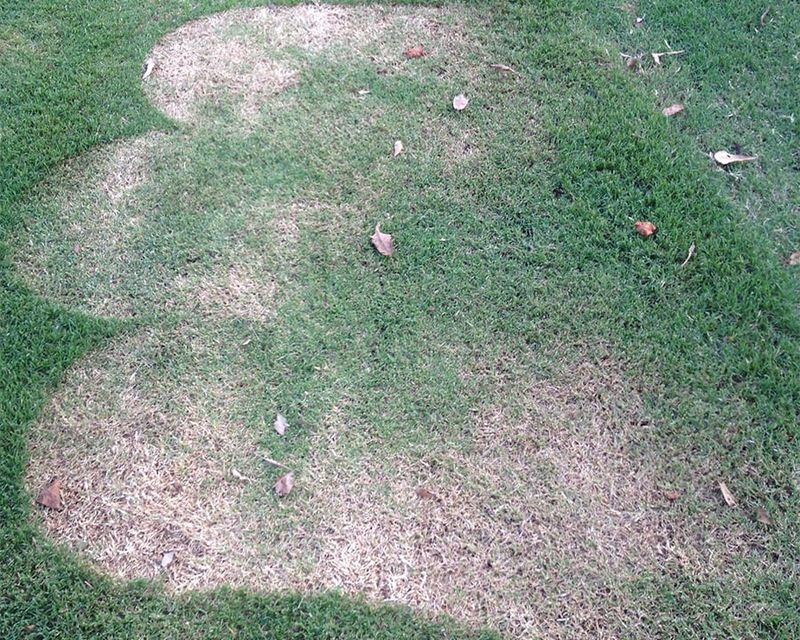
After a long rainy stretch when mowing got delayed for several days, it can feel satisfying to set the mower low and cut everything down in one pass. That approach, known as scalping, removes so much leaf tissue at once that the grass struggles to recover.
During Florida’s rainy season, when heat and humidity are already pushing turf to its limits, scalping can set a lawn back significantly and open the door to disease and weed pressure in the thin areas left behind.
Scalped turf looks pale or almost white right after mowing, and the exposed soil beneath the canopy dries out quickly between rain events.
Grass that has been cut too short has less leaf surface for photosynthesis, which means the root system gets less energy at a time when the plant needs it most.
St. Augustinegrass is particularly sensitive to scalping and may develop thin or bare patches that are slow to fill back in during summer months.
The temptation to scalp is strongest when the lawn looks overgrown and the homeowner wants to stretch the time between mowing sessions.
A better strategy is to mow at the upper end of the recommended height range and accept that Florida’s summer growth rate may require more frequent sessions during peak rainy season.
Keeping the mower deck at the right height and mowing before the grass gets too tall protects the turf from the kind of stress that makes recovery slow and difficult.
8. Adjust Irrigation Around Rainfall
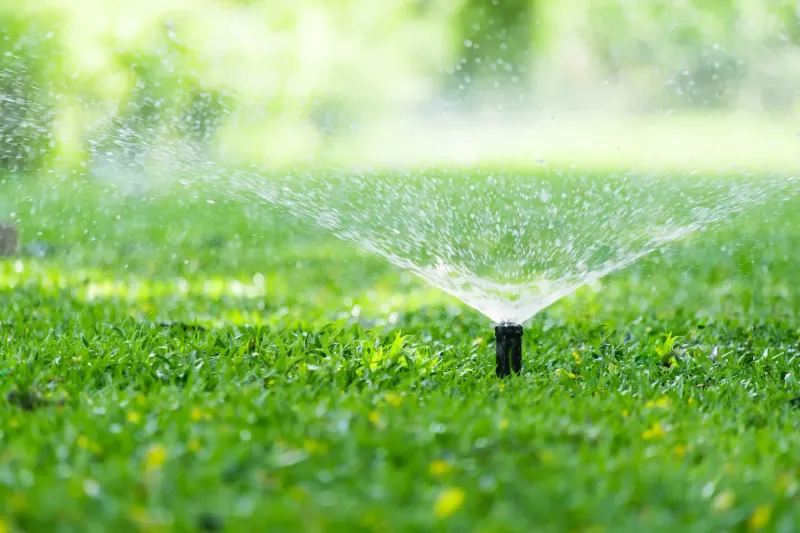
Sprinkler systems set on a fixed schedule can quietly make rainy-season lawn problems worse.
When afternoon storms are delivering regular rainfall across Florida, running irrigation on top of that moisture keeps the soil saturated and the grass wet for extended periods.
Prolonged leaf wetness is one of the main conditions that encourages fungal diseases to develop and spread through the turf, so adding extra water when the lawn already has plenty is a habit worth reconsidering.
Florida water management districts and extension guidance both encourage homeowners to use the two-day-per-week watering restriction as a maximum rather than a fixed routine. During rainy stretches, irrigation may not be needed at all for days at a time.
Checking the soil moisture before running the system is a practical way to avoid overwatering. If the top few inches of soil feel moist and the grass does not show signs of drought stress, the sprinklers can stay off.
Rain sensors and smart irrigation controllers can take some of the guesswork out of this process by automatically skipping scheduled cycles when rainfall has been detected.
For lawns on sandy soils, which are common across much of Florida, drainage is usually faster, but overwatering can still cause problems when rain is frequent and irrigation adds to the total moisture load.
Adjusting the irrigation schedule week by week based on actual rainfall keeps the lawn from staying too wet and reduces the conditions that make rainy-season disease pressure harder to manage.