The Giant Squirrel Some Florida Homeowners Don’t Recognize
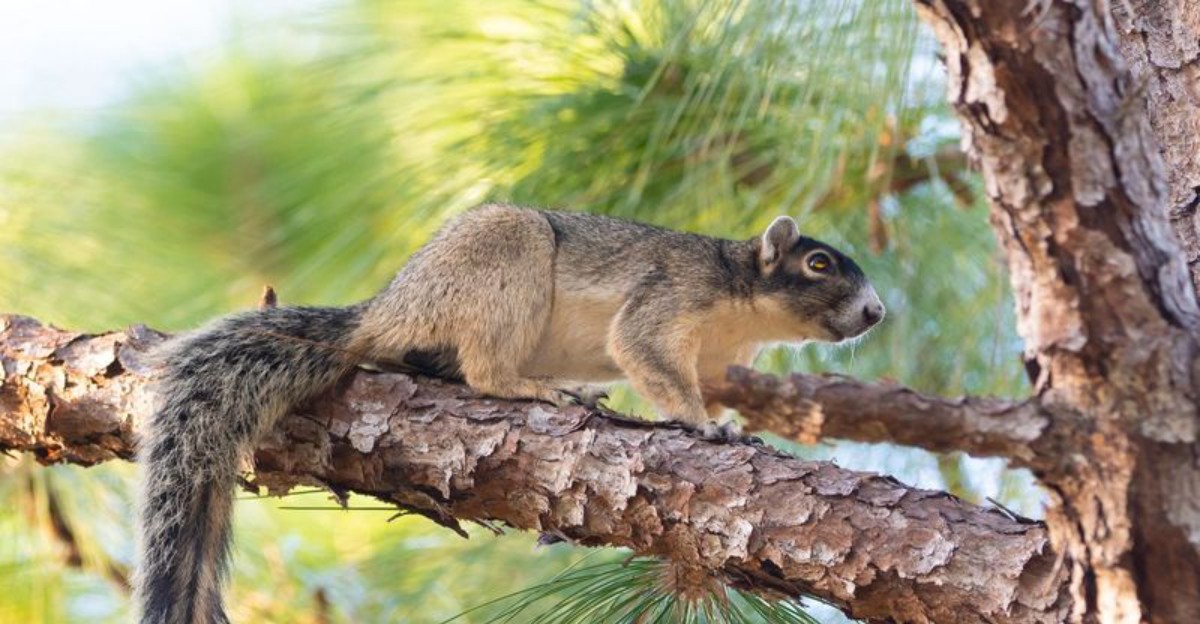
Some backyard squirrels in Florida tip the scales at nearly three pounds, about twice a typical gray squirrel. Neighbors snap blurry photos and post them online, convinced a fox or a raccoon wandered into the yard.
One might wear a black mask and white nose, while the next looks rusty orange or silvery gray. The first one I spotted made me drop the hose and just stare for a while.
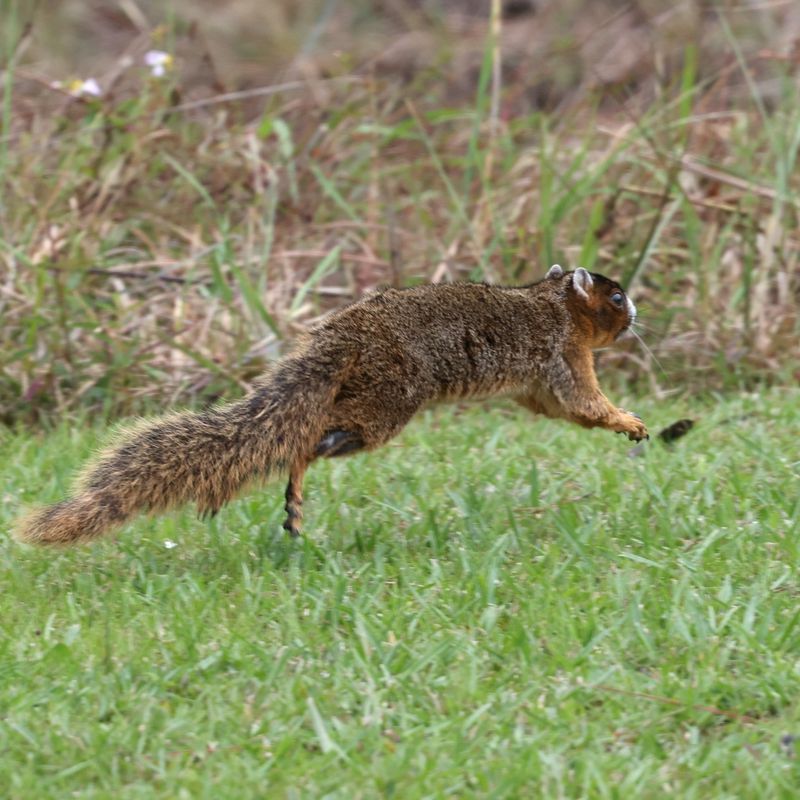
You might notice them trotting across open lawns, far from trees, with a slow and confident swagger. I really admire how they skip the frantic rush that smaller squirrels seem to follow all day.
These hefty natives are protected in Florida, yet plenty of homeowners still have no idea what they are. That oversized, fluffy visitor raiding the pine cones by your driveway has a far more interesting story than most people realize.
The Eastern Fox Squirrel Is North America’s Largest Tree Squirrel
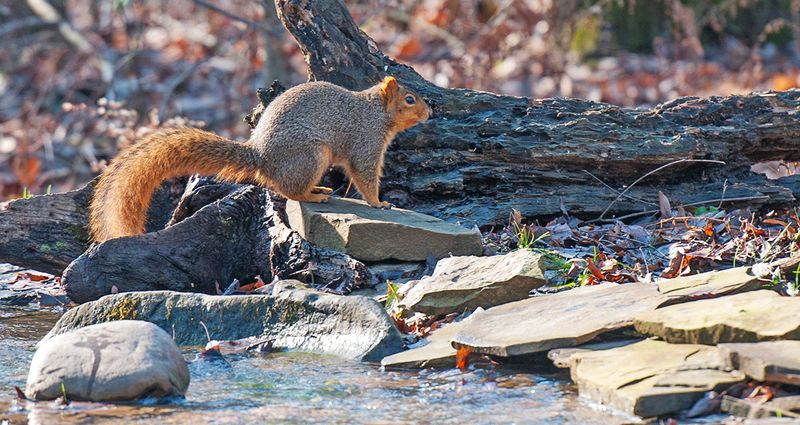
That chunky critter on your fence is probably an eastern fox squirrel, known to scientists as Sciurus niger. It holds the title of largest tree squirrel in North America, which surprises nearly everyone I tell about it.
Many people assume they are watching an overfed gray squirrel that discovered a generous bird feeder somewhere nearby. The fox squirrel is a separate species, though, with its own body shape and favorite places to live.
The name comes partly from its bushy tail and partly from the reddish coat it wears in many northern regions. Some folks also say its slow trot across open ground looks a lot like a small fox on patrol.
Fox squirrels live across much of the eastern and central United States, reaching west toward the Great Plains. Southern populations, including ours, tend to show far more color variety than their cousins living farther north.
Biologists recognize several subspecies, and three of them make their homes within the Sunshine State’s borders. Each one looks a little different, which explains why neighbors often argue about what they actually saw outside.
I like how knowing the real name changes the way you watch them in the yard each morning. Instead of shooing away a mystery animal, you start noticing a native mammal with a long local history.
You do not need special equipment to learn their features, just a little patience near a sunny window. A pair of binoculars helps, but a quiet cup of coffee on the porch works almost as well.
Fox Squirrels Can Weigh Nearly Three Pounds
Heft a full quart of milk from your fridge, and you are holding roughly what a large fox squirrel weighs. Adults commonly land somewhere between one and a half and three pounds, depending on region and season.
An eastern gray squirrel usually weighs around one pound, so the size gap jumps out right away. Side by side, a fox squirrel can look nearly twice as large as the gray one sharing your oak tree.
Length adds to the effect, since adults often stretch close to two feet from nose to tail tip. That tail alone can run nearly as long as the body, and it puffs out like a fluffy feather duster.
I have to admit, my first sighting fooled me into thinking a small cat was climbing our tall pine tree. The thick body and slower movements simply did not match the twitchy squirrels I was used to seeing.
Size can vary from place to place, so one fox squirrel may look bulkier than another living a few counties away. Still, almost any adult fox squirrel will appear heavier and broader than a gray squirrel nearby.
You can use size as a quick clue when trying to identify a visitor from your kitchen window. Compare the animal to something familiar, like a fence post cap or the tray on your bird feeder.
Snapping a photo with a known object in the frame makes later identification much easier and more fun. Local wildlife groups and extension offices often appreciate clear pictures when you have questions about what you spotted.
Black Masks And White Noses Make Fox Squirrels Stand Out
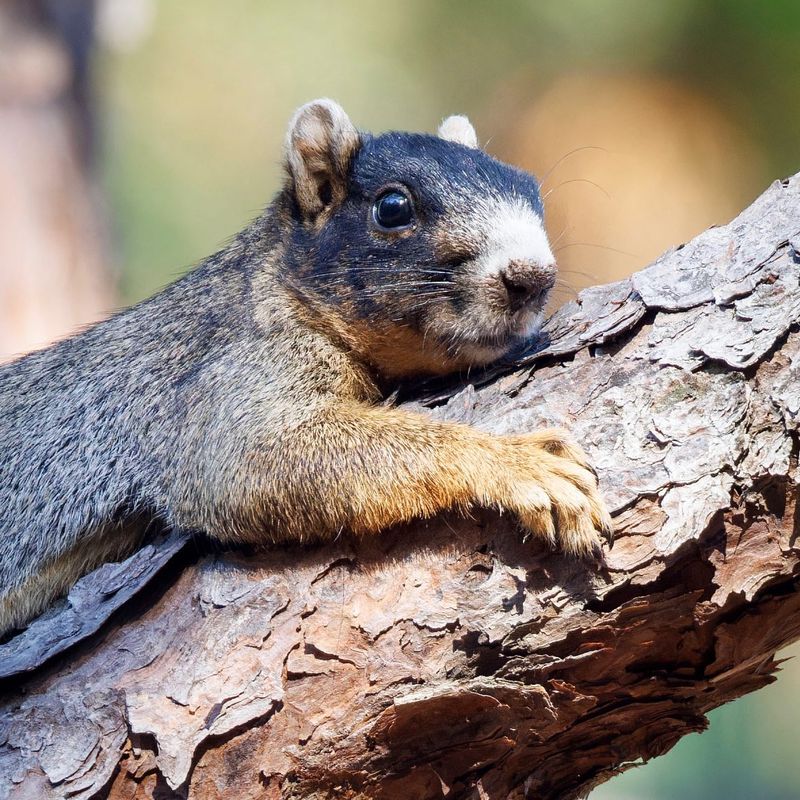
Few backyard animals look like they dressed for a costume party, but some fox squirrels pull it off beautifully. Many southern fox squirrels sport a black head with a crisp white nose and bright pale ear tips.
Coat colors vary wildly, and fox squirrels rank among the most variably colored mammals in North America. You may see rusty tan, silvery gray, buff, or nearly black animals living in the same general area.
Southern populations especially show this patchwork look, with dark backs and lighter bellies on many individuals. Some even appear almost solid black, which really throws people off when they first spot one in the yard.
Personally, I think the white muzzle is the easiest marker to remember during a quick backyard glance. Gray squirrels rarely show that clean white nose, so it quickly hints that you are watching something special.
Ears matter too, since fox squirrels in the Southeast often have white or pale edges along each ear. Combined with the dark face, that detail gives them a masked, almost raccoon-like expression that feels oddly charming.
Lighting can trick your eyes, so try to observe the same animal several times before deciding on its color. Morning sun may make a gray coat look silvery, while afternoon shade can make it seem much darker.
Keeping a simple notebook of sightings is a fun way to track the different individuals visiting your yard. Over time, you might even recognize a favorite squirrel by its unique markings and preferred feeding spot.
Sherman’s Fox Squirrel Roams Longleaf Pine Sandhills
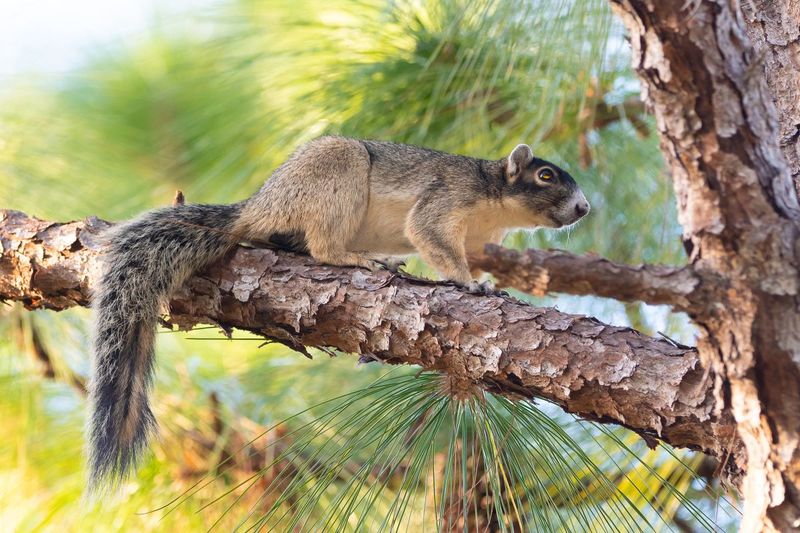
Longleaf pine cones are big and prickly, yet Sherman’s fox squirrel tears into them like a holiday snack. This subspecies, Sciurus niger shermani, lives mainly in central and northern parts of the peninsula and nearby Georgia.
Sherman’s fox squirrels favor open, sunny sandhills where longleaf pine, turkey oak, and wiregrass grow together. That habitat relies on regular low fires that keep the understory open and let squirrels see danger coming.
You might notice that coats on this subspecies range widely between silvery gray, tan, and nearly black shades. Many show the classic dark head with a white nose that makes southern fox squirrels so striking.
Development and loss of longleaf forest have reduced the places where Sherman’s fox squirrel can comfortably thrive. The state wildlife agency tracks the animal closely and has written a management plan to support its future.
I love how a simple backyard choice can help, since native longleaf pines remain easy to find at nurseries. Planting one or two in a sunny, well-drained spot gives future squirrels food and shelter for generations.
Longleaf pines grow well in USDA zones 7 through 10, which covers most northern and central regions here. They like sandy soil and full sun, and they need little extra watering once established in the ground.
Patience is part of the deal, because longleaf pines spend several years in a grassy stage before shooting upward. Once cones appear, you may find squirrels perched on branches, shredding them like corn on the cob.
Big Cypress Fox Squirrel Lives In Southwest Florida
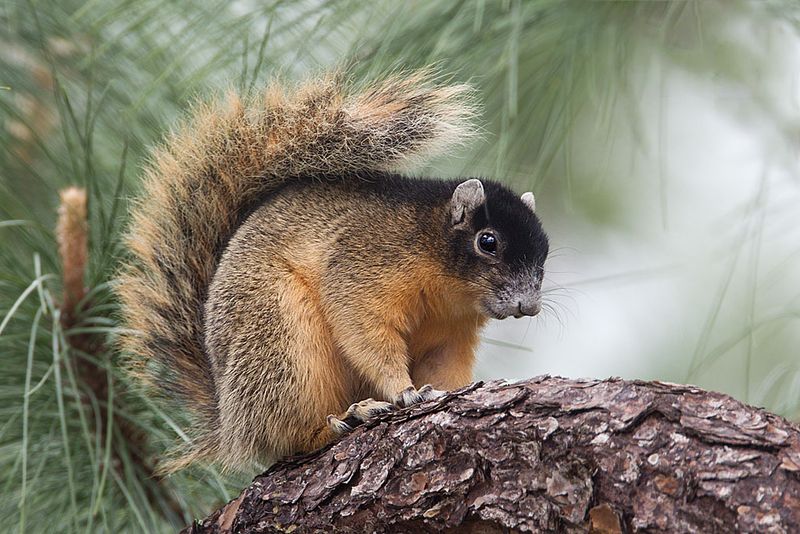
Down in the southwestern corner of the peninsula, a rare squirrel hops between cypress domes and open pine flatwoods. The Big Cypress fox squirrel, Sciurus niger avicennia, lives mainly south of the Caloosahatchee River and west of the Everglades.
Its look is unforgettable, with a dark head and white nose contrasting sharply against tan or rusty sides. Many also carry a dark stripe down the back, almost like a jacket pulled snugly over their shoulders.
The state lists this subspecies as threatened, mainly because its habitat keeps shrinking as development spreads. Researchers have found these squirrels using golf courses and parks that offer scattered trees and mowed grass.
I believe that makes local homeowners and golfers important partners in watching out for this special animal. Reporting sightings to the Florida Fish and Wildlife Conservation Commission helps biologists learn where populations still remain.
Unlike many fox squirrels, Big Cypress fox squirrels can breed in almost any month of the year. Biologists note peaks during winter and spring, when young squirrels often appear in leafy nests high in trees.
Native slash pines and cabbage palms provide food and nesting spots that these squirrels readily use. Keeping a few mature trees in your yard, rather than clearing everything, gives them places to rest and hide.
Driving slowly near parks and golf courses also helps, since fox squirrels often cross roads in open spaces. A few seconds of patience behind the wheel may protect one of the most unusual squirrels in the region.
Southeastern Fox Squirrels Patrol Panhandle Pine Woods
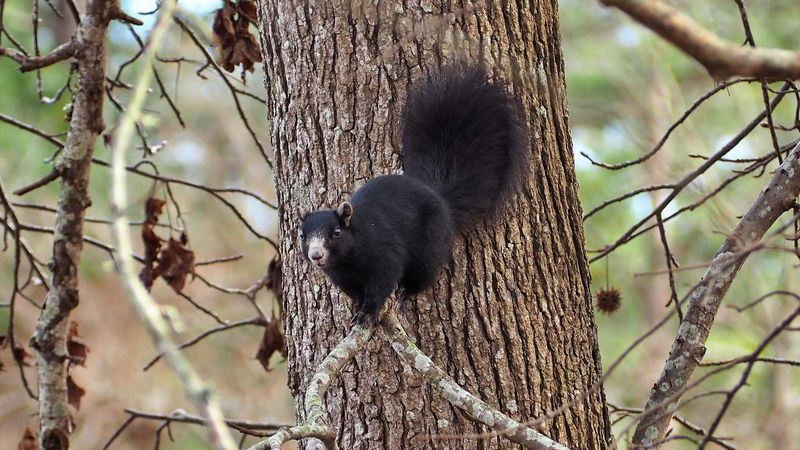
Head west toward the Panhandle, and the fox squirrels you meet belong to a different branch of the family. The southeastern fox squirrel, Sciurus niger niger, ranges across much of the Southeast, including those western pine forests.
These squirrels share the same big build and slow trot as their cousins farther down the peninsula. Coat colors still vary, though many show grayish or dark backs paired with lighter undersides and pale noses.
Open pine woods with scattered oaks offer ideal conditions, much like the sandhills farther east and south. Prescribed fire helps keep these forests open, which benefits fox squirrels along with many ground-nesting birds.
Personally, I find it fun that a single species can look so different from one county to the next. Telling subspecies apart in the field is tricky, so your location often gives you the best clue.
Experts sometimes debate exactly where one subspecies ends and another begins, since ranges can blend together. You do not need to settle that question to enjoy watching a big squirrel in your backyard.
Homeowners with pecan trees in the Panhandle may notice fox squirrels harvesting nuts in late summer and fall. Picking up nuts promptly reduces the buffet, while leaving a few lets you enjoy the show.
Mature oaks and pines with natural cavities give these squirrels safe places to rest and raise families. Leaving healthy old trees standing, when safe, supports wildlife far better than clearing everything for a tidy lawn.
Fox Squirrels Trot Across Open Lawns To Forage
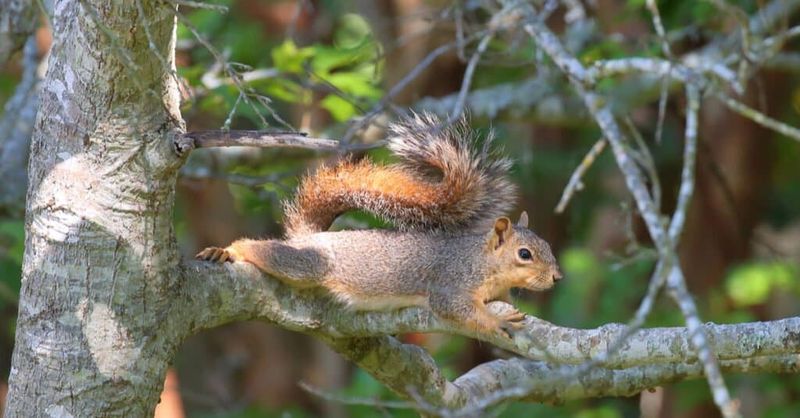
Watch a fox squirrel for ten minutes, and you will probably see it wander farther from trees than expected. These hefty animals spend much of their day foraging on the ground, sometimes crossing wide open lawns.
Their movement looks calmer than a gray squirrel’s frantic zigzag, with a steady and almost thoughtful trot. That relaxed pace is one reason people compare them to foxes, along with the long, fluffy tail.
Fox squirrels are active during daylight hours, so morning and late afternoon are great times for watching them. On hot summer days, they often rest in shady branches during the warmest stretch of the afternoon.
I can’t imagine a better excuse to sit outside with coffee than catching one digging under a pine. You may see it sniff the ground carefully, then dig quickly and pop up holding a buried treat.
Open spaces help them spot hawks and other predators, which explains their love for parklike yards with scattered trees. Thick shrubs and tangled undergrowth can make them nervous, since danger may hide close by.
You can encourage natural foraging by leaving some fallen pine cones and acorns in a corner of the yard. Raking every last cone away removes a food source that these squirrels rely on throughout the year.
Just remember to keep pets inside or leashed when squirrels are active nearby in the yard. A curious dog may chase them across busy roads, which puts both animals at serious risk of injury.