Winged Bugs Inside Your Ohio Home In Winter? Check For Termites
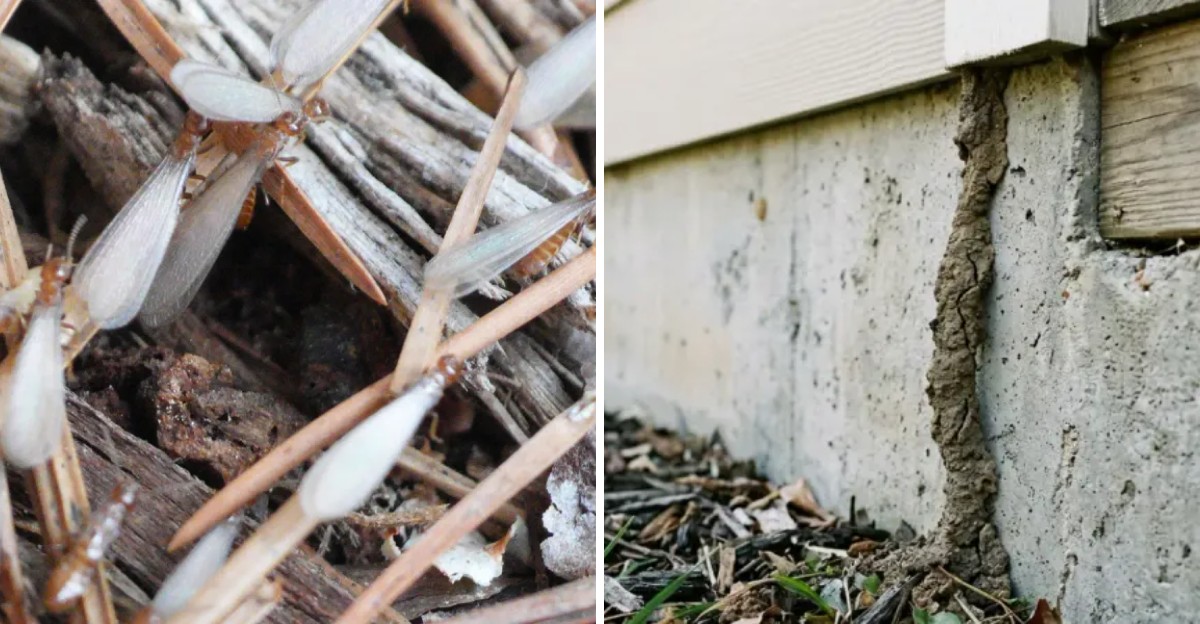
A tiny pile of shed wings on a January windowsill can say more about your house than a home inspector’s flashlight.
Those papery little wings tend to show up in Ohio right when snow is piling against the porch steps. Most outdoor insects are tucked away for the season, so a fluttering crowd indoors feels wildly out of place.
I believe a heated house can fool certain hidden insects into thinking spring has arrived early. The warmth from your furnace may be the very thing waking them up inside your walls.
Ten minutes spent studying a few bugs beats months of wondering what’s chewing quietly behind the drywall. You need a calm eye, a clear jar, and a little know-how.
Whatever is fluttering around your kitchen window right now has a story to tell, and it’s worth hearing before spring.
Those Papery Wings On Your Windowsill Tell A Story
Winter flyers indoors catch most of us off guard. Outside, Ohio insects are mostly quiet, hidden in soil, bark, or leaf litter until warmer weather returns.
Inside your home, the rules can change. Furnace heat, warm basements, and moist soil near foundations can create a pocket of spring-like conditions under the floor.
Some insects respond to that warmth as if the season had flipped early.
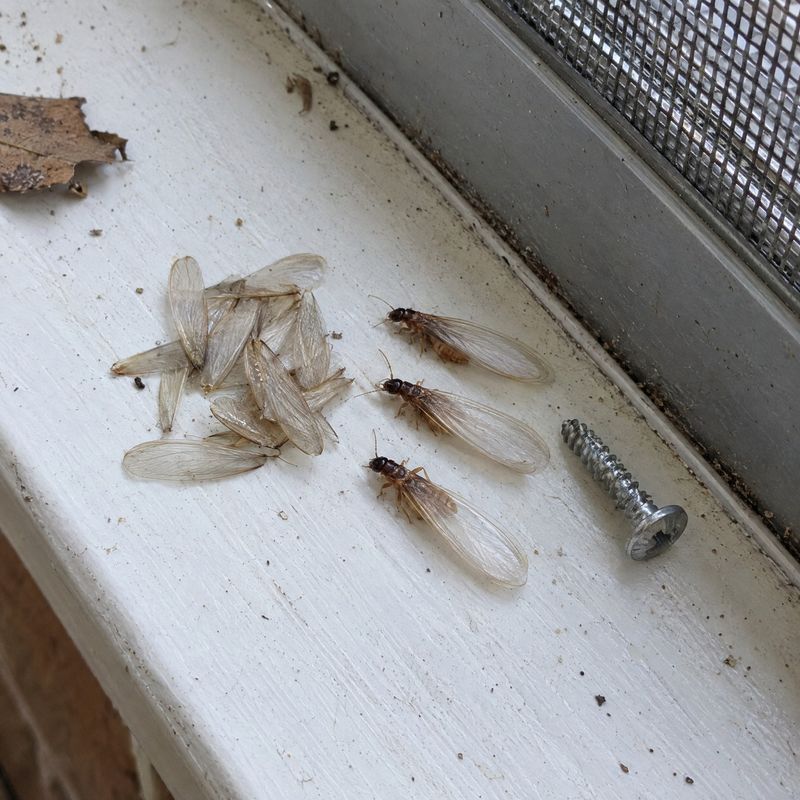
The biggest clue often is not the bugs themselves. Look for small, see-through wings scattered on windowsills, near light fixtures, or along baseboards.
Many winged insects drop their wings soon after they fly, so a little pile can show up even after the flyers have vanished.
I like to treat that pile like a note left on the counter. Somebody was here, and you want to know who.
Grab a piece of clear tape and lift a few wings, then set them on a white index card.
Write down the date, the room, and where you found them. That simple record helps a pest professional or your county extension office figure out what you are dealing with.
Your notes might save a lot of guesswork later.
Termite Swarmers Can Pop Out Indoors Even In January
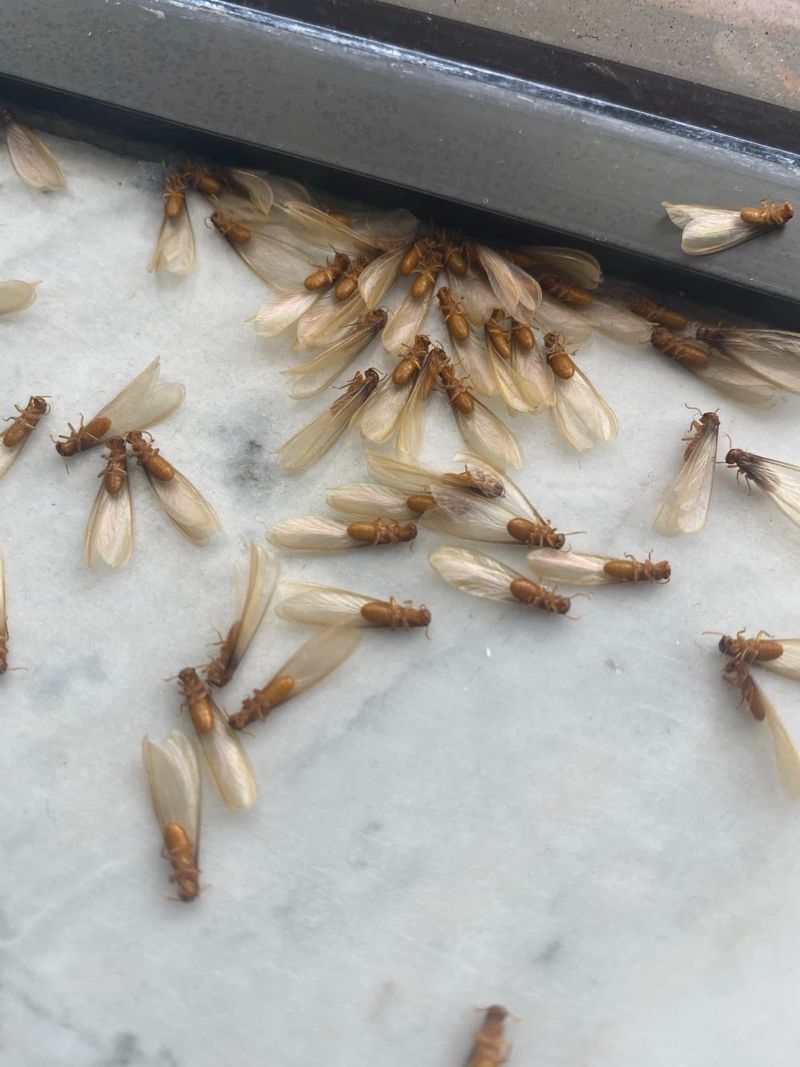
Eastern subterranean termites are the main termite species across Ohio. Outdoors, their winged reproductives, called swarmers or alates, usually fly on warm spring days, often from March through May after a rain.
A colony living under a heated home can follow a different calendar. Ohio State University Extension notes that swarms indoors can happen in late winter when the house keeps the soil and wood warm.
That means seeing swarmers in January or February is unusual but possible.
Termites do not hibernate. In cold months, outdoor colonies move deeper into the soil, below the frost line, and keep feeding slowly.
Colonies tucked against a warm foundation may stay quite busy.
Swarmers trapped indoors rarely start a new colony. They need moist soil and a partner, and dry indoor air quickly wears them out.
They are mostly harmless to people too, since they do not bite or sting.
Their presence matters for a different reason. A swarm inside usually signals a mature colony somewhere close, often feeding on wood you cannot see.
Finding them indoors during winter is a strong reason to schedule a professional inspection soon.
Straight Antennae And Matching Wings Give Termites Away
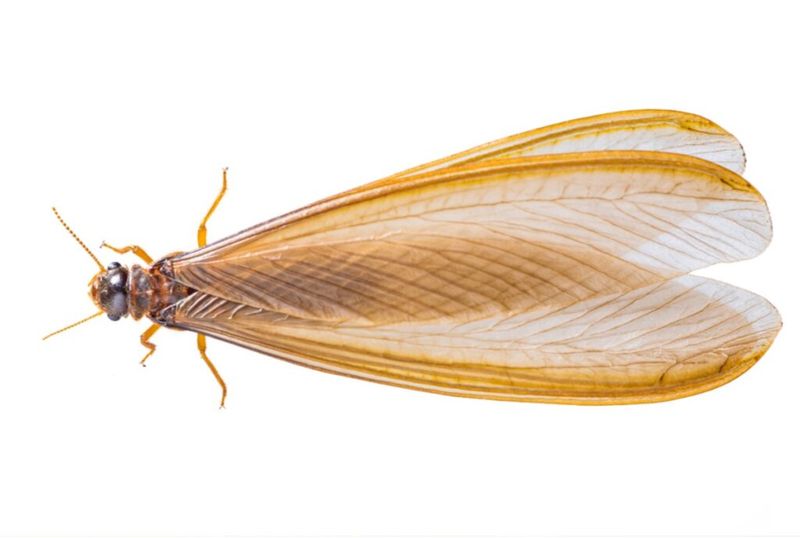
Grab a magnifying glass, because three body features do most of the identification work. Once you know them, spotting a termite becomes surprisingly easy.
Start with the waist. A termite swarmer has a thick, straight body with no pinched middle, a bit like a tiny grain of rice.
Next, check the antennae, which look straight and beaded, almost like a short string of pearls.
The wings are the real giveaway. Termites have four wings that are all about the same length, and they stretch well past the tip of the body.
They look milky or clear, with very fine veins.
Eastern subterranean swarmers are usually dark brown to black and about three-eighths of an inch long, wings included. Their bodies are soft, and they tend to crawl toward windows and lights.
Here is a fun bit of trivia. A termite’s wings have a built-in weak line near the body, so the insect can snap them off right after landing.
That is why loose wings pile up so fast.
Place a few specimens in a sealed jar or a bag with a little hand sanitizer to keep them intact. Clear photos help too.
Winged Carpenter Ants Look Similar But Have Pinched Waists
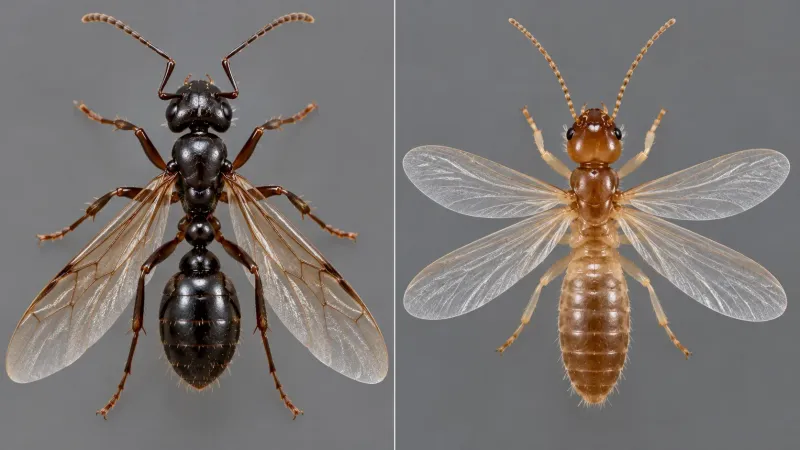
Mix-ups between winged ants and termites happen in countless Ohio kitchens every year. Honestly, I understand why, since both can fly out of walls looking dark and buggy.
A closer look settles it fast. Ants have a narrow, pinched waist between the chest and abdomen, giving them an hourglass shape.
Their antennae bend in the middle like an elbow.
The wings differ too. Ants carry front wings that are clearly longer than the back pair, and the wings are not much longer than the body.
Black carpenter ants are common in Ohio, and they also nest in damp or damaged wood. Unlike termites, they do not eat the wood.
They carve smooth tunnels and push out sawdust-like debris called frass, which may pile up beneath a hidden nest.
Winged carpenter ants indoors during late winter can also point to a nest inside the house, since outdoor colonies stay inactive in the cold. So either insect deserves attention.
The treatment plan differs a lot between the two, though. Getting the identification right helps you avoid paying for the wrong fix.
Save a few specimens of each kind if you see both.
Lady Beetles And Stink Bugs Are Usually Just Houseguests
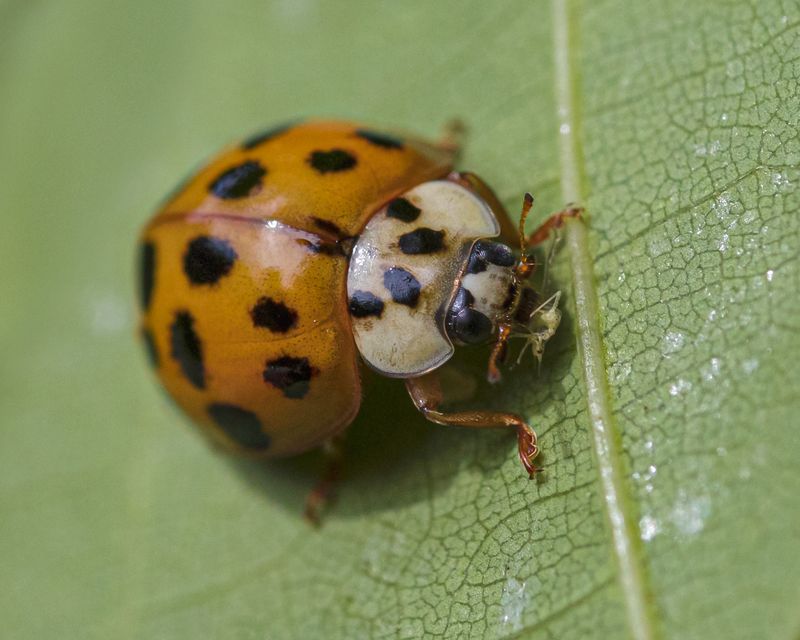
Plenty of winter flyers in Ohio homes are simply squatters waiting for spring. They moved in during autumn and wake up on sunny afternoons.
Multicolored Asian lady beetles are top offenders. They gather on sunny south and west walls in fall, slip through gaps, and wander out of attics and wall voids on mild winter days.
They can leave yellow stains and a sour smell if squished.
Brown marmorated stink bugs follow a similar habit. These shield-shaped, mottled brown insects buzz clumsily around lamps and release a strong odor when bothered.
Boxelder bugs, black with red markings, also show up near windows.
Cluster flies are another common guest. They look like slow, sluggish house flies circling windows in upstairs rooms.
None of these chew on wood or harm your home’s structure. They are a nuisance, not a building problem.
A vacuum with a stocking tucked into the hose makes removal quick and smell-free.
Sealing cracks around windows, siding, and utility lines in late summer helps keep next year’s crowd outside. That job is easier before the first cool nights send them looking for shelter.
Pencil-Thin Mud Tubes On The Foundation Deserve A Closer Look
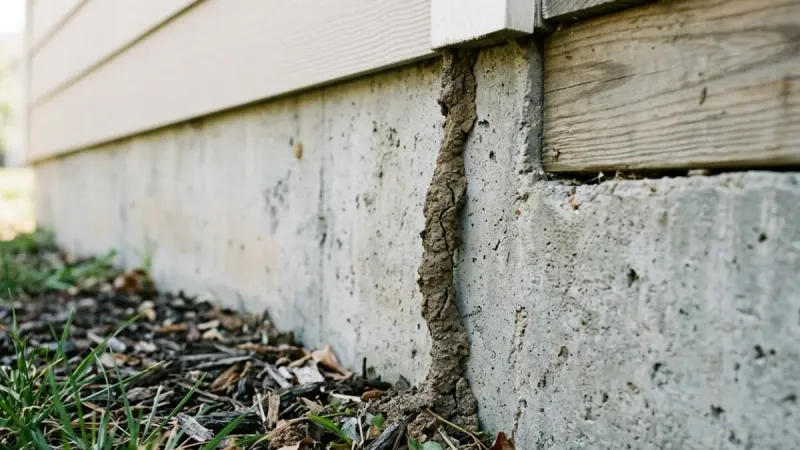
Flashlight time. Some of the most reliable termite evidence is found in basements, crawl spaces, and garages, not in the living room.
Subterranean termites need moisture and protection from open air. To travel between soil and wood, they build mud tubes about as wide as a pencil, made from soil, saliva, and droppings.
You might see them running up concrete walls, piers, or along floor joists.
Gently break a small section of tube with a screwdriver. If you spot cream-colored worker termites inside, the colony is active.
If the tube stays empty, check back in a week to see if it was repaired.
Tap exposed wood with the screwdriver handle as well. Wood that sounds hollow or crumbles easily may be eaten from the inside, since termites leave a thin outer layer intact.
Look for wood with layers of soil packed into the grain.
Indoors, watch for bubbling paint, sagging trim, or doors that suddenly stick. Moisture problems can cause those signs too, which is why a careful inspection matters.
Write down each spot you check. That map becomes a handy guide for whoever comes to inspect.
Bag A Few Bugs Before You Call A Licensed Inspector
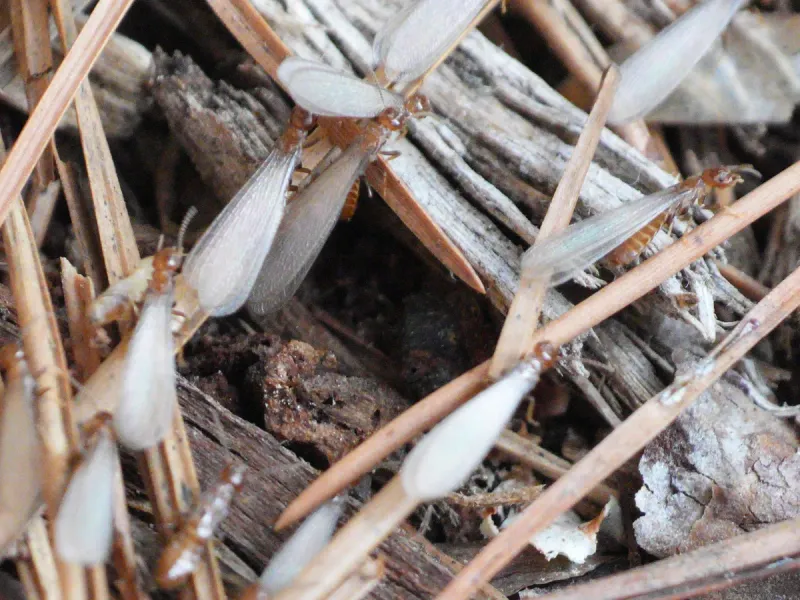
Stay calm. Termites work slowly, and a few extra days for proper identification will not ruin your house.
First, collect several insects in a small jar or zip bag. Snap clear, close photos showing antennae, waist, and wings.
Vacuum up the rest, but avoid spraying store-bought bug spray into walls, since that rarely reaches the colony and can complicate later treatment.
Next, get an expert opinion. Your county OSU Extension office can help identify samples, often at little or no cost.
Then call a pest control company licensed through the Ohio Department of Agriculture.
Ask for a written inspection report, a diagram of activity, and details on the treatment method. Common options include liquid soil treatments around the foundation and baiting systems that workers carry back to the colony.
I like getting at least two quotes. Prices and approaches vary, and a good company will happily explain why it recommends one method over another.
Ask about warranty terms too. Many companies offer yearly renewals with reinspections, which can be valuable if you plan to stay in the home for many years.
Keep all paperwork in a safe folder.
Dry Soil And Mulch-Free Foundations Make Termites Less Comfortable
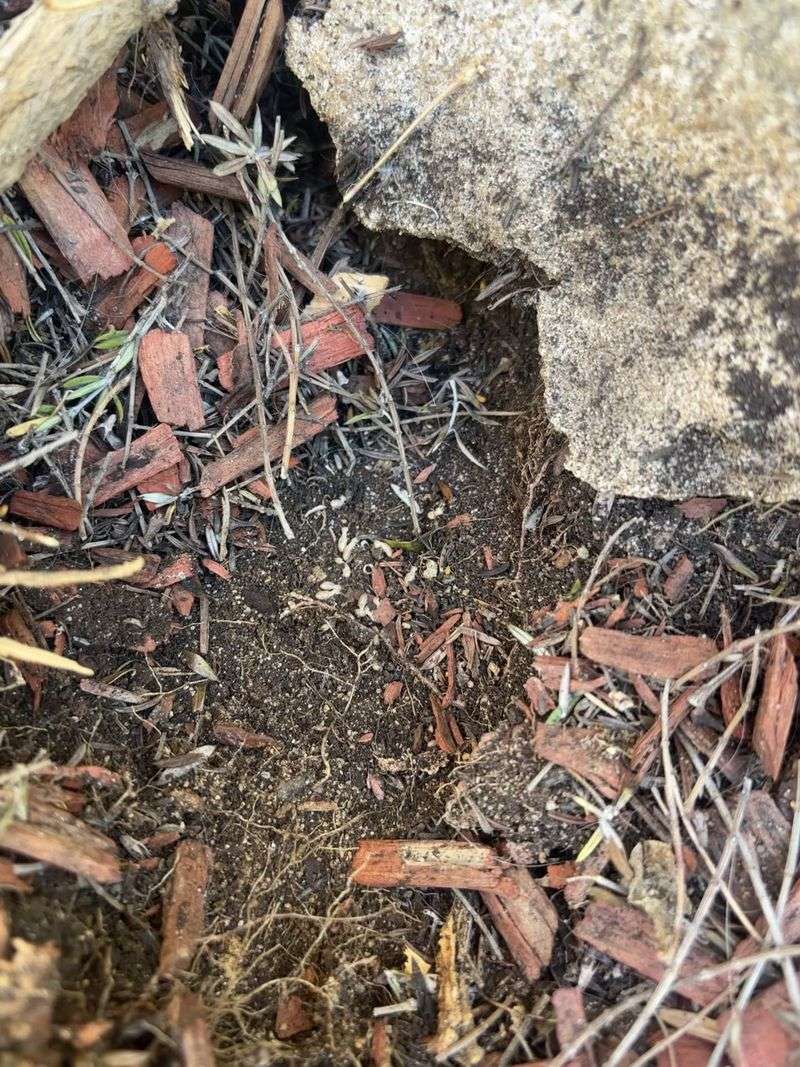
Moisture is the welcome mat for subterranean termites. Cut down on it, and your home becomes far less appealing.
Start with gutters and downspouts. Extend downspouts several feet away from the foundation so rainwater and melting snow drain into the yard instead of soaking the soil beside your walls.
Fix leaky outdoor faucets and air conditioner lines too.
As a gardener, I love mulch, but it belongs a few inches away from siding. Keep wood mulch thin near the house and leave a gap so you can see the foundation.
A strip of gravel works nicely right against the wall.
Stack firewood off the ground and well away from the house. Remove old stumps, scrap lumber, and cardboard from crawl spaces.
Keep wood siding and trim at least six inches above the soil line.
Inside, run a dehumidifier in damp basements and make sure crawl spaces have good airflow.
Finally, put a yearly look on your calendar. Each spring, walk the foundation with a flashlight and check for mud tubes or wings.
Small habits like these help keep surprises from flying out of your walls next winter.