Federal Protections Limit What Georgia Homeowners Can Do About Winter Vulture Roosts
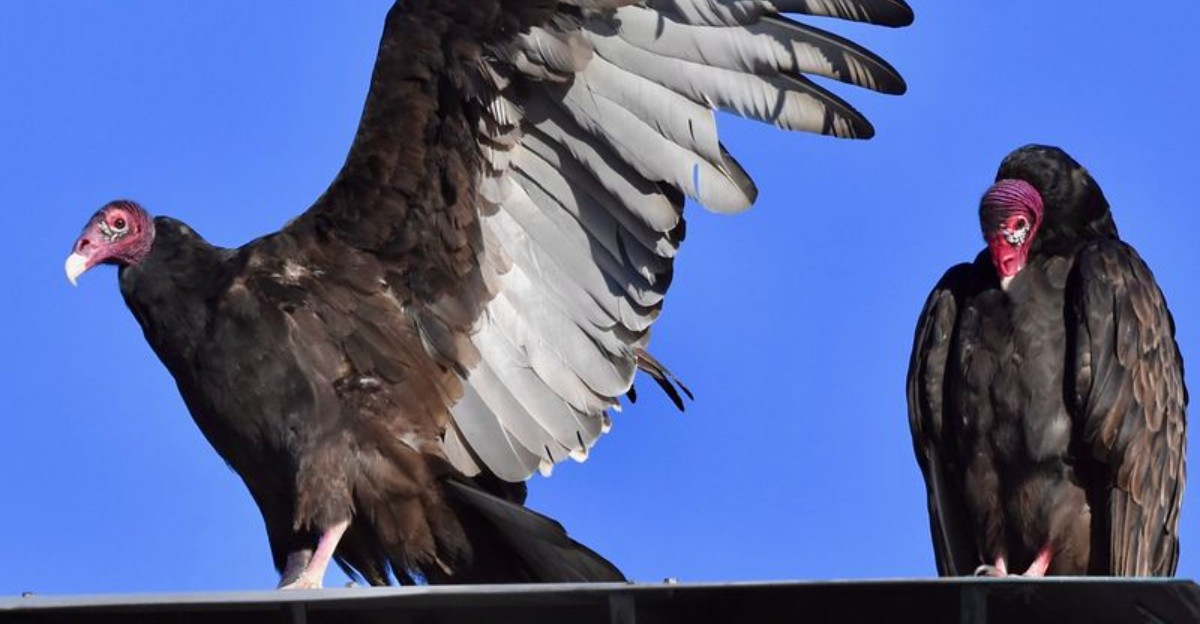
Large flocks of dark birds can strip the rubber seals off a parked car, tear up a pool cover, and peel caulk from a roof like it’s candy. Wildlife experts call it curiosity.
Homeowners call it a mess.
Every winter, these birds pile into tall pines and cell towers across Georgia, sometimes by the hundreds. Their numbers can swell as northern cousins drift south for the cold months.
The trees underneath turn chalky white, and the smell is hard to ignore.
I understand how frustrating that mess can become, especially when the birds return night after night. But a law signed more than a century ago still determines what you can and cannot do in your own backyard.
Which tricks are fair game, and which ones could land you a hefty fine? The answer surprised me, and it might surprise you too.
1. Those Roosting Vultures in Your Pines Are Off-Limits for a Reason
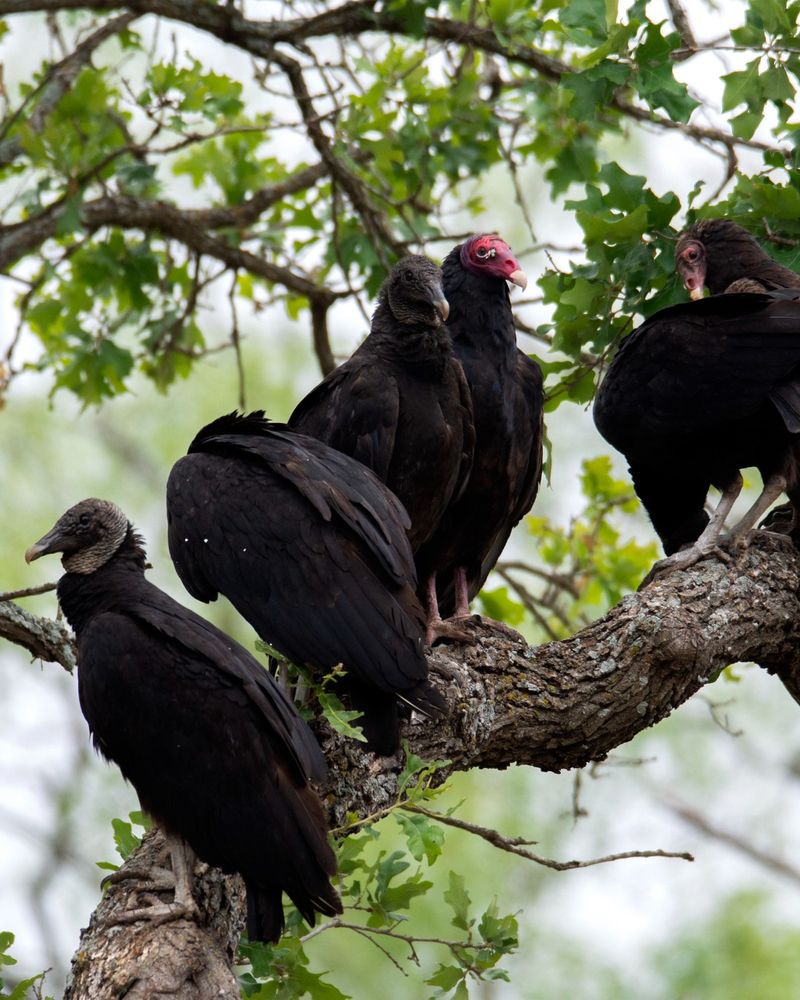
Here’s the part that catches most people off guard. Those hunched birds lining your pine branches are not fair game, no matter how annoying they get.
Both black vultures and turkey vultures are federally protected. Some control methods require special permission from the U.S.
Fish and Wildlife Service.
Destroying nests containing eggs or dependent young requires federal authorization, while inactive nests may be removed and destroyed without a permit if they are not kept.
Breaking the rule can bring serious trouble. Penalties under federal law can include fines of up to $15,000 per bird and even jail time in some cases.
That’s a steep price for one frustrated afternoon.
I know it feels unfair when the birds are on your property. Still, the law treats wild birds as a shared public resource, not something owned by whoever has the tallest trees.
The bright side is that you are not stuck doing nothing. Scaring, spraying, and blocking the birds are all legal, as long as nobody gets hurt.
So before you reach for anything with a trigger in Georgia, take a breath. Knowing the rules first will save you money, stress, and maybe a visit from a wildlife officer.
The rest of this guide covers what actually works within those limits.
2. The Migratory Bird Treaty Act Covers Both Black and Turkey Vultures
Back in 1916, the United States signed a treaty with Great Britain, on behalf of Canada, to protect migratory birds.
The United States implemented that treaty through the Migratory Bird Treaty Act of 1918, which still shapes life in your backyard today.
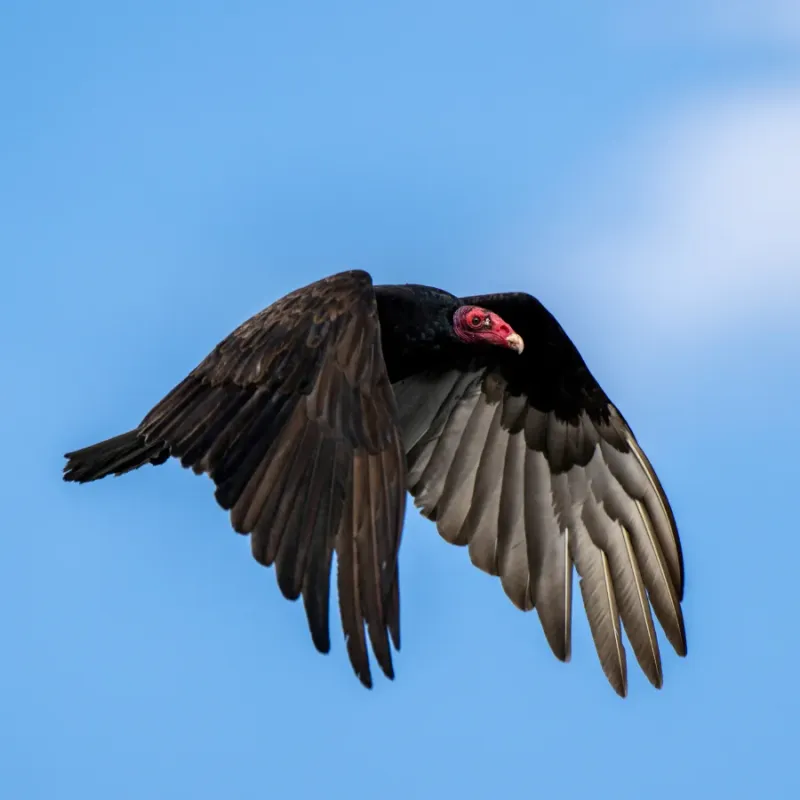
Both vultures you see around here are on the protected list. The turkey vulture has a bare red head and holds its wings in a wobbly V shape.
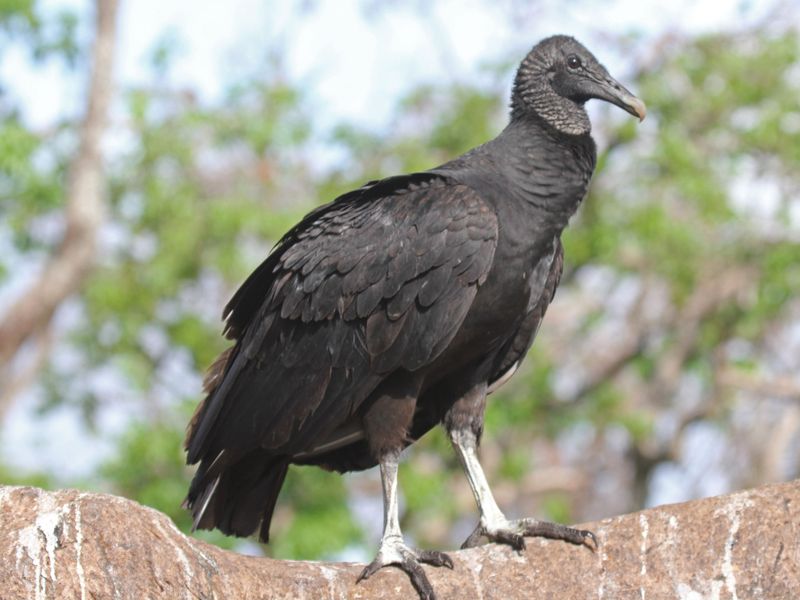
The black vulture has a gray head, shorter tail, and white patches near its wingtips.
Under the law, the key word is take. It covers hunting, harming, capturing, or collecting the birds, along with their parts, nests, and eggs.
Why protect a bird that feeds on animal remains? Vultures are nature’s cleanup crew.
Their strong stomach acids handle bacteria that would sicken other animals, which helps limit the spread of disease.
Fun fact for your next cookout: turkey vultures have one of the best senses of smell of any bird. They can sniff out a meal hidden under thick tree cover.
Black vultures rely more on their eyes and often follow turkey vultures to food. Either way, both get the same federal protection, including in Georgia.
3. Loud Noises and a Garden Hose Are Perfectly Legal Vulture Deterrents
A simple legal deterrent for a roost might be sitting coiled by your spigot right now. A strong blast from a garden hose makes vultures feel unwelcome without hurting a single feather.
Nonlethal deterrents are generally allowed under federal rules, provided they do not injure birds or cause active nests to be abandoned.
Wildlife specialists from USDA and university extension programs recommend mixing several scare tactics so the birds cannot get used to one.
Air horns, banging pots, and clapping boards all work. Some people use pyrotechnics like bird bangers, but check your city and county noise and fireworks rules first.
Your neighbors may have opinions too.
Timing makes a huge difference. Vultures settle into a roost in the late afternoon and evening, so start your noise as they arrive.
Pick up again early in the morning before they leave. For Georgia homeowners, doing this several days in a row teaches the flock that your trees are a bad place to sleep.
Low-powered handheld lasers designed for bird control can also scatter a roost at dusk. Point them only at the branches, keeping them away from people, cars, and aircraft.
Pointing a laser at a plane is a federal crime, so stay careful.
4. A Hanging Vulture Effigy Can Clear a Roost Surprisingly Fast
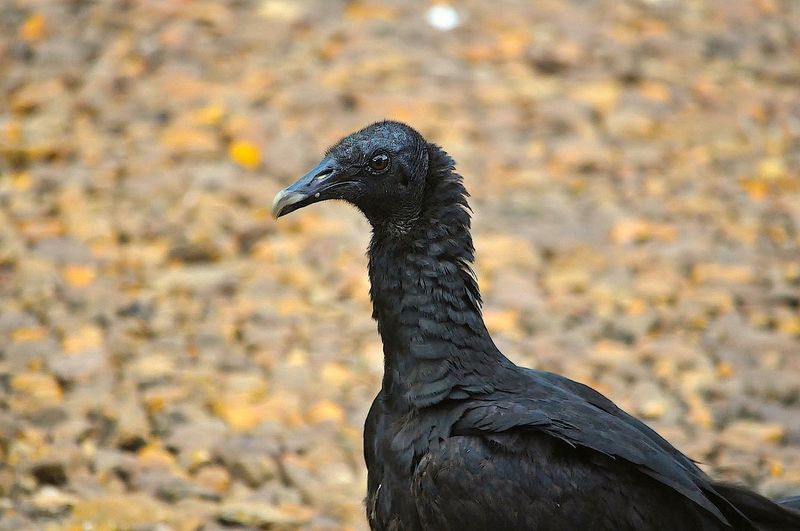
Strange but true, one of the most effective tools against a vulture roost looks like a vulture. Researchers at USDA Wildlife Services found that an effigy hung upside down can send a whole flock packing.
The birds seem to read it as a warning sign. Studies in the Southeast showed roosts often break up within days after an effigy goes up in plain view.
Now for the legal twist. Using a real vulture carcass counts as possessing a protected bird, so you need a federal permit for that.
Wildlife Services staff can sometimes supply one under their own permits.
Most homeowners go another route. Realistic artificial vulture decoys are sold online and at farm supply stores, and they require no paperwork at all.
Hang the decoy upside down with its wings spread, high in the tree or along the roofline where birds gather. Make it easy to spot from the air.
Move it to a new spot every week or two. Vultures are smart, and a decoy left in the same place too long in a Georgia yard may start to look like part of the scenery.
Pairing it with noise in the evenings boosts results even more.
5. Bird Spikes and Wires Keep Vultures Off Your Rooftop
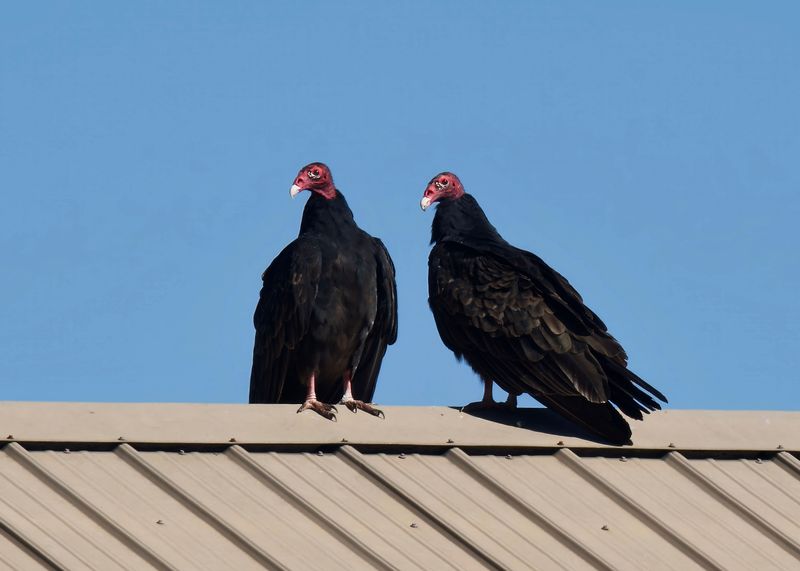
Picky perchers need a flat, comfy landing spot. Take that away, and your rooftop suddenly loses its charm for a vulture.
Exclusion is a smart, legal strategy that works quietly day and night. Plastic or metal bird spikes along roof ridges, chimneys, and ledges make it hard for big birds to settle.
Taut stainless steel wires or fishing line strung a few inches above a surface do a similar job.
Black vultures are the bigger troublemakers on homes. They like to peck at shingles, window caulk, rubber roof seals, and even pool screens.
A few spikes can save you a costly repair bill.
Electric shock tracks are another option for ledges and parapets. They give a mild jolt that startles birds without harming them, though they cost more and need a professional install.
Communication towers and water tanks are tougher, so leave those to the owners and utility companies.
For your own house, focus on the exact spots where droppings pile up. That whitewash tells you where the birds like to sit.
Install protection there first, then watch where they try to land next and cover those spots too.
6. Federal Permits Limit How Georgia Homeowners Can Control Vultures
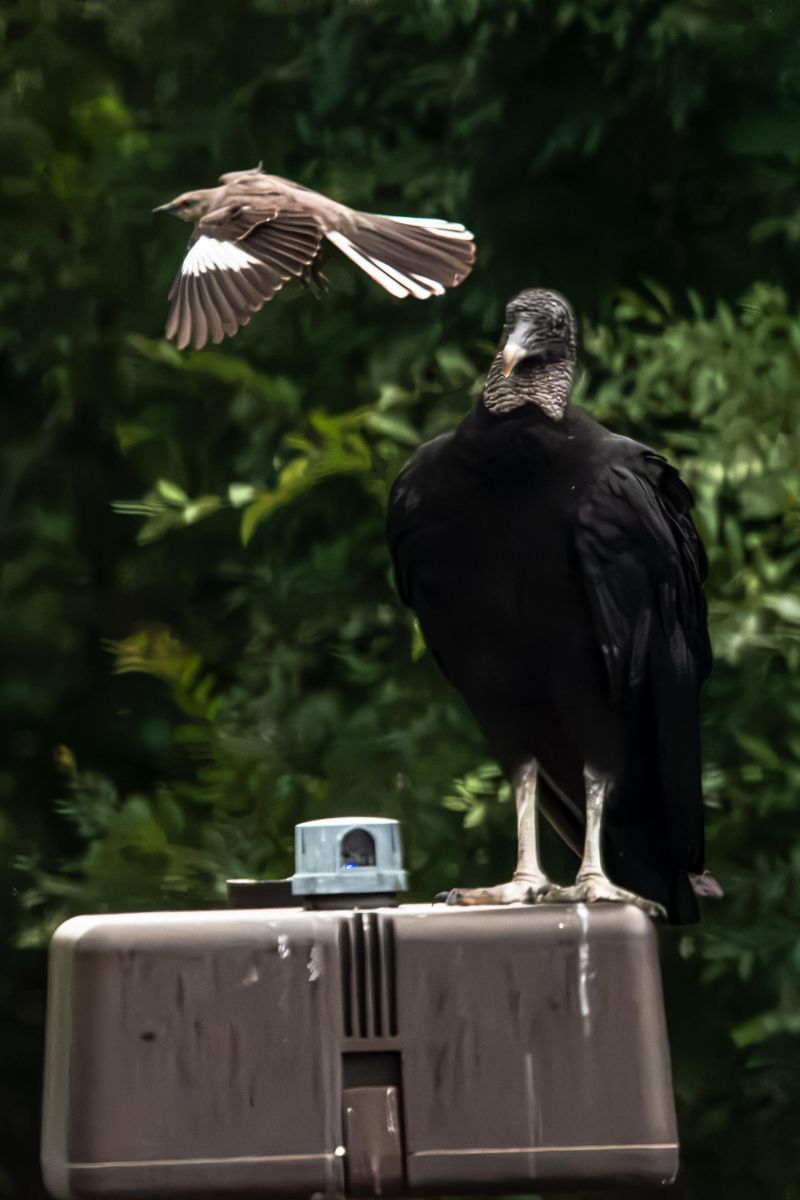
Sometimes scare tactics are not enough. Farmers dealing with black vultures that attack newborn calves face a very real problem, and the law does offer a path for that.
It’s called a migratory bird depredation permit. The U.S.
Fish and Wildlife Service issues it, and USDA Wildlife Services usually reviews the situation first and recommends whether lethal control is justified.
You have to show that nonlethal methods were tried and that real damage is happening. The permit sets strict limits on how many birds can be taken and requires reporting.
Georgia livestock producers have a simpler option for black vultures. Through a program with the Georgia Farm Bureau, eligible producers can apply for a sub-permit under a statewide federal permit, without filing their own full application.
That program covers black vultures only, not turkey vultures. It is meant for livestock losses, not messy backyard roosts.
For a typical suburban homeowner, a depredation permit is rarely granted just because birds are noisy or smelly. Your best bet is to call USDA Wildlife Services in Georgia or the state Department of Natural Resources for advice.
They can visit, assess the roost, and help you build a plan that fits the rules.
7. Big Trees, Towers, and Nearby Food Sources Explain Why Vultures Picked Your Neighborhood
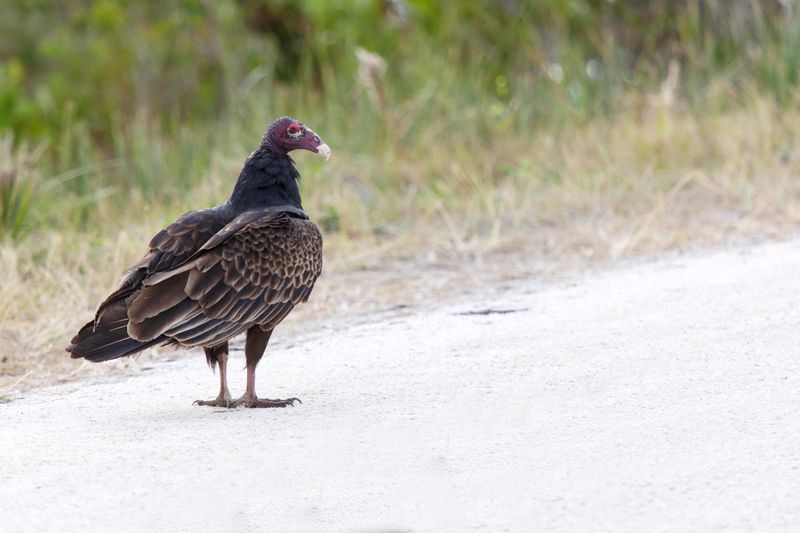
Ever wonder why your street got chosen while the next town over stays bird-free? Vultures are fussy about real estate, and a few features make a spot irresistible.
Height comes first. Tall pines, oaks with open branches, cell towers, and water tanks give the birds a safe perch and an easy takeoff in the morning.
Warm rising air matters too. Vultures soar on thermals instead of flapping hard, so open fields, highways, and parking lots nearby help them glide off to hunt.
Food seals the deal. Animal carcasses along busy roads, landfills, poultry farms, and cattle pastures all keep these scavengers well fed.
Suburbs near those spots are prime territory.
Winter adds a social twist. Vultures are group sleepers, and communal roosts may help them share warmth and information about where to find meals.
Across Georgia, roosts often grow from fall through early spring. Some turkey vultures from farther north spend the cold months here, joining birds that live in the state year-round.
Once a roost forms, the birds may return to the same trees for years. That loyalty is exactly why acting early, before tradition sets in, pays off so well.
8. Start Spooking Vultures Early Before the Winter Roost Grows
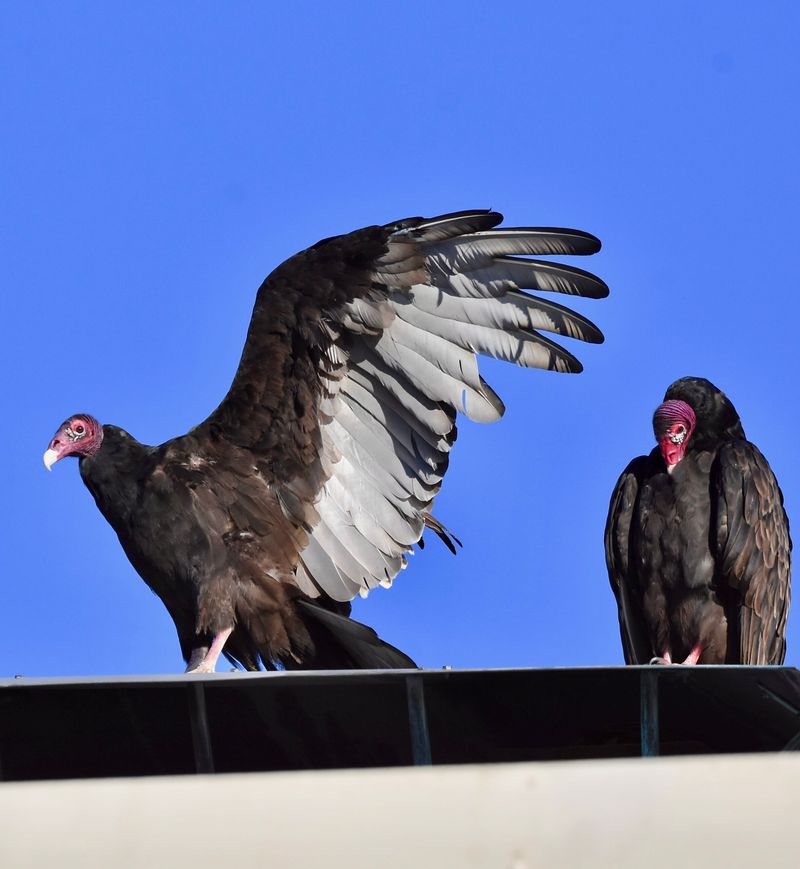
Ten birds are a nuisance, but three hundred are a lifestyle change. That’s why the smartest move is to act the moment the first few vultures show up.
Keep an eye on your trees in late fall. If you spot a handful settling in at dusk, start your hose, noise, and decoy routine right away.
Small groups give up much faster than big, established flocks.
Tidy up anything that smells like dinner. Secure trash cans, skip leaving pet food outside, and remove any animal carcasses on your land promptly.
Livestock owners should clear away afterbirth quickly during calving season.
Thinning branches can help too. Pruning open limbs on a favorite roost tree removes comfortable perches, but call a certified arborist for large trees to avoid harming their health.
Talk with your neighbors as well. If only one yard harasses the birds, the flock may just hop next door and keep coming back.
My honest takeaway is simple. These birds play a valuable role, and the law protects them for good reason.
With patience, persistence, and a little creativity, you can still reclaim your trees, legally and without losing sleep.