Fatsia Blooms In Late Fall And Brings Bold Leaves To Shady Georgia Yards
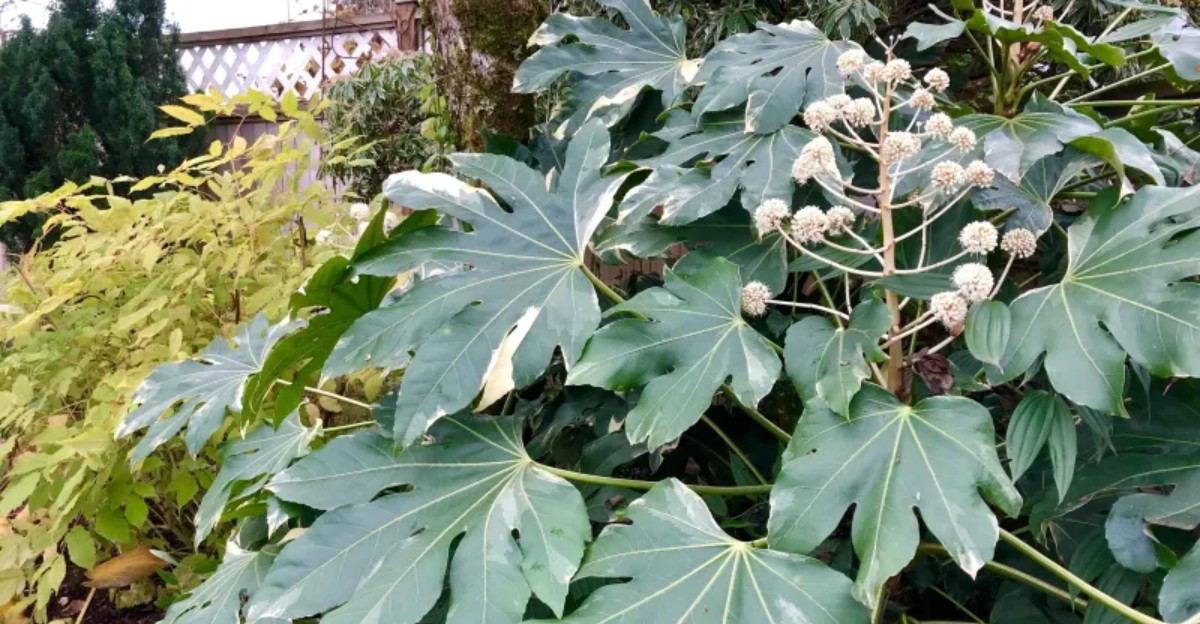
Shady corners near the house often end up with the same few plants, and most of them fade into the background. Big, glossy leaves can change that, especially in spots where flowers struggle.
Fatsia has leaves shaped like giant hands, and they stay green through winter in many areas. That bold look makes it stand out in places where finer-textured plants get lost.
Its surprise comes later in the year, when round clusters of creamy white flowers appear on tall stems.
Those blooms open in late fall, when little else in a shady bed is doing anything.
Pollinators still active on mild Georgia days often visit them, which adds a little life to the yard.
Look at the darkest spot near your patio or entry and picture something bigger there.
1. It Looks Like A Tropical Plant But Handles Cooler Winters
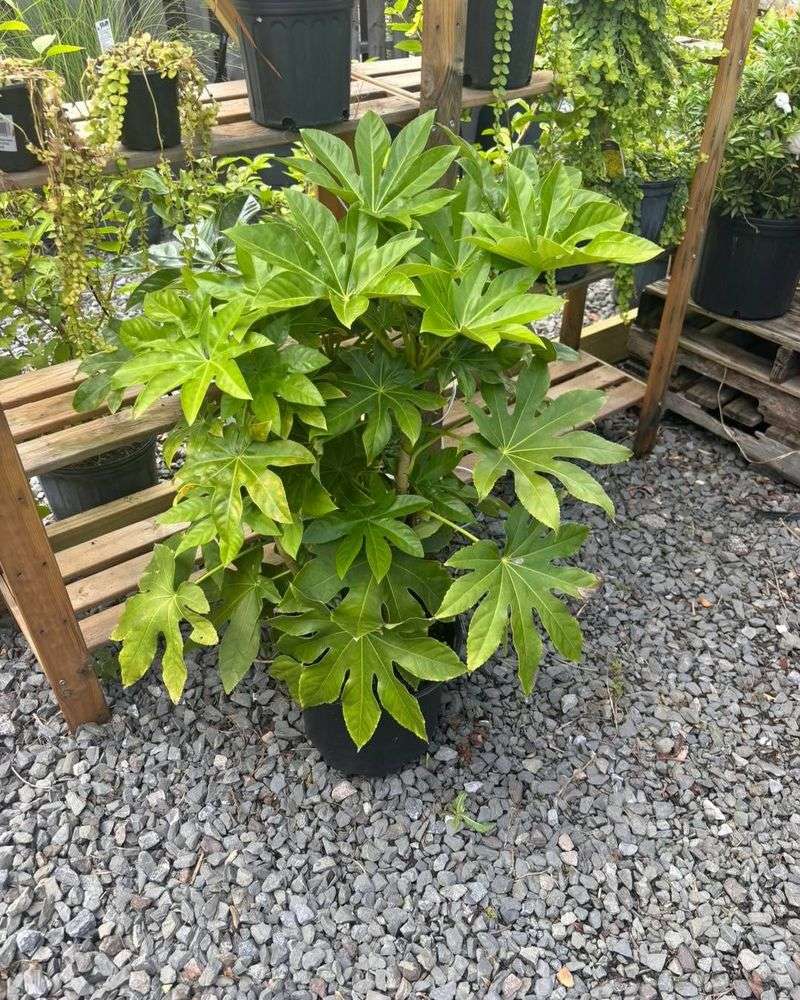
Big, shiny, hand-shaped leaves make fatsia look like it belongs in a rainforest. Visitors often guess it needs a greenhouse, but it is tougher than it appears.
Most sources rate fatsia as hardy in USDA zones 8 through 10, with some gardeners pushing it into warmer parts of zone 7.
That range covers much of central and south Georgia, where winter lows usually stay mild enough for the leaves to hold up. In those areas, the shrub tends to stay evergreen through the cold months.
Leaves can grow more than a foot across on a healthy plant.
Height usually lands somewhere between four and eight feet, though older plants in sheltered spots may get taller. Spread is often similar, so give it more elbow room than you think it needs.
Planting near a north or east wall can help a lot during winter cold snaps.
Walls block drying winds and hold a little warmth, which may reduce leaf damage on chilly nights. A layer of shredded bark or pine straw over the roots also helps keep soil temperatures steadier.
Moist, well-drained soil with some organic matter suits it best. Heavy red clay can work if you loosen it and mix in compost before planting.
2. Round Clusters Of Creamy White Flowers Appear As Fall Winds Down
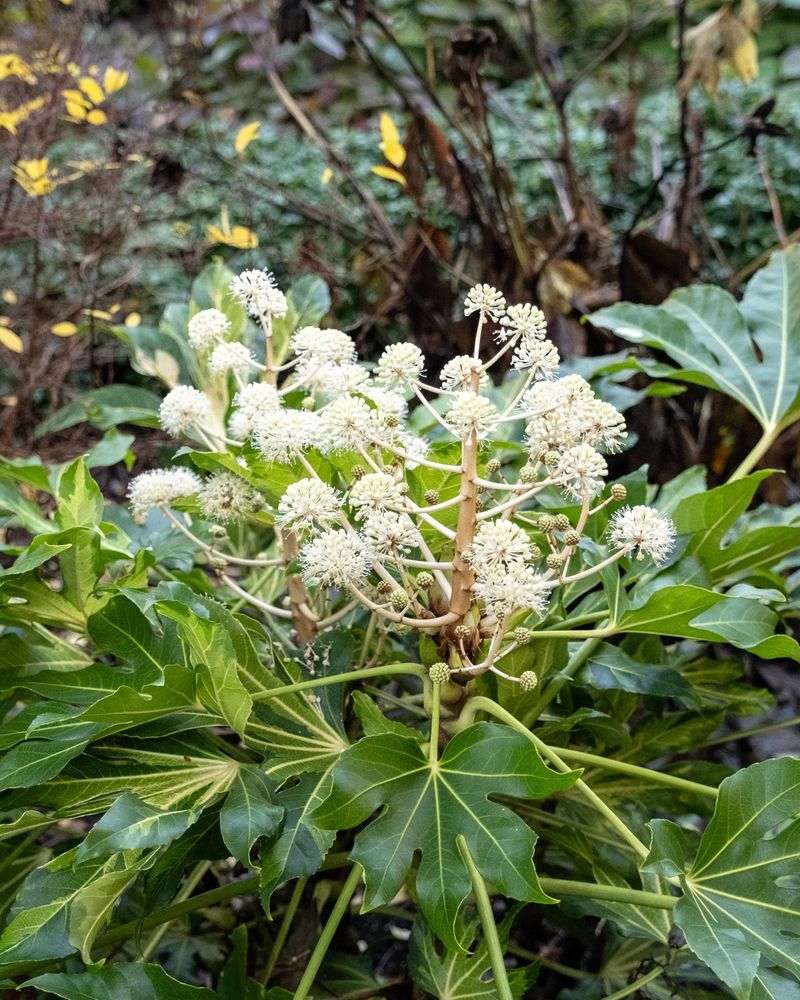
November in the garden usually means bare stems and raked leaves. Fatsia goes the other way and starts putting on a show.
Tall, branched stalks rise above the foliage, each topped with small round balls of creamy white flowers.
Up close, every ball is made of many tiny blooms packed tightly together. From a distance, the whole cluster looks a little like fireworks frozen in midair.
Timing depends on weather and how mature the plant is, but flowering in Georgia often falls between late October and early December.
Young plants may skip blooming for a year or two. Patience usually pays off once the shrub settles in and builds some size.
Bloom stalks can last for several weeks if frost stays away.
Got a window that looks out on a shady bed? Placing fatsia within view lets you enjoy the flowers on gray days without going outside.
Your Georgia Garden Changes Every Week. Your Plan Should Too.
Gardening in Georgia changes quickly throughout the season. Every Friday you’ll receive a simple weekly plan showing exactly what to plant, prune, fertilize, harvest, and protect so you never miss the right timing.
Leave the stalks alone after the blooms fade, since berries develop from them next. Cutting them early means losing that second round of interest.
A light feeding with balanced slow-release fertilizer in spring can support healthy growth for next season. Skip heavy feeding in fall, because soft new growth handles cold poorly.
3. Late Blooms Can Provide Nectar For Visiting Bees
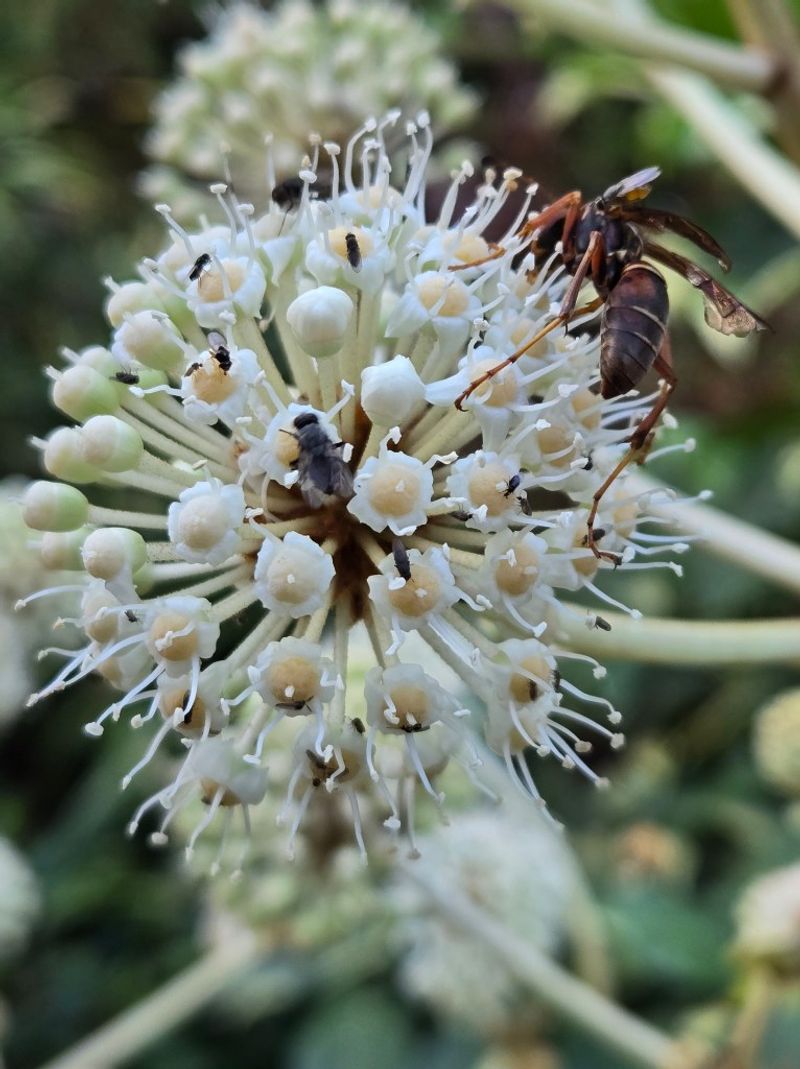
Bees still need food when summer flowers are long gone. On mild fall afternoons, fatsia blossoms can become a busy little stop.
Honeybees, flies, and wasps are the visitors you are most likely to spot on the open flowers.
Activity rises on warm, sunny days and drops off when temperatures turn chilly. In parts of Georgia where November still brings plenty of sixty-degree afternoons, you may catch a decent crowd.
Nectar sources thin out quickly this late in the year.
Having something in bloom can help foraging insects top off before winter sets in. A single shrub will not feed a whole hive, but it adds one more option to the neighborhood.
Skip insecticide sprays while the plant is flowering. Even products labeled for shrubs can harm pollinators that land on treated blooms.
Bee stings are a fair concern if kids play nearby, so think about placement.
Setting fatsia a few steps back from doorways or play areas keeps traffic separate without hiding the plant. Most visiting bees are focused on flowers and tend to ignore people who leave them be.
Watching them work on a cool afternoon is a quiet reward many gardeners do not expect from a shade shrub.
4. Dark Berries Follow And Can Attract Birds
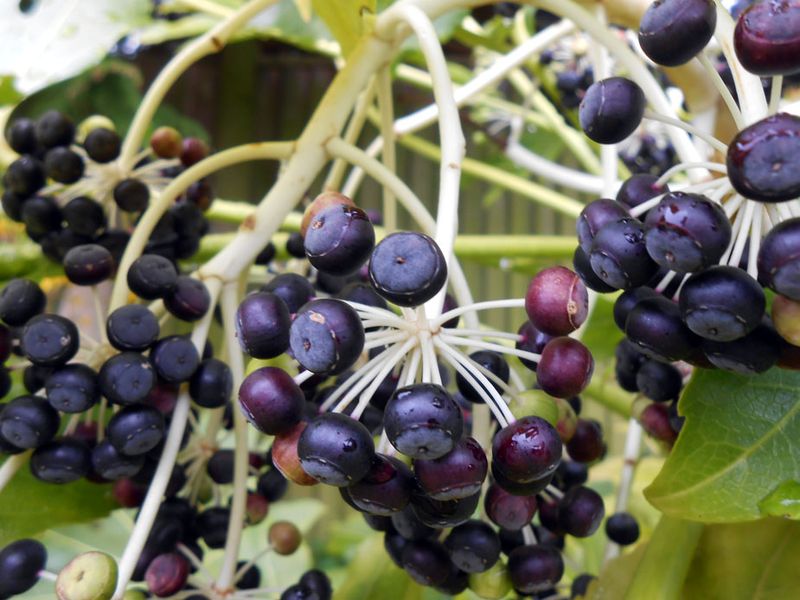
Flowers fade, but the stalks keep going. Small green berries form in their place and slowly ripen to a dark blue-black.
Ripening often stretches into late winter or early spring, depending on how cold the season runs.
Birds may pick at the fruit once it softens, especially when other food runs low. Mockingbirds, robins, and thrushes are common fruit eaters, though visits vary from yard to yard.
Not every plant sets a heavy crop of berries.
Pollination, weather, and plant age all play a part. A cold snap during bloom can cut fruit numbers in a given year.
Here is one catch worth knowing. Birds can spread seeds, and fatsia seedlings sometimes pop up in nearby beds.
Gardeners in Georgia should keep an eye out for volunteers in damp, shady spots around the yard.
Pulling young seedlings by hand is easy when the soil is moist. If you would rather limit spreading, clip off the berry stalks before the fruit ripens fully.
The berries are not meant for people or pets, so it makes sense to discourage snacking. Trimming stalks near walkways may give extra peace of mind for families with curious kids or dogs.
5. Direct Afternoon Sun Can Scorch The Big Leaves
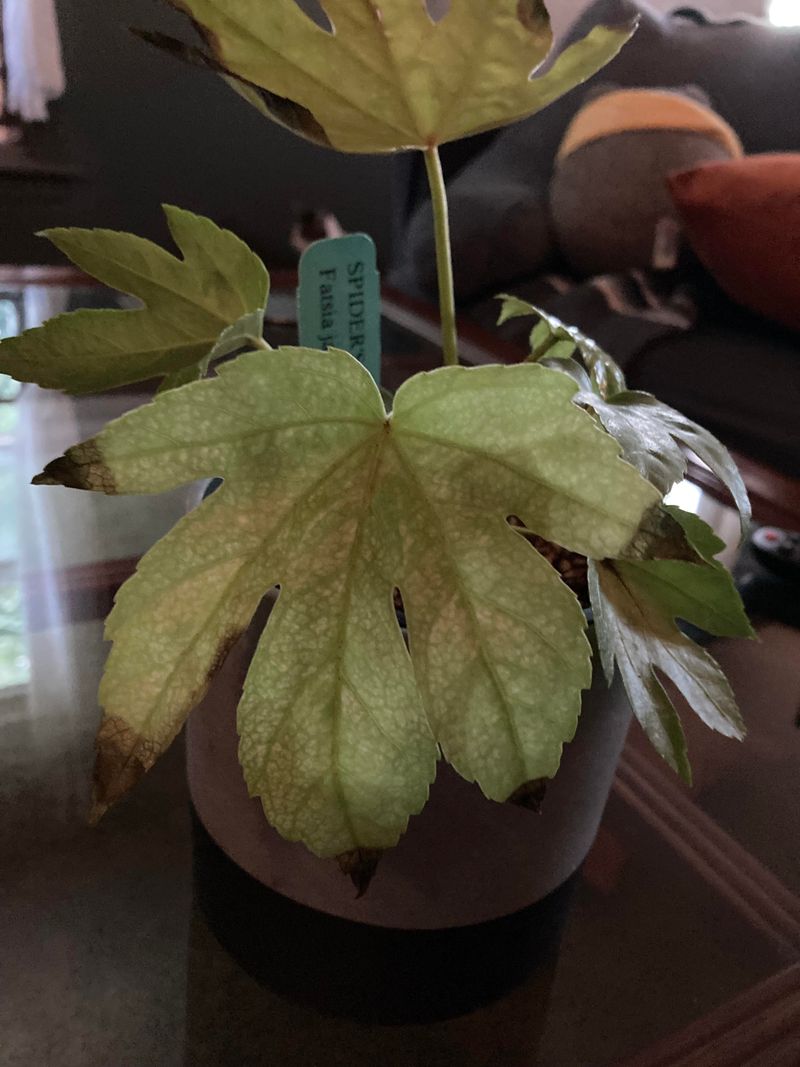
Sunburn is real, even for shrubs. Fatsia leaves are large and thin enough that harsh light can scorch them fast.
Yellow patches, faded color, and crispy brown edges are the usual warning signs.
Afternoon sun in a Georgia summer is the main troublemaker. Heat and strong light hit at the same time, and the broad leaves lose water faster than roots can replace it.
Morning sun is a different story.
A few hours of early light followed by afternoon shade often works well and can keep growth fuller. Bright, filtered shade under tall pines or oaks is another solid choice.
Already planted it in the wrong spot? Moving it in fall or early spring is usually less stressful than shifting it during hot weather.
Dig a wide root ball and water deeply after replanting to help it recover.
Watering matters too, since dry soil makes sun damage worse. A deep soak once or twice a week during summer dry spells is often enough, though sandy soil may need more.
Scorched leaves will not turn green again. Snip them off at the base once new growth appears, and the plant should look tidy again within a season.
6. Hard Freezes In Northern Areas May Damage The Foliage
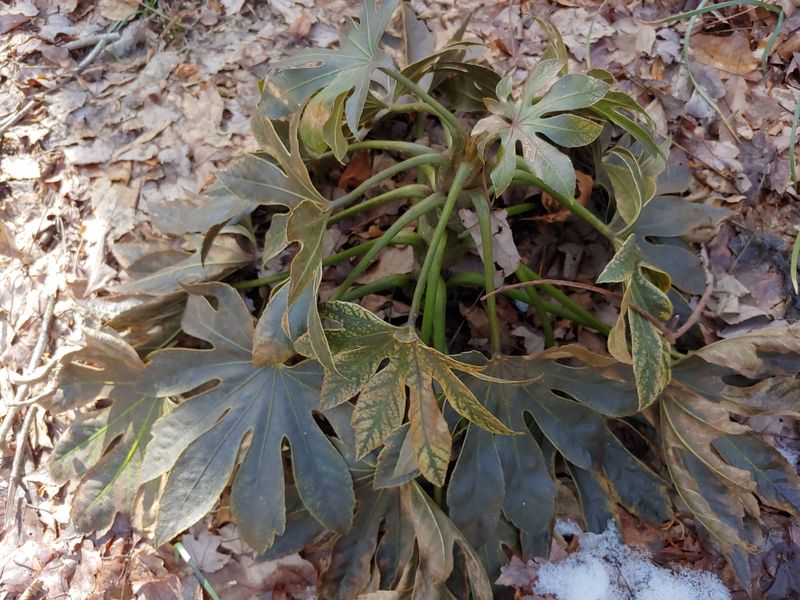
North Georgia winters are a different game. Temperatures in the mountains and upper Piedmont can dip low enough to test fatsia.
Leaves may droop, blacken, or turn brown after a night in the low teens or colder.
Damage depends on how long the cold lasts, how windy it gets, and how established the plant is. A short dip may only mark a few leaves, while a long freeze can hurt the whole top.
Roots often survive even when the foliage looks rough.
New shoots may push up from the base in spring if the crown stayed protected. Wait until warm weather returns before cutting anything back, so you can see what is still alive.
Covering the plant before a hard freeze can make a real difference. Frost cloth or an old sheet works, but take it off once temperatures rise.
Plastic sitting directly on leaves can trap cold and cause more harm than good.
Thick mulch around the base adds another layer of protection for the crown. In colder zones, a container plant that moves into a garage during harsh spells may be the safest option.
Picking a spot near the house, out of the wind, also improves the odds.
7. Pair It With Ferns And Hostas For Contrast In Shade
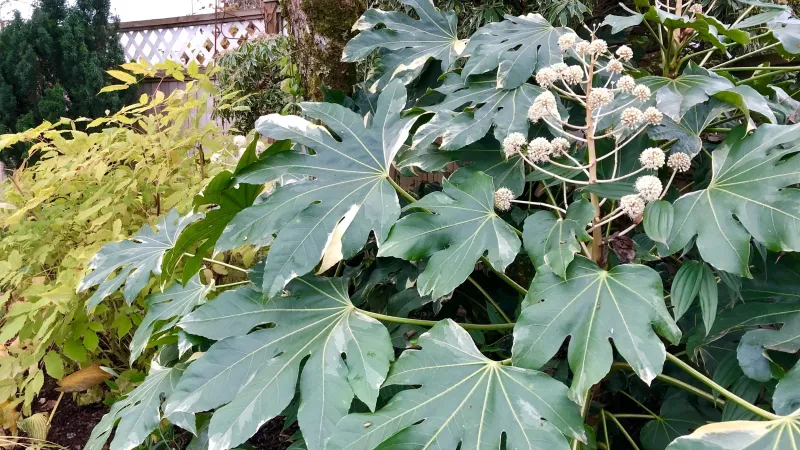
Picture one giant glossy leaf next to a soft, feathery fern. Contrast like that makes a shady bed look planned instead of random.
Fatsia works best as the anchor plant, with smaller textures filling in around it.
Autumn fern and holly fern are both evergreen choices that handle Georgia shade well. Their fine fronds soften the bold shape of fatsia without competing for attention.
Hostas add a summer layer of color.
Blue, gold, or white-edged varieties stand out nicely against the deep green fatsia leaves. Keep in mind that hostas go dormant in winter, so ferns carry the bed during colder months.
Slugs and deer love hostas, which can be a headache in some neighborhoods. Fatsia is less often bothered by deer, though no plant is fully safe from hungry ones.
Spacing matters more than people expect with a shrub this wide.
Leave about four to five feet around fatsia so companions get enough light and air. Crowding can lead to weak growth and more trouble with leaf spots.
Hellebores, Lenten roses, and heuchera also pair well if you want winter or spring color. A ground layer of mondo grass ties everything together with very little fuss.