A Copperhead Bit You While Raking Leaves In Virginia. Now What?
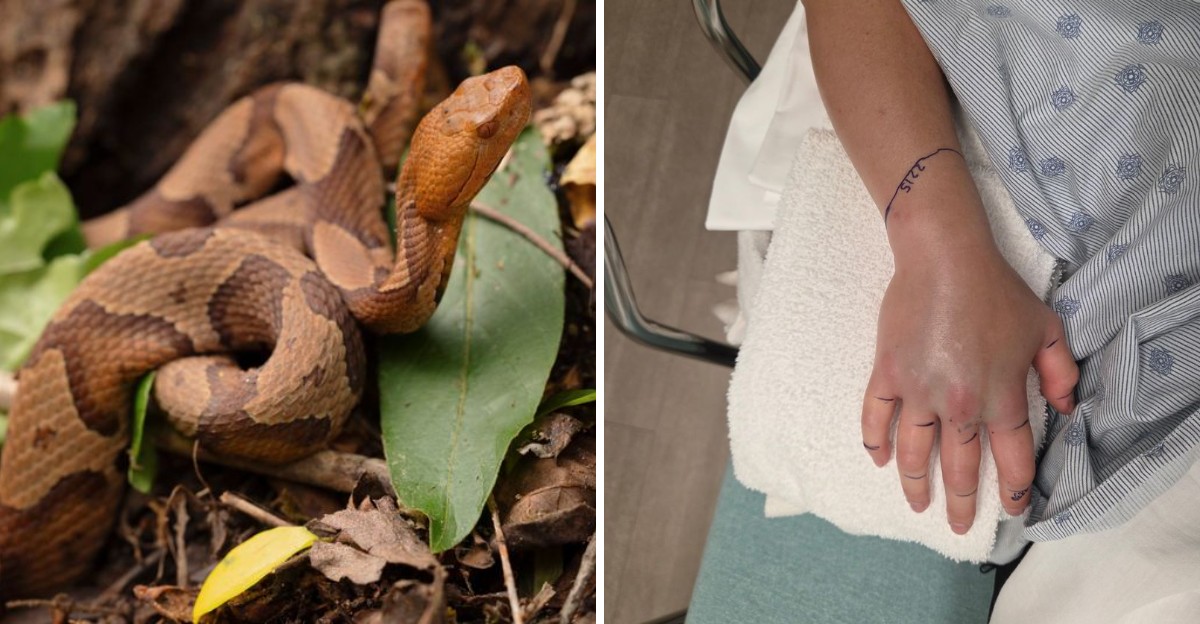
Some pit vipers hold back their venom on purpose, and roughly one in four bites from this leaf-colored snake turns out to be a dry bite.
That fact surprised me the first time I read it. It also changed how I think about fall yard work in Virginia, where these snakes hide right inside the crunchy piles we love to rake.
Take it from someone who once grabbed a whole armful of oak leaves without looking. The patterned scales blend in so well that most people never see the snake until it reacts.
Bites do happen, and they hurt a lot. Still, the steps you take in the first hour matter far more than the panic you feel.
So what should your hands, your phone, and your car keys be doing right now?
That Burning Copperhead Bite Is Serious but Rarely Life-Threatening
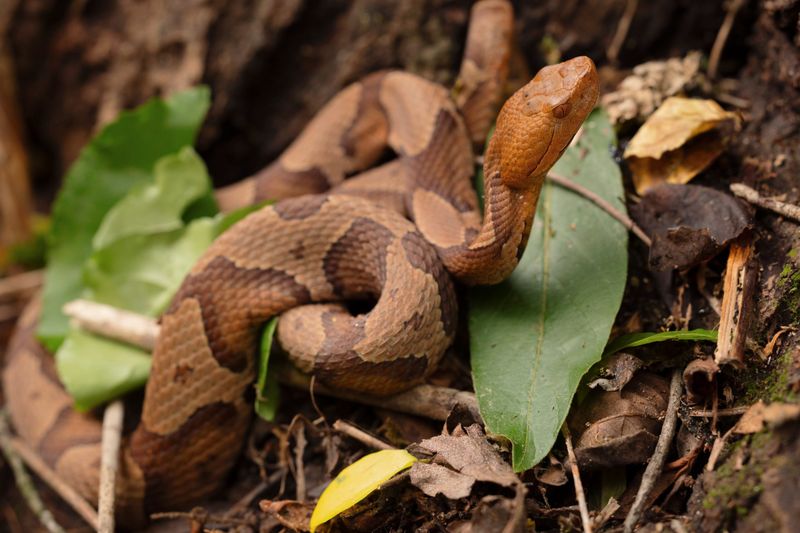
Copperhead bites hurt. People describe a hot, throbbing pain that spreads, followed by swelling, redness, and sometimes bruising or blisters near the fang marks.
Even so, medical data paint a calmer picture than most horror stories. Poison control experts note that copperhead venom is milder than that of rattlesnakes, and life-threatening outcomes are extremely rare.
Many large case reviews show hundreds of bites with no loss of life at all.
The real worry is the arm or leg itself. Venom can damage tissue and leave lasting stiffness, weakness, or pain if the bite is ignored.
Some people still feel soreness weeks later.
Roughly 20 to 25 percent of copperhead bites are dry bites, with no venom injected. Another chunk causes only mild symptoms.
That sounds comforting, but nobody can tell which kind of bite they got in the first few minutes.
Symptoms can also creep along for hours before they peak. A bite that looks small at first may swell much more by evening.
So treat every bite as real, even if you feel okay. A quick hospital check is the smart move every single time.
Keep that balance in mind. You are very likely to recover well, and fast medical care is what makes that outcome likely.
Drop the Rake and Call 911 Right Away
Set that rake down and grab your phone. Calling 911 or heading straight to the nearest emergency room is the single most useful thing you can do after a copperhead bite.
Don’t wait to see if swelling shows up. Doctors would much rather check a dry bite than catch a bad one late.
Try not to drive yourself if someone else can take you. Pain, dizziness, and nerves can make the road feel tricky, and an ambulance crew can start care on the way.
Staying calm sounds easy and feels hard. Slow breathing and sitting still help keep your heart rate lower, which keeps you steadier overall.
Virginia also has a poison center you can reach at 1-800-222-1222. Specialists there answer snakebite questions all day and night, and they can talk with your hospital team too.
If you are out in the woods behind your house, tell someone exactly where you are. Walk slowly back toward help instead of jogging.
For what it’s worth, I keep my phone in my pocket during fall cleanup now. It used to sit on the patio table, which is not very helpful when you are halfway down the back slope.
A small habit like that can save you precious minutes.
Rings, Watches, and a Pen Mark Can Help Your Hand Heal
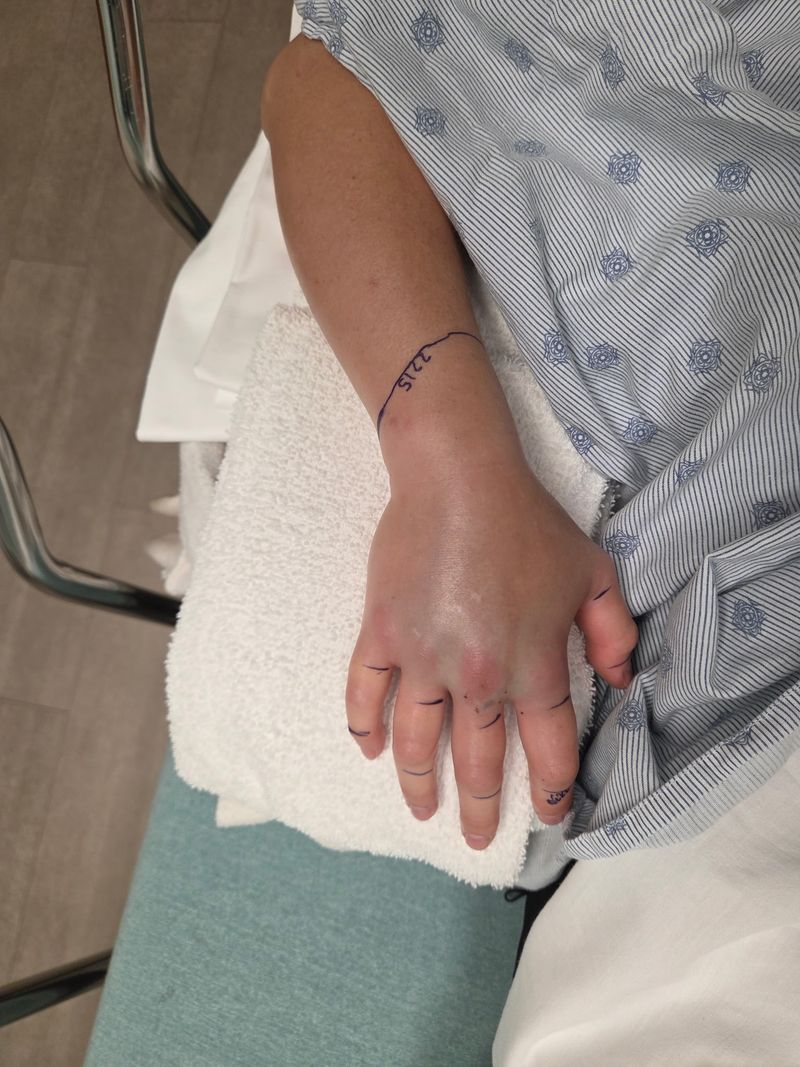
Swelling from a copperhead bite can move fast. A wedding ring that slides off now might be stuck tight in an hour, so take off rings, watches, and bracelets right away.
Loosen tight sleeves, socks, or shoes near the bite too. Anything snug can squeeze the area once it puffs up.
Next, keep the bitten arm or leg still and resting in a comfortable spot. Many guides suggest holding it roughly level with your heart.
You can gently wash the bite with soap and water if it’s easy. Then cover it with a clean, dry bandage.
Here’s a trick doctors love. Use a pen to draw a line at the edge of the swelling and write the time next to it.
Every so often, mark the new edge with a new time. Those lines show the ER team how fast the venom effect is spreading, which helps them decide on treatment.
Snap a quick phone photo of the snake only if you can do it from a safe distance. Honestly, it is not required, since copperhead bites are treated based on your symptoms.
Looking back, I wish I had known about the pen trick sooner. It is simple, cheap, and genuinely useful.
Old Snakebite Tricks Like Tourniquets and Ice Do More Harm
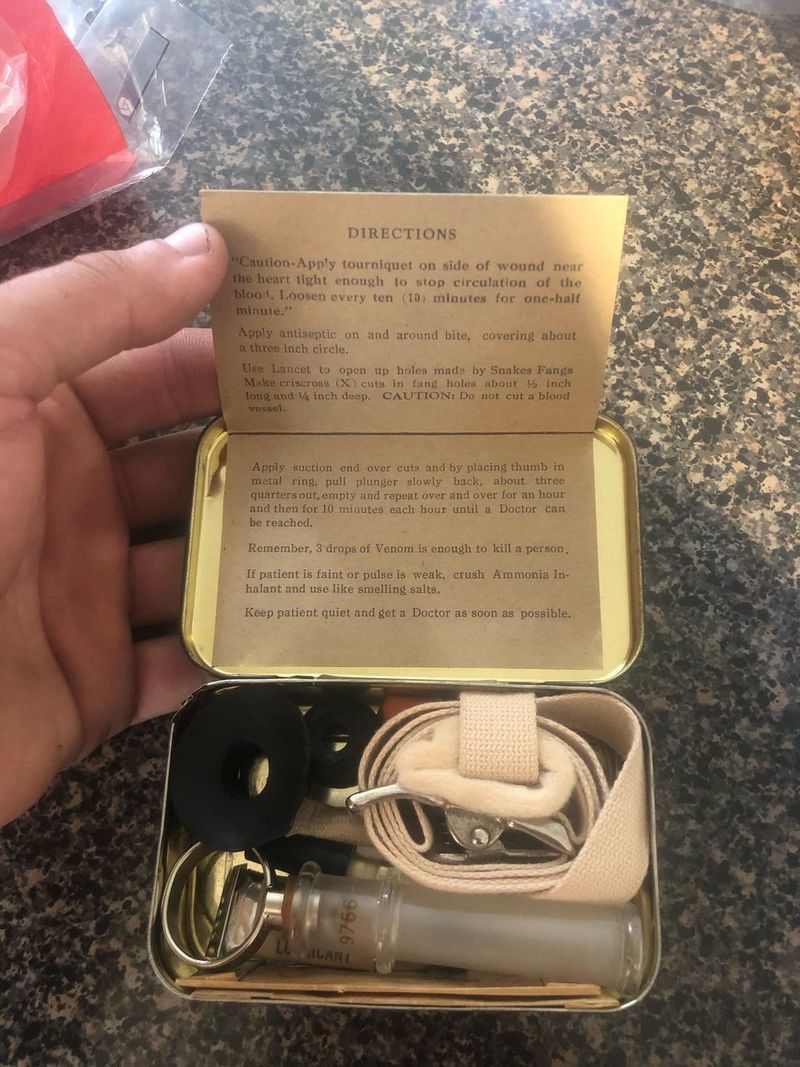
Old cowboy movies taught a lot of people the wrong lessons. Cutting the bite and sucking out venom looks dramatic, but it does not remove venom and can cause infection and extra damage.
Tourniquets are out too. Squeezing off blood flow can trap venom in one spot and harm the tissue even more.
Ice seems like a natural choice for a hot, swollen wound. Medical experts at places like the Mayo Clinic advise against it, because cold can add to tissue injury without slowing the venom.
Skip the store-bought suction kits as well. Studies show they pull out very little venom, if any.
Pain pills need care. Aspirin, ibuprofen, and naproxen can raise bleeding risk, so avoid them unless a doctor says otherwise, while acetaminophen is usually considered okay.
Leave caffeine alone for now. It can speed your heart and make you jumpier.
Finally, don’t chase the snake. Trying to catch or smash it is how a lot of second bites happen, and doctors do not need the animal to treat you.
Let’s just say grandpa’s advice was heartfelt but outdated. Modern snakebite care is calmer, simpler, and works far better than any of those old tricks.
Antivenom Is a Tool Doctors Use When Swelling Keeps Spreading
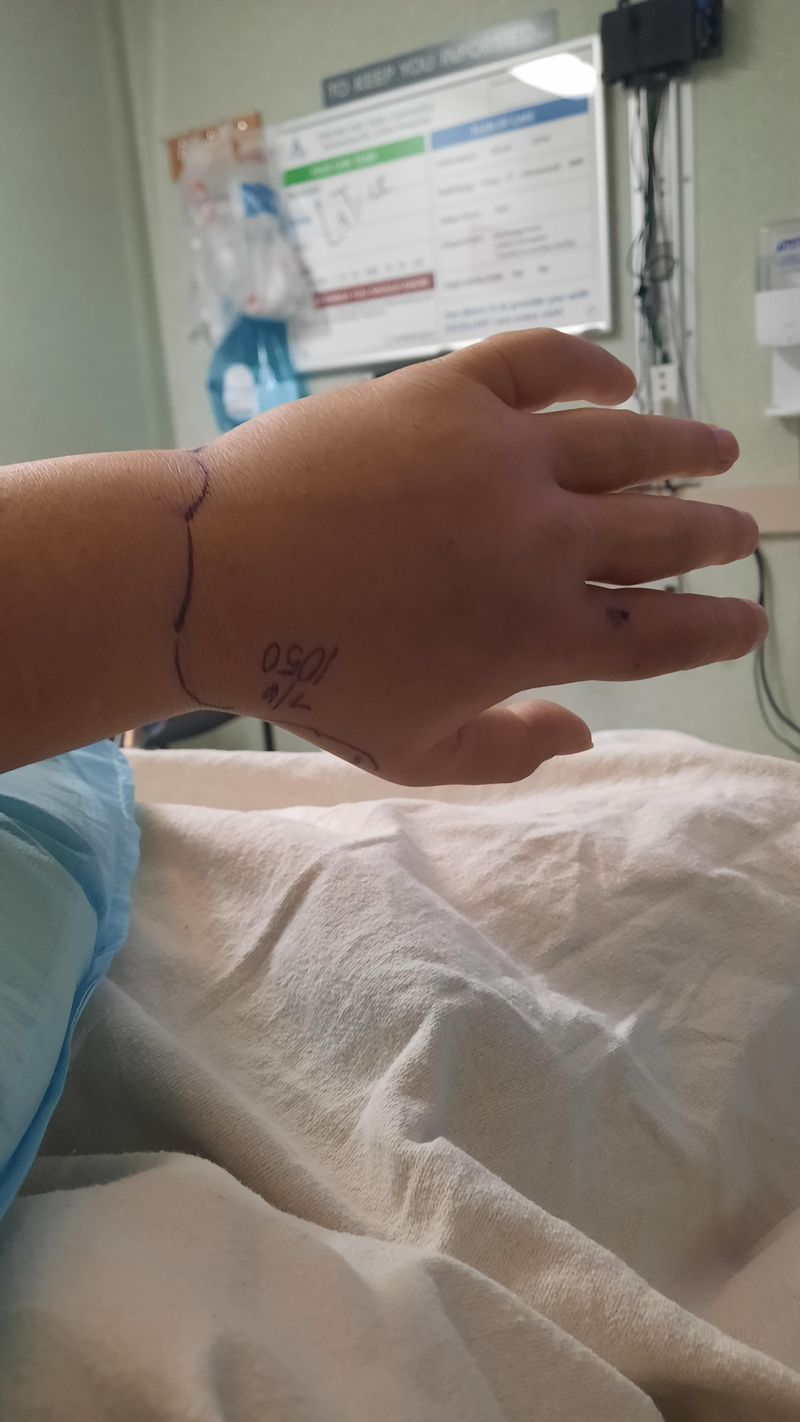
At the hospital, expect a lot of watching and measuring. Staff will check your swelling, blood pressure, and blood tests, often several times over many hours.
Not every copperhead bite needs antivenom. Many people get pain medicine, wound care, and close observation, then head home.
When symptoms keep getting worse, doctors may choose antivenom. In the United States, options include CroFab and Anavip, both made for pit viper bites like copperheads, rattlesnakes, and cottonmouths.
These medicines go in through an IV. They help neutralize venom so swelling and tissue damage slow down.
Doctors usually look for spreading swelling, blood clotting changes, or serious symptoms before using it. Children and older adults may get extra attention because their bodies respond differently.
Here’s a fun fact. CroFab is made using antibodies from sheep, which is a pretty wild part of modern medicine.
Research has also shown that people who get antivenom early for worsening copperhead bites often regain limb function faster. That’s one more reason to skip the wait-and-see plan at home.
Ask questions during your stay. Nurses can explain your lab results and what signs to watch for once you leave.
Your Bitten Hand Needs Patience and Follow-Up Care
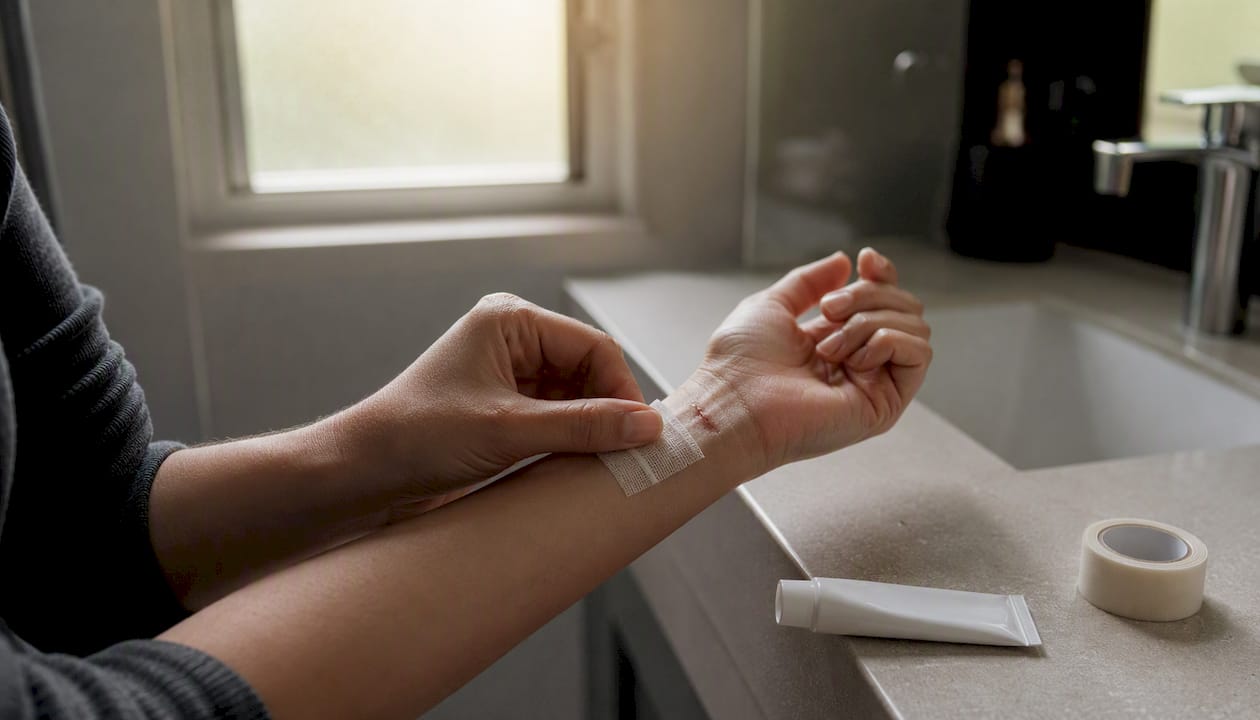
Recovery often takes longer than people expect. Swelling and soreness can linger for days or even a few weeks.
Keep the bite clean and watch for signs of infection, like spreading redness, pus, or fever. Call your doctor if anything looks off.
Some people get antivenom and later notice a rash, joint aches, or fever about one to two weeks out. This reaction is called serum sickness, and it is usually treatable, so report it right away.
Bleeding changes can also return after treatment in some cases. If you see unusual bruising, nosebleeds, or bleeding gums, get checked.
Gentle movement helps many people regain strength. Ask your doctor or a hand therapist which stretches fit your injury.
Give yourself grace with yard chores. The leaves will wait, and gloves may feel awkward over a sore hand for a while.
Between you and me, the nerves can stick around longer than the swelling. It’s common to feel jumpy around leaf piles afterward.
That feeling fades with time and good habits. Many gardeners return to raking with a little more respect and a lot more awareness, which is not a bad trade.
Thick Gloves, Boots, and a Long Rake Make Leaf Cleanup Safer
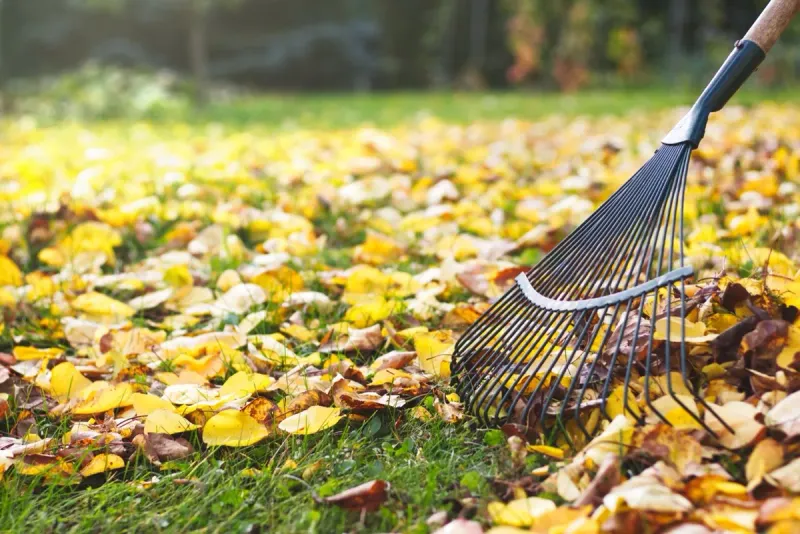
Copperheads are found across almost all of Virginia, from the mountains to the coastal plain, though they are absent from the barrier islands. Fall leaves match their copper and tan bands almost perfectly.
In cooler spring and fall weather, they are often out during the day. That timing lines up nicely with our raking season, unfortunately.
Gear makes a real difference. Wear thick leather gloves, sturdy boots, and long pants when moving leaves, brush, or firewood.
Use a long-handled rake and tug piles toward you before reaching down. Never shove bare hands into a heap you can’t see through.
Copperheads tend to freeze rather than flee. That habit keeps them hidden, and it is why many bites happen to hands and feet that land right on top of them.
Check under boards, pavers, and logs with a tool, not your fingers. Watch rock walls and thick ground covers too.
Warm evenings in early fall can bring them out after dark. Carry a flashlight when you take the trash out or walk the dog.
In my own yard, I’ve noticed slowing down helps most. Rushing to finish before dinner is exactly when I stop looking where my hands go.
Fewer Woodpiles and Mice Mean Fewer Copperheads Near Your Porch
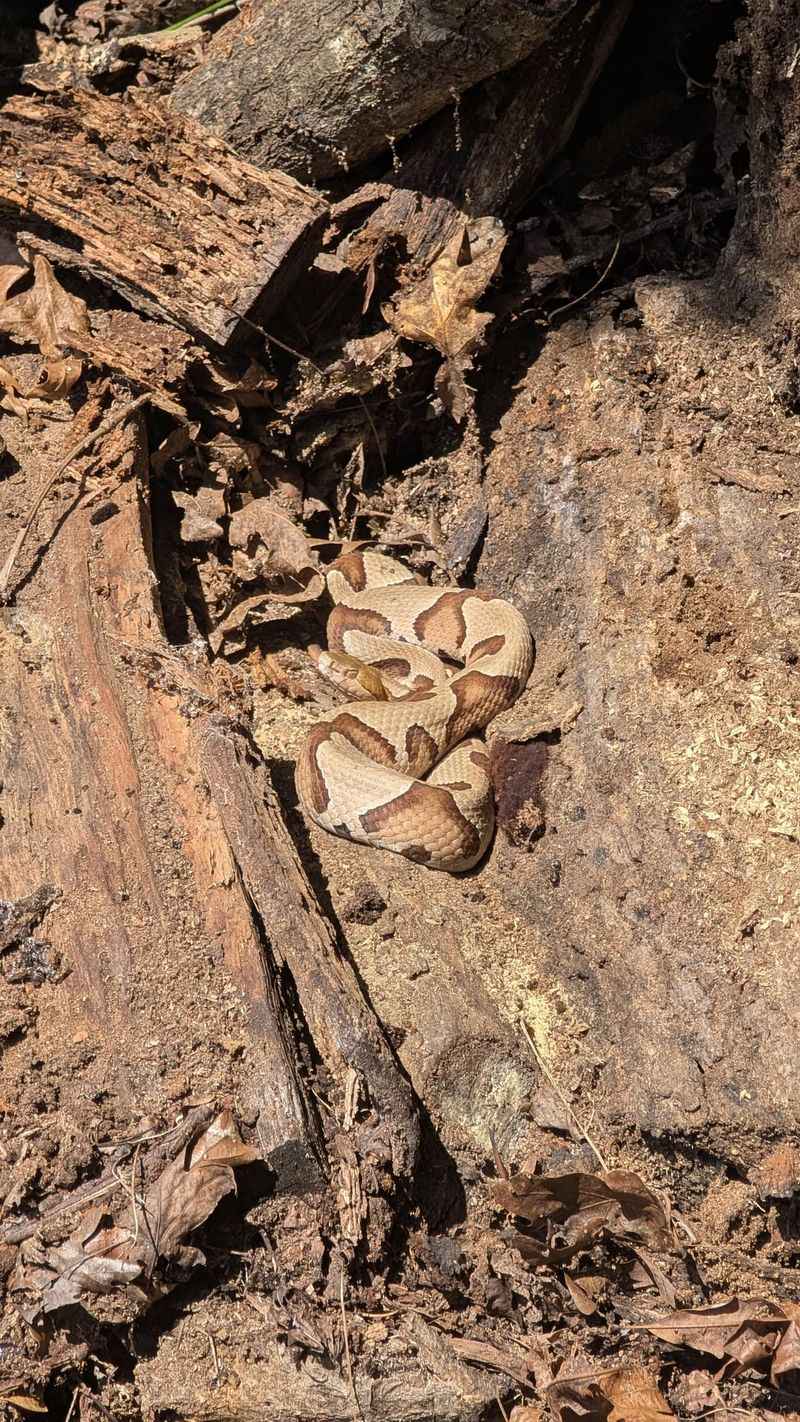
Snakes go where food and cover are easy. For copperheads, that means mice, leaf litter, woodpiles, and rock or brush piles.
Keep grass mowed short near the house and play areas. Store firewood on a rack, off the ground and away from walls.
Clear brush piles and old boards you don’t need. Rake leaves away from doorways, steps, and spots where kids play.
Control rodents by sealing bird seed, pet food, and trash in tight containers. Fewer mice give copperheads less reason to visit.
Copperheads also do useful work. They eat rodents and are part of a healthy Virginia ecosystem.
State wildlife law matters here too. Virginia generally protects nongame snakes, and harming one is only allowed when it poses an immediate threat to people, so leaving it alone is often the wisest choice.
If a snake shows up somewhere you can’t avoid, call a permitted wildlife removal pro. Most will move it safely for you.
My garden taught me that respect beats fear. A tidy yard, good gloves, and a calm plan let you enjoy those crisp fall afternoons with far fewer surprises underfoot.