The Simple Two Step Method For Clearing Wild Onion And Wild Garlic From North Carolina Lawns
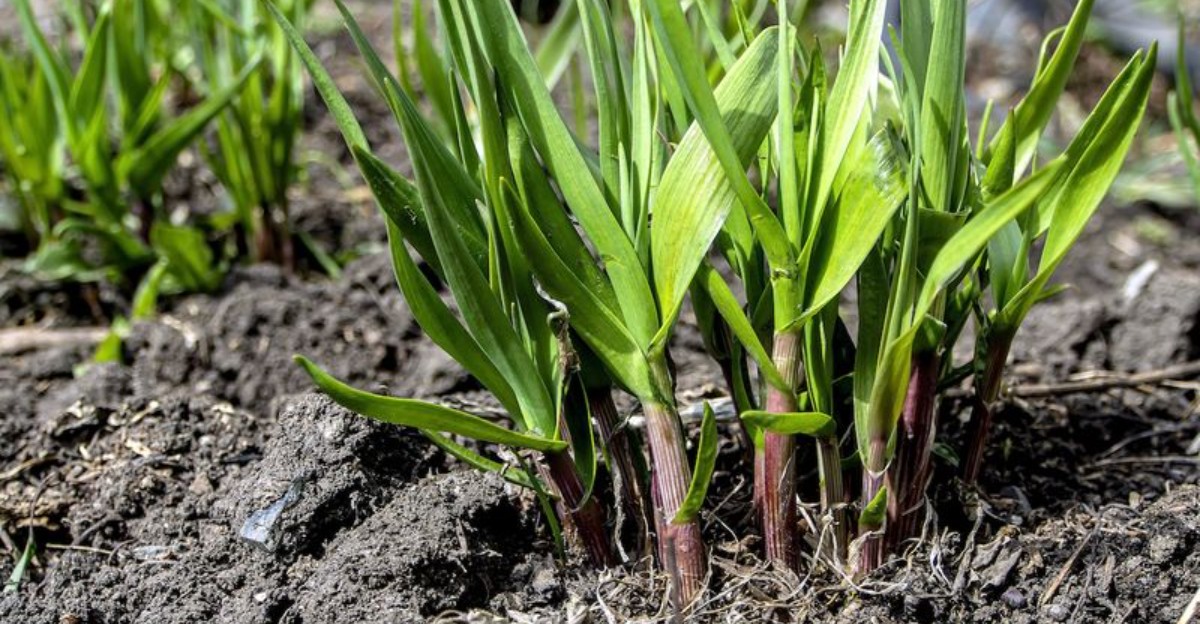
Those thin, grassy tufts that smell like a salad bar when you mow are not grass. Wild onion and wild garlic spread through small underground bulbs, which is why pulling them by hand rarely works.
The tops snap off, the bulblets stay behind, and the patch comes back bigger. Cool weather is when these weeds grow, and it is also when a lawn is easiest to work on.
A simple two-step method uses that timing. The first step happens now, while the plants are actively growing.
The second follows later in the season to catch what the first one missed. Skipping that second step is the most common reason people give up. Learn the order and the timing, and you can clear these stubborn weeds without tearing up your lawn.
1. Know Which One You’re Dealing With
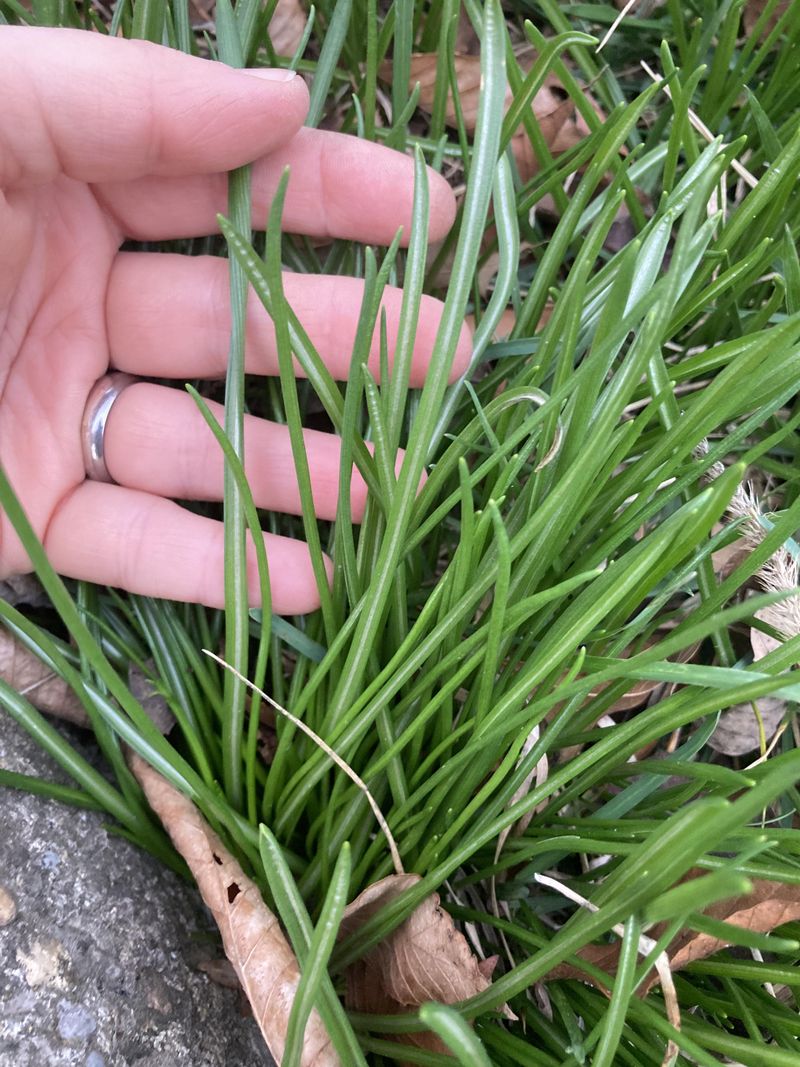
Your nose can tell you a weed is in the onion family, but your eyes have to finish the job. Wild garlic (Allium vineale) and wild onion (Allium canadense) are two of the most common winter lawn weeds, and they look a lot alike at first glance.
Both grow from underground bulbs, and both give off that strong onion or garlic smell when you crush a leaf.
Here is the easy trick for telling them apart. Pull a single leaf and look at the cut end. Wild garlic has round, hollow leaves, a bit like a tiny drinking straw, while wild onion has flat, solid leaves with no open space inside.
Why should you care which one you have? Wild garlic tends to be the bigger troublemaker. It makes many small bulblets, both underground and sometimes at the top of the stalk, so it spreads and returns with real stubbornness.
Knowing you have wild garlic helps you plan for a longer fight instead of feeling let down after one round.
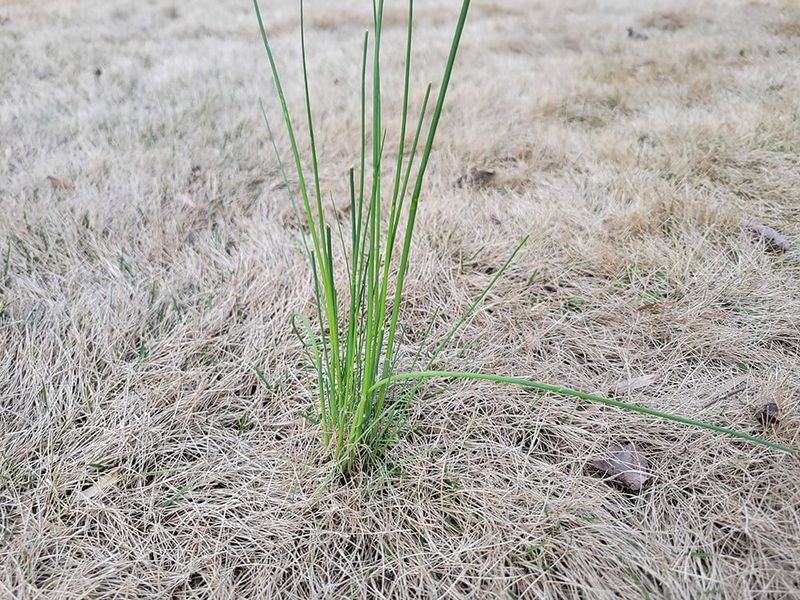
You can also spot both weeds by how they grow. They usually show up in clumps, and those clumps shoot up faster and taller than the grass around them. From late fall through spring, they often stick out like little green tufts just days after you mow.
Across North Carolina, from the mountains to the coast, both weeds love the cool months. Homeowners often notice them once warm season grasses turn brown and the green spikes suddenly stand out.
Take a minute to check a few leaves now, and you will know exactly what kind of battle lies ahead.
2. Step One Is A Late Fall Treatment
Timing is the secret weapon most people miss. Many homeowners wait until spring, when the weeds look their worst, but by then the plants have had months to grow strong. Starting in late fall gives you a big head start.
Wild garlic and wild onion wake up in the fall and keep growing through the cool months. Once the shoots are up and actively growing, they are busy settling in for the season.
Treating them at that stage means the product reaches plants while they are still building their strength, which is exactly when you want to hit them.
Your North Carolina Garden Changes Every Week. Your Plan Should Too.
Gardening in North Carolina changes quickly throughout the season. Every Friday you’ll receive a simple weekly plan showing exactly what to plant, prune, fertilize, harvest, and protect so you never miss the right timing.
November is usually the sweet spot. Choose a herbicide that lists wild garlic and wild onion on the label and is also safe for your type of grass.
Then read the directions carefully, because the label tells you how much to use, how to mix it, and what weather works best.
Weather really does matter here. Skip treating during a hard cold snap, since plants slow way down when temperatures drop and will not take in much of the product. A mild, calm day when the weeds look green and perky is a much better choice.
NC State Extension recommends a late fall treatment as the first part of a repeated control plan for these weeds. Think of it as round one, not the whole match.
One fall spray will not erase every clump, but it weakens the plants and sets up your second step for much better results when late winter rolls around.
3. Step Two Is A Late Winter Or Early Spring Follow-Up
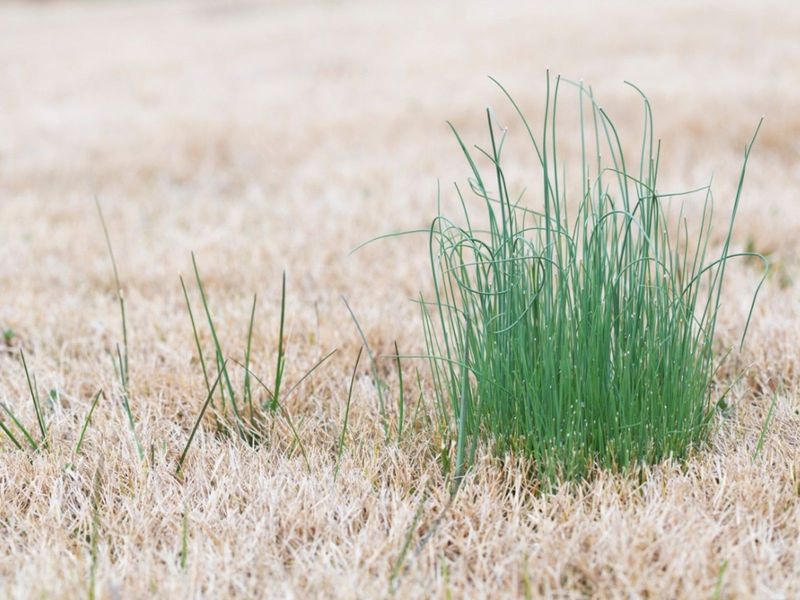
Ever pull a weed, feel proud, and then see it back two weeks later? Wild garlic and wild onion are masters of that trick. Their bulbs and bulblets stay tucked safely in the soil, ready to send up fresh shoots even after a good fall treatment.
A follow-up treatment is what turns a small win into real progress. Plan to treat again in late winter or early spring, before the plants mature and start forming new bulbs.
Once those new bulbs form, next year’s crop is already on its way, so you want to step in first. For most of North Carolina, that means February to March.
Folks in the eastern part of the state and the Sandhills can often start earlier, while those in the mountains may need to wait a bit longer for things to warm up. Either way, look for weeds that are green and actively growing before you spray.
Patience is a big part of this plan. You will likely need to repeat both steps, fall and late winter, for the next couple of years. Each round uses up more of the energy stored in those underground bulbs until they finally run out of steam.
Wild garlic in particular often takes two to three years of repeated treatment to bring under control in North Carolina lawns. That might sound long, but every season you will see fewer clumps and thinner patches.
Mark your calendar now for November and February, and those reminders will keep you on track until your lawn looks clean again.
4. Choose A Product That’s Safe For Your Grass
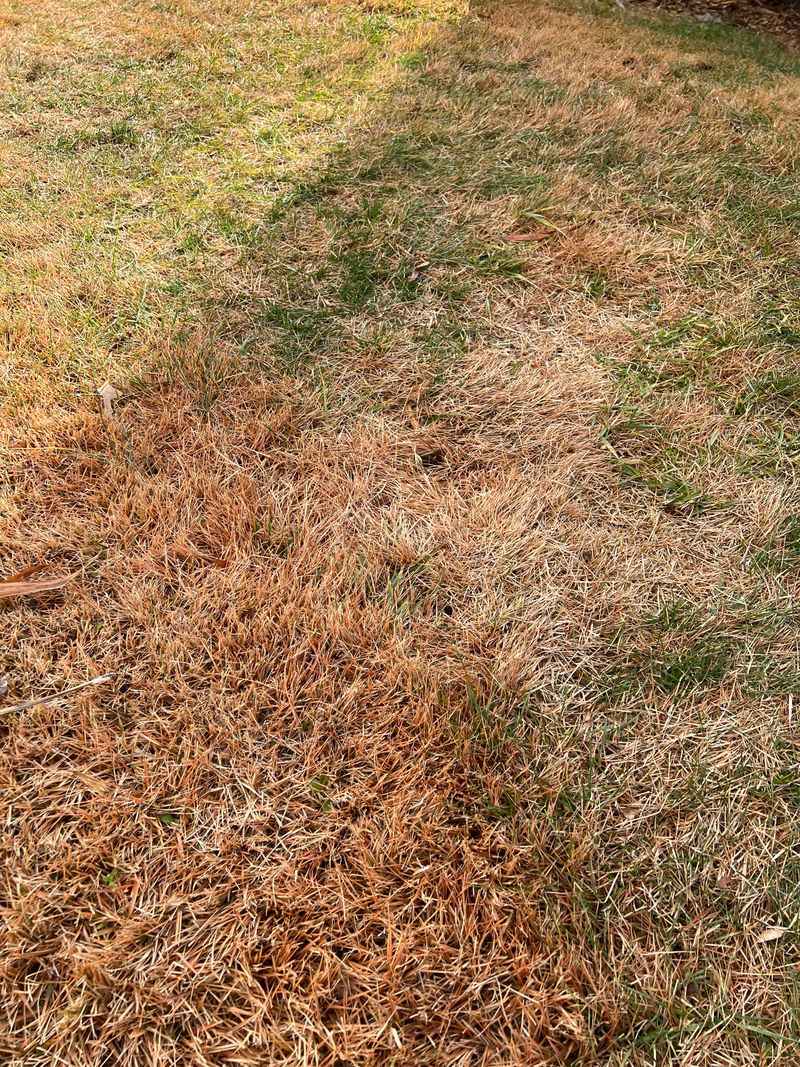
A weed pesticide that works wonders next door could leave ugly brown spots in your own yard. That surprise happens more often than you might think. Some products that knock back wild garlic and wild onion can also injure certain lawn grasses.
So before you buy anything, figure out what kind of grass you actually have. Common choices in North Carolina include tall fescue, bermudagrass, zoysia, centipede, and St. Augustine.
If you are not sure, a local Extension office can help you identify it from a small sample. Next, become a label reader.
Check that the product lists both wild garlic or wild onion and your grass type. If your grass is missing from the list, put the bottle back on the shelf, even if the price looks great.
Centipede and St. Augustine can be especially touchy with some common weed products, so they need extra care.
Tall fescue and bermudagrass usually handle more options, but every label has its own rules. Never guess, because the wrong pick can set your lawn back for months.
The label will also list application rates and temperature limits. Follow them exactly. Using more than directed does not work faster, and spraying on hot days can stress or burn your turf.
North Carolina is a mix of cool season and warm season lawns, sometimes on the very same street.
A fescue lawn in Raleigh and a centipede yard near Wilmington may need very different products. Matching the herbicide to your turf keeps your grass happy while the weeds lose ground.
5. Mowing First Can Help The Treatment Work
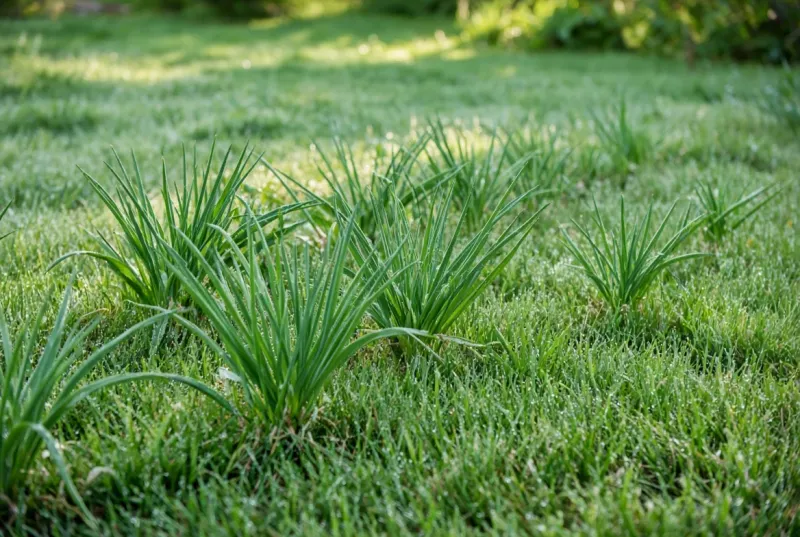
Run your fingers along a wild garlic leaf and you might notice it feels slick. That smooth feel comes from a waxy coating. It works a bit like a raincoat, helping the leaf shed liquids, including the herbicide you just paid for.
Mowing gives you a simple way around that shield. Cutting the leaves right before you treat opens up fresh edges on the plant. Those cut spots may help the product get inside more easily instead of beading up and rolling off.
The timing is easy to remember. Mow your lawn a day or so before you plan to spray. Then put the mower away for a few days afterward, or for however long the label tells you.
Why wait? The product needs time to travel through the leaves and down toward the bulbs. If you mow too soon, you could cut off the treated parts before they have done their job, and that wastes both your time and your money.
Adding a mowing step costs almost nothing, and it fits right into your normal yard routine. Some homeowners even set a little system: mow on Friday, spray on Saturday, and enjoy a mower free week.
Small habits like that make the plan feel easy instead of like extra work. For North Carolina homeowners, every treatment counts.
Since clearing wild garlic can take a few years, getting the most out of each spray may help shorten that timeline. A quick pass with the mower could mean fewer stubborn clumps next season.
6. Digging Works For Small Patches
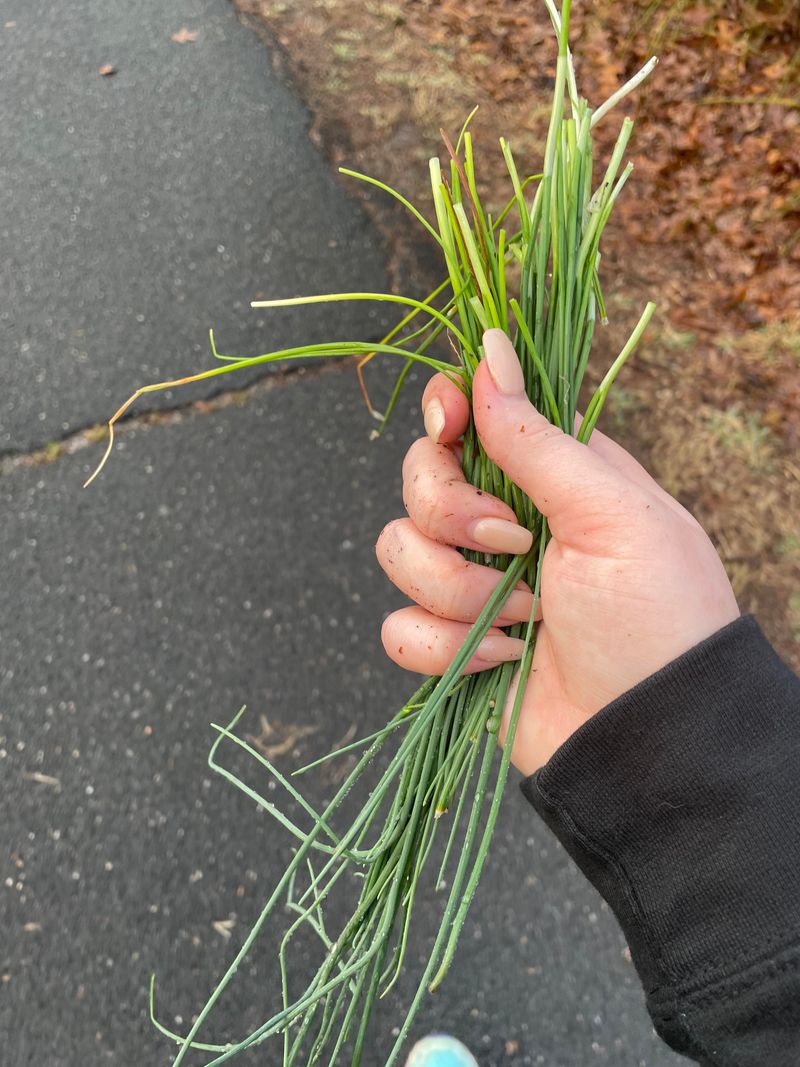
Got just a handful of clumps? A trowel and a little elbow grease might be all you need. Hand removal is a great choice for small patches, and it lets you skip herbicides altogether.
There is one big catch, though. Yanking the tops usually snaps the plant off and leaves the bulbs and bulblets behind in the soil. Those leftovers bounce back quickly, sometimes within a couple of weeks, so pulling alone rarely solves anything.
The real goal is to dig out the whole clump. Wait until the soil is moist, such as a day after a good rain, because damp ground lets go of bulbs much more easily.
Push a trowel or a narrow weeding tool down beside the clump and gently lift out the entire cluster, bulbs and all.
Take a peek at what you pulled up. You should see small white bulbs at the bottom, often several packed together. If some broke off, dig a little deeper to find the strays.
Once the clump is out, bag it and toss it in the trash. Skip the compost pile, since bulbs can survive there and spread when you use the compost later. Finish by filling the hole with soil so grass can grow back over the spot.
North Carolina gardeners who have only a few clumps, or who like to keep sprays away from kids, pets, and veggie beds, often love this method. It takes a bit of patience, but it feels great to see those bulbs gone for good.
7. Pre-Emergents And Thick Turf Have Limits And Benefits
Plenty of homeowners spread a pre-emergent every year and still find wild garlic poking through. That leaves them scratching their heads. The reason is simple once you know how these weeds grow.
Pre-emergent herbicides work by stopping seeds from sprouting. They are great for crabgrass and many winter annual weeds. Wild garlic and wild onion, however, mostly come back from bulbs, so a seed blocker does not do much to stop them.
Healthy grass, on the other hand, is a strong ally. A thick, dense lawn crowds out space and makes it harder for new clumps to spread. Weeds love bare patches, so the fewer gaps you leave, the fewer chances they get.
Start with mowing at the right height for your grass. Tall fescue, for example, does best kept around 3 to 4 inches tall, while bermudagrass likes it much shorter. Cutting too low weakens turf and invites trouble.
Feeding matters too. A soil test, which you can get through the North Carolina Department of Agriculture, shows exactly what your lawn needs, so you can fertilize wisely instead of guessing.
If you grow tall fescue and it looks thin, overseed in the fall, when cool weather helps new grass take hold.
Keep going with your two step treatment every year until the weeds are truly gone. Thick turf and steady timing work together like a great team. Stick with both, and a clean, green North Carolina lawn is well within your reach.