A Second Wave Of Lawn-Damaging Bugs Is Peaking Across Mississippi Right Now

September air still carries the scent of cut grass and rain, but a patch of your lawn turned pale overnight, without warning. Birds showed up early, strutting with strange, sudden confidence.
Grass blades looked shredded instead of neatly trimmed. Full lawns can thin out fast within days, not weeks.
Something hungry moved through your yard while you slept. Fall armyworms are surging across Mississippi this month, again.
Summer already brought an early wave that people assumed had ended for good. Gulf Coast heat hatched a new generation instead, fast. That generation is now moving straight through the Delta.
Drought looks like the obvious cause since both leave lawns pale and thin, but the pattern here spreads too fast for dry weather alone. Dish soap mixed with water pulls these pests into view.
You can run that simple test in minutes, on your own lawn. Mississippi lawns recover quickly once you spot the damage early. Ignore the signs, and your whole lawn pays for it.
Why Late-Season Caterpillars Surge After Labor Day

Ask a Mississippi lawn crew what changes after Labor Day, and you will hear the same answer. Moths that blew in during July have raised a fresh generation, and the new larvae begin feeding right away.
Fall armyworm moths ride warm southern winds, sometimes traveling hundreds of miles before settling into turf and pasture. Each female can lay several hundred to over a thousand eggs, spread across multiple egg masses during her short adult life.
Warm nights and late-summer rain speed up hatching, which is why September often brings the heaviest pressure. Populations build in cycles, so a yard that looked untouched in June can host a crowd by early September.
Coastal counties often see activity first as moths move inland, with reports typically following through central Mississippi and the Delta in the weeks after
Timing matters because young caterpillars feed lightly, while larger ones chew through grass blades at a startling pace. A lawn can look thin and ragged in two or three days once the group reaches full size.
Scouting weekly through early October gives you a real head start. Walk the yard at dusk with a flashlight, checking spots near sidewalks, driveways, and freshly fertilized patches. Those lush green areas make an attractive target for egg-laying moths.
Neighbors often notice trouble within days of each other, so a quick text to the folks next door can work as an early warning system.
Cooler weather slows the cycle, and a hard frost closes the season across much of the state. Until then, treat September as your watch month and keep an eye on the greenest turf you own.
Spotting The Telltale Signs On Bermuda And Fescue

The first clue is usually a subtle color shift, not a hole. Bermuda and fescue start looking faded, almost like someone turned the brightness down on one corner of the yard.
Flip over a chewed blade and you will spot thin, papery windows where a small caterpillar scraped away the surface.
Your Mississippi Garden Changes Every Week. Your Plan Should Too.
Gardening in Mississippi changes quickly throughout the season. Every Friday you’ll receive a simple weekly plan showing exactly what to plant, prune, fertilize, harvest, and protect so you never miss the right timing.
Bigger larvae take ragged bites from the leaf edge, leaving grass looking shredded rather than clipped. Sunken, tan patches often appear along fence lines and near flower beds first.
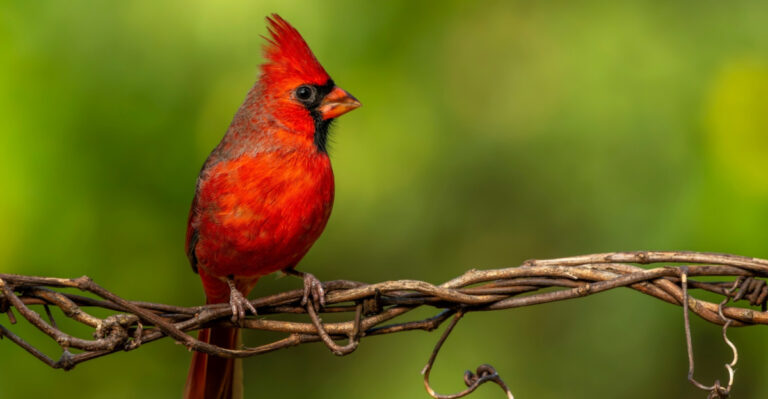
Birds can tip you off too. When grackles, robins, and cattle egrets suddenly gather to strut across your turf, they are usually feeding on an infestation you haven’t spotted yet.
Look closely at the caterpillars for confirmation. Fall armyworms wear a pale, upside-down Y on the front of the head, plus four dark dots arranged in a square near the rear. Colors range from light green to nearly black, with stripes running the length of the body.
Bermuda usually bounces back because its runners and roots stay intact underground. Fescue, ryegrass, and freshly laid sod take the damage harder since the crown sits closer to the surface.
Check in the early morning while the larvae are still feeding up at blade level. By midday, they slide down into the thatch and hide from the heat, which makes them easy to overlook.
Snap a photo of anything suspicious and compare it with identification resources from the Mississippi State University Extension Service before you buy a single product.
The Soapy Water Flush That Brings Them Into The Open

Here is a trick that feels a bit like stage magic the first time you try it. Mix a couple tablespoons of dish soap into a gallon of water and pour it slowly over one square foot of suspicious turf.
Within a minute or two, hidden caterpillars wriggle up through the thatch to escape the irritation. Grubs stay put down below, but armyworms, sod webworms, and cutworms all climb to the top.
Counting gives your findings context. Mississippi State Extension doesn’t set one fixed number for home lawns.
Instead, it points homeowners toward the size of the caterpillars, how much damage has occurred, and how close frost is when deciding whether to treat.
As a rough reference point, its pasture and hayfield guidance uses three half inch or longer caterpillars per square foot as a treatment trigger. Use your soap flush count alongside visible damage rather than a single hard number.
Choose your test spots wisely. Aim for the edge of a fading patch instead of the middle, since larvae move outward as they finish an area. Green, healthy grass right beside thin turf is where activity tends to concentrate.
Rinse the spot with plain water afterward so the soap does not stress the grass. A watering can with a spout spreads the mix more evenly than a bucket ever will.
Keep a simple note on your phone with the date and the count. Tracking numbers across a week shows whether the group is growing, shrinking, or shifting to a new corner. That record also helps if you call an Extension office for advice.
Kids tend to love this part, so hand them the watering can and let them do the counting. Turning scouting into a game means it actually gets done each weekend.
Favorite Egg-Laying Spots Around A Mississippi Yard

Moths have strong opinions about real estate, and your yard offers plenty of listings. They favor light-colored vertical surfaces near lush grass, which explains some genuinely odd egg-laying choices.
Check under the eaves of the house, on soffits, and along white fence boards. Porch ceilings, mailbox posts, flagpoles, and the underside of patio umbrellas all collect fuzzy, grayish egg masses.
Each cluster holds dozens of eggs coated in scales brushed off the female’s body. Freshly fertilized turf pulls in plenty of attention. Nitrogen pushes tender new growth, and moths seem to sense the tastiest patch from the air.
Late-summer feeding schedules across Mississippi often line up with peak flight, which is unlucky timing.
Pastures, hay fields, and roadside bahiagrass work as staging areas. Homes bordering open ground tend to see larvae move in from the edges, sometimes crossing driveways in groups. That marching habit is exactly where the distinctive name came from.
Wiping egg masses off with a wet rag trims the local crowd a little. It will not solve the whole problem, but paired with scouting it narrows your trouble zone quickly.
Outdoor lighting plays a role too, since adults fly toward brightness after dark. Switching porch bulbs to warm amber tones makes your patio less attractive to moths at night.
Small adjustments like that add up over a long, warm September. Worth knowing: adults live only about two weeks, so eggs you find today can hatch within two to five days.
Getting Treatment Timing And Products Right

Spray timing separates a satisfying result from a frustrating weekend. Larvae feed hardest in the early morning and again near sunset, so those two windows give any product its best shot at contact.
Small caterpillars under half an inch are far easier to manage than the fat, mature ones. Bacillus thuringiensis, sold as Bt, handles the little ones well and stays gentle on bees and beneficial insects.
Spinosad is another reduced-risk option, though it’s best applied in the evening after bees have finished foraging, since it can affect them briefly when wet.
For larger larvae, homeowners often reach for products containing bifenthrin, lambda-cyhalothrin, or carbaryl. Read the label for turf rates, and note whether it asks you to water the product in or leave the surface dry.
Mow before treating so the spray reaches the thatch instead of coating tall clippings. Then skip mowing for a day or two afterward to leave the residue where it belongs.
Coverage matters more than concentration. Walk a steady pattern, overlap slightly, and treat about ten feet beyond the visible patch to meet the advancing group.
Hose-end sprayers work fine for most typical home lawns; check your product’s label for the exact coverage area.
Hold off if rain is expected within a few hours, unless the label specifically calls for irrigation. Afternoon heat in the mid-nineties can stress treated turf, another reason to work early.
Keep pets and children off the lawn until the surface dries. Store leftovers in a cool, locked spot, and rotate active ingredients between outbreaks so local populations do not build resistance.
Helping Chewed Turf Bounce Back Before First Frost

Good news first: Bermuda, zoysia, and centipede usually bounce back well, since they store energy in stolons and rhizomes and push new blades once feeding stops.
Fescue and freshly laid sod need closer attention, since their crowns sit nearer the surface and take longer to recover.
Water deeply after an outbreak, roughly an inch spread across the week rather than a light sprinkle each day. Deep soaking encourages roots to reach down and rebuild the crown.
A light nitrogen application helps warm-season turf green back up in early September. Ease off heavier feeding once mid-October arrives, since tender growth heading into cool weather invites disease.
A soil test through your county Extension office takes the guesswork out of rates. Raise the mower one notch for a few weeks.
Longer blades mean more surface for photosynthesis, which speeds recovery noticeably. Sharp mower blades matter too, because ragged cuts slow healing.
Thin spots in fescue or ryegrass may call for overseeding, and September is prime season for that across north Mississippi. Rake lightly, spread seed, then keep the top inch moist for two weeks.
Keep scouting while the grass fills in, because another flight can show up in October during a mild fall. Fresh green growth is precisely what egg-laying moths look for, so young turf deserves extra attention.
By the time the first frost settles over the Delta, the season winds down on its own. Until then, a weekly walk with a flashlight and a jug of soapy water keeps you ahead of the curve. Consistent care now supports stronger growth next spring.