A Smelly Bug Is Squeezing Into Indiana Homes As Temperatures Drop
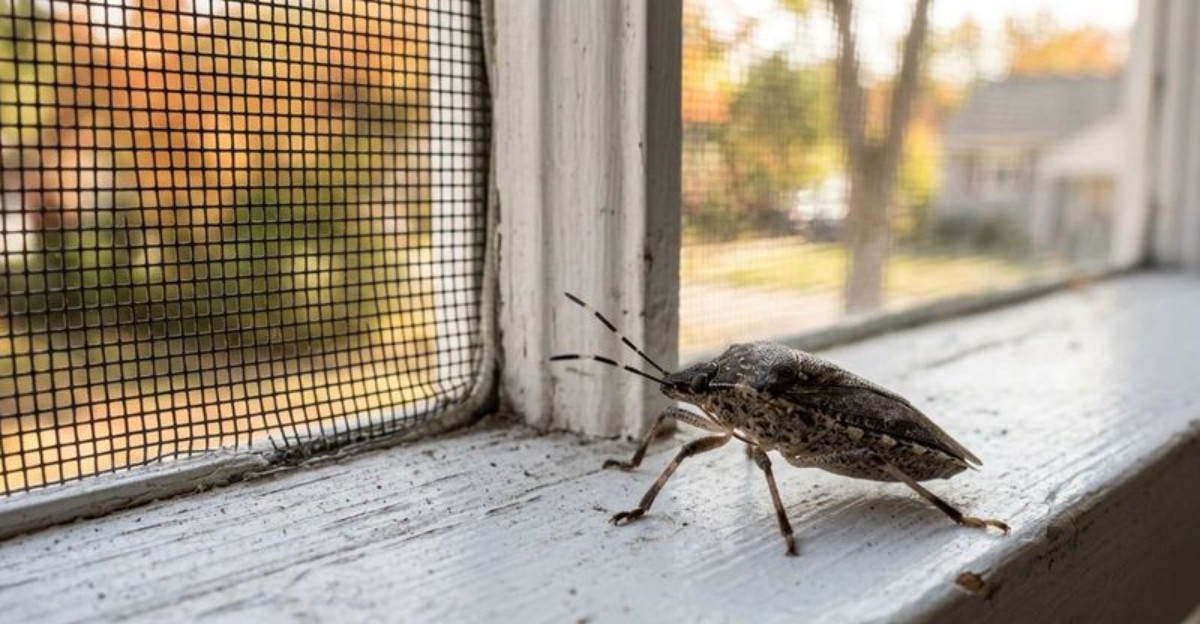
A bug smaller than your thumbnail can make a whole living room smell like crushed cilantro. I found that out one October evening when I swatted something crawling across my lampshade.
The culprit arrived from Asia, hitched a ride across the country, and was first spotted in Indiana in 2010. Today it shows up in every corner of the state once fall nights turn chilly.
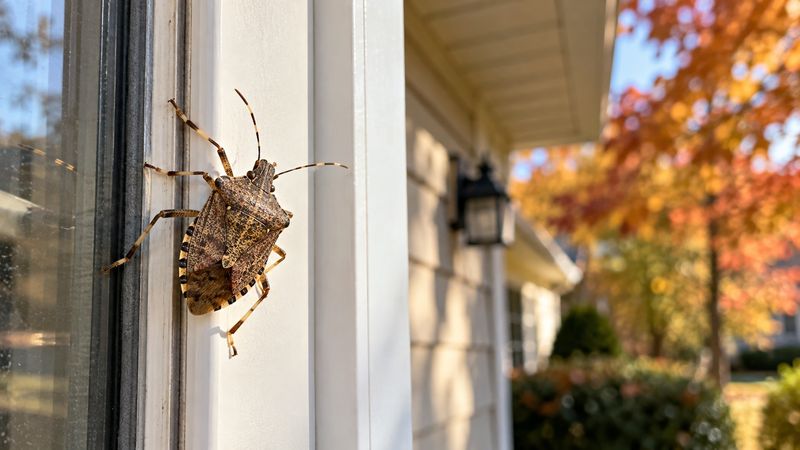
Not going to lie, I used to think my windows were sealed tight. Then I counted a dozen shield-shaped visitors sunbathing on my west wall in one afternoon. They were not lost, either. They were scouting for a cozy spot to sleep until spring.ž
So why do they pick your house, and how do you send them packing without filling the air with that funky odor? The answers are simpler than you might expect, and a few of them surprised me.
Those Shield-Shaped Bugs On Your Sunny Siding Are Looking For A Winter Bed
Every warm October afternoon, my south and west walls turn into a bug beach. Dozens of flat brown insects line up in the sunshine like tourists on lounge chairs.
Those visitors are brown marmorated stink bugs, and they are not snacking on your siding. Purdue University entomologists explain that shorter days and cooler nights trigger a resting state called diapause. In this mode, the bugs stop feeding and breeding and simply search for a protected place to wait out winter.
In the wild, they would tuck into dead-looking tree bark or rocky crevices. Your house happens to be warmer, drier, and full of handy cracks. South and west walls soak up afternoon heat, so the bugs gather there first before squeezing inside.
Once indoors, most settle into wall voids, attics, and window frames. They stay quiet for months. On a sunny winter day, a warm room can wake a few up, which is why one may stroll across your kitchen ceiling in January.
I find it oddly comforting to know they are not breeding in my walls. They cannot lay eggs or start a colony indoors. They just want a quiet room, and your job is to say the inn is full.
Seal The Cracks Around Windows And Doors Before The Stink Bugs Arrive
Grab the caulk gun, because exclusion beats every spray on the shelf. Purdue Extension and most pest experts agree that keeping these bugs out is far easier than chasing them around later.
Start with a slow lap around your home in late August or September. Look closely at window frames, door frames, and spots where siding meets trim. A gap only about 4 millimeters wide, roughly one-sixth of an inch, is enough for a stink bug to slip through.
Fill small cracks with quality silicone or silicone-latex caulk. Use expanding foam or copper mesh for bigger openings around pipes, dryer vents, and cable lines. Swap out cracked weatherstripping and add a door sweep if daylight peeks under your door.
Screens matter too. Patch torn window screens and make sure attic, soffit, and crawl space vents have tight mesh covers. Fireplace chimneys deserve a cap if yours does not have one.
Here in central and northern Indiana, bugs often start moving in mid to late September. Southern parts of the state may see activity a bit later as warm spells linger. Either way, finishing your sealing before the first cold snap pays off for the whole winter.
A Vacuum Or Soapy Water Jar Handles Stink Bugs That Sneak Inside
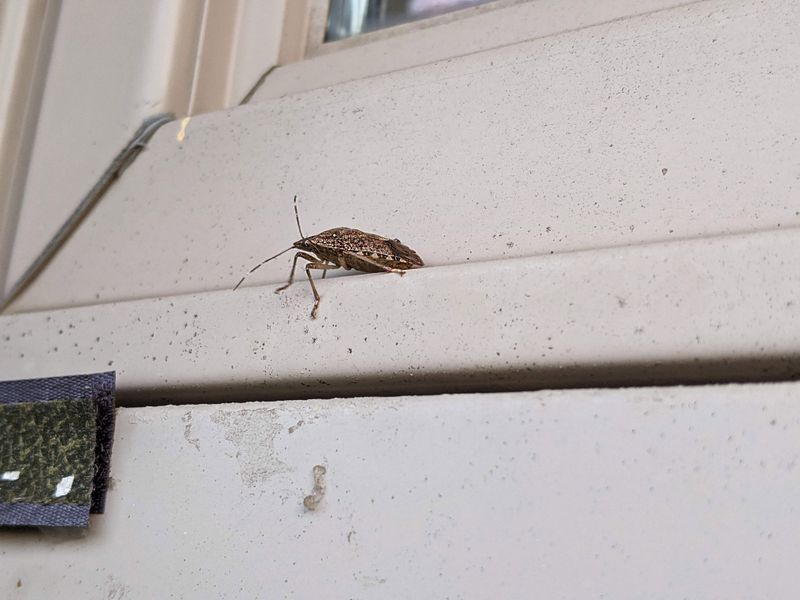
My favorite tool for stray stink bugs is a humble jar of soapy water. Hold it under the bug, give a gentle nudge, and it tumbles right in. A drop of dish soap breaks the surface tension, so the bug sinks and stays put.
A vacuum works well when you find a crowd near a window. Some people slide a knee-high stocking into the hose and secure it with a rubber band. The bugs get trapped in the stocking, and you can tie it off and toss it outside.
If you use the regular bag, empty or remove it soon after. Otherwise that musty smell can linger inside your vacuum for weeks. Some folks keep an old shop vac just for bug duty.
A tissue or plastic bag also works for single visitors. Just pinch softly and carry the bug out.
University experts generally advise against indoor bug bombs for this pest. Sprays rarely reach the bugs hiding in wall voids, and leftover insects can attract carpet beetles that feed on them. Simple hands-on removal is cheaper, safer, and surprisingly satisfying.
Squishing A Stink Bug Leaves Your Living Room Smelling Funky
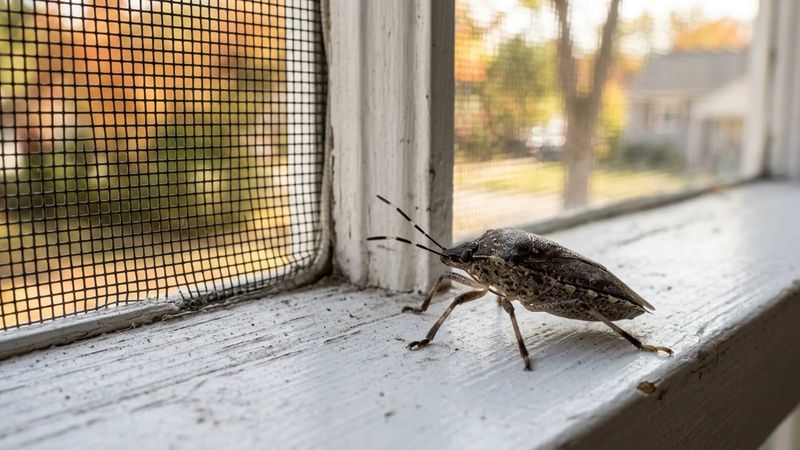
Guilty as charged, I once smacked one with a paperback book. The book smelled like old cilantro for a week, and I never made that mistake again.
The name is honest. Stink bugs carry scent glands on their underside that release a sharp chemical when they feel threatened or get crushed. People describe the odor as musty, grassy, or a lot like cilantro. Fun fact: some of the same compounds give cilantro its flavor, which may explain why some folks find the herb soapy.
The smell can cling to curtains, carpet, and drywall. It tends to fade with time and airing out, but it is not a fun guest. Some people also notice mild skin irritation after handling the liquid, so washing your hands helps.
Thankfully, these bugs do not bite people or pets. They also do not carry diseases or chew on wood, wiring, or fabric. Their main crime is that unforgettable aroma.
So when you spot one on the wall, take a breath and skip the shoe. A calm, gentle removal keeps your home smelling like your home.
Look For Banded Antennae To Spot The Brown Marmorated Stink Bug
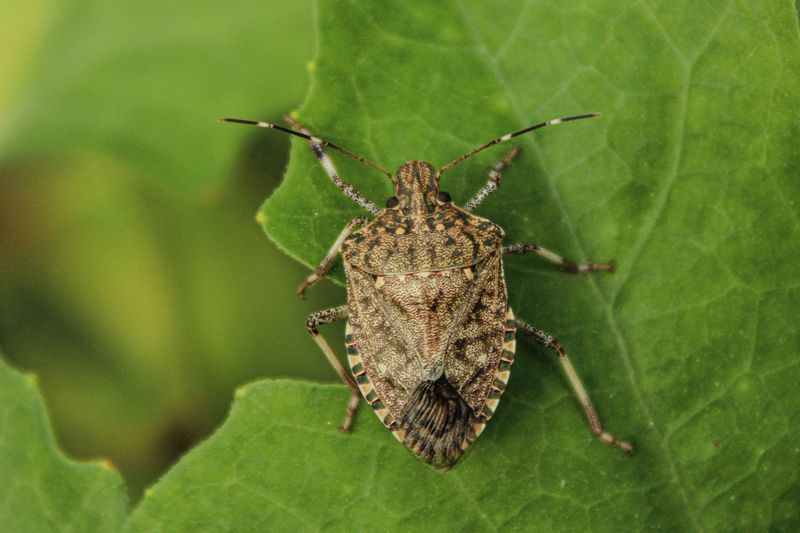
Ever wonder if the brown bug on your screen is the real troublemaker? A quick look at its antennae usually settles the question.
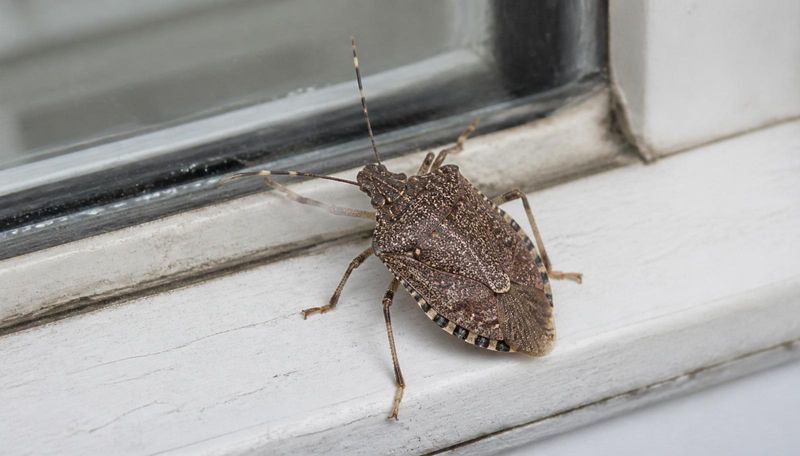
Brown marmorated stink bugs are shield-shaped and about half an inch to five-eighths of an inch long. Their backs look mottled, like brown marble, which is where the word marmorated comes from. The best clue is pale bands on the last segments of each antenna.
Check the edge of the abdomen too. You will see a checkered pattern of light and dark patches sticking out beyond the wings. Native brown stink bugs lack those white antenna bands and usually have smoother, plainer edges.
Another common lookalike is the western conifer seed bug, which also invades homes in fall. It is longer and thinner, with flattened leaf-like flares on its hind legs. It can also give off a smell when handled.
Purdue reports this Asian stink bug was first found in Indiana in Elkhart County in 2010. It has since spread across the entire state. Snapping a clear photo and comparing it with Purdue Extension images is a smart way to confirm what you have.
Your Tomatoes And Peppers Can Show Stink Bug Feeding Scars
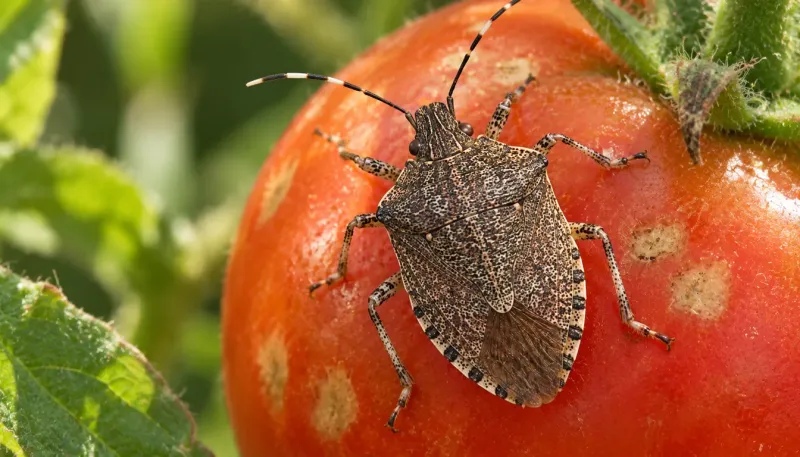
Last August, my tomatoes looked like they had pale freckles. I blamed the weather until I caught a brown stink bug parked right on a ripening fruit.
Outdoor perimeter sprays are sometimes used, but extension experts note results are mixed and short-lived. Tomatoes often show cloudy, whitish or yellow blotches under the skin. Peppers, beans, sweet corn, apples, and peaches can end up dimpled, scarred, or corky inside.
The damage is mostly cosmetic for home gardeners, so lightly scarred produce is usually fine to eat after trimming. Commercial growers have a bigger headache, since blemished fruit is hard to sell. Indiana soybean fields and orchards can also see injury along their edges.
During the growing season, walk your rows in the morning and knock bugs into soapy water. Floating row covers can shield young crops before they flower or after pollination is done. Check the undersides of leaves for clusters of pale, barrel-shaped eggs and remove them.
Reducing summer numbers in your garden may mean fewer bugs crowding your siding come fall. That is a nice two-for-one payoff for a few minutes of scouting.
Porch Lights And Firewood Piles Can Invite Extra Stink Bugs
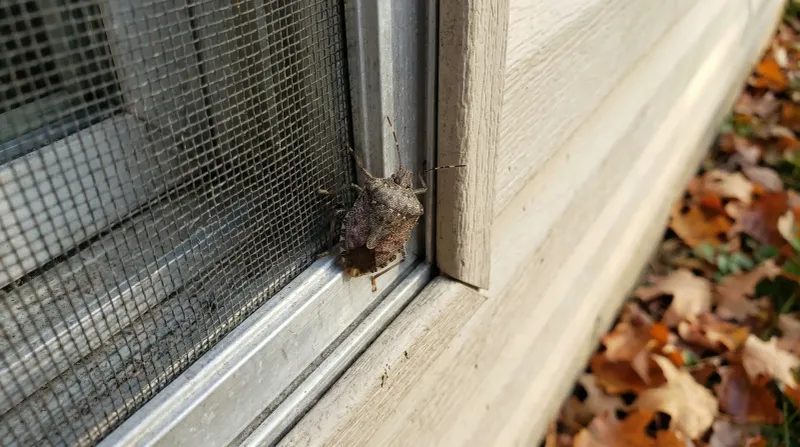
Small habits around your yard can quietly roll out a welcome mat. I learned that when my porch light became a nightly stink bug gathering spot.
These insects are attracted to light, especially on warm fall evenings. Turning off unneeded outdoor lights or switching to yellow bug bulbs may reduce how many hang around your doors. Motion-sensor lights are another handy option.
Firewood deserves a second look too. Stacks leaned against the house give bugs a sheltered stepping stone right next to your siding. Keep woodpiles a good distance from your walls, and shake logs off before bringing them indoors.
Dense vines and shrubs touching the house can also give insects an easy route upward. Trim plants back so air and sunlight reach the foundation. Pay attention to window air conditioners, which often leave gaps around their side panels.
Outdoor perimeter sprays are sometimes used, but extension experts note results are mixed and short lived. Sunlight and rain break them down quickly, and they can harm helpful insects. If you choose one, follow the label carefully and focus on timing just before fall movement begins.
Big Stink Bug Crowds In The Attic May Call For A Pest Pro
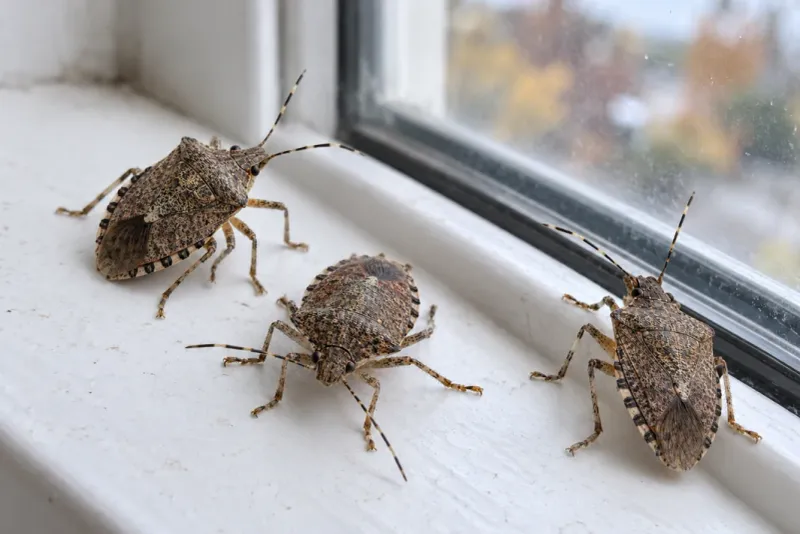
A handful of stink bugs is a nuisance. Hundreds pouring out of the attic every sunny day is a different story, and it may be time for backup.
Call a licensed pest professional if bugs keep showing up in several rooms despite your sealing work. Hidden gaps along rooflines, soffits, and chimneys are tough to find and risky to reach from a ladder. A trained technician can inspect those spots safely.
Pros may suggest sealing hard-to-reach openings and applying exterior treatments in late summer. Good companies explain what they are using and why. Ask about timing, since treatments work best before bugs move indoors, not after they are tucked in your walls.
Meanwhile, keep expectations realistic. Few homes stay perfectly bug-free in fall, even with professional help. The goal is fewer surprises on your curtains, not zero.
My best takeaway after years of this seasonal dance is simple. Seal early, remove gently, and keep an eye on your garden in summer. With those steps, a chilly Indiana autumn can stay cozy for you and a lot less welcoming for those smelly hitchhikers.