Iowa Gardeners Are Racing To Pull In These Tender Crops Before The State’s First Frost Arrives
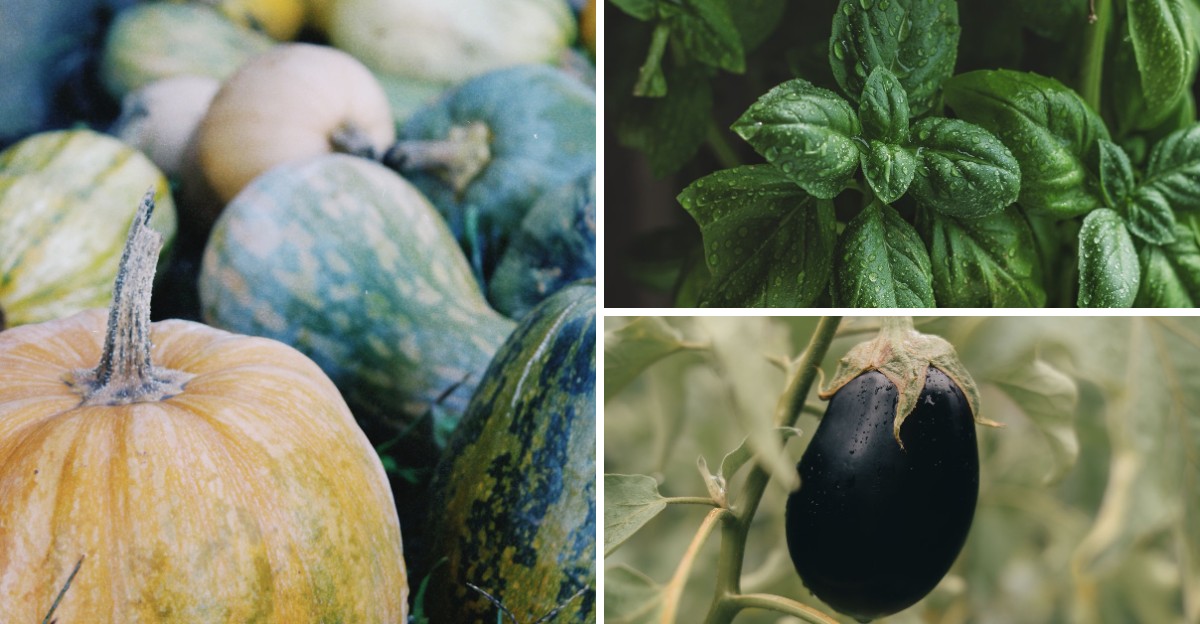
Frost can coat your tomato leaves while your porch thermometer reads above freezing. Clear, calm Iowa nights pull heat from your plants faster than from the air.
That gap fools you into waiting. Basil bruises black at temperatures your kale shrugs off. You actually want frost on your kale, carrots, and parsnips.
Cold converts their starches into sugar, deepening the sweetness you taste. Tomatoes, peppers, eggplant, and zucchini offer you no such mercy. Pick any tomato showing a pink blush; it ripens on your counter.
Winter squash needs a rind your thumbnail cannot dent before you clip it. Sweet potatoes need you to cure them somewhere warm and humid. Timing decides whether you store flavor or compost regret.
Know how you should pick, cure, and store each crop. Before the forecast turns on you, grab the knowledge that saves your harvest.
1. Juicy Tomatoes Still Blushing On The Vine
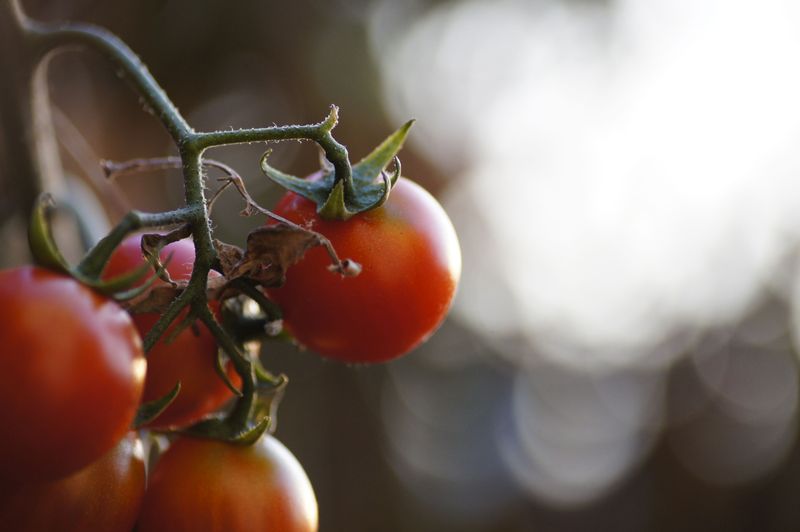
Every gardener dreads finding a vine loaded with green tomatoes the morning after a freeze. Once nights dip near 32 degrees, exposed leaves can blacken, and unprotected fruit may turn soft and watery.
In most of Iowa, the first frost usually shows up between late September and mid-October. Northern counties tend to get chilly first, while southern gardens often buy an extra week or two.
The good news is that tomatoes do not need the vine to finish ripening. Any fruit showing a light blush of pink, called the breaker stage, will color up nicely indoors.
Pick those tomatoes, wipe off the dirt, and set them stem side up on a counter. Keep them out of direct sunlight, since steady room temperature does a better job than a hot windowsill.
Want to speed things up a little? Tuck a few tomatoes into a brown paper bag along with one ripe banana or apple.
Those fruits give off ethylene gas, which is the natural signal that tells tomatoes to ripen. Check the bag every day or two, and pull out anything that starts to look spotty or soft.
Small, immature green tomatoes usually will not ripen with much flavor, though full-size, glossy green ones often will. Instead of tossing them, slice them for fried green tomatoes or stir them into a tangy relish.
Some gardeners even yank the whole plant and hang it upside down in a garage or basement. It looks a little odd, but the fruit keeps slowly ripening for weeks.
2. Bright Peppers Hanging Heavy On The Stems
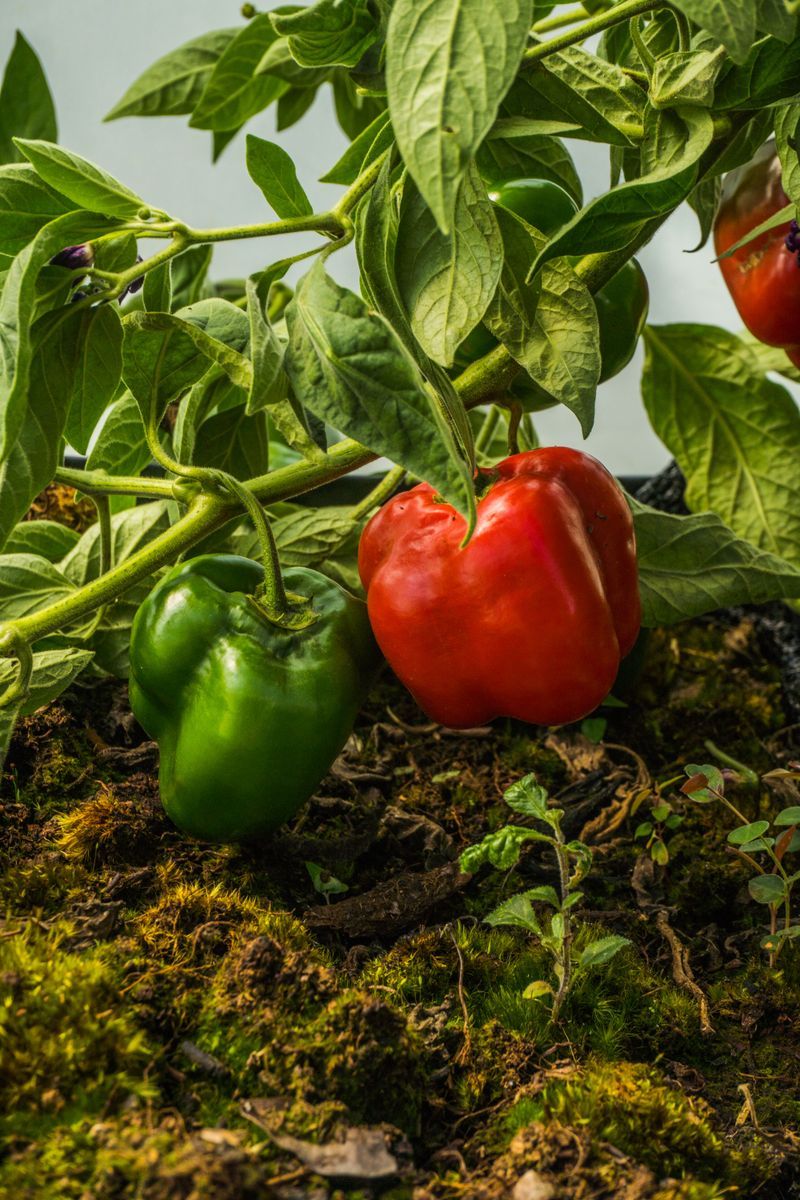
Peppers are the drama queens of the fall garden, and one frosty night can leave them limp. They come from warm places like Mexico and Central America, so Iowa cold snaps are not their thing.
Right now, many plants are loaded with fruit that finally started coloring up in the late summer heat. Leaving them out too long is a gamble, especially once the forecast shows lows in the upper 30s.
Here is a fun fact that surprises plenty of folks. Green bell peppers and red bell peppers often come from the same plant, just picked at different times.
Your Iowa Garden Changes Every Week. Your Plan Should Too.
Gardening in Iowa changes quickly throughout the season. Every Friday you’ll receive a simple weekly plan showing exactly what to plant, prune, fertilize, harvest, and protect so you never miss the right timing.
That means a green pepper is perfectly fine to eat, even if you hoped for red. Peppers that show a streak of color may keep ripening a bit on the counter.
Use clean scissors or pruners to snip each pepper, leaving a short piece of stem attached. Yanking by hand can snap branches or tear the fruit, which makes it spoil faster.
Hot peppers like jalapenos and cayenne handle a harvest rush just as well as sweet ones. Wear gloves when picking a big batch, because pepper oils love to sneak into your eyes later.
Got more peppers than you can eat in a week? Slice and freeze them flat on a baking sheet, then bag them up.
Thin-walled hot varieties like cayenne dry well when strung on thread and hung in a warm, dry, well-ventilated spot. Those colorful strands, called ristras, look so good that some people forget to cook with them.
3. Fragrant Basil Wilting At The First Chill
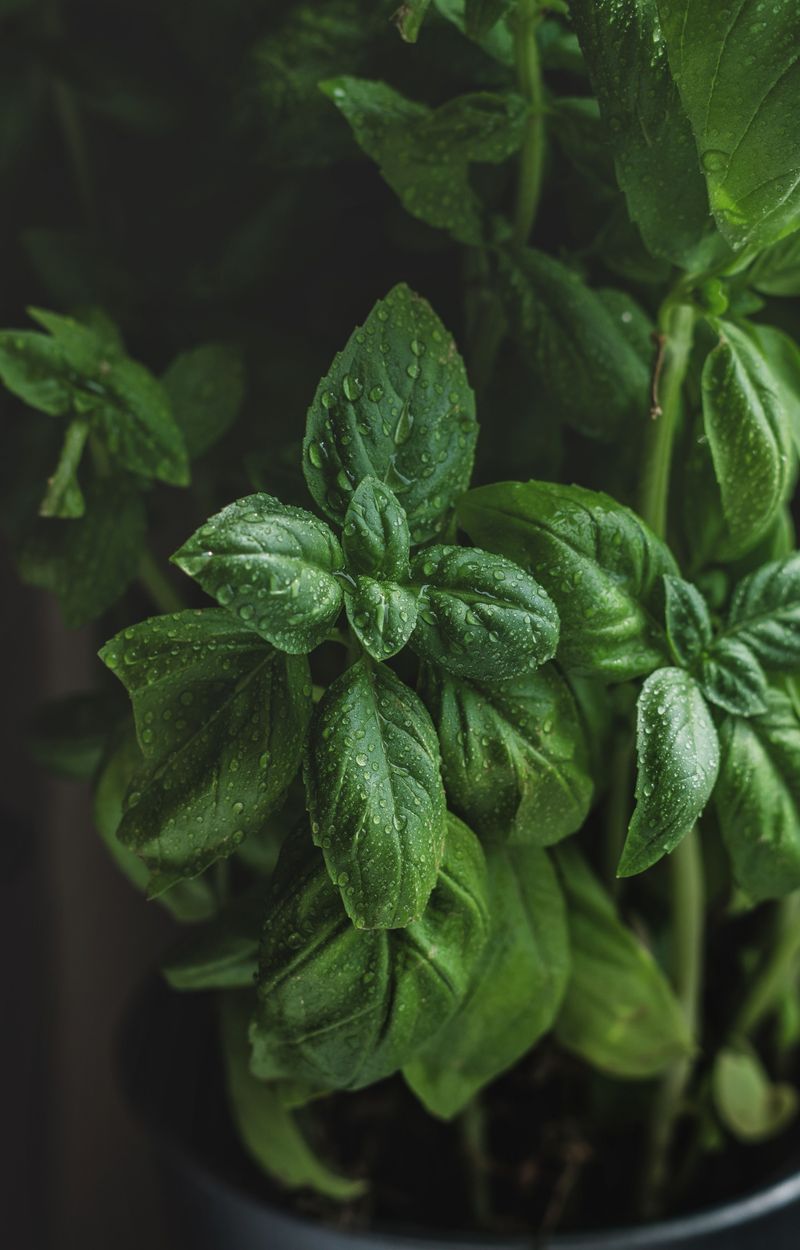
Basil is such a wimp that it can blacken at 40 degrees, well before any frost appears. That makes it the very first crop many Iowa gardeners rush to rescue each September.
Picture a lush, fragrant plant on Monday and a droopy, dark mess on Tuesday. Chilly nights can do that fast, so watch the forecast closely once lows start creeping into the 40s.
For a big final harvest, cut the whole plant a few inches above the soil. Do this in the morning after the dew dries, when the leaves hold the most flavor.
Skip the fridge, since cold air turns basil leaves brown and slimy within a day or two. Instead, stand the stems in a glass of water on the counter, just like cut flowers.
Pesto is the classic way to use a mountain of basil all at once. Blend it with olive oil, garlic, nuts, and cheese, then freeze it in ice cube trays.
Pop out a cube or two in January, and your whole kitchen suddenly smells like summer again. Chopped basil frozen in a little olive oil works nicely for soups and sauces too.
Want to keep a plant going? Dig up a small one, pot it, and set it in your sunniest window. Rooting a few stem cuttings in water works too, and it takes about two weeks to see roots. Indoor basil will not be as bushy, but fresh leaves on winter pasta feel like a small victory.
4. Crisp Green Beans Dangling From The Trellis
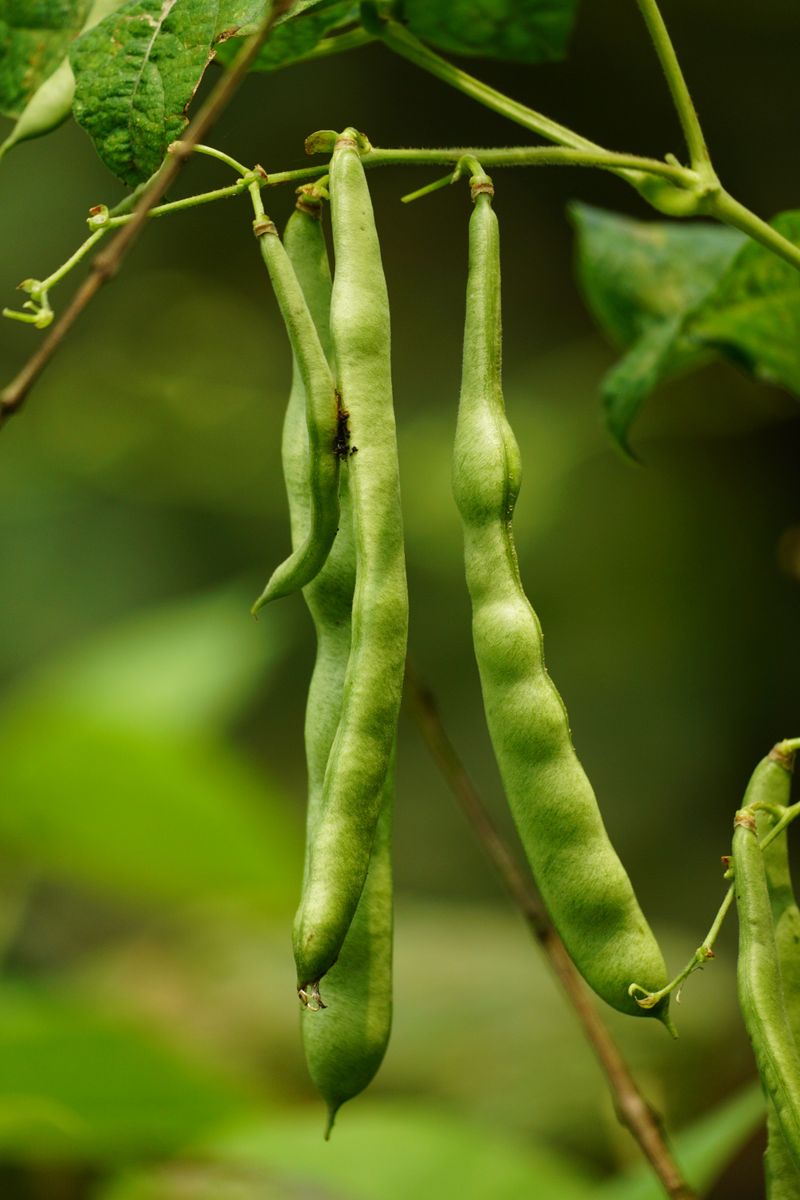
Snapping beans on the porch with Grandma is a memory plenty of Iowans still treasure. September is a great time to make that memory happen again, before the cold shuts the beans down.
Green beans are warm-season plants, and frost damages both the leaves and the pods quickly. Frozen pods turn mushy and translucent, which is not the kind of crunch anyone wants.
Late summer plantings often produce a surprise second wave of pods right about now. Pick every bean that is about as thick as a pencil, even the small ones.
Hold the stem with one hand and pull the pod with the other to protect the plant. Bean plants are surprisingly fragile, and a hasty tug can rip off a whole branch.
Fat, lumpy pods that got missed are not a loss at all. If the seeds inside are fully mature, shell them and dry them indoors for winter soups.
Fresh green beans keep about a week in the fridge inside a loose plastic bag. Wait to wash them until right before cooking, since extra moisture on the pods invites mold.
For long storage, blanch the beans in boiling water for three minutes, then plunge them into ice water. Drain them well, pack them into freezer bags, and squeeze out as much air as possible.
Canning is another classic option, though beans need a pressure canner to stay safe. Rows of jars on a pantry shelf might be the most satisfying sight of the whole fall.
5. Hidden Sweet Potatoes Waiting Under The Soil
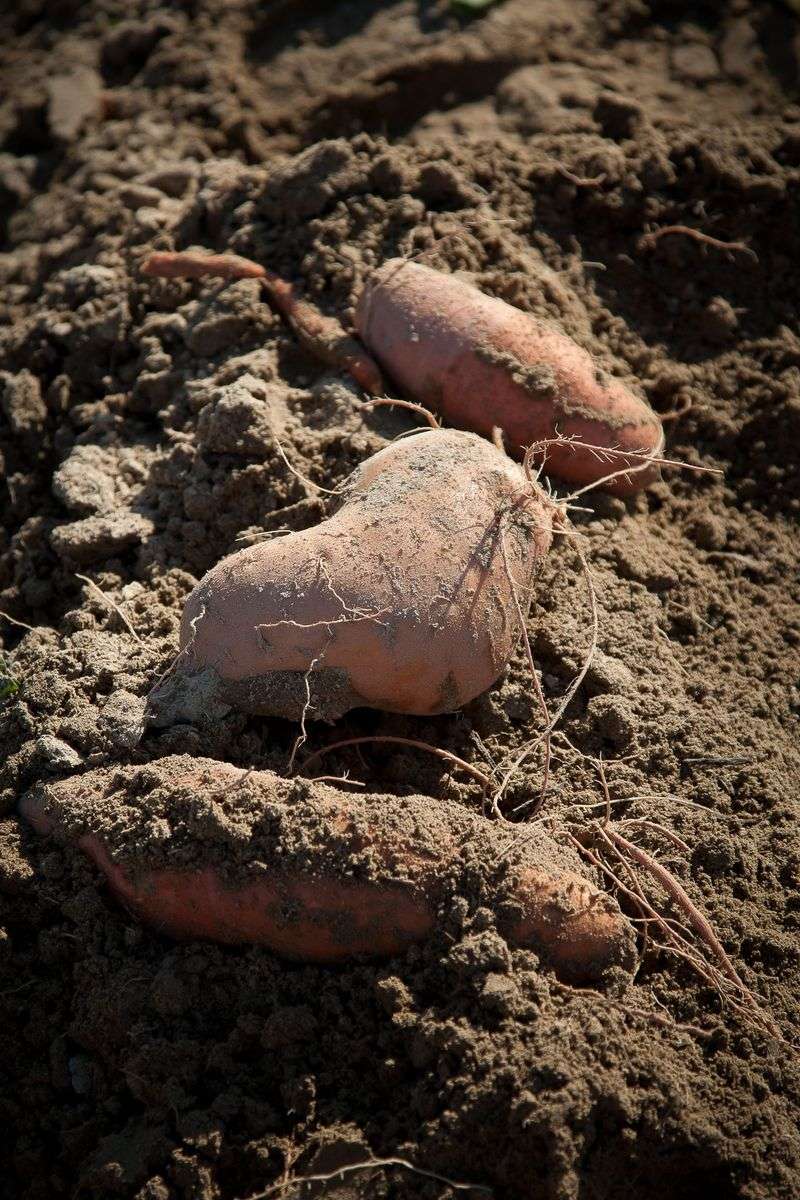
Ever wonder what is going on under those sprawling, heart-shaped leaves? Sweet potatoes spend all summer quietly bulking up underground, and September finally brings the big reveal.
Unlike regular potatoes, these roots come from a tropical plant that dislikes chilly soil. Once the ground cools below 50 degrees, the roots can develop hard spots and rot later in storage.
Frost on the leaves is a problem too, because the damage can travel down into the roots. Plan to dig before the first frost, or within a day after it if one sneaks up.
Start by cutting back the vines so you can actually see where the plants are rooted. Then loosen the soil about a foot away from each crown, working slowly with a digging fork.
Sweet potato skins are thin and bruise easily, so handle them like fresh eggs. Do not toss them into a bucket or scrub them clean right away, either.
Freshly dug sweet potatoes taste starchy and bland, which surprises lots of first-time Iowa growers. The fix is a secret step many beginners skip, called curing.
Keep them somewhere warm and humid, around 80 to 85 degrees, for about ten days. A warm bathroom works in a pinch, since curing needs both heat and high humidity.
During curing, starches change into sugars and the skins toughen up for storage. Afterward, store them in a dark spot around 55 degrees, and they can stay sweet until spring.
6. Glossy Eggplants Sagging On The Branches
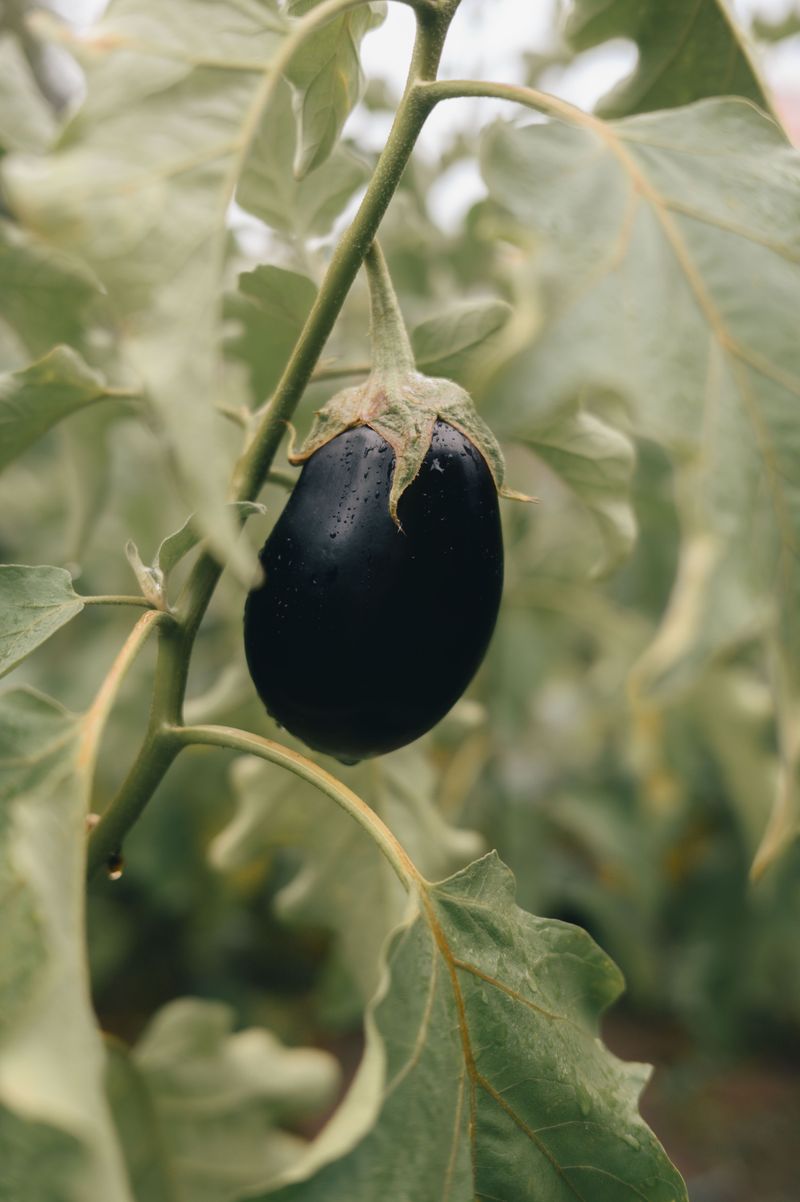
Did you know eggplant got its name because early European varieties were small, white, and shaped like eggs? Today many Iowa gardens grow the glossy purple kind, and it is famously picky about cold weather.
Eggplant is a cousin of tomatoes and peppers, and it may be the fussiest one in the family. Nights in the 40s make it sulk, and frost leaves the fruit damaged and quick to spoil.
Unlike tomatoes, eggplant does not ripen after picking, so what you see is what you get. That makes timing a bit trickier as September winds down.
A ready eggplant has shiny skin and springs back slightly when you press it with a thumb. Dull skin usually means the fruit is overripe, with tough seeds and a bitter bite.
Small or medium fruit are worth picking now instead of waiting for them to size up. Younger eggplants are often more tender and have fewer seeds anyway, so nobody loses here.
Those stems are tough and sometimes prickly, so cut them with pruners rather than twisting. Leave about an inch of stem on each fruit to help it last longer.
Eggplant does not love the fridge, so plan to use it within a few days. If you must chill it, wrap it loosely and tuck it into the warmest drawer.
A big harvest is a perfect excuse to make eggplant parmesan or smoky baba ganoush. Roasted slices also freeze well, ready to layer into a cozy lasagna on a snowy January night.
7. Hard-Shelled Winter Squash Resting In The Patch
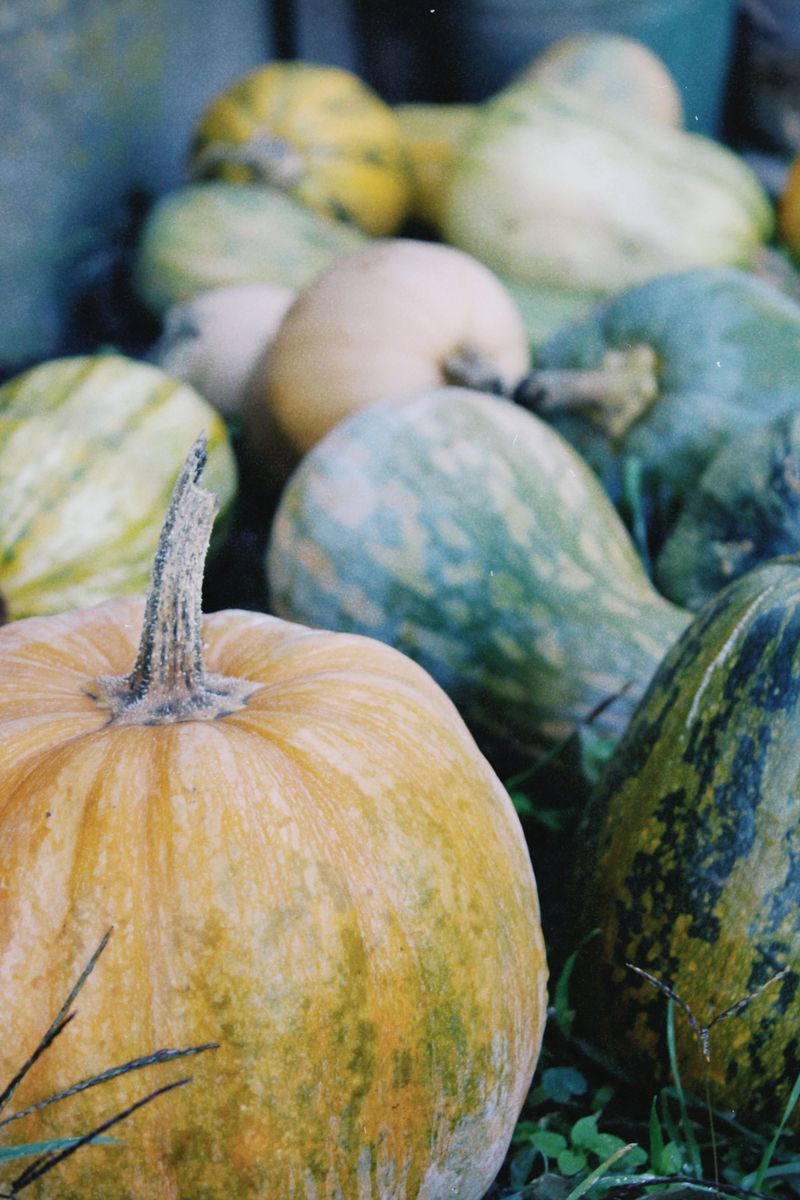
An old gardening saying goes that winter squash should hear the frost coming but not feel it. That folksy advice still holds up for butternut, acorn, spaghetti, and hubbard squash in modern gardens.
Despite their tough shells, these squash can get badly damaged by a single hard freeze. Frozen spots soften and rot, which ruins their long storage life in the basement.
So how do you know a squash is truly ready? Give it a tap and listen for a hollow sound, then try pressing a fingernail into the skin.
A ripe squash resists your nail and has deep, even color for its variety; tan and orange types like butternut should show no green patches. The stem nearby should also look dry and corky rather than green and juicy.
Cut each squash from the vine with pruners, leaving two or three inches of stem attached. Resist carrying them by the stem, because a snapped handle opens the door to rot.
Most winter squash benefit from curing in a warm, sunny spot for about ten days. A sunny garage or warm room works well, since curing needs temperatures around 80 degrees.
Acorn squash is the exception, since curing can actually make its flesh stringy and dull. Just wipe acorns clean with a dry cloth and store them right away in a cool spot.
After curing, keep squash around 50 to 55 degrees, spaced apart so they do not touch. Butternuts stored this way can last until March, which feels like pure magic by February.
8. Speedy Zucchini Sprawling Across The Bed
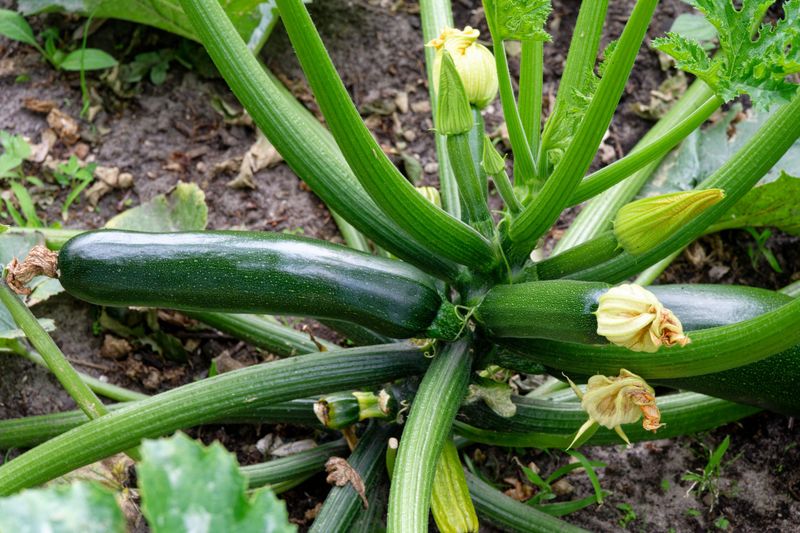
In small-town Iowa, folks joke about locking car doors so neighbors cannot sneak zucchini onto the seats. By September, even the most generous gardener starts wondering how one plant made so much.
Still, zucchini and other summer squash are tender crops that fold fast when frost arrives. Their big leaves collapse overnight, and any fruit left out turns into a squishy mess.
Unlike winter squash, these thin-skinned cousins are meant to be picked young and eaten fresh. The tastiest zucchini are six to eight inches long, with shiny skin and tiny seeds.
Before the cold hits, pick every fruit on the plant, from baby-sized to baseball bat. Even the tiny ones with blossoms still attached are delicious sauteed in a little butter.
What about the giant club you found lurking beneath a leaf? Scoop out the seeds and bake it stuffed with sausage, rice, tomato sauce, and melty cheese.
Oversized zucchini also shred beautifully for moist zucchini bread, muffins, and even chocolate cake. Picky eaters rarely notice the green flecks, which makes it a sneaky way to add veggies.
For best quality, steam-blanch shredded zucchini for one to two minutes, cool it, and drain it before freezing. Pack it into freezer bags in two-cup portions, which is the perfect amount for most bread recipes.
Once the harvest is in, pull the spent plants and compost them, unless they show mildew or pest damage. Your garden gets a tidy fresh start, and your neighbors can finally stop locking their cars.