Are These Tiny Pests Destroying Your Georgia Tomatoes Right Now?
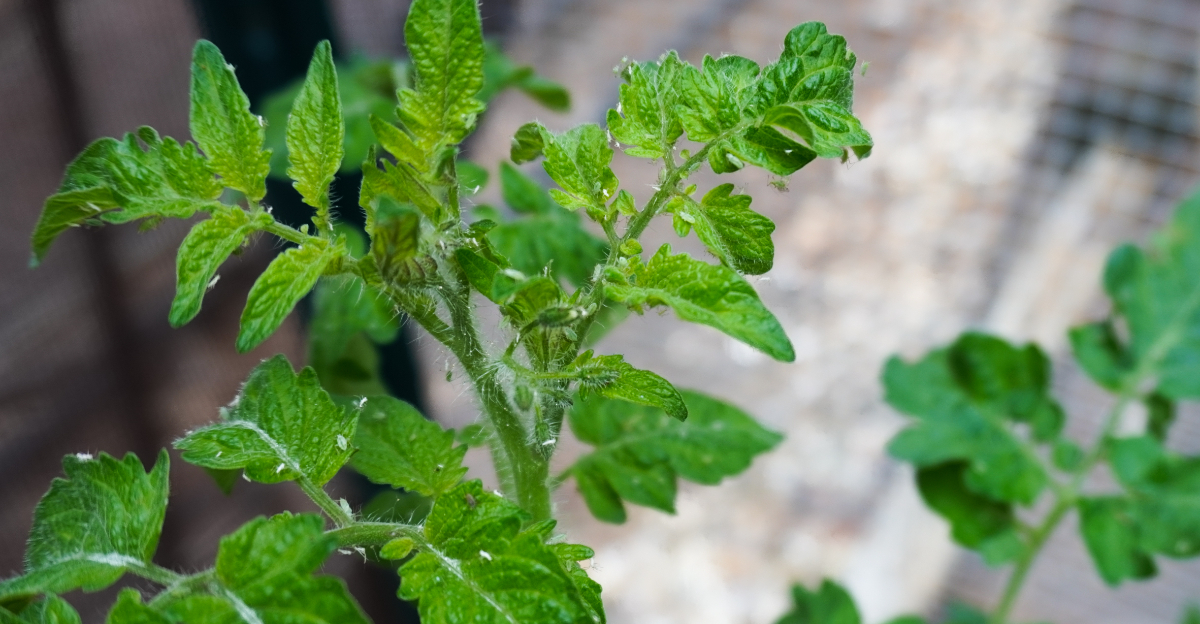
The new growth at the top of a Georgia tomato plant tells you more than the fruit does. When those young leaves start cupping inward and losing their color, the plant is already rationing what it has left.
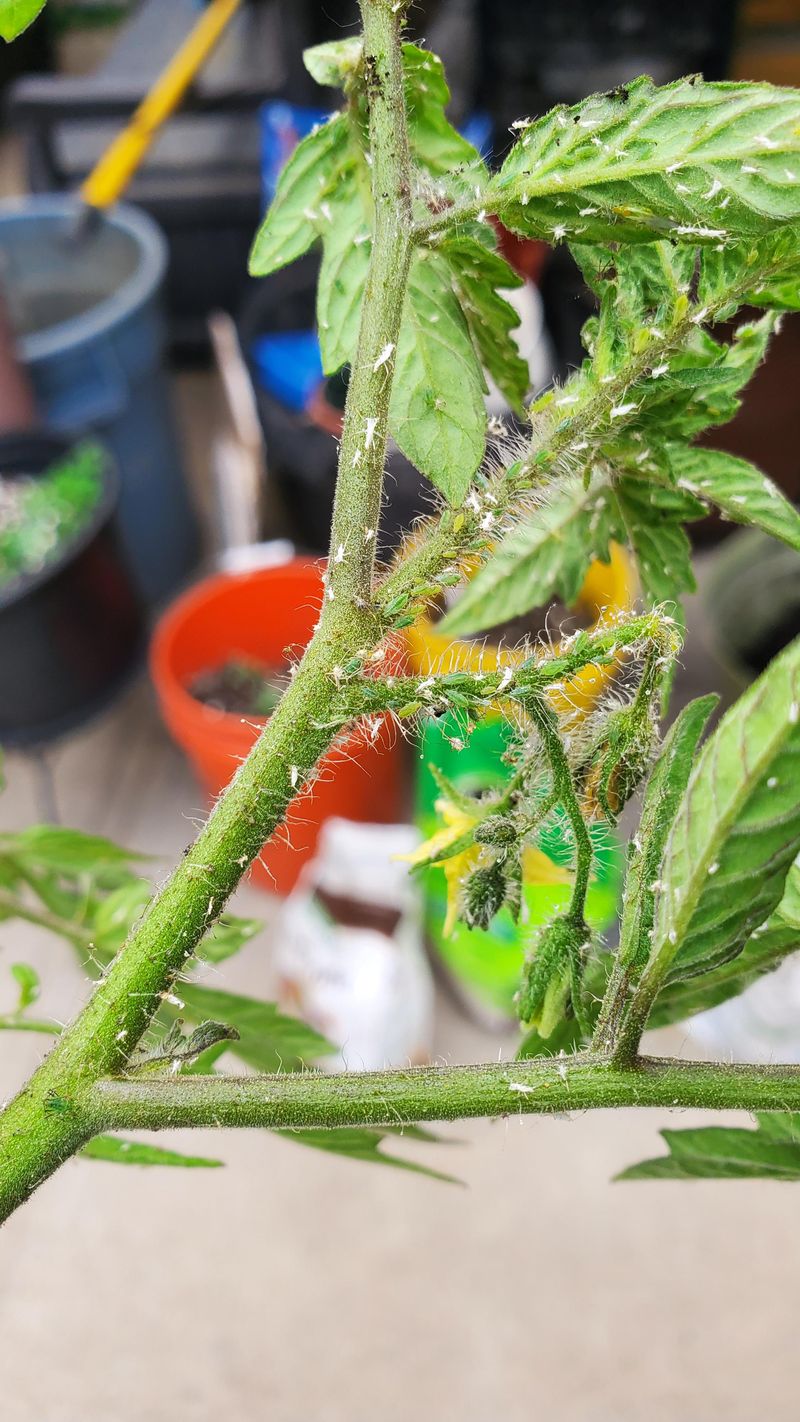
Run a finger along the stem and it comes away tacky. That residue is not sap, and it is not dew that failed to burn off in the morning sun.
Ants notice it before people do. A steady line of them working up and down the same stem means they have found something worth protecting, and they are guarding it from anything that might interfere.
What the ants are guarding explains the rest: the curled leaves, the shine, the fruit that stopped setting. The window for fixing it is shorter than most gardeners expect.
Clusters Of These Pests Gather On Tender New Growth
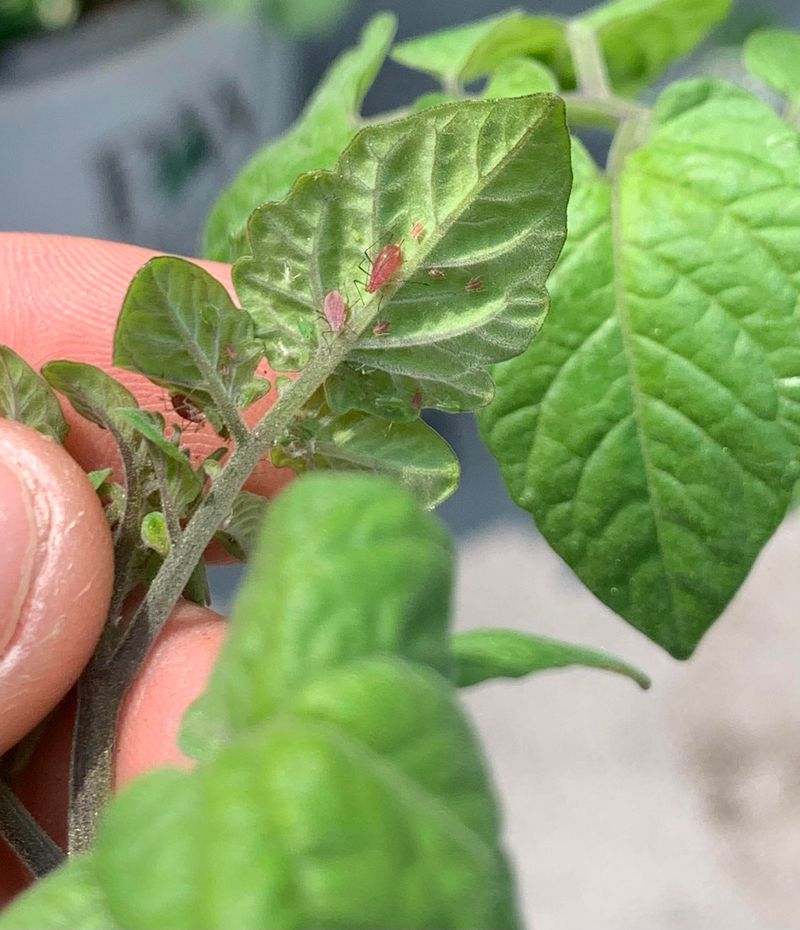
Soft new growth is like a buffet sign for aphids. They flock to the youngest, most tender parts of your tomato plant first.
Aphids target new shoots because the tissue is thin and easy to pierce. Their needle-like mouths punch right through and pull out plant sap with almost no effort.
You might spot clusters of tiny green, yellow, or black specks near the tops of your plants. These are not dirt or seeds. They are living insects packed together like rush-hour commuters.
A single stem tip can hold dozens of aphids at once. That kind of crowding means serious sap loss happening every single minute of the day.
Check the undersides of young leaves too. Aphids love to hide where sunlight does not reach, making them easy to overlook during a quick garden walkthrough.
Touching the cluster gently will cause them to scatter slightly. That movement confirms what you are dealing with right away.
New growth that looks twisted, stunted, or puckered is a major warning sign. Healthy tomato shoots should unfurl smoothly and stand upright in the morning sun.
Georgia summers create the perfect storm for fast aphid buildup on tender growth. Warm nights keep populations active longer than in cooler climates.
Catching them early at the tips gives you the best chance to act before they spread downward. One cluster today can become a full-plant problem by next week.
Aphids Multiply Rapidly In Georgia’s Summer Heat
Few insects reproduce as fast as aphids do in warm weather. A single female can produce dozens of offspring without ever needing a mate.
That process is called parthenogenesis, and it is shockingly efficient. Baby aphids are born already pregnant in some cases, which means population explosions happen within days.
Georgia’s summer temperatures land in the range where aphid life cycles accelerate. The warm nights in particular keep reproduction running around the clock in a way that cooler climates simply do not allow.
A small group of aphids can balloon into a full-scale infestation within days under the right conditions. That kind of growth rate makes early action critical for tomato growers.
Winged aphids also travel between plants when colonies get crowded. They fly short distances and set up new feeding colonies on nearby tomatoes quickly.
Your Georgia Garden Changes Every Week. Your Plan Should Too.
Gardening in Georgia changes quickly throughout the season. Every Friday you’ll receive a simple weekly plan showing exactly what to plant, prune, fertilize, harvest, and protect so you never miss the right timing.
This spreading behavior means one affected plant can infect your entire garden row. Spacing your tomato plants helps slow that kind of cross-contamination.
Hot, dry conditions actually favor aphids over many of their natural predators. Beneficial insects like parasitic wasps struggle in extreme heat while aphids keep thriving.
Watering your garden consistently helps maintain plant strength against pest pressure. A stressed, thirsty tomato is far more vulnerable to aphid damage than a well-hydrated one.
Understanding their pace of growth changes how you respond. Waiting a few days to act on tiny pests destroying your Georgia tomatoes can cost you far more than you expect.
Sticky Honeydew Residue Signals An Active Aphid Infestation
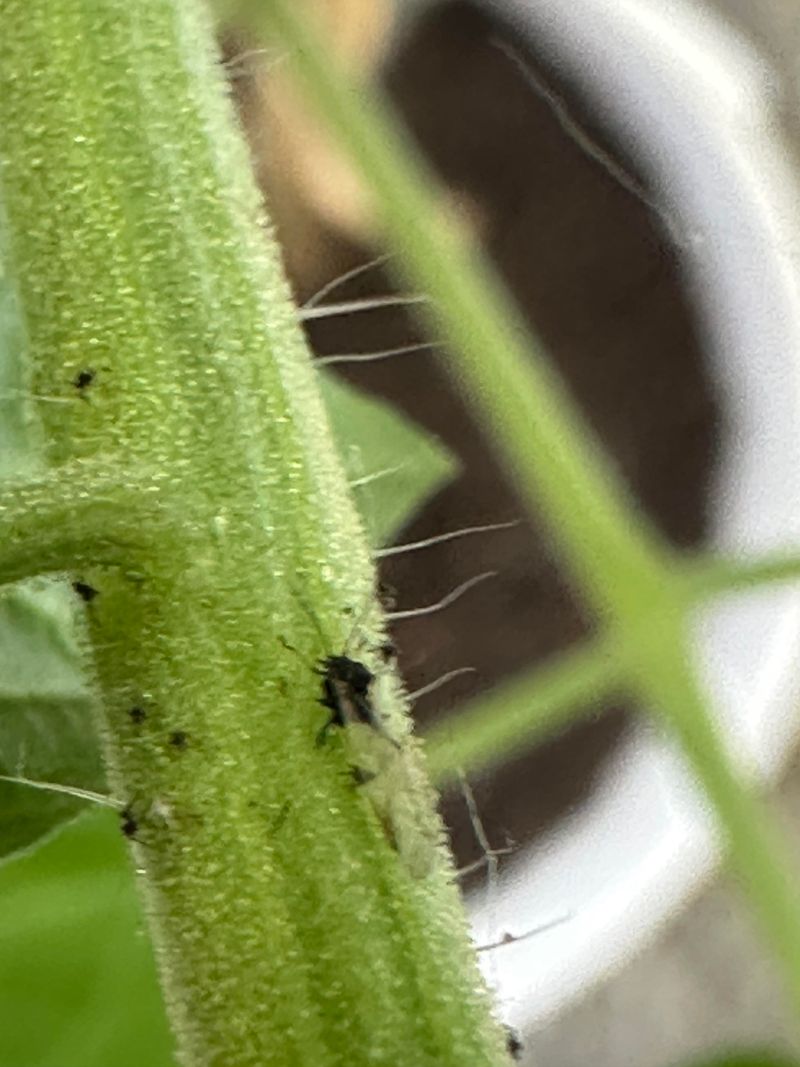
Notice a shiny, sticky film on your tomato leaves? That slick coating is not morning dew or fertilizer residue.
Aphids excrete a sugary waste product called honeydew as they feed. It drips down onto leaves, stems, and even the soil below the plant.
Honeydew itself does not harm the plant directly. The real problem is what grows on top of it.
A black fungus called sooty mold colonizes honeydew-coated surfaces fast. It blocks sunlight from reaching the leaf, which slows photosynthesis and weakens the plant over time.
Plants covered in sooty mold look dirty and dark, almost like they were dusted with charcoal. That visual change is a reliable tip-off that aphids are actively feeding somewhere above.
Ants are another clue worth watching. They are attracted to honeydew and will actually protect aphid colonies from predators to keep their sugar source flowing.
Seeing ants marching up and down your tomato stems is a signal worth investigating. Follow the ants and you will almost certainly find an aphid colony nearby.
Wiping honeydew off leaves with a damp cloth removes the mold risk temporarily. But without addressing the aphids, the residue returns within a day or two.
Checking the underside of sticky leaves often reveals the culprits still feeding. Catching that active colony is the turning point from reacting to actually solving the problem.
Curled Or Yellowing Leaves Reveal Hidden Aphid Damage
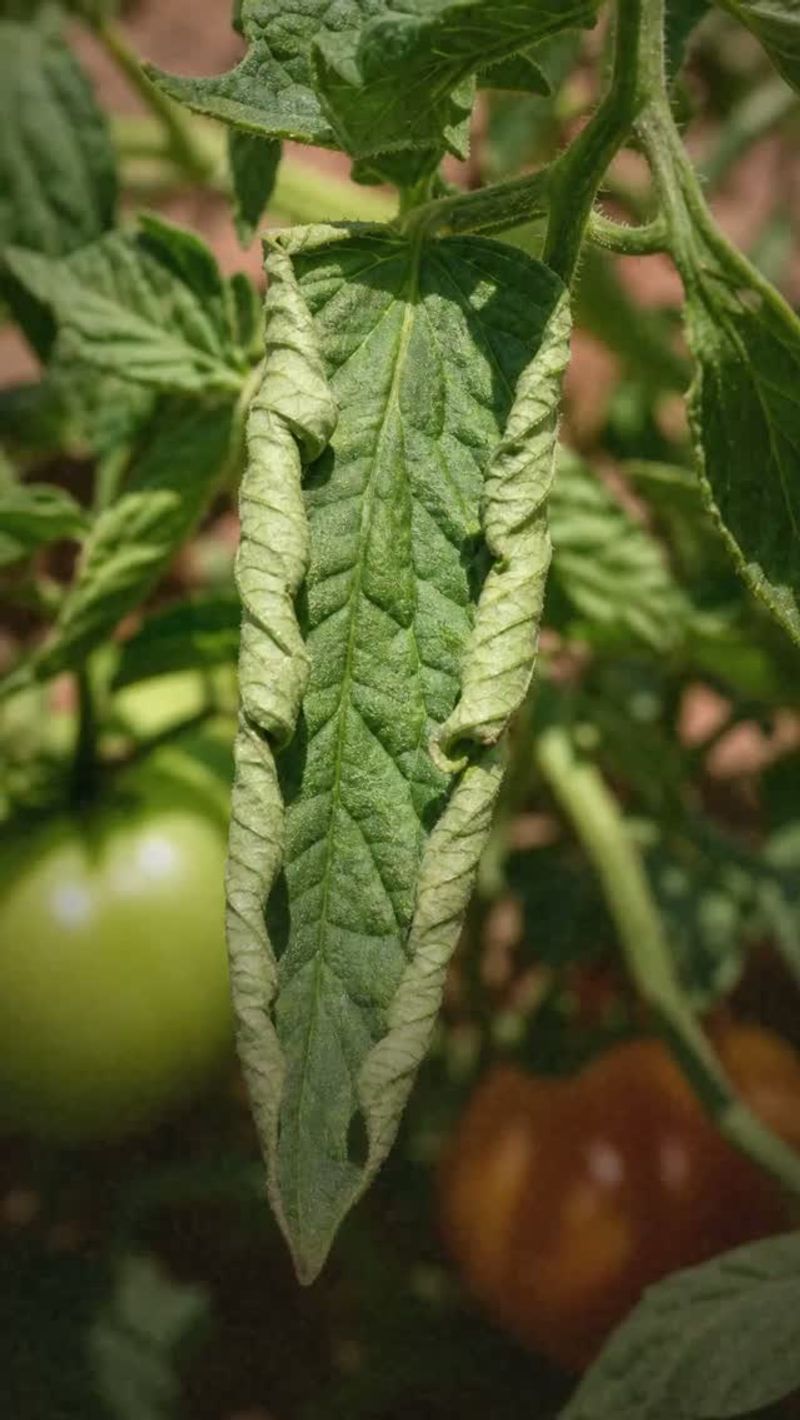
Curled leaves on a tomato plant are one of the most frustrating sights in a summer garden. They look dramatic, and the cause is not always obvious at first glance.
Aphids inject saliva into plant tissue as they feed. That saliva disrupts normal cell growth and causes leaves to curl, pucker, or roll inward protectively.
Yellowing often follows the curling within a few days. The plant is losing nutrients faster than it can replace them through photosynthesis.
Young leaves show the damage first because they are softer and more sensitive. Older leaves may look fine while new growth looks twisted and spent.
Some gardeners mistake aphid damage for a watering problem or nutrient deficiency. Both conditions can cause yellowing, so checking for pests before adjusting fertilizer is always a smart first move.
Flip a curled leaf open gently with your finger. Aphids hiding inside the curl will scatter, confirming the real source of the problem immediately.
Severely curled leaves do not always recover their original shape. Even after aphids are removed, the mechanical damage to the cells stays behind.
Removing the most damaged leaves reduces stress on the plant overall. It also eliminates hiding spots where remaining aphids might shelter from treatment sprays.
Healthy new growth after treatment is your best sign of recovery. Watching fresh leaves unfurl without curling feels like a genuine gardening win after a tough battle.
Ladybugs And Other Predators Offer Natural Aphid Control
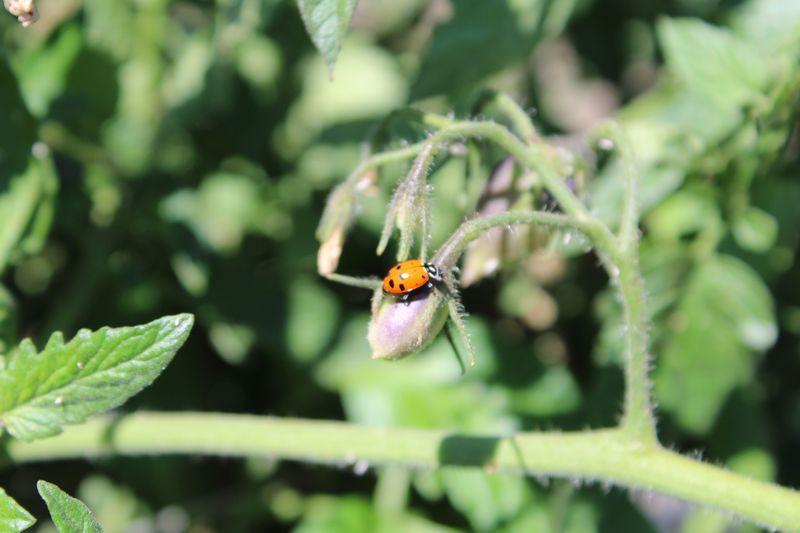
Nature built a cleanup crew for aphid problems long before pesticides existed. Ladybugs are the most famous members of that team.
A single adult ladybug can consume up to 50 aphids per day. Their larvae eat even more, making both life stages valuable allies in the garden.
Lacewings are another powerful predator that targets aphids aggressively. Their larvae are nicknamed aphid lions, and the name fits, they are aggressive, relentless feeders from the moment they hatch.
Parasitic wasps lay eggs directly inside aphids, which sounds intense but works brilliantly. The aphid body becomes a host that eventually produces a new wasp instead of more aphids.
Encouraging these beneficial insects starts with reducing or eliminating broad-spectrum pesticide use. Many chemical sprays harm predators and prey alike, which can actually make aphid problems worse long-term.
Planting flowers like dill, fennel, and marigolds near your tomatoes attracts helpful insects naturally. These companion plants provide nectar and shelter that predatory bugs need to stick around.
Purchasing ladybugs from garden centers is an option, but results are mixed. Released bugs often fly away before making a dent in the local population.
Encouraging wild populations through habitat is more reliable and longer lasting. A garden with diverse plants and no harsh sprays becomes a self-regulating ecosystem over time.
Trusting natural predators takes patience, but the payoff is a balanced garden. Fewer interventions needed means more time actually enjoying your tomatoes.
Simple Sprays That Protect Plants Without Harsh Chemicals
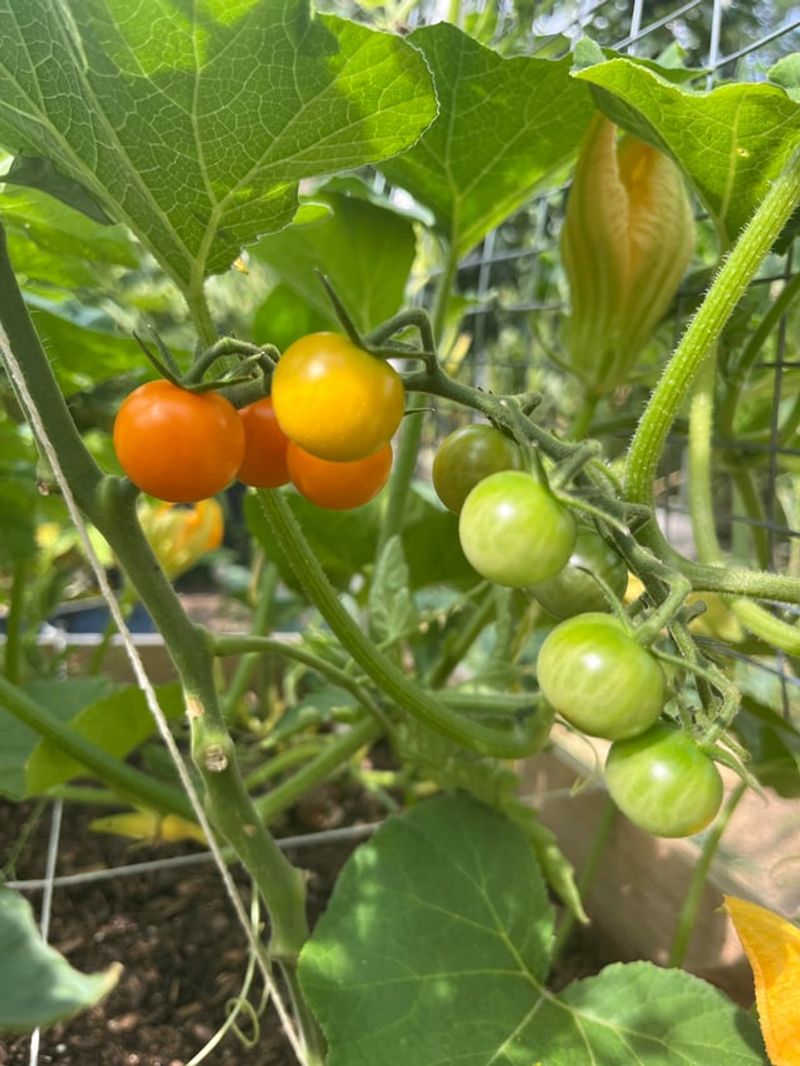
Grabbing the strongest chemical spray at the hardware store feels tempting when pests take over. But gentler options work surprisingly well against aphids.
Insecticidal soap spray is one of the most effective and affordable tools available. It breaks down the protective outer coating of soft-bodied insects on contact.
Mix a few drops of pure liquid castile soap with water in a spray bottle. Apply it directly to aphid clusters, making sure to coat the undersides of leaves thoroughly.
Neem oil is another popular organic option with a strong track record. It disrupts the feeding and reproductive behavior of aphids without leaving toxic residue on your fruit.
Always spray in the early morning or evening to avoid leaf burn. Midday heat combined with any oil-based spray can scorch tomato foliage quickly.
A strong blast of plain water from a garden hose works too. Knocking aphids off with water pressure removes them from feeding sites and many cannot find their way back.
Repeat treatments every three to four days for best results. Aphid eggs and newly hatched nymphs can survive a single application, so follow-up sprays are essential.
Garlic spray and diluted neem oil can also deter new aphids from settling. The strong scent masks the plant signals that attract pests in the first place.
Protecting your Georgia tomatoes from tiny pests does not require anything extreme. Consistent, gentle treatment beats one aggressive spray every single time.