Why August Is Actually The Best Time To Start Fall Overseeding Prep In Florida
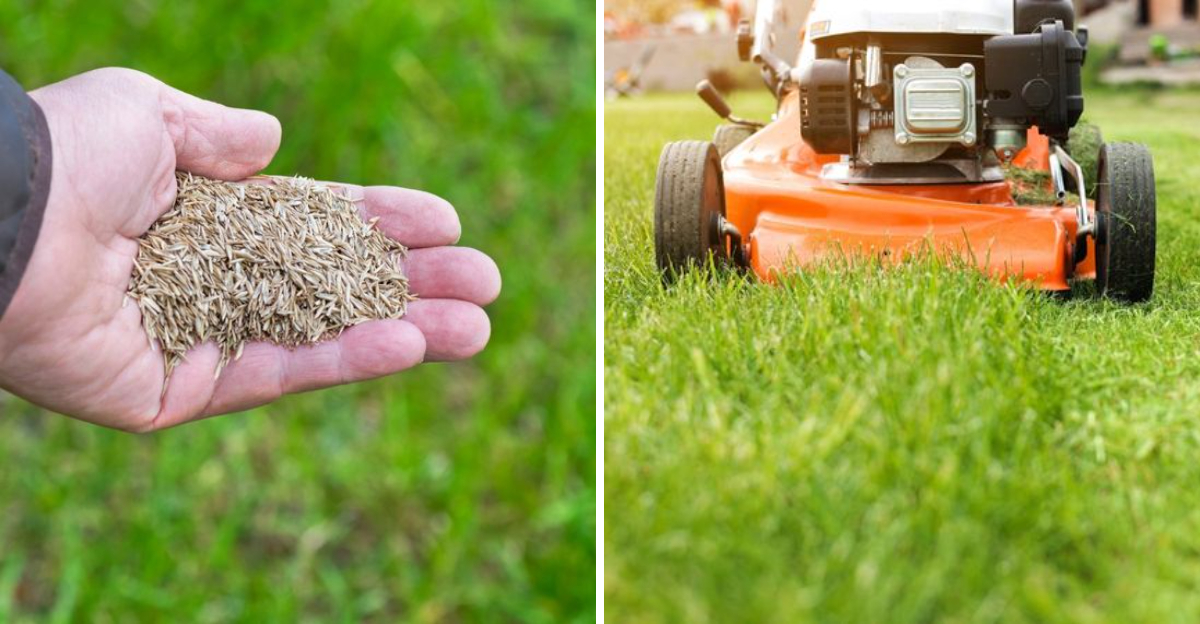
August does not look like ryegrass season in Florida.
The lawn is still warm. Afternoon storms arrive on their own schedule. St. Augustinegrass, bermudagrass, and other warm-season turf may still look fully awake.
That is exactly why this month matters.
The seed bag can stay closed. The useful work happens before a single ryegrass seed touches soil.
A sprinkler head may need repair. Summer weeds may need attention. One herbicide choice can quietly ruin germination weeks later. Even the grass already under your feet changes the plan.
So what deserves your attention now, while winter color still feels far away?
Start with preparation, not seed.
North Florida may reach a useful overseeding window first, while warmer parts of the state can follow a different timetable. The thermometer, turf type, and maintenance commitment all get a vote.
Use August to make those decisions without hurry.
When cooler days finally arrive, the best-looking winter lawn may belong to the homeowner who did almost nothing dramatic in August except get every detail right.
1. Augus Gives You Time Yo Decide If Winter Color Is Worth It
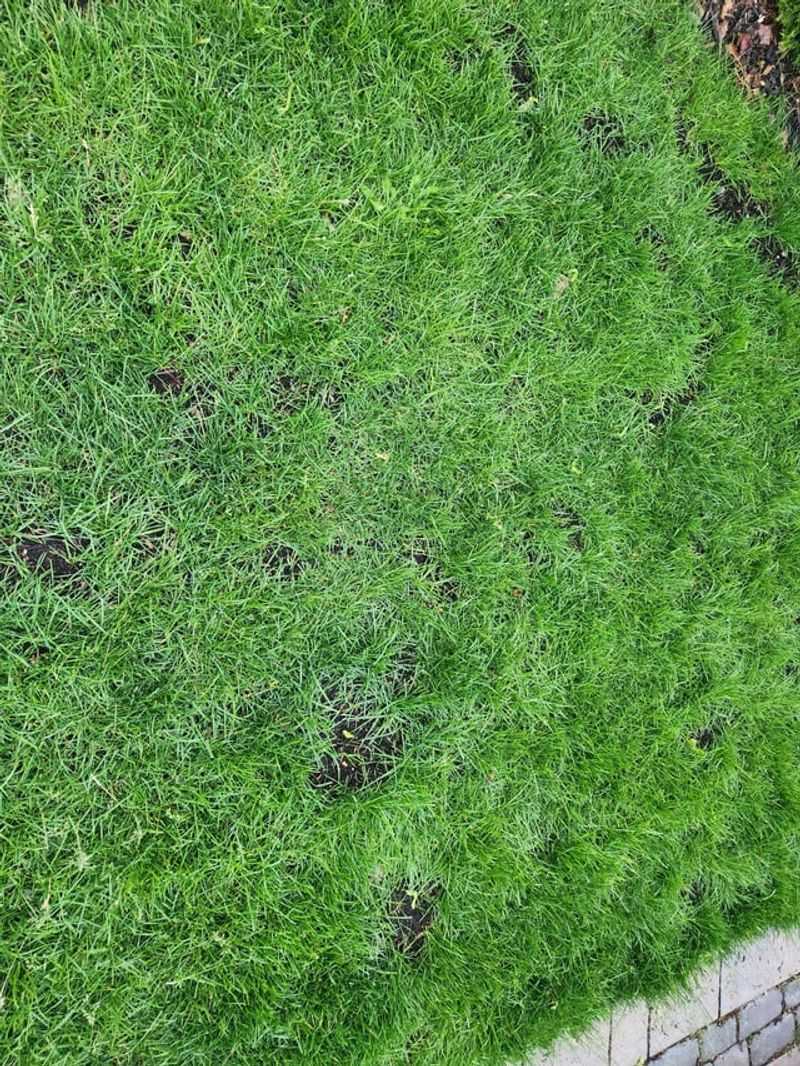
A winter-green lawn looks great from the street, but that color comes with a chore list.
Annual ryegrass needs water and regular cuts through the cool season. North Florida homeowners may see the clearest visual change because warm-season turf can lose more color there.
Cool-season grasses such as ryegrass grow in north and central Florida during fall, winter, and early spring, then fade once hot, humid weather returns.
August gives you time to decide how much that green is worth before seed enters the budget.
Look at your winter schedule. Count travel days. Check how often you want to mow. Add the extra water use, seed cost, and spring transition back to the permanent turf.
A dormant warm-season lawn is not automatically a failed lawn. Brown winter color can be part of the normal seasonal cycle.
This decision matters even more in warmer parts of the state, where permanent turf may retain more color and the winter contrast can be smaller.
Use August for the honest math.
A bag of ryegrass can make January look impressive, but it also gives your mower a winter job.
The prettiest lawn on the block may be worth that effort to you.
At least make the lawn earn its seasonal costume before you buy the seed.
2. Late Summer Is The Right Time To Identify Your Existing Turf
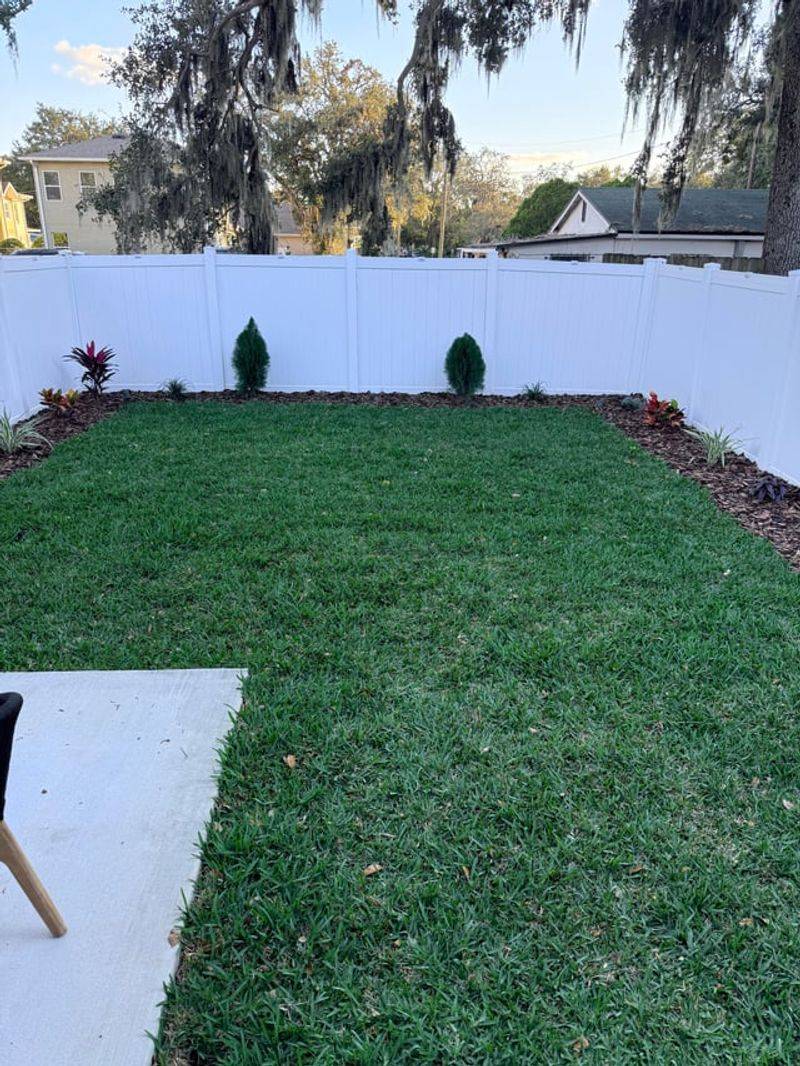
Before you plan seed rates or cut-height changes, identify the turf already under your shoes.
Florida lawns may contain St. Augustinegrass, bermudagrass, zoysiagrass, centipedegrass, bahiagrass, or another warm-season species. Those grasses differ in texture, density, preferred cut height, shade tolerance, and seasonal response.
That changes the overseeding plan.
A dense lawn can make seed-to-soil contact harder. A coarse lawn may need a different surface-prep approach from fine bermudagrass.
An aggressive scalp also deserves caution because a cut below the recommended height can stress permanent turf.
Take a close photo of blades, runners, leaf tips, and the stem base now while the lawn is fully active. Compare those features with a reliable turf identification key or ask a local turf professional for help.
Your Florida Garden Changes Every Week. Your Plan Should Too.
Gardening in Florida changes quickly throughout the season. Every Friday you’ll receive a simple weekly plan showing exactly what to plant, prune, fertilize, harvest, and protect so you never miss the right timing.
Do not build the whole plan around the grass name a previous homeowner gave you.
August is also a good time to note thin spots, shade, drainage trouble, and sections that already struggle. Winter seed will not fix a site problem that the permanent turf cannot solve either.
Mark those areas on a simple lawn sketch.
That map becomes useful later when you spread seed and set irrigation.
The ryegrass is temporary.
The warm-season lawn underneath still owns the property, so every winter decision should leave that permanent tenant in decent shape for spring.
3. This Early Start Leaves Time To Test And Correct The Soil
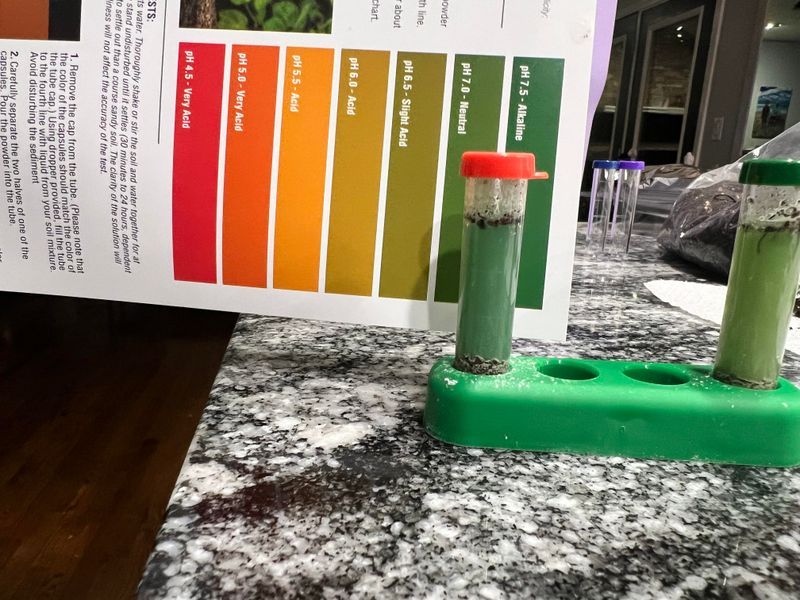
A soil sample can save you from a very expensive guess with fertilizer.
Florida soils vary widely in pH, texture, nutrient-holding capacity, and drainage. A test gives you real numbers before the overseeding season adds another layer of maintenance.
Collect samples from the lawn area you plan to overseed, then submit them through a reputable laboratory. Use the report to guide lime, nutrient, or other correction needs rather than copy a neighbor’s fertilizer routine.
August gives those results time to come back before seed day.
That matters because a fertilizer bag is not a substitute for soil information. Extra phosphorus may be unnecessary. A pH correction may need time. Compaction or poor drainage may deserve attention before any nutrient purchase.
Keep local fertilizer rules in mind too. Some north Florida municipalities restrict lawn or landscape fertilizer during the summer rainy season from June through September.
Do not feed the lawn simply because overseeding season is on the horizon.
The permanent turf is still active, and excess fertilizer can create more growth without a fix for the actual soil issue.
Use the report as your purchase list.
A soil test is one of the least dramatic August chores, which is exactly why people skip it.
The seed bag gets all the attention later.
The quiet envelope with pH and nutrient numbers may save you more money.
4. Summer Prep Lets You Fix Irrigation Before Seed Needs It
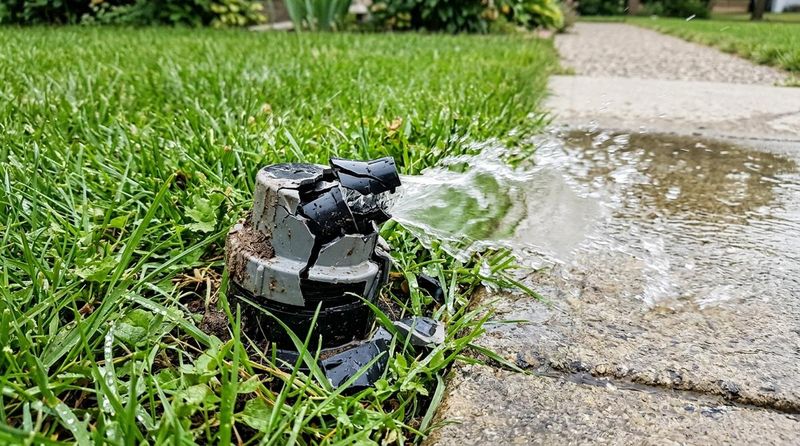
Summer rain can hide a sprinkler problem for months.
August is the perfect time to make every irrigation zone prove it can cover the lawn evenly before ryegrass depends on it.
Run one zone at a time. Watch for a head that leans, a nozzle that barely sprays, or a stream that hits the driveway instead of turf. Look for puddles that point to a leak and dry arcs that never receive enough water.
Repair those weak spots now.
New ryegrass needs dependable moisture near the surface during establishment. Uneven coverage can leave one strip soaked and the next strip too dry for a uniform stand.
Check the rain shutoff device or sensor while you are already at the controller. A working device helps prevent unnecessary irrigation after useful summer rain.
Then place several straight-sided cans across one zone and run the system for a set time. Compare the amount in each container. Large differences tell you coverage still needs work.
Do not wait until cool weather and visible bare patches expose the problem.
Sprinkler repairs are much easier before seed turns every dry arc into a green-and-brown map.
August rain may hide a lazy nozzle right now.
Your future ryegrass will be far less patient once that free summer backup disappears.
5. The Extra Lead Time Helps You Get Ahead Of Existing Weeds
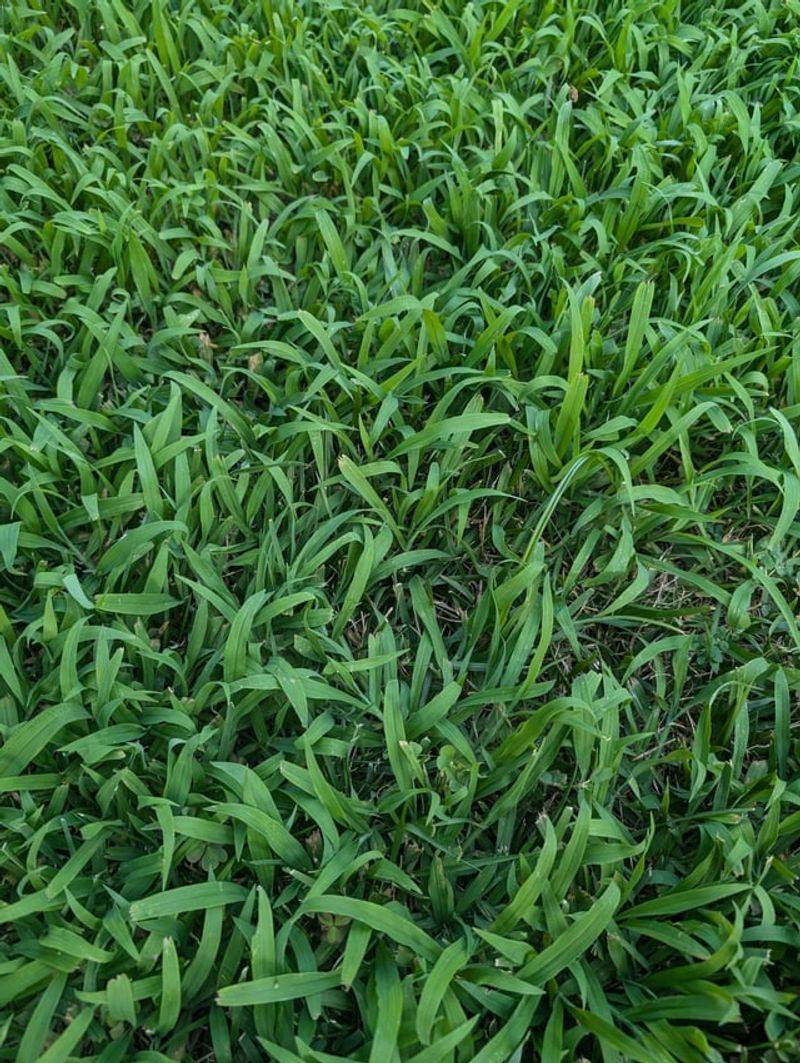
Weeds already in the lawn will not politely surrender space to a winter crop.
Use August to identify the worst patches while summer growth makes them easy to see. Hand removal works well for scattered weeds and avoids chemical carryover near the future seed date.
For larger problems, identify the weed before you choose a product.
Postemergence herbicides differ by turf species, weed type, temperature limits, and seed interval. The label controls the decision. A product that suits one lawn can injure another or delay the date when ryegrass can safely germinate.
Keep records after any treatment.
Write down the product, active ingredient, date, and required interval before new seed. That tiny note can prevent a very confusing bare lawn later.
A cut before weeds form seed heads can also reduce future seed return in some situations. Hand removal remains a practical choice for small patches, especially close to the overseeding window.
Skip the urge to spray the whole lawn for three weeds.
Spot work can reduce unnecessary treatment and preserve more flexibility for fall.
August gives you one thing October cannot: time.
A weed problem caught now has room for follow-up before ryegrass enters the plan.
Handle the competition early, then let the later seed fight for sunlight rather than fight through a lawn full of established squatters.
6. Preemergence Timing Matters Most Before The Seeding Window Gets Close
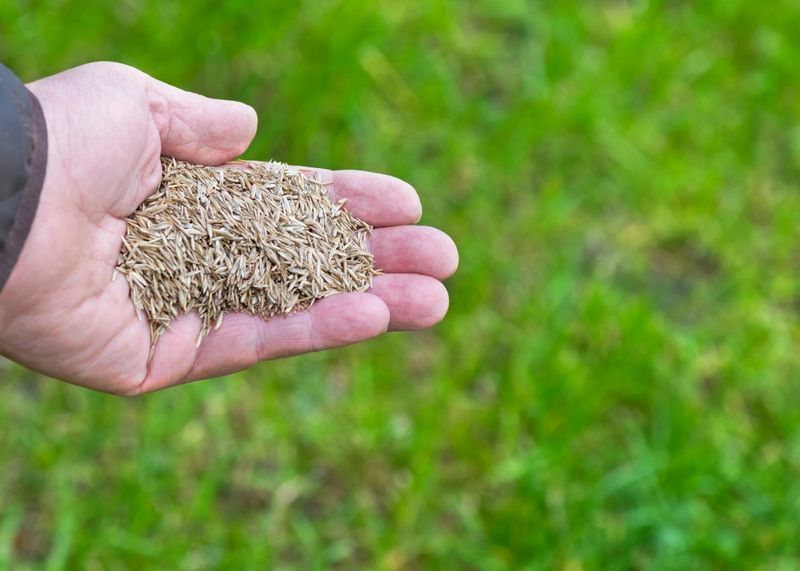
One bag in the garage deserves extra suspicion before fall seed enters the plan.
Preemergence herbicides can interfere with ryegrass germination because their job is to stop young plants near the soil surface. That barrier does not know which seed you paid for.
Most preemergence products should stay out of areas planned for winter overseeding during the months before seed goes down.
A common rule from Florida turf research is to wait about nine weeks after a preemergence application before an attempt to seed. Product labels may require different intervals, so the label still gets the final word.
That makes August a critical calendar check.
Find every lawn product used earlier in summer. Read the active ingredient, application date, and seed restriction. Do the same before any new fall weed-prevention treatment.
Do not assume a fall preemergence and ryegrass can share the same square footage on the same schedule.
Winter annual weeds often trigger preemergence treatments once nights cool, which can collide directly with the period a homeowner wants ryegrass seed to germinate.
Choose the priority before the spreader comes out.
A few minutes with the label can protect weeks of seed establishment.
The most expensive overseeding mistake may look completely ordinary in August: one neat herbicide application that puts a locked front door in front of your future ryegrass.
7. A Head Start Makes Winter Maintenance Easier To Plan
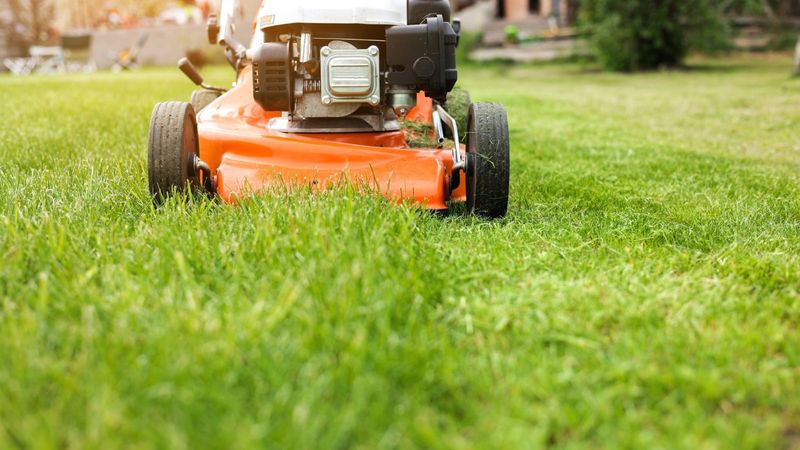
Winter color adds work long after the neat seed pass across the lawn.
Price that work now.
Ryegrass needs moisture through establishment, then regular mower work once growth takes off. A north Florida lawn calendar specifically notes extra water and mower time that come with annual ryegrass.
Check the mower blade in August. A sharp edge leaves a cleaner cut, while a damaged blade can tear turf. Service a machine that already struggles to start before cool-season growth gives it another job.
Next, look at your water budget and controller.
Seed establishment may require more frequent attention to the soil surface than the permanent lawn normally gets. Once roots establish, the schedule changes again.
That means someone still has to watch weather, rainfall, and turf response rather than leave one timer schedule untouched all winter.
Spring deserves a place in the budget too.
The temporary grass eventually fades as Florida heat returns, while the permanent warm-season turf needs space and resources for its comeback. Cool-season grasses such as ryegrass do not persist through Florida’s hot, humid summer.
Do not buy seed based only on the December photo you want.
Buy it with February mower work and spring transition in mind.
August is early enough to walk away from the plan with no loss at all.
That may sound dull, but a lawn decision that fits your schedule beats a green winter project that becomes a weekly grudge.
8. Early Preparation Lets You Wait For The Right Seeding Weather
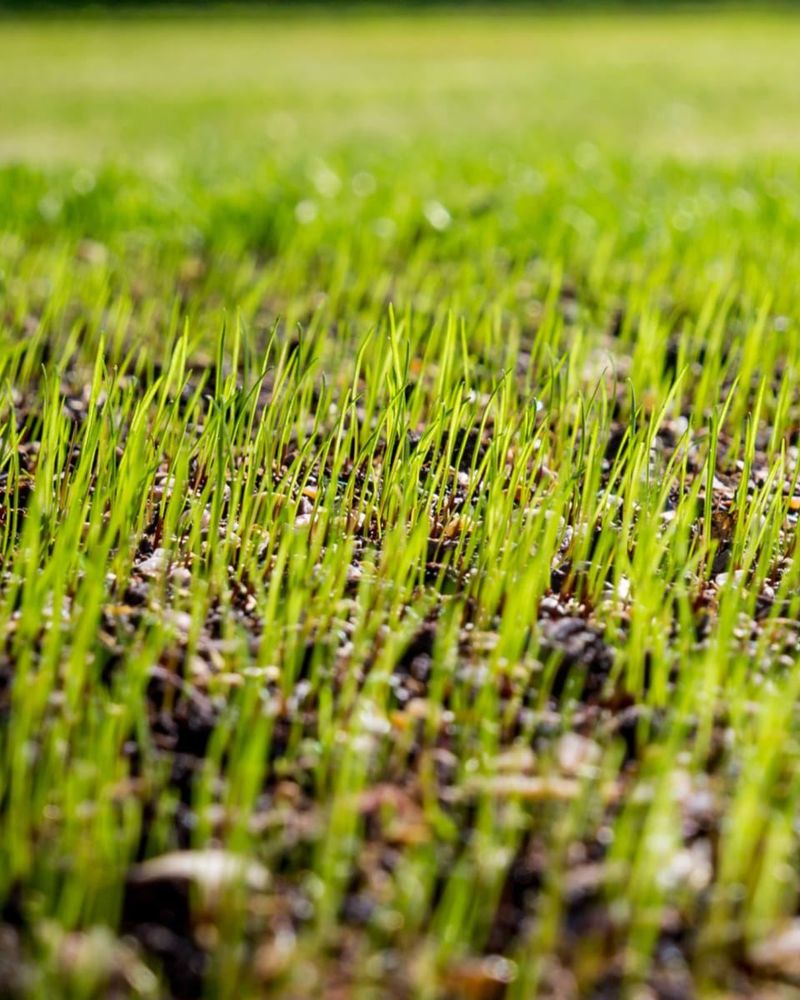
The seed bag can stay sealed through the hottest part of August.
Cool-season ryegrass is not meant for Florida’s summer heat. North Florida recommendations place the useful overseeding cue around daytime temperatures in the low 70s rather than a fixed August date.
That weather signal matters more than impatience.
North Florida usually reaches suitable conditions before central Florida. Farther south, warm-season turf often stays active longer, and cool-season grasses are less suited to the extended heat.
Ryegrass and other northern grasses grow in north and central Florida through the cooler part of the year rather than the summer.
Use August to finish everything that does not involve seed.
Identify the permanent turf. Complete the soil test. Repair irrigation. Record herbicide dates. Decide on the winter maintenance budget. Buy seed only after the plan makes sense.
Then watch the temperature rather than the calendar alone.
Early seed can face heat stress and disease pressure, while a well-timed stand gets cooler conditions that suit its short Florida season.
Keep the final surface preparation close to the actual seed date so the lawn does not sit scalped or disturbed for weeks.
Patience is the last August chore.
A warm lawn does not care that the seed bag was on sale.
Let the low-70s weather cue open the door later.
August wins when every other detail is out of the way before that moment arrives.