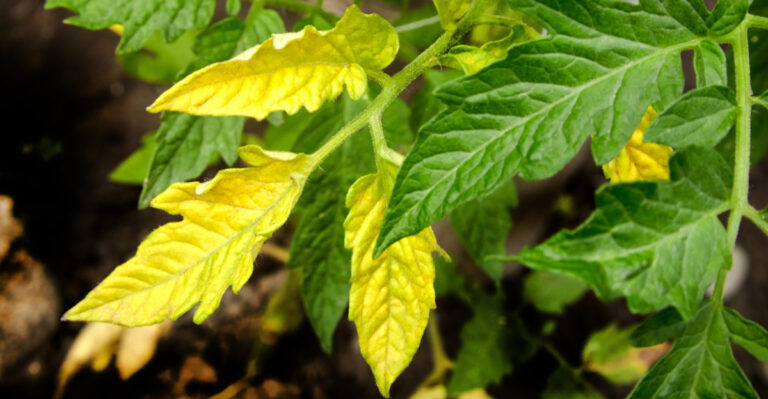
What A Praying Mantis Sighting Says About Your Wisconsin Garden
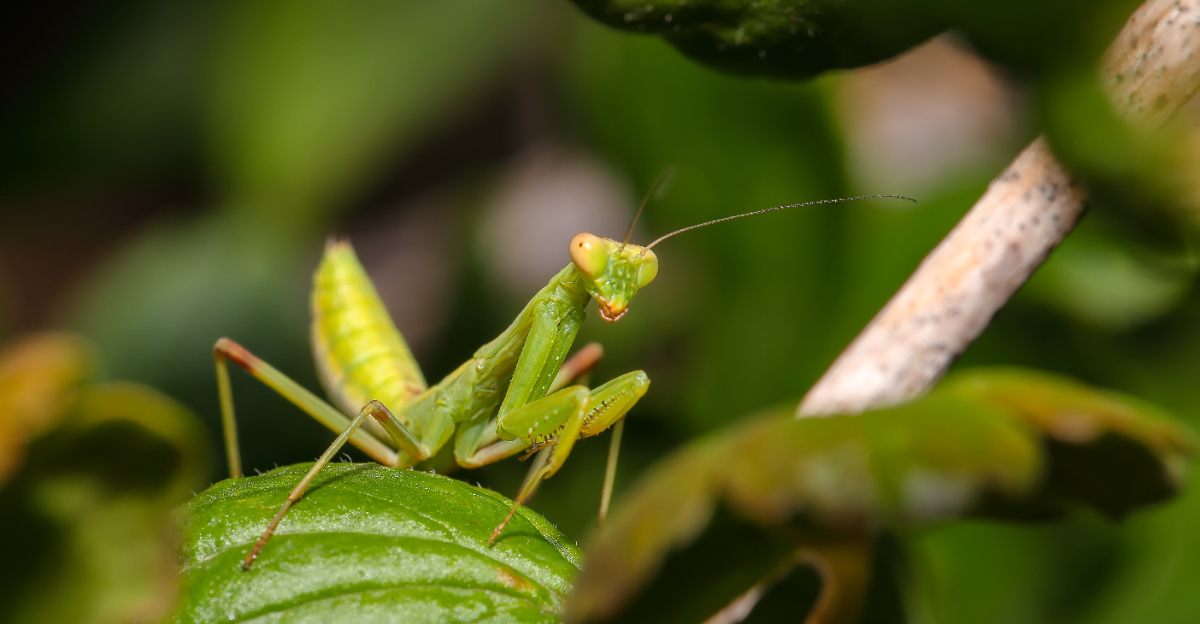
A motionless visitor is observing you from your flower bed. Its stillness isn’t laziness; it’s strategy, patience, precision. Praying mantises don’t settle in random gardens.
They choose Wisconsin yards with real biodiversity and steady food sources. Finding it on your zinnias means your garden passed a serious test. Insects like this rarely tolerate pesticide-heavy landscapes or sterile lawns.
Few creatures demand this level of environmental trust. Certain plants attract the exact insects mantises need most. Mantises hunt aphids, moths, and beetles efficiently.
Their presence signals balance, not disorder, inside your soil and stems. Camouflage keeps them hidden until the perfect moment. Wisconsin gardeners rarely notice how much this insect reveals.
Every leaf, every shadow, every pause matters to a mantis. Nothing about their arrival is accidental or lucky.
Understanding this shift could change how you plant, water, and prune. Your next move depends entirely on what you learn next.
Why Praying Mantises Choose Certain Gardens
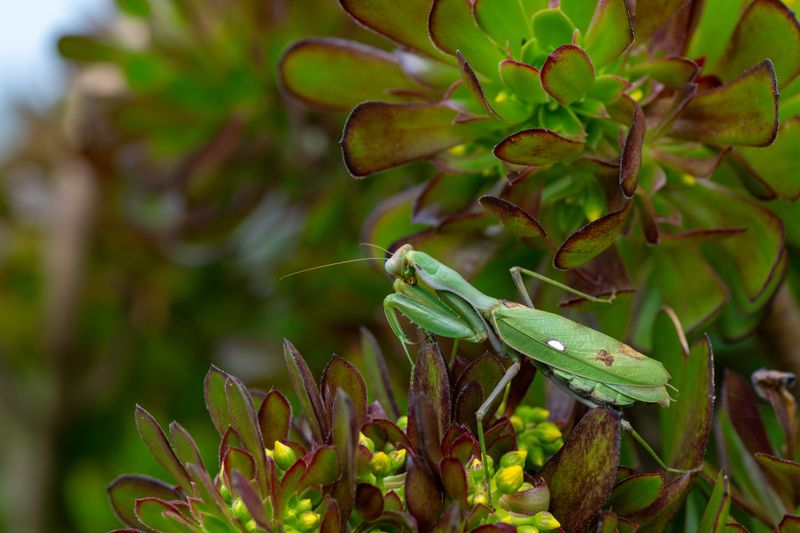
Not every garden gets a visit from a praying mantis. These insects are selective, and their presence is a real sign that your space offers something special.
Mantises look for gardens with dense, layered vegetation. Tall plants, low groundcover, and mid-height shrubs all create the kind of habitat they love to hunt in.
They also need reliable prey nearby. Gardens buzzing with insects, even the annoying ones, give mantises a steady food source worth sticking around for.
Flowering plants play a big role too. Blooms attract beetles, flies, and other bugs that mantises actively stalk and ambush throughout the day.
Gardens without heavy pesticide use are far more attractive to them. Chemical-free spaces allow a natural food web to develop, and mantises sit right near the top of that chain.
Mulched beds, native plantings, and even a little organized messiness help signal that your garden is a safe zone. Mantises are patient hunters, and they need structure to work with.
Sunlight exposure matters as well. These cold-blooded creatures prefer spots that warm up quickly in the morning, so south-facing garden beds often see more activity.
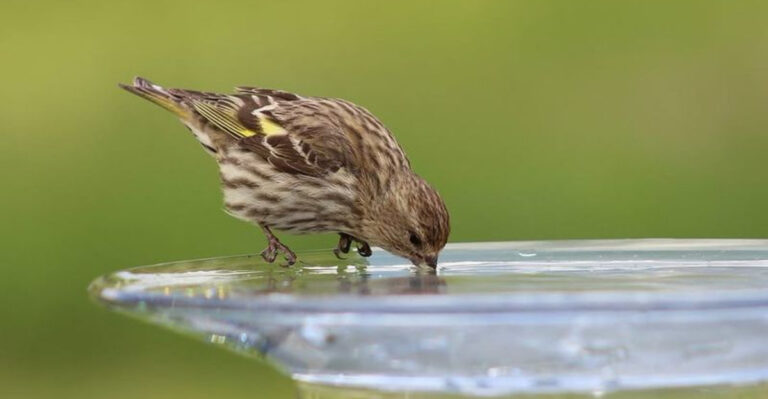
Water sources nearby, like a birdbath or damp soil, also make a garden more appealing. Mantises need hydration just like every other living thing in your yard.
Seeing one means your garden checks multiple boxes at once. That’s a direct result of good gardening, not luck. That’s not luck, that’s good gardening paying off in a surprisingly cool way.
What Their Presence Says About Your Ecosystem
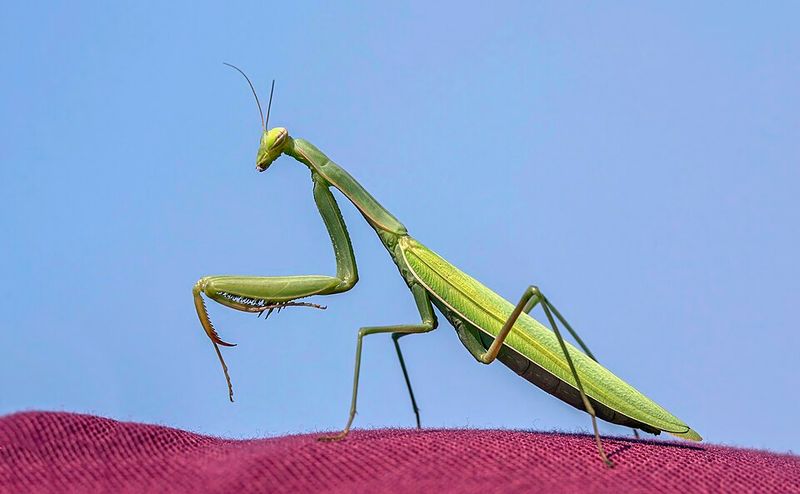
A praying mantis sighting is one of the clearest signs your garden has a functioning ecosystem. Healthy gardens support layers of life, not just pretty flowers.
When mantises show up, it confirms that multiple levels of the food chain are active. You’ve got plant life, prey insects, and now a top predator all sharing the same space.
That kind of balance takes time to build. Gardens that rely heavily on sprays and synthetic fertilizers often disrupt the chain before it ever gets established.
Your Wisconsin Garden Changes Every Week. Your Plan Should Too.
Gardening in Wisconsin changes quickly throughout the season. Every Friday you’ll receive a simple weekly plan showing exactly what to plant, prune, fertilize, harvest, and protect so you never miss the right timing.
Mantises also signal that beneficial insects are present. Where there are mantises, there are usually ladybugs, lacewings, and ground beetles working alongside them.
Soil health plays an indirect role too. Rich, living soil produces stronger plants, which attract more insects, which in turn draw in predators like mantises.
Biodiversity is the real story here. A garden with only a few plant types doesn’t offer enough variety to sustain a complex insect community worth hunting in.
Native plants especially help build this web. They co-evolved with local insects over thousands of years, making them far more effective at supporting wildlife than ornamental exotics.
Bird activity in your yard also benefits from mantis presence. Birds that eat insects thrive in the same environments where mantises choose to hunt.
Your garden’s overall health shows up in unexpected visitors. Spotting a mantis means your space offers what wildlife needs, and that’s a strong positive sign.
Common Wisconsin Species You Might Spot
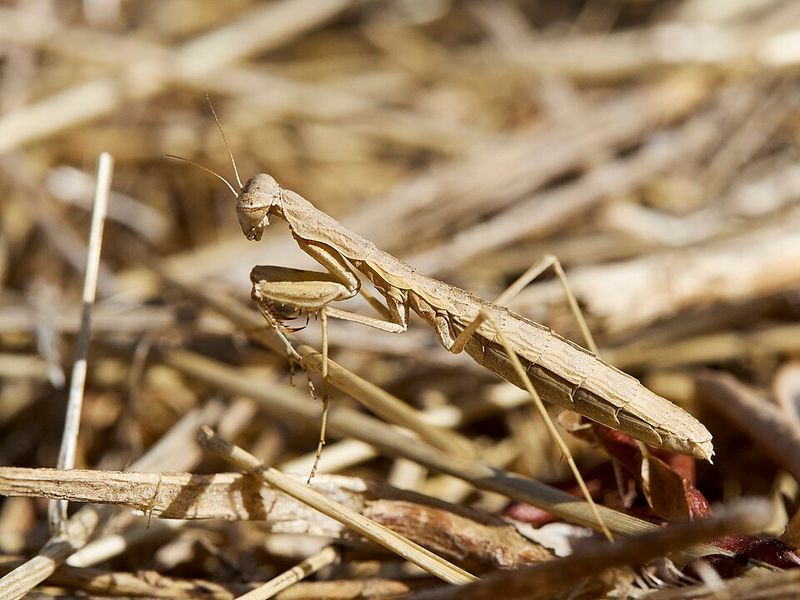
Not all mantises are the same, and knowing which species you spotted adds a fun layer to the experience. A few distinct types show up regularly in Wisconsin gardens.
The Chinese mantis is the most commonly seen species across the Midwest. It’s large, often reaching four inches long, with a slender green or brown body that blends into stems easily.
You might also spot the European mantis, a slightly smaller species with a bright green color and a distinctive spot on its forelegs. It was introduced to North America in the late 1800s and has spread widely since then.
The Carolina mantis is the only species native to North America and tends to be smaller and grayer than its cousins. It’s less common in the northern part of the state but does appear in warmer, drier garden areas.
All three species share the same hunting posture, that iconic folded-arm stance that makes them instantly recognizable. Watching one stalk prey across a leaf is worth pausing for.
Size is often the easiest way to tell them apart. If the mantis you spotted is large and slender, it’s almost certainly a Chinese mantis doing its thing in your beds.
Color can shift based on surroundings, so don’t rely on that alone. A mantis sitting in dry grass may look tan, while the same species in leafy greens appears bright green.
Whichever species visits your garden, the message is the same. Your space is healthy, balanced, and exactly the kind of habitat these insects seek out.
The Role They Play In Pest Control
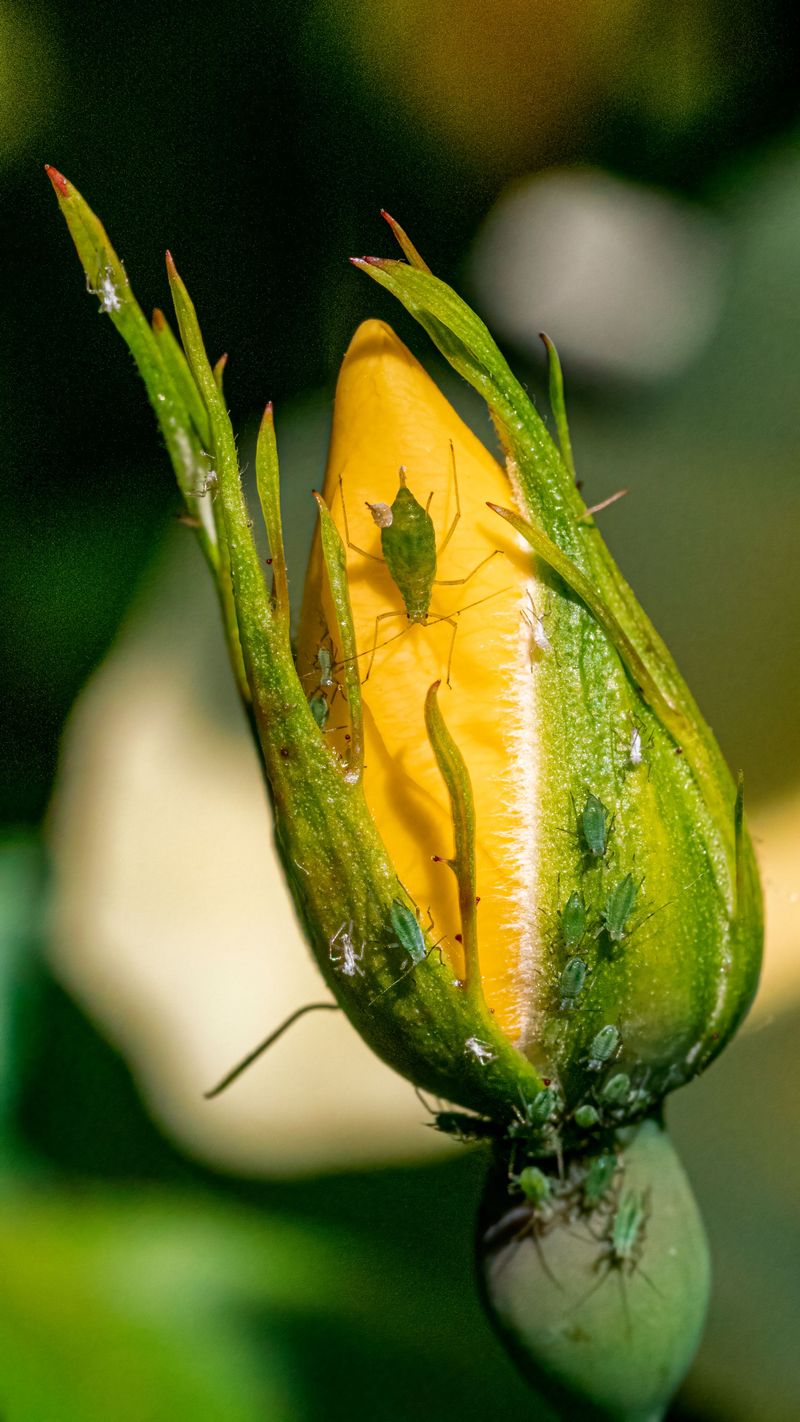
Gardeners who spot a praying mantis often wonder if it’s helping them out. The short answer is yes, in an effective way.
Mantises are ambush predators, meaning they wait for prey to come close before striking at very high speed. Their front legs snap shut in a fraction of a second.
They eat a wide range of insects that commonly damage gardens. Aphids, caterpillars, beetles, grasshoppers, and flies are all prey for an actively hunting mantis.
One adult mantis can consume a significant number of pest insects during peak summer activity. That’s a meaningful reduction in plant damage without any chemical input from you.
They don’t discriminate, which is worth knowing. Mantises will also eat beneficial insects like bees and butterflies, so they aren’t a perfect replacement for other pest management strategies.
Still, many gardeners consider the net effect in most home gardens to be positive. Their appetite for destructive insects is often seen as outweighing the occasional loss of a beneficial bug passing through.
Vegetable gardens especially benefit from their presence. Crops like tomatoes, peppers, and beans attract many of the same insects that mantises prefer to hunt.
Placing mantis egg cases, called oothecae, near problem areas is a popular organic gardening method. Many garden centers sell them as a natural pest control option.
Letting mantises work on their own timeline is the smartest move. They’re already active, already skilled, and already positioned right where your garden needs them most.
Best Time Of Year To Spot Them
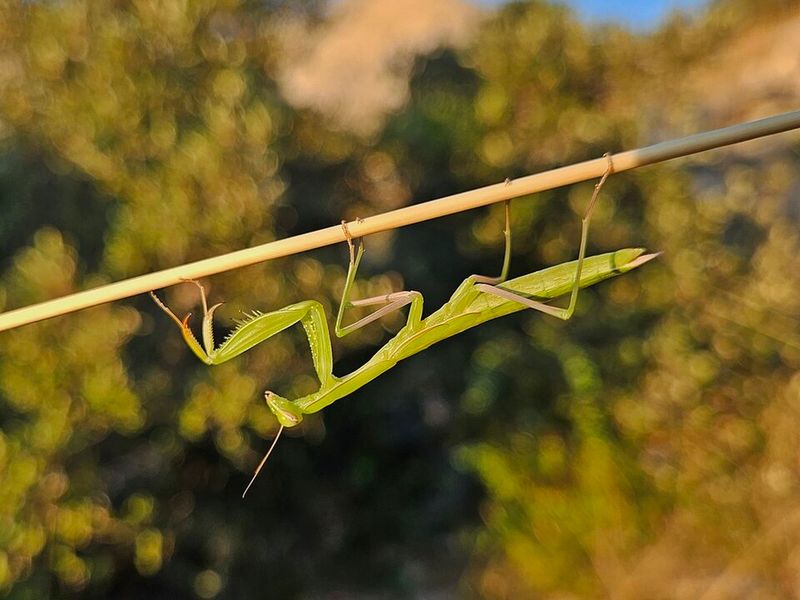
Timing your mantis search makes all the difference. These insects follow a predictable seasonal rhythm that’s easy to track once you know what to look for.
Egg cases typically hatch in late spring, with timing shifting from year to year depending on local temperatures. The tiny nymphs that emerge look like miniature adults and scatter quickly across nearby plants.
By midsummer, juveniles have grown noticeably and become easier to spot. They’re active hunters by July, moving through garden beds in search of prey during the warmest parts of the day.
Late summer is peak mantis season in the upper Midwest. August and September bring the largest, most visible adults, often perched openly on tall stems or flower heads.
Female mantises grow especially large by fall as they prepare to lay eggs. A big, round-bodied mantis in September is almost certainly a female getting ready for the next generation.
Cooler October temperatures slow them down significantly. Adults become sluggish and easier to observe, often sitting still for long stretches on sun-warmed surfaces.
Mantises do not survive the first hard frost. Their life cycle ends in autumn, but the egg cases they leave behind will carry the next generation through the cold months ahead.
Morning is the best time to look. Mantises tend to stay put while warming up, making early garden walks the most reliable window for a close-up sighting.
Mark your calendar for late August. That’s when a praying mantis sighting in your garden becomes far more likely if the conditions are right.
How To Encourage Them To Stay
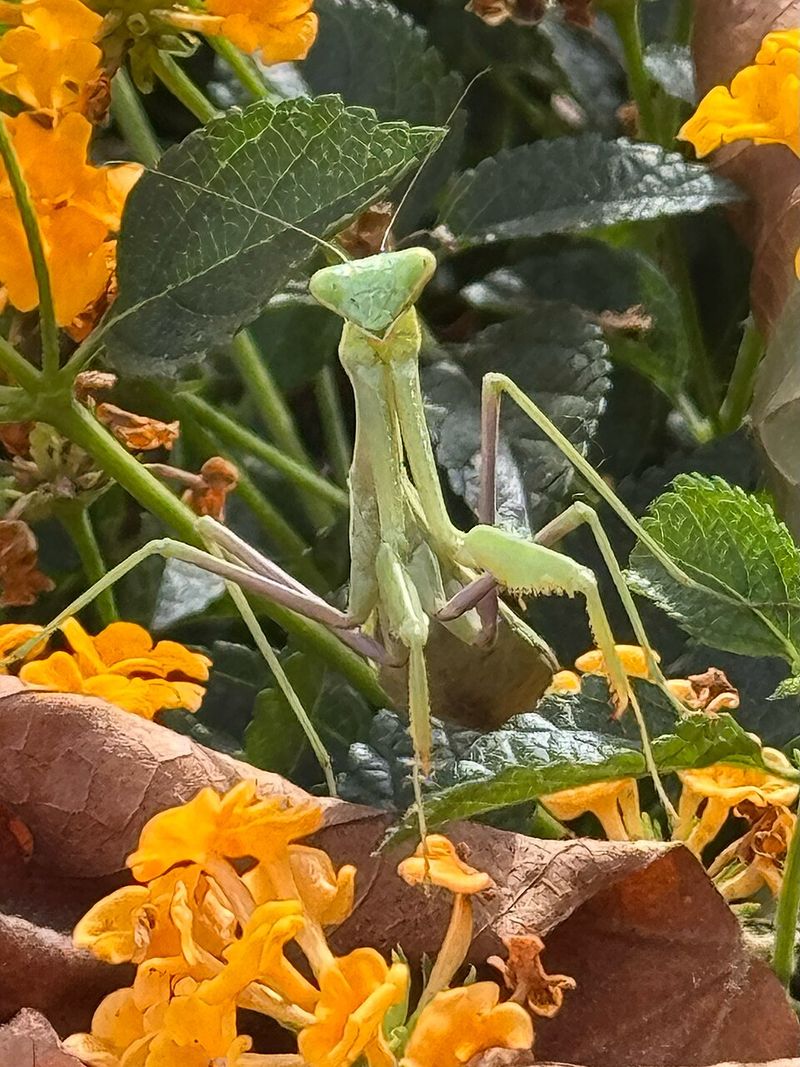
Spotting a mantis once is exciting, but having them return season after season is even better. A few simple changes can make your garden a permanent mantis habitat.
Stop using broad-spectrum pesticides if you haven’t already. These products remove the prey insects mantises depend on, making your garden much less suitable for them.
Plant a variety of native species throughout your beds. Native plants support the local insect community that feeds mantises and keeps them hunting in your yard all season long.
Let a section of your garden go a little wild. Tall grasses, seed heads, and dense perennials give mantises the cover they need to stalk prey without being exposed.
Leave garden debris in place through winter. Dried stems and plant stalks are exactly where female mantises attach their egg cases before the season ends.
Add flowering plants that bloom at different times. A continuous bloom cycle means a steady parade of insects, which translates to a reliable food source for any mantis in residence.
Avoid tidying up too aggressively in fall. Cutting everything back to the ground removes egg cases along with spent stems, reducing next year’s population before it even starts.
A small water feature or shallow dish with pebbles gives mantises a place to drink. Hydration is often overlooked but matters for keeping them around longer.
Hydration is often overlooked but genuinely matters for keeping them around longer.
Your garden can become a true mantis sanctuary with just a few mindful choices. A praying mantis sighting every summer is one of the best rewards a Wisconsin gardener can earn.