Best Native Plant Nurseries In Ohio Worth Driving To This August
August is not the month most people think about nursery visits in Ohio. Spring gets the traffic, fall gets the attention, and August sits in between as the season everyone is just trying to get through.
That gap is exactly what makes it worth going right now. Native plant nurseries in Ohio operate on a different inventory cycle than garden centers.
August stock reflects what actually performs through summer stress. The plants on the benches right now have proven something.
They made it through the hardest stretch of the Ohio growing season and they are still worth buying. A handful of Ohio native plant nurseries are worth building a Saturday around regardless of the season.
In August specifically, the crowds are thinner, the staff have more time, and the plants available tell a more honest story about what belongs in an Ohio landscape than anything offered in the optimism of early spring.
1. Start At Scioto Gardens
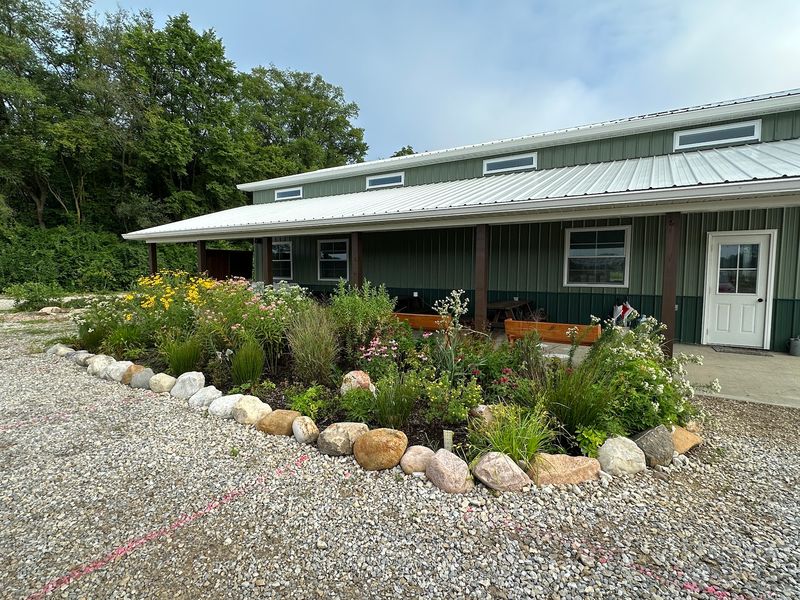
Point your car toward Delaware and head for 2870 Curve Road. Scioto Gardens has built a reputation as a destination worth the trip for anyone serious about native plants.
This is not a place where you grab a flat of impatiens and call it a day. The nursery focuses on plants that support Ohio’s ecosystems.
That distinction matters when you are trying to build a yard that actually feeds and shelters local wildlife.
A native-focused nursery like Scioto Gardens can be especially useful when you want regionally appropriate species or less common natives. It can also help with matching plants to tricky site conditions.
Staff who understand local growing needs can point you toward drought-tolerant options for a sunny slope or shade-tolerant groundcovers for a difficult corner. That kind of guidance is hard to find at a general garden center.
August inventory at any nursery can shift quickly, so confirming current hours and plant availability before driving to Delaware is a smart move. The nursery has hosted seasonal events in the past, including a summer arts and gardening festival.
This suggests active community engagement and mid-season plant availability. Checking their current website or calling ahead gives you the best picture of what is in stock.
When you visit, bring notes about your yard. Knowing your sun exposure, drainage, and soil type helps staff guide you toward plants that will establish well before winter.
Ask specifically about fall planting stock, late-season pollinators, and any shrubs or grasses coming into their prime. A prepared visit to a nursery like this one tends to produce far better results than browsing without a plan.
2. Drive To Leaves For Wildlife
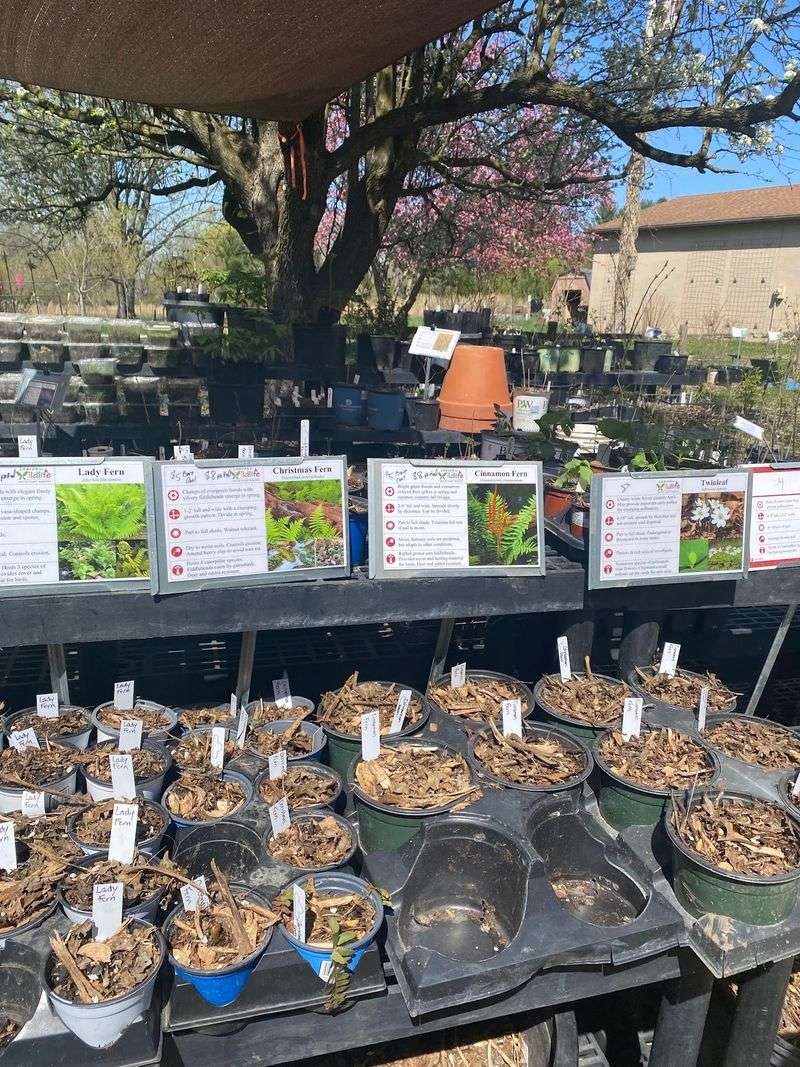
A garden that genuinely supports birds, bees, and butterflies needs more than a few coneflowers tucked in a corner. Leaves For Wildlife, located at 1655 N.
County Road 605 in Sunbury, is built around that exact idea. This small, locally owned nursery specializes in pesticide-free native trees, shrubs, grasses, and flowers sourced for their ecological value.
The inventory reflects a real commitment to habitat-first gardening. The nursery’s official website notes that plants are raised without pesticides and may even arrive with beneficial caterpillars already present.
Your Ohio Garden Changes Every Week. Your Plan Should Too.
Gardening in Ohio changes quickly throughout the season. Every Friday you’ll receive a simple weekly plan showing exactly what to plant, prune, fertilize, harvest, and protect so you never miss the right timing.
This is a sign that the plants are doing their ecological job from day one. Categories include bare root plants, spring ephemerals, grasses, sedges, groundcovers, perennials, shrubs, trees, and vines.
That range makes it worth a dedicated trip rather than a casual drive-by.
Leaves For Wildlife operates from April 1st through October 31st, so August falls right in the heart of the season. Regular hours run Thursdays and Saturdays from 10 AM to 6 PM, with appointments available on other days.
Confirming availability for specific plant types before heading to Sunbury is always a good idea, since popular natives can move quickly and restocking schedules vary.
Plants here are available for local pickup only, so plan accordingly. If you are building a bird garden, a rain garden, or a layered pollinator habitat, this nursery has options worth considering.
The selection tends to go well beyond what most garden centers carry. Checking their website for educational events or workshops before your visit can also add real value to the trip.
3. Visit Natives In Harmony
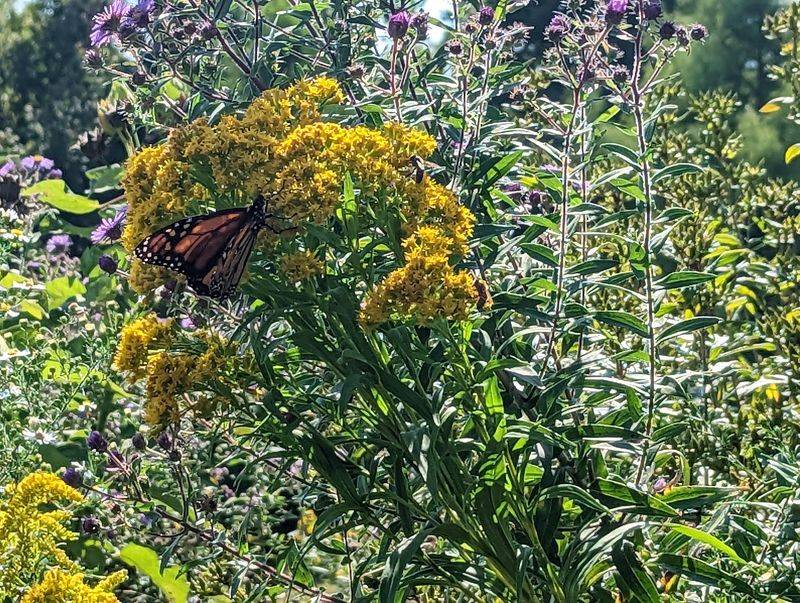
Some nurseries are worth a longer drive, and Natives In Harmony in Marengo earns that distinction. Tucked in southern Morrow County at 4652 Township Road 179, this nursery focuses on native landscaping.
It genuinely reduces yard work, saves money over time, and provides meaningful wildlife habitat. Older mapping tools may still list the road as Penlan Pike, so double-checking your directions before leaving home is a practical step.
The nursery’s official site confirms a season running from April 17th through November 2nd, with regular hours Friday through Monday from 10 AM to 5 PM.
If your schedule only allows a Tuesday through Thursday visit, appointments are available by contacting the nursery directly.
Calling Gale Martin at 419-688-9800 or emailing ahead for a current inventory list is highly recommended, since species availability changes daily throughout the season.
One reason this stop stands out is the depth of selection. The nursery often carries 200 to 300 different container-grown species, including woodland, wetland, and prairie natives.
Many plants that sell out early in spring are restocked during summer and fall, making August a realistic window for finding varieties that were gone months ago.
Bringing notes about your yard conditions makes the most of a visit here. Knowing whether your site is dry or wet, sunny or shaded, and what wildlife you hope to attract helps narrow your choices quickly.
August is also a useful time to think about fall planting. Native perennials and shrubs planted in early autumn often establish roots before winter with less watering stress than spring-planted stock.
4. Head To Meadow City
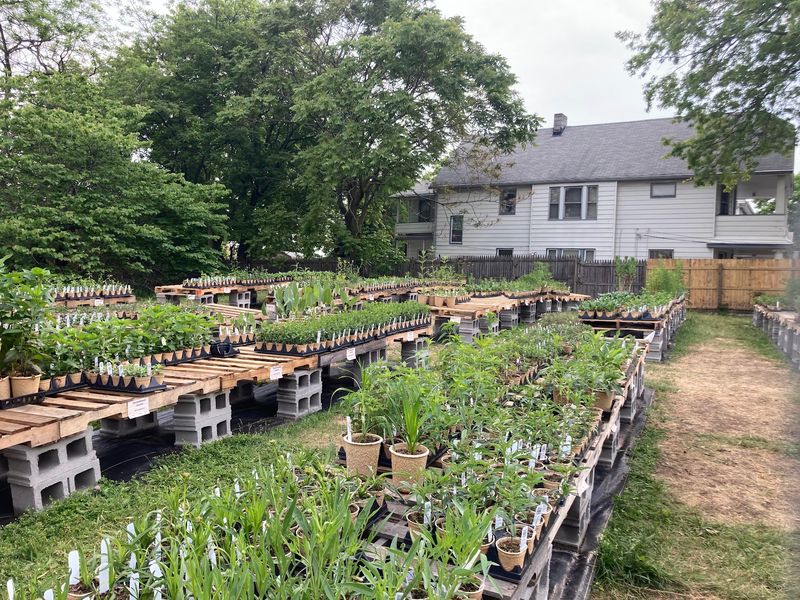
Urban yards present real challenges. Compacted soil, heat islands, limited space, and heavy foot traffic can make it hard to grow anything well.
Meadow City, located at 15006 Westropp Ave in Cleveland’s Waterloo Arts District, was built with exactly those conditions in mind. The nursery specializes in native perennial wildflowers grown from local seeds.
This makes the plants well-suited to the climate and soil realities of northeast region gardens. The nursery is entirely outdoors, which means the experience feels more like walking through a working plant collection than browsing a retail store.
Regular hours run Thursday through Saturday from 10 AM to 6 PM and Sunday from 2 PM to 6 PM, May through October. The location near I-90 makes it a manageable stop whether you are coming from inside the city or driving in from surrounding areas.
Online ordering with pickup during open hours is available, which is a helpful option if you want to secure specific plants before arriving.
Checking current inventory online or calling ahead before your August visit gives you a clearer picture of what is available and saves time once you get there.
Late summer is a good moment to find natives that show well in August and September. This includes grasses and late-blooming perennials that extend the pollinator season into fall.
For gardeners working with small spaces, pollinator patches, or challenging city conditions, a regionally focused native nursery can help. A place like this one offers something a general garden center rarely does.
Plants grown from local seed are more likely to adapt quickly, establish strong roots, and return reliably year after year in northeast region conditions.
5. Shop Plant It Native At The Willoughby Market
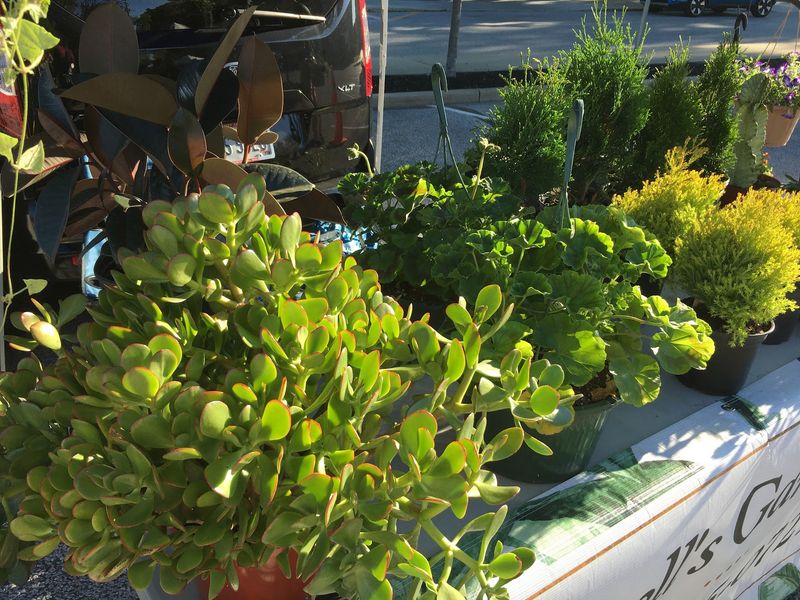
Saturday mornings in downtown Willoughby have a particular energy, especially when the Heart of Willoughby Outdoor Market is running.
Plant It Native sets up at 1 Public Square as part of that market, bringing a curated selection of Ohio native plants to a lively, walkable setting.
Knowing upfront that this is a market stall and not a daily retail storefront helps you plan the trip correctly.
Plant It Native focuses on plants grown from Ohio or Midwest ecotypes, which means the stock is selected for regional climate fitness rather than general appeal. All plants are raised outdoors, contributing to their durability once they go into your garden.
The market runs Saturdays from May through October, 8 AM to 12 PM, and Plant It Native is scheduled to appear on August 8th and August 22nd in 2026.
Verifying those specific dates on the market calendar or the vendor’s official website before driving to Willoughby is a necessary step.
For a more personal shopping experience, Plant It Native also operates a home nursery in Willoughby Hills at 6710 Eagle Mills Road. It’s available by appointment only from May through October.
Texting 440-201-9204 is the recommended way to arrange a visit there. That option works well for gardeners who want more time to browse or ask detailed questions about site matching and plant selection.
One seasonal detail worth noting is that pawpaw fruit season typically begins in mid-August in the northern regions of the state.
If pawpaws are on your list, asking about availability at the market or through an appointment visit could make this stop especially rewarding.
Preordering for market pickup is also an option worth exploring before your August visit.
6. Try Native Roots
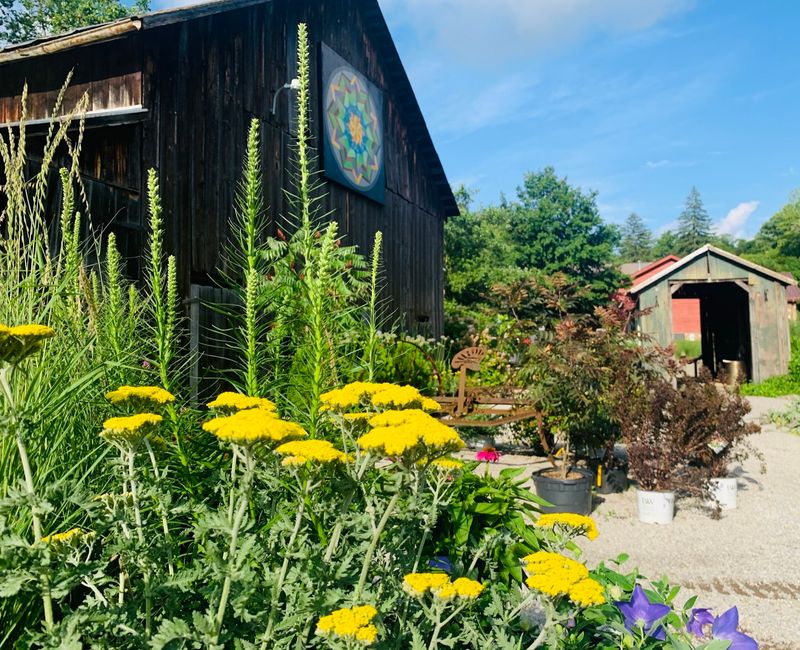
Southwest region gardeners looking for a reliable native plant source have a strong option at Native Roots, located at 6840 Clough Pike in Cincinnati. This business operates as both a plant market and a landscaping services provider.
That means the staff tends to think in terms of whole-yard function rather than single-plant sales. That practical orientation is genuinely useful when you are trying to solve a real garden problem rather than just fill a gap.
The plant market carries pollinator-friendly flowers, native herbs, grasses, sedges, perennials, shrubs, and trees selected for regional performance.
Reported hours run Monday through Friday from 9 AM to 5 PM and Saturday and Sunday from 10 AM to 5 PM.
Still, confirming current hours on their official website before heading to the Clough Pike address is always a good idea. Seasonal inventory updates and any special events or workshops are most reliably found through their current online channels.
August is a reasonable time to shop here for late-season natives that add color and structure through fall. Grasses and late-blooming perennials are often at their best this time of year, and shrubs planted in August or September can establish roots before cold weather arrives.
Asking the team about plants suited to your specific sun, soil, and moisture conditions avoids impulse buys that underperform once they are in the ground.
The best August drive is not simply about collecting new plants. Finding the right native species for the right yard is key.
With real guidance from people who understand southwest region conditions, that’s what turns a road trip into a lasting garden improvement. That kind of purposeful shopping is exactly what a stop like Native Roots is built to support.