Bitten By A Pygmy Rattlesnake While Pulling Weeds In East Texas? Here’s What To Do
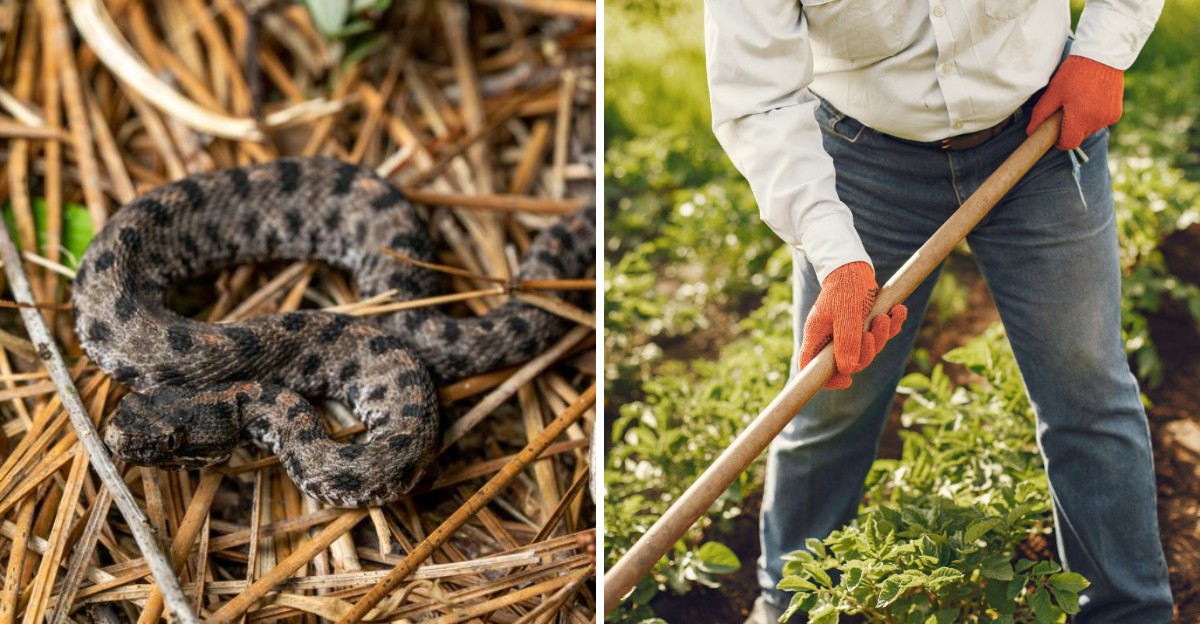
A rattlesnake this small can still send a grown adult to the emergency room. Its rattle is so tiny that the warning often sounds like a buzzing insect.
I used to think the scariest thing in an East Texas flower bed was a fire ant mound. Then I learned how well one small, gray, blotchy reptile hides under mulch and leaf litter. It often stays perfectly still instead of slipping away.
You reach for a clump of crabgrass, feel a sharp sting, and figure it was a thorn or a wasp. That split second of confusion is where good choices matter most. Calm, simple steps help far more than the old tricks many of us grew up hearing.
1. That Faint Buzz Under The Mulch Might Not Be A Cicada
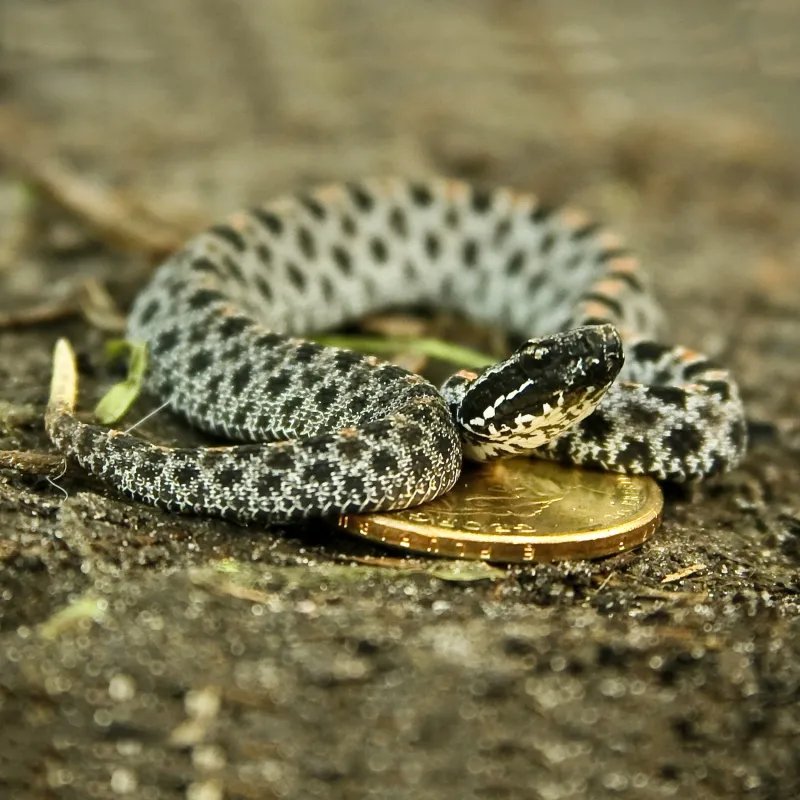
Gardeners across the Piney Woods often meet this snake by accident, and usually up close. The western pygmy rattlesnake lives in much of East and southeast Texas, from pine forests to creek bottoms to well-watered backyard beds.
Most adults reach only 15 to 20 inches long. Their gray to tan bodies carry dark blotches, and many show a rusty orange or reddish stripe down the middle of the back.
That little rattle at the tail is the real trickster. It makes a soft, high buzz that people often mistake for a grasshopper or cicada. You may hear nothing at all until you are just a few feet away.
Their favorite defense is staying still. A pygmy rattler coiled in pine straw can look like a pile of leaves with a pattern, and it may not move even when your gloved hand gets close.
Because of that habit, many bites happen to people pulling weeds, lifting pots, or clearing brush by hand. Knowing what the snake looks like helps you describe it to doctors later.
Snap a quick photo only if you can do it from a safe distance. Trying to catch or harm the snake raises your risk of a second bite.
2. Call 911 Before That Snakebitten Hand Starts Swelling
Speed is your best friend after a bite. Call 911 right away, even if the spot looks like a small scratch and the pain seems mild at first.
Next, step back from the snake. Move several feet away so you are out of striking range, then sit down somewhere shady and try to breathe slowly.
Keep the bitten arm or leg as still as you can. Hold it roughly at the level of your heart, not raised high and not dangling low.
Swelling can start within minutes, so slip off rings, bracelets, watches, and tight sleeves on that limb now. A ring that comes off easily at minute two may need to be cut off by minute thirty.
If someone is with you, let them do the moving, calling, and driving. Walking around, jogging to the house, or driving yourself pumps blood faster and adds danger if you feel faint on the road.
While you wait, a helper can mark the edge of the swelling with a pen and write down the time. Doctors find that timeline really useful.
A loose, clean dressing over the bite is fine. Then simply rest and wait for help.
3. Skip The Tourniquet, Ice Pack, And Pocketknife
Grandpa may have sworn by cutting and sucking, but medical experts strongly disagree. Many classic snakebite tricks from old movies cause more harm than the bite itself.
Tourniquets top the list. Tying off a limb traps venom in one area and can cut off blood flow, which raises the risk of serious tissue damage.
Cutting the wound and trying to suck out venom is another myth. It removes almost no venom, opens the door to infection, and can injure nerves and blood vessels. Store-bought suction kits do not help either.
Ice packs sound soothing on a hot Texas afternoon. Extreme cold can harm tissue that venom is already irritating, so leave the freezer closed.
Skip electric shock, herbal poultices, and anything poured onto the bite. None of these slow the venom in any proven way.
Watch what you swallow, too. Avoid caffeine, and hold off on aspirin, ibuprofen, and naproxen, since these can make bleeding worse.
Ask the emergency team before taking any pain reliever. Your job is simple. Stay still, stay calm, and get to trained hands fast.
4. Pygmy Rattlesnake Venom Packs More Sting Than Its Size
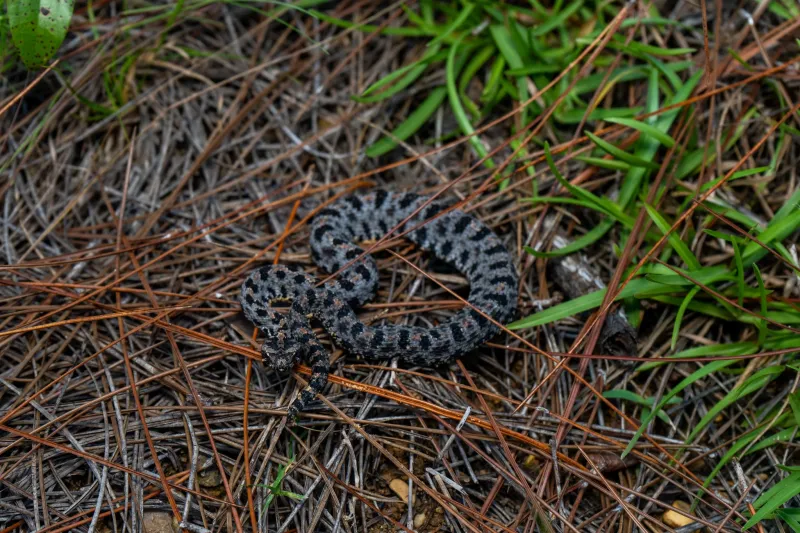
Small snake, small bite, small problem, right? Not quite. Pygmy rattlesnakes deliver less venom than big diamondbacks, but what they inject still causes real trouble.
Their venom mainly harms tissue and affects blood. Expect sharp pain at the bite, swelling that spreads up the hand or arm, and dark bruising that can look alarming within hours.
Some people develop blisters near the fang marks. In tougher cases, the tissue around the bite can break down and need extra wound care.
Life-threatening outcomes from this species are rare in healthy adults. Even so, young kids, older adults, and people with heart conditions or bleeding issues can face bigger risks.
Doctors also watch for nausea, dizziness, and changes in blood clotting. Lab tests help them decide whether antivenom is needed.
A surprising twist is that some bites are dry, meaning little or no venom enters. Nobody can tell that at home, though, so every bite deserves a trip to the hospital.
Treat the snake’s size as a reason for respect, not relief. A tiny rattler in your daylilies is still a pit viper with working fangs.
5. The Emergency Room Visit Matters Even When The Bite Feels Minor

Once you reach the hospital, the team takes over a careful watch-and-treat routine. Many patients stay for observation, often for a day, while doctors track swelling and blood work.
Antivenom is the main medical treatment for rattlesnake bites in the United States. CroFab and Anavip are both used for pit viper bites, and doctors give them when symptoms spread or blood tests change.
Getting antivenom early often helps limit swelling and tissue damage. That is why waiting at home to see how things go is a risky plan.
Expect a tetanus shot if yours is out of date. Pain medicine, fluids, and keeping the limb positioned properly are part of the care, too.
Recovery can take weeks. The hand or foot may stay stiff and tender, and some people need physical therapy to regain a strong grip for pruning and weeding.
Follow-up visits matter because some venom effects on blood clotting can return days later. Call your doctor if you notice unusual bruising, bleeding gums, or new swelling.
The Texas Poison Center Network at 1-800-222-1222 can also answer questions anytime. Save that number in your phone today.
6. Thick Ground Cover And Leaf Piles Make Cozy Snake Hideouts
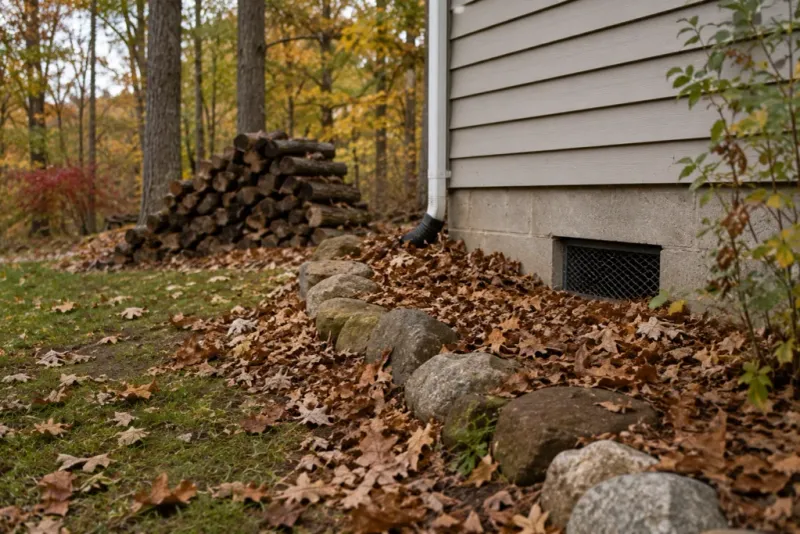
From a snake’s point of view, your garden might look like a five-star hotel. Shade, moisture, hiding spots, and snacks all come together in one tidy package.
Pygmy rattlers love thick cover. Dense ground cover, leaf litter, pine straw, rock borders, stacked pavers, and forgotten boards give them cool shelter from the summer heat.
Food is the other big draw. These snakes eat lizards, frogs, small rodents, and even centipedes, and well-watered beds attract plenty of all four.
In East Texas, snakes stay active through much of spring, summer, and fall. They often move more in the evening during hot spells and after rain.
Areas near ponds, creeks, and wooded edges tend to see more visitors. A backyard that borders a pine stand or bottomland may host a snake now and then, no matter how neat it looks.
Personally, I check the sunny edge of my mulch on cool spring mornings first. Snakes like to warm up there before the day heats up.
Spotting these favorite spots helps you slow down and look before reaching in. That pause is one of your best safety tools.
7. Leather Gloves And A Long-Handled Rake Save Your Fingers
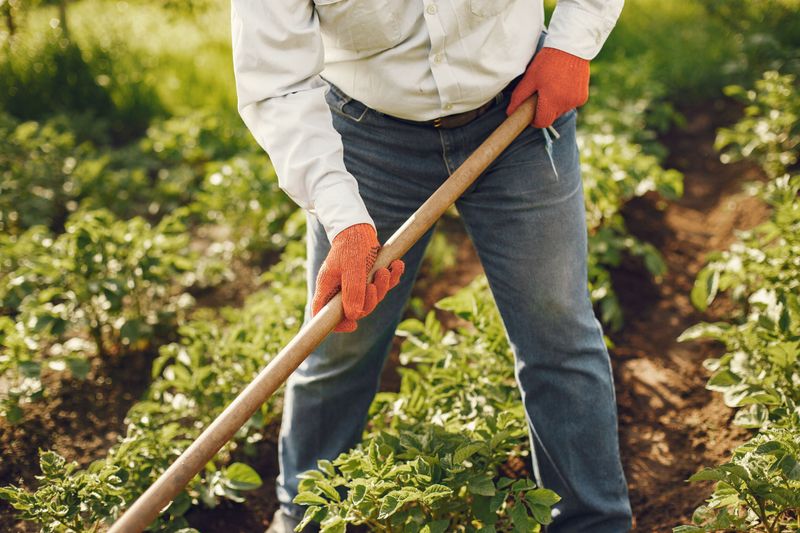
A few small habit changes can make weeding much safer without spoiling the fun. Your tools can do the risky part while your hands stay back.
Wear thick leather gloves when you weed dense beds. Thin cotton gloves feel nice but offer little protection against fangs.
Before you reach in, poke and part the plants with a rake, hoe, or long stick. That gives a hidden snake a chance to move or reveal itself.
Long pants and sturdy boots help when you are working near tall grass or woody edges. Snake gaiters are another option for folks who clear brush often.
Look before you lift. Flip pots, stones, and boards toward you so the open side faces away, giving anything underneath a path away from your body.
Weeding in the cooler morning hours keeps you comfortable and lets you see the ground more clearly. A flashlight helps if you garden at dusk.
Teach kids to call an adult if they see a snake, rather than poking it. Pets also benefit from a leash near thick beds.
Small precautions like these take seconds. They can spare you a long hospital stay.
8. A Tidier Yard Means Fewer Surprise Rattlesnake Visitors
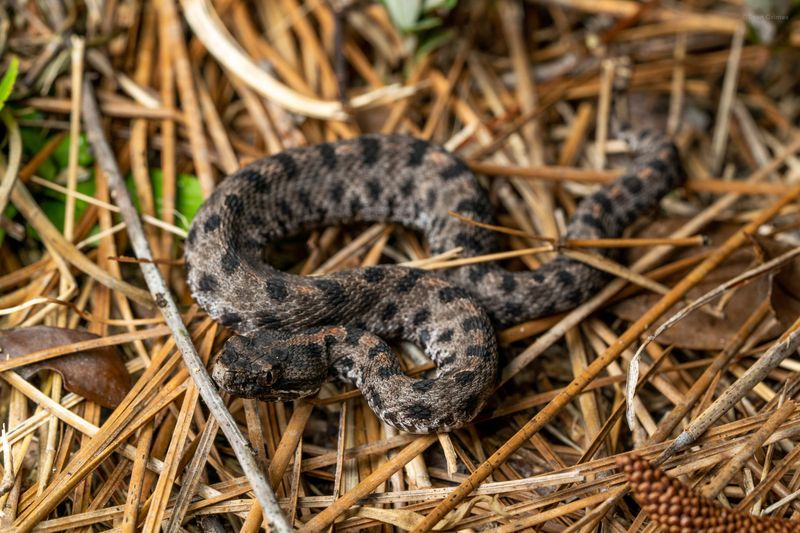
Here’s a comforting truth: you can make your yard far less appealing to snakes without harming any of them. It mostly comes down to reducing shelter and food.
Keep grass mowed and trim shrubs so their lower branches sit off the ground. Clear brush piles, old lumber, and scattered rocks near beds and walkways.
Stack firewood on a raised rack away from the house. Keep mulch layers moderate, around two to three inches, instead of deep, fluffy piles.
Store birdseed and pet food in sealed containers. Fewer rodents mean fewer reasons for a hungry snake to linger.
Fix gaps under sheds, decks, and porches with hardware cloth. Those dark spaces are prime hiding places.
Snake repellents and mothballs are not proven to work, and mothballs are not labeled for this use. Save your money for good gloves.
If a pygmy rattler shows up, give it space and keep pets away. A local wildlife removal service can relocate it safely.
Remember, most snakes in East Texas are harmless and help control pests. A careful, tidy approach lets you share the garden and keep weeding with confidence.