Texas Gardenia Mistakes Most Gardeners Make Before Summer Heat
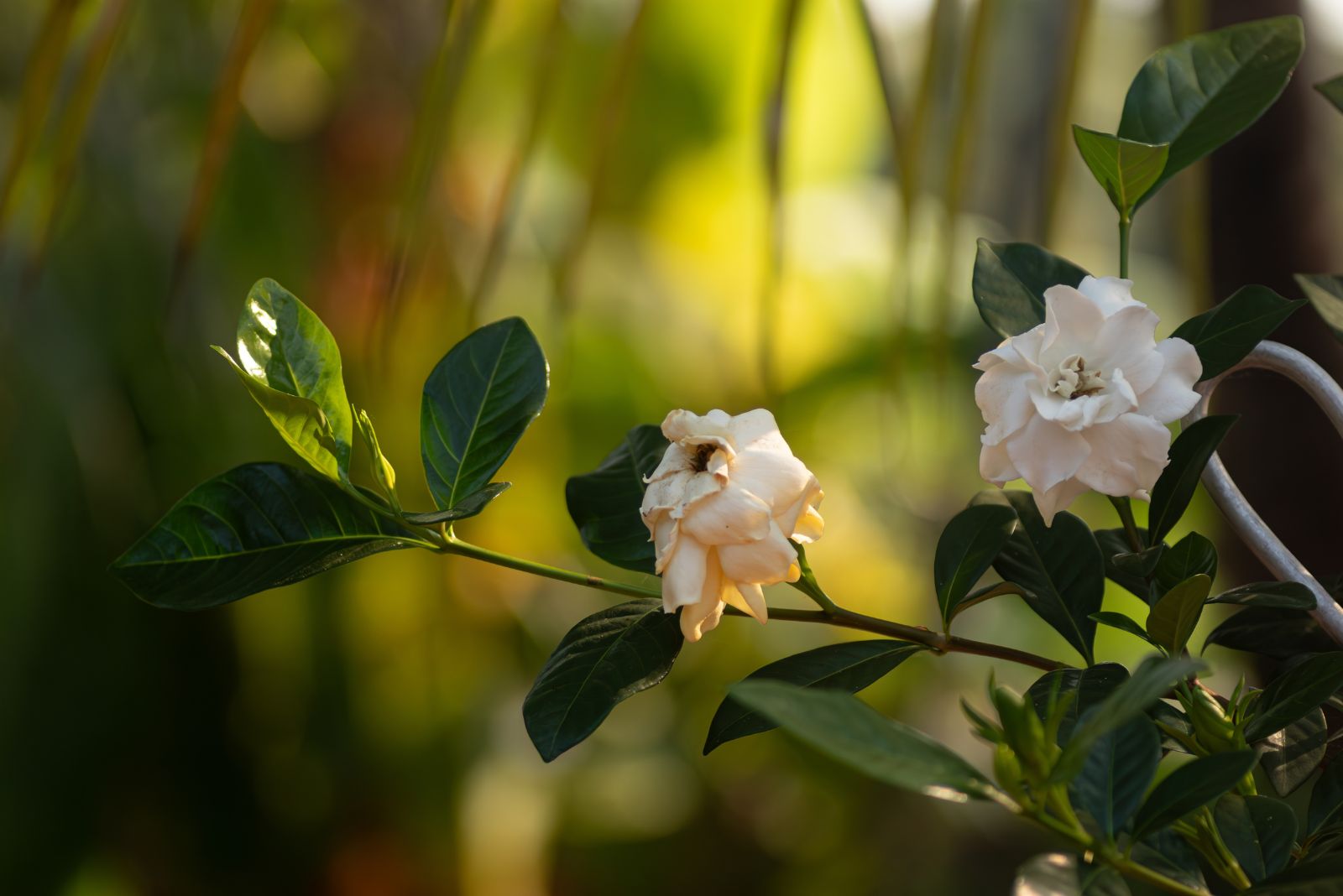
Gardenias are one of the most rewarding plants you can grow in Texas, with blooms that look stunning and a fragrance that makes the whole yard smell incredible.
Getting them to actually perform before summer heat takes over is where a lot of Texas gardeners run into trouble, often without realizing the mistakes are already happening.
Gardenias are particular plants. They have strong opinions about soil, water, feeding, and placement, and when those needs are not met at the right time, the problems tend to show up fast once temperatures climb.
Yellowing leaves, bud drop, and weak growth are all signs that something went wrong earlier in the season, and by then the window to fix it easily has usually closed.
The good news is that most of these mistakes are completely preventable, and catching them before summer heat arrives gives your gardenia the best possible chance to bloom the way you are hoping for.
1. Planting Gardenias In Harsh Afternoon Sun
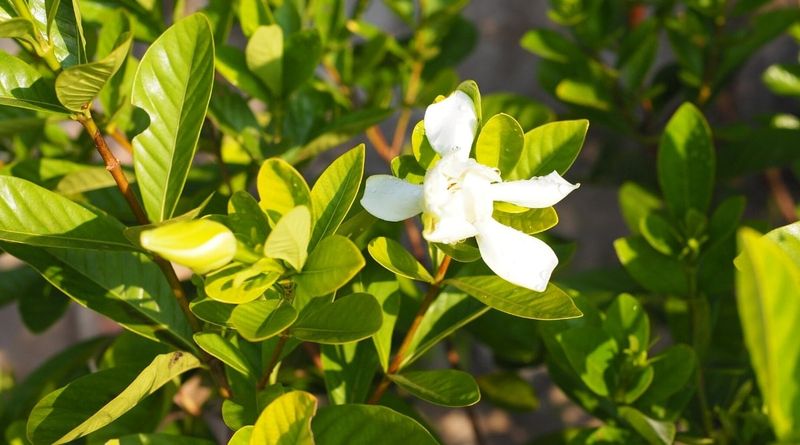
Picture this: you find the perfect spot in your yard, plant your gardenia with excitement, and then watch helplessly as the leaves turn brown and crispy within weeks. That is exactly what happens when gardenias get too much harsh afternoon sun in Texas.
The state is known for its blazing summers, and even before peak heat arrives, afternoon sun can be brutal enough to stress a young plant.
Gardenias actually prefer bright light, but they do best with morning sun and afternoon shade. Morning sun gives them the energy they need to grow and bloom without the punishing intensity that comes later in the day.
In Texas, afternoon temperatures can climb well above 90 degrees even in late spring, and direct sunlight during those hours can scorch leaves fast.
When leaves get scorched, the plant has to work overtime to recover instead of putting energy into blooming. You might notice brown edges, bleached patches, or leaves that look dry and papery.
These are all signs of too much sun exposure. The fix is simple. Plant gardenias on the east side of your home or in a spot where a tree, fence, or structure provides shade in the afternoon.
If your gardenia is already planted in a tough spot, consider adding a shade cloth during the hottest parts of the day. Moving a potted gardenia is even easier since you can shift it as the seasons change.
Choosing the right location before you plant saves a lot of trouble later. A little afternoon shade goes a long way toward keeping your gardenia healthy and blooming beautifully.
2. Using Alkaline Soil Without Amendments
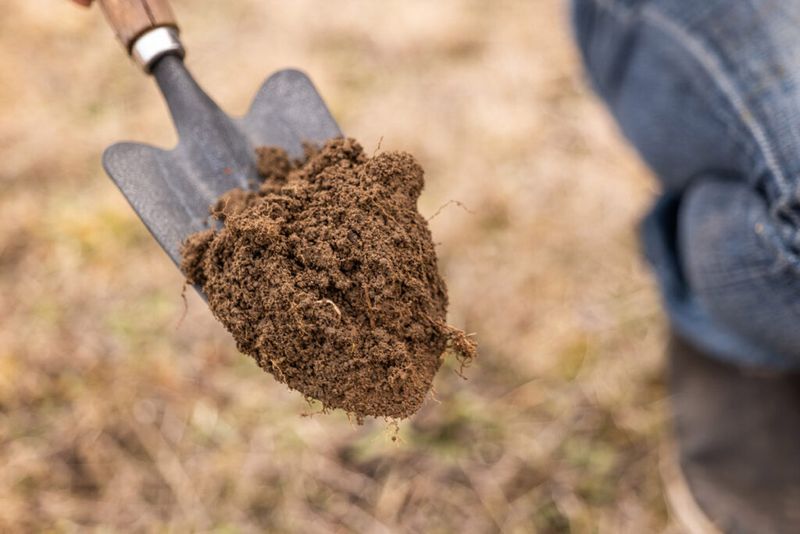
Soil pH might sound like something only scientists care about, but for gardenia growers in Texas, it is one of the most important things to understand. Gardenias are acid-loving plants, meaning they thrive in soil with a pH between 5.0 and 6.5.
Texas soil, especially in central and western areas, tends to be alkaline with pH levels above 7.0. That mismatch causes serious problems.
When gardenias grow in alkaline soil, they cannot absorb the nutrients they need even if those nutrients are present. Iron is one of the biggest issues.
Your Texas Garden Changes Every Week. Your Plan Should Too.
Gardening in Texas changes quickly throughout the season. Every Friday you’ll receive a simple weekly plan showing exactly what to plant, prune, fertilize, harvest, and protect so you never miss the right timing.
Without enough iron, gardenias develop a condition called chlorosis, where the leaves turn yellow while the veins stay green. It looks alarming and weakens the plant significantly before summer even starts.
Testing your soil before planting or early in the season is a smart move. Simple soil test kits are available at most garden centers and give you a quick reading.
If your pH is too high, there are several ways to bring it down. Sulfur is a common soil amendment that lowers pH over time. Peat moss mixed into the planting hole also helps create a more acidic environment.
Fertilizers formulated specifically for acid-loving plants, like azalea and gardenia blends, can support healthier growth and better color in high-pH conditions. Applying these regularly through spring gives your plant a better foundation before the heat arrives.
Do not assume your Texas soil is ready for gardenias without checking first. A small investment in a soil test and the right amendments can completely transform how your plant looks and performs all season long.
3. Overwatering Before Temperatures Rise
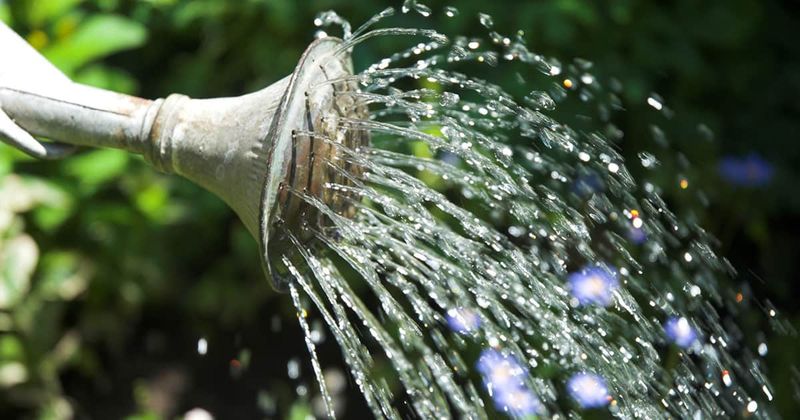
Here is something that surprises a lot of new gardeners: you can actually love your gardenia too much with water. Overwatering is one of the most common mistakes made in spring before Texas heat takes hold.
When the weather is still mild and evaporation is slow, water stays in the soil much longer than it does in summer. That means roots can sit in wet conditions for days at a time.
Gardenias need consistent moisture, but they also need their roots to breathe. Roots that stay waterlogged for too long become weak and are more vulnerable to fungal infections like root rot.
You might notice your plant looking wilted or droopy even though the soil is soaking wet. That is a classic sign of overwatering, not drought.
Before watering, always check the soil first. Stick your finger about two inches into the ground.
If it still feels damp, hold off for another day or two. In cooler spring weather, gardenias often need water only once or twice a week, depending on rainfall and soil type.
Clay-heavy Texas soils drain slowly and hold moisture longer than sandy soils, so watering frequency should be adjusted based on what you have in your yard. Raised beds and containers dry out faster and may need more frequent attention.
Getting the watering schedule right in spring sets your gardenia up for stronger performance when summer arrives.
A plant with healthy, well-established roots handles heat stress far better than one that spent spring sitting in soggy soil. Consistent but careful watering makes a noticeable difference.
4. Skipping Mulch Around The Roots
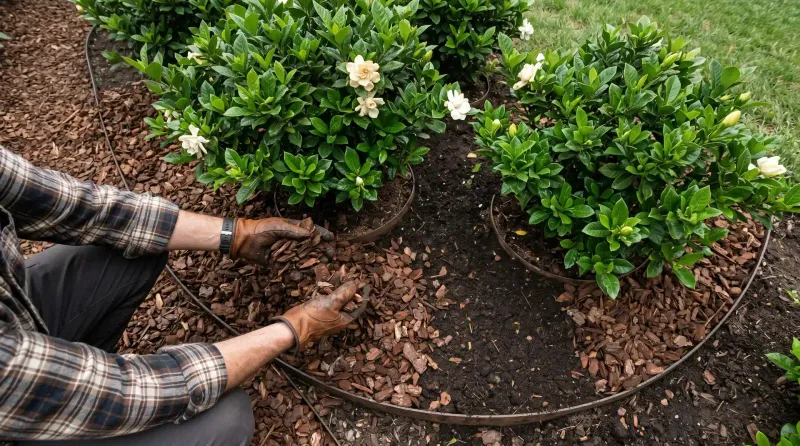
Mulch might look like a simple finishing touch, but for Texas gardenias, it is genuinely one of the most protective things you can do before summer heat arrives. Many gardeners skip this step or apply too little, not realizing how much stress it prevents.
Bare soil around gardenia roots heats up quickly in the Texas sun and dries out much faster than mulched soil.
Gardenias have shallow roots that are especially sensitive to temperature swings and moisture loss. When the soil surface gets hot and dry, those roots feel it almost immediately.
Stressed roots lead to stressed plants, and a stressed plant is far less likely to produce the full, fragrant blooms you are hoping for.
A good layer of mulch, about two to three inches deep, acts like a protective blanket. It keeps soil temperatures cooler, slows evaporation, and helps maintain consistent moisture between waterings.
Organic mulches like pine bark, pine needles, or shredded wood chips are excellent choices because they also break down over time and add slight acidity to the soil, which gardenias love.
One important tip: keep mulch a few inches away from the main stem of the plant. Piling mulch directly against the stem can trap moisture and encourage fungal issues or bark damage. Spread it evenly around the root zone in a wide circle instead.
Applying mulch in early to mid-spring, before the hottest days arrive, gives it time to settle and start doing its job. It is one of the easiest and most affordable steps you can take to protect your gardenia all summer long.
5. Fertilizing Too Heavily In Late Spring
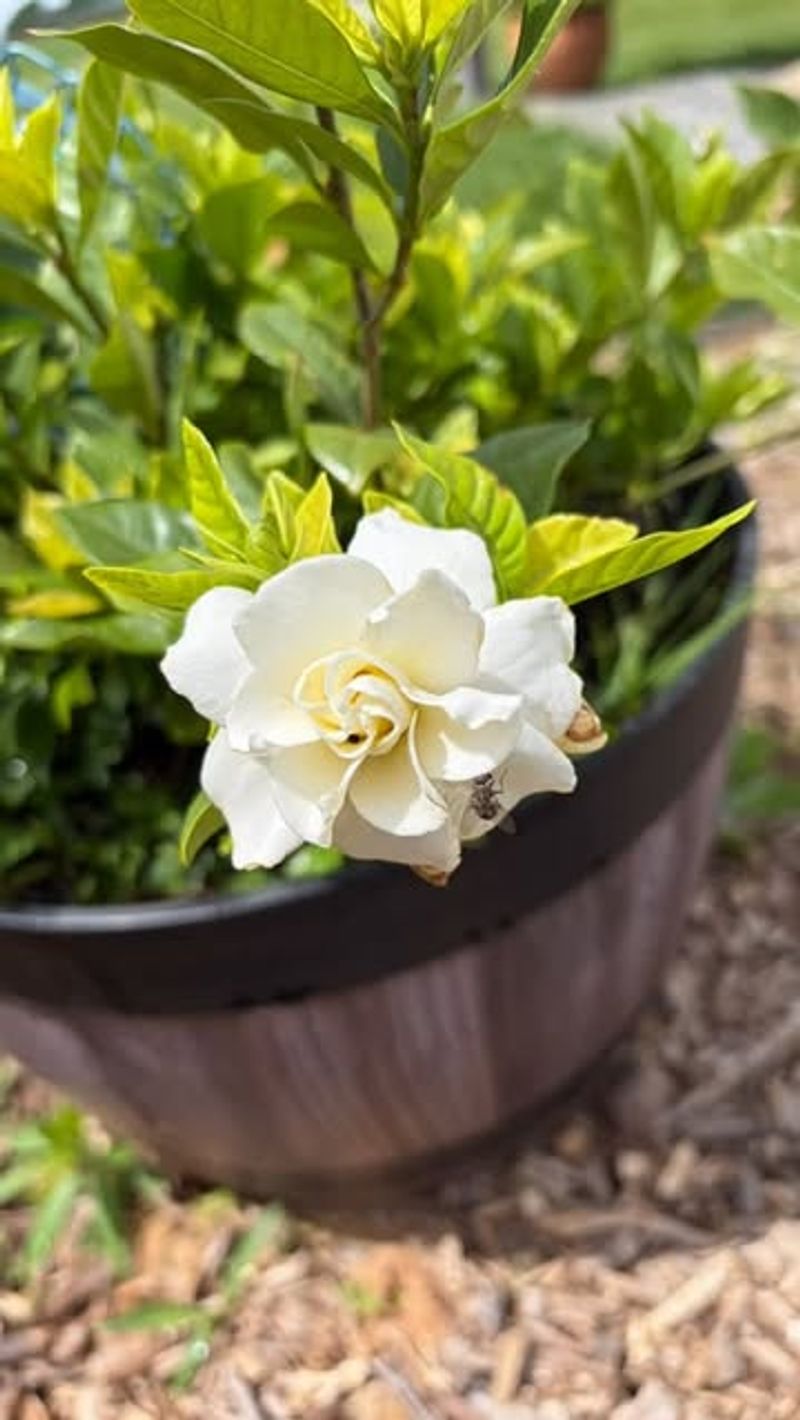
More fertilizer does not always mean more blooms. In fact, going overboard with fertilizer in late spring is one of the sneakiest mistakes gardeners make with Texas gardenias.
It feels logical to feed your plant generously before the tough summer months, but too much fertilizer at the wrong time can actually work against you.
Excess nitrogen, which is found in high amounts in many general-purpose fertilizers, pushes gardenias to produce lots of leafy green growth quickly.
That sounds good at first, but that rapid, soft new growth is weak and highly vulnerable to heat stress, pests, and disease.
When summer arrives and temperatures spike, those tender new shoots often suffer the most.
Heavy fertilizing in late spring can also reduce blooming. Gardenias that are busy pushing out lots of leaves may put less energy into producing flower buds.
You end up with a plant that looks full and green but delivers far fewer of those gorgeous, fragrant flowers you were counting on.
A smarter approach is to use a slow-release fertilizer formulated for acid-loving plants, like an azalea and gardenia blend.
Apply it in early spring according to the package directions, and then hold back in late spring as temperatures start climbing. This gives the plant steady, balanced nutrition without the surge of weak growth.
Always water thoroughly after applying any fertilizer to help it absorb evenly and prevent root burn.
Reading the label and sticking to recommended amounts protects your plant far better than guessing. Feeding your gardenia wisely, not generously, is the key to strong blooms all season.
6. Ignoring Early Pest Problems
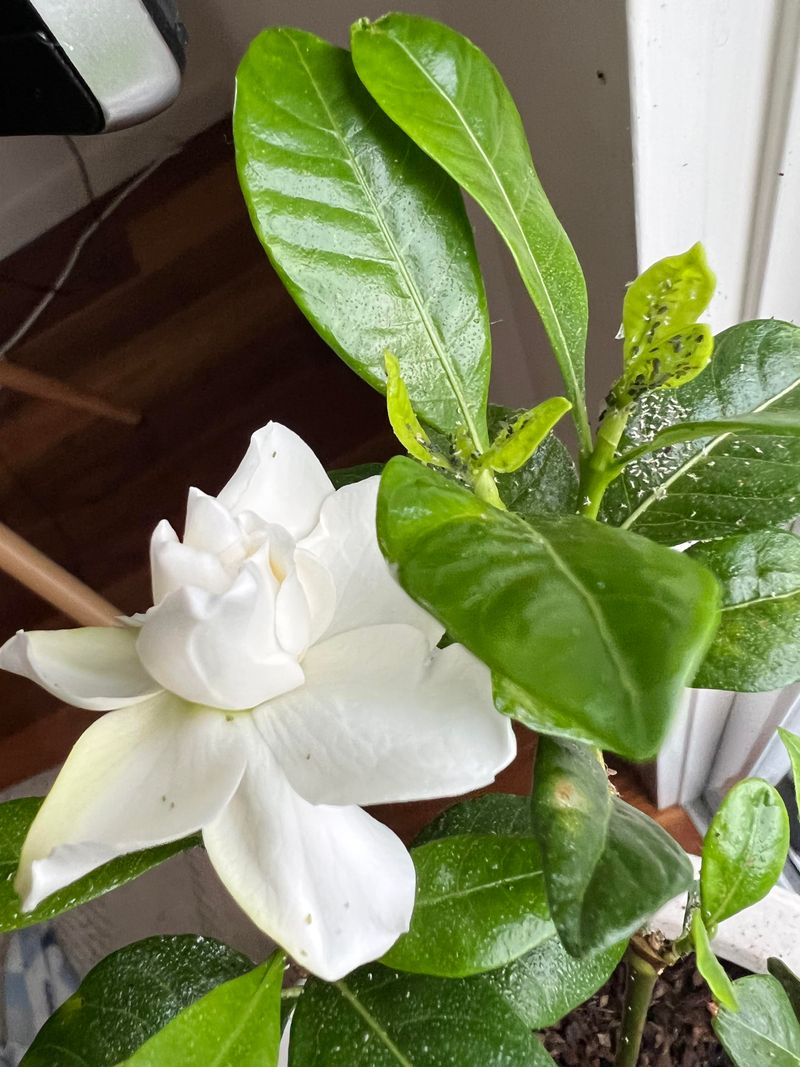
Tiny bugs might not seem like a big deal in spring, but ignoring early pest activity on your gardenias is a mistake that can snowball fast once Texas summer heat kicks in.
Spider mites and whiteflies are the two most common troublemakers for gardenias in Texas, and both of them thrive in hot, dry conditions. Catching them early makes treatment much easier and far more effective.
Spider mites are so small they are nearly invisible to the naked eye, but the damage they leave behind is easy to spot. Look for a faint stippling or silvery speckled pattern on the tops of leaves, along with fine webbing on the undersides.
Whiteflies are a bit more obvious since they tend to fly up in a cloud when you brush against the plant. Both pests feed on plant sap and weaken gardenias over time.
When summer heat intensifies, pest populations can explode in just a few days. A minor infestation that seemed manageable in May can become overwhelming by July if left untreated.
That is why scouting your plants regularly in spring is so valuable. Check the undersides of leaves every week or so and act quickly at the first sign of trouble.
Insecticidal soap and neem oil are two safe, effective options that work well against both spider mites and whiteflies. Apply them in the early morning or evening to avoid burning leaves in the heat.
Repeat applications every seven to ten days as needed. Keeping your gardenia well-watered and healthy also makes it naturally more resistant to pest pressure throughout the season.