Can You Put Fireplace Ash In A California Garden?
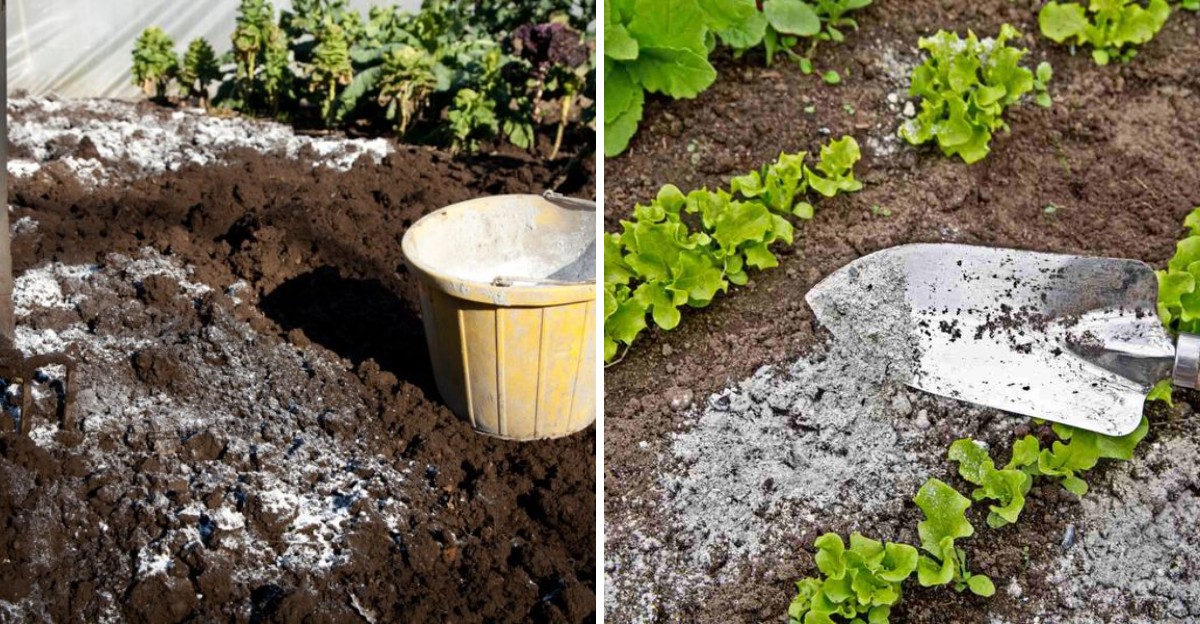
Fireplace leftovers get tossed onto garden beds as free fertilizer all the time, yet that fluffy gray powder carries almost no nitrogen. The fire burns it right off.
Its real talent surprised me. Calcium carbonate and other alkaline compounds give it serious muscle, so it can push soil pH up quickly, much like garden lime.
A light dusting changes more than you’d expect. A heavy one can leave iron sitting in the soil where roots struggle to use it.
With fireplace season kicking off this month, buckets start heading for the yard. A lot of California soil already leans alkaline, especially in inland valleys and the south.
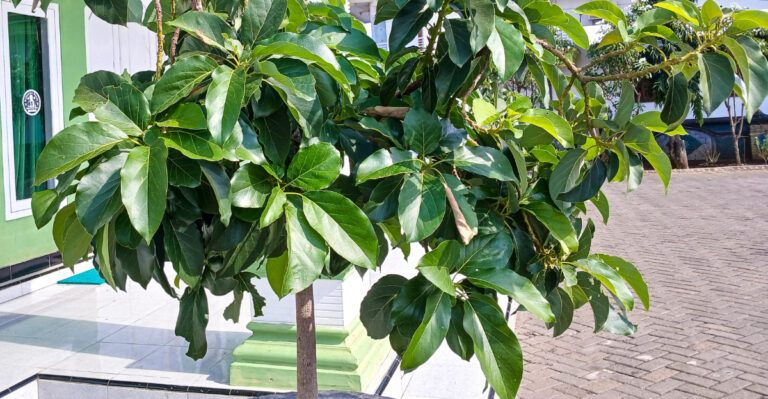
I once sprinkled the stuff around my lemon tree like fairy dust. Its leaves turned pale yellow with green veins, which felt a little rude.
Free stuff rarely comes without fine print. That soft heap in your firebox has plenty of it.
That Soft Gray Fireplace Ash Packs A Bigger Punch Than It Looks
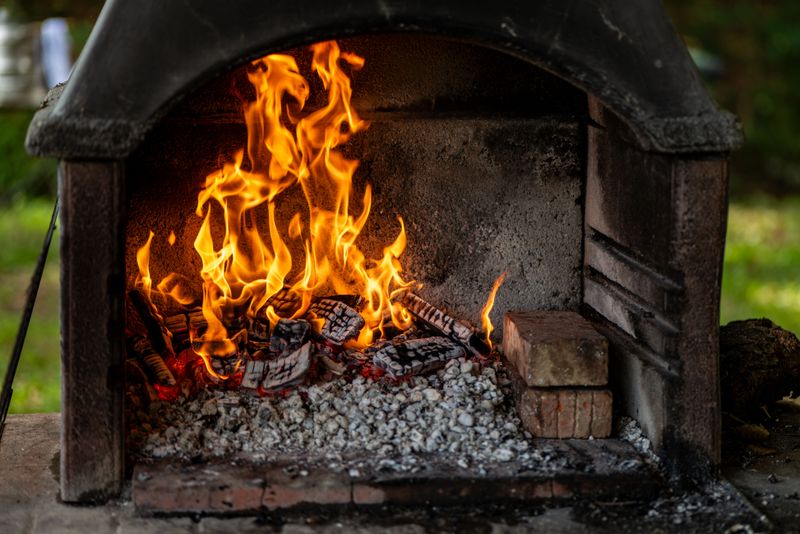
Wood ash looks harmless, like dust you would sweep off a porch. Chemically, though, it behaves a lot like garden lime. When it hits moist soil, it raises pH quickly because it contains calcium carbonate and other alkaline compounds.
Fresh ash can carry a pH of around 10 to 12. That is strong stuff, closer to baking soda than to compost. A light dusting changes soil faster than most people expect.
It also brings useful nutrients. Hardwood ash usually contains calcium, potassium, magnesium, and small amounts of phosphorus. You will not find nitrogen, since it burns off in the fire.
So ash is not a fertilizer in the classic sense. Think of it more as a pH adjuster with a mineral bonus. That difference matters a lot once you look at what kind of soil you are working with.
I like comparing it to salt in the kitchen. A pinch can help a dish, but a handful ruins dinner. Your garden reacts the same way to ash.
Before reaching for that bucket, keep that liming power in mind. The real question is whether your soil needs a pH lift at all, and many yards around here do not.
Alkaline Soil Across Much Of California Usually Says No To Wood Ash
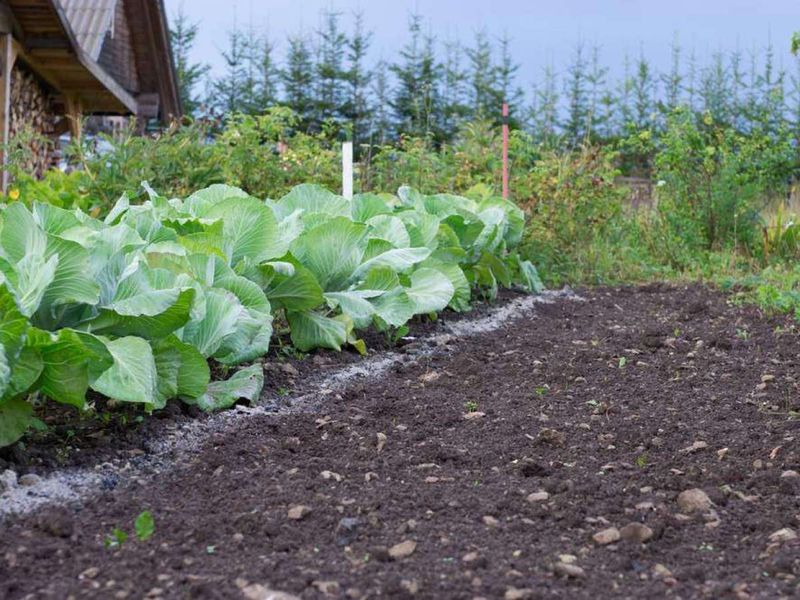
Most gardeners in the state do not need more alkalinity. Large parts of the Central Valley, Southern California, and the deserts have soils that are neutral to alkaline, often with pH readings above 7.5.
Low rainfall is a big reason. In wetter climates, rain slowly washes calcium and other minerals out, leaving soil acidic. In dry regions, those minerals stick around, and irrigation water is often alkaline too.
Adding ash to that kind of ground pushes pH even higher. Once soil climbs past about 7.5 to 8, nutrients like iron, manganese, zinc, and phosphorus become harder for roots to absorb. They are still in the soil, but plants cannot use them well.
The classic sign is yellow leaves with green veins, called chlorosis. Citrus trees, roses, and many ornamentals show it fast. I have watched a lemon tree turn pale for exactly this reason.
There are exceptions. Parts of the North Coast, the Sierra foothills, and some redwood regions can have acidic soil from heavy rain and conifer needles.
So for many California yards, the honest answer is skip the ash. For others, it can help. Your location sets the starting point.
A Simple Soil Test Kit Settles The Ash Question Fast
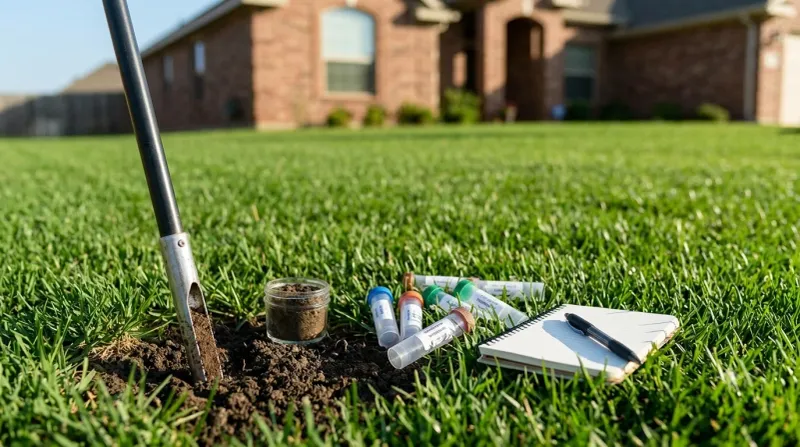
Guessing is the fastest way to get ash wrong. A soil test tells you your current pH, and that number decides everything. I would not sprinkle a spoonful without one.
Home kits and digital meters are cheap and easy to find at garden centers. They give you a quick ballpark. For more detail, a lab test checks pH plus nutrients like potassium and phosphorus.
The University of California Cooperative Extension and local Master Gardener programs can point you toward reliable labs. Many offer simple guides for collecting samples correctly.
To sample, dig small amounts from several spots about 6 inches deep. Mix them in a clean bucket, then test that blend. One random scoop can fool you.
Here is a handy rule. If pH is below about 6.0 to 6.5, modest ash may help most vegetables and flowers. If it reads 7 or higher, keep ash out of your beds.
Testing every two or three years keeps you on track. Soil slowly shifts with irrigation, compost, and amendments.
A few dollars spent on a test can save you a season of puzzling yellow leaves. Honestly, it is the best bargain in gardening.
Only Clean Firewood Ash Belongs Anywhere Near Your Veggie Beds
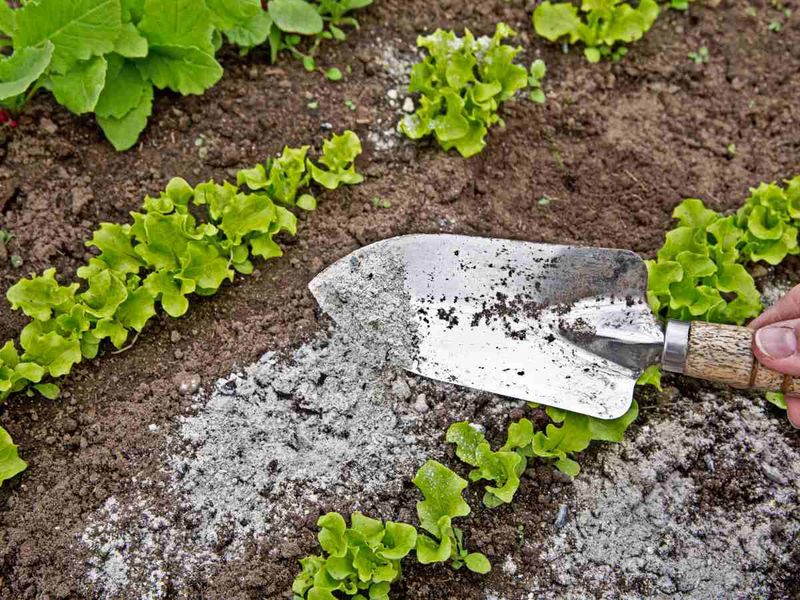
Not every fire leaves garden-safe ash. Only ash from plain, untreated wood should ever touch your soil. That means natural logs like oak, almond, or other hardwoods.
Skip ash from painted or stained wood, pressure-treated lumber, plywood, particleboard, and pallets with unknown history. These can leave behind heavy metals and chemical residues that stay in soil for years.
Charcoal briquettes and manufactured fire logs are also a no. Briquettes often contain additives, and fake logs use waxes and binders. Coal ash is another hard pass because it can carry heavy metals.
Glossy paper, magazines, and trash burned in the fireplace add their own mess. If you tossed in wrapping paper, set that batch aside for the trash.
Safety comes first with handling, too. Ash can hold live embers for days. Store it in a metal container with a tight lid, away from decks, fences, and wood piles, until it is fully cold.
California fire season makes this extra serious. Never dump warm ash outside, especially near dry grass. A cold, clean, untreated batch is the only kind worth saving for the garden.
Spread Wood Ash Thinly When Your Soil Test Gives The Green Light
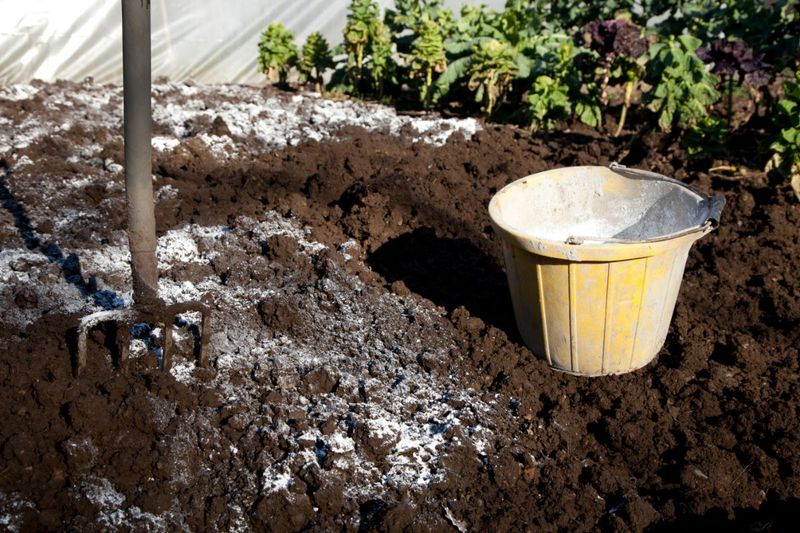
Got acidic soil? Lucky you, because ash can actually help. The trick is using a light hand.
A common guideline from extension sources is about 5 to 10 pounds per 1,000 square feet per year, and rarely more than 20. A five-gallon bucket holds very roughly 15 to 20 pounds, so one bucket can cover a big area.
For a small raised bed, a dusting of a cup or two is often plenty. Spread it in a thin, even layer, then mix it into the top few inches of soil.
Wear gloves, eye protection, and a dust mask. Fresh ash is caustic and can irritate skin and lungs. Avoid spreading it on windy days.
Late fall or winter works well in California because rains help it settle in before spring planting. Keep it away from fresh seedlings and do not mix it with nitrogen fertilizers like ammonium sulfate, which can release ammonia gas.
Retest your soil the next year. Once pH reaches the 6.5 range, stop adding ash. More is not better here, and overshooting is easy.
Blueberries And Azaleas Want Nothing To Do With Your Ash Bucket
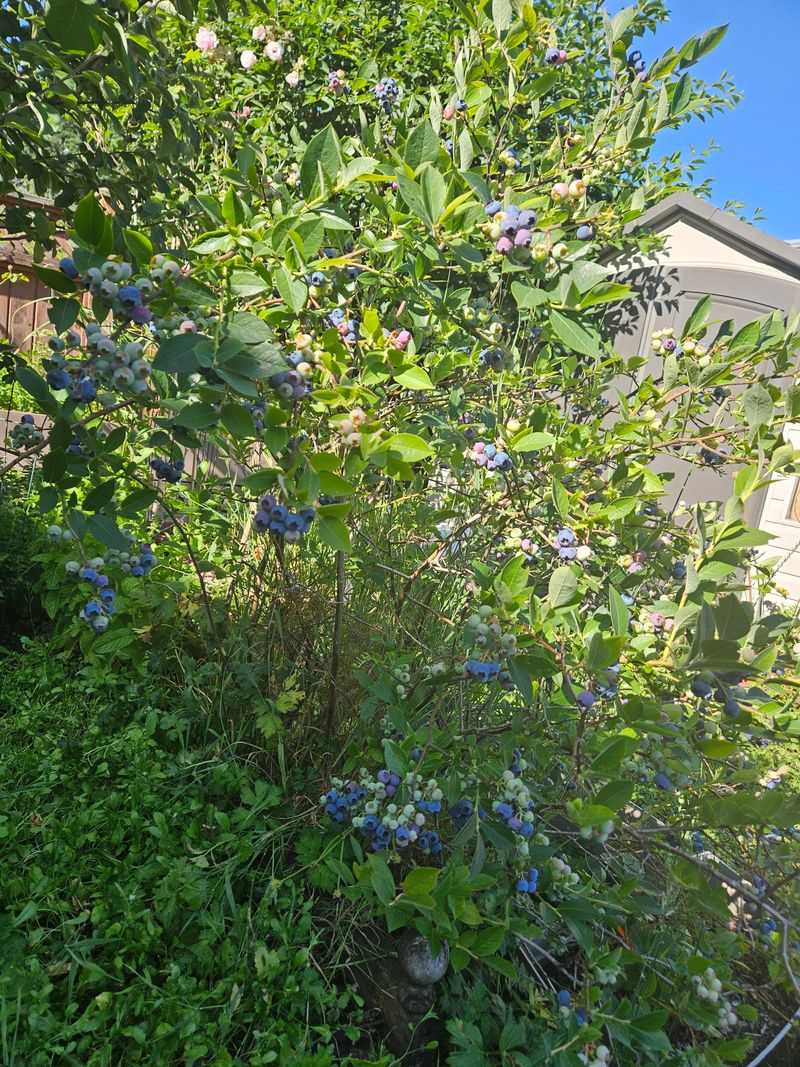
Some plants are happiest in sour soil, and ash is their worst nightmare. Blueberries top the list, preferring a pH around 4.5 to 5.5.
Azaleas, rhododendrons, camellias, gardenias, and many ferns also like acidic conditions. Potatoes are worth a mention, too. Raising pH around them can increase potato scab, a rough, corky skin problem.
California gardeners often grow blueberries in containers with acidic potting mix for exactly this reason. Native soil and tap water in many areas are too alkaline already. Adding ash would undo all that careful setup.
Watch where you spread it. A thin layer near a camellia can drift or wash toward roots during winter rains.
If these plants start showing yellow leaves with green veins, high pH may be the culprit. A soil test confirms it, and amendments like elemental sulfur can slowly lower pH under expert guidance.
I keep a mental map of my yard with acid lovers marked as no-ash zones. It sounds fussy, but it saves headaches. Your ash may suit tomato beds in acidic regions, yet these beauties would rather skip the gift.
Your Compost Pile Can Take A Light Sprinkle Of Leftover Ash
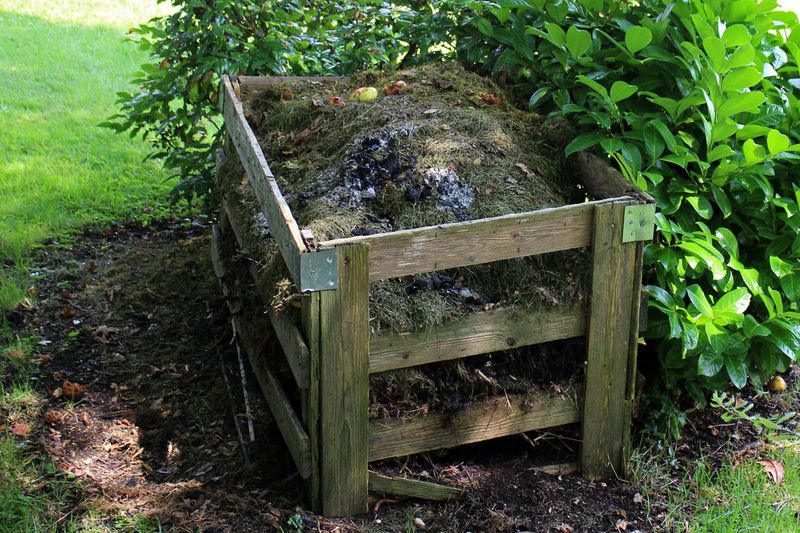
Still staring at a bucket you cannot use? Your compost pile might be the best home for small amounts. Light sprinkles add potassium and calcium to the mix.
Keep it modest. Too much ash raises compost pH and can slow down helpful microbes, while also causing nitrogen to escape as ammonia. Many gardeners aim for a thin dusting between layers rather than big scoops.
Remember that compost eventually lands in your beds. If your soil is already alkaline, adding ash-heavy compost brings the same problem through the back door. In that case, keep ash amounts tiny or skip it.
Other uses exist beyond the garden. Some people use cold ash for traction on icy paths in mountain areas, though most of California rarely needs that.
Otherwise, bagging cold ash for the trash is perfectly fine. Check your city rules, since some local waste programs give specific ash disposal directions.
My takeaway after years of tinkering is simple. Test first, use clean ash only, and match it to your soil. That small pause before scooping turns a fireplace leftover into a smart choice instead of a gamble.