7 Smells That Keep Mice Out Of Your Texas Home
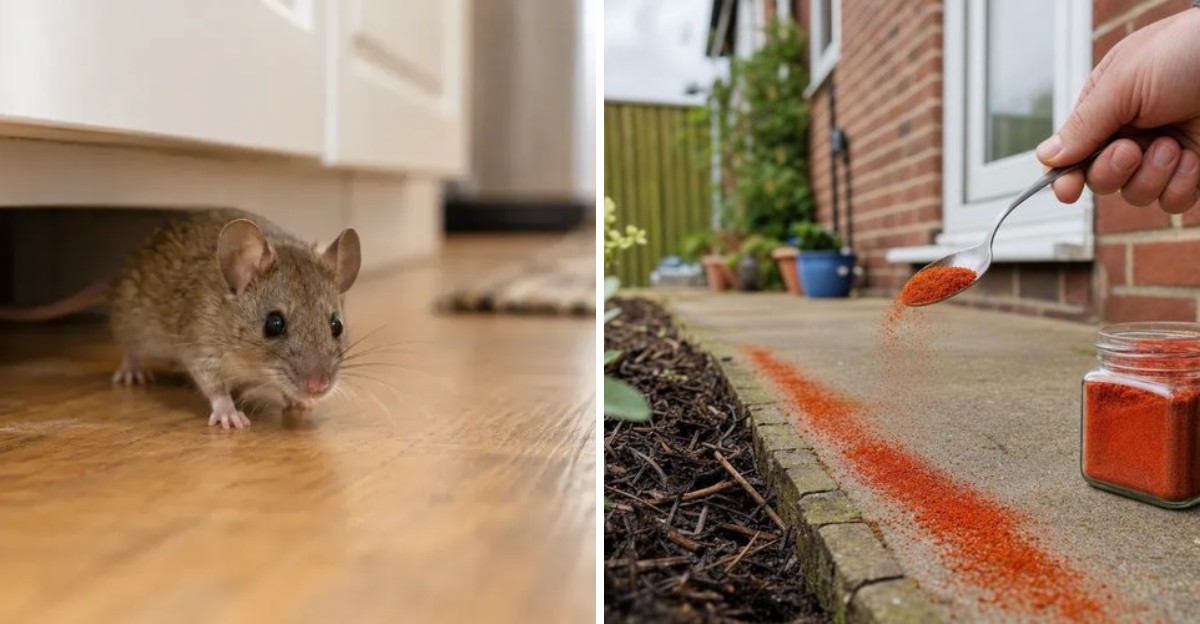
A tiny gray houseguest can squeeze through a gap no wider than a pencil, which feels downright rude. Even stranger, its nose carries roughly a thousand smell receptor genes, far more than the few hundred we have.
That super sniffer helps it find crumbs in the dark and follow scent trails left by its relatives. Texas homes see these visitors in every season, since our mild winters rarely send them packing for long.
I have to admit, my first plan involved a broom and a lot of yelling from the kitchen counter. Personally, I now prefer turning that powerful nose against them with a few strong scents from the pantry.
Some of these aromas smell lovely to us, while others might make your own eyes water a little. Which everyday scent from your Texas kitchen do you think annoys these whiskered guests the most?
1. Peppermint Oil On Cotton Balls Near Baseboards
Peppermint is the scent everyone mentions first, and my kitchen smelled like a candy cane shop for weeks.
Strong menthol vapors seem to bother sensitive rodent noses, though research results on lasting effects are mixed.
Small lab and field tests suggest mice avoid fresh peppermint oil, but the effect fades as the oil evaporates. That means you should treat it as one helpful layer, not a magic shield for your whole house.
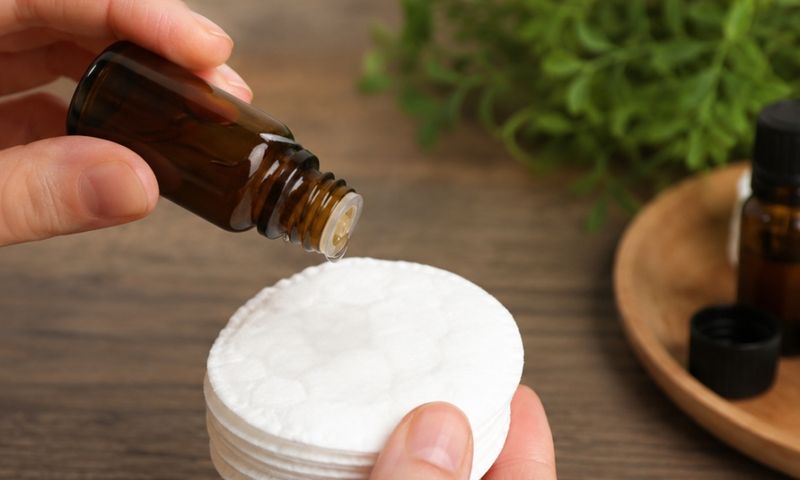
Grab a few cotton balls and add several drops of pure peppermint essential oil to each one. Tuck them under the sink and behind the stove, where little droppings tend to show up first.
Refresh the cotton balls every few days, since the minty punch weakens quickly in warm indoor air. I like setting a phone reminder, because forgetting is easy when the smell becomes normal to you.
Pet owners need extra care, because concentrated essential oils can harm cats and dogs that sniff or lick them.
Keep treated cotton balls inside cabinets or behind appliances where curious paws and noses cannot reach.
You might also grow peppermint outdoors in a pot, since it spreads aggressively when planted in open ground. Potted mint near a back door looks cheerful and smells great, even if mice barely notice it.
Pair the scent with sealing gaps, because Texas A&M AgriLife experts stress that exclusion beats any repellent. Steel wool and caulk around pipes will do more heavy lifting than any bottle of oil.
2. Cinnamon Sticks Tucked Into Pantry Corners

Cinnamon smells like grandma’s holiday baking to me, yet that cozy aroma may feel harsh to a tiny nose.
Its main compound, cinnamaldehyde, is a known irritant and appears in some commercial rodent repellent products.
Cinnamon oil is even listed by the EPA as a minimum risk pesticide ingredient, which surprised me. Still, solid proof that it keeps mice away for months is thin, so manage your expectations.
Whole cinnamon sticks work nicely in pantry corners, where mice love to snoop around cereal boxes and flour bags. Bundle a few sticks in a small cloth sachet so they stay tidy and easy to swap.
For stronger coverage, add a few drops of cinnamon oil to a cotton ball and place it near gaps. Keep the oil off painted surfaces and skin, since undiluted cinnamon oil can cause irritation for people too.
Ground cinnamon sprinkled along shelves is another option, though it gets messy and loses punch fairly fast. Honestly, I prefer sticks because they look pretty in a jar and clean up in seconds.
Remember that the real bait in a pantry is the food itself, not the lack of a strong smell. Store dry goods and pet food in hard plastic or glass containers with snug lids that seal well.
Swap your sachets every couple of weeks, or sooner when the spicy scent seems faint to you. You’ll love how your cabinets smell like a bakery while sending a polite message to snoopers.
3. Clove Oil Soaked Cotton Under The Kitchen Sink

Open a jar of whole cloves and your eyes might water a bit, which tells you something about their strength. The star chemical is eugenol, the same compound dentists once used for decades to numb sore teeth.
Clove oil also appears on the EPA list of minimum risk pesticide ingredients alongside peppermint and cinnamon oils.
Rodent studies on clove alone are limited, so think of it as a helpful nudge rather than a guarantee.
Under the kitchen sink is my favorite spot, since plumbing gaps there are classic mouse highways into cabinets. Soak a cotton ball with clove oil and slide it on a jar lid toward the pipes.
The jar lid keeps oil from staining wood, which matters because clove oil can discolor some cabinet finishes. Whole cloves in a mesh bag work too, though their scent is gentler than the concentrated oil.
While you are down there, look for openings around pipes that are wider than a pencil. Stuff them with steel wool, then seal over the top with caulk so mice cannot pull it out.
Replace clove cotton balls about once a week, especially in summer when Texas kitchens run warm and humid. Heat speeds up evaporation, so that spicy cloud thins out faster than you might expect on hot days.
Keep clove oil away from small children and pets, since swallowing even a little can cause real trouble. Personally, I love that it doubles as a natural air freshener after cooking fish for dinner.
4. Eucalyptus Spray Along Garage Walls And Door Seams

Walk into a room after a eucalyptus spray and it feels like breathing inside a cough drop. That sharp, cooling smell comes mostly from a compound called 1,8-cineole, also known to chemists as eucalyptol.
Some pest control companies recommend it for mice, but scientific testing on rodents is still pretty sparse. I treat it as a garage helper, since that space often has gaps I cannot easily seal.
Mix about twenty drops of eucalyptus oil into two cups of water in a spray bottle. Add a small squirt of dish soap so the oil mixes better instead of floating on top.
Shake well before each use, then mist along garage walls and the rubber seal at the bottom of the door. Garage door seals often crack with age, and a quarter-inch gap is plenty for a mouse.
Spray again every few days, because the scent drifts off quickly in a hot garage during summer. Test a hidden spot first, since oils can leave marks on some painted or wooden surfaces.
Eucalyptus oil is quite toxic to cats and dogs, so skip spraying where pets sleep or eat. Ask your vet before using any essential oil around birds, since their lungs are especially sensitive.
Clutter gives mice cozy hiding places, so I keep garage boxes off the floor on metal shelves. You’ll wonder why you didn’t try this sooner once the garage smells fresh and looks tidy.
5. Cayenne Pepper Sprinkled Near Mouse Entry Points
Anyone who has rubbed an eye after chopping jalapeños knows how fiercely capsaicin can sting sensitive tissue. Mammals like mice feel that same burn, while birds barely notice it, which is a fun twist.
That bird fact explains why some feeders use hot pepper seed to discourage squirrels and rodents. Capsaicin works best as a taste and touch irritant, so smell is only part of the story here.
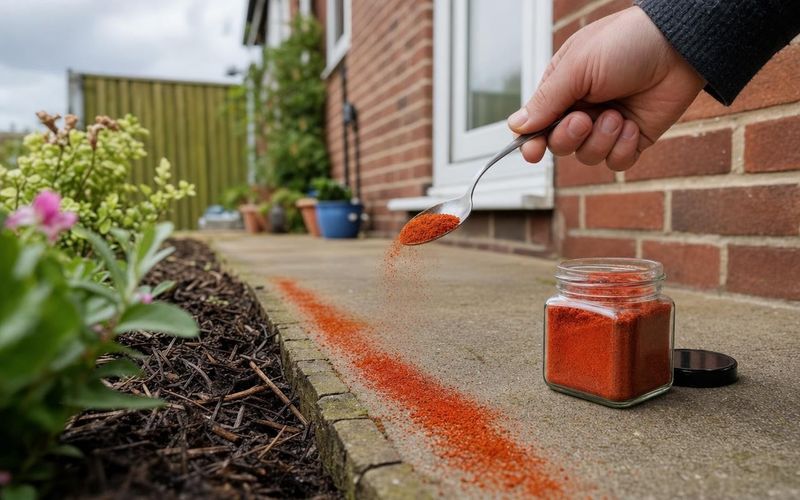
Sprinkle a thin line of cayenne powder near spots where mice slip inside, like gaps by the water heater. A light dusting goes a long way, and heavy piles just get tracked around the house.
Outdoors, a dusting around foundation vents may help, but rain and sprinklers wash it away fast. Plan to reapply after every storm, which can be often during spring along the Gulf Coast.
Nobody warned me that pepper dust drifts, so wear gloves and keep your hands away from your face. Open a window if you sneeze, because the powder irritates human noses just as much as tiny ones.
Skip pepper in areas where kids crawl or pets nap, since it can cause painful eye and skin irritation. Behind the fridge or inside wall voids are safer spots that curious little hands rarely reach.
I believe cayenne earns its spot as a cheap, short-term deterrent rather than a lasting fix. Pair it with door sweeps and sealed vents, and those fiery borders will feel far more convincing.
6. White Vinegar Wiping Away Mouse Scent Trails
Mice leave tiny urine drops as they travel, creating invisible scent maps that guide other mice along the same path.
Wiping those routes with a sharp, sour cleaner may help scramble the map, which I find oddly satisfying.
White vinegar is the classic choice, though its value comes more from cleaning than from scaring mice away. The tangy smell fades within hours once it dries, so it works poorly as a lasting repellent.
Safety comes first when cleaning droppings, because mice can carry hantavirus and other germs in their waste. The CDC advises against sweeping or vacuuming droppings, since that can stir harmful particles into the air.
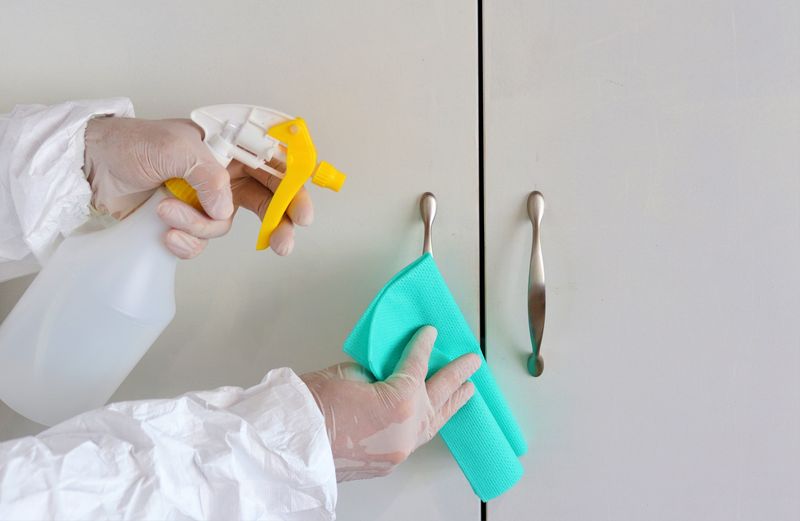
Instead, wear rubber gloves and soak the mess with a bleach solution or EPA-registered disinfectant first. Let it sit about five minutes, then wipe it up with paper towels and toss them outside.
Once the area is clean and dry, follow up with a half vinegar and half water spray along baseboards.
Keep vinegar and bleach in separate steps, because mixing them releases irritating chlorine gas you should not breathe.
Vinegar-soaked cotton balls tucked into drawers can add an extra sour note between your regular cleaning sessions. Expect to refresh them often, because the scent fades faster than nearly any oil on this list.
Take a closer look at where droppings keep appearing, because that pattern usually points to the entry hole. Fixing that hole, then cleaning with vinegar, makes your efforts last much longer than scent alone.
7. Cedarwood Blocks And Sachets In Closets And Attics
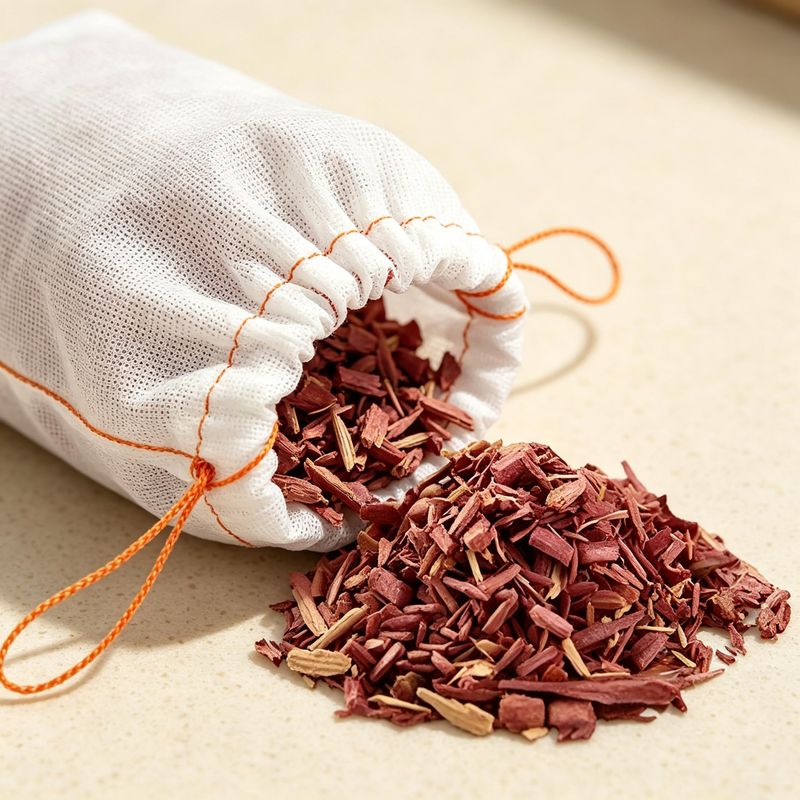
Opening an old cedar chest releases a warm, pencil-shaving smell that instantly takes me back to my grandparents’ house. People have trusted cedar for generations to protect wool from moths, so trying it on mice feels natural.
Cedar oil is another EPA minimum risk pesticide ingredient, and it shows up in many natural repellent sprays.
Evidence for mice specifically is mostly anecdotal, though, so pair cedar with sealing and good housekeeping.
Cedar blocks and sachets fit neatly in closets, where mice sometimes shred clothing to build soft nests. Lightly sand the blocks every few months to expose fresh wood and wake up that woody aroma.
Attics are another hot spot, especially in Texas homes where insulation offers mice a cozy hideaway near the eaves. A few drops of cedarwood oil on cotton balls near attic entry points can add a stronger dose.
Attic heat in summer burns through scents quickly, so check and refresh them every week or two. Look around vents and roof gaps while you are up there, since roof rats and mice climb surprisingly well.
Skip cedar shavings as pet bedding, because veterinarians warn the oils can irritate small animals’ airways. Blocks in a closet are fine, but keep loose oil away from cats and curious puppies.
I truly believe cedar is the most pleasant entry here, since your sweaters end up smelling wonderful. Mice may wrinkle their noses, but you will enjoy opening that closet door every single morning.