Can Your New York Neighbor Force You to Trim a Tree That Blocks Their View?
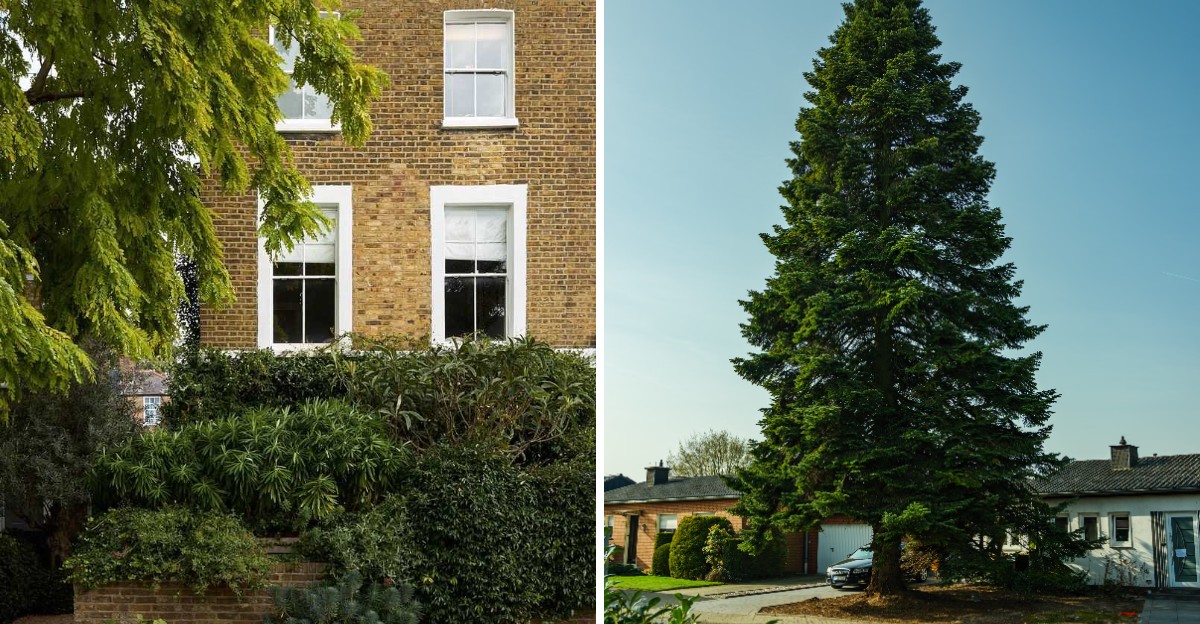
A tree can block a million-dollar skyline view in New York, and the owner usually owes the neighbor nothing for it. That surprised me the first time I read the case law.
Courts in this state have long refused to treat a pretty view as a property right, unless a written agreement says otherwise.
Let me be straight with you. I love a big leafy canopy, but I also understand the sting of losing a sunset over the trees. Shade creeps in, the garden sulks, and suddenly the hedge next door feels personal.
Still, the rules are not as one-sided as they sound. Neighbors do have real tools, from trimming branches that cross the line to pushing back on trees that are truly hazardous.
Some of those tools come with steep penalties if you misuse them. So who really holds the pruning saw here?
That Leafy Wall Next Door Probably Has the Law on Its Side
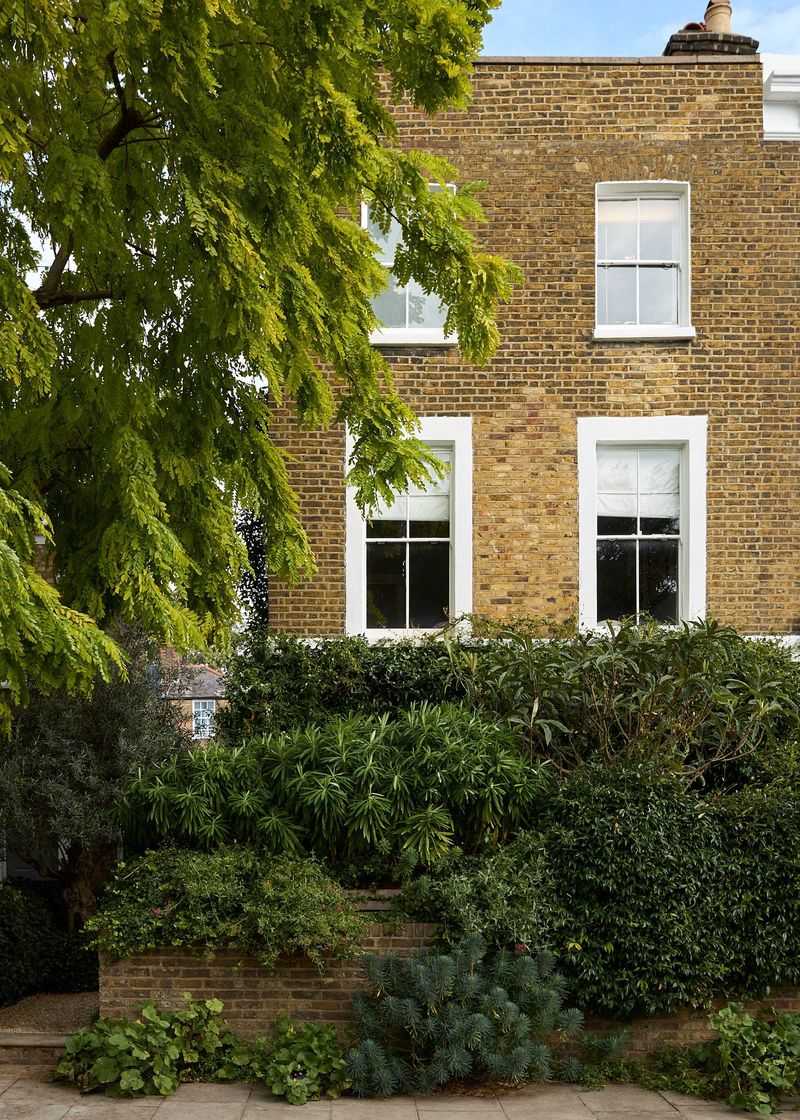
Courts across the state have heard plenty of view complaints, and most of them end the same way. A homeowner generally has no legal right to light, air, or a scenic view across a neighbor’s land.
That idea goes back a long way in American property law. Judges worried that if views were protected, nobody could build, plant, or improve their own lot without a lawsuit.
So the default rule favors the person who owns the soil where the tree grows.
In plain terms, your neighbor can usually grow a towering oak or a row of evergreens even if it hides your lake view. You can feel annoyed, and honestly, I would too.
But annoyance alone rarely gives a court a reason to step in.
There are a few real exceptions, and they matter. A recorded easement or deed covenant may protect a view or limit tree height.
Some homeowners associations and planned communities also have rules about plantings, so read those documents carefully.
A handful of places outside New York have special view ordinances, which is why online advice can get confusing. Before you assume you have a claim, check your deed, any HOA bylaws, and your town or village code.
If none of them mention views or tree height, the leafy wall likely stays put for now.
Branches Hanging Over Your Fence Are Fair Game for Pruning
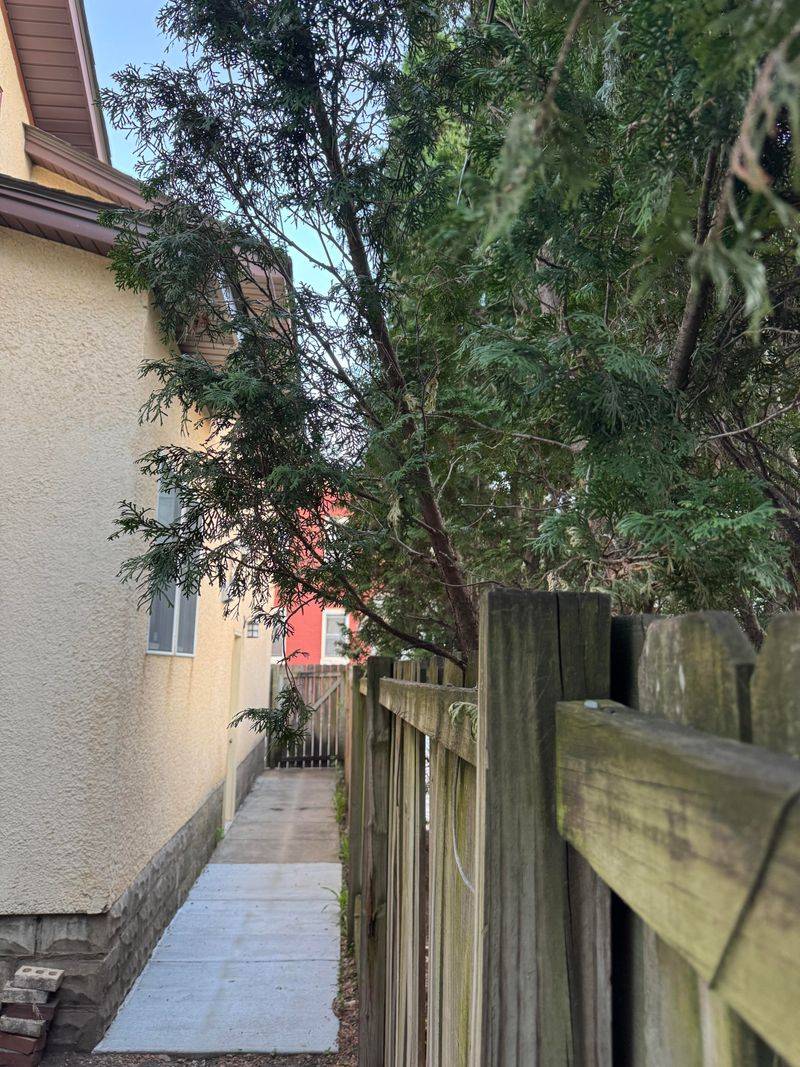
Here is where you gain some real control. New York follows a self-help rule for encroaching trees.
If branches or roots cross onto your property, you can usually trim them back to the property line.
You do not need your neighbor’s permission for that work. However, you pay for it yourself, and you must stay on your own side while doing it.
Climbing into their yard or leaning a ladder on their tree is a different story.
As a rule, I suggest a friendly heads-up anyway. A quick chat over the fence costs nothing and often prevents hurt feelings.
Sometimes the neighbor even offers to split the arborist bill.
Keep in mind that self-help only covers what crosses the line. If the trunk and canopy sit entirely on their side, this rule will not help your view much.
It works best for low limbs that shade your vegetable beds or brush your roof.
Good pruning technique still matters. Make cuts just outside the branch collar, the slightly swollen ring where a limb meets a larger branch.
Avoid flush cuts and stubs, since both slow healing. Late winter, while trees are dormant, is often a smart time for many species.
Oaks are a special case because of oak wilt, so skip pruning them from April through July.
Cutting Too Deep Into That Trunk Can Cost You Triple
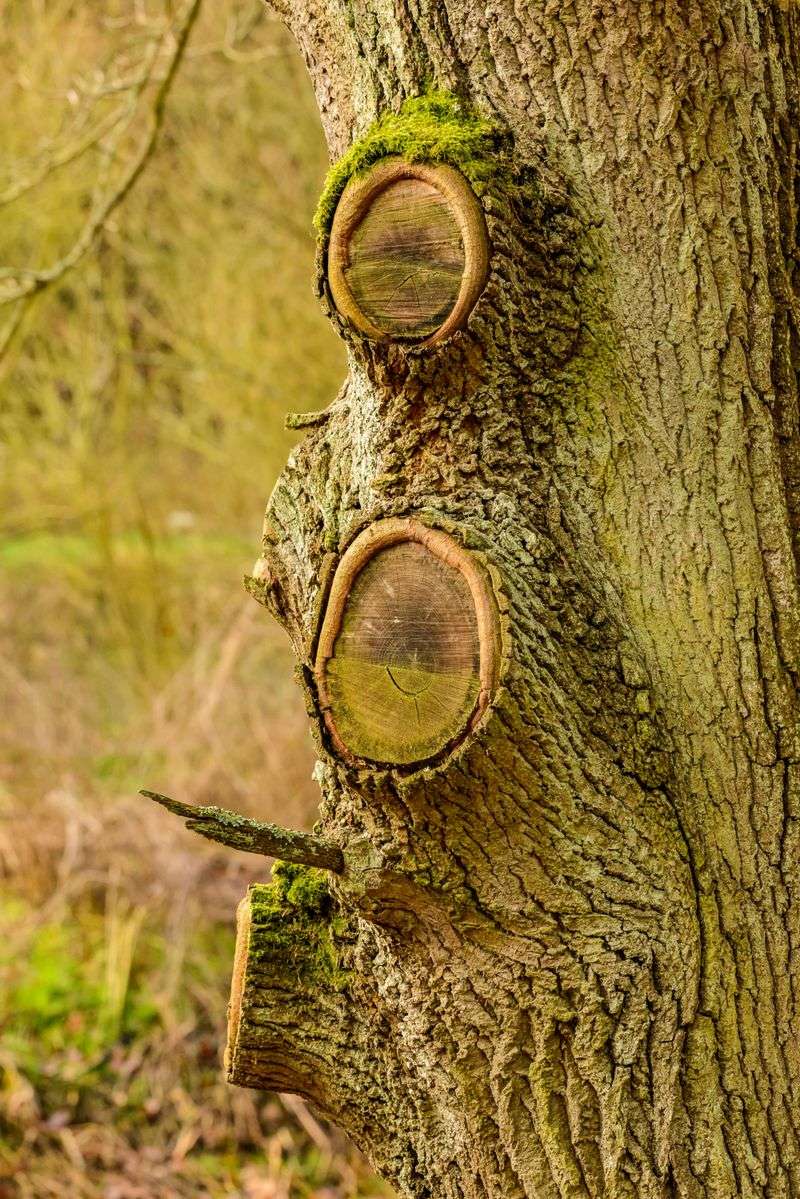
Mark my words, this is the section to remember. Trimming over your line is allowed, but harming the tree itself can land you in serious trouble.
New York’s Real Property Actions and Proceedings Law section 861 targets anyone who cuts, removes, or injures trees on another person’s land without consent. Damages can reach three times the stumpage value or 250 dollars per tree, or both.
Courts can also add the cost of restoring the land.
Even if you stay on your side, heavy cuts can go too far. Courts have looked at whether trimming harmed the tree’s health or stability.
Removing a huge share of the canopy or slicing major roots near the trunk can weaken a tree and cause it to decline.
One mistake I won’t repeat is trusting a cheap crew with a chainsaw and no plan. Hire a certified arborist who understands both tree biology and property lines.
Ask them to note how much canopy they plan to remove and whether any large roots are involved.
Also check local rules before you start. Some towns and villages require permits for work on certain trees, and street trees in New York City belong to the city’s Parks Department.
Damaging one of those can bring its own fines.
Falling Leaves and Afternoon Shade Rarely Count as a Nuisance
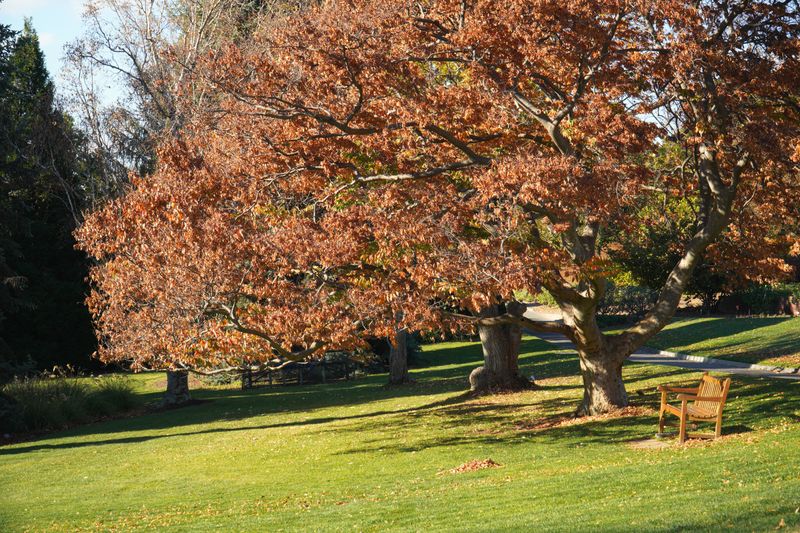
Every fall, my rake gets a workout from trees I do not even own. It feels unfair, but the law sees it differently.
Leaves, acorns, seed pods, and shade are usually treated as normal parts of living near trees.
To count as a legal nuisance, a tree generally has to cause real, sensible damage. Think of a limb denting your roof, roots cracking a foundation, or a clogged drain causing water problems.
Courts want proof of actual harm, not just extra chores.
That standard covers views, too. A blocked skyline or a shadier tomato bed is frustrating, yet it typically falls short of the damage needed for a claim.
Judges tend to view these as the give-and-take of neighborhood life.
If you suspect real damage, document it carefully. Take dated photos, keep repair estimates, and get a written opinion from an arborist or contractor.
A clear paper trail makes conversations with neighbors or insurers far easier.
Meanwhile, you can adapt your garden. Shade-tolerant natives like wild ginger, foamflower, and Christmas fern handle low light well across much of the state.
Fallen leaves also make excellent mulch once shredded, so that annoying pile can feed your soil instead of filling bags at the curb.
A Cracked or Leaning Tree Changes the Whole Conversation
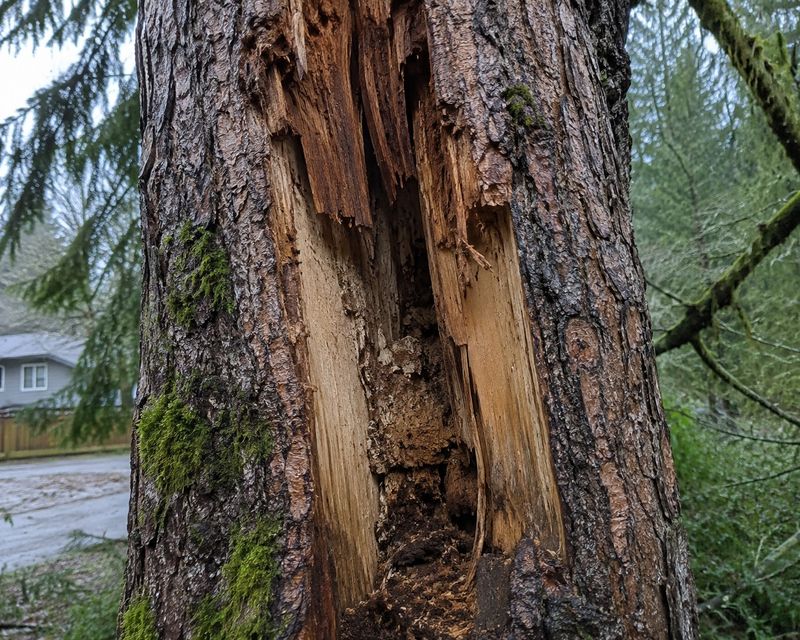
Safety shifts everything. A healthy tree blocking your view is one thing, but a hazardous tree hanging over your home is another.
In New York, an owner can be held responsible when a defective tree causes damage and they knew, or reasonably should have known, about the problem. Lawyers call this actual or constructive knowledge.
Visible warning signs make that knowledge easier to prove.
So what counts as a warning sign? Look for large cracks in the trunk, bare or brittle limbs, fungal conks growing on bark, hollow sections, or a sudden new lean.
Lifting soil near the base can also signal root trouble.
If you spot these, let me save you some trouble. Snap clear photos and send your neighbor a polite written note describing the concern.
Keep a copy, since that letter can help show they were informed.
An arborist’s risk assessment adds even more weight. Many certified arborists offer formal tree risk evaluations that rate the chance of failure.
Sharing that report often motivates action faster than any argument about views.
For trees along a street, contact your municipality. In New York City, you can report hazardous street trees to the Parks Department through 311.
Never try to remove a risky tree yourself, especially near power lines.
Check Your Deed and HOA Rules Before Blaming the Big Spruce
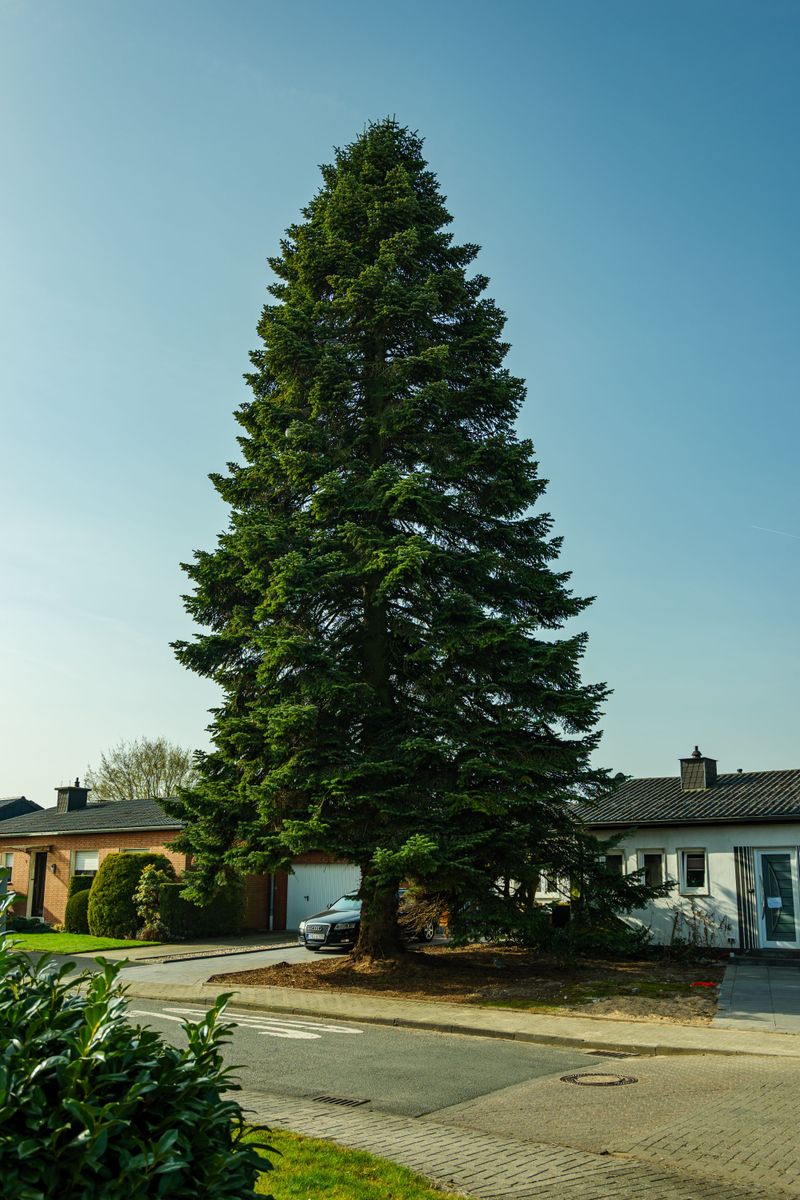
Sometimes the answer hides in a folder you have not opened since closing day. Deeds, covenants, and community rules can create view rights that the general law does not.
A restrictive covenant might cap tree or fence heights in a subdivision. An easement might protect light or a sightline across a neighboring lot.
These agreements can be enforceable when properly recorded.
Homeowners associations are another source of rules. Many HOAs regulate landscaping, approve new plantings, or require owners to maintain trees in certain ways.
If your neighbor’s spruce breaks those rules, the association may handle enforcement.
I’m still learning how often people skip this step. They argue for months, then discover a covenant that settles the matter quickly.
Your county clerk’s office can provide copies of recorded deeds and restrictions for your property and your neighbor’s.
Local codes deserve a look, too. Some villages and towns regulate hedges or vegetation near intersections because of driver sight lines.
That is about traffic safety, not your sunset, but it can still lead to trimming.
If the documents look confusing, a local real estate attorney can read them in one sitting. A short consultation usually costs far less than a drawn-out dispute and gives you a clear picture of your options.
A Friendly Chat Over the Hedge Often Works Better Than Court
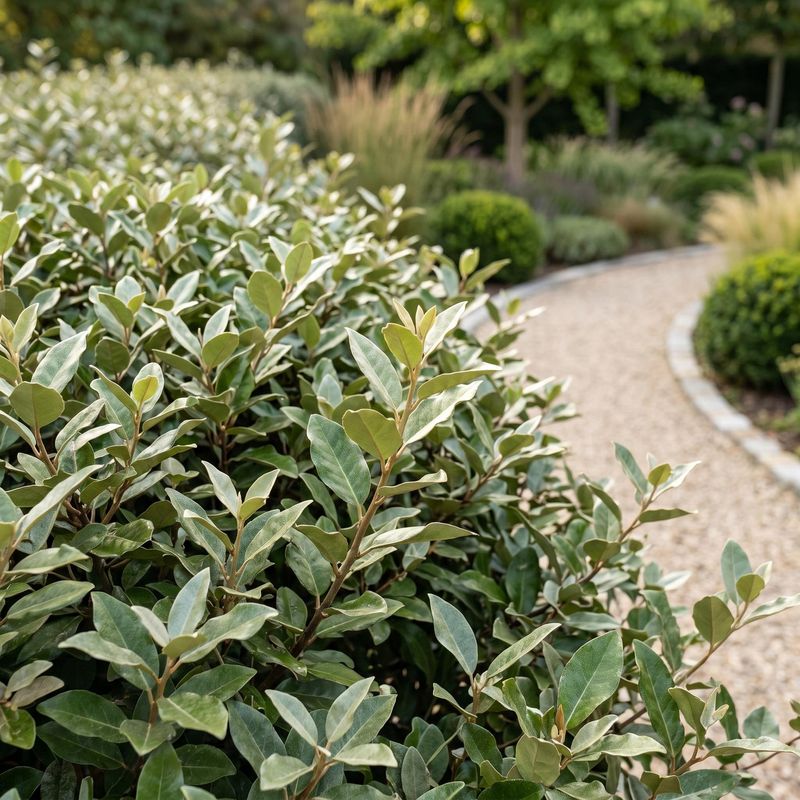
Lawsuits over trees are slow, expensive, and hard on relationships. If you ask me, a calm conversation is the most powerful tool most homeowners have.
Start by acknowledging that the tree belongs to your neighbor. People relax when they do not feel attacked.
Then explain what bothers you, whether that is lost sunlight for your garden or a view you enjoyed for years.
Offer something in return. You might split the cost of a professional thinning, which removes select branches to let light and views through without topping the tree.
Topping, by the way, harms trees and often triggers messy regrowth, so arborists discourage it.
Timing helps, too. Suggest dormant-season pruning in late winter, when many trees handle cuts well and leaves are off.
Your neighbor may like the idea of healthier structure and less storm risk.
If talks stall, community mediation can help. New York’s Community Dispute Resolution Centers Program offers mediation services in every county, often at low or no cost.
A neutral mediator keeps things civil and focused on solutions.
Now that I think about it, the best outcomes I have seen came from neighbors who treated the tree as a shared asset. A little flexibility usually goes further than a demand letter.
Smart Planting on Your Side Can Reclaim Your Garden View
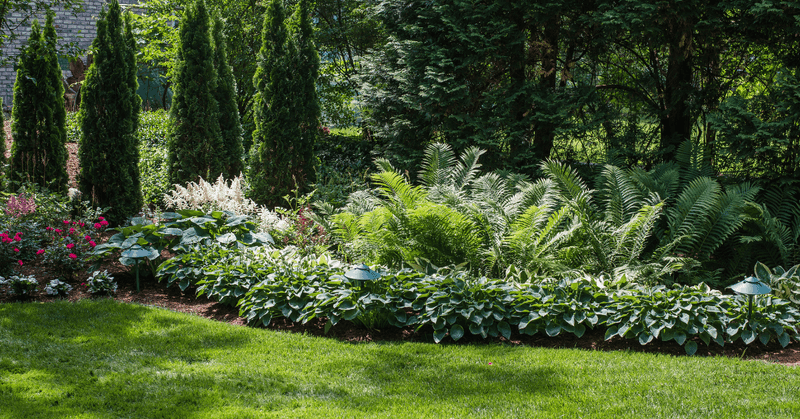
My garden taught me that I cannot control every tree around me. What I can shape is my own yard, and that changes more than you might expect.
Start by rethinking the view itself. Sometimes moving a bench or patio a few feet reveals a fresh sightline between trunks.
Framing a smaller view with low plantings can feel more intentional than a wide, open sweep.
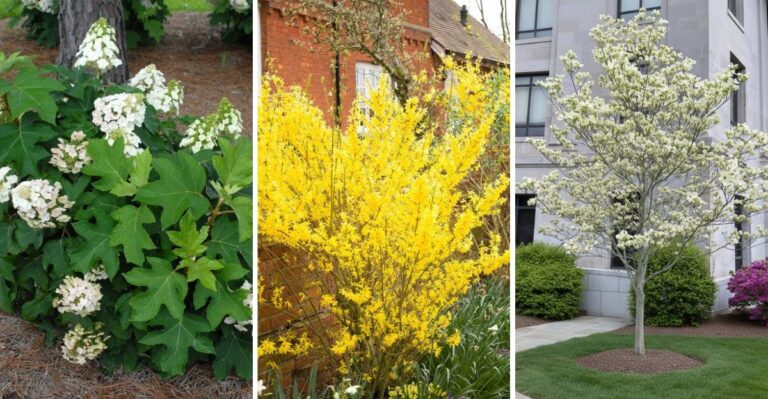
Plan for the shade you have. Native woodland plants such as wild columbine, Solomon’s seal, and serviceberry handle partial shade across much of the state.
Serviceberry also gives spring blooms and summer fruit for birds.
If you plant trees of your own, think ahead. Check the mature height and spread on the tag, and keep larger species well back from property lines and power lines.
That way you never become the neighbor everyone grumbles about.
Cornell Cooperative Extension offices across the state offer advice on native plants, tree care, and site planning. Many also run Master Gardener programs that answer questions for free.
The takeaway is simple. Your neighbor usually cannot be forced to trim a tree for a view, but you can trim encroaching branches carefully, flag real hazards, check your documents, and design a yard you love regardless.