The Pine Straw Mistakes So Many North Carolina Homeowners Make
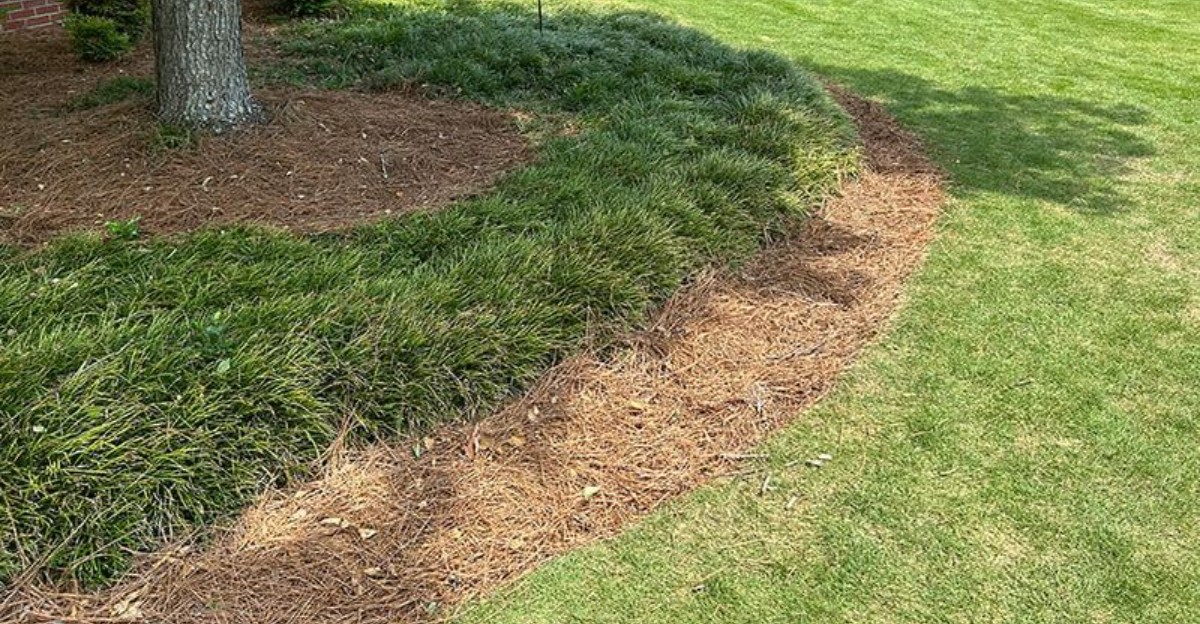
A single bale of longleaf needles can carry flames across a flower bed faster than you can find the hose. Fire crews in North Carolina have seen it happen after one tossed cigarette.
That surprised me the first time I read the reports. Those tidy reddish-brown carpets look so harmless, and they smell like a walk in the woods.
The long needles knit together, so they hold steady on slopes where chunky bark slides away. They also break down slowly and cost less than many other options.
Still, the way we spread this Southern favorite matters more than most of us realize. I’ve made a couple of these slipups myself, and my shrubs let me know about it.
1. Pine Straw Hugging Your Siding Can Spark Big Trouble
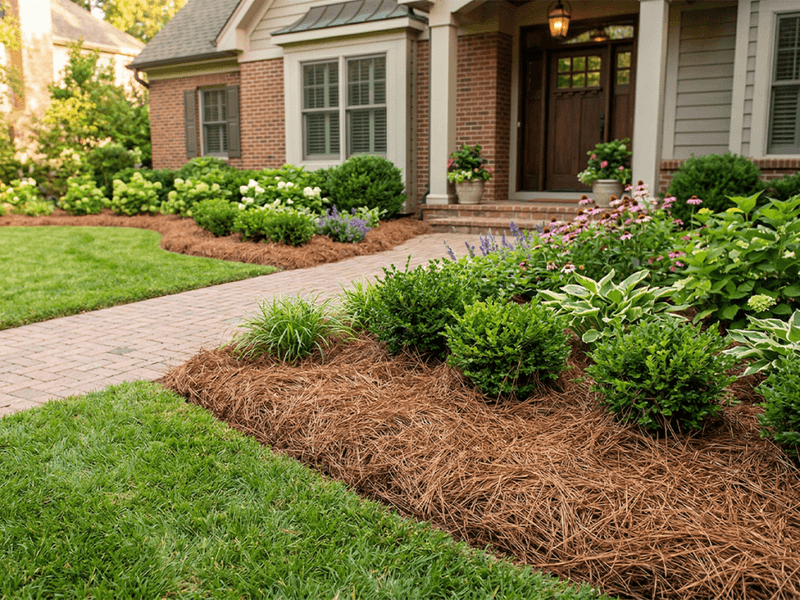
Fire officials have a nickname for dry pine straw near a house. They call it kindling, and they mean it.
Pine straw lights easily and burns hotter and faster than shredded hardwood or bark nuggets. A careless cigarette, a hot grill, or a stray spark can catch it within seconds. Once flames reach wood or vinyl siding, they can climb toward the eaves in a hurry.
Some North Carolina cities treat this as a real safety rule. Raleigh and Winston-Salem fire codes limit pine straw within 10 feet of many multi-family buildings with combustible exteriors, such as apartments and condos.
If you rent or live in a townhome community, check your local rules before spreading a single bale.
Single-family homes are usually not covered by those ordinances. Fire safety experts still suggest the same 10-foot buffer when you can manage it. Right next to the foundation, try rock, gravel, or a less flammable mulch instead.
Watch decks and wooden steps too. Straw tucked under a deck collects leaves and blows into corners where nobody notices a smoldering ember. Keep outdoor ashtrays and grills well away from mulched beds.
A quick soak with the hose during long dry stretches helps a little. It does not replace a safe gap between straw and siding, though.
2. Two To Three Inches Of Pine Needles Is Plenty
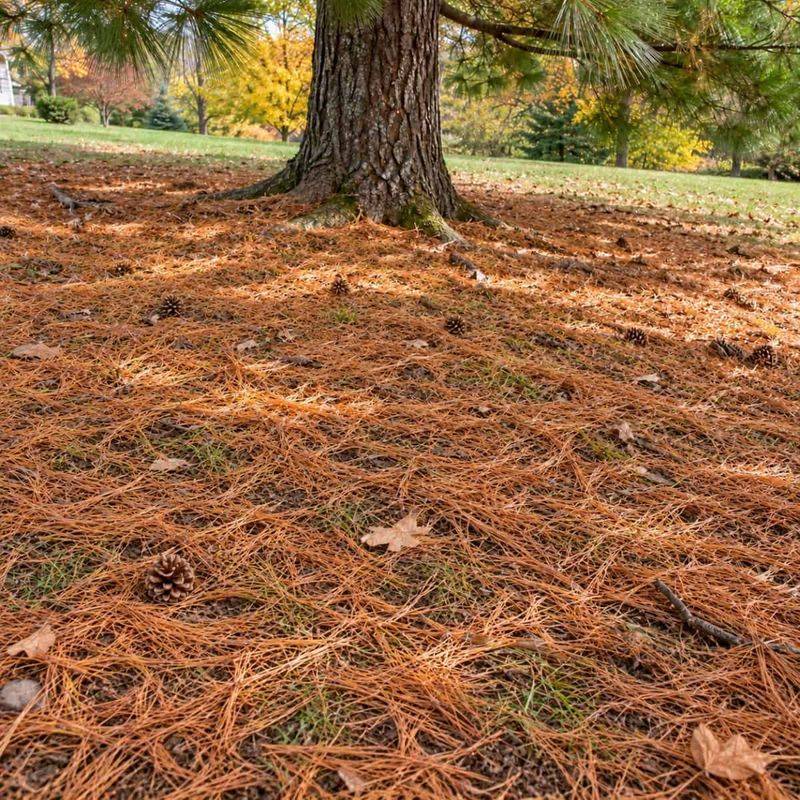
My first year with pine straw, I piled it on like a fluffy winter blanket. By August my hollies looked thirsty even after a good rain.
Depth is where many homeowners go wrong. Most landscape guides, including advice from NC State Extension, point to roughly two to three inches of settled mulch for ornamental beds.
That amount blocks sunlight from weed seeds and slows moisture loss without smothering the soil.
Spread it too thin, and weeds poke through by midsummer. Pile it too thick, and light showers soak into the straw instead of reaching roots. Deep layers can also stay damp underneath and invite fungus problems.
Fresh straw fluffs up more than you’d expect. It usually settles noticeably after the first couple of rains, so a layer that looks around four inches on day one often ends up close to the right depth.
A simple test works well. Push your finger down through the straw after it settles. You should touch soil before your second knuckle.
One bale typically covers about 50 square feet at a good depth, though bale sizes vary between longleaf and shortleaf straw. Measure your beds before shopping so you skip both the extra trip and the leftover pile slowly fading in the garage.
3. Mulch Volcanoes Around Tree Trunks Do Real Harm
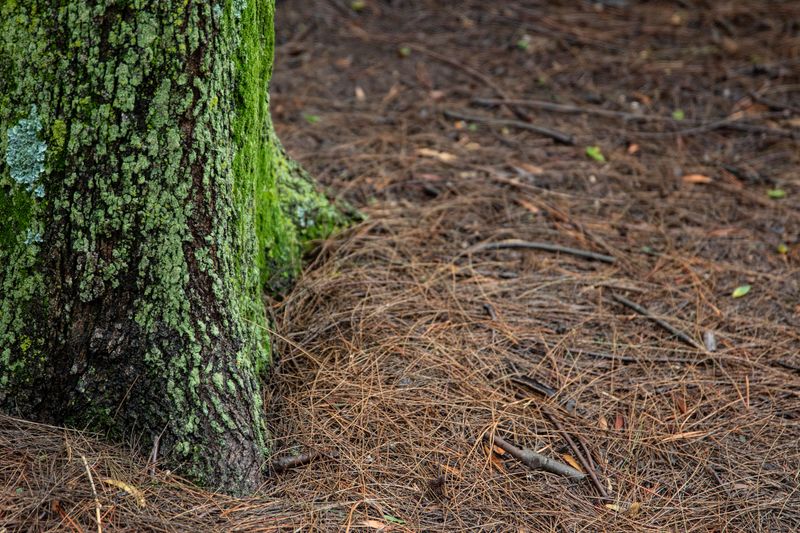
Drive through almost any neighborhood in spring and you’ll spot them. Tall cones of mulch are heaped against tree trunks like little brown mountains.
Arborists call these mulch volcanoes, and they cause slow trouble. Bark is built to stay dry. When straw sits against it for months, the bark stays damp and soft, which opens the door to rot, fungal disease, and hungry insects.
Voles and other critters also love hiding in deep mulch beside a trunk. They can chew bark through winter without anyone seeing them. Over time, some trees even grow roots up into the pile, and those roots can wrap around the trunk and choke it.
The fix is easy and costs nothing. Pull the straw back so you leave a few inches of bare ground around shrub stems and several inches around tree trunks. Think of it as a donut, not a cone.
You should be able to see where the trunk flares out at the base. If that flare is buried, gently clear it with your hands.
Spread the mulch wide instead of tall. A broad ring reaching toward the drip line helps roots far more than a towering heap ever could.
4. Those Pine Needles Won’t Sour Your Soil Much
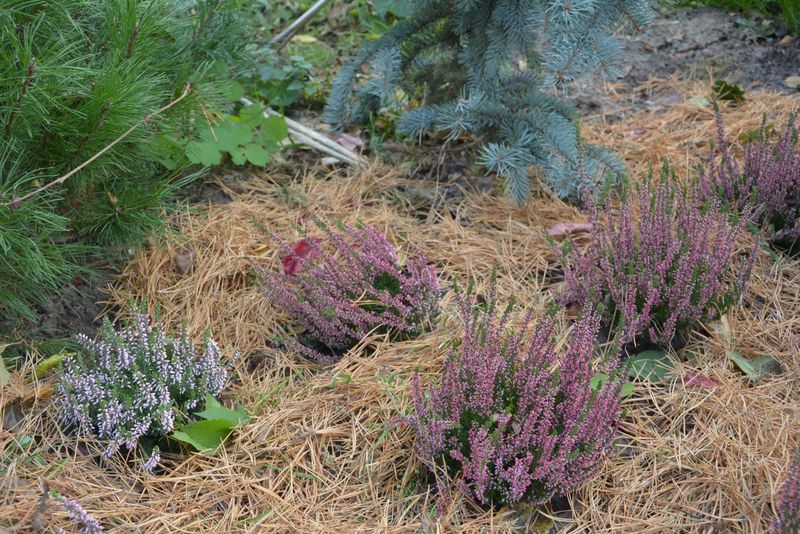
Garden club chatter has kept this myth going for decades. Plenty of people still believe pine straw turns soil sour.
Research tells a calmer story. Fresh green needles do have some acidity, but the dry, fallen needles sold in bales change soil pH very little.
Studies at several universities found surface pine mulch makes only a small difference, especially compared with fertilizer and natural soil chemistry.
So the mistake goes two ways. Some folks avoid pine straw around vegetables, roses, or lawns for no good reason. Others spread it under blueberries and expect it to fix a pH problem by itself.
Neither approach works well. Your soil type does most of the deciding, and many North Carolina soils lean acidic already, especially in the Piedmont clay and Coastal Plain sands.
If you want real answers, get a soil test. The NC Department of Agriculture offers soil testing, and it is free for state residents for much of the year, with a small fee during the busy winter season.
Your report will tell you whether lime or sulfur makes sense. Trust that report over garden folklore. Your azaleas and your tomatoes will both thank you for the accurate information.
5. Spreading Fresh Straw Over Weeds Rarely Works
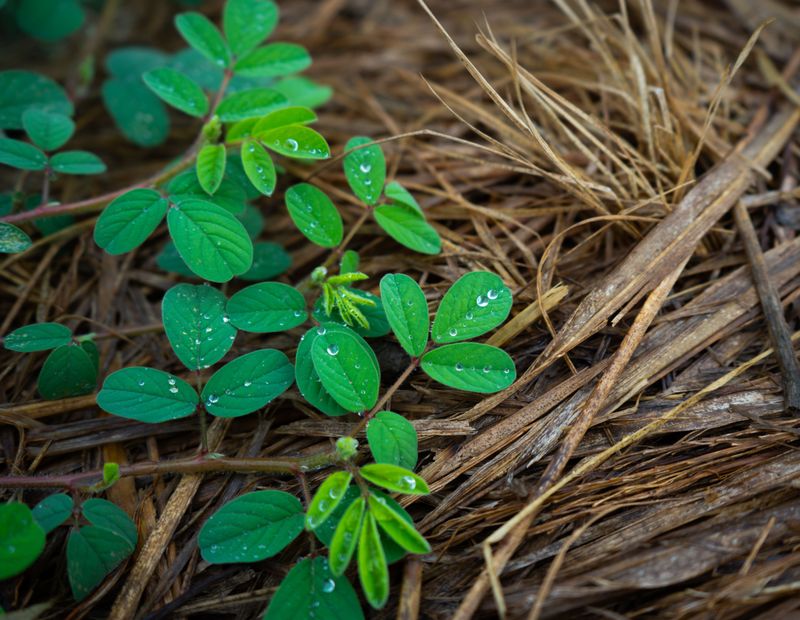
Here’s a confession. I once spread fresh straw right over a patch of chickweed, feeling clever. Two weeks later it was waving at me through the needles.
Mulch is great at stopping new weed seeds from sprouting because it blocks the light they need. It does a poor job against weeds already growing.
Established roots simply push up through the layer, and tough ones like nutsedge, Bermuda grass, and Florida betony barely notice.
Before any new bale goes down, clear the bed. Pull weeds by hand after a rain, when roots slip out more easily. Dig out runners and bulbs so they don’t sneak back.
Spring weeding pays off most. Many summer weeds germinate as soil warms, so a clean bed covered with fresh straw gets ahead of them.
Some gardeners add a pre-emergent weed preventer before mulching. If you go that route, read the label carefully, since some products harm flower seeds and certain plants.
Skip landscape fabric under pine straw in most beds. Weeds often root into the straw on top of the fabric anyway, and the fabric becomes a ragged mess to remove later. Clean soil plus a good layer of needles usually does the job.
6. Spring And Fall Are Prime Times To Refresh Pine Straw Beds

Ask a landscaper in Charlotte or Raleigh when the pine straw trucks get busiest. You’ll hear two answers, early spring and fall.
Timing matters because pine straw fades from rich reddish brown to dull gray in a few months. It also breaks down and thins out. Many homeowners spread it once, forget about it, and then wonder why weeds and bare spots appear.
Spring touch-ups, around March or April, help hold moisture before summer heat arrives. They also beat many summer weeds to the punch.
Fall refreshes, usually October or November, protect roots from cold snaps and wild winter temperature swings. That matters more in the mountains, where winters run colder, than along the milder coast.
Another common slip is raking out every old needle before adding new ones. Partly broken-down straw is feeding your soil with organic matter. Leave it in place and simply top it off with a light layer to restore depth and color.
Watch your timing around bulbs and perennials coming up in spring. A heavy dump of straw on emerging shoots can bend or bury them. Spread gently around new growth rather than right on top of it, and fluff any clumps with your fingers.
7. Sloppy Bed Edges Let Pine Straw Wander Off
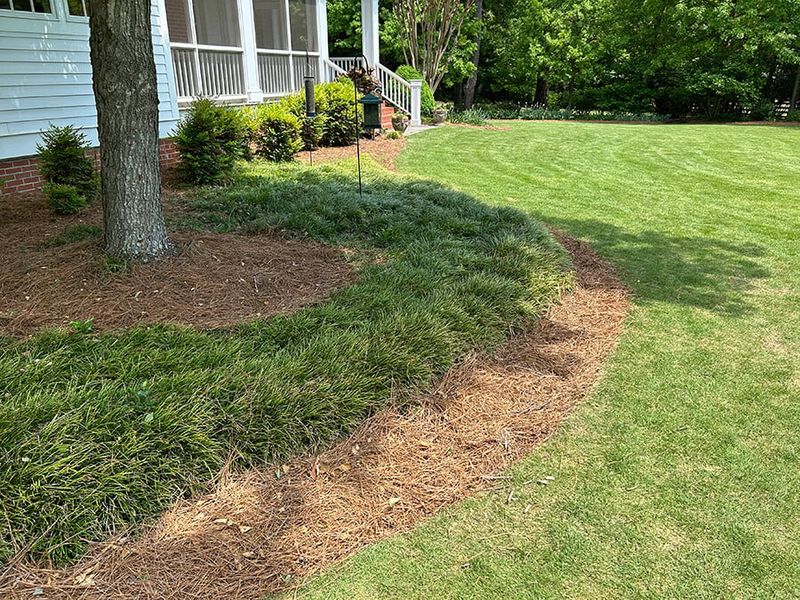
Picture-perfect beds in magazine photos share one sneaky secret. Look closely, and you’ll see a clean, crisp edge.
Without a defined border, pine straw drifts into lawns, sidewalks, and driveways. Mowers chop it up and scatter it. Summer thunderstorms wash loose needles into storm drains, which means extra raking for you and more debris in local streams.
A simple spade-cut edge solves much of this. Slice straight down about three or four inches along the bed line, then angle the soil back toward the bed. The little trench gives straw a place to stop.
Many pros also tuck the outer edge of the straw down into that trench. This trick makes the border look tidy and helps hold needles in place on windy days.
Hillsides are where pine straw shines, since the interlocking needles grip slopes better than chunky bark. Still, very steep spots may need a stone border or a few landscape staples to keep things steady during heavy rain.
Recut edges a couple of times a year, usually when you refresh the straw. Grass creeps back quickly in warm months, especially Bermuda grass, so a few minutes of edging now saves an hour of cleanup later.
8. Picking The Right Pine Straw Bale Makes A Difference
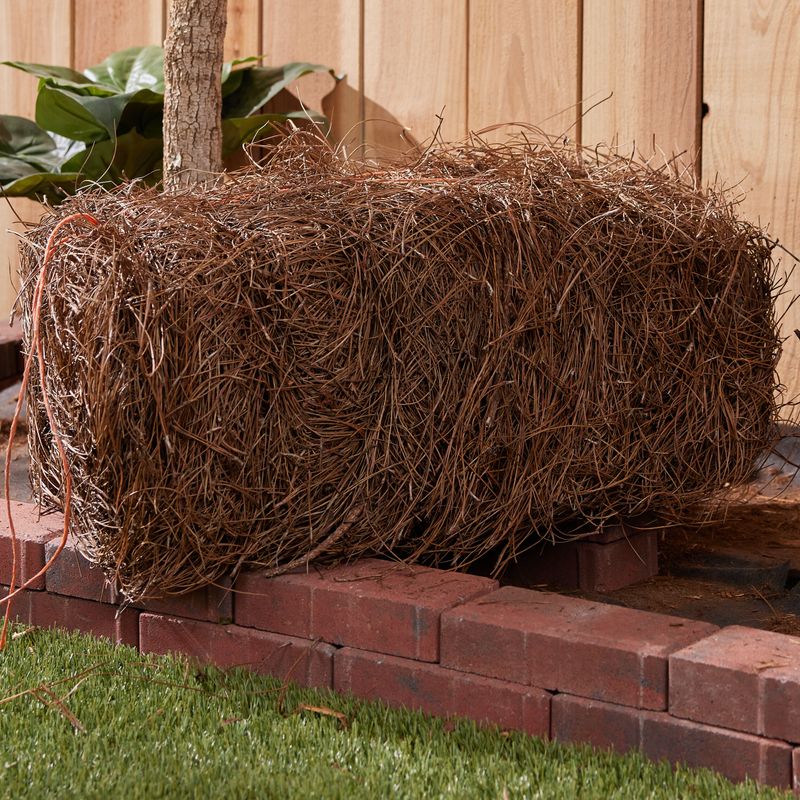
Not all bales are created equal, and I learned that standing in a garden center parking lot comparing two piles.
Longleaf pine straw has needles that can reach 8 to 18 inches. They lock together into a thick mat, hold color longer, and usually cost a bit more. Shortleaf and loblolly straw is shorter, often cheaper, and breaks down faster.
Both work, but they behave differently. Many homeowners grab the cheapest bale without looking inside. Some bales carry pine cones, sticks, trash, or weed seeds. Check for clean, uniform needles with a pleasant woodsy smell, not a musty one.
Fun fact for history fans. Longleaf pine forests once covered tens of millions of acres across the Southeast, and the longleaf pine is the official state tree of North Carolina.
Raking straw is now a modest income source for some landowners in the Sandhills and Coastal Plain.
Store extra bales off the ground in a dry, ventilated spot away from your house. Damp bales can mold, and a big dry stack near the garage adds fire risk.
Buy what you need for one season. Your beds stay fresh, your storage stays clear, and your wallet feels better too.