What Michigan Law Says About Clearing a Neighbor’s Vines Growing Over Your Fence
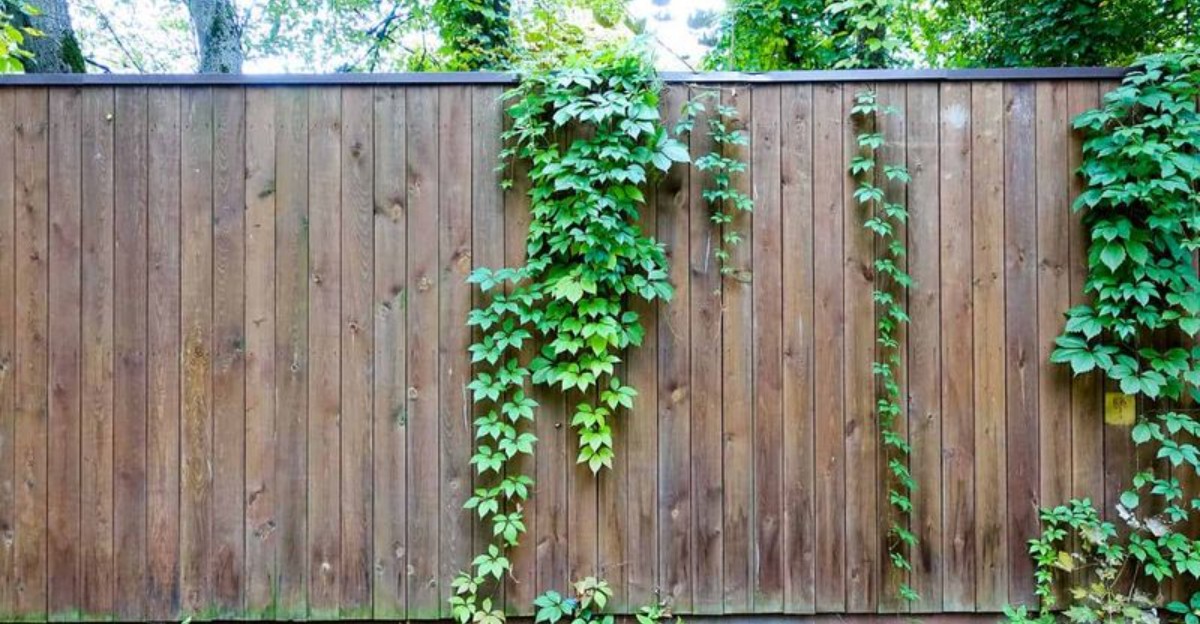
Michigan law lets you cut a neighbor’s overhanging plant right at the property line, yet a cut that harms the plant itself can cost you three times the actual damages. That twist caught me completely off guard the first time I read it.
I used to think anything draping over my fence was mine to rip down. Not going to lie, I had the pruners in hand before I learned otherwise.
The rules here come from old court decisions plus a state statute with real teeth. Your rights stop at an invisible line running straight up from the boundary, and your neighbor’s rights start right there too.
I get it, though. Nobody wants leafy runners prying at fence boards, clogging gutters, or shading the tomatoes you babied all spring. Just how far can your shears go before a tidy trim turns into a legal headache?
That Vine Spilling Over Your Fence Is Yours To Trim, With a Catch

Plenty of homeowners assume a creeping vine on their side is fair game for total removal. The truth sits somewhere in the middle, and it works in your favor more than you might expect.
Michigan follows a long-standing legal idea often called the self-help rule. You may trim branches, vines, and roots that cross onto your property, as long as you stop at the boundary line. You do not need your neighbor’s permission to do this, and you do not need to send a formal letter first.
The catch is simple but serious. Your right covers only the parts on your side, and the plant itself still belongs to your neighbor. You are allowed to manage the trespassing growth, not to take out the whole thing.
Think of it like trimming hair that drifted onto your pillow, not giving the other person a haircut. That mental picture helps me slow down before I start snipping.
Courts have generally treated this as a fair balance between neighbors. One person keeps the plant, and the other keeps a usable fence and yard. If you respect that balance, the law mostly lets you reclaim your space without drama.
Stand On Your Own Grass When You Grab the Pruning Shears

Where your feet are planted matters just as much as where your blades land. All trimming must happen from your own property, full stop.
Leaning over the fence into your neighbor’s yard, stepping onto their lawn, or setting a ladder on their side can count as trespassing. Even a quick reach across to grab a stubborn tendril crosses that invisible wall. If you need access to their side, ask first and get a clear yes.
Here is a practical routine I like. Find your property line before you begin, using your survey, plat map, or the stakes from your closing paperwork. Fences are not reliable markers, because many sit a few inches or even feet off the true boundary.
Once you know the line, cut cleanly just inside it on your side. Bypass pruners work well for thin vine stems, and loppers handle thicker woody runners like grape or wisteria.
Toss the clippings in your own yard waste or compost. Some folks pitch trimmings back over the fence, and that habit tends to sour relationships fast. A tidy cleanup shows you respected both the plant and the person who owns it.
Over-Pruning a Neighbor’s Climbing Vine Can Cost You in Court

Fair warning, this section is the one that keeps lawyers busy. Trimming to the line is allowed, but harming the whole plant is a different story.
Michigan has a specific statute, MCL 600.2919, that covers people who cut down or injure trees or timber on someone else’s land without permission. A court can award the owner three times the actual damages when the cutting was intentional and unauthorized. Heavy-handed cutting that causes a vine or shrub to decline badly could land you in that zone.
Vines are often tougher than trees, so a sensible trim rarely causes lasting harm. Problems start when someone cuts at the base, pours herbicide along the fence, or yanks roots so hard the plant collapses on the owner’s side.
Skip the weed killer near the boundary, since chemicals travel through roots and soil. Stick to hand cutting the growth on your side only.
Hiring a landscaper does not shift the responsibility away from you. Give clear instructions to stay on your property and leave the main stems alone. A quick photo of the vine before and after can help if anyone questions your work later.
Where the Vine’s Main Stem Is Rooted Decides Who Owns It

Ownership comes down to one spot in the dirt. Follow the vine back to its main stem, and wherever that stem leaves the ground tells you whose plant it is.
If the base grows on your neighbor’s side, the vine belongs to them, even if ninety percent of the leaves cover your fence. If it roots on your side, congratulations, you own it and can manage it however you like.
Things get trickier when the stem sits right on the boundary. Courts in many states, including Michigan, generally treat boundary plants as shared property. That means neither neighbor should remove it without the other agreeing.
Vines make this puzzle fun, because they wander. Plants like Virginia creeper, trumpet vine, and wild grape can send up new shoots from runners, so a sprout on your side may technically be its own plant now.
When in doubt, dig gently near the base and trace it. Snapping a few photos of where it emerges is smart too. Clear evidence about the root location heads off arguments before they even get started.
A Friendly Chat Over the Fence Beats a Lawsuit Every Time
Funny thing is, most vine fights start because nobody said a word. Your neighbor may not even realize their trumpet vine has swallowed your side of the fence.
Before cutting anything big, knock on the door or catch them while they are out gardening. Keep it light and specific, like mentioning the vine is lifting fence boards or blocking your gate latch. People respond much better to a real problem than a vague complaint.
You might be surprised what comes out of that conversation. Some neighbors offer to trim it themselves, and others gladly let you step onto their side to do a cleaner job. A few even split the cost of a pro for larger tangles.
If the plant has a sentimental story, like a grape vine Grandma planted, you can work out a gentler plan together. Maybe a trellis on their side, or a yearly trim schedule both of you agree on.
Write down anything you agree to, even in a casual text. It keeps memories honest down the road. A short talk now saves months of awkward waves and silent stewing later.
Your Township’s Weed and Vegetation Rules Might Change the Picture

State law sets the baseline, but your city or township can stack its own rules on top. Many Michigan communities have property maintenance or noxious weed ordinances.
These local codes often limit how tall vegetation can grow, require owners to keep sidewalks and alleys clear, or address overgrown lots. If your neighbor’s vine is spilling onto a public walkway or alley, the local code enforcement office may be able to step in.
Some communities also regulate fence height, materials, and what can be attached to them. A vine anchored to a shared fence might fall under those rules in certain neighborhoods.
Homeowners associations add one more layer. HOA covenants frequently spell out landscaping standards and dispute procedures, so check your bylaws before acting.
Calling your local clerk or code office takes ten minutes and can save real headaches. Ask whether any vegetation ordinances apply and how complaints are handled.
Invasive vines deserve a special note. Plants like oriental bittersweet and black swallow-wort are tracked as invasive in Michigan, and local groups called CISMAs offer free advice on managing them. Still, stick to your side unless your neighbor gives the green light.
When Vines Pull Down Your Fence, Call in the Pros
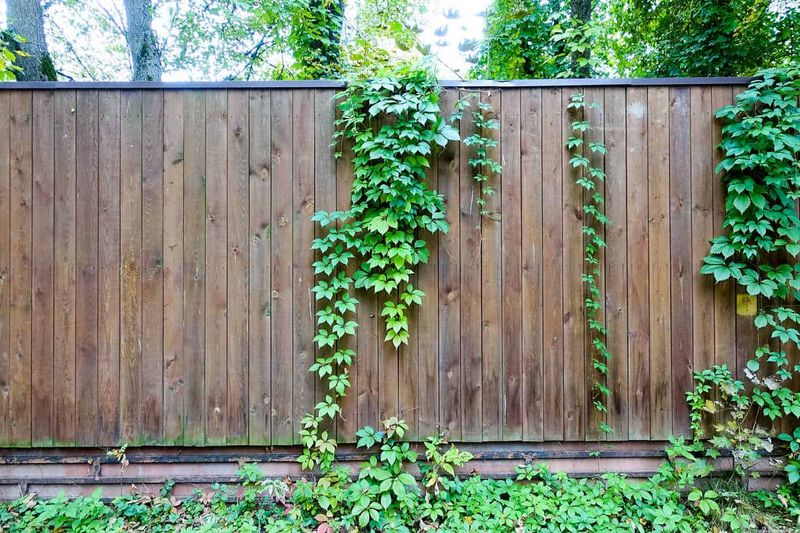
Sometimes a vine stops being a nuisance and starts being a real hazard. Heavy woody climbers like wisteria and wild grape can lean fences, crack posts, and pull down gutters.
Under general Michigan principles, ordinary overgrowth usually is not enough to make your neighbor pay for damage. Liability tends to come into play when the owner knew, or should have known, the plant was unsafe and did nothing. That is why documentation matters so much.
Start a simple record. Take dated photos of the damage, save texts or notes from conversations, and keep receipts for any repairs. A polite written letter describing the problem creates a clear paper trail.
Small claims court in Michigan handles disputes up to a set dollar limit, and it is designed for people without lawyers. For bigger damage or tricky ownership questions, a local real estate attorney can explain your options.
One last tip I swear by is a yearly fence check each spring. Trim your side early, before the vines gain momentum. A little steady attention keeps your fence standing, your neighbor happy, and your weekends free for actual gardening.