Copperheads Are Picking Winter Dens Close To Maryland Homes
A venomous snake can spend the whole winter tucked under your porch steps, and you might never know it was there.
I’ll be honest, that fact made me look at my deck a little differently. These snakes often return to the same winter hideout year after year. Some even share it with black rat snakes or other neighbors in scales.
Here in Maryland, cooler fall nights send them hunting for a spot that stays above freezing all winter. Natural rock crevices and old stumps still work. Yet a sunny foundation, a cozy crawl space, or a shed on a concrete pad can feel like a five-star resort.
You’d think a snake would avoid people, and mostly they do. They simply care more about warmth than about who lives upstairs. So what exactly is your yard offering them this winter?
That Sunny Porch Step Might Be A Copperhead Hideaway
Warmth is the whole game for a cold-blooded snake heading into winter. Copperheads need a den that sits below the frost line and stays above freezing for months. Scientists call these shelters hibernacula.
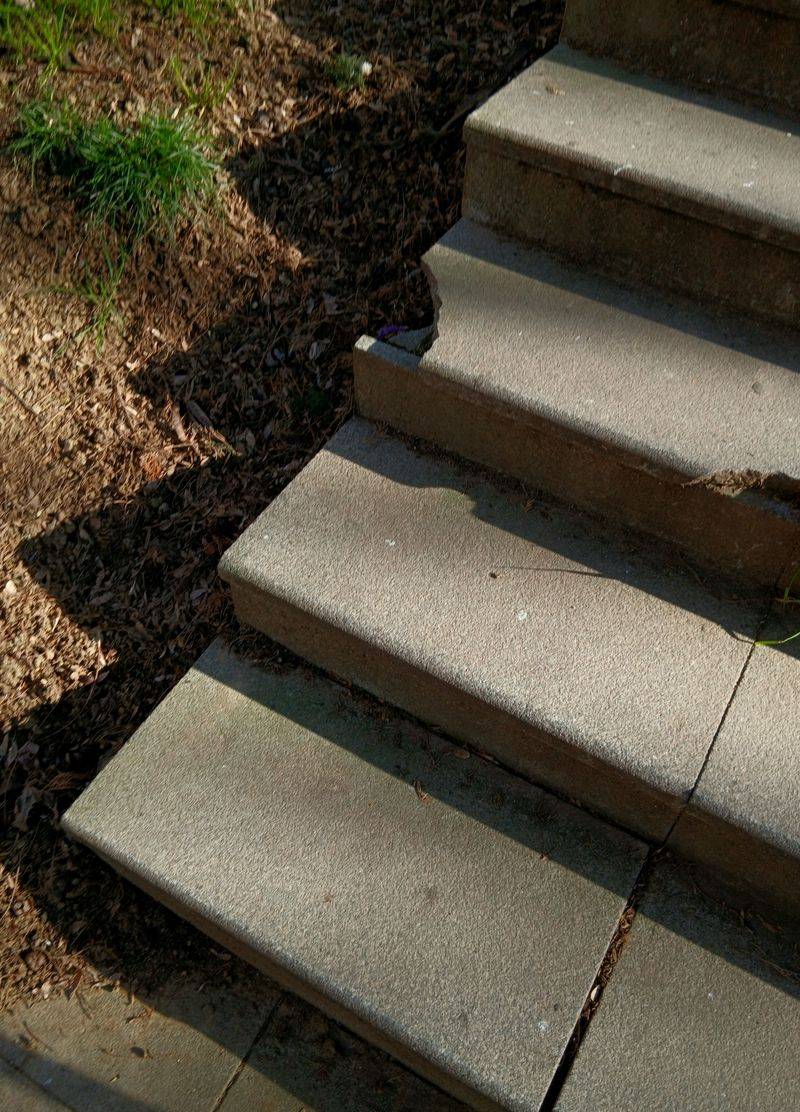
A south or west-facing spot is a big bonus because it soaks up winter sunlight. That is why the sunny side of a house can be so appealing. Porch foundations, stoops, and stone steps hold heat long after the afternoon sun fades.
Many people are surprised to learn that homes sometimes beat nature at this job. In neighborhoods where woods and rock outcrops have been cleared, a well-built foundation may be the best den in sight. Crawl spaces under heated rooms can stay especially steady in temperature.
None of this means a snake is plotting to move into your kitchen. It simply means your property may check the same boxes a rocky hillside once did. Copperheads are practical, not sneaky.
Once you understand what they want, you can spot problem areas fast. Walk around your house and look for warm, protected gaps near the ground. Those places deserve your attention before the coldest weather settles in.
Cool Fall Nights Send Copperheads Looking For Shelter
Timing tells much of the story here. When temperatures regularly slip below about 60 degrees in fall, copperheads start moving toward winter quarters. In much of Maryland, that shift usually happens in October.
Their quiet season, called brumation, usually runs from November through April. Brumation is not deep sleep like a bear’s. The snakes slow down, barely eat, and stay tucked away.
Here is a twist many folks miss. On a warm, sunny winter day, a copperhead may slide out to bask and get a drink. So spotting one in January is unusual but not impossible.
Fall is also when you are more likely to notice them near houses. They travel from summer feeding grounds toward reliable dens, and that path can cross lawns, patios, and driveways. Late afternoon and evening are common times to see them moving.
Spring brings a second round of activity as they leave the den. Mark both seasons on your mental calendar. A little extra watchfulness in October and April goes a long way toward avoiding surprise meetings on the garden path.
Crawl Spaces, Decks, And Shed Pads Make Cozy Snake Dens
Guilty as charged, my old deck had a gap underneath big enough to store half my garden tools. It also offered the dark, sheltered nook snakes love. Lots of backyard structures do the same thing without anyone noticing.
Crawl spaces top the list. Heat drifting down from the living space keeps them fairly stable all winter. Gaps around vents, pipes, and loose foundation blocks give easy access.
Decks and porches built close to the ground create shady, protected pockets. Leaves blow in, mice move in, and the space starts looking like prime real estate. Sheds sitting on concrete pads can add trapped warmth along the edges.
Copperheads can squeeze through surprisingly small openings. Even a narrow crack may be enough when warmer air is drifting out. That is why sealing matters more than you might expect.
Grab a flashlight on a mild day and inspect these spots carefully from a safe distance. Look for gaps along skirting, torn vent screens, and loose lattice. Hardware cloth and sturdy weatherstripping can close many entry points.
Work on these repairs in early fall or late spring, not midwinter. That way you avoid trapping a snake inside.
Woodpiles And Rock Piles Roll Out The Welcome Mat
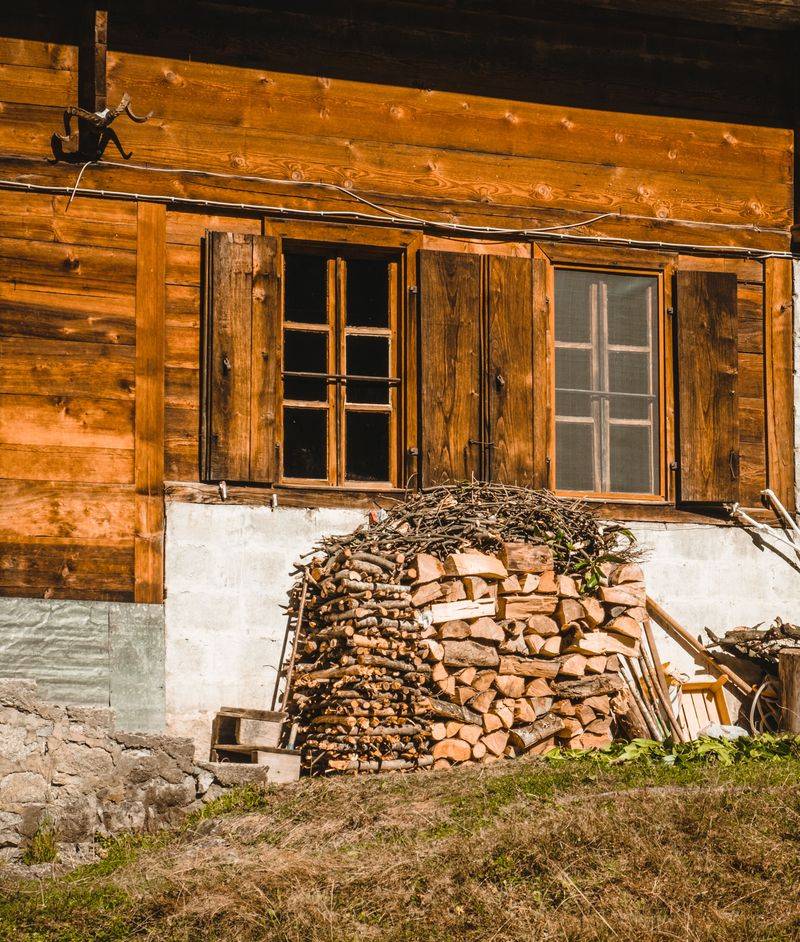
Firewood stacked against the house feels convenient on a frosty evening. Unfortunately, it also looks like a fancy apartment building to a snake. Every gap between logs offers cover, shade, and possible winter shelter.
Rock piles work the same way. They mimic the rocky slopes and crevices copperheads use in the wild. Loose stone edging, old brick stacks, and forgotten landscape blocks all count.
Leaf piles and compost heaps add another layer of hiding space. Overgrown corners with tall grass and tangled brush let snakes move around unseen. Clutter, plain and simple, invites company.
Moving firewood away from the house is one of the easiest fixes. Store it at least 20 feet from your walls if you can. Raising it on a rack about a foot off the ground helps even more.
Clear old rock and lumber piles you no longer need. Keep grass trimmed near the foundation and walkways. Tidy borders make it much easier to see what is crawling around.
When you do move piles, wear thick gloves and boots. Use a tool to lift items instead of reaching in with bare hands. That simple habit prevents most accidental bites.
Spilled Birdseed Feeds The Mice That Copperheads Hunt
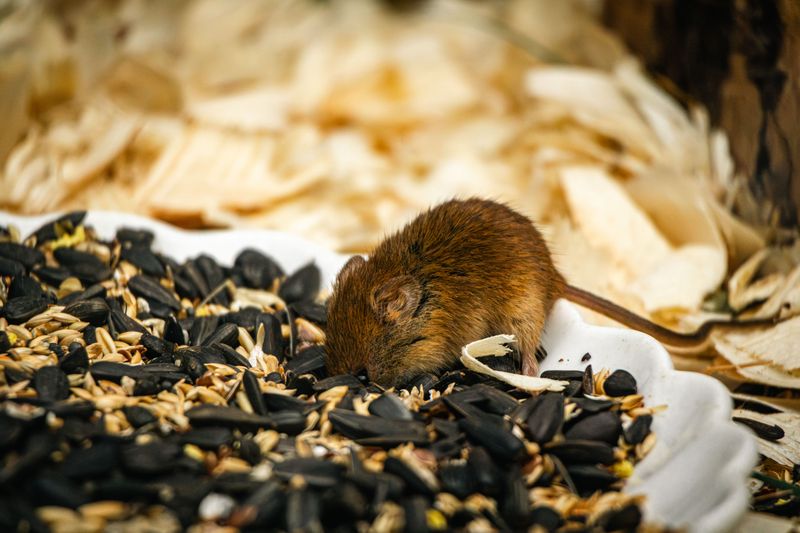
Follow the food, and you will usually find the snake. Mice are a main menu item for copperheads. Wherever rodents gather, hungry snakes often follow.
Bird feeders are a classic culprit. Seed spills onto the ground, mice feast at night, and suddenly your patio has a busy little food chain. Pet food left outside creates the same buffet.
I adore my feeder birds, so I am not suggesting you take every feeder down. Instead, use seed trays to catch spills. Sweep up fallen seed regularly, especially in fall.
Store birdseed, chicken feed, and pet food in metal cans with tight lids. Bring pet bowls inside at night. Keep garbage cans sealed and compost bins covered.
Fewer rodents mean fewer reasons for a snake to linger near your doors. Even if a copperhead dens nearby, it will be less likely to hunt right beside your steps. That is a real win for peace of mind.
As a bonus, controlling mice protects your shed, garage, and garden too. Rodents chew wiring, nibble bulbs, and nest in stored cushions. Fixing one problem helps solve several others at once.
Spotting A Copperhead Versus A Harmless Lookalike
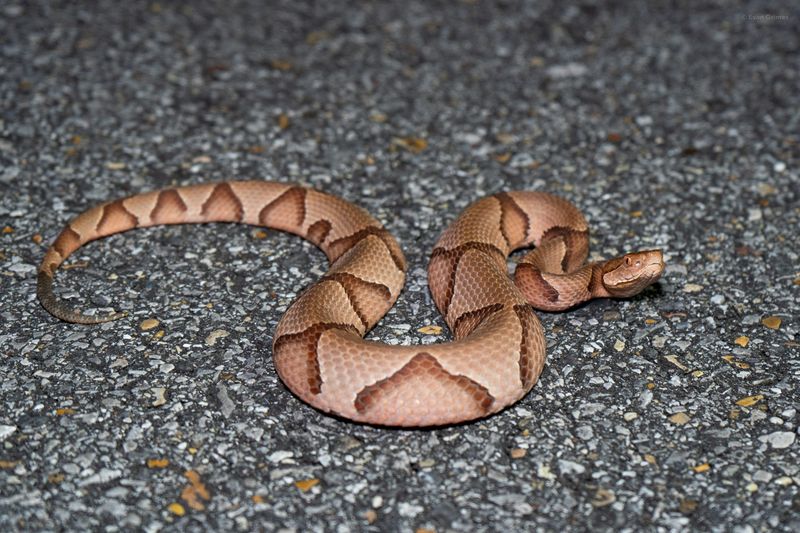
Plenty of harmless snakes get mistaken for copperheads every year. The eastern milksnake and young black rat snakes are frequent victims of this mix-up. A quick ID check can calm a lot of nerves.
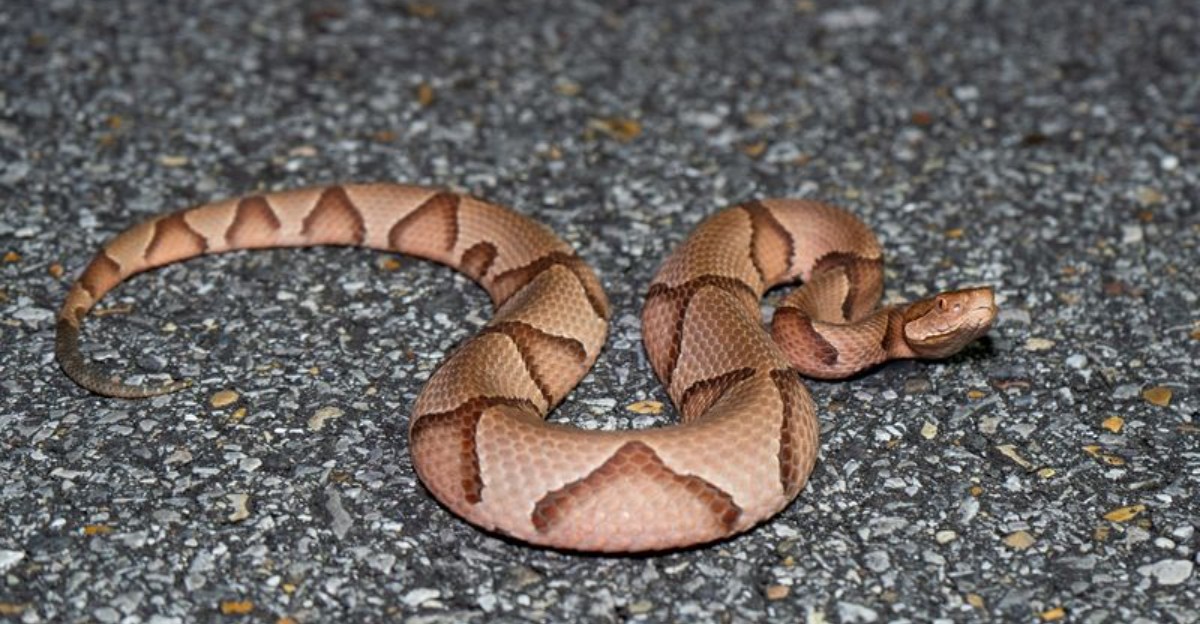
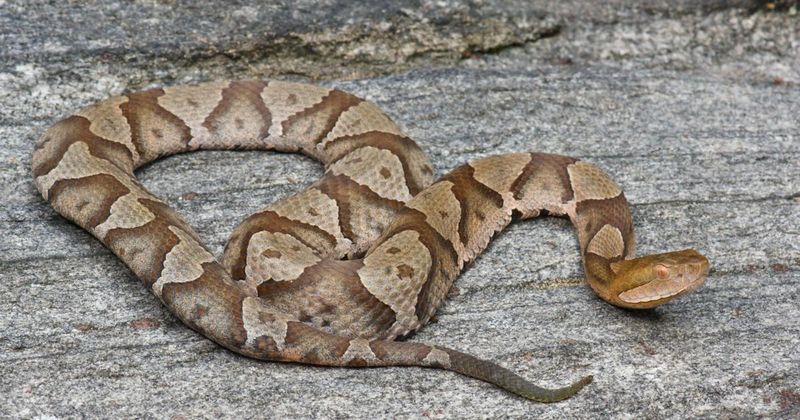
Copperheads have a coppery or tan body with dark crossbands. Those bands are wide on the sides and narrow on the back, forming an hourglass shape from above. Their heads are broad and plain, with no pattern on top.
Young copperheads have a bright yellow or greenish tail tip. They wiggle it to lure frogs and lizards. Fun fact, it works a bit like a fishing lure.
Milksnakes, by contrast, have blotches that look like saddles, often reddish with dark borders. Young rat snakes show gray blotches on a pale body. Neither has the classic hourglass pattern.
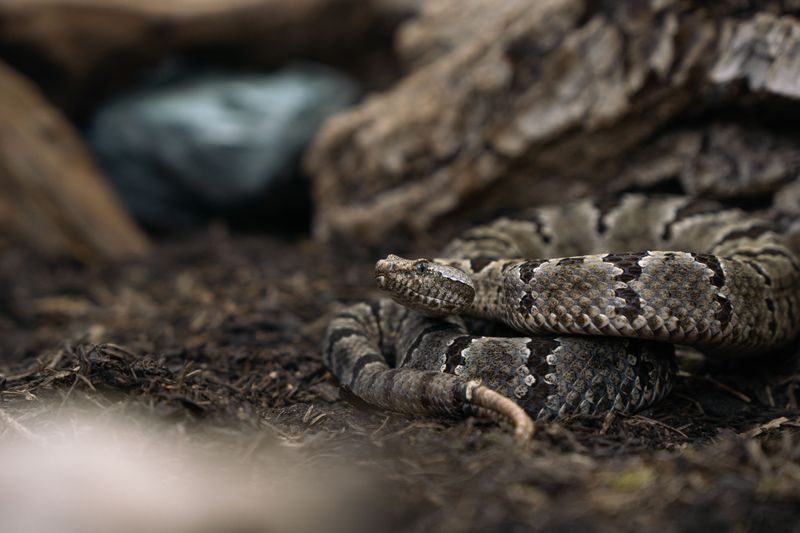
Copperheads are one of only two venomous snakes in Maryland, along with the timber rattlesnake. They live across most of the state and are most common in the western mountains.
Snap a photo from a safe distance and compare it with state wildlife guides. Never get close just to check.
Give That Coiled Copperhead Plenty Of Room
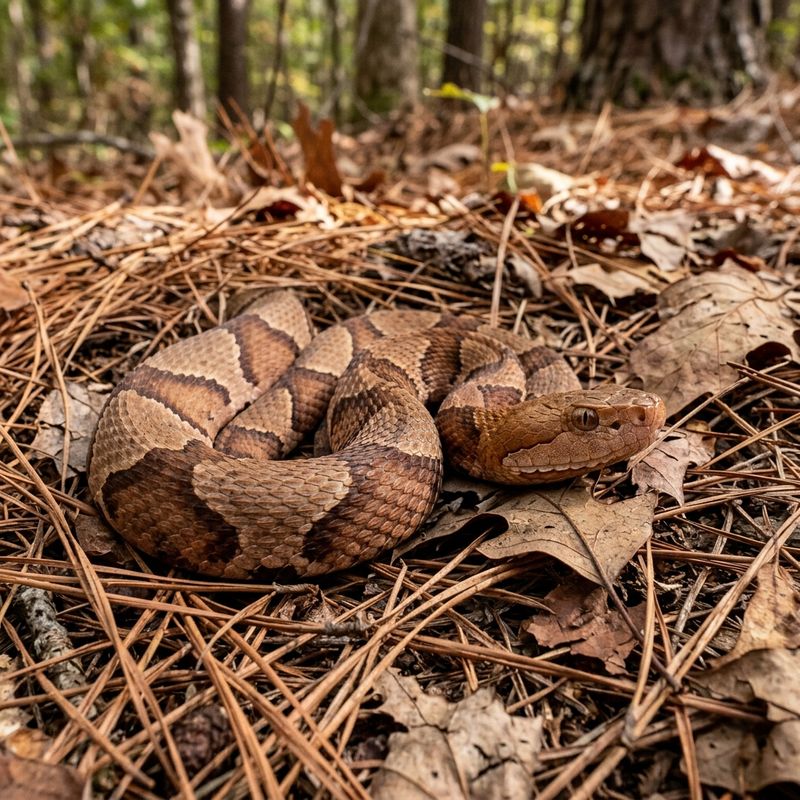
Stay calm, step back, and let it leave. That is the best advice for almost every copperhead encounter. These snakes are shy and usually freeze or slip away instead of striking.
Most bites happen when someone steps on one, grabs it, or tries to move it. Copperheads often rely on camouflage, so they may hold still in leaf litter. That is why careful footwork matters.
Wear sturdy shoes and gloves during yard cleanup, especially in brushy areas. Use a flashlight on warm evenings. Look before reaching into mulch, woodpiles, or shrubs.
Bites are painful and need medical care right away. With prompt treatment, they are rarely life-threatening. Call 911 or head to an emergency room, keep the person calm, and remove rings or tight items near the bite.
Skip old myths like cutting the wound, sucking out venom, or using ice. Those steps can make things worse. Do not try to catch the snake for identification either.
Keep kids and pets away until the snake moves off. If one ends up inside your home or garage, a licensed wildlife professional can relocate it safely. Patience usually solves the problem.
Maryland Law Protects These Backyard Snakes
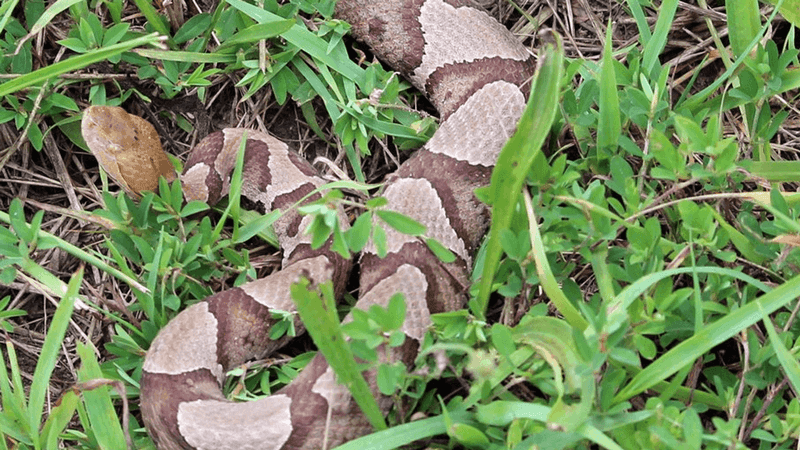
Many folks do not realize the shovel is not a legal option here. In Maryland, harming or capturing native snakes without a permit is against the law. That includes copperheads.
The rule makes sense once you see their role. Copperheads help control mice, voles, and other rodents that spread disease and damage gardens. They are part of a healthy local ecosystem.
Trying to harm a snake also raises your bite risk. Most bites happen during those exact attempts. Leaving it alone protects both you and the snake.
The smartest long-term plan is making your yard less inviting. Seal gaps, clear clutter, manage rodents, and keep grass short near the house. Snake repellent products and mothballs have little scientific support, so save your money.
If you need help, the Maryland Department of Natural Resources offers wildlife guidance. Licensed nuisance wildlife operators can handle snakes in tricky spots. Local extension offices can answer yard management questions too.
Honestly, learning to share space has its rewards. A copperhead sunning on a distant rock is a reminder that wild things still live nearby. With a few smart changes, you can enjoy your garden and let your scaly neighbor do its rodent patrol elsewhere.