The Tiny Venomous Snake Florida Gardeners Can Miss In Mulch And Groundcover
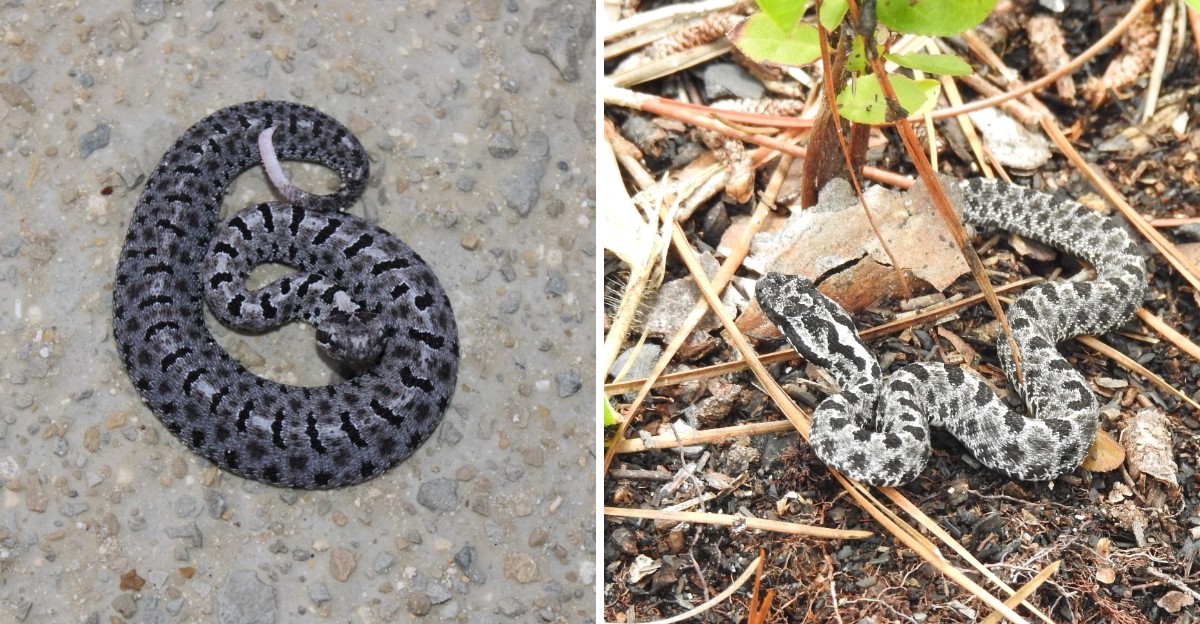
Blink and you’d miss it, this one’s barely longer than a ruler, and it’s got a bite that punches well above its weight.
Florida’s smallest venomous snake doesn’t slither around in the open like its bigger cousins. It burrows into mulch, hides under groundcover, and stays put during the day, which means most gardeners work right past it without a clue anything’s there.
Bare hands digging through a flower bed are exactly how people end up finding out the hard way.
Size fools everyone here. A snake this small looks harmless enough to nudge aside with a bare finger, and that assumption is precisely how bites happen in the first place.
Grab gloves before you go digging through mulch this season. Small in Florida doesn’t always mean safe to handle.
1. Spot The Dusky Pygmy Rattlesnake Before Reaching Into Mulch
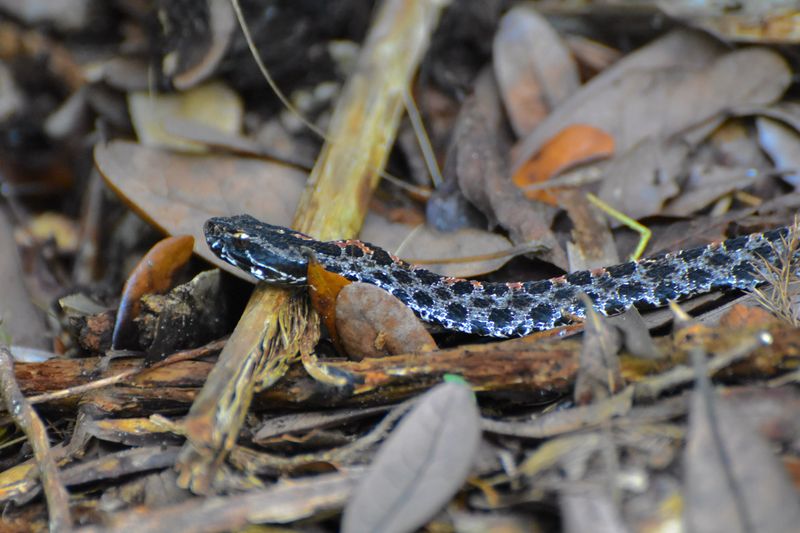
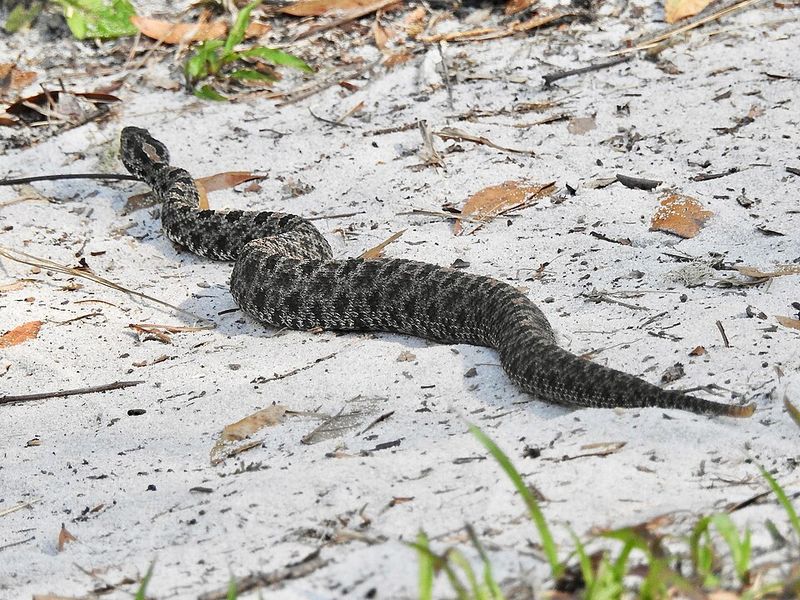
Think of it as a pocket-sized rattlesnake with a big attitude. The dusky pygmy rattlesnake usually measures 12 to 24 inches long, though a few stretch close to 31 inches.
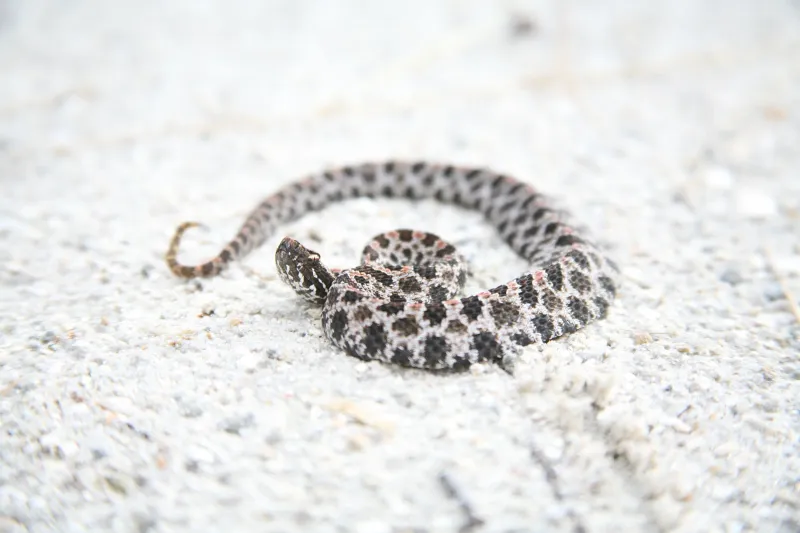
Short as it is, the body is thick and sturdy. Its color runs from light to dark gray, which blends nicely with old mulch.
Look down the middle of the back for a reddish-brown stripe. Black or charcoal blotches break up that stripe like a row of dark stepping stones.
More dark spots line the sides of the body. The belly is heavily speckled with black and white, though you may not see it often.
The head is wider than the neck and often looks like a triangle. A black diagonal line runs back from each eye like smeared eyeliner.
Here is a neat detail for nature fans. Nine large, plate-like scales cover the top of its head, which helps experts tell it apart from other rattlers.
Before you reach into a bed, pause for a quick scan. Look for a gray coil, dark blotches, or a patterned shape that seems a little too neat for bark chips.
A few seconds of looking can save you a painful surprise. Make that pause part of your routine, just like grabbing your gloves.
2. Check Groundcover Carefully Before Pulling Weeds
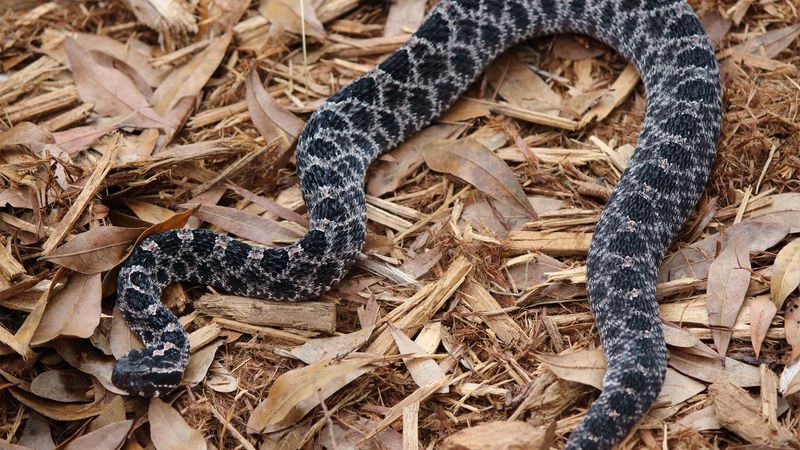
Weeding feels simple until you remember who might be napping under the leaves. Dusky pygmy rattlesnakes live in every Florida county except the Keys.
That means most Florida gardeners share space with them. They like places with plenty of cover, such as wetland edges, pine flatwoods, prairies, and lake shores.
Home yards with thick plants can feel just as cozy. Mulch, leaf litter, rocks, logs, garden debris, and shrubs all make good hiding spots.
Mulch holds moisture and creates a humid little pocket of air. In hot months, that cool, damp layer can draw snakes looking for relief from the heat.
So how do you weed safely? Start by using a rake, hoe, or long stick to gently part groundcover before your hands go in.
Work slowly and watch where you place your knees and feet. Wear sturdy gloves and closed shoes, even for a quick five-minute job.
Your Florida Garden Changes Every Week. Your Plan Should Too.
Gardening in Florida changes quickly throughout the season. Every Friday you’ll receive a simple weekly plan showing exactly what to plant, prune, fertilize, harvest, and protect so you never miss the right timing.
Try weeding from the outside edge of a bed toward the middle. That gives any hidden critter a chance to slip away before you get close.
Early morning light can make shapes easier to see than harsh midday sun. A little patience turns a risky chore into a relaxed one.
3. Look For The Tiny Rattle At The Tail
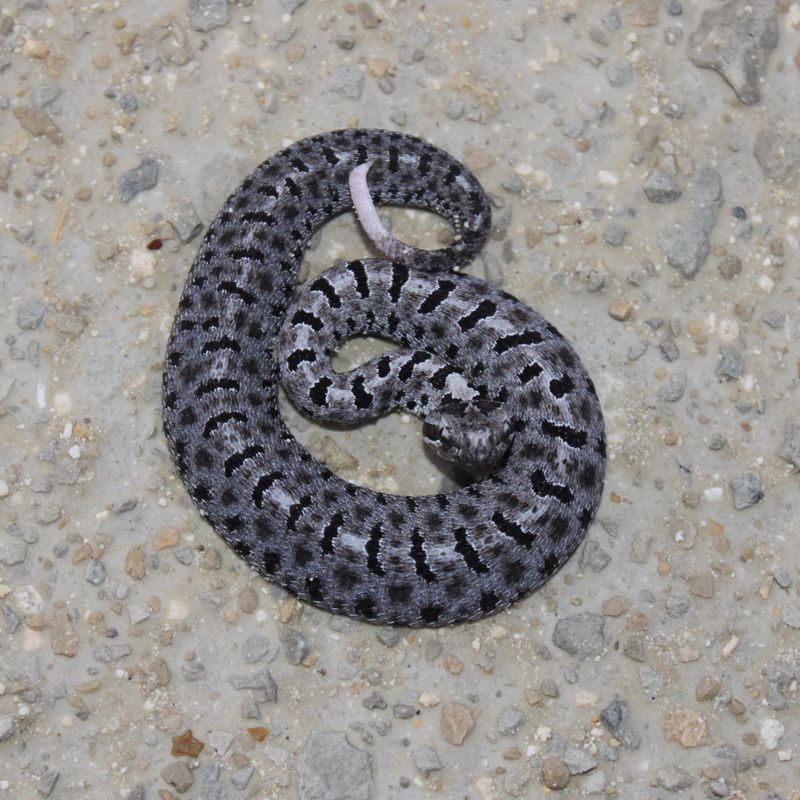
Ever heard a buzz in the garden and blamed a bug? With this snake, that sound might be something else entirely.
The dusky pygmy rattlesnake has a slender tail that ends in a very small rattle. When it shakes, the noise is soft and thin, a lot like a cicada or grasshopper.
Many people miss it or mistake it for insect chatter. On a windy day, or with a mower running nearby, you may not hear it at all.
That is why your eyes matter more than your ears here. If you spot a narrow tail with a tiny tip, treat it as a warning sign and step back.
Young snakes add a fun twist. Juveniles have a bright sulfur-yellow or yellowish-green tail tip.
They wiggle that colorful tip to look like a worm or caterpillar. Curious frogs and toads come closer, and the snake grabs a meal.
So if you see a small snake with a glowing yellow tail, do not assume it is harmless. That bright tip is a clue pointing toward a baby rattler.
Turn off loud tools now and then and listen closely. Pair that with careful looking, and you will catch more of the quiet warnings.
4. Watch Sandy Yards And Leafy Garden Edges
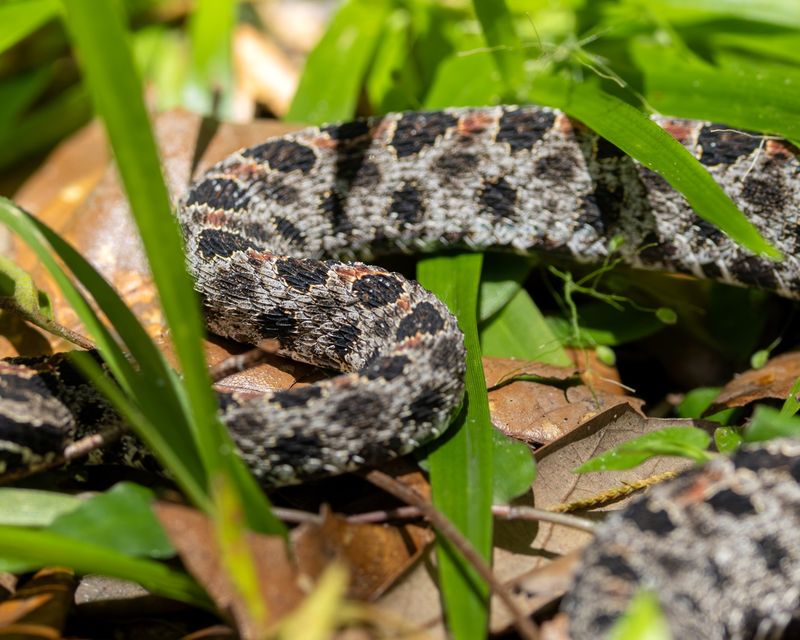
Sand, pine needles, and a messy border of leaves. To you, it is the edge of the yard, but to a pygmy rattler, it is prime real estate.
These snakes are often found in sandy places like pine flatwoods and sandhills. Many Florida neighborhoods sit right on that kind of ground.
Leafy garden edges are another favorite. The spot where lawn meets shrubs, or where leaves pile against a fence, offers cover and hunting chances.
Their gray, blotchy colors blend right into sand and leaf litter. You could walk past one several times without noticing it.
A few easy habits help a lot. Rake up heavy leaf piles along fences and walkways, especially near doors and play areas.
Keep grass trimmed short at the borders so it is easier to see the ground. Store firewood, pots, and boards off the soil and away from the house.
When you walk these edges, use a flashlight at dusk and after dark. Snakes are more active on warm evenings, and a beam of light can reveal a hidden coil.
You do not need a bare, lifeless yard to stay safe. A tidy edge simply gives you a clearer view of what is sharing your space.
5. Know Why Small Size Makes This Snake Easy To Miss
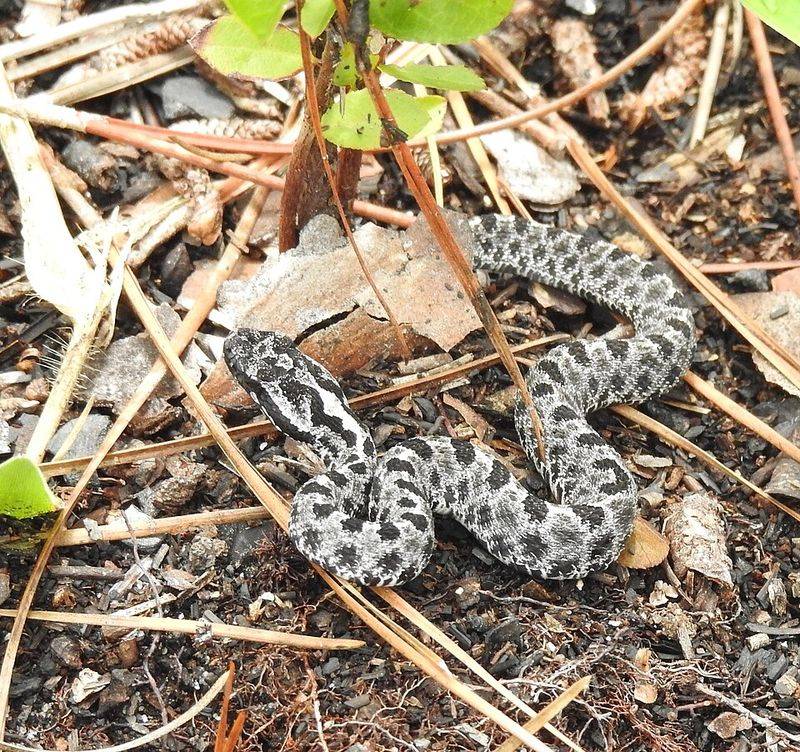
Hide and seek champion of the Florida garden? This little rattler could easily win the title.
Its size is the first reason. At about 12 to 24 inches, it can curl into a coil no bigger than a saucer.
Color is the second reason. Gray tones and dark blotches match bark, dirt, and fallen leaves almost perfectly.
The third reason is patience. Pygmy rattlers are ambush hunters, which means they sit still and wait for food to wander by.
Some stay in one spot for hours or even days. Since they do not move, your eye has nothing to catch.
Here is a sneaky trick they use. When a person comes close, they may flatten their body against the ground to seem to vanish.
Add the faint, bug-like rattle, and you have a snake that is simple to overlook. Most bites happen because someone did not know it was there.
Knowing these habits changes how you garden. Instead of looking for movement, look for shapes, patterns, and coils that seem out of place.
Train your eyes by studying photos of the snake in mulch and leaves. After a while, spotting one becomes a skill, much like finding a hidden picture puzzle.
6. Keep Hands Out Of Dense Mulch And Shrubs
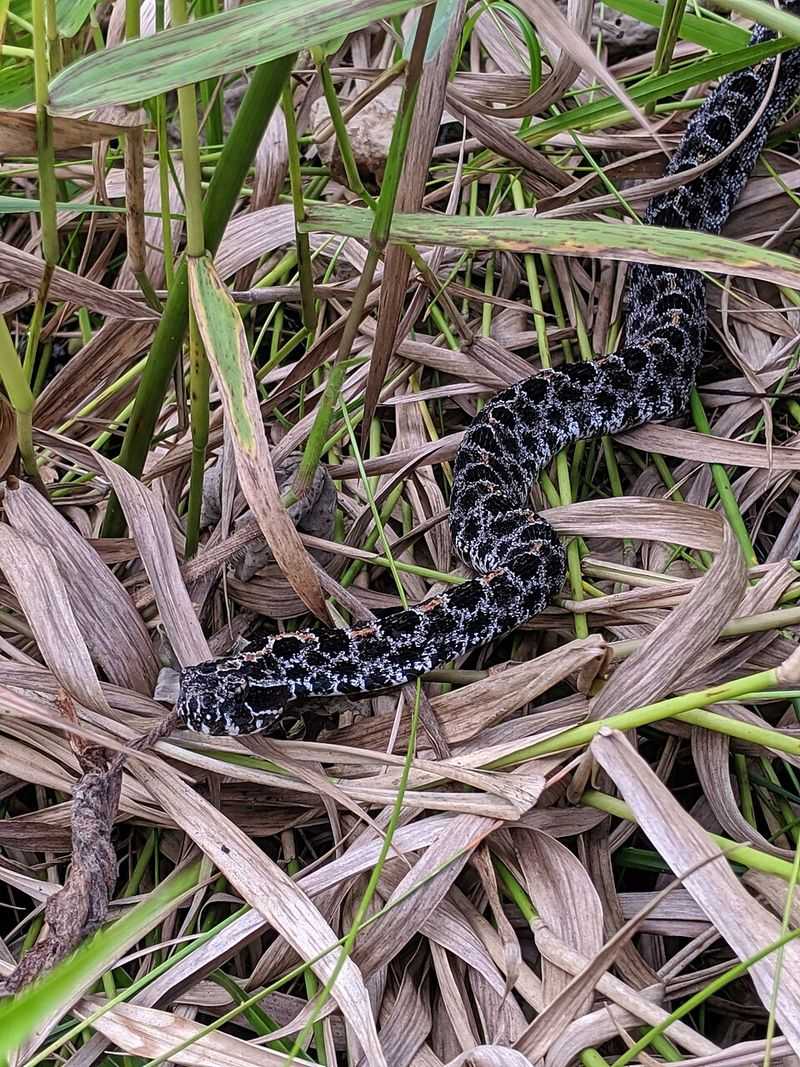
Plenty of Florida gardeners share the same story. They reached into a flower bed to pull a weed and found a snake staring back.
Thick mulch is a big reason why. Deep layers and large chunks create lots of gaps where a small snake can tuck itself away.
Mulch also brings in tasty snacks. Insects, lizards, frogs, and small rodents love the damp shelter, and the snake follows the food.
Dense shrubs work the same way, offering shade and cover close to the ground. Put the two together and you have a snake hotel.
The fix starts with a simple rule. Use tools, not fingers, for anything you cannot fully see.
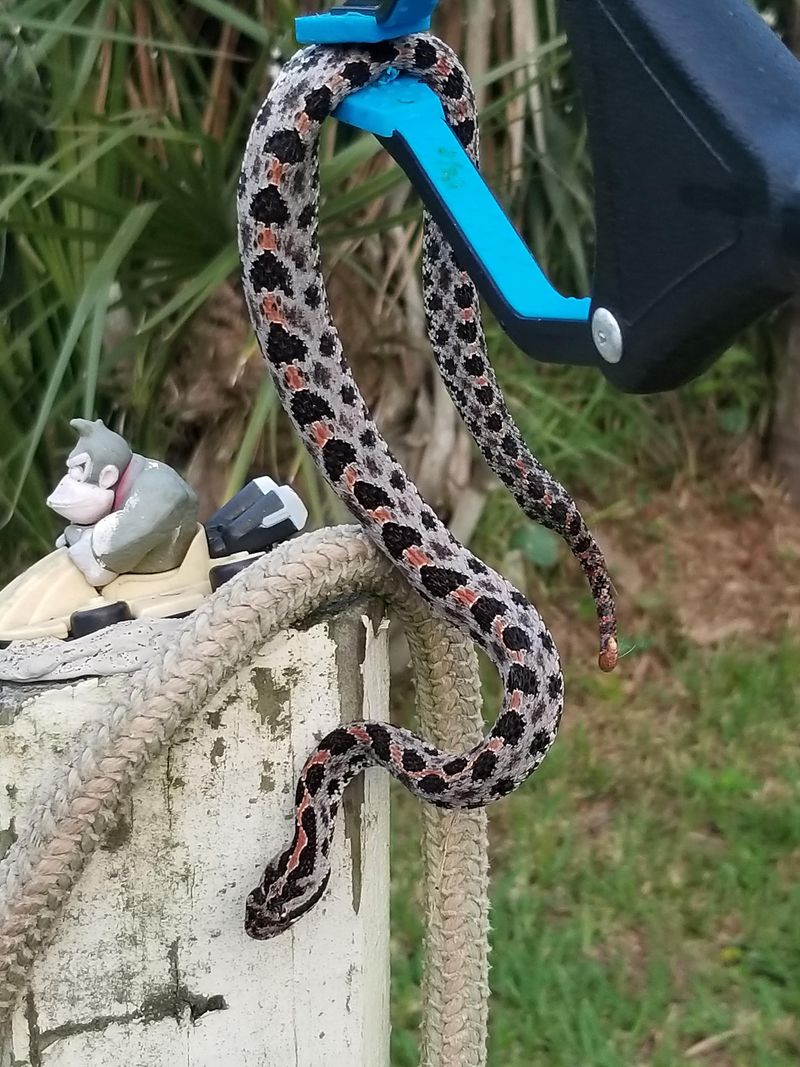
A hand cultivator, long tongs, or a grabber tool can reach under leaves safely. Thick gloves add another layer of protection, though they are not snake-proof.
Consider keeping mulch around two to three inches deep instead of piling it high. Finer mulch leaves fewer hiding spaces than big bark nuggets.
Trim lower shrub branches so you can see the soil underneath. When that bare ground is visible, a hidden snake has far fewer places to hide.
These changes are small, but they add up. Your beds still look lovely, and your hands stay out of trouble.
7. Give Snakes Space Instead Of Trying To Move Them
Your heart jumps, and your first thought might be to grab a shovel. Take a breath instead, because backing away is the smartest move you can make.
The dusky pygmy rattlesnake is venomous, and trying to handle or move one is very risky. Most bites happen when people poke, pin, or chase a snake.
These snakes are not looking for a fight. They strike when they feel cornered or threatened, purely to protect themselves.
Here is a helpful guide. Stay at least six feet away, which is farther than most snakes can reach.
Move back slowly and calmly rather than jumping or swatting. Sudden motion can startle the snake and make a strike more likely.
Keep an eye on where it goes so you can tell others. Often, a snake left alone will slide off into cover within a short time.
Remember that these rattlers play a role in your yard. They eat rodents, insects, and other small animals that can bother gardens.
Giving them room is safer for you and fair to them. A little respect lets both of you go about your day without drama.
8. Keep Children And Pets Away From A Suspected Snake
Kids and dogs share one thing in common. Both love to investigate anything that wiggles.
That curiosity can lead to trouble with a pygmy rattler. Bites are usually painful, though they are generally not life-threatening for healthy adults or pets.
The venom is still potent, and a smaller dose can cause real harm. Swelling, strong pain, and other serious effects are possible, especially for small bodies.
Young children running barefoot outside face extra risk. Bare feet and little hands often end up right where snakes like to hide.
If you think you see a snake, call children inside or to a clear spot right away. Keep dogs on a leash and cats indoors until the area is safe.
Teach kids a simple family rule. If you see a snake, stop, back up, and tell a grown-up.
Shoes should be part of yard play, especially near mulch or tall grass. A quick check of play areas before kids head out is a great habit.
If a bite does happen, stay calm and seek medical or vet care fast. Do not cut the wound or try to suck out venom, since those old tricks do more harm than good.
9. Call A Wildlife Professional When Removal Is Necessary
Sometimes a snake picks the worst possible spot, like a doorway or a play area. That is the moment to call in the experts.
Professional wildlife removal specialists have the training, tools, and safety gear for the job. They use hooks, tongs, and secure containers to move snakes without harm.
They also know how to relocate the animal properly. That keeps people safe and gives the snake a fair chance somewhere better suited.
Please do not try to catch or harm the snake yourself. Many bites happen when people try to handle rattlers on their own.
Finding help is easier than you might think. Search for licensed nuisance wildlife trappers in your county, or contact the Florida Fish and Wildlife Conservation Commission for guidance.
While you wait, keep watch from a safe distance. Note where the snake goes, and keep kids and pets indoors.
A professional can also offer tips to make your yard less inviting. They may point out woodpiles, gaps under sheds, or thick debris that draw snakes in.
Save a local removal number in your phone today. When a surprise visitor shows up, you will be ready with a calm plan instead of a panic.