Indiana Vegetable Beds Benefit From A Cover Crop Sown Before October
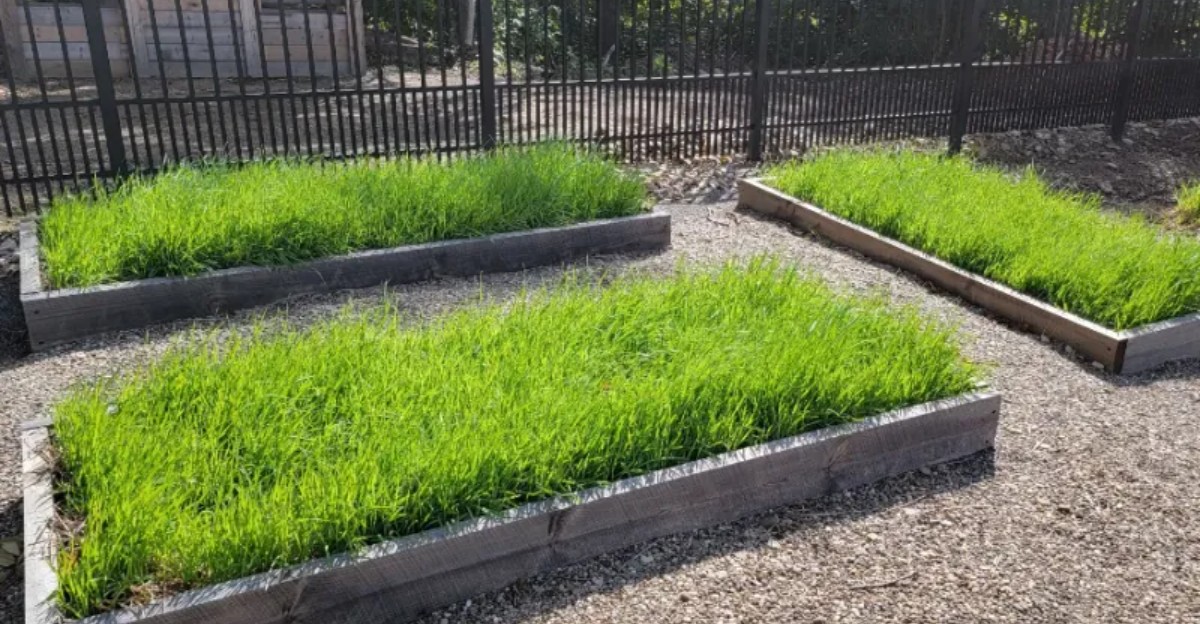
Bare soil in October is a countdown you don’t want to lose. Every raindrop that hits exposed dirt drags a piece of your investment toward the storm drain.
Roots left growing through winter act like anchors nobody sees working. Nitrogen you paid for either stays put or washes away long before spring arrives.
Timing decides almost everything, and a narrow window closes faster than most gardeners realize. Wait past that window and seedlings barely get a foothold before frost arrives.
Plenty of Indiana gardeners assume one late afternoon of scattering seed will fix things. Skipping the right prep turns that effort into bird food and nothing more.
Somewhere between Labor Day and the first hard frost sits your actual chance. Miss it, and you’ll be explaining to your tomatoes next July why the soil feels tired.
Living Roots As A Winter Shield For Hoosier Soil
Bare garden soil in an Indiana winter is a bit like a kid sent outside without a coat. It shivers, cracks, and loses its best stuff to wind and rain.
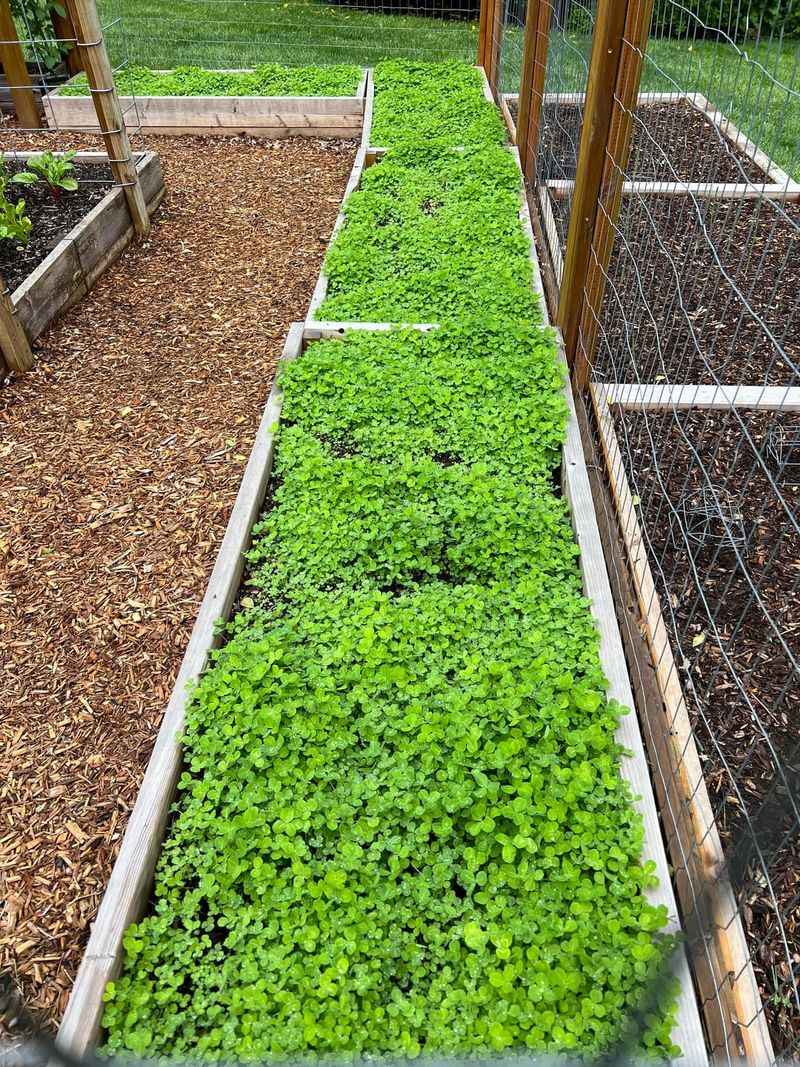
A cover crop sown in September fixes that problem with living roots. Those roots grip the soil like tiny fingers, holding it in place through freezing and thawing.
Indiana gets plenty of heavy spring storms, and bare beds can lose topsoil fast. Even a thin carpet of green leaves softens raindrops before they splash dirt away.
Roots also feed the millions of tiny creatures living underground. Earthworms, fungi, and helpful bacteria stay busy all winter when something green is growing above them.
Leftover nitrogen from your summer fertilizer is another thing worth saving. Without roots to catch it, fall rains wash that nitrogen deep below where vegetables can reach.
A cover crop soaks up that extra food and stores it in its leaves. When the plants break down next spring, they hand the nitrogen back to your garden.
Weeds also struggle to find room when your beds are already crowded with friendly plants. Think of it as filling every seat at the table before uninvited guests show up.
Fun fact: farmers across the Midwest have used winter cover crops for over a century. Your backyard beds can borrow that same trusty trick on a much smaller scale.
The September Planting Window Before First Frost
Most of Indiana sees its first fall frost between early and late October, depending on where you live. Northern towns like South Bend usually get chilly first, while Evansville often waits longer.
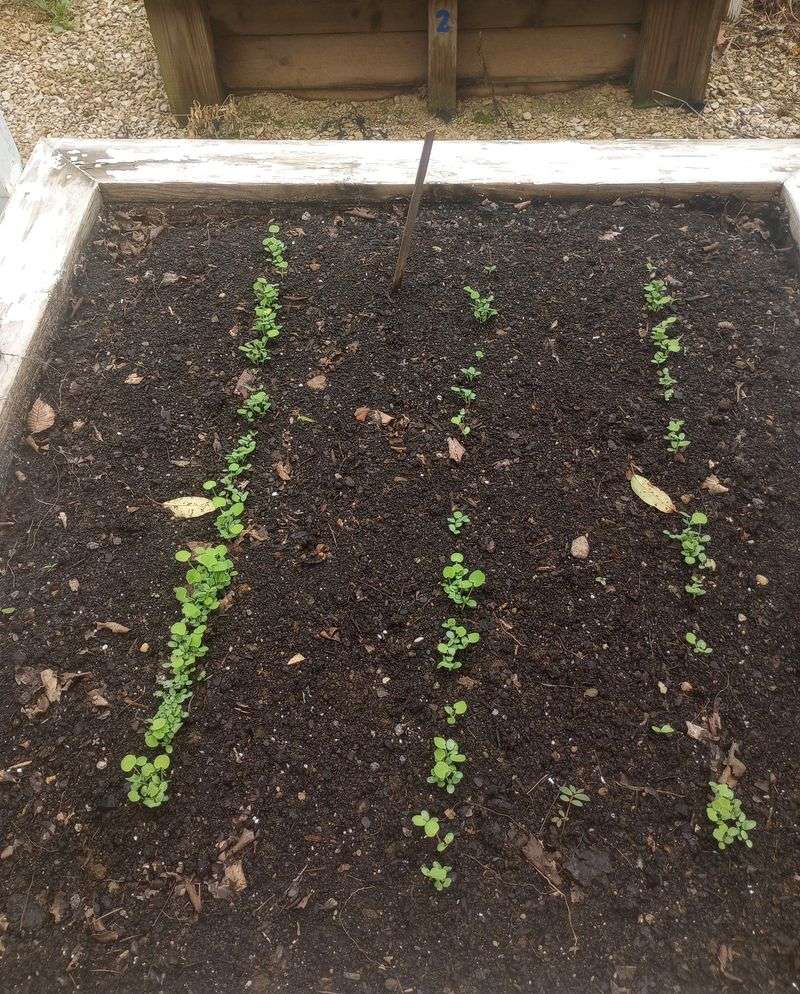
That frost date matters because cover crops need several weeks of growth before winter. Seeds planted in September have warm soil, decent daylight, and time to build strong roots.
A good rule is to sow at least four to six weeks before your expected frost. For many Hoosier gardens, that means mid to late September is the sweet spot.
Legumes like crimson clover and hairy vetch are the pickiest about timing. They should go in by early September so they can settle in before cold weather.
Your Indiana Garden Changes Every Week. Your Plan Should Too.
Gardening in Indiana changes quickly throughout the season. Every Friday you’ll receive a simple weekly plan showing exactly what to plant, prune, fertilize, harvest, and protect so you never miss the right timing.
Oats also want an early start, since they grow quickly and freeze back once winter bites. Cereal rye is the tough one, sprouting even when you sow it in October.
Still, even rye does much better with a friendly head start. Early plantings give you thicker growth, more root mass, and better protection against erosion.
Keep an eye on the weather too, because seeds need moisture to wake up. Sowing right before a gentle rain is like getting free watering from the sky.
Mark a date on your kitchen calendar now, right after Labor Day. Future you will be glad you did when the beds turn green in November.
The Best Seed Choices For Indiana Beds
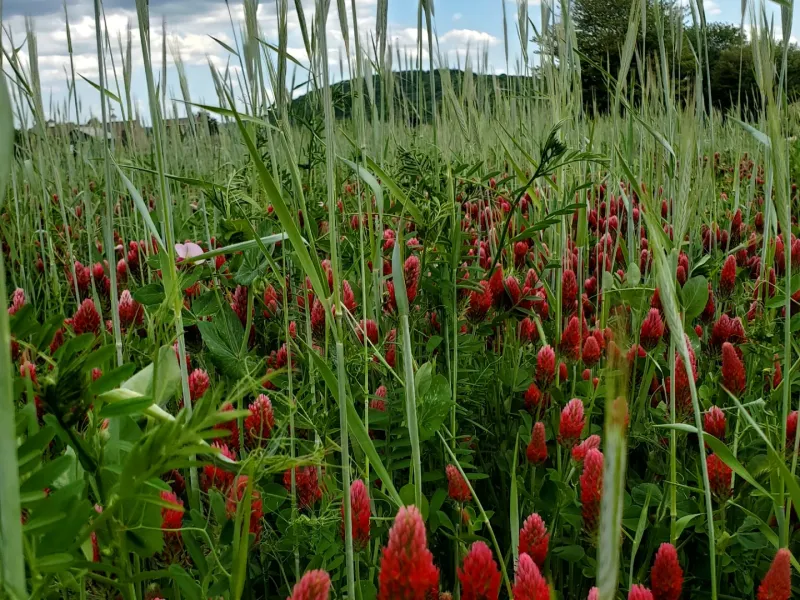
Ever stood in a seed shop staring at bags labeled rye, oats, and clover, feeling a little lost? Each one has its own personality, and picking the right match makes a big difference.
Cereal rye is the rugged farmhand of the bunch. It shrugs off Indiana winters, grows deep roots, and crowds out weeds like a bouncer at the door.
The catch is that rye can get tall and tough in spring. You need to cut it back before it heads out, or it becomes a chore.
Oats are the easygoing, low-stress option for beginners. They grow fast in fall, then freeze back in winter, leaving a soft mulch you can plant right through.
Crimson clover brings a bonus gift, pulling nitrogen from the air into its roots. In spring, it also bursts into bright red blooms that bees and butterflies adore.
Hairy vetch is another nitrogen maker that handles cold surprisingly well. Its twisty vines can tangle, so it usually works best mixed with a sturdy grain.
Speaking of mixing, many Hoosier gardeners love a rye and vetch combo. The rye gives the vetch something to climb, and together they cover every angle.
For beds you want to plant early in spring, oats or clover are the gentler picks. Save the burly rye for beds that will hold summer crops like tomatoes or squash.
The Late Sowing Mistake Many Gardeners Make
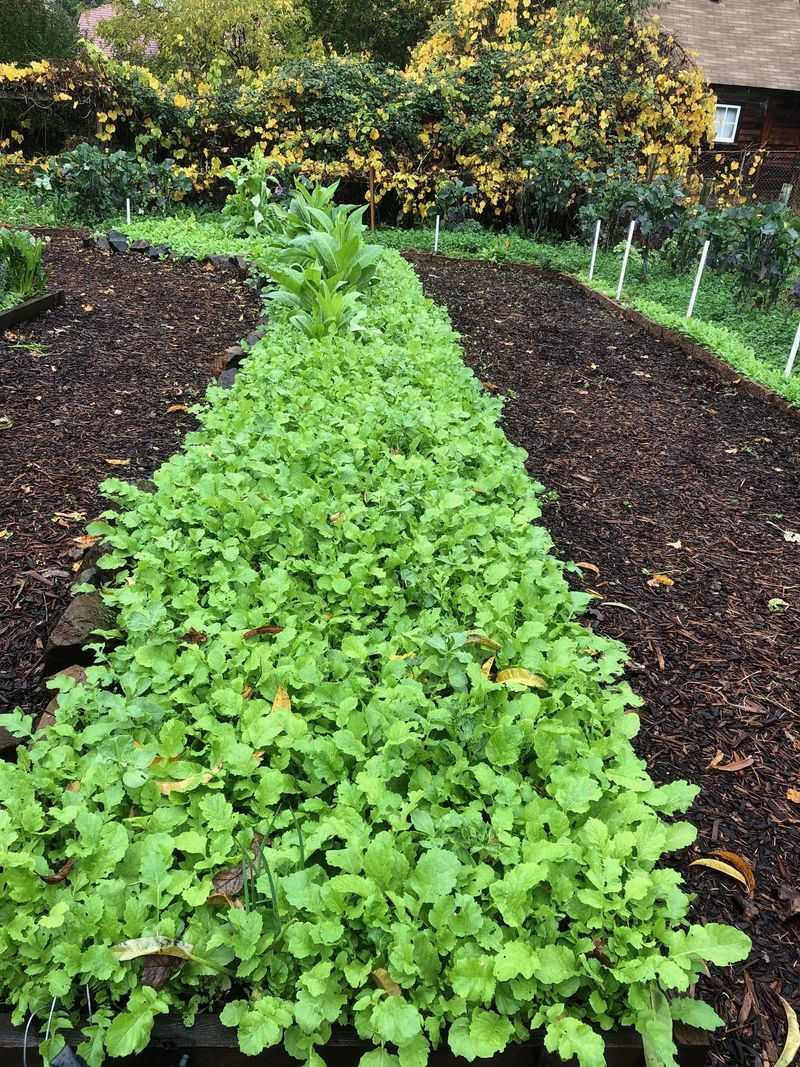
My neighbor Carl once scattered clover seed on Halloween, proud as could be. By spring, his bed held a few sad sprouts and a whole lot of weedy chickweed.
Waiting too long is the most common slip gardeners make with cover crops. Summer harvests drag on, and suddenly the calendar on the fridge says late October.
Seeds sown that late may sprout, but they rarely grow enough roots to survive hard freezes. Frost can heave tiny seedlings right out of the ground, leaving bare soil behind.
Another trap is waiting for every last pepper to ripen before clearing a bed. Those final few peppers are rarely worth losing a whole season of soil protection.
Here is a smart workaround: sow seed between rows of crops that are still producing. Clover and rye can sprout happily under tomato plants and around fading squash vines.
Some gardeners also split the job into small, easy chunks through September. As each bed finishes, they rake it smooth and seed it that very same afternoon.
Skipping good contact between seed and soil is another sneaky mistake. Tossing seed on hard ground feeds the birds, so rake it lightly into loose soil instead.
If you truly run late in the season, cereal rye is your best rescue option. Carl learned that lesson, and now his beds glow green by Thanksgiving.
A Tidy Spring Cleanup Before Planting Day
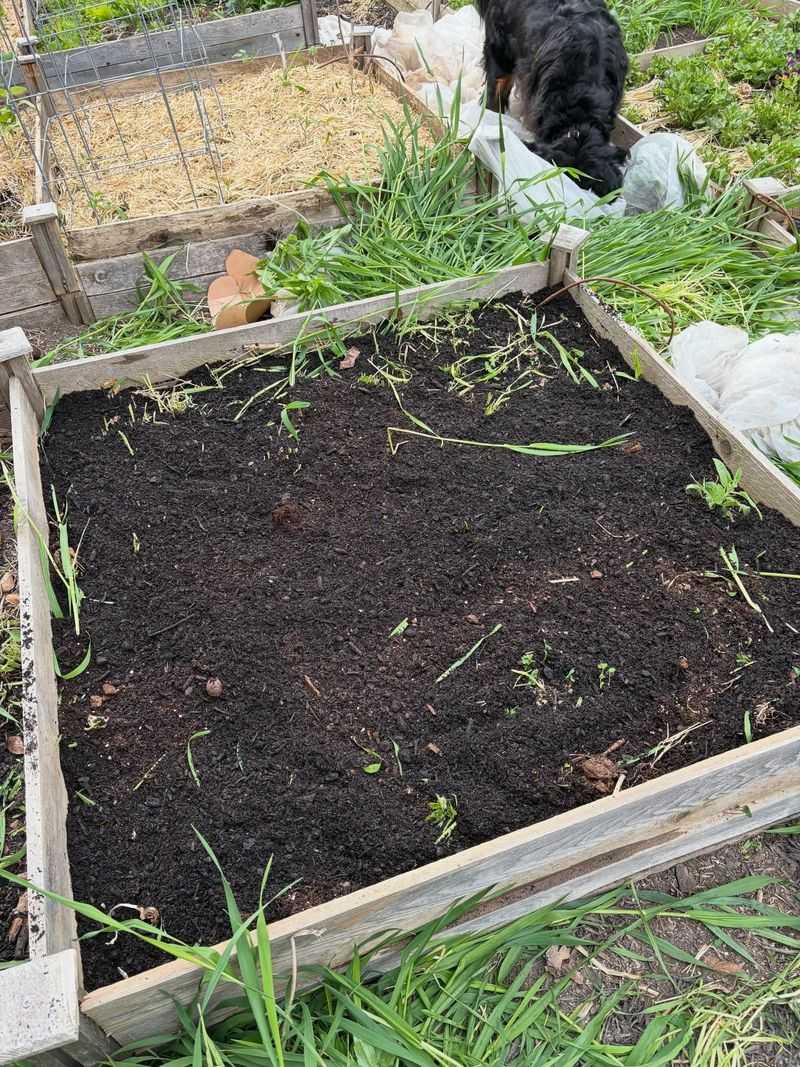
April in Indiana brings a funny sight: garden beds that look like tiny green lawns. Now comes the fun question of what to do with all that leafy growth.
The goal is to stop the cover crop about two to three weeks before planting vegetables. That gap gives the leaves time to break down and the soil time to settle.
Mowing or cutting with a string trimmer works well for most backyard beds. Cut close to the ground, then leave the clippings on top as a natural mulch.
Timing the cut matters a lot with tall, stubborn cereal rye. Once it starts flowering, usually in May, a simple mowing stops regrowth without much fuss.
Another easy trick is covering the cut plants with a tarp for a few weeks. Sunlight is blocked, the plants break down, and worms do the heavy lifting underneath.
Tilling is an option, though many gardeners now skip it to protect soil structure. Digging just small holes for transplants keeps those helpful old roots in place.
Oats make spring even simpler since winter already knocked them flat. You can tuck tomato or pepper plants right into the soft, straw-like layer they leave.
Small seeds like carrots prefer a cleaner surface, so rake mulch aside in narrow strips. Larger transplants are perfectly happy nestled into the leftover leaves and stems.
Richer Soil For Next Year’s Tomatoes
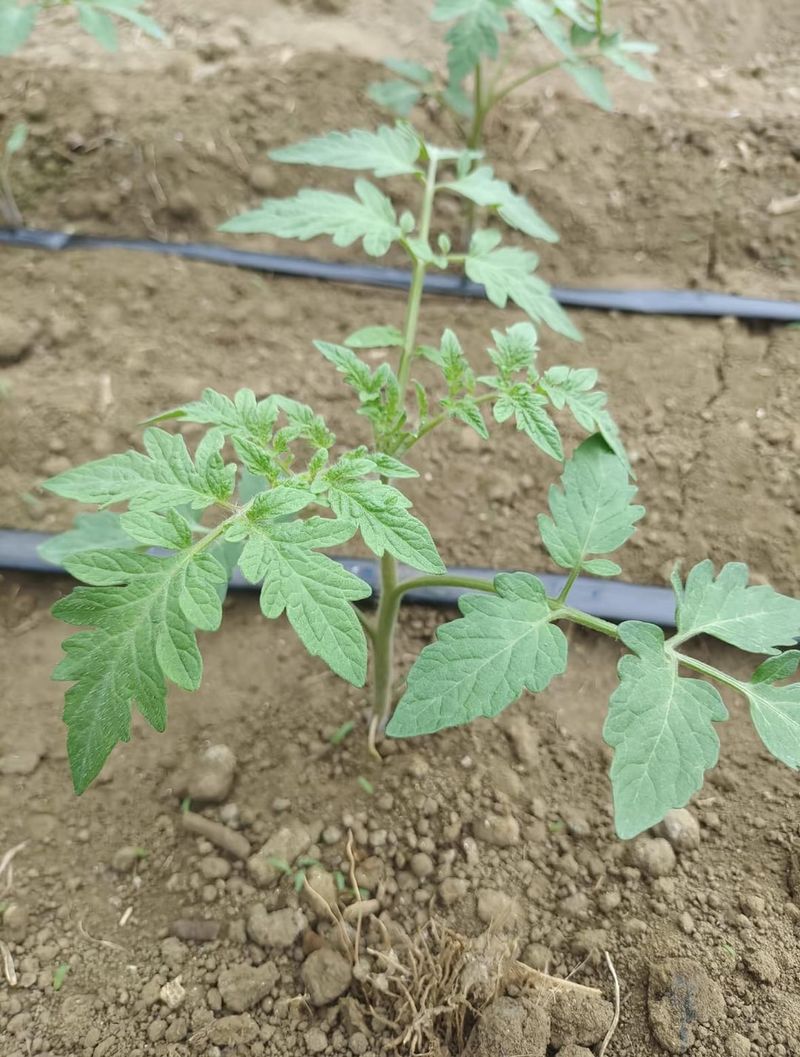
Grandma used to say the best tomatoes grow in soil that smells like a forest floor. She was onto something, and cover crops help create exactly that rich, earthy scent.
Every fall planting adds fresh organic matter as roots and leaves slowly break down. Over a few seasons, heavy Indiana clay turns crumbly, dark, and much easier to dig.
Better soil holds water like a sponge during dry July stretches. Your vegetables stay greener longer, and you spend far less time dragging the hose around the yard.
Legume cover crops can also trim your spring fertilizer bill nicely. Crimson clover and hairy vetch may supply a good share of the nitrogen your sweet corn and tomatoes crave.
Pest and disease problems often shrink too, since healthy soil grows sturdier plants. Some gardeners notice fewer weeds by the second or third year of steady cover cropping.
The real magic comes from making it a friendly yearly habit. Pick a September weekend each year, and treat seed sowing like putting away the patio chairs.
Rotating your cover crops helps as well, just like rotating vegetables. Try rye one year and clover the next to keep soil life varied and lively.
Keep a simple garden notebook noting what you planted, where, and when. Those notes turn into a treasure map for bigger, juicier harvests down the road.