Dark Shapes Are Swooping Over Missouri Yards Just Before Halloween
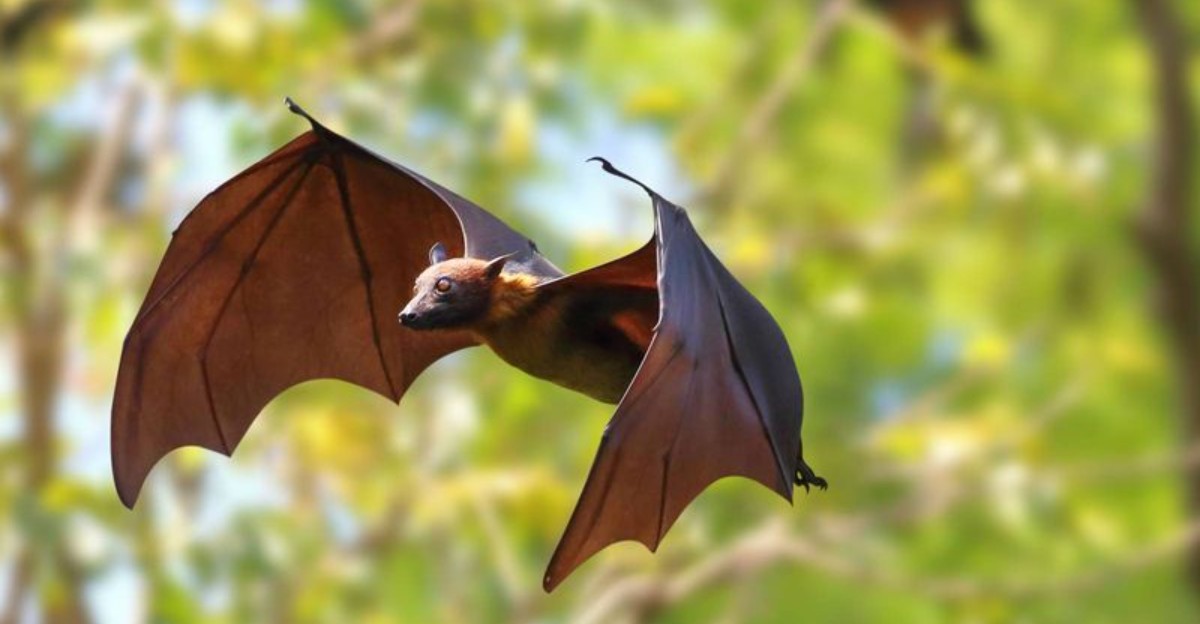
A small Missouri flyer can catch hundreds of tiny insects in one night, guided mostly by sound echoes. Those dark shapes crossing your yard at dusk are worth a long second look this October.
Missouri hosts more than a dozen species, and state biologists track their numbers through regular surveys. Many of them are small, brown, and quiet, so you rarely notice them overhead in the evening.
I love watching the sky right after sunset, with orange light fading behind the oak trees. Fluttering shapes appear then, dipping low over lawns, porches, and garden beds for a quick snack.
You can learn a lot by watching their flight paths for ten quiet minutes after dinner tonight. Which fast little creature is making those looping dives above your yard, and what is it hunting?
Late Fall Bugs Pull Them Out After Sunset
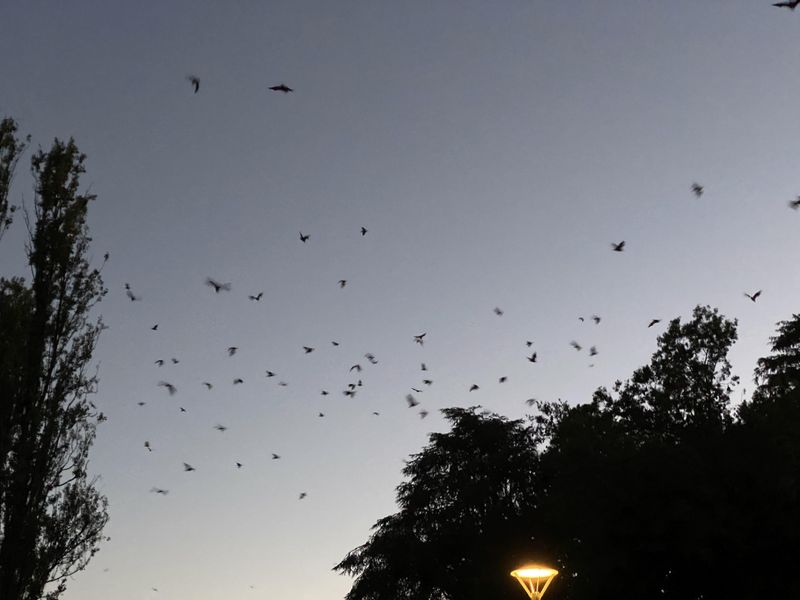
Cooler October nights thin out the insect crowd, yet a few late fliers still buzz around porch lights. Those dark shapes zipping past are bats, and they show up wherever a snack is flying.
Moths, beetles, and midges stay active on mild evenings, and bats follow that food trail with impressive skill. Once temperatures dip near freezing, the insects fade and the hunting becomes much harder for bats.
Bats hunt by echolocation, sending out high-pitched calls that bounce off prey and return to their sensitive ears. You cannot hear most of those calls, so the show above your lawn stays strangely silent to us.
Evening bats and big brown bats often start flying within the first hour after the sun goes down. Watch near streetlights, ponds, and tree lines, because insects gather there and the bats know it.
Bat flight looks jerky and quick, full of sudden turns and short dives toward tiny targets in the dark air. Most birds are roosting by then, so anything fluttering overhead after dark is usually a bat.
Try sitting on the porch with a warm jacket and a notebook for fifteen minutes after sunset. Jot down how many shapes pass and which direction they go, because patterns appear surprisingly fast.
Bright outdoor lights draw insects, which means they also draw hungry bats to your yard on warm evenings. A quiet backyard and a clear sky give you front-row seats to this nightly feeding show.
Some Travelers Just Pass Through Missouri Each Autumn
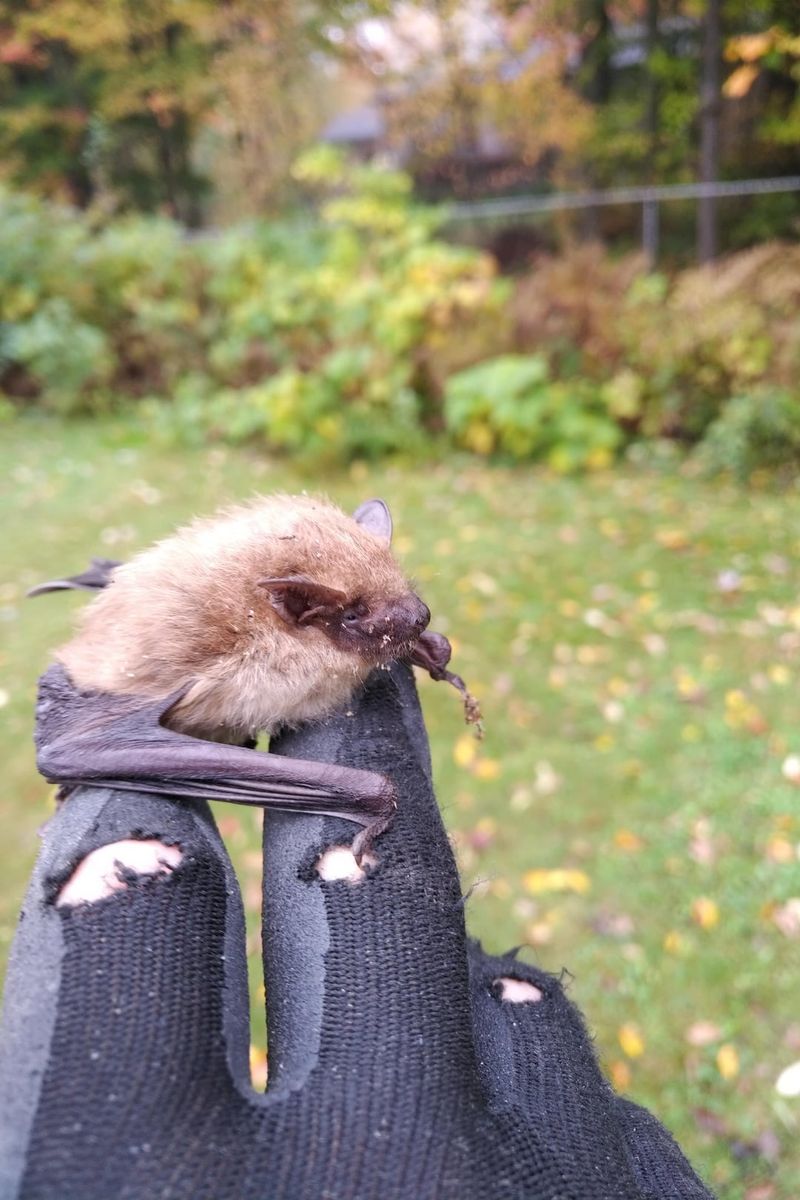
Three tree-roosting species, the eastern red, hoary, and silver-haired bats, migrate long distances each autumn across North America. Some of them pass over Missouri yards in October on their way toward warmer southern states.
Eastern red bats look rusty orange, and they hang from leaves like small dried foliage during the day. Hoary bats are larger, with frosted fur that gives them a silvery, sleepy look in photos taken at dusk.
Unlike cave dwellers, these travelers do not hibernate in large groups, so they rarely gather indoors. Instead, they follow warm air and insects south, often flying at night and resting in leafy trees by day.
Wind turbines have become a concern for these species, so researchers keep studying their migration routes carefully. Federal and state biologists share that data, and it helps guide where energy projects get built.
Your Missouri Garden Changes Every Week. Your Plan Should Too.
Gardening in Missouri changes quickly throughout the season. Every Friday you’ll receive a simple weekly plan showing exactly what to plant, prune, fertilize, harvest, and protect so you never miss the right timing.
You may spot a lone traveler near a porch light in late October, grabbing a quick meal. Give it space, because tired migrants need to refuel before the next long night of flying south.
Leaving a few native trees and shrubs standing gives travelers safe places to rest during the day. Fallen leaves also shelter insects, which feed the bats that pass through when nights turn chilly.
By November most of these migrants have moved on south, and the evening sky grows quiet again. Enjoy the show while it lasts, because few other wild travelers cross your yard so quietly and so briefly.
Others Hunt For Winter Shelter In Caves Or Buildings
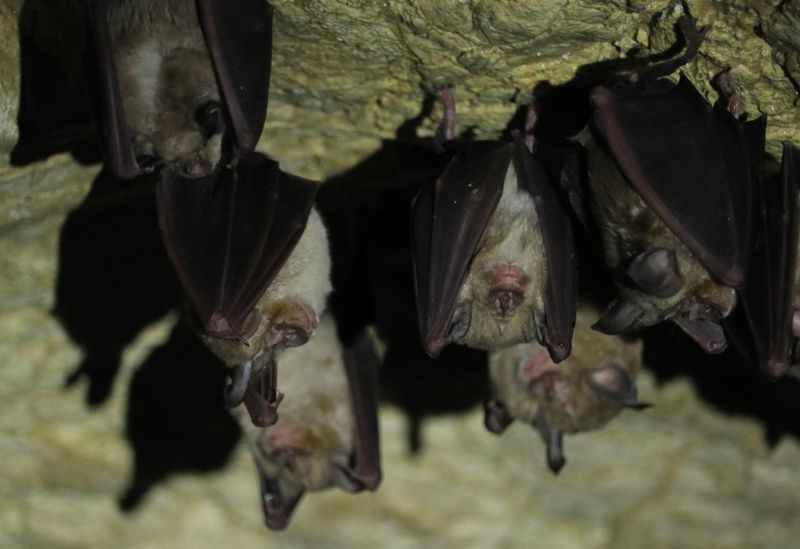
Missouri has more than 7,500 documented caves, and many bats choose them for the winter. As October cools, species like the gray bat and little brown bat head toward those protected hideouts.
Hibernation lets a bat slow its heartbeat and body temperature, saving fat stored from a busy fall of eating. Caves hold steady, cool temperatures that help bats stay in that low-energy state for several long months.
Not every bat picks a cave, since big brown bats often settle into buildings, rock crevices, or tree hollows. A dry wall space or attic corner can feel like a small cave to a sleepy bat.
Disturbance during hibernation costs bats precious energy, so state agencies ask people to stay out of known caves. Many Missouri caves have gates or seasonal closures meant to protect those quiet winter sleepers from human visitors.
White-nose syndrome, a fungal disease, has affected several hibernating bat species across North America. Wildlife agencies encourage people to avoid cave visits in winter, which lets bats rest undisturbed until spring.
If bats are roosting in your home, a wildlife professional can help you plan a humane exit. Timing matters, because sealing openings with bats still inside could trap them through the cold months.
Small gaps, often less than an inch wide, can let a tiny bat slip inside a building. Check your roofline and siding on a mild afternoon, and note any dark stains near openings.
Your Yard Gets Free Pest Control From Them
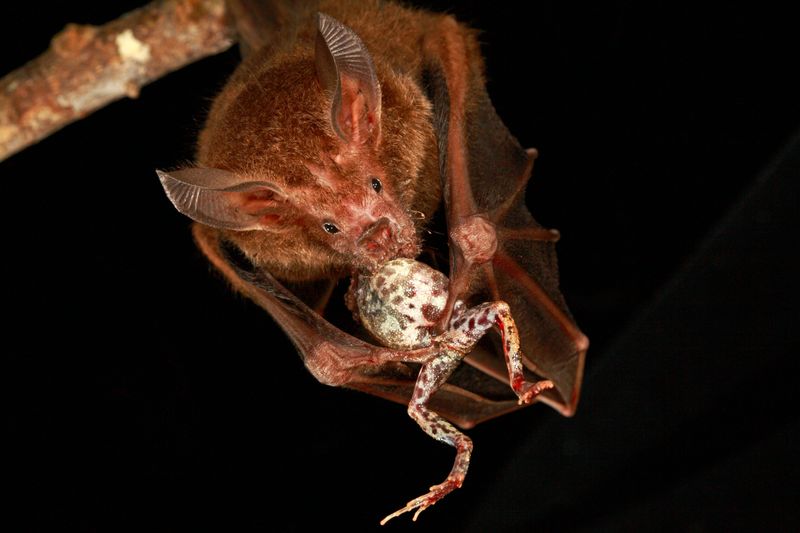
One little brown bat can catch hundreds of mosquito-sized insects in an hour, according to bat researchers. That appetite makes your backyard visitor a hardworking neighbor with no paycheck and no complaints at all.
Moths, beetles, and flies fill their menu, and some of those insects feed on crops and gardens. Agricultural studies suggest bats save farmers billions of dollars in pest control across the United States each year.
In October, bats are packing on fat before winter, so they feed heavily whenever the weather allows. Mild evenings can bring a burst of activity, with dozens of wings flickering above a single pond.
Bats will not remove every pest, of course, but they take the edge off local insect numbers. Add that natural help to healthy soil, clean water, and native plants, and your yard becomes a balanced place.
Pesticide sprays can reduce the insects bats rely on, and chemical residue may also affect the animals. Cutting back on broad-spectrum products this fall keeps more food in the air for your nighttime helpers.
Extension services suggest adding night-blooming flowers next year, since they attract moths that bats happily chase. A small pond or another open stretch of water also gives them a spot to take a sip on the wing.
Skip the bug zapper, which catches many harmless insects and does little to reduce mosquito bites around people. A fan on the patio plus a few hungry bats nearby can make your evenings more comfortable.
You Should Keep Your Hands Off A Grounded One
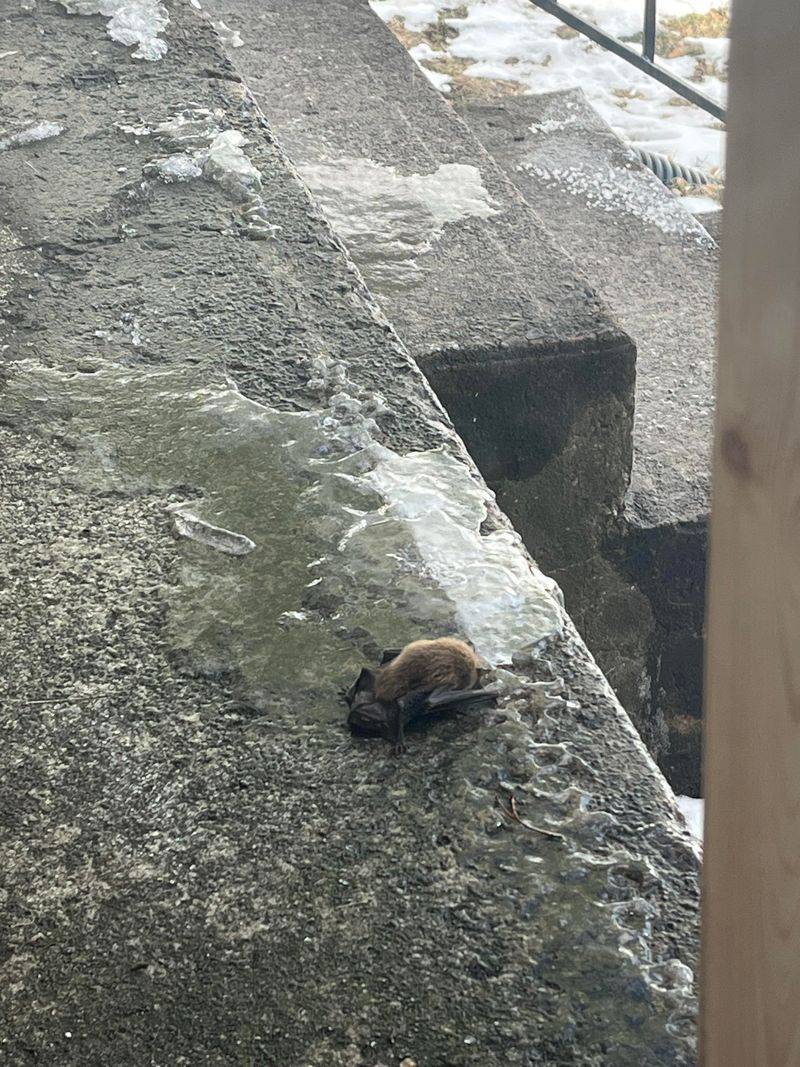
A bat lying on open grass at midday usually needs help, and it deserves a respectful distance. Cold snaps in October can leave tired or underfed bats stranded far from their usual roosts overnight.
Bats can carry rabies, though the share of wild bats with the virus is quite small, according to health officials. Health agencies still advise against touching any bat with bare hands, since a bite can be tiny.
Keep children and pets indoors or well away from the animal while you decide what to do next. Dogs and cats may chase a grounded bat, so a closed door is the easiest safeguard.
Call your local Missouri Department of Conservation office, county health department, or a licensed wildlife rehabilitator for guidance. Describe where the bat sits and whether anyone had contact, because that detail shapes the advice.
If a bat has been in a room with sleeping people, public health staff want to hear about it. Try to keep the animal contained in that room by closing the doors until trained help arrives.
Skip homemade rescue attempts, and leave any necessary moving to trained people with gloves and proper vaccinations. Trained rehabilitators know how to warm, feed, and release a bat so it can rejoin its colony.
Snapping a photo from a few feet away can help staff identify the species by phone or text message. Stay calm, keep your voice low, and remember that the bat is frightened of you as well.
A Bat House Gives Them A Better Option Than Your Attic
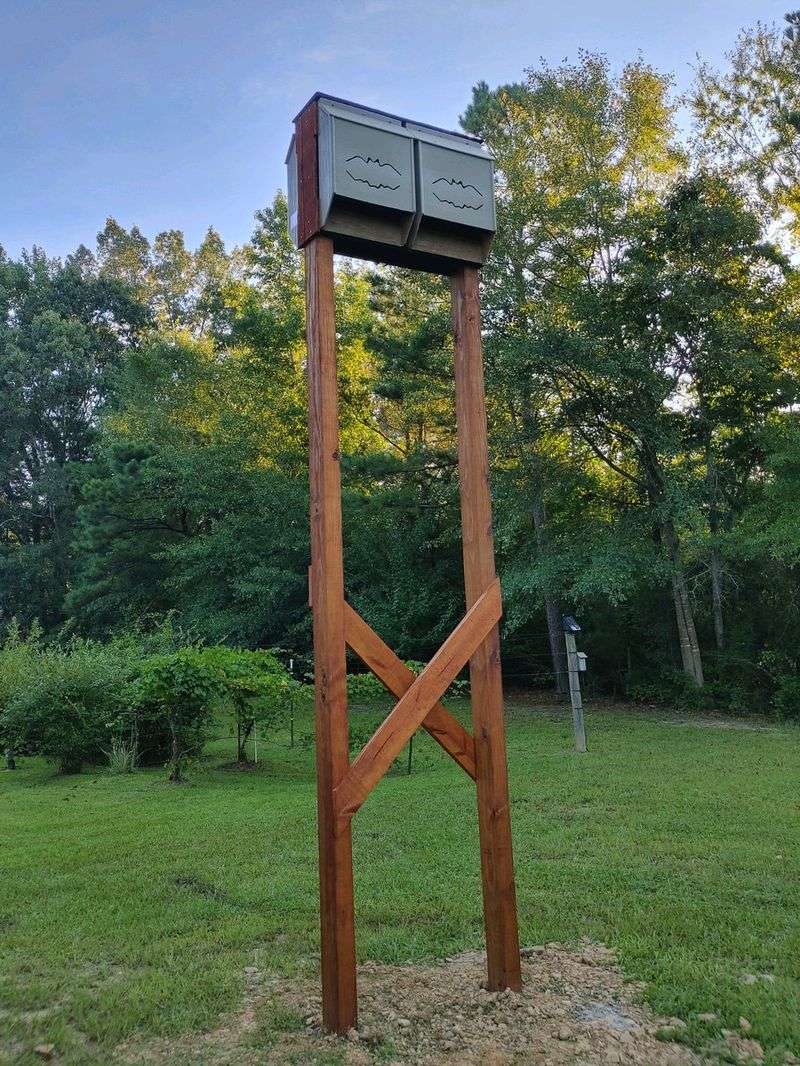
A well-placed bat house can give a colony a safe daytime home without sharing your attic. Missouri conservation groups often recommend them, especially for yards near water, fields, or wooded edges full of insects.
Mount the box twelve to twenty feet high on a pole or building, not on a tree. Height protects bats from predators, and open space below gives them room to swoop in and out.
Sunlight matters a lot, because warm roosts are more attractive to bats than cool, shaded ones. Aim for at least six hours of direct sun, with the entrance facing south or southeast.
The Missouri Department of Conservation suggests a medium gray finish here, and narrow chambers inside give bats a snug grip. Look for designs approved by a trusted conservation group, and choose sturdy wood over thin scraps.
Patience is part of the deal, since bats may take months or even a couple of years to move in. Autumn is a fine time to hang the box, so it is ready when spring arrives.
A bat house does not replace fixing gaps in your home, but it gives displaced bats a nearby option. Many wildlife professionals pair careful exclusion with a bat house placed close to the old roost.
Keep the area below the box clear of bright lights, and avoid disturbing it once bats move in. Then sit back at dusk and watch a quiet little colony head out for dinner over your yard.