Yes, You Can Grow Your Own Tree In Michigan From Tangerine Seeds
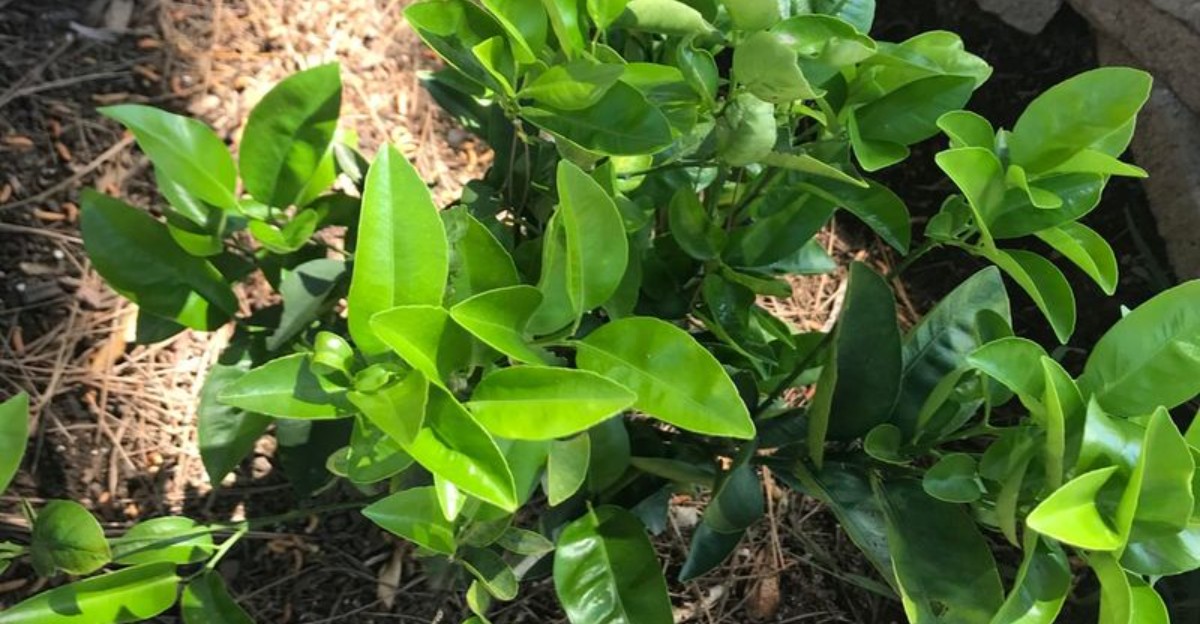
Save the seeds from your next tangerine. With a little care, they can become a glossy green tree on your windowsill. Citrus seeds sprout readily, and the project works well for beginners and kids.
A pot of moist soil in a warm, bright spot is all you need to begin. Set your expectations carefully, though. The tree may not make fruit like the one you ate, and flowers can take years to appear.
Michigan winters are far too cold for citrus to stay outdoors. The plant will need to live inside from fall until the weather warms up. Even without fruit, the leaves smell wonderful when you brush them. It is a cheap, surprising experiment that rewards patience.
1. Save Plump Seeds From Fresh Fruit
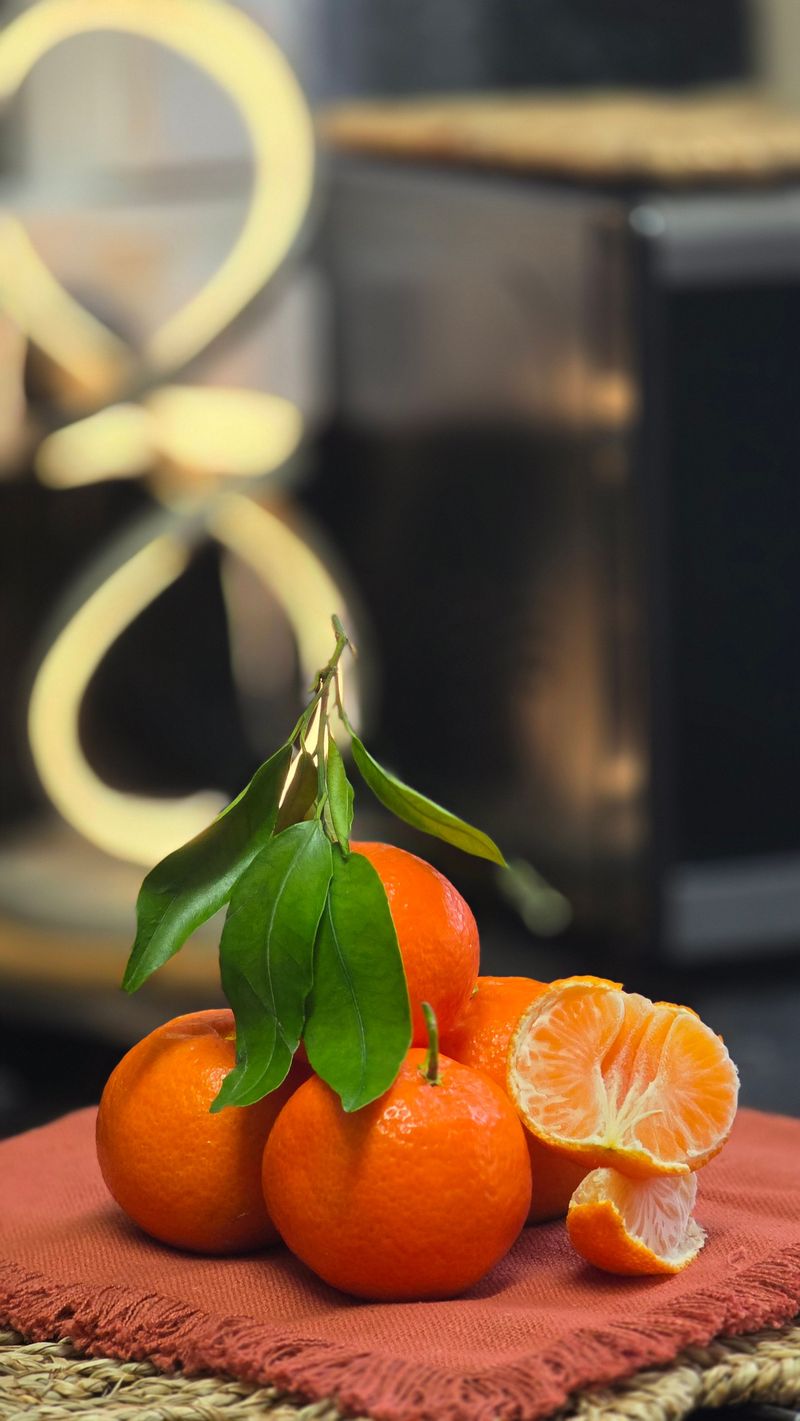
Every great tree starts with one good seed, and finding that seed is the first fun hunt of this project. Tangerines (Citrus reticulata) come in many types, and the seeds inside can vary a lot in quality. Picking the right ones gives your tree a much better shot at sprouting.
Fresh seeds matter most. A seed taken straight from a ripe fruit is still full of moisture and energy, so it sprouts far better than one that has dried out on a counter for days. Once citrus seeds dry, many of them lose their ability to grow at all.
You may need a little patience at the grocery store. Many tangerines and clementines sold today are bred to be seedless, so you might peel three or four fruits before you find any seeds.
Look for varieties labeled as tangerines rather than seedless clementines, and check a few before giving up. When you do find seeds, choose the plump, full ones.
Skip any that look flat, shriveled, or tiny, since those often have little inside to grow. Plan to plant your best picks the same day you take them out of the fruit.
Here is a neat bonus. Many tangerine seeds can produce seedlings that are very close copies of the parent tree, thanks to a special trait in citrus seeds. Results can still vary, so your tree might turn out a bit different, and that is part of the adventure.
Michigan is actually a wonderful place to start. Stores overflow with tangerines in winter, right when outdoor gardening is on pause. A bowl of fruit becomes a cozy indoor project that keeps your green thumb busy during the snowy months.
2. Clean The Seeds And Speed Up Sprouting
Sticky fingers are a sign you are doing it right. Fresh tangerine seeds come out coated in pulp and juice, and that sweet layer needs to go before planting. Sugar left on a seed is an open invitation for mold, which can spoil it before it ever sprouts.
Start by rinsing the seeds under cool running water. Rub them gently between your fingers until they feel smooth and no bits of fruit cling to them. A small strainer makes the job easier and keeps seeds from slipping down the drain.
Your Michigan Garden Changes Every Week. Your Plan Should Too.
Gardening in Michigan changes quickly throughout the season. Every Friday you’ll receive a simple weekly plan showing exactly what to plant, prune, fertilize, harvest, and protect so you never miss the right timing.
Next comes a short soak. Drop the clean seeds into a cup of water for a few hours, which softens their outer layer. You will notice the seed coat starting to look a little loose, and that is exactly what you want.
Now for the secret trick many gardeners swear by. Each citrus seed wears a thin, papery coat that slows down sprouting. Using your fingernail or a small craft knife, carefully peel that coat away, working slowly so you do not nick the seed inside.
Under the coat, you may see a seed that looks slightly green or tan. Treat it gently, because it is delicate. Once peeled, plant it right away so it does not dry out, even for an hour.
Peeled seeds often sprout days or even weeks faster than unpeeled ones. That speed is a big help for Michigan gardeners, who usually start citrus indoors during the long winter.
Faster sprouts mean your seedlings get more growing time before summer arrives, giving them a stronger start overall.
3. Keep Seeds Warm And Moist To Germinate
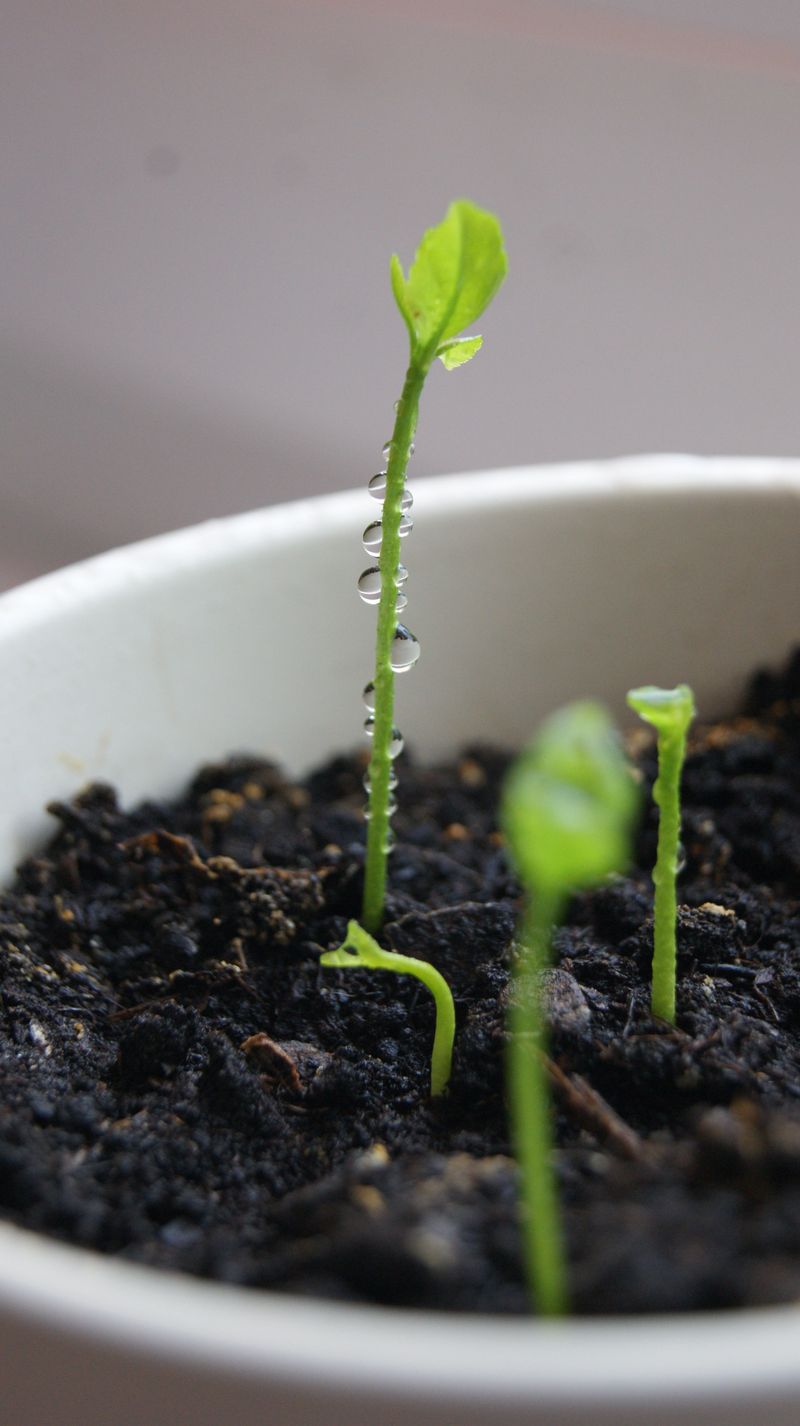
Citrus trees grow in sunny places like Florida and Spain, so their seeds expect warmth. Think of each little seed as a beach lover stuck in a snowstorm. Give it a cozy spot, and it will reward you with a sprout.
Temperature makes a huge difference. Citrus seeds germinate best when the soil stays around 70 to 80°F. In a cool room, they may sprout very slowly or simply sit there doing nothing for weeks.
Planting is simple. Fill small pots with moist seed-starting mix, then press each seed about half an inch deep. Cover it lightly and pat the surface so the seed touches the damp mix all around.
Moisture comes next. Wrap each pot with clear plastic wrap or slip it inside a plastic bag. That cover traps humidity, creating a tiny greenhouse that keeps the mix from drying out too fast.
Heat is where many people slip up. A seedling heat mat is the easiest tool, since it warms the soil gently from below. No mat?
The top of a refrigerator often stays nicely warm and works well too.
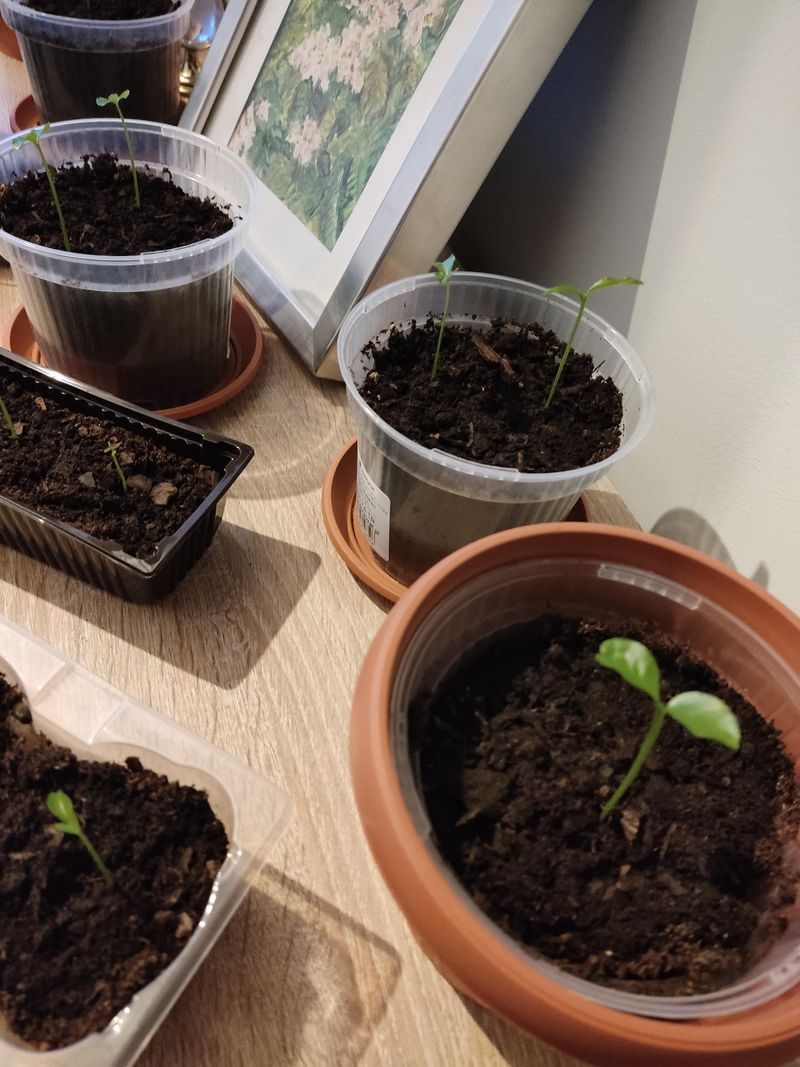
Check the pots every few days. If the mix feels dry, add a little water, and if you see lots of drops inside the plastic, open it for an hour to let air flow. Sprouts usually appear in about two to four weeks, so patience pays off.
Michigan homes in winter are often kept cooler than citrus seeds prefer, especially at night. A little extra warmth turns a slow, chilly wait into an exciting sprouting success you can watch happen.
4. Use A Grow Light For Strong Seedlings
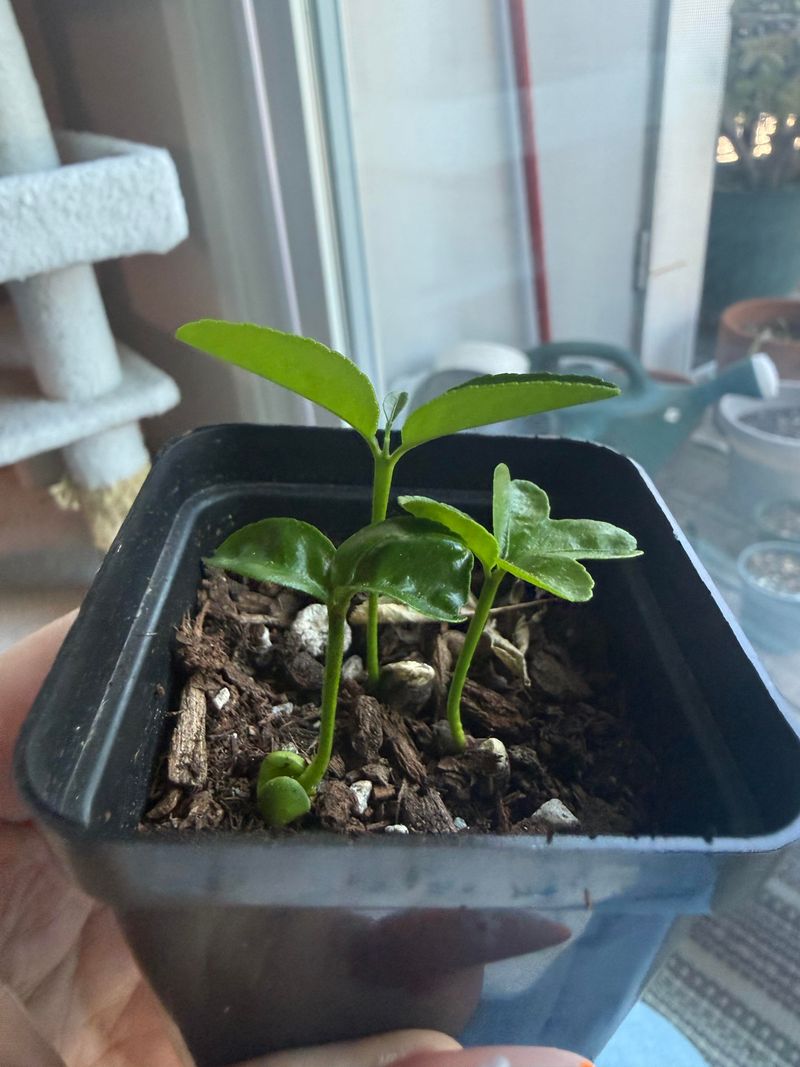
Tiny green loops pushing through the soil feel like a small miracle. Once those first sprouts appear, your job shifts from keeping things warm to giving them plenty of light. Light is food for young plants, and citrus seedlings are hungry.
Without enough brightness, seedlings stretch toward any glow they can find. They grow thin, pale, and floppy, a shape gardeners call leggy. Strong light helps them build sturdy stems and rich green leaves instead.
First, remove the plastic cover as soon as you see sprouts. Keeping it on too long can trap extra moisture and invite mold. Fresh air helps the seedlings toughen up.
Next, set them under a grow light. An affordable LED shop light or clip-on grow lamp works great when placed a few inches above the leaves. Run it about 12 to 16 hours a day, and a simple outlet timer makes that easy to remember.
If a light is not in your budget, choose your sunniest south-facing window. Turn the pots a quarter turn every few days so the seedlings grow straight rather than leaning toward the glass.
Keep the soil lightly moist, never soggy, by watering when the surface starts to feel dry. Michigan winters bring short days and lots of clouds, especially near the Great Lakes, where lake-effect weather can block the sun for long stretches.
Natural light alone often falls short from November through February. A grow light fills that gap and helps your tiny tangerines stay healthy until spring brings longer, brighter days.
5. Watch For Dry Air And Pests Indoors
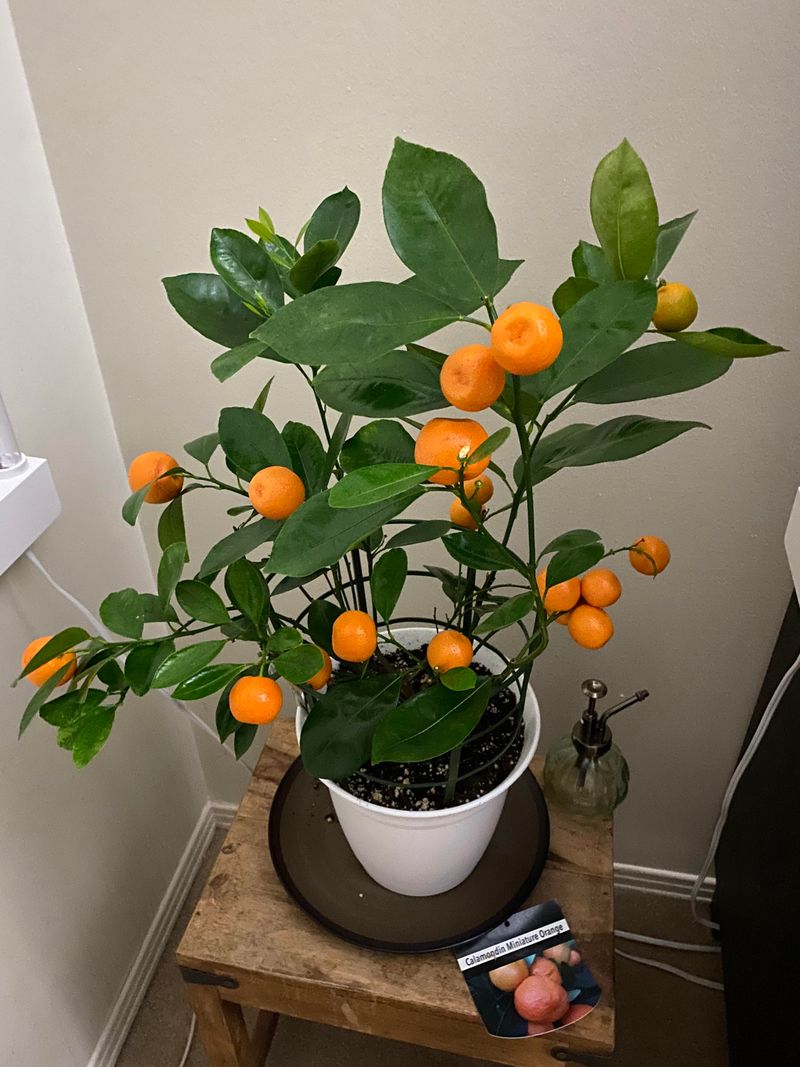
Ever notice how your lips crack in January? Your tangerine feels that dryness too. Heated indoor air can drop to very low humidity, and citrus trees much prefer the moist air of their warm native homes.
Dry air stresses young trees. Leaves may curl, turn crispy at the edges, or even fall off. Worse, dry conditions are a playground for tiny pests like spider mites and scale insects.
Spider mites are so small you may first spot their fine webbing or tiny yellow speckles on leaves. Scale looks like little brown bumps stuck to stems and leaf veins. Both suck plant juices and can weaken a young tree fast.
Luckily, a few easy habits help a lot. Group your plants together, since they release moisture that raises humidity around each other. A pebble tray also works well: fill a shallow dish with stones and add water just below the top so the pot sits above it, not in it.
Placement matters too. Keep your tree away from heat vents, radiators, and space heaters that blow hot, dry air. Even a few feet can make a big difference.
Make pest checks part of your weekly routine. Flip leaves over and look at the undersides and along the stems with good light. If you find trouble, treat it early with insecticidal soap or horticultural oil, following the label carefully.
Michigan furnaces often run from October into April, leaving indoor air dry for half the year. Staying alert keeps your little tree green and thriving.
6. Give It A Summer Outdoors And Bring It In Early
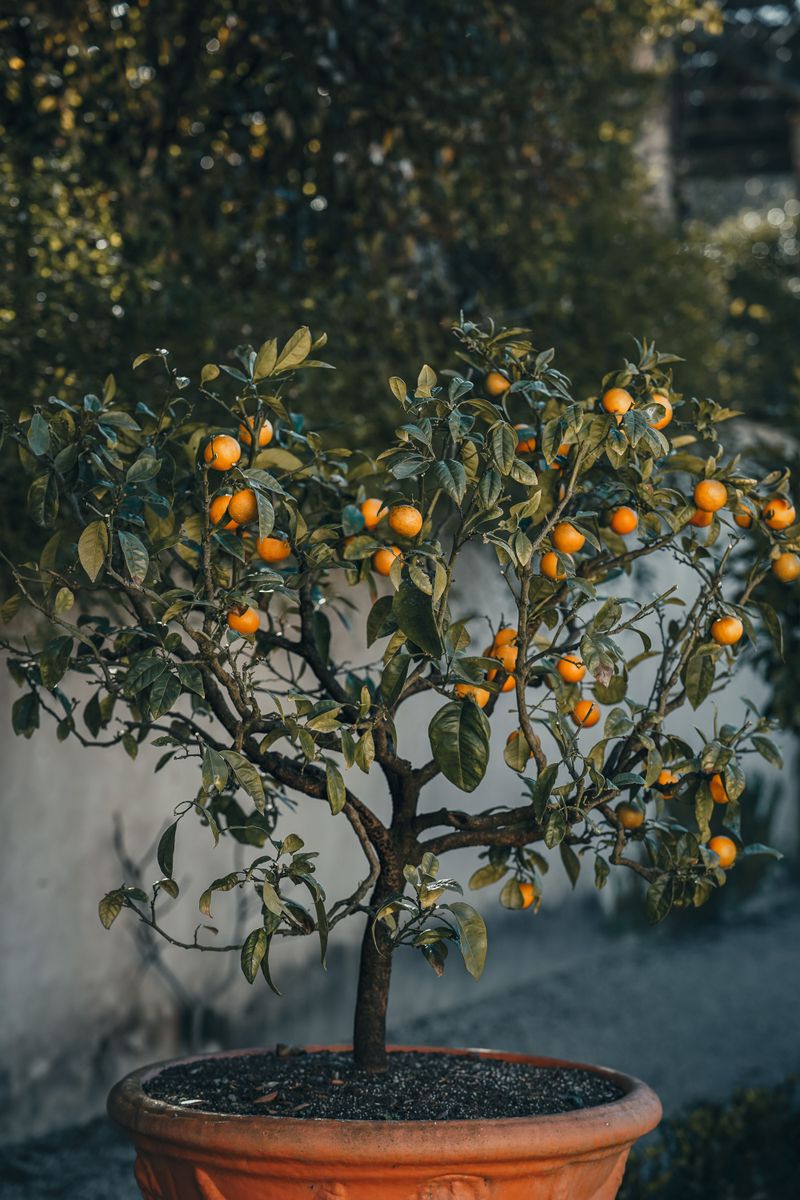
Summer vacation is not just for kids. Your young tangerine tree will love a few months outside, soaking up real sunshine and warm breezes. Outdoor time helps citrus grow faster, fuller, and much stronger than it ever could indoors.
Timing is the key. Wait until late spring, when nights stay above about 50°F, before moving your tree outside. In much of Michigan, that usually means late May or early June.
Go slowly at first. Indoor leaves are not used to strong sun and can scorch, so place the tree in partial shade for about a week. After that, move it into full sun where it can really take off.
Summer heat dries out pots quickly. Check the soil often, and water whenever the top inch feels dry, which may be every day or two during hot spells. This is also the season to feed, so use a citrus fertilizer during the growing months, following the package directions.
Now for the part you cannot skip. Tangerines are tender trees that simply cannot survive Michigan winters outdoors. Even a light frost can badly harm the leaves and branches.
Bring your tree inside before nights drop below about 50°F, which often happens in September across the state. Check the leaves for pests before moving it, so you do not carry any hitchhikers indoors.
Michigan summers are lovely but short, and chilly nights can sneak in early, especially up north. Watching the forecast closely lets your tree enjoy every warm week while staying safe.
7. Grow It As A Long-Term Container Tree
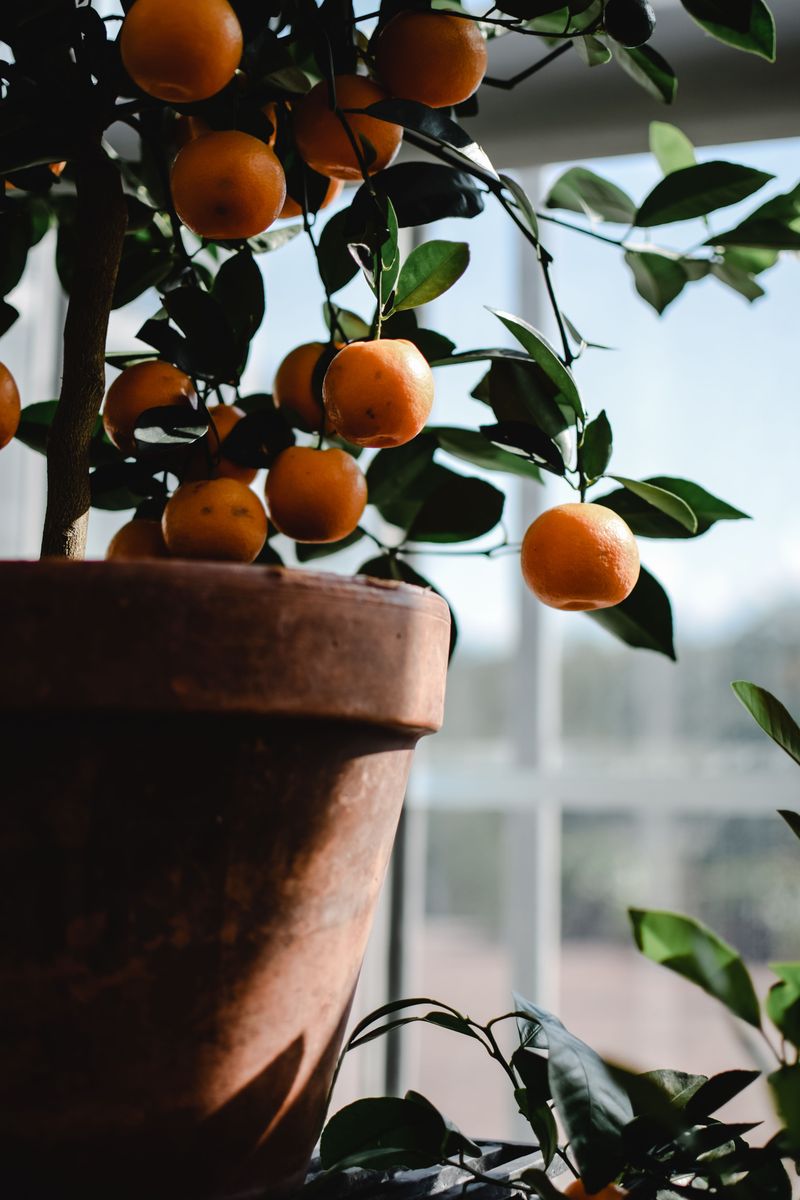
Growing citrus from seed is a little like planting a friendship. It takes time, but the reward lasts for years. A tangerine started from seed is a slow, steady project rather than a quick fruit factory.
Be ready to wait for fruit. Seed-grown citrus usually takes many years to bloom, often five years or more, and some take longer. Young seedling trees can also grow tall and develop sharp thorns, so place them where nobody will brush against them.
Still, the wait is easy to enjoy. Glossy leaves smell fresh and citrusy when you rub them, and a healthy tree brightens any room. Many growers love their tangerine as a houseplant long before the first blossom appears.
As your tree grows, move it into a slightly larger pot every year or two. Always choose containers with drainage holes, since soggy roots cause big problems. A fast-draining citrus or cactus mix keeps water moving freely.
Watering is simple once you learn the rhythm. Push a finger into the soil, and water only when the top inch feels dry. Light pruning in spring helps keep the tree a manageable size and encourages a bushier shape.
Want fruit sooner? A grafted dwarf citrus from a nursery can bloom within a year or two, and it makes a great partner for your seed-grown tree.
For Michigan gardeners, containers are the only way to keep citrus through freezing winters. A pot lets your tangerine travel between deck and living room, giving you a little slice of sunshine every season.