Do Arizona Yards With Fewer Mosquitoes Share a Back-Wall Plant? What to Check Instead
Maybe you have noticed that a neighbor’s yard seems to have fewer mosquitoes, and a certain plant grows along the back wall. It is a fun clue, but a clue is not the same as proof.
Mosquitoes care a lot about water and shady hiding spots, and Arizona yards have plenty of both after monsoon rain and irrigation. Here is how to turn that curiosity into a yard check that actually helps.
The back-wall plant is not a proven explanation
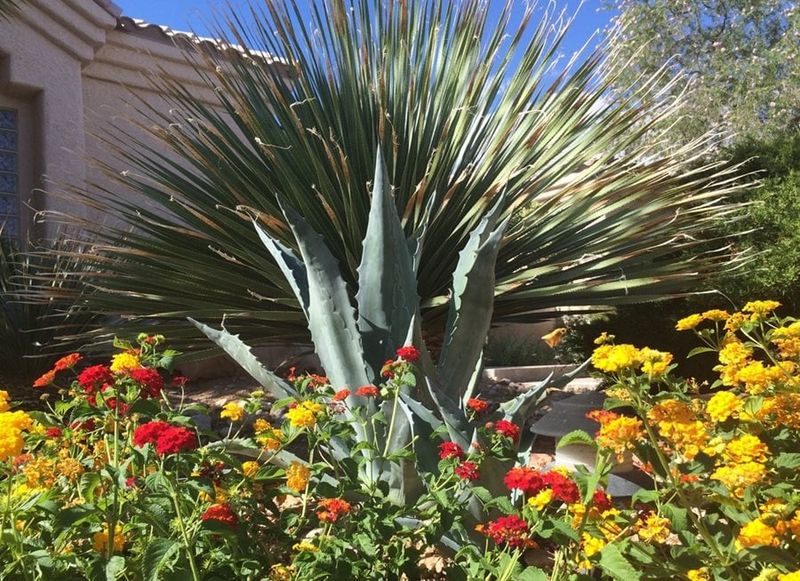
Here is the straight answer: no reviewed source points to a particular native plant along a back wall that reliably keeps mosquitoes away. If your neighbor’s yard feels calmer, that is a real observation worth respecting.
It just is not proof that the plant caused it.
Think of it as a hypothesis. Rain, irrigation habits, drainage, and nearby yards can all differ from one property to the next, and none of them depend on what is planted by the wall.
A leafy wall and a low mosquito count might simply show up together by chance.
What the sources do tell us is more useful. University of Arizona Extension explains that mosquitoes need water to complete their life cycle, and rainwater and irrigation can support local populations.
Meanwhile, Maricopa County’s backyard checklist lists dense shrubbery as a place where mosquitoes may rest.
So instead of hunting for a magic plant, the rest of this article walks through what to inspect in your own yard, without claiming any one factor outweighs another.
How can water and yard conditions affect mosquitoes?
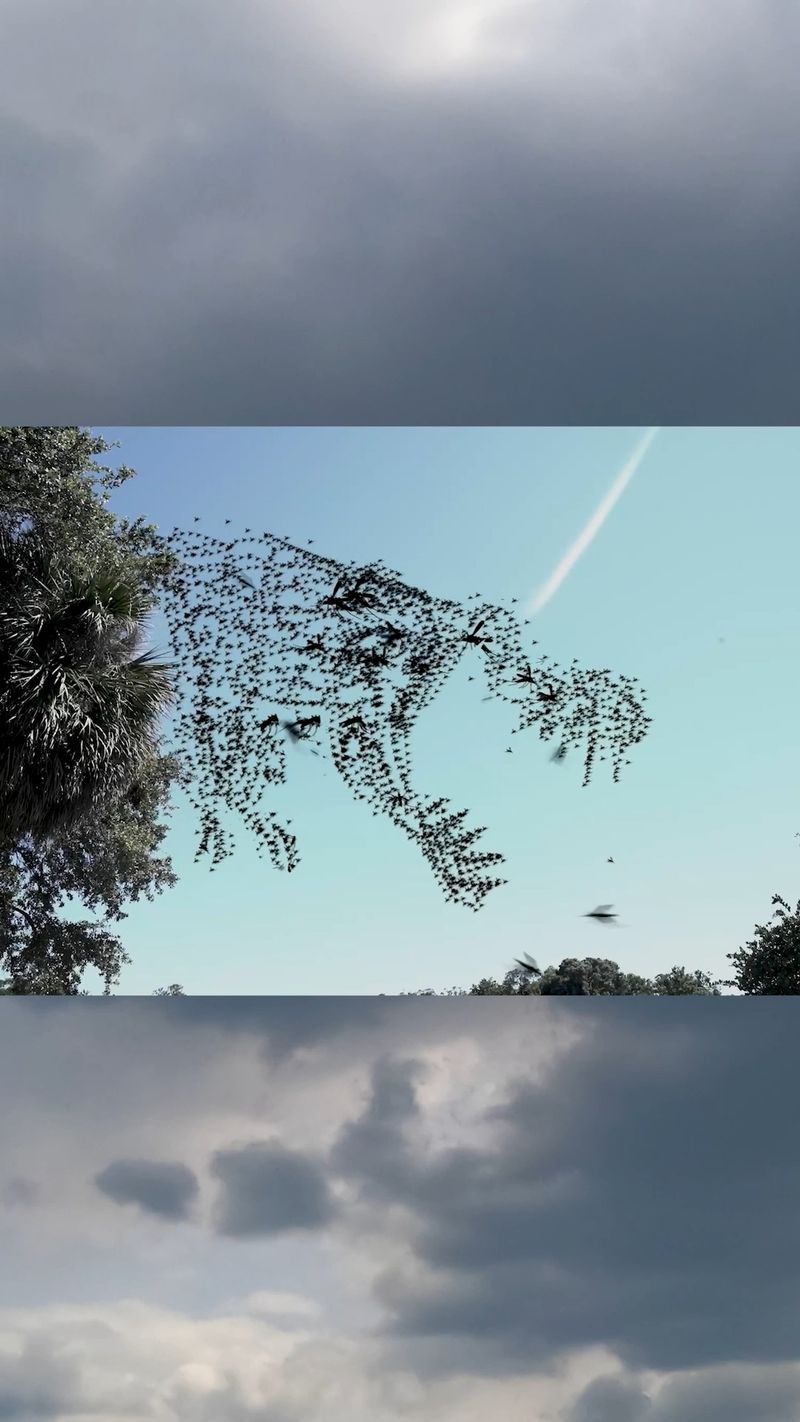
Every mosquito starts life in water. Without it, the cycle from egg to biting adult cannot finish.
In the low desert, monsoon storms and routine irrigation can leave water in places you rarely look.
Some species need only a tiny amount. According to a University of Arizona IPM newsletter, small water-holding sites such as containers, tree holes, and plant leaf axils can be enough.
That list includes the odd bucket, a clogged saucer, or a cupped spot on a plant that traps rain.
Notice what this does and does not say. It gives you good reasons to look for water around your home.
It does not show that any particular plant draws mosquitoes in or pushes them away.
Monsoon rain and irrigation also change from season to season and from block to block. That is one more reason a calm-looking yard next door may have little to do with its landscaping.
Dense greenery can provide resting cover
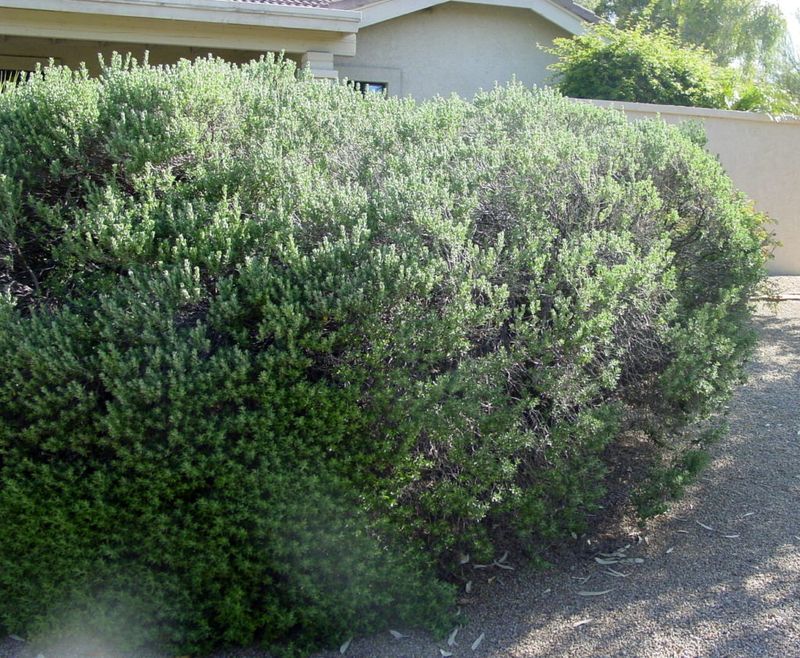
Mosquitoes spend a lot of the day resting, and they like shady, sheltered spots. Maricopa County’s backyard guidance names dense shrubbery as one place they may hang out.
That makes a thick tangle along a back wall worth a second look.
Notice the wording, though. Dense growth is a possible resting place, not a proven cause of mosquito problems.
A leafy wall alone does not explain how many mosquitoes your yard has.
A few plants can also hold water in their structures, and Arizona IPM guidance mentions leaf axils as one small site for some species. Most plants are not breeding sites, so look for pooled water rather than blaming the plant itself.
Your Arizona Garden Changes Every Week. Your Plan Should Too.
Gardening in Arizona changes quickly throughout the season. Every Friday you’ll receive a simple weekly plan showing exactly what to plant, prune, fertilize, harvest, and protect so you never miss the right timing.
The practical move is targeted care. Thin out spots that are packed so tightly that air and light cannot get through, and check inside for trapped water.
There is no need to rip out native plants, which still provide shade and habitat for wildlife.
Inspect the yard for hidden water
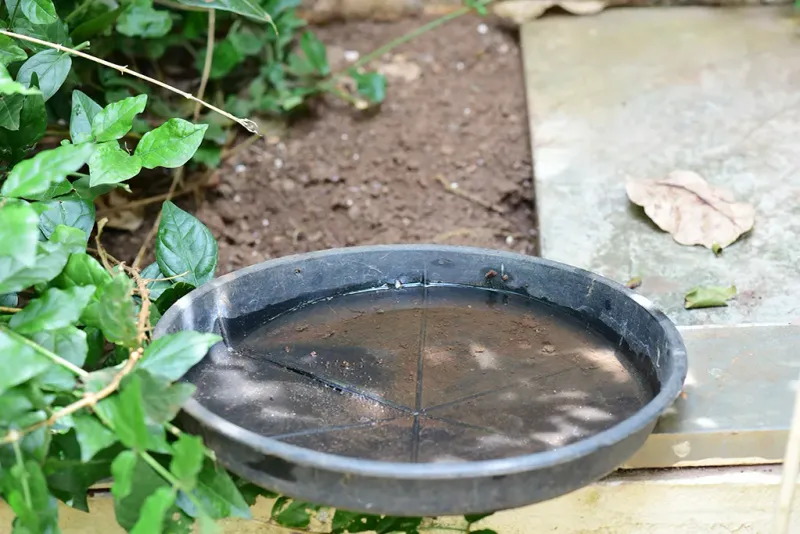
Grab a flashlight and walk the yard like an inspector. Start at the back wall, then circle toward the house.
Look anywhere water can sit.
Here is a simple route:
Check plant saucers, buckets, toys, and tarps. Look at gutters, low spots in the gravel, fountains, and rain barrels.
Follow irrigation lines for small leaks or emitters that pool water.
Empty or scrub anything that holds water, because mosquito eggs can stick to container walls. Cover or screen stored water.
CDC guidance recommends checking and clearing water-holding items weekly.
Local advice varies a bit. Maricopa County suggests not letting outdoor water stand more than four days and checking fountains at least twice a week, as noted in its backyard checklist.
No single interval is a guarantee. The better habit is to look after every rain or long irrigation run and remove standing water promptly.
Aromatic leaves do not establish yard-wide repellency
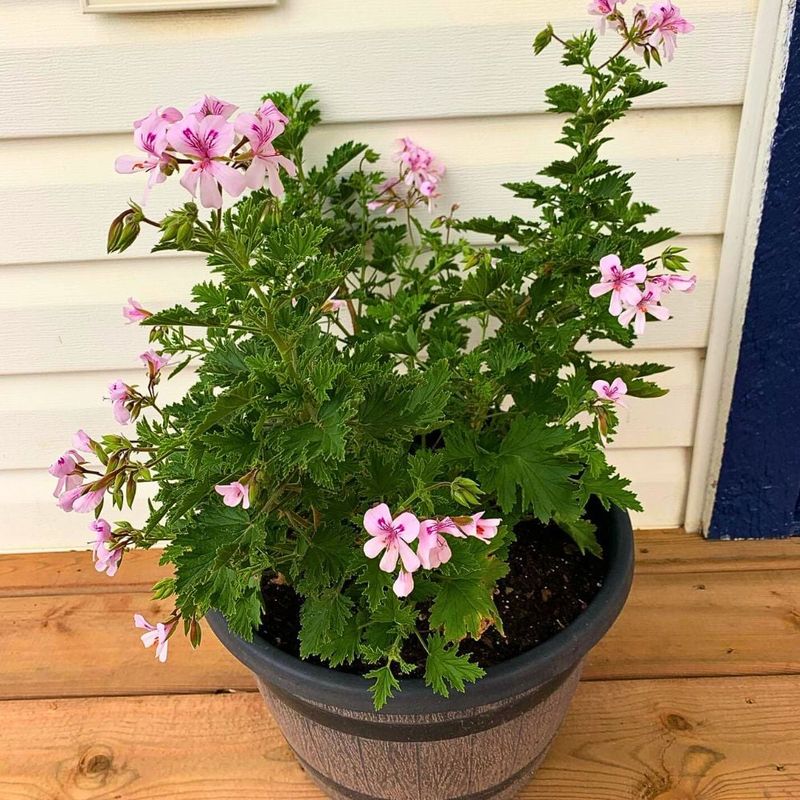
Plenty of plants smell strong, so it feels logical that they would push mosquitoes away. But a living plant is not the same as an ingredient in a repellent.
Some plant-derived compounds are used in formulated products, yet that does not show a shrub beside your wall protects the yard.
A 2026 controlled study put this to the test. Intact citronella-scented geranium and prostrate rosemary did not reduce mosquito captures in the tested settings.
That does not cover Arizona native plants or every yard, but it is a good reason to be careful with big claims.
Skin protection is a separate matter. Crushed leaves and homemade or unformulated oils are not reliable, and I would not rub them on skin.
The EPA separates registered products from some unregistered ones it has not evaluated.
CDC’s Yellow Book also notes that pure oil of lemon eucalyptus is not the same as a tested, EPA-registered repellent. Enjoy fragrant plants for their scent and habitat value, and lean on proven tools for protection.
Protect people where they spend time outdoors
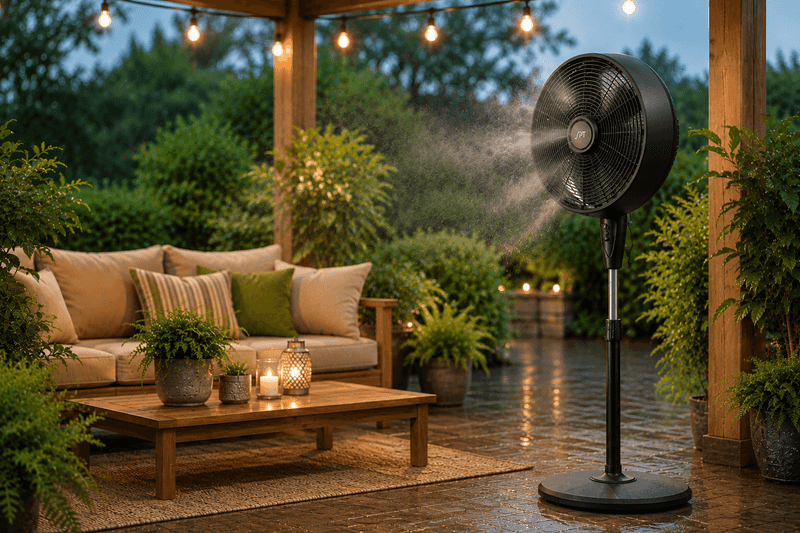
Yard cleanup lowers the odds, but it cannot promise a mosquito-free evening. Bite prevention should travel with you.
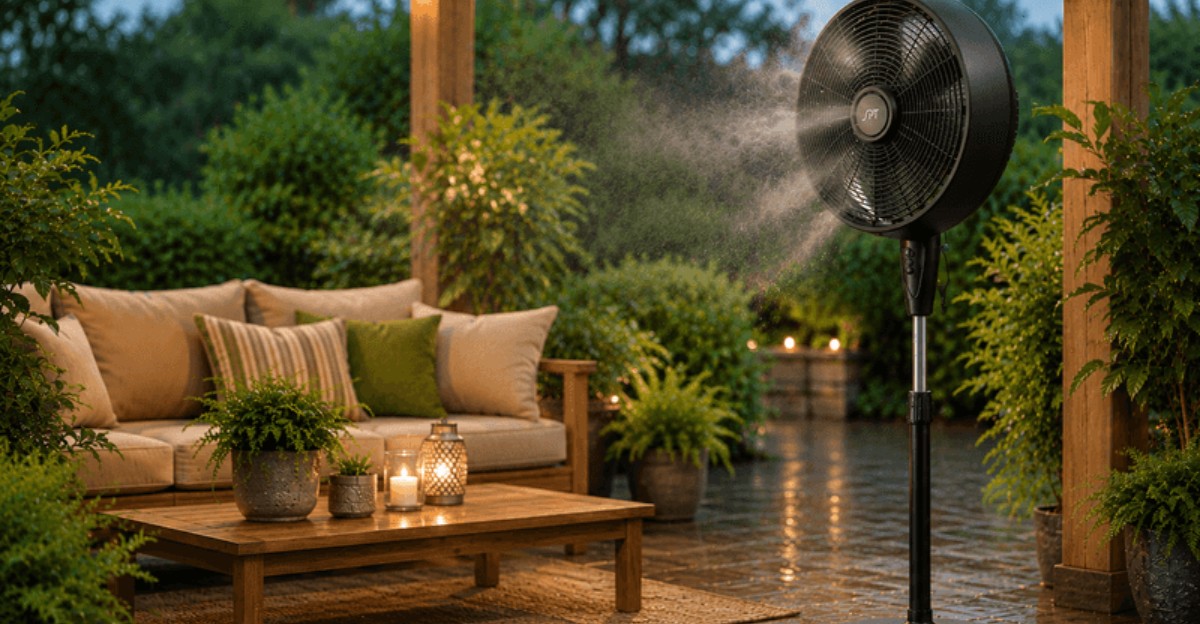
Maricopa County’s Fight the Bite tips recommend EPA-registered repellent and suggest a portable fan in outdoor seating areas, since mosquitoes are weak fliers.
Read the product label and follow it every time. The EPA’s repellent regulation page explains how registered products are reviewed, and the label is where you will find directions for use.
Lightweight long sleeves can help at dusk, too.
Back to the wall that started this. No particular native plant is verified as the reason some yards seem calmer.
What you can do is check for water after rain and irrigation and trim overly dense, damp corners, as the county checklist suggests.
A good yard habit and a good repellent habit work as a pair. Your neighbor’s secret may simply be a tidy hose and a quick bucket check.