Do Kingsnakes Reduce Rattlesnake Sightings in Arizona?
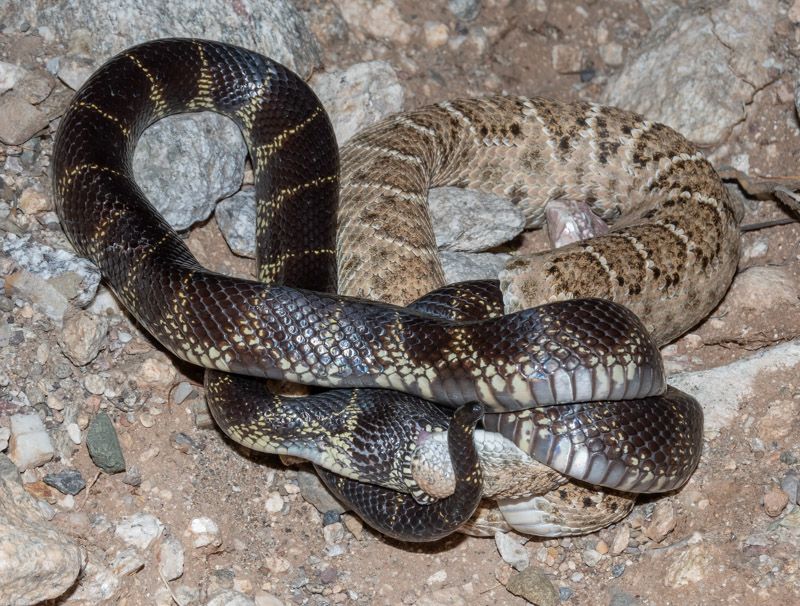
A harmless-looking snake that eats rattlesnakes sounds like the perfect neighbor for an Arizona yard. Kingsnakes really can do it, but that does not mean one living nearby makes your back door safer.
Knowing what the science shows, and what it does not, helps you make smart choices around your home. Here is a clear look at the facts and the steps that actually lower your risk.
Kingsnakes can eat rattlesnakes—but they eat other prey too
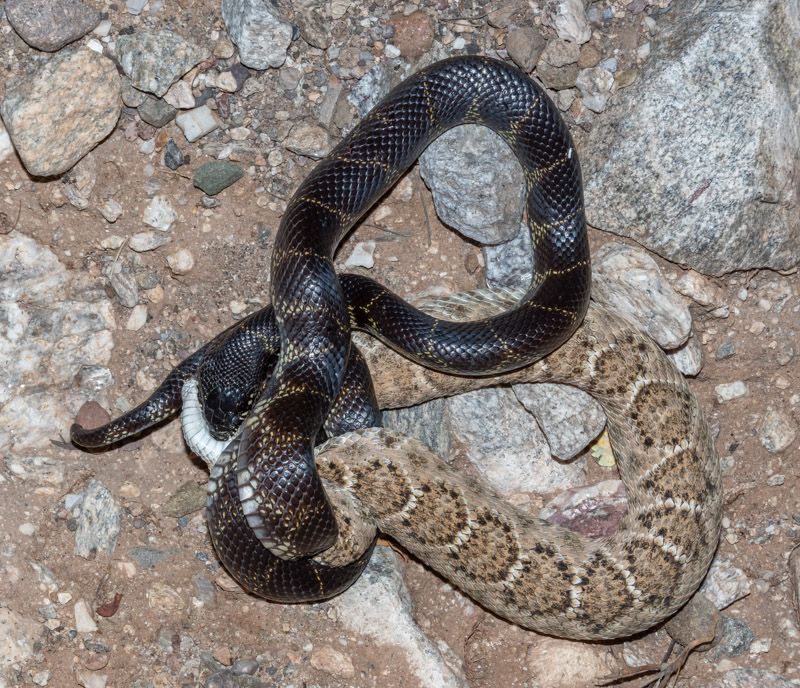
Yes, kingsnakes eat other snakes, and rattlesnakes can be on the menu. The Arizona-Sonora Desert Museum describes rattlesnakes as one part of the common kingsnake’s broad, opportunistic diet.
That means a kingsnake eats what it can find and catch, not just one favorite food.
Kingsnakes also go after rodents, lizards, birds, and eggs. A rattlesnake is simply one of many possible meals, and not one a kingsnake is known to seek out above others.
Arizona’s desert kingsnake adds another wrinkle. A Tucson Herpetological Society species account says its diet has not been rigorously investigated.
Based on other kingsnakes, it probably eats a wide range of animals, including rodents and snakes.
So the fair takeaway is that it may eat rattlesnakes. It is not a rattlesnake hunter by trade, and nothing here shows that it focuses on them.
Do kingsnakes reduce rattlesnake sightings near homes?
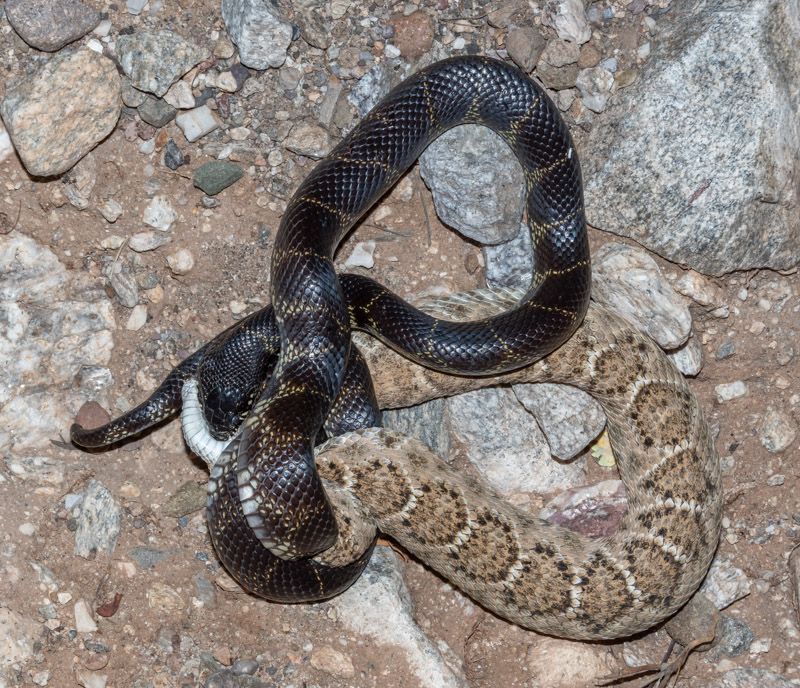
Short answer: nobody can promise it. A kingsnake eating a rattlesnake is one event.
Having fewer rattlesnakes around a house is a bigger result, and no evidence shows that one leads to the other on an Arizona property.
A study of California kingsnakes documented them eating seven rattlesnake species. That shows the behavior is real.
It does not measure what happens to rattlesnake numbers, and it was not done in Arizona yards.
A separate finding comes from the southeastern United States. Forest Service researchers found that where kingsnakes were less common, copperheads were more common.
The authors describe that link as correlative, meaning it does not prove cause and effect.
That result concerns copperheads, not Arizona rattlesnakes. Neither study tells you what to expect in your own yard, so treat any rattlesnake sighting as a real possibility whether or not a kingsnake lives nearby.
You cannot recruit a wild kingsnake as a bodyguard
Plenty of people wonder whether a yard can be set up to draw in a kingsnake and keep it there. The sources reviewed point to no dependable way to do that.
A wild snake goes where it wants, and nothing shows a homeowner can steer it.
The Tucson Herpetological Society account of the desert kingsnake offers no such method, and there is a practical problem too. Adding prey or shelter near the house would invite rodents and other snakes along with it.
Do not catch, feed, move, or handle a kingsnake to keep it close. Handling a wild snake can lead to a bite, and moving it away from its home range is no favor to the animal.
Your Arizona Garden Changes Every Week. Your Plan Should Too.
Gardening in Arizona changes quickly throughout the season. Every Friday you’ll receive a simple weekly plan showing exactly what to plant, prune, fertilize, harvest, and protect so you never miss the right timing.
Local safety advice from the City of Scottsdale leans the other way: limit rodents and clutter around the home. A kingsnake cannot stand in for those habits, so keep up your own precautions.
Nonvenomous does not mean safe to handle
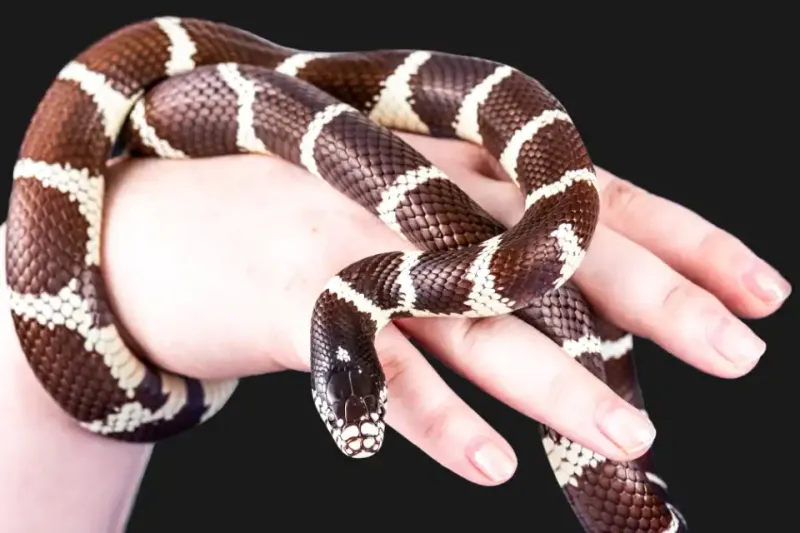
Kingsnakes are nonvenomous, and the Desert Museum calls the common kingsnake harmless. Harmless is a relative word, though.
A frightened snake does not know you mean well.
According to the museum’s description, a kingsnake that is confronted may hiss, strike, or release musk. A bite from a nonvenomous snake can still break skin and need cleaning, and the musk smells awful.
The museum also says kingsnakes are highly tolerant of rattlesnake venom and perhaps immune to it. That careful wording matters.
It describes how the snake handles venom when it eats a rattlesnake, not a reason to think a kingsnake is invincible.
It also says nothing about your safety. Being tolerant of venom does not make picking one up a good idea, so admire it from a distance.
What to do when a snake appears
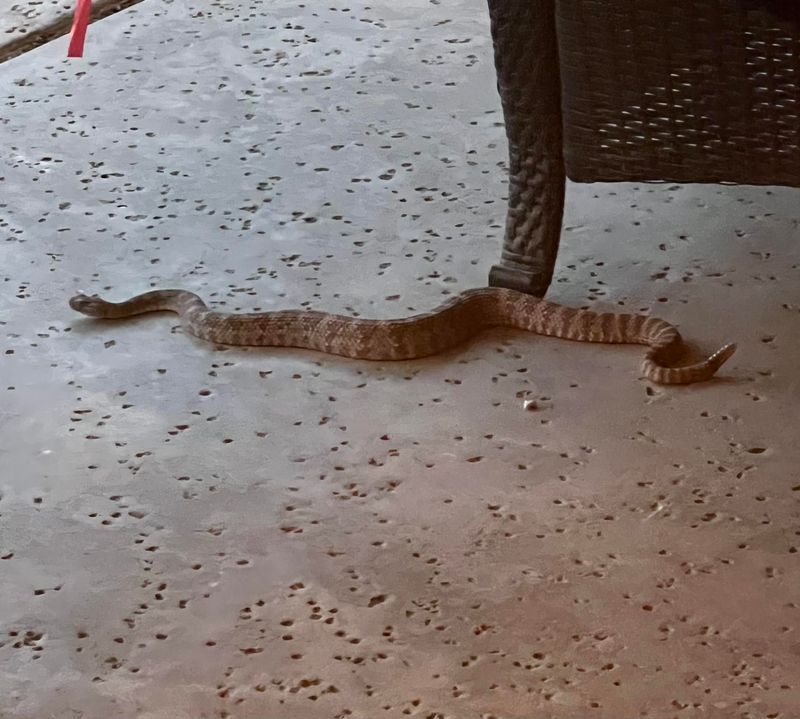
Spotting a snake is startling, but a calm plan works. Stop, step back, and keep at least six feet between you and the animal.
Bring kids and pets inside.
The City of Scottsdale advises not handling or capturing the snake. If no one is in danger, let it move on by itself.
Do not try to identify it by picking it up, since many Arizona snakes look alike at a glance.
If the snake stays in a worrying spot, such as near a door or a play area, or you feel uneasy leaving it, call a qualified local snake relocator.
A bite is a different situation. The Arizona Poison and Drug Information Center says to seek medical care immediately after a rattlesnake bite.
Do not try to catch the snake, because it only puts another person at risk and wastes time.
Reduce risk with everyday precautions
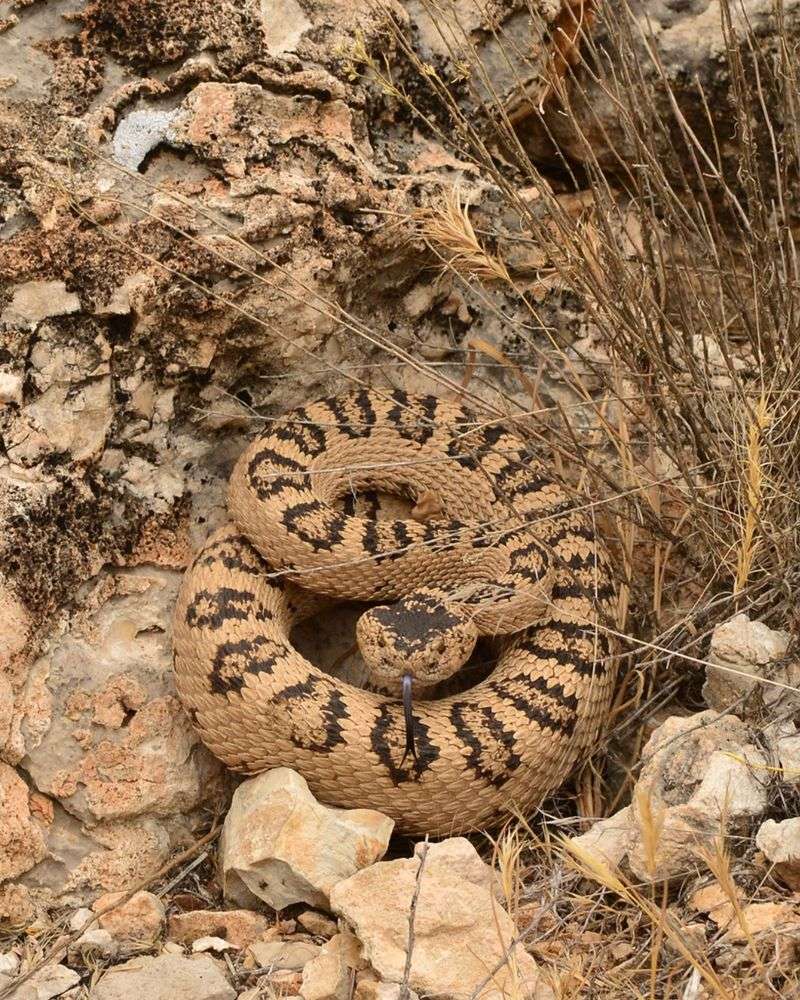
Habits do far more for your safety than hoping for a helpful neighbor. The Arizona Poison and Drug Information Center advises watching where your hands and feet go, especially when reaching or stepping into spots you cannot see.
Stay away from crevices, woodpiles, and deep grass, which are easy hiding places for snakes. After dark, carry a flashlight and wear shoes, even for a quick trip to the trash cans.
Keeping the area around doors tidy and open also makes any visitor easier to spot. A clear patio beats a cluttered one every time.
Kingsnakes may eat rattlesnakes, but a yard is never safe just because one passed through. A kingsnake in the neighborhood is a nice surprise, while a flashlight is a plan.