Do This In September To Make Virginia Piedmont Clay Soil Easier To Garden In
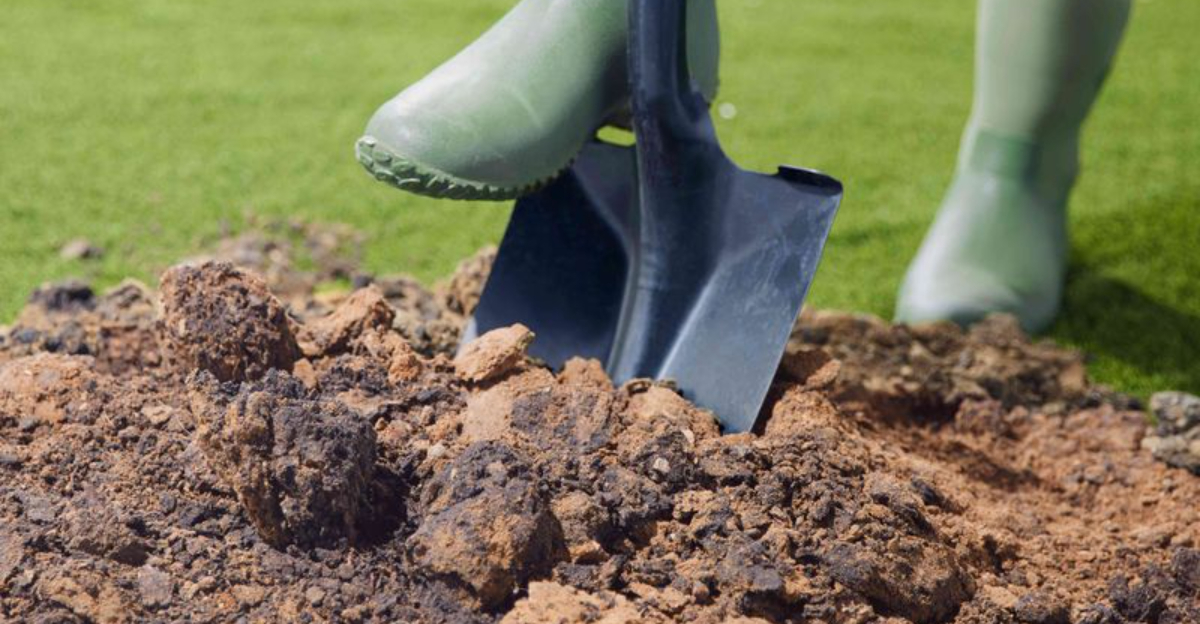
Anyone who has pushed a shovel into Virginia Piedmont clay knows the feeling. In July it can feel like brick, and after a rainstorm it grabs your boots like sticky red glue.
That famous red soil is not a curse, though. It holds moisture beautifully and carries plenty of minerals, which means it has real potential once you help it loosen up.
September happens to be the sweet spot for making that happen. Summer crops are finishing, the air is cooler, rain comes more often, and the soil is still warm enough for seeds and roots to get moving.
Whatever you add now has all fall and winter to break down, while roots, organic matter, and natural freeze-thaw cycles gradually improve the soil structure over time.
The steps ahead are simple, affordable, and mostly involve compost, cover crop seed, and a rake. None of them require a tiller or a truckload of sand.
1. Give Your Piedmont Clay A Fresh Start
Picture your garden as a machine that has been running hard all summer. September is when you shut it down, clean the parts, and set it up to run better next year.
Across this region, the timing is close to perfect because summer crops are finishing right as cooler air and steadier rain arrive.
Start with a soil test, which is a great fall task in Virginia and can help you get results before spring planting. The report shows your soil’s pH and nutrient levels, so you can stop guessing and focus on the amendments your garden actually needs.
Clay in Virginia often runs acidic, and fall is a good time to apply lime because it gives the amendment time to react before the next growing season.
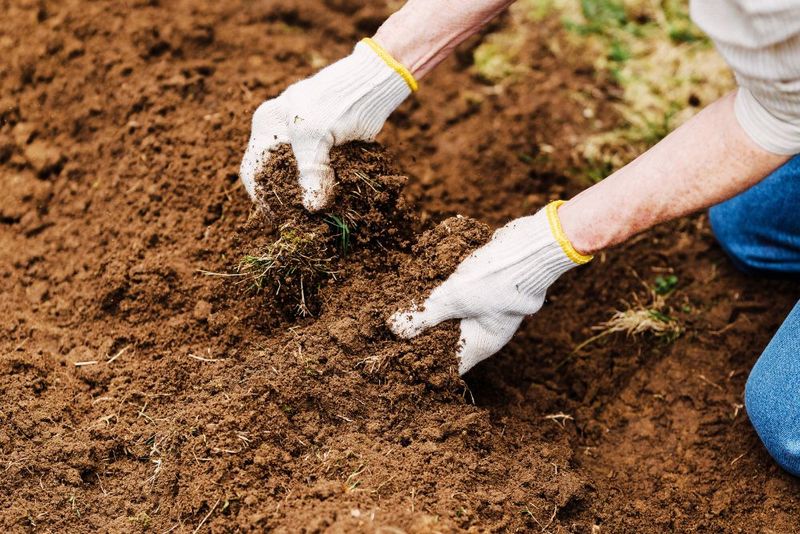
Next, pull spent vines and stalks, then spread organic material and work it lightly into the top few inches. Light is the key word here, since heavy digging in wet clay smears the soil and creates a hardpan.
Once the amendments are in place, winter takes over.
Water movement, organic matter, and natural freeze and thaw cycles can gradually improve soil structure over time. You get free tilling while sitting inside with a seed catalog.
A reset like this is not a one-time trick. Think of it as year one of a slow build that leaves your Piedmont beds friendlier every single season.
2. Plant These Cover Crops To Improve Heavy Piedmont Clay
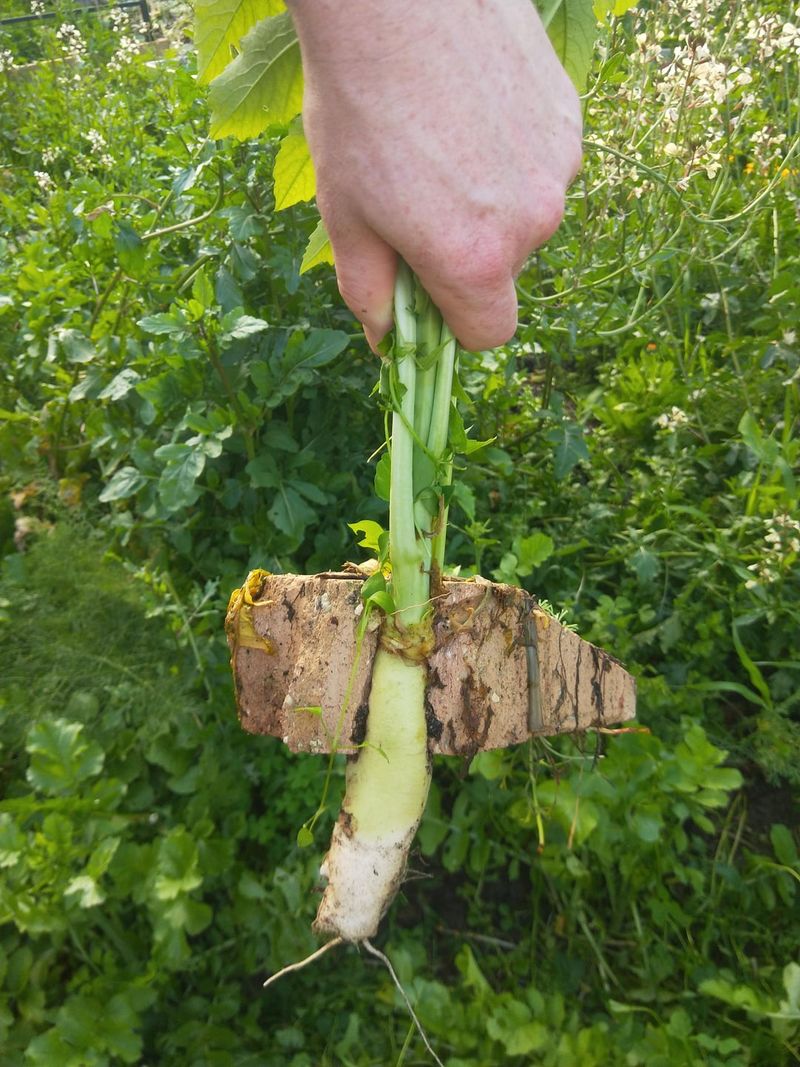
Farmers have called cover crops green manure for well over a century, and the nickname still fits. Instead of buying soil conditioner, you grow it right where you need it.
Roots do the heavy lifting in heavy Piedmont clay, drilling channels that let air and rainwater slip down instead of puddling on top.
Sow cover crop seed in late summer or early fall, depending on the crop and your local frost timing. That head start lets plants build real root mass before cold weather slows growth.
Legumes such as crimson clover and hairy vetch can fix nitrogen with the help of soil bacteria, adding nitrogen benefits when managed properly.
Your Virginia Garden Changes Every Week. Your Plan Should Too.
Gardening in Virginia changes quickly throughout the season. Every Friday you’ll receive a simple weekly plan showing exactly what to plant, prune, fertilize, harvest, and protect so you never miss the right timing.
Winter rye, oats, wheat, buckwheat, field peas, forage radish, and rapeseed can help improve clay soil by adding organic matter, improving structure, and reducing compaction.
Some Piedmont gardeners mix a legume with a grass to get nitrogen and bulky organic matter at once. Come spring, cut the growth down before seeds form and turn it under or leave it as mulch.
As stems and roots break down, they feed earthworms and soil microbes through the winter. At the same time, that living blanket helps hold back weeds and protect your topsoil from winter rain.
Few September chores pay back this generously for the price of a seed packet.
3. Don’t Leave Your Garden Beds Bare For Winter
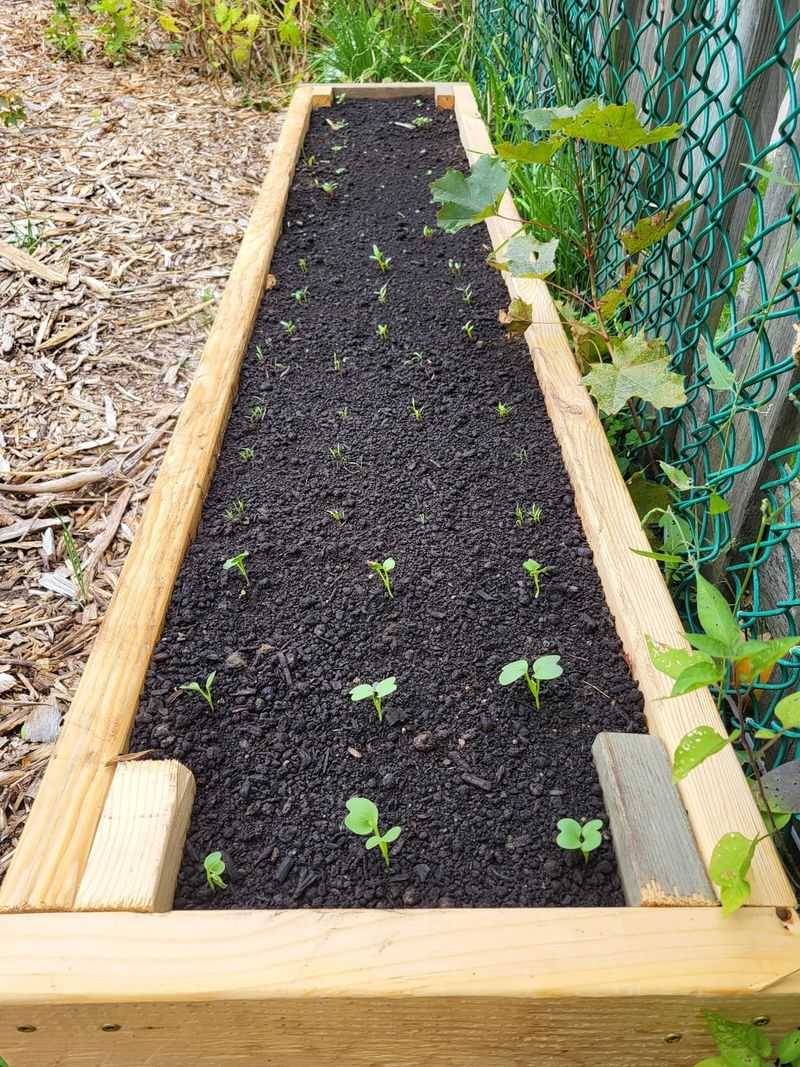
A garden bed may look finished once the summer crops are gone, but there’s one more job worth doing before winter arrives: protect the soil.
Bare clay is more vulnerable to erosion, crusting, runoff, and the effects of heavy rain. Instead of leaving your beds exposed, give them a protective layer before winter.
A cover crop such as winter rye or wheat can hold soil in place and add organic matter, while shredded leaves or another suitable mulch can protect beds you don’t plan to plant right away.
If you use a cover crop, get it established early enough to make some growth before hard frost. If you choose mulch, finely chopped leaves are a better choice than a thick layer of whole leaves if you want to avoid delaying spring planting.
For beds you plan to use again quickly in spring, mulch may be the simpler choice. For empty beds that can stay planted through winter, a cover crop gives you another way to protect the soil while adding roots and plant material to the bed.
The payoff is a garden bed that spends winter covered instead of exposed. That helps protect the soil from erosion and runoff while the organic material gradually contributes to better soil structure.
4. Add Compost Regularly To Slowly Improve Tough Clay Soil
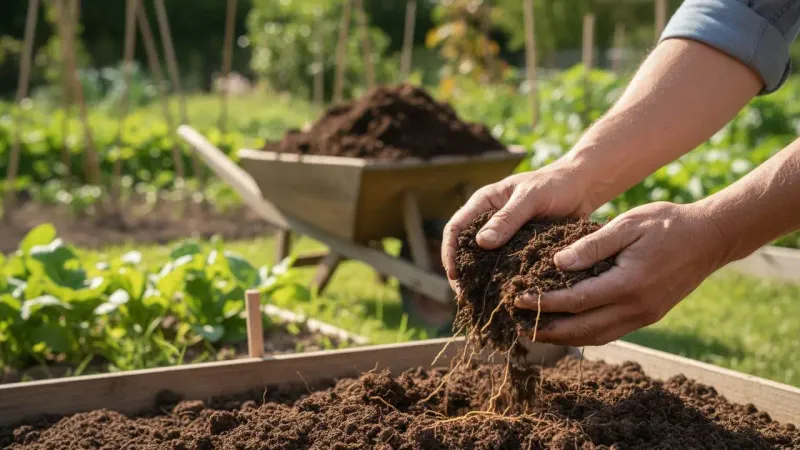
Compost is not glamorous. It is dark, crumbly, smells faintly like a forest floor, and it does more for tough clay than any product on a store shelf.
Making it a habit rather than a one-time project is what changes things. One heavy application helps a little, but a yearly routine builds soil you would happily brag about to neighbors.
Each addition improves how water moves through Piedmont clay, so puddles disappear faster, and roots stop sitting in soggy pockets. Roots also push through the softened structure with far less effort.
Compost acts like a slow-release fertilizer too, trickling nutrients out over months rather than dumping them all at once.
Along with food, it delivers billions of helpful bacteria, fungi, and other tiny organisms that keep nutrients cycling and help plants shrug off stress.
Building your own is simple in Virginia, where fall leaves are practically a renewable resource. Layer shredded leaves with kitchen scraps and grass clippings, turn the pile occasionally, and you will have usable material in a season or two.
Buying bagged or bulk compost works just as well if space is tight. Either way, every scoop you add is an investment, and Piedmont clay pays interest on it season after season.
5. Raise Your Planting Rows Where Clay Holds Water
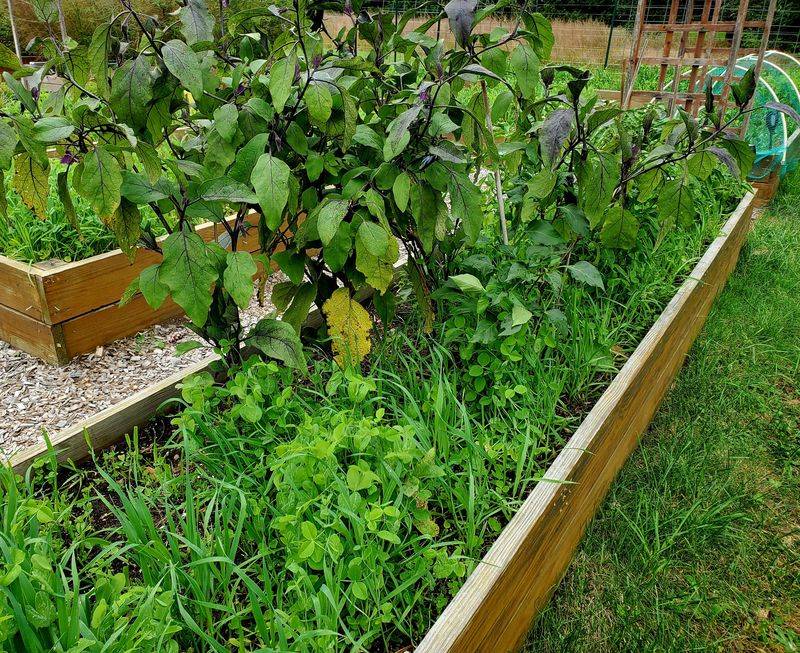
Some Piedmont clay beds have one frustrating problem: water simply doesn’t move through them quickly enough.
If you’ve noticed puddles sticking around after a good rain, fall is a good time to rethink how you’ll lay out those planting areas.
For vegetables and other plants that don’t like soggy roots, build slightly raised rows or low mounds instead of planting everything at ground level.
Raising the planting area can improve drainage by putting the root zone above the surrounding soil, which is especially useful where heavy clay drains slowly.
This can be especially helpful in low spots or sections where the native clay is particularly dense.
You don’t have to rebuild the entire garden, either. Raise just the rows where water tends to collect and leave areas with good drainage alone.
Raised beds also warm up faster in spring than level ground, which can give early crops a better start and allow you to plant a little sooner.
Just keep the beds broad and gently shaped rather than making tall, narrow mounds that can dry out quickly or erode. And don’t mound soil directly against plant stems.
You may not be able to change the clay beneath your garden overnight, but you can change how you plant on top of it, and sometimes that’s enough to make a stubborn bed much easier to manage.
6. Plant Deep-Rooted Crops To Help Loosen Compacted Clay
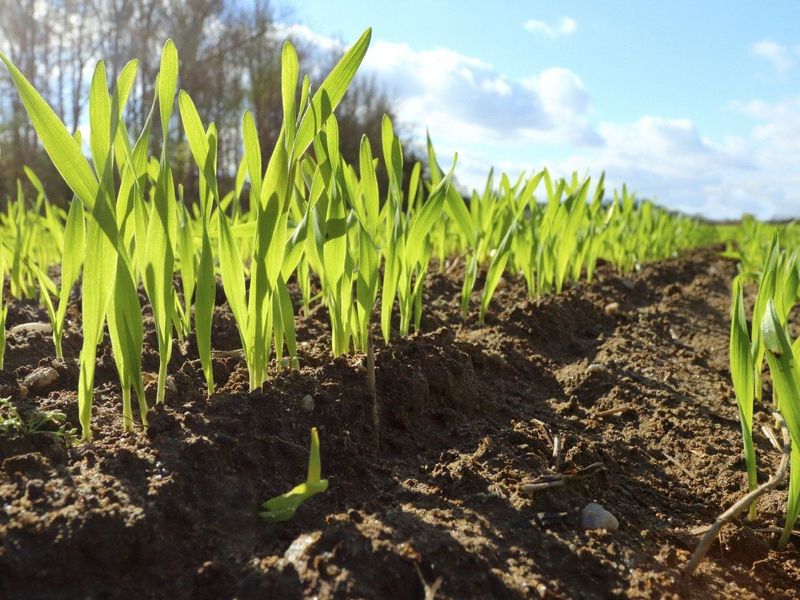
Some plants work like living drills. Daikon radish is one of the most popular choices because its large taproot can help create channels in compacted soil as it grows.
Gardeners sometimes call them tillage radishes for good reason. Left in the ground over winter, the root softens and breaks down, leaving an open channel behind that water, air, and future roots happily follow.
Deep-rooted cover crops such as certain grasses and legumes can help improve soil structure over time. Hairy vetch pulls double duty by rooting deeply while also adding nitrogen.
For bigger plots or serious compaction, a sorghum sudangrass mix grows aggressively and roots hard, though it needs warm soil, so late summer sowing works better than October.
What makes these crops so useful in gardens is that they treat compaction from below. Surface amendments only reach a few inches down, while the clay subsoil underneath stays dense and unwelcoming.
Deep roots reach into that layer and open it up naturally.
Rotate a few of these plants through your beds every couple of years and the change adds up. You are essentially hiring plants to do subsoil work you would never want to do by hand.
7. Use This Clay Soil Fix To Improve Your Garden Every Season
Here is the truth: there is no overnight cure for Virginia clay. Anyone selling one is selling a story.
What does exist is a slow, dependable improvement curve that rewards patience. Piedmont clay swells and sticks when wet, then bakes rock hard when dry, and only steady effort changes that behavior.
Organic matter remains the engine of the whole process. Compost every fall, cover crops turned under each spring, leaf mold layered on in winter, all of it slowly rearranges how those tiny clay particles sit together.
Instead of packing flat and tight, they gather into crumbs with air spaces between them. Those spaces are where the magic happens, letting water soak in, letting roots breathe, and letting nutrients stay put where plants can reach them.
Earthworms and soil microbes multiply as food increases, and their constant tunneling and feeding keeps refining the structure without any help from you. Gardeners around the Piedmont who commit to this pattern describe the same experience.
Year one is hard work, year three feels noticeably easier, and by year five the shovel slides in. Beds drain better, plants grow stronger, and weeds pull out cleanly.
The fix genuinely improves every season, which makes each September of effort worth far more than it costs.
8. Mulch And Recycle Leaves To Keep Piedmont Beds Healthy All Winter
Every October, residents rake up truckloads of oak and maple leaves and set them at the curb. That is free soil conditioner rolling away.
Shredding leaves with a mower or leaf blower on vacuum mode breaks them into small pieces that break down fast and will not mat into a soggy sheet.
Spread a layer of shredded leaves over cleared beds in fall to protect soil and add organic matter as they break down.
Through winter, that blanket cushions the soil against heavy rain, blocks weed seeds from sprouting, and keeps temperature swings from cracking the surface.
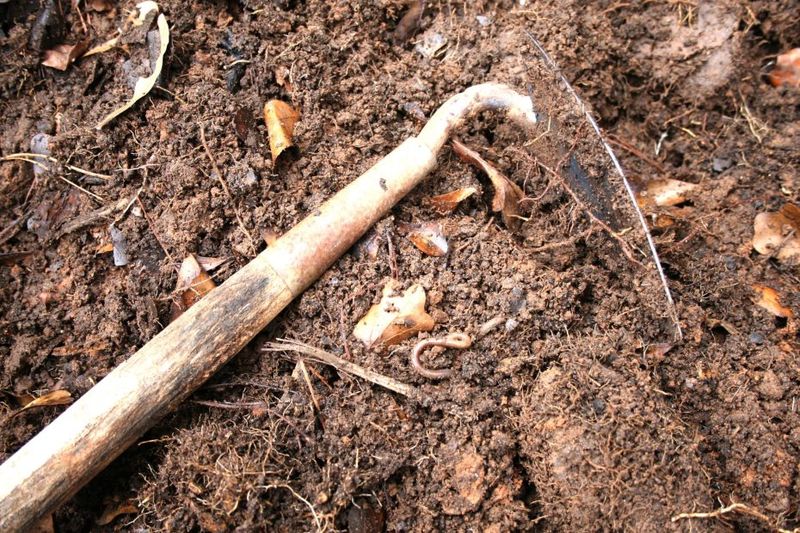
Earthworms drag pieces down into the clay, mixing organic matter deeper than any tool you own.
Leaves piled in a corner and left alone turn into leaf mold, a dark spongy material that holds water like a sponge and loosens compacted ground beautifully. Give a pile a year or two, and it is ready.
Straw, pine needles, and aged wood chips all work as winter cover too, though wood chips suit pathways and shrub borders better than vegetable beds.
A fun bit of history: forest soils build themselves this exact way, one leaf drop at a time. Copying that pattern in your Piedmont garden costs nothing but an afternoon with a mower.