7 Texas Blooms With Easy-To-Reach Pollen
Not all flowers are equally accessible to the insects that need them most. Some blooms require specialized body shapes, specific tongue lengths, or the right size and weight to trigger the mechanisms that release pollen.
These specialized relationships between flowers and pollinators are fascinating, but they leave a lot of beneficial insects out of the equation.
Flowers with easy to reach pollen play a completely different and genuinely important role in the garden ecosystem. They feed everyone.
Native bees of all sizes, hover flies, beetles, beneficial wasps, and dozens of other insects that most gardeners never think to support rely on open, accessible flowers where pollen is available without specialized equipment or effort.
These insects are doing critical work in Texas gardens, from pest control to pollination, and the flowers that feed them most generously are the ones that make a garden function at its best.
Texas has some outstanding native blooms in this category, plants that are beautiful, reliable through the heat, and genuinely welcoming to the full range of beneficial insects working your garden.
1. Black-Eyed Susan
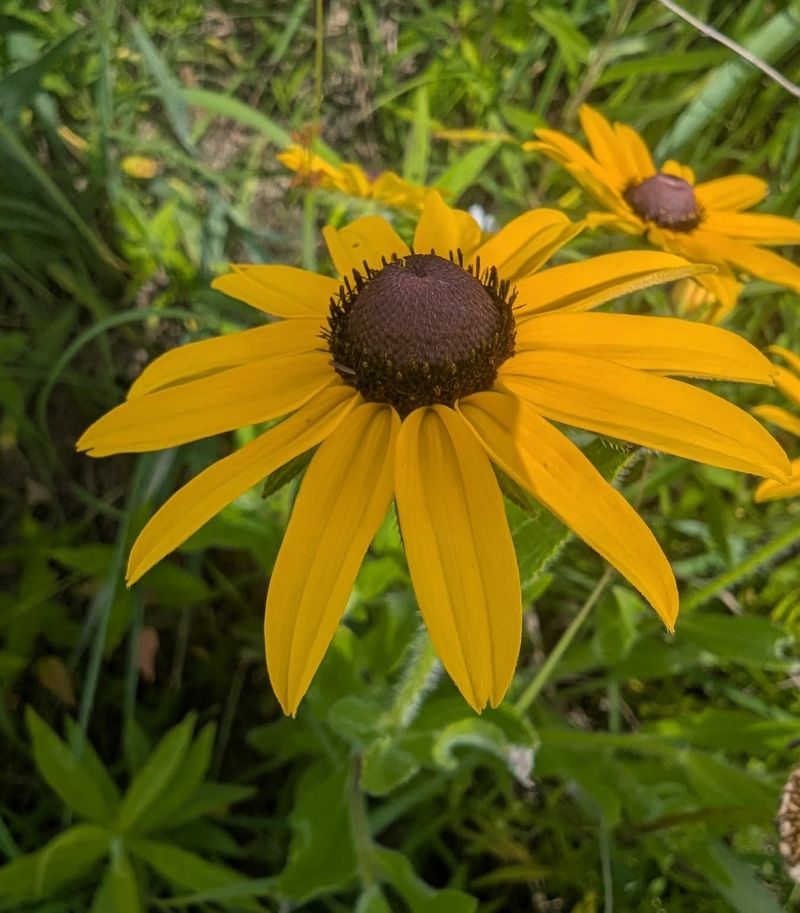
Few wildflowers are as cheerful and hardworking as the Black-Eyed Susan. That bold yellow ring around a dark brown center is not just pretty to look at.
It is basically a landing pad designed to welcome bees and other pollinators straight to the pollen.
The flower head is wide and flat, which means bees do not have to dig around or squeeze into tight spaces. Pollen sits right out in the open, easy to reach and collect. That is a huge advantage for busy bees trying to make the most of a sunny Texas afternoon.
Once established in your garden, Black-Eyed Susans are incredibly tough plants. They handle the intense Texas sun without much fuss and do not need a lot of watering once their roots settle in.
That combination of low maintenance and pollinator appeal makes them a smart pick for almost any Texas yard.
Planting them in a spot with full sun and well-drained soil gives them the best start. You can find them growing along roadsides, in meadows, and in home gardens all across the state.
They bloom from late spring through summer, giving pollinators a long stretch of reliable pollen access.
If you want to attract more bees and butterflies without spending a lot of time on upkeep, Black-Eyed Susans are a great starting point.
They reseed themselves naturally too, so once you plant them, they tend to come back year after year with very little effort on your part.
2. Coreopsis
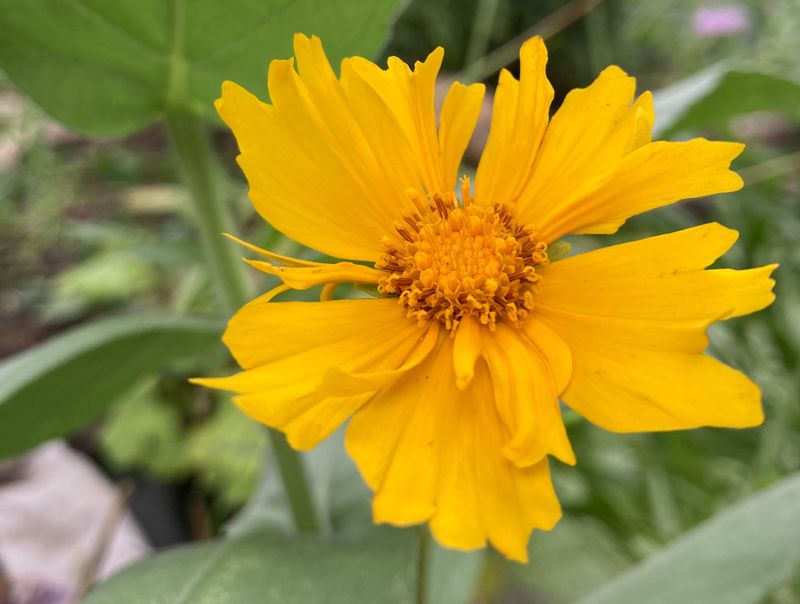
Coreopsis has a reputation for being one of the friendliest flowers a pollinator could ever visit. The blooms look like cheerful little daisies, and that open, daisy-like shape is the whole point.
Instead of hiding pollen deep inside a long flower tube, Coreopsis puts everything right out front where bees and butterflies can get to it fast.
The center of each bloom is packed with tiny florets that produce pollen. Pollinators can land, collect what they need, and move on without wasting energy.
Your Texas Garden Changes Every Week. Your Plan Should Too.
Gardening in Texas changes quickly throughout the season. Every Friday you’ll receive a simple weekly plan showing exactly what to plant, prune, fertilize, harvest, and protect so you never miss the right timing.
That efficiency matters a lot during the heat of a Texas summer when every bit of energy counts for a small bee.
Native Coreopsis species are especially well-suited to sunny Texas gardens. They have adapted over time to handle the heat, the occasional drought, and the sandy or rocky soils that show up across much of the state.
You do not need to pamper them to get a great display of blooms. Coreopsis tends to bloom heavily in spring and early summer, then often puts out another flush of flowers later in the season if conditions are right.
Deadheading spent blooms, which means removing old flowers before they go to seed, can encourage even more flowers to appear.
Gardeners love Coreopsis because it spreads naturally and fills in bare spots over time. If you are building a pollinator garden in Texas, adding a few native Coreopsis plants is one of the smartest moves you can make.
They bring color, attract wildlife, and practically take care of themselves once they settle in.
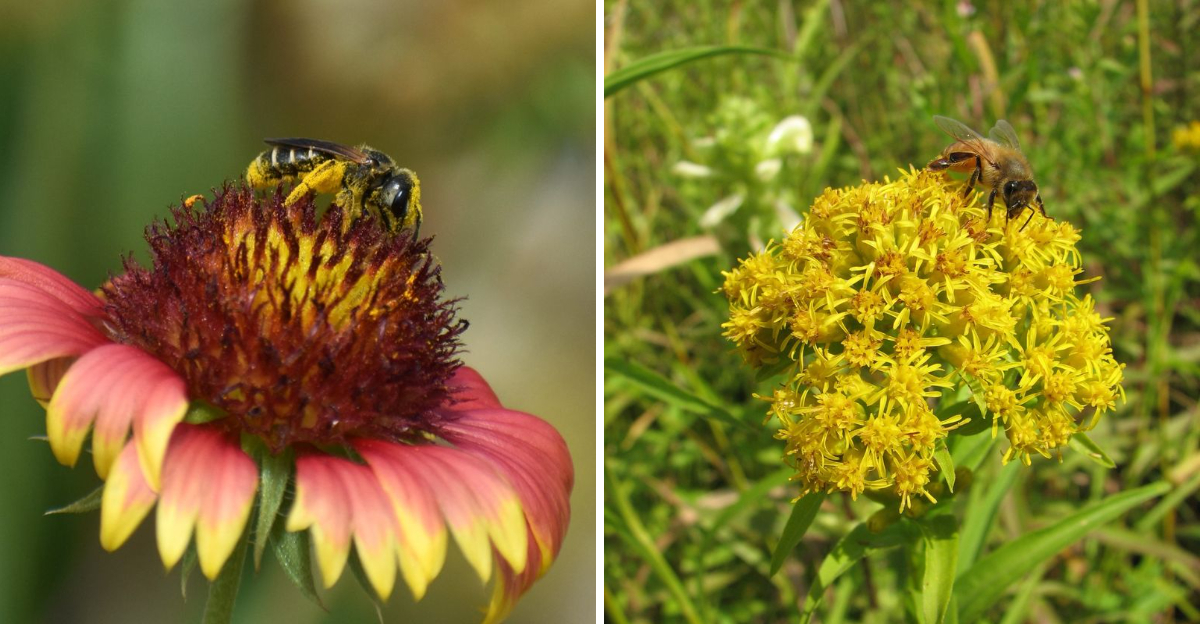
3. Blanket Flower
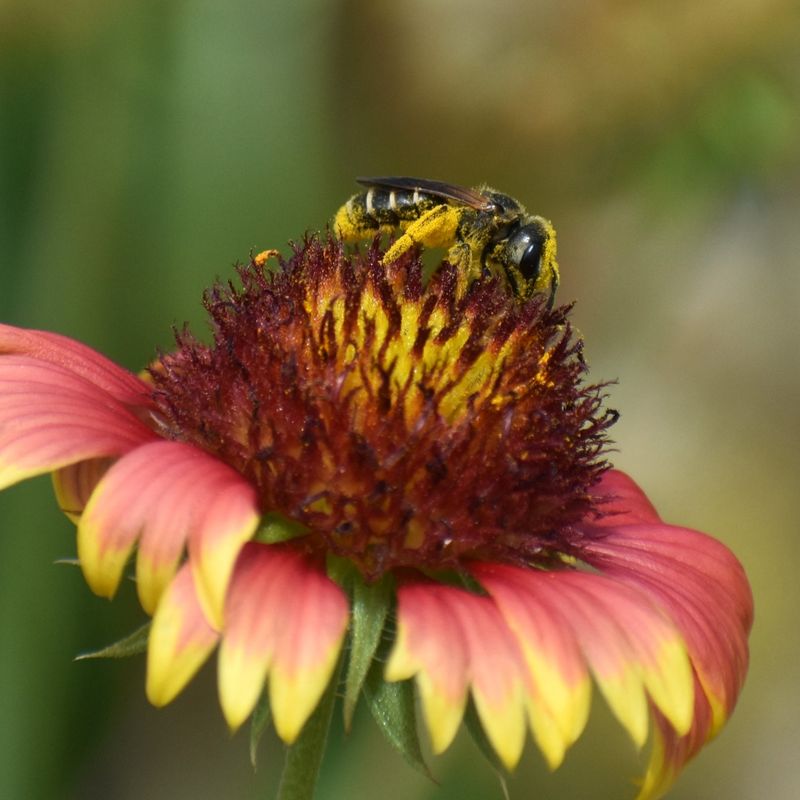
Walk past a patch of Blanket Flowers in full bloom and it is hard not to stop and stare. The bold red-and-yellow petals look almost like something painted by hand.
But beyond the stunning looks, these flowers are doing something really important for the pollinators that visit them every day.
The wide, open flower head acts like a natural landing platform. Bees, butterflies, and even small beetles can touch down easily and move across the bloom without any trouble.
The pollen is right there, exposed and accessible, which makes the Blanket Flower a top choice for pollinators working a hot Texas garden.
One of the best things about Blanket Flowers is how well they handle tough conditions. Hot weather, dry spells, and poor soil do not slow them down much at all.
They actually prefer well-drained sites and tend to struggle in heavy, wet soil, so a sandy or rocky Texas garden suits them perfectly.
These plants bloom for a long time, often from late spring all the way through fall. That extended blooming period means pollinators have access to pollen across multiple seasons, not just a few weeks in spring.
That kind of consistency is really valuable in a pollinator garden. Blanket Flowers are also fairly compact plants, which makes them easy to fit into smaller garden spaces. You can use them along borders, in rock gardens, or mixed into wildflower plantings.
Once established, they reseed themselves and return season after season, saving you the effort of replanting every year.
4. Maximilian Sunflower
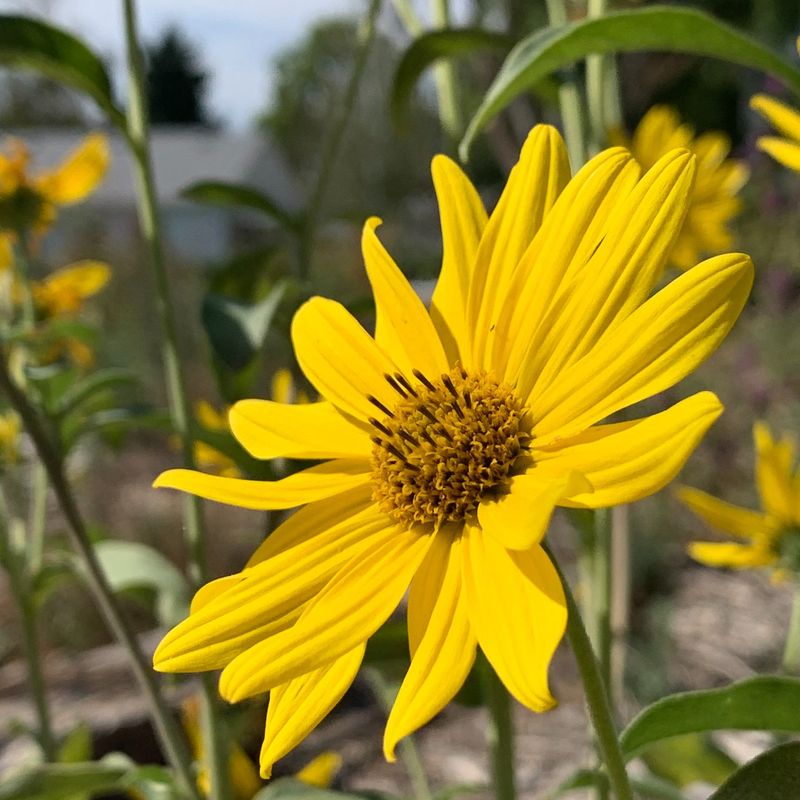
Most sunflowers are impressive, but the Maximilian Sunflower takes things to a whole new level.
This native Texas perennial can grow quite tall, sometimes reaching six feet or more, and each plant produces dozens of bright yellow blooms along its stem. That is a lot of pollen in one place.
Each flower head is made up of many tiny individual florets packed together. Those florets are the real pollen producers, and because the flower head is wide and open, pollinators can move freely across the surface.
Bees especially love working these flowers because the pollen is so easy to reach. What makes the Maximilian Sunflower extra valuable is when it blooms.
Most summer flowers start fading by late August in Texas, but this sunflower hits its stride in September and October.
That late-season timing gives pollinators a critical food source right when other options are running low.
Growing Maximilian Sunflowers is not complicated. They prefer full sun and can handle dry conditions once established.
You will often see them growing in large patches along Texas roadsides and in open fields, which tells you a lot about how tough and adaptable they are.
If you have a larger yard or a naturalized garden space, planting a cluster of Maximilian Sunflowers near the back of the bed creates a tall, dramatic backdrop while also feeding pollinators late into the season.
Birds also love the seeds after the blooms fade, so the plant keeps giving even after its big flower show is over.
5. Purple Coneflower
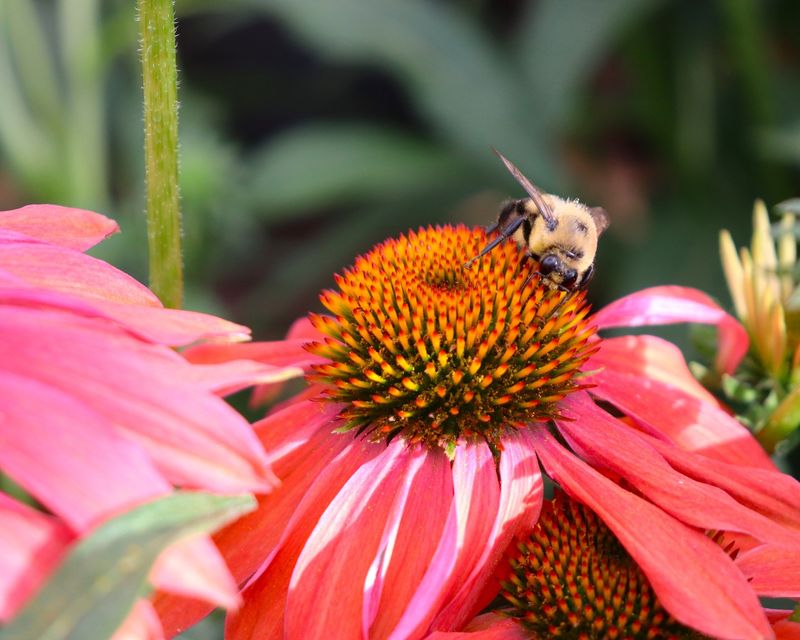
Purple Coneflower is one of those plants that earns its place in the garden in more ways than one. The pinkish-purple petals are eye-catching, but the real action happens at that raised, spiky central cone.
That cone is actually made up of dozens of tiny individual florets, each one a small source of pollen.
Bees are big fans of the Purple Coneflower, and it is easy to see why. As the cone matures, new florets open in rings from the outside in.
That means there is always fresh pollen available over a long period, not just for a day or two. Bees can work their way around the cone and collect pollen efficiently.
In Texas, Purple Coneflower does best in sunny spots with good drainage. It is not a fan of soggy soil, but it handles heat and occasional dry spells reasonably well once its roots are established. Planting it in a raised bed or a slope can help ensure the drainage it needs.
Beyond its value to pollinators, Purple Coneflower has a long history as a medicinal plant. Native American tribes used various parts of the plant for different remedies, and today it is still widely used in herbal supplements.
That rich history adds an interesting layer to an already impressive plant. Purple Coneflower blooms from early summer into fall, giving pollinators a solid run of pollen access.
After the petals drop, the seed heads attract goldfinches and other seed-eating birds, so leaving them standing through winter benefits wildlife well beyond the pollinator season.
6. Goldenrod
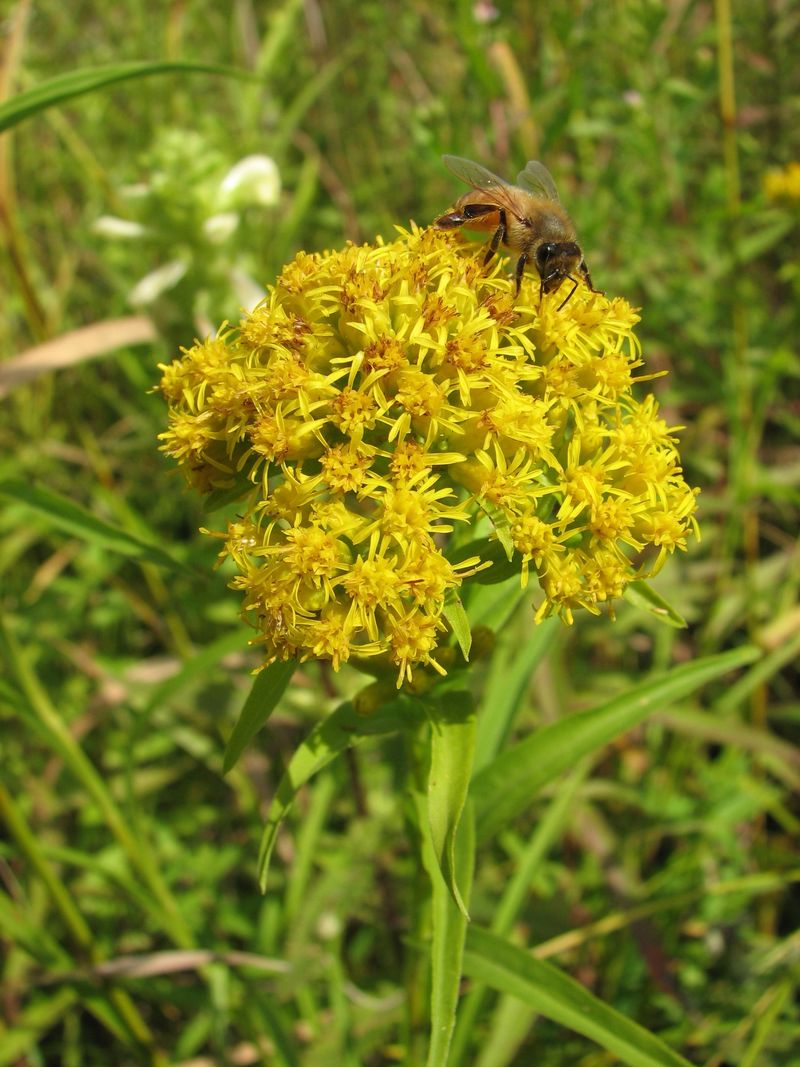
Goldenrod gets blamed for a lot of hay fever it did not cause. Many people assume those bright yellow plumes are the reason their eyes water every fall, but the real culprit is usually ragweed, which blooms at the same time.
Goldenrod pollen is actually heavy and sticky, designed to be carried by insects rather than blown around in the wind.
That sticky pollen is exactly what makes Goldenrod so valuable to pollinators. Each tall stem holds clusters of dozens of tiny yellow flowers, all packed with pollen and nectar.
Bees, butterflies, and beetles swarm Goldenrod plants in late summer and fall, stocking up before cooler weather arrives.
For Texas pollinators, Goldenrod is especially important because it blooms late in the season. By September and October, many spring and summer flowers are long gone.
Goldenrod steps in and fills that gap, providing one of the richest sources of late-season pollen available anywhere in the state.
Growing Goldenrod in your yard is simpler than most people expect. It prefers full sun and adapts to a wide range of soil types, including the rocky or sandy soils common across Texas.
Once established, it spreads gradually and fills in a space nicely without needing much attention.
Some gardeners worry that Goldenrod will take over, but managing it is not hard. Cutting back the stems after blooming slows the spread and keeps plants looking tidy.
A patch of Goldenrod at the back of a garden border is one of the best investments you can make for fall pollinators in Texas.
7. Fall Aster
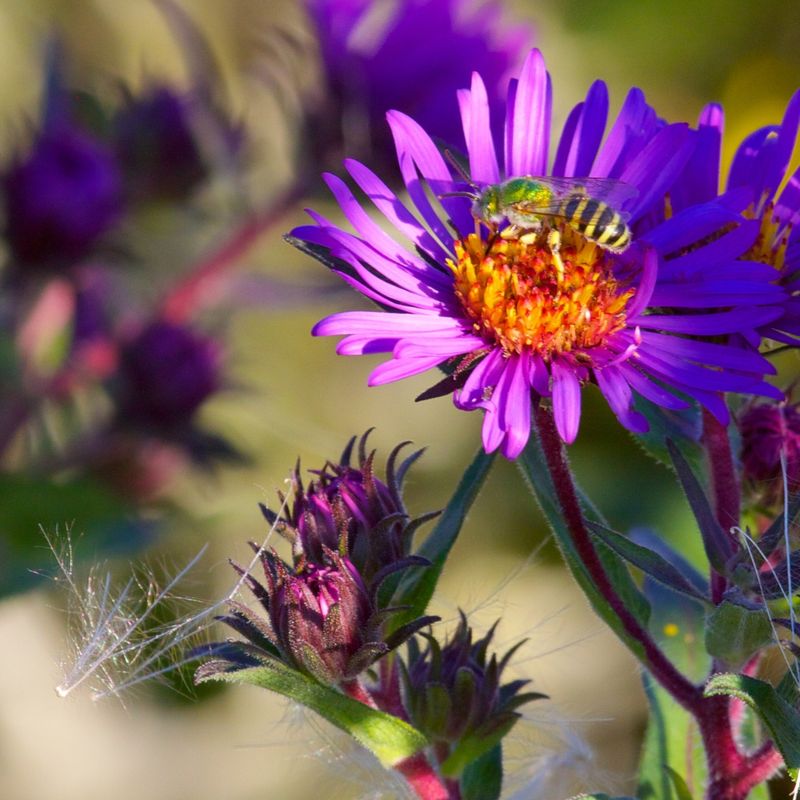
When most of the garden is winding down, Fall Aster shows up and steals the show. These cheerful little blooms, usually in shades of purple or violet with bright yellow centers, appear just as temperatures start to cool in Texas.
For pollinators scrambling to find late-season food, Fall Aster is a genuine lifesaver. The flower structure is similar to a daisy, and that open design is a big part of what makes it so pollinator-friendly.
Bees can land directly on the flat surface and move quickly across the exposed central florets, picking up pollen with very little effort. No digging, no squeezing, just straightforward access.
Fall Aster blooms from September into November in many parts of Texas, which is remarkable timing.
That flowering window extends pollen availability well into the growing season, giving late-flying bees and migrating butterflies something to feed on when choices are becoming scarce.
These plants are naturally adapted to Texas conditions. They handle heat, occasional drought, and a range of soil types without much complaint.
You will spot them growing wild along roadsides and in open fields, which is a good sign of just how tough and self-sufficient they really are.
In a home garden, Fall Asters work beautifully as a border plant or as part of a naturalized meadow planting. They spread over time and can form dense, flowering colonies that create a real buzz of pollinator activity on warm fall days.
Pairing them with Goldenrod gives late-season visitors a buffet of pollen that carries them through until the first hard frost arrives.