The September Task That Helps Michigan Flowering Quince Bloom Next Year
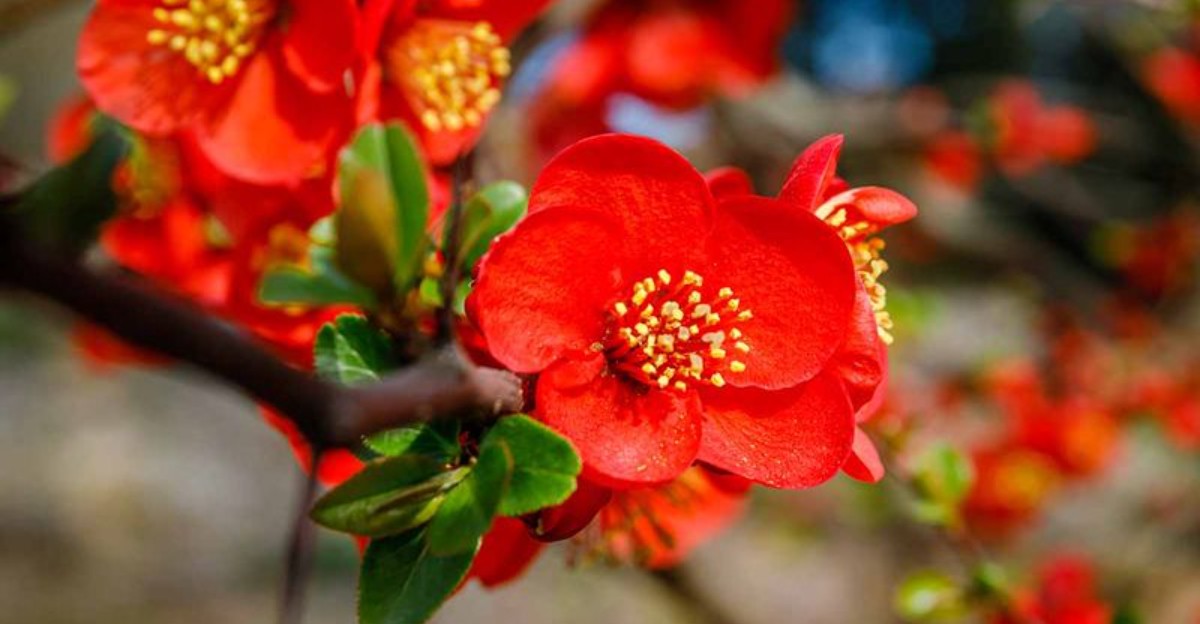
Flowering quince puts on one of the earliest, most striking blooms in Michigan gardens each spring, and that display is shaped largely by what happens to the shrub this September.
Since flowering quince sets its buds on old wood well ahead of winter, any pruning or stress the plant experiences now has a direct effect on how full and colorful next year’s bloom will be.
A poorly timed cut can accidentally remove the exact growth responsible for spring flowers, leaving the shrub sparser than it should be.
Because this shrub doesn’t quickly make up for a lost bloom season, getting this task right during September carries more weight than it might initially seem.
A little care now can make the difference between a modest bloom and a truly showstopping one next spring.
1. Stop Routine Pruning In September
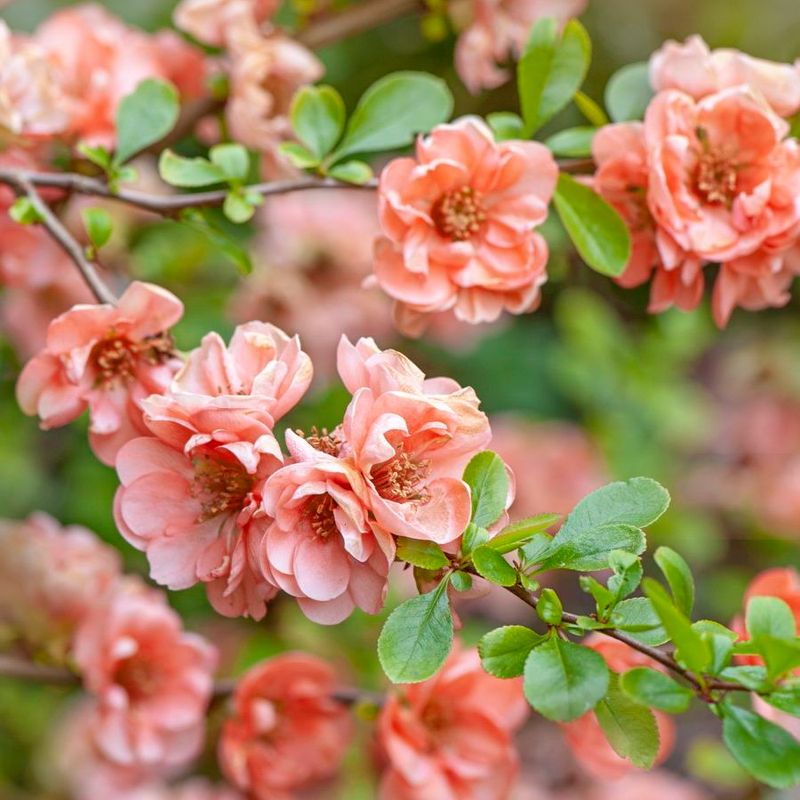
Grabbing the pruning shears in September feels natural, especially when the yard needs a little cleanup before the cold months. With flowering quince, though, that timing works against you.
This shrub blooms on older wood, which means the branches you see today already hold the flower buds for next spring.
Those tiny buds formed earlier in the season and are quietly waiting through fall and winter. When you trim in September, you often snip off the very branches carrying next year’s color.
Think of it like tossing out gift boxes before you open them. The buds are already tucked inside the wood, invisible but very much present.
A gardener who trims heavily now may end up staring at a mostly bare shrub in April, wondering where the flowers went.
Michigan’s fall also sends signals to the plant that it is time to slow down and rest. Cutting during this window can confuse that natural rhythm and stress the shrub right before winter arrives.
Instead of reaching for the shears, take a slow walk around your quince and simply admire its shape. Notice how the branches spread and where the buds sit along the older stems.
Save your shaping energy for a better season, which we will cover soon. For now, the smartest move is to leave the shrub alone and let it hold onto everything it built all summer. Patience in September pays you back with a fuller, brighter bloom next spring.
2. Protect The Existing Flowering Wood
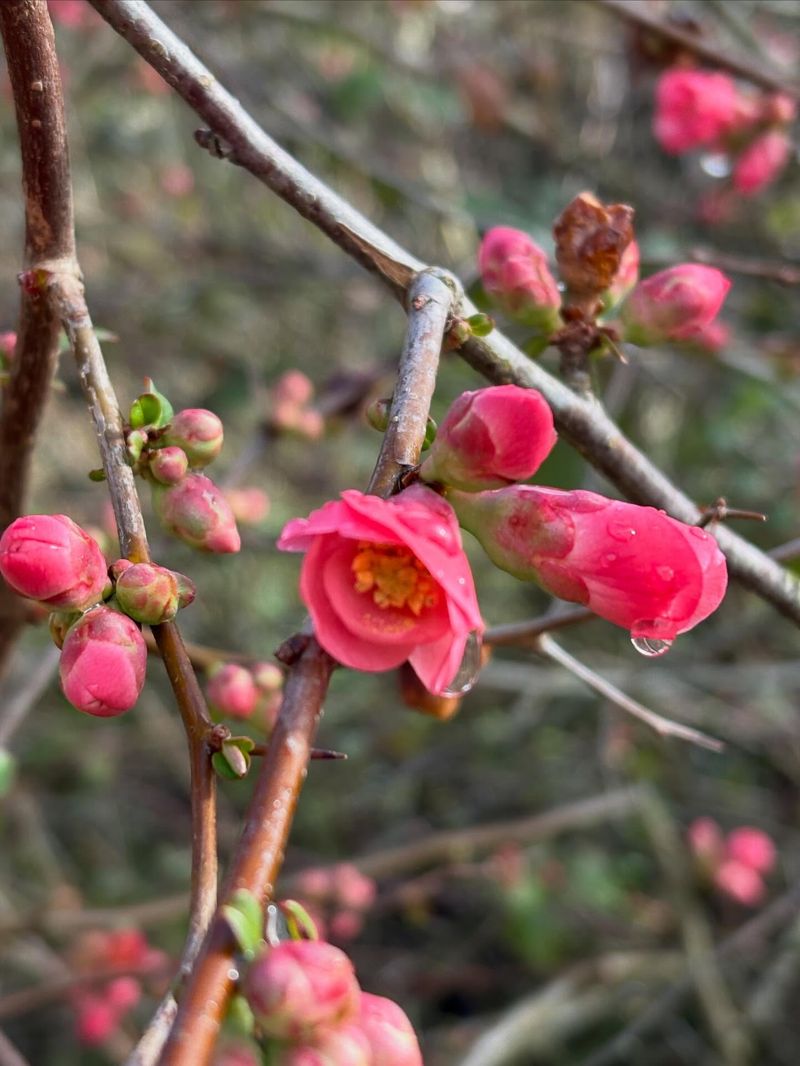
Every healthy older branch on your quince is basically a promise of spring color. The buds sitting along those stems are the same ones that will open into cheerful blossoms once the weather warms.
Leaving that flowering wood untouched through fall and winter is one of the kindest things you can do for the plant. These branches spent all summer storing energy and forming buds, and now they just need to rest peacefully.
Older wood does more than hold buds. It gives the shrub structure and helps it stand strong against wind, snow, and the weight of winter weather. Removing it early leaves the plant weaker and thinner right when it needs support.
Your Michigan Garden Changes Every Week. Your Plan Should Too.
Gardening in Michigan changes quickly throughout the season. Every Friday you’ll receive a simple weekly plan showing exactly what to plant, prune, fertilize, harvest, and protect so you never miss the right timing.
A good habit is to look closely at your quince before winter and identify the sturdy, healthy stems. Those are your keepers, and they deserve to stay right where they are.
Sometimes gardeners feel tempted to tidy up branches that cross or lean a little. Unless a branch is truly damaged, resist that urge for now.
Snow may bend the stems, but flowering quince is tough and usually bounces back once things thaw. The buds tucked along those branches are surprisingly hardy through Michigan winters.
By protecting the flowering wood, you are guarding your entire spring display in advance. When those first blooms open next year, you will be glad you left the branches alone. It is a quiet act of trust that rewards you generously.
3. Prune After Spring Flowering Instead
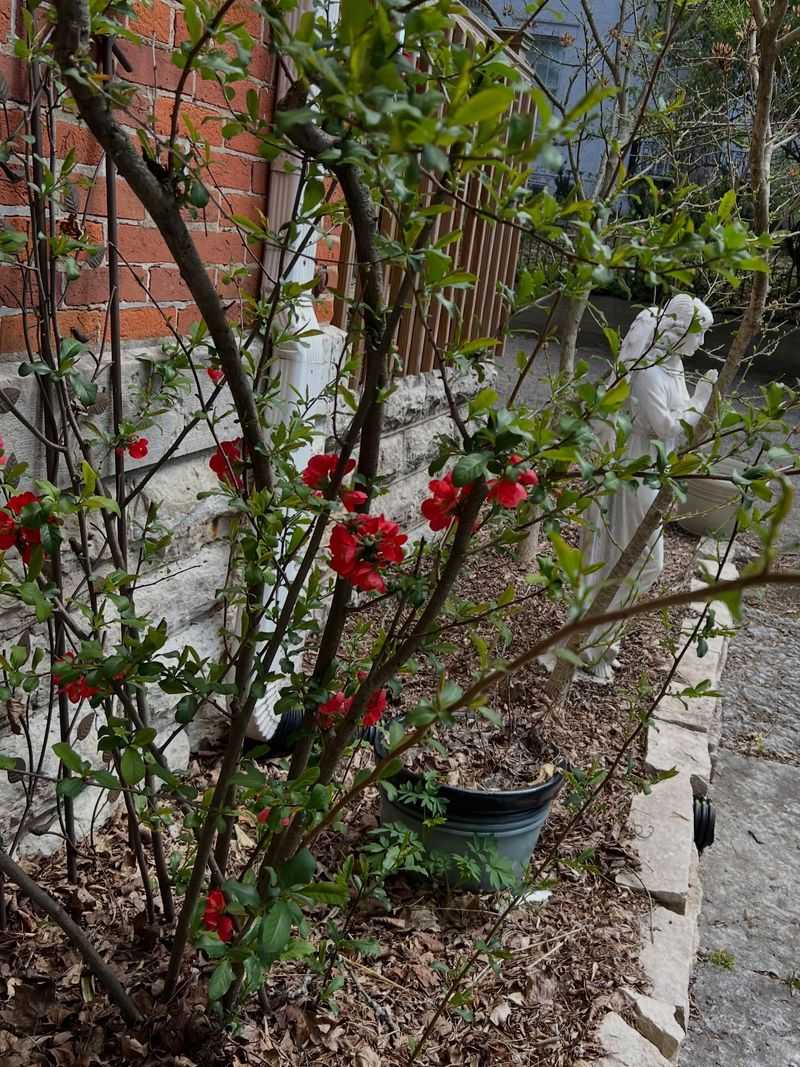
Timing changes everything when it comes to shaping a flowering quince. The best window opens right after the spring blooms fade, not in the fall.
Once the flowers finish their show, the shrub gives you a clear signal that it is safe to trim. At that point you can shape, thin, and remove older branches without stealing next year’s color.
Pruning after flowering works because the plant then has the whole growing season to build fresh wood and form new buds. Those buds mature over summer and stay ready for the following spring.
This approach lets you enjoy both goals at once. You get the full bloom you waited for, and then you get to guide the shrub into a tidy, healthy shape.
Late spring is also a great time to open up the center of the plant. Removing a few of the oldest, woodiest stems lets light and air reach the middle, which keeps the shrub vigorous.
A helpful rule is to take out only about a third of the oldest branches each year. That gentle pace keeps the plant balanced without shocking it.
Mark your calendar right after the petals drop so you do not miss the window. Waiting too long into summer risks trimming away newly forming buds again.
By shifting your big pruning jobs to after flowering, you turn a risky habit into a smart routine. The shrub stays shapely, strong, and loaded with promise for the next colorful spring in your Michigan garden.
4. Keep The Root Zone Moist During Dry Fall Weather
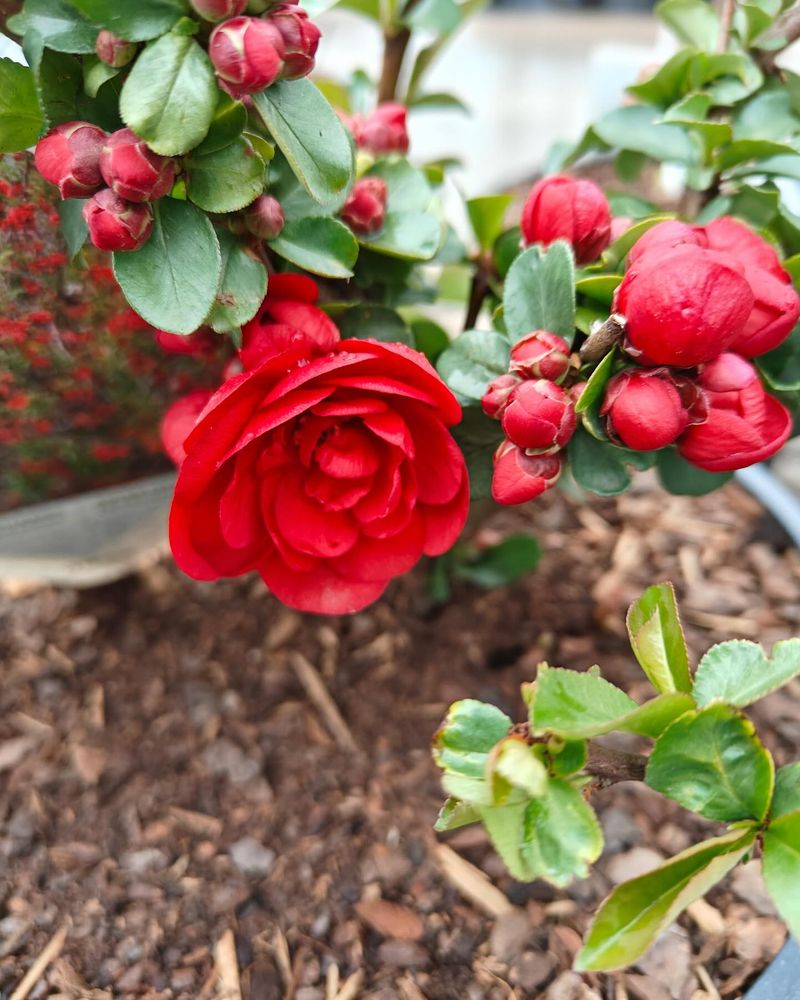
Flowering quince has a reputation for being tough and easygoing, and that reputation is well earned. Even so, a very dry Michigan fall can push the plant harder than you might expect.
When the soil around the roots turns bone dry before winter, the shrub heads into the cold months already stressed. That stress can weaken the buds and leave the plant less prepared for spring.
Keeping the root zone lightly moist helps the shrub store water and energy before the ground freezes. You are basically topping off its tank for the long winter rest ahead.
You do not need to soak the plant every day. A deep drink every week or two during a dry spell usually does the trick, especially if rain has been scarce.
Check the soil a few inches down with your finger. If it feels dry and crumbly, it is time to water slowly and deeply near the base.
Deep watering wets a larger portion of the root zone and supports stronger, more resilient growth than frequent shallow watering.
Stop regular watering once cold weather settles in and the plant slips into dormancy. At that point the shrub needs rest more than moisture.
A well-hydrated quince simply handles winter better and wakes up stronger. By paying attention during those dry autumn weeks, you give your shrub a quiet advantage that shows up in a healthier, brighter spring bloom.
5. Avoid Heavy Late-Season Fertilizer
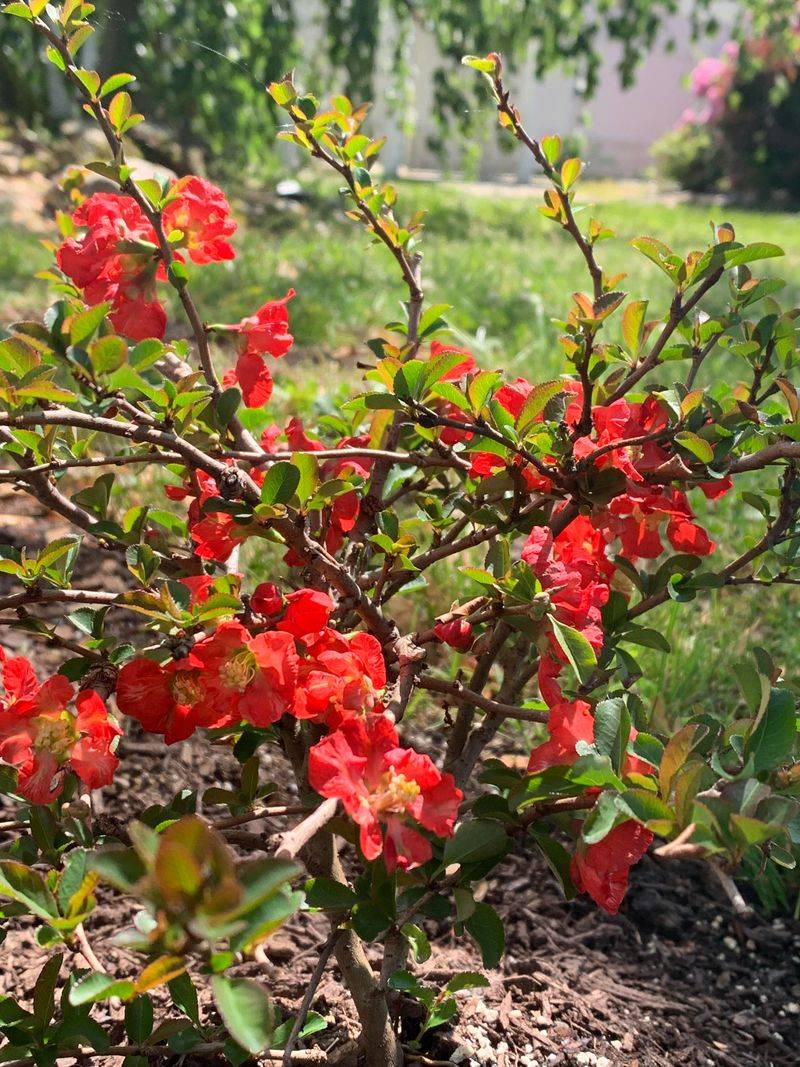
Reaching for a bag of fertilizer in September seems like a caring move, but with flowering quince it can backfire. This established shrub rarely needs a strong feeding so late in the year.
Heavy nitrogen in early fall tells the plant to push out fresh, tender growth. That soft new growth has no time to toughen up before Michigan’s cold weather arrives.
Tender shoots are easily harmed by frost and freezing temperatures. Instead of helping, a late feeding can leave the shrub with damaged, floppy growth right when it should be settling down.
Plants naturally slow their growth in fall to prepare for dormancy. Feeding them now works against that rhythm and can confuse their internal timing.
An established quince usually finds plenty of nutrients in decent garden soil on its own. It simply does not crave a big meal before winter.
If your soil is truly poor, a light feeding is far better done in early spring. That timing matches the plant’s natural push for new growth and lets it use the nutrients wisely.
You can also feed the soil gently with a thin layer of compost, which releases nutrients slowly and safely. That approach nourishes without forcing a growth spurt. Skipping the September fertilizer is one of the easiest wins in your fall routine.
By letting the shrub power down naturally, you help it store energy and protect its buds. Come spring, that patience shows up as a stronger plant covered in vivid, healthy flowers.
6. Maintain Good Drainage
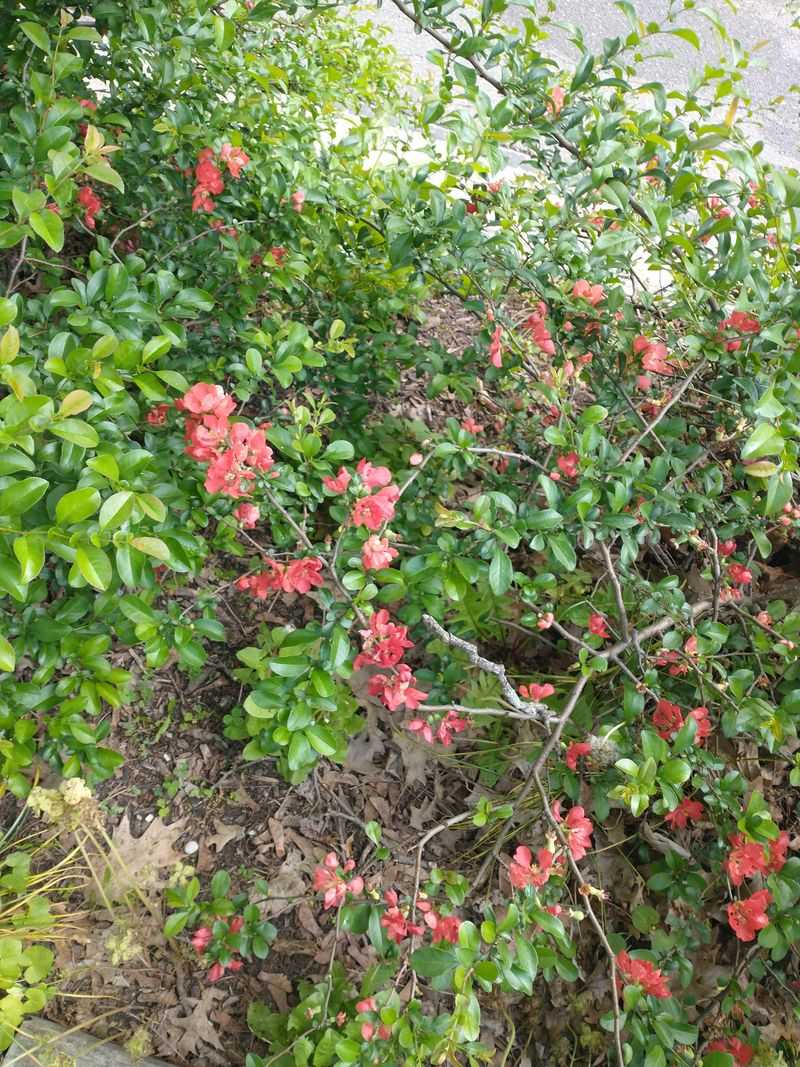
Roots need air just as much as they need water, and flowering quince is picky about soggy ground. Well-drained soil is where this shrub truly thrives.
When water sits around the roots for long stretches, the plant starts to struggle. Constant sogginess blocks air from reaching the roots and can slowly weaken the whole shrub.
Michigan yards with heavy clay or low spots often hold water after rain or melting snow. Those puddling areas are exactly where quince has the hardest time.
You can test drainage easily by digging a small hole, filling it with water, and watching how fast it drains. If water lingers for hours, your soil could use some help.
Mixing compost or other organic matter into the planting area loosens tight soil and improves the flow of water. Better structure means happier, healthier roots.
Planting on a slight mound or gentle slope also helps water move away from the base. Even a small rise can make a big difference in a wet spot.
Avoid piling mulch too thickly against the stems, since trapped moisture there can cause trouble. A thin, even layer a little away from the base works best.
Good drainage protects the plant year round, but it matters even more heading into winter. Roots sitting in cold, waterlogged soil are far more likely to suffer damage.
By giving your quince a spot where water drains freely, you set it up for lasting strength. A well-rooted shrub rewards you with reliable, cheerful blooms each spring.
7. Remove Only Clearly Damaged Growth
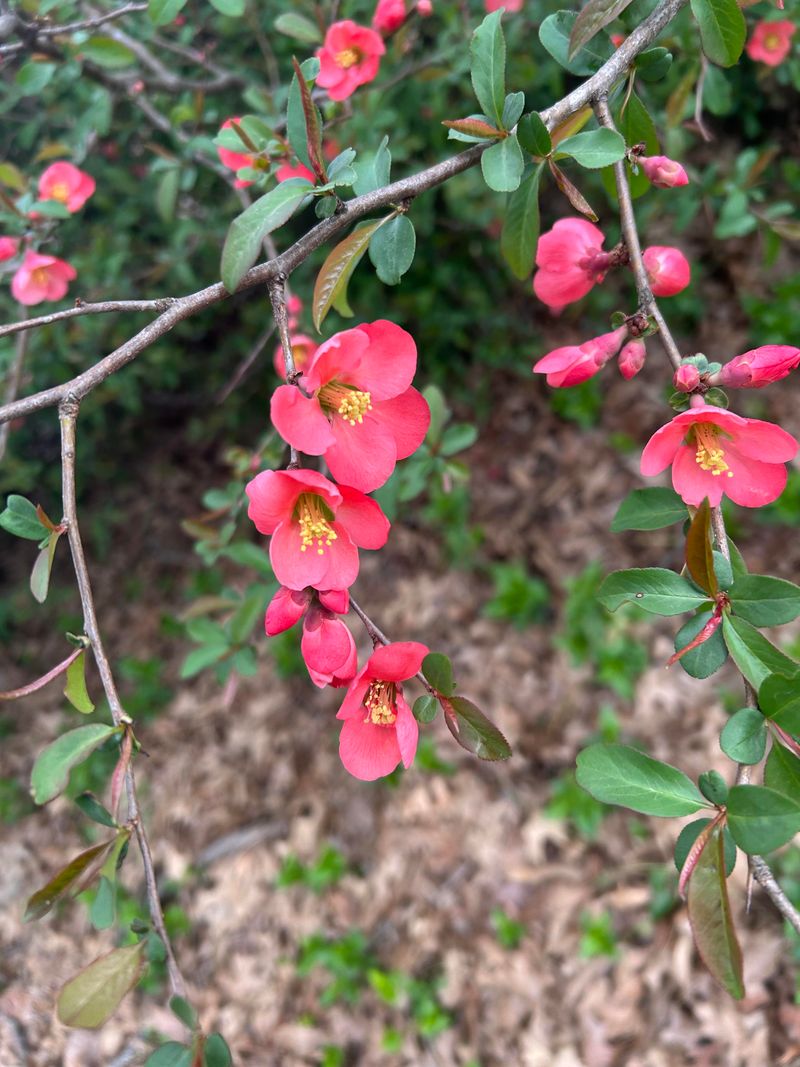
Not all cutting is off-limits in September, which surprises many gardeners. The trick is knowing exactly what to touch and what to leave alone.
Branches that are broken, damaged, or clearly diseased can be removed whenever you spot them. These stems do nothing helpful and can invite trouble if left in place.
A cracked branch from a storm or a stem showing spots and decay is fair game. Taking those out keeps the rest of the shrub cleaner and safer.
Healthy flowering stems, on the other hand, should stay put no matter how tidy you want things to look. Those are the branches holding your spring buds.
Before making any cut, look closely and ask whether the branch is truly harmed or just a little untidy. Only the genuinely damaged pieces earn a trim in September.
Use clean, sharp tools and wipe the blades between cuts, especially when removing anything that looks diseased. That simple habit stops problems from spreading.
Cut back to a healthy point or all the way to the base, depending on how far the damage goes. Clean cuts heal faster and look neater.
Removing a broken branch also protects nearby healthy wood from tearing during winter storms. A little cleanup now can prevent bigger messes later.
Think of this as light first aid rather than a full haircut. By touching only what truly needs attention, you keep your quince healthy while guarding every precious flower bud for the coming spring show.
8. Let The Shrub Enter Winter Naturally
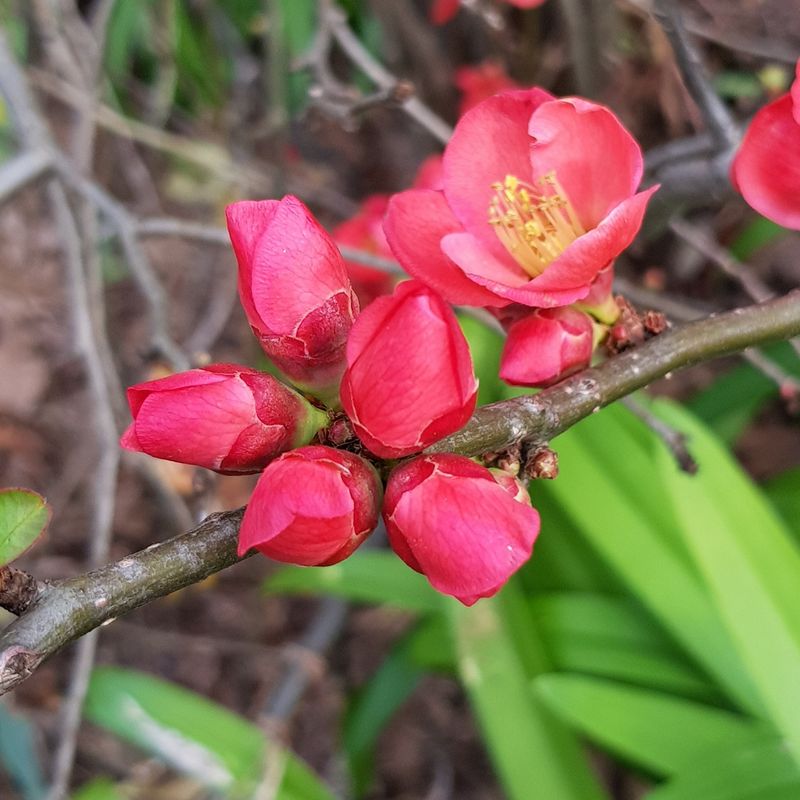
The kindest thing you can offer your quince before winter is simply to step back. All the small choices from these tips add up to one big goal, letting the plant rest in peace.
Skipping unnecessary fall pruning keeps every flower bud safe on the branches where it belongs. Those buds are your spring color already loaded and waiting.
Keeping the root zone lightly moist during dry stretches helps the shrub head into dormancy well hydrated. A comfortable plant handles winter far better than a stressed one.
Good drainage means the roots never sit in cold, soggy soil through the freezing months. Dry, well-aired roots stay strong beneath the surface.
Avoiding a late feeding lets the shrub slow down on its own schedule instead of pushing tender growth into frost. Natural rhythms almost always win.
When you combine these habits, your quince slips into dormancy exactly the way nature intended. It powers down, holds onto its energy, and guards its buds through the cold.
A light layer of mulch a little away from the base can add gentle protection for the roots. Just keep it loose and airy rather than packed against the stems.
Then comes the fun part, which is doing almost nothing at all. Enjoy the quiet garden and trust the work you already did.
When spring returns to Michigan, your patience shows up as a shrub covered in bright, early blooms. That cheerful burst of color is your reward for letting nature lead.