Morning Vs. Evening Watering: Which Is Better For Disease Prevention In North Carolina Gardens?
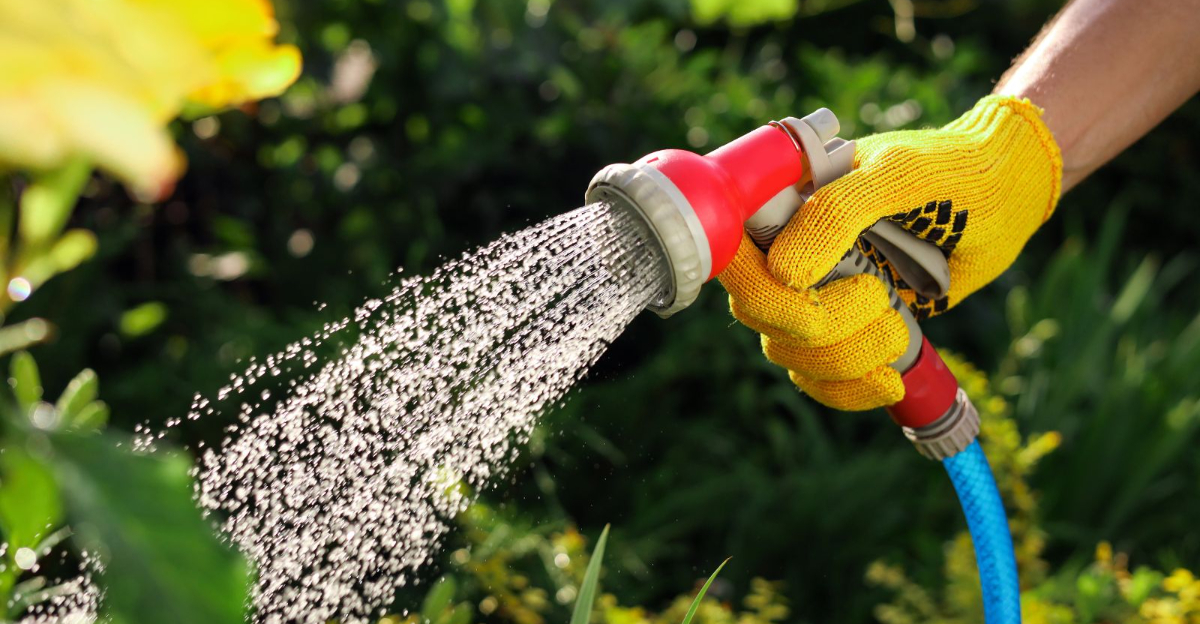
Watering your North Carolina garden sounds like one of the most straightforward tasks in the whole gardening playbook, and then you realize timing actually matters quite a bit more than most people expect.
In a climate as humid as North Carolina’s, wet foliage sitting around for hours creates exactly the kind of conditions that certain plant diseases genuinely love.
Morning watering gives wet leaves a real chance to dry out before nightfall, which can make a noticeable difference compared to soaking everything down right before the sun disappears.
Now before you panic about every watering decision you have ever made, here is the reassuring part: timing is just one piece of the puzzle.
The method you use to apply water often matters just as much as what time you look at the clock before grabbing the hose.
1. Morning Watering Gives Wet Foliage More Time To Dry
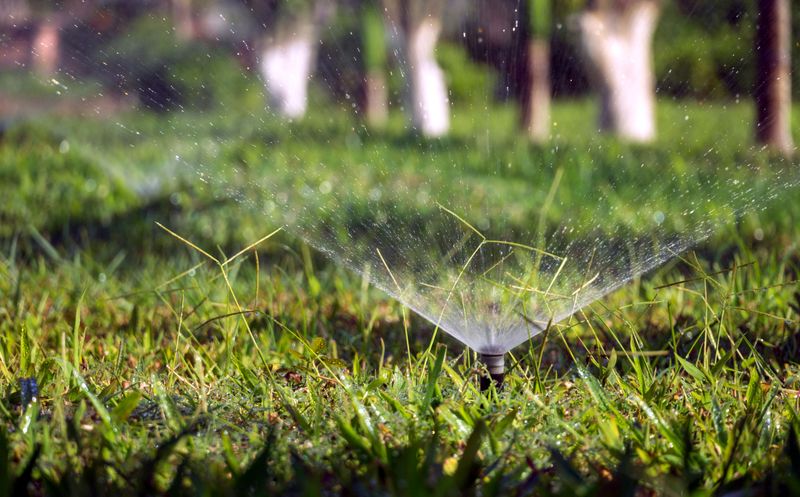
Watching a sprinkler arc over a flower bed on a sunny North Carolina morning, you might not think much about disease. But that window of daylight after watering is actually doing something useful for your plants.
When overhead irrigation wets leaves, the warmth and sunlight that follow give foliage a real opportunity to dry before cooler night air arrives.
The benefit here is not that morning water has any special property. The advantage comes from shortening the time leaves stay unnecessarily wet.
Many foliar diseases, which are diseases that affect the surface of leaves, stems, and flowers, can develop more easily when moisture lingers on plant tissue for extended periods.
Cutting that window short by watering early gives conditions less time to favor those pathogens.
North Carolina Cooperative Extension recommends morning overhead watering for annuals and perennials specifically so foliage has time to dry before nightfall. This guidance applies to vegetable gardens, mixed ornamental beds, and flowering borders alike.
It does not mean plants must be watered at an exact hour each morning. The goal is simply to give wet foliage enough daylight and warmth to dry reasonably well before evening arrives.
Drying speed can vary with shade, canopy density, humidity, and wind. A crowded, shaded bed may hold moisture longer than an open sunny border even after a morning watering.
Gardeners should factor those conditions into their timing decisions rather than relying on the clock alone.
2. Evening Watering Can Extend The Leaf-Wetness Period
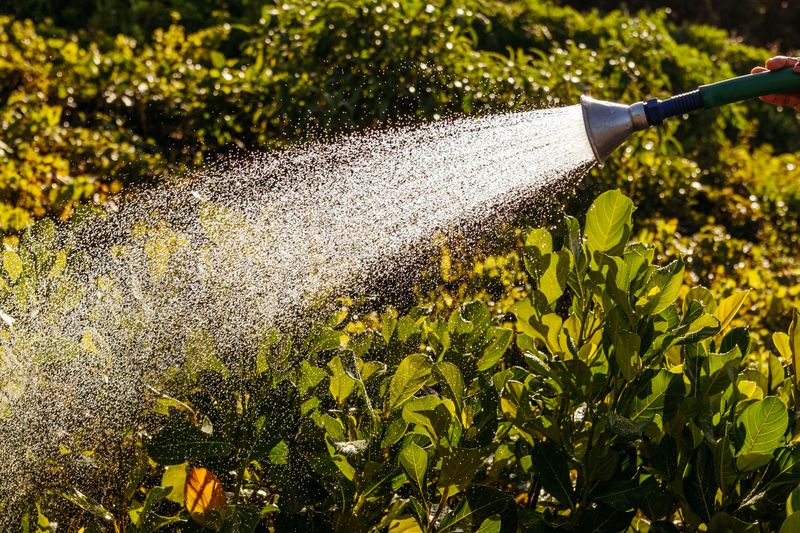
Damp leaves near sunset have a harder road ahead of them than damp leaves at nine in the morning. Once the sun drops and temperatures begin to fall, the conditions that help foliage dry, warmth, sunlight, and lower relative humidity, start working in reverse.
Cooler air and higher nighttime humidity can allow moisture to sit on plant surfaces for hours longer than it would during the day.
That extended leaf-wetness period is the real concern with evening overhead irrigation. Some plant pathogens responsible for foliar diseases can take advantage of prolonged moisture on susceptible tissue.
The longer leaves stay wet, the more opportunity certain organisms have to establish themselves. This does not mean that every plant watered in the evening will develop disease, and not every pathogen responds identically to wet foliage.
Your North Carolina Garden Changes Every Week. Your Plan Should Too.
Gardening in North Carolina changes quickly throughout the season. Every Friday you’ll receive a simple weekly plan showing exactly what to plant, prune, fertilize, harvest, and protect so you never miss the right timing.
The key question is whether irrigation is unnecessarily lengthening the time that susceptible leaves stay wet. If a sprinkler runs across a tomato or zinnia bed shortly before dark, the foliage may remain wet through much of the night.
That situation is different from a drip line quietly delivering water to the soil while leaves stay completely dry.
North Carolina Extension guidance for ornamental plants recommends morning overhead irrigation rather than leaving foliage wet into the night. The recommendation is not about superstition regarding evening water.
It is a practical response to how drying conditions change as the day ends and humidity rises across the state.
3. Leaf Wetness Matters More Than The Clock Alone
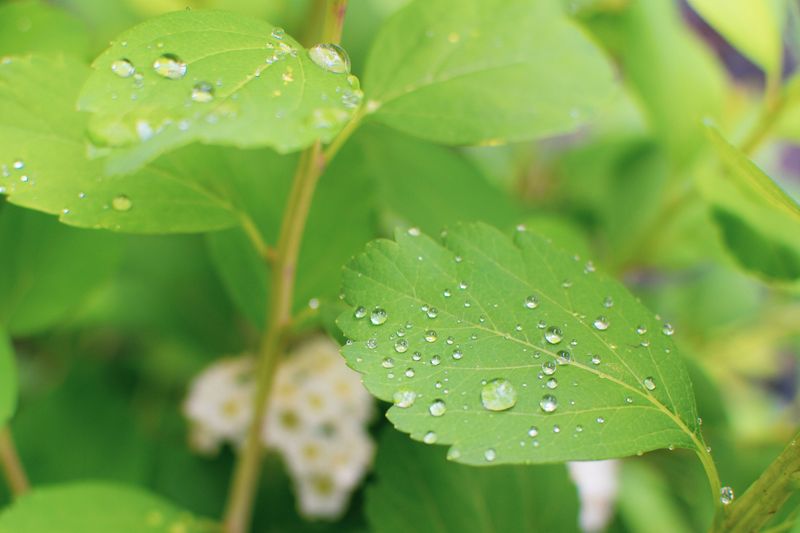
Two gardens can be watered at the exact same hour and end up with very different disease risks depending on how long their leaves stay wet. A sprinkler running in the morning through a densely planted, shaded bed may leave foliage wet for hours.
A drip line running in the evening delivers water to the root zone while leaves stay completely dry. The clock matters less than what is actually happening on the plant surface.
Leaf wetness describes the presence of liquid water on plant tissue, whether from rain, irrigation, dew, or high humidity.
The length of time leaves remain wet is often a more useful way to think about foliar disease risk than simply comparing morning versus evening.
Many factors influence drying time, including temperature, air circulation, sunlight, plant spacing, and the amount of water applied.
Rain events in North Carolina can wet foliage for long periods regardless of irrigation timing. Shade trees, dense planting, and still air all slow drying.
A garden that receives even a brief overhead watering in a crowded shaded corner may stay wet far longer than an open sunny bed does after a longer soak.
North Carolina disease-management guidance consistently emphasizes reducing prolonged leaf wetness as a practical strategy for managing foliar diseases.
Choosing between morning and evening is one tool in that effort, but improving airflow, adjusting plant spacing, and switching to soil-directed irrigation can all contribute to reducing the conditions that favor certain plant diseases.
4. Watering The Soil Can Reduce Disease Concerns
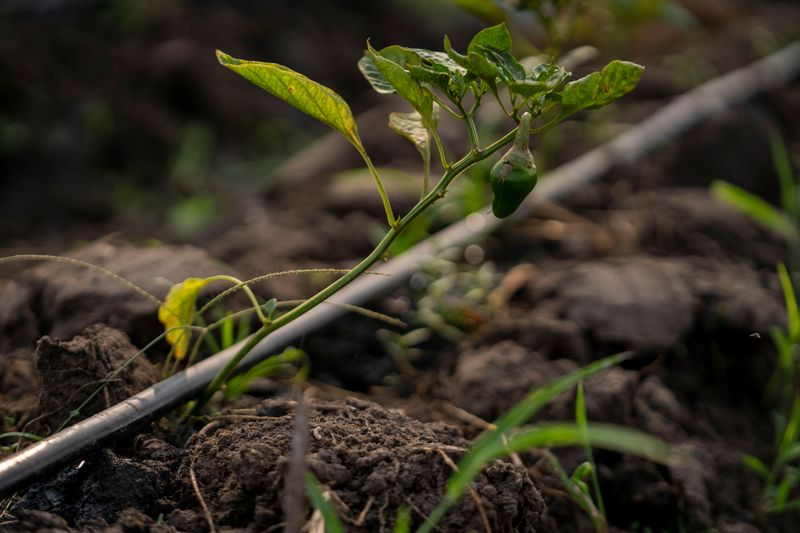
Sometimes the most useful thing a gardener can do is put the water exactly where the roots are and keep it off the leaves entirely. Soaker hoses and drip irrigation systems do exactly that.
They deliver moisture slowly and directly to the soil, allowing roots to absorb what they need while foliage, flowers, and stems stay dry above ground.
North Carolina Extension recommends soaker hoses, drip irrigation, or careful hand watering at the base of annuals and perennials as a way to reduce unnecessary foliage wetting.
Vegetable-garden guidance also emphasizes directing irrigation toward the soil rather than wetting plants overhead.
When leaves stay dry, the conditions that favor many foliar diseases simply do not develop in the same way.
A soaker hose threading through a tomato bed or a drip emitter positioned near the base of a rose bush reduces both leaf wetness and water splash.
Splash can matter in some disease situations because water droplets can move soil particles or pathogen-containing material onto lower foliage.
Reducing overhead application can limit that pathway as well.
Soil-directed irrigation is not a complete solution to every disease problem. Soilborne pathogens, poor drainage, and excessive soil moisture can still cause plant health problems regardless of how carefully foliage is kept dry.
The practical point is that directing water to the root zone rather than the canopy removes one of the conditions that can favor certain foliar diseases, and it does so regardless of what time the irrigation runs.
5. Cool Dewy Mornings Can Change The Best Watering Time
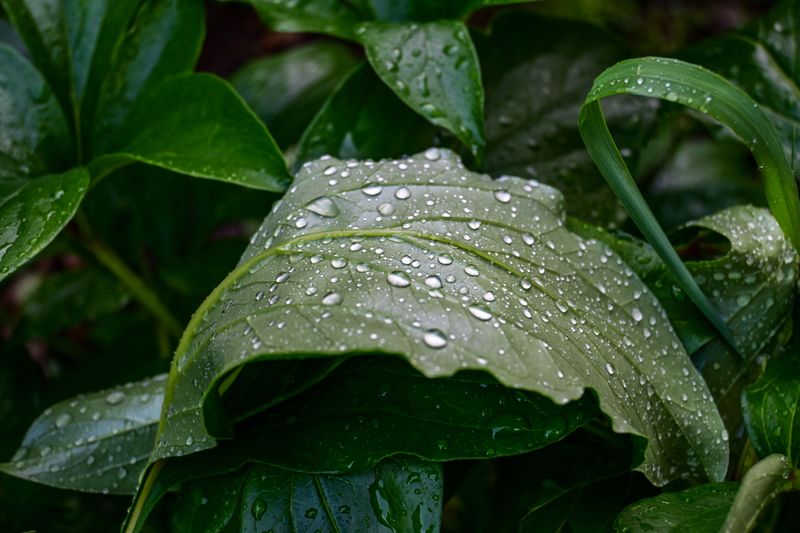
There is an interesting exception to the general advice about watering as early as possible, and it comes up most often in North Carolina vegetable gardens during spring and fall.
On cool mornings when dew has settled across the garden overnight, foliage may already be wet when the sun comes up.
Running an overhead sprinkler into an already-wet canopy can extend the total time leaves stay moist rather than shorten it.
North Carolina Extension’s vegetable-gardening guidance addresses this directly.
Under cool, dewy conditions, waiting until mid-morning after the dew has dried before running overhead irrigation can result in a shorter overall leaf-wetness period than watering at first light.
The goal remains the same: reduce the amount of time susceptible foliage stays wet. The strategy just shifts slightly based on actual conditions in the garden that morning.
This nuance matters because it shows that morning watering is not a simple universal rule. During hot, dry North Carolina summers, dew is less of a concern, and early watering allows foliage to dry before the hottest part of the day.
During cool spring or fall mornings with heavy dew, waiting a bit longer may actually serve the garden better.
Paying attention to what the foliage looks like before turning on the irrigation is a practical habit worth building.
If leaves are already coated with dew, giving them time to dry before adding more moisture overhead is a reasonable adjustment that reflects actual garden conditions rather than a rigid schedule.
6. Direct-To-Soil Evening Irrigation Carries Less Foliar Disease Risk
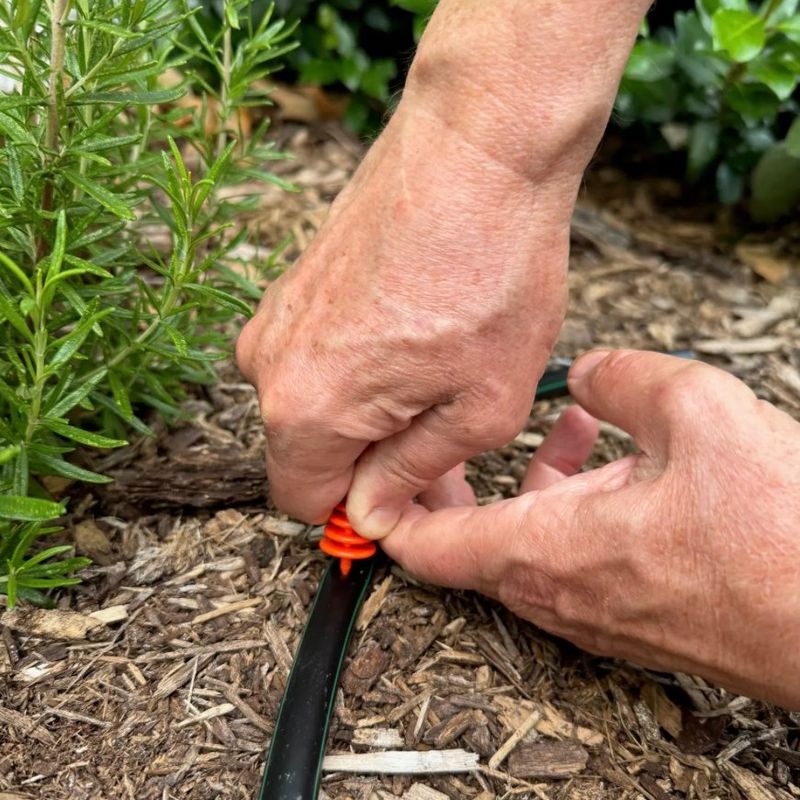
A drip line quietly running beneath a row of shrubs after dark is a very different situation from a sprinkler coating leaves shortly before nightfall.
That distinction is one of the most practically useful ideas in the whole morning-versus-evening conversation, and it changes the advice significantly depending on what type of irrigation system a gardener is using.
North Carolina Extension guidance for woody ornamentals notes that when irrigation is applied directly to the soil around trees and shrubs, nighttime watering does not create an increased disease risk simply because of the timing.
The foliage never gets wet, so the conditions that favor many foliar diseases do not develop in the same way they would under a sprinkler.
There is also an efficiency angle worth mentioning. Irrigation running between roughly 9 p.m. and 9 a.m. can reduce evaporative losses because winds are generally lighter, temperatures lower, and humidity higher overnight.
For gardeners managing established shrubs, perennial beds, or landscape plantings with drip systems, evening or nighttime watering may actually make good practical sense.
This does not mean evening irrigation is preferable for every plant or every situation. The discussion here is specifically about disease risk and irrigation efficiency when water is delivered to the soil rather than the canopy.
Gardeners using overhead sprinklers on ornamental or vegetable beds still have good reason to prefer morning application so foliage has time to dry before night settles in across the landscape.
7. Overhead Sprinklers Make Watering Time More Important
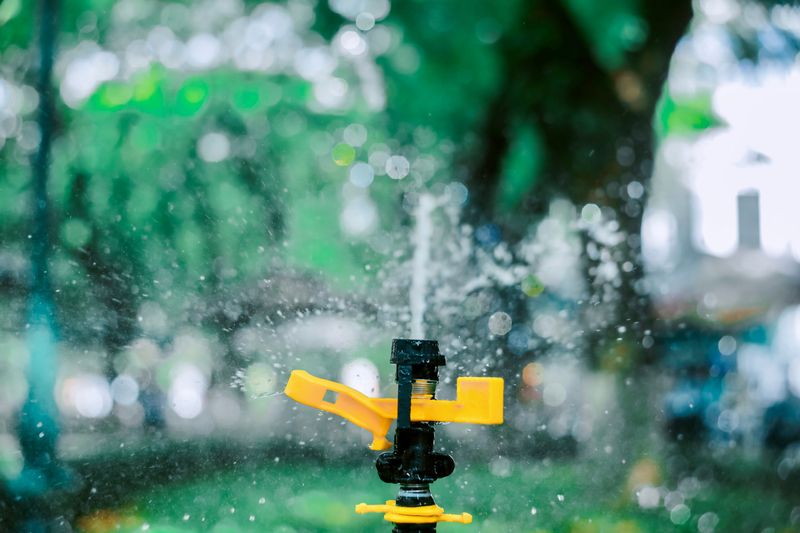
Sprinklers running across a garden bed are doing something fundamentally different from a soaker hose or drip line. They wet everything, including leaves, flowers, stems, and the soil beneath, all at once.
That broad coverage is convenient, but it also means the timing of irrigation matters more because foliage will be wet every time the system runs.
North Carolina Extension notes that sprinklers can leave annual and perennial foliage more susceptible to diseases and recommends morning watering if overhead irrigation is unavoidable. The reasoning ties back to drying conditions.
A sprinkler running in the morning gives the sun and warming daytime temperatures a chance to dry foliage before nightfall. A sprinkler running late in the afternoon or evening does not offer that same window.
Several factors influence how long leaves stay wet after a sprinkler runs. Plant spacing, canopy density, shade from nearby trees, air movement, and the duration of the irrigation cycle all play a role.
A crowded, shaded perennial bed may stay wet for much longer after a sprinkler session than a well-spaced, sunny vegetable row would under the same conditions.
Overhead irrigation does not automatically cause disease. Many gardeners use sprinklers successfully throughout the growing season.
The point is that when sprinklers are the irrigation method in use, choosing morning over evening reduces the amount of time wet foliage sits in conditions that are less favorable for drying.
That practical adjustment can be a useful part of a broader approach to keeping garden plants healthy.
8. Deep Infrequent Watering Can Help Limit Prolonged Moisture
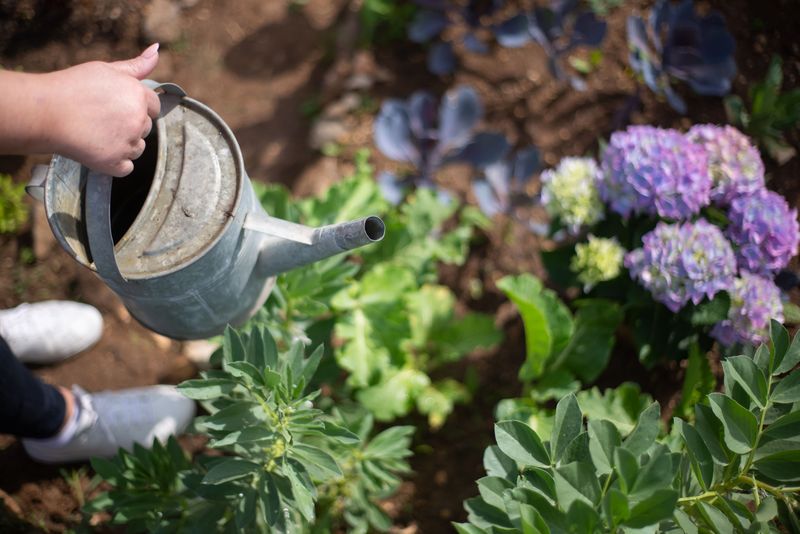
Checking the soil before reaching for the hose is a habit that pays off in more ways than one. North Carolina Extension’s guidance for herbaceous ornamentals recommends deep, infrequent irrigation over light, frequent watering.
Allowing soil to dry moderately between irrigation sessions encourages deeper root growth and avoids keeping beds consistently soggy, which can create problems of its own below the surface.
From a foliar disease standpoint, watering less frequently also means fewer separate occasions when overhead irrigation wets the foliage.
If a sprinkler is the only option available, running it thoroughly every few days rather than briefly every day can reduce the total number of times leaves are wetted during the week.
That reduction may be a small advantage when susceptible plants are involved.
Soil type shapes how often irrigation is actually needed. Sandy soils, which are common in parts of North Carolina’s Coastal Plain, drain quickly and may require more frequent watering than heavier clay soils found across much of the Piedmont.
Raised beds, containers, newly planted areas, and established shrubs all have different moisture needs as well.
Temperature, rainfall, plant growth stage, sun exposure, and rooting depth also affect how often a garden truly needs irrigation. A one-size schedule does not fit every yard or every season.
Pressing a finger a few inches into the soil or using a simple moisture meter gives a much more reliable read on whether plants actually need water than any fixed weekly timetable could provide.