The Yellow Blooms Pennsylvania Gardeners Are Seeing Everywhere Right Now
A native shrub in the woods right now is blooming and dropping seeds at the same time. Its ripe seed capsules can fling seeds up to 30 feet away.
I used to walk right past it every November. Then one gray afternoon, a flash of gold on bare branches stopped me cold, and I caught a faint citrus scent in the chilly air.
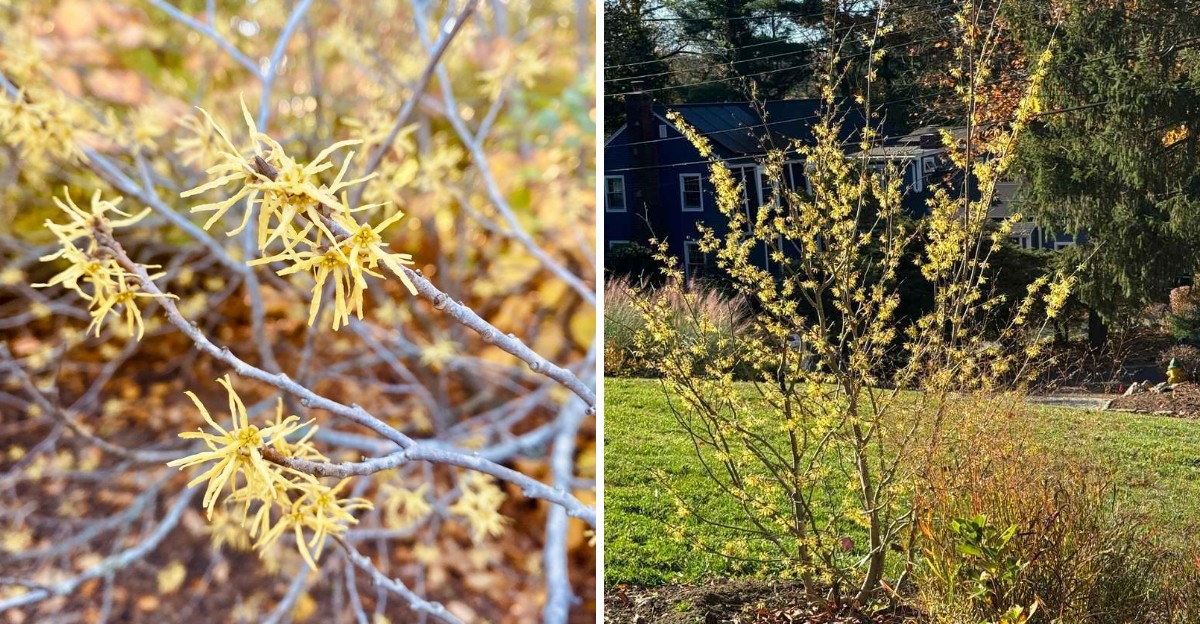
Believe it or not, those flowers are made of skinny, crinkled ribbons that look like party streamers. On frosty nights, the petals curl up tight. When the sun warms them, they unroll again like nothing happened.
You may have spotted this cheerful oddball along a trail or woodland edge in Pennsylvania lately. Most gardens are fading into brown and gray. So why would any plant choose late fall to throw its biggest party?
Golden Streamers Are Popping Out On Bare November Branches
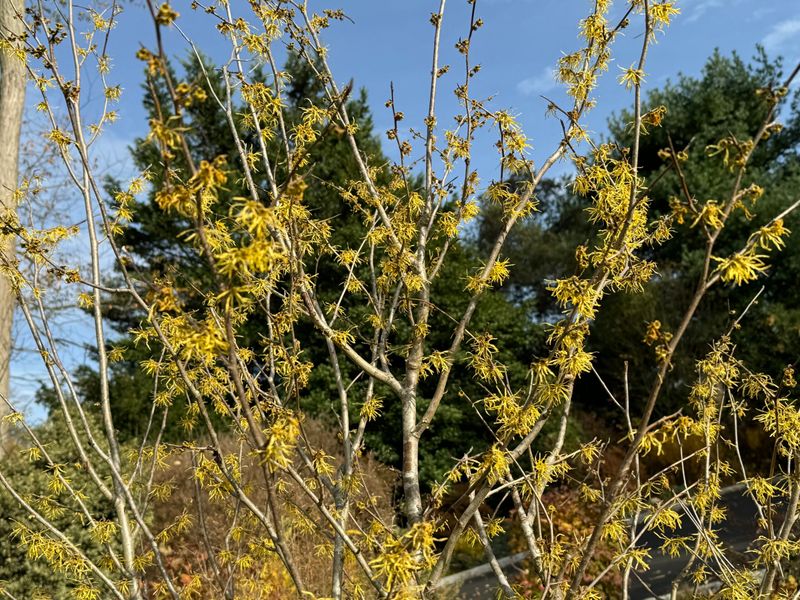
Most shrubs in the woods look finished by now. Their leaves are on the ground, and their branches look like brown sticks. Yet one plant is just getting started, with spidery yellow flowers lining its twigs.
I love how it seems to ignore the calendar. The show often begins in mid-October, sometimes while a few yellow leaves still hang on. It can keep going into December, and I have seen blooms peeking out after a light snow.
Look closely and you will notice the flowers sit in small clusters right along the stems. Each one is tiny, but together they create a soft golden haze. From a distance, it can look like sunlight caught in the branches.
You will find it most often along stream banks, shady woodland edges, and rocky hillsides. Hiking trails in state parks are great places to search. Bring a friend and see who spots the first one.
The timing is normal for this species, so do not worry that the weather has gone haywire. Late fall bloom is simply how it lives.
That steady habit makes it one of the most dependable treats of the season for anyone willing to step outside.
American Witch Hazel Is The Native Shrub Behind The Glow
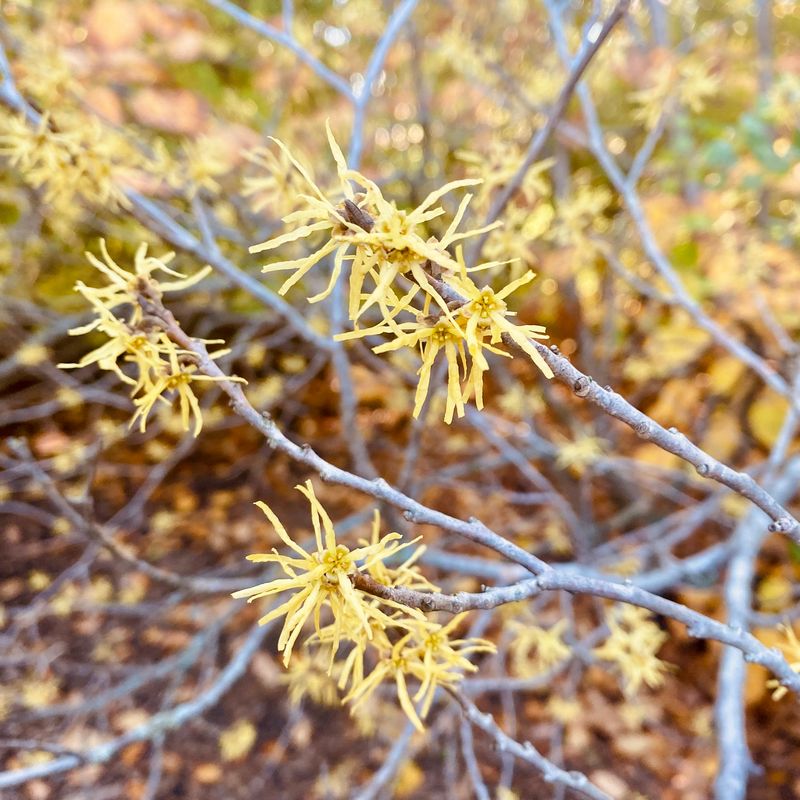
Say hello to American witch hazel, known to botanists as Hamamelis virginiana. It is a native shrub or small tree that grows across most of the eastern United States, including every corner of the Keystone State.
The flowers are the giveaway. Each one has four narrow, crinkled petals that look like little strips of yellow paper. They release a light, spicy-sweet scent that you will notice best on mild, sunny days.
Here is a fun bit of history. The name has nothing to do with witches. It likely comes from an old English word meaning bendable, since people once used its flexible branches as divining rods to search for water underground.
Native peoples used the bark and leaves for soothing skin. Today, the clear witch hazel sold in drugstores still comes from this plant. Many of us have a bottle under the bathroom sink without knowing it grows wild nearby.
In the landscape, it usually reaches 15 to 20 feet tall with a loose, open shape. The oval leaves have wavy edges and turn buttery yellow in fall. Once you learn the plant, you will start seeing it on nearly every woodland walk.
Crinkly Petals That Curl Up When The Frost Arrives
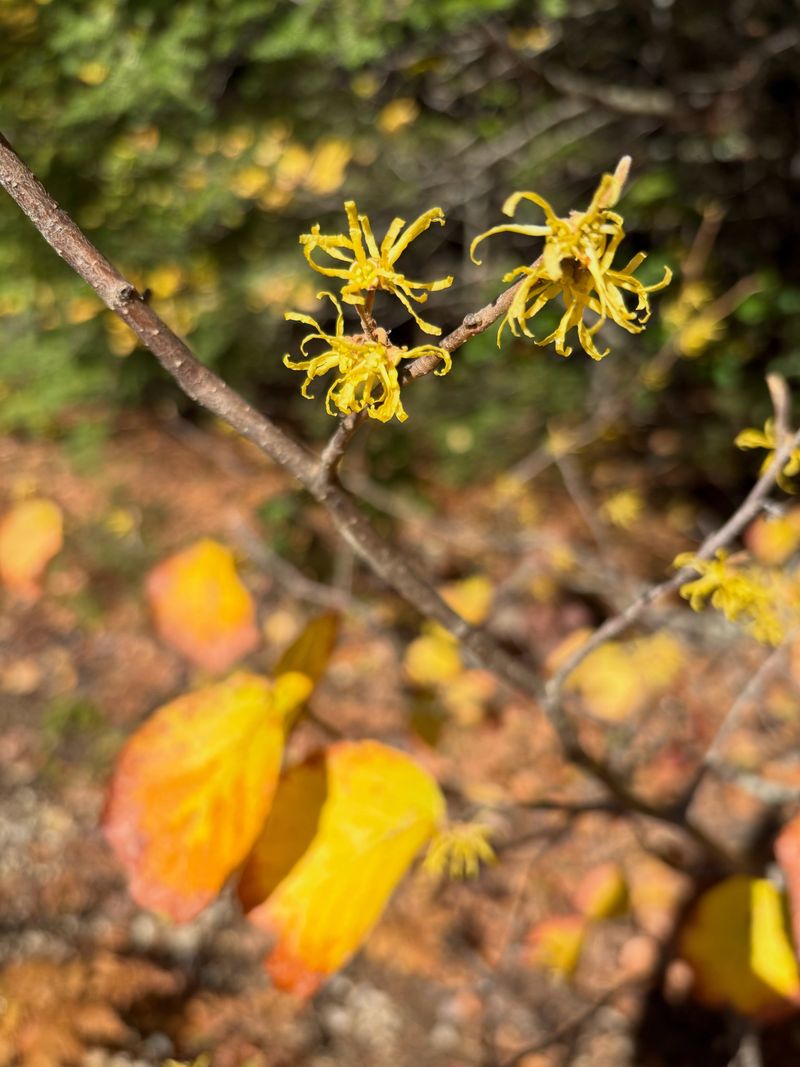
Nobody warned me that a flower could roll itself up like a sleeping bag. Witch hazel petals do exactly that when temperatures drop near freezing.
On cold nights, those thin yellow ribbons curl inward and tuck close to the center. This helps protect the delicate parts inside the flower. When the morning warms up, the petals slowly stretch back out and look fresh again.
You can watch it happen yourself. Visit the same shrub on a frosty dawn and again in the early afternoon. The difference can be surprising, and kids especially enjoy seeing a plant move on its own schedule.
Because of this trick, a single flower can last for weeks. A run of hard, deep freezes may eventually brown the petals, but light frosts rarely end the show early.
If you want to photograph the blooms, midday on a sunny day is best. The petals will be fully open, and the light makes them practically glow against dark bark.
A plain background, like a shaded hillside or evergreen behind the branch, helps the yellow pop. Get close, because those little twisted petals are full of character up near the lens.
Owlet Moths Visit These Late Flowers On Chilly Nights
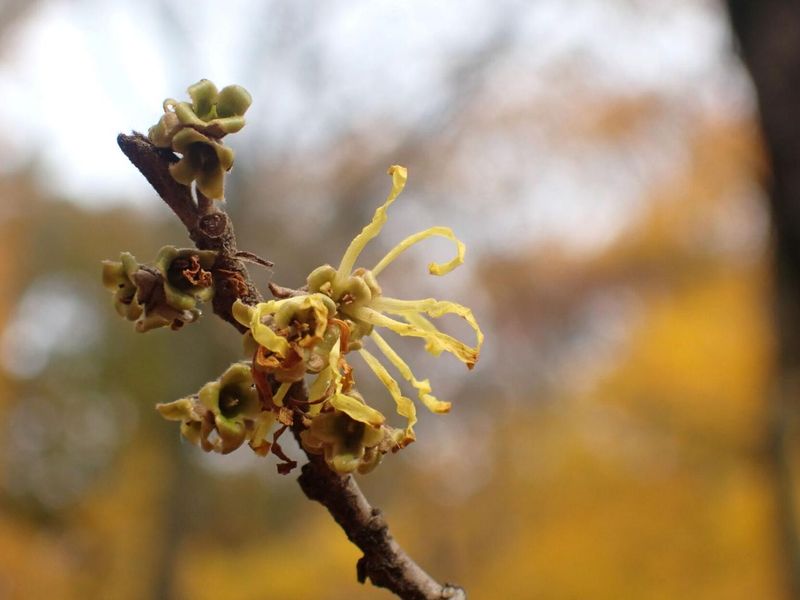
Who on earth pollinates a flower in November? Researchers have found that owlet moths are among the most important visitors to American witch hazel.
These fuzzy brown moths can warm their flight muscles by shivering. That lets them fly on cold evenings when bees are mostly tucked away. They sip nectar from the blooms and carry pollen from flower to flower.
On warm sunny days, you may also spot flies, small bees, wasps, and beetles stopping by. With so few other blooms around, the shrub offers a rare snack for insects still active this late in the year.
There is another quirk worth knowing. Pollination happens in fall, but the seeds do not fully develop until the next autumn. That is why you often see last year’s woody seed capsules right beside the new flowers.
The genus name Hamamelis is often explained as meaning together with fruit, which fits that habit nicely. When the capsules split open, they snap and launch shiny black seeds several yards away.
Listen closely on a quiet fall day and you might hear that tiny pop. It is one of the oddest sounds in the woods, and it is a delight to catch.
Goldenrod And Other Yellow Bloomers Still Hanging On
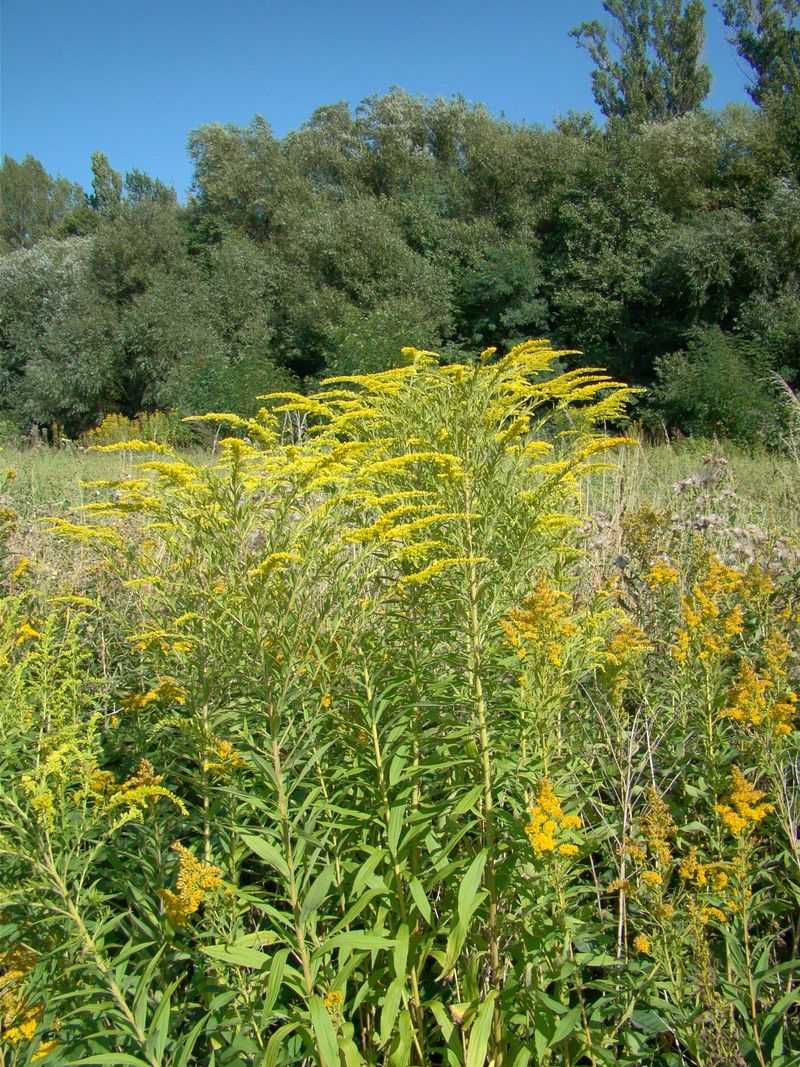
Witch hazel is not the only yellow color you may notice this fall. Depending on where you live and how cold it has been, a few other bloomers can linger.
Goldenrod is the big one. Pennsylvania has around 30 native species, and some keep a little color in sheltered spots after early frosts. Most are past peak by late November, but their fluffy seed heads still look pretty and feed birds.
Quick reminder: goldenrod does not cause hay fever. Its pollen is heavy and moved by insects. The real sneeze trigger is ragweed, which blooms at the same time with plain green flowers.
In garden beds, black-eyed Susans may hold a few blooms in warmer areas like the southeast, though most finish by October. Hardy mums and pansies also bring yellow to porches and containers well into cool weather.
Southern counties near Philadelphia often keep color longer than the northern tier or mountain areas. Elevation and frost timing make a real difference.
If your neighbor across the state reports blooms you cannot find, the weather pattern is likely the reason. Enjoy whatever color you have before winter fully settles in.
Watch Out For Wild Parsnip And Other Yellow Troublemakers
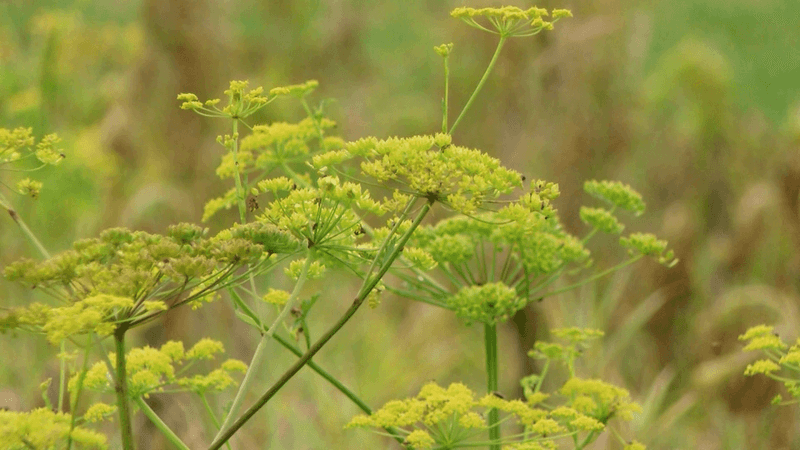
Some yellow flowers deserve a careful second look. A few nonnative plants in our area carry yellow blooms during the growing season and can cause real trouble.
Wild parsnip is the one to respect most. It grows along roadsides and in fields, with flat clusters of small yellow flowers in summer.
Its sap can cause painful skin burns and blisters when skin is exposed to sunlight, so wear gloves and long sleeves around it.
Birdsfoot trefoil is another one. Its small yellow pea-like flowers spread fast and crowd out native meadow plants. Lesser celandine and greater celandine also show up in shady spots and can take over woodland floors.
Most of these bloom earlier in the year, so you are unlikely to see them flowering now. Late fall is still a smart time to note where they grow. Mark spots on your phone and plan removal for next season.
Penn State Extension offers helpful identification guides if you are unsure. When in doubt, take a clear photo of the leaves and flowers before pulling anything.
Correct identification protects you and keeps helpful native plants safe in your Pennsylvania yard.
Planting Witch Hazel Brings November Sunshine To Your Yard
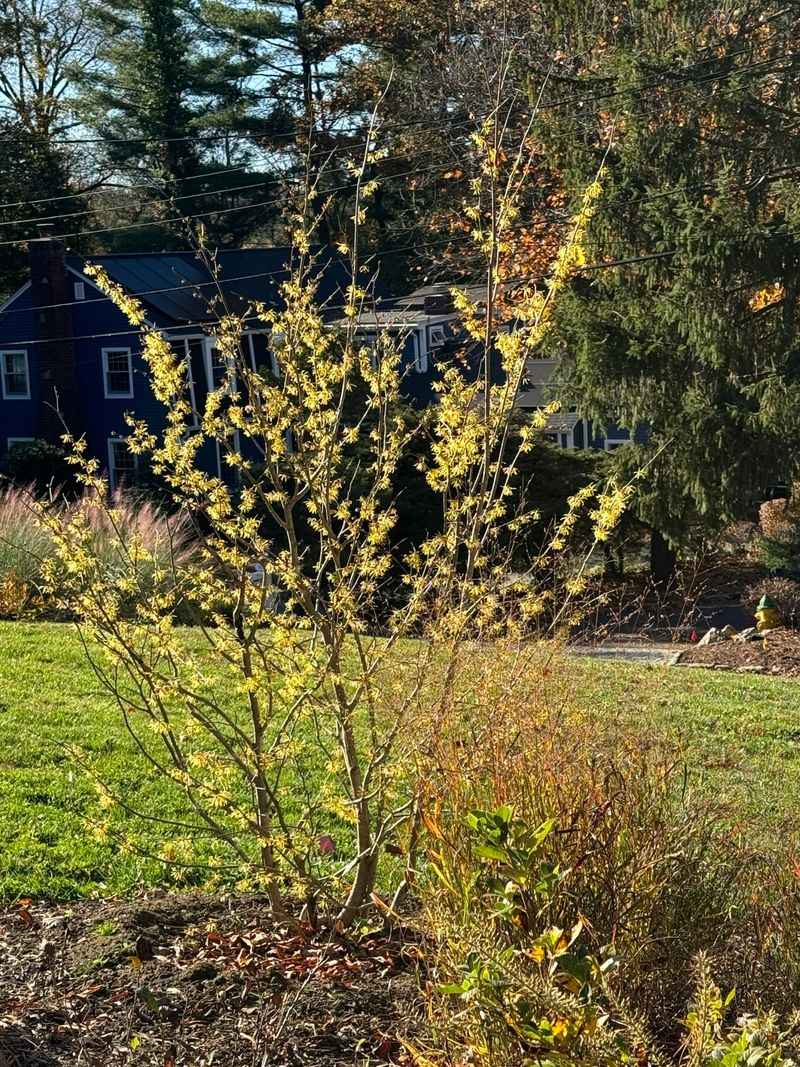
Want this golden show at home? Native witch hazel is one of the easiest ways to add late color to your Pennsylvania yard.
It grows well in full sun to part shade and prefers moist, well-drained, slightly acidic soil. It handles most of the state, covering USDA zones 5 through 7. Give it room, since mature plants can reach 15 to 20 feet tall and nearly as wide.
Fall is a fine time to plant while the ground is still workable. Dig a hole as deep as the root ball and twice as wide. Water well, add a few inches of mulch, and keep the mulch away from the trunk.
After that, care is simple. Water during dry spells the first year or two. Prune lightly in late winter or early spring only if needed to shape it.
Look for straight native Hamamelis virginiana at native plant nurseries. Popular hybrid witch hazels bloom in late winter instead, which is lovely but a different look.
Planting the native one supports late pollinators and gives birds cover. Plus, you get fragrant yellow flowers to greet you on gray days when nothing else is blooming.