California Groundcovers That Choke Out Weeds Along Fence Lines Without Any Irrigation
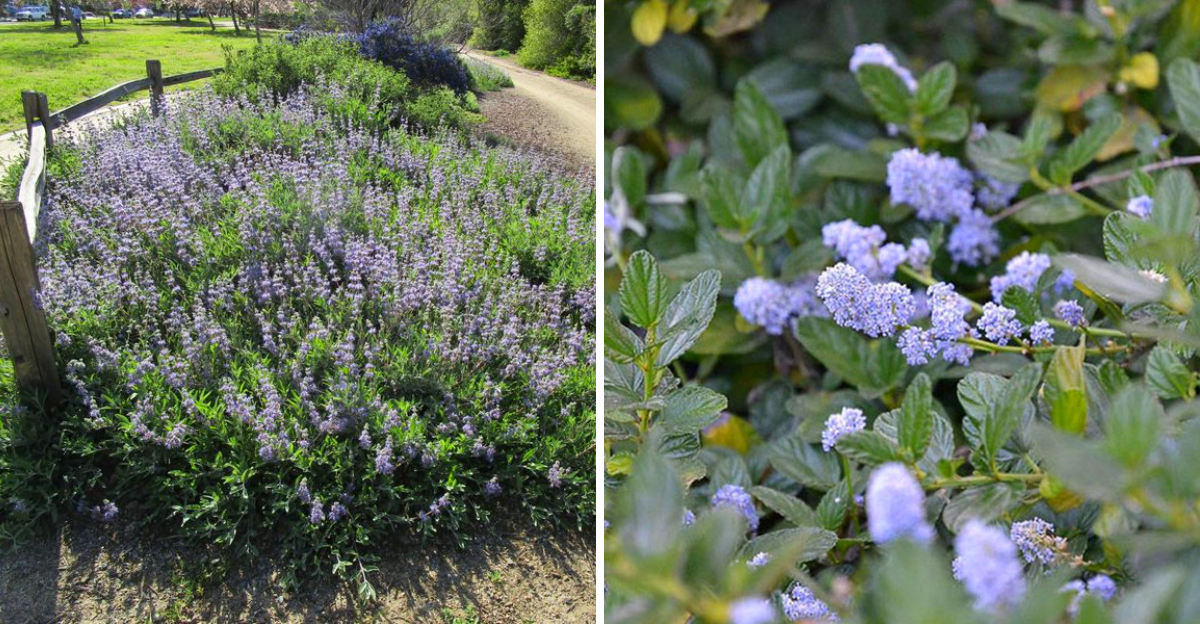
Fence lines have a talent for becoming the most neglected strip of real estate in a California garden.
Bare soil baking in the summer sun, weeds that seem to appear out of nowhere, reflected heat from the fence drying everything out twice as fast, it is a lot going on in what is usually a pretty narrow planting strip.
The good news is that this is exactly the kind of problem low-water California native groundcovers were practically made for.
Get the right plant established along that fence line and it will start doing the hard work for you, covering bare soil, shading out weeds, and handling dry summers without demanding constant attention.
There is a short establishment period where some extra watering helps, but once these natives settle in, that previously frustrating strip of ground can basically take care of itself.
1. Point Reyes Ceanothus Covers Bare Soil
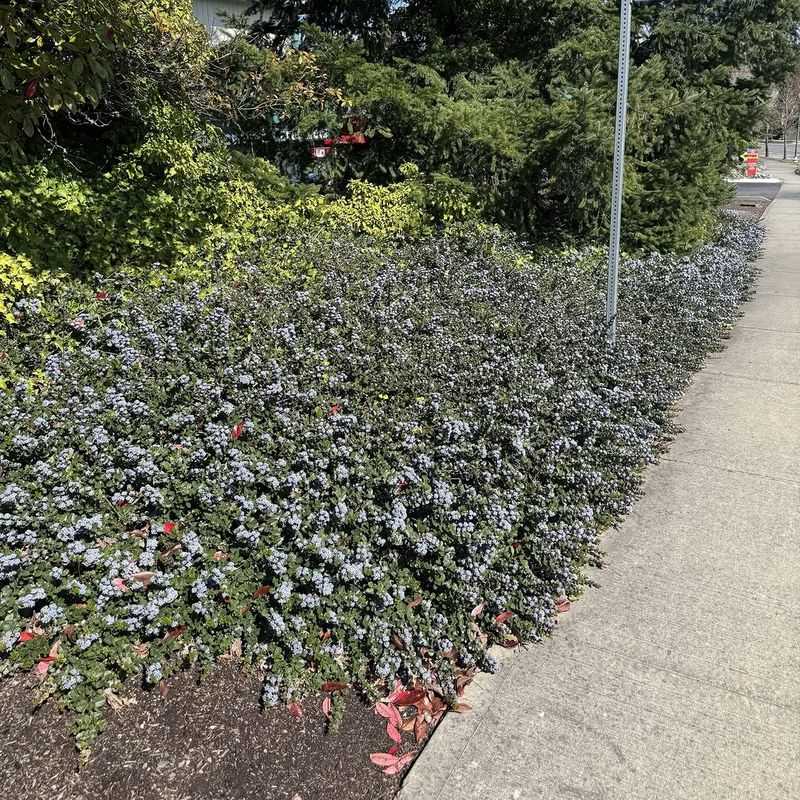
Bare soil along a fence line is basically an open invitation for weeds, and Point Reyes Ceanothus takes that invitation away fast.
This California native groundcover spreads low and wide, forming a dense mat of small, glossy dark green leaves that shade the soil and leave little room for weeds to push through.
It earned its name from the rugged coastal headlands of Point Reyes, where it naturally grows along exposed, wind-swept slopes with very little summer water.
In California gardens, it tends to perform well in coastal and mild inland sites, though it may struggle in areas with heavy clay or poor drainage.
It produces clusters of tiny blue flowers in late winter and early spring, which attract native bees and add a splash of color just when the garden needs it most.
Along a fence line, this groundcover can spread six to eight feet wide while staying under a foot tall, making it a solid choice for narrow, sunny strips.
Young plants benefit from regular deep watering during their first one to two dry seasons to help roots establish. Once rooted in, Point Reyes Ceanothus can handle dry summers with little to no supplemental irrigation in coastal and mild sites.
Avoid planting in areas with reflected heat from walls or pavement, as intense afternoon exposure can stress even well-established plants. Mulch around young plants to hold soil moisture and reduce early weed competition while roots develop.
2. Yankee Point California Lilac Spreads Wide
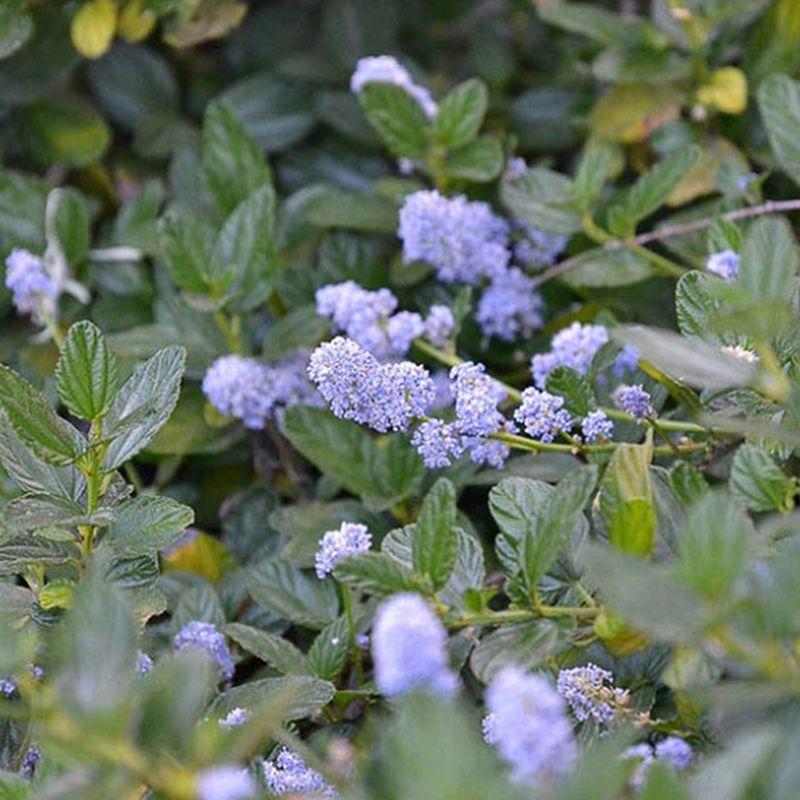
Few native groundcovers spread as enthusiastically as Yankee Point California Lilac.
A cultivar of Ceanothus griseus horizontalis, this plant can reach eight to ten feet wide while staying under three feet tall, giving it serious weed-smothering potential along fence lines and dry borders.
Its dense canopy of small, shiny leaves covers bare soil efficiently, blocking sunlight that weed seeds need to sprout and grow.
In spring, Yankee Point puts on a striking display of medium blue flower clusters that draw in native bees and butterflies. That floral show is a bonus on top of its main job, which is keeping the ground covered and the weeds out.
Your California Garden Changes Every Week. Your Plan Should Too.
Gardening in California changes quickly throughout the season. Every Friday you’ll receive a simple weekly plan showing exactly what to plant, prune, fertilize, harvest, and protect so you never miss the right timing.
It grows well along California’s coast and in mild inland areas, though gardeners in hotter inland zones should be prepared to offer occasional deep summer watering during extended heat stretches.
Planting this groundcover in well-drained soil is important because it does not tolerate wet feet, especially during summer. Avoid overwatering once established, as too much summer water can actually shorten its lifespan in California gardens.
Give it full sun along the fence line, and it will reward you by spreading steadily and filling bare patches within a few seasons.
Mulch generously around young plants during establishment to reduce weed competition and hold moisture while roots settle in.
With time, the dense foliage does the weed-suppression work on its own.
3. Pigeon Point Coyote Brush Handles Dry Edges
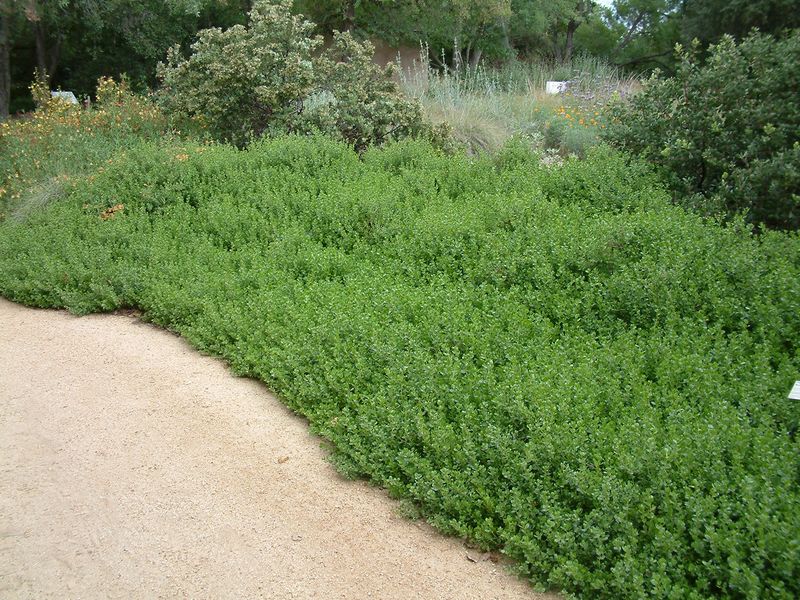
Hot, dry edges along a fence where almost nothing else survives are exactly where Pigeon Point Coyote Brush finds its stride.
This compact form of Baccharis pilularis is one of California’s most reliable low-water groundcovers, known for handling drought, poor soil, and reflected heat without much fuss.
It grows as a dense, low mat of small gray-green leaves that covers bare ground effectively and leaves little open space for weeds to take hold.
Pigeon Point stays low, typically under two feet tall, but it can spread four to six feet wide over time. That spread is what makes it so useful along fence lines, where it gradually fills the strip and reduces the need for repeated hand-weeding.
It thrives in full sun and tolerates a wide range of California soils, including sandy, rocky, and slightly clay-heavy ground, as long as drainage is reasonable.
In fall, small creamy white flowers appear and attract native insects, adding a seasonal touch to an otherwise low-maintenance border plant.
Pigeon Point is used widely in California coastal gardens and highway plantings precisely because it asks for so little once established.
Young plants still need regular watering through their first dry season, and mulching around them helps retain soil moisture while roots develop.
In hotter inland gardens, occasional deep summer watering may improve performance and help the plant fill in more quickly.
Pruning lightly every few years keeps the mat dense and tidy.
4. Point Sal Sage Forms A Low Mat
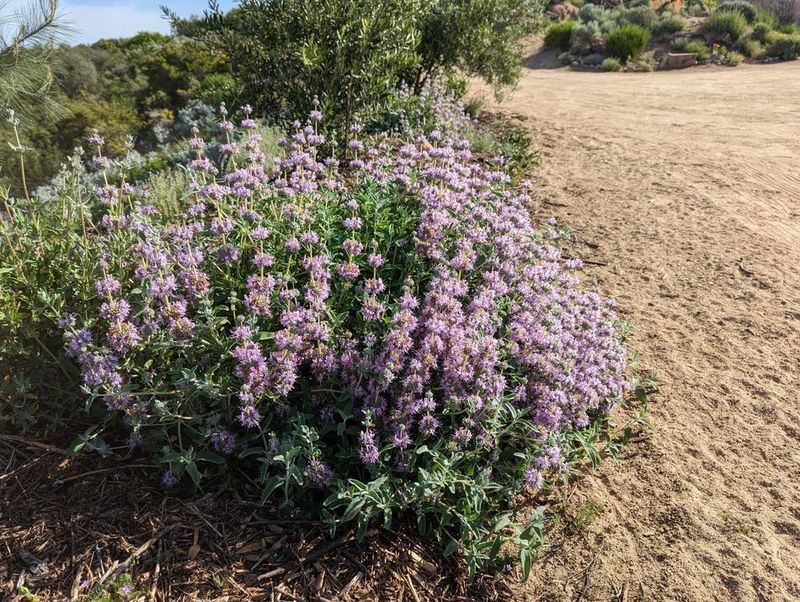
Aromatic, silvery, and surprisingly tough, Point Sal sage brings both beauty and function to a California fence line. This selection of Salvia leucophylla grows as a low, spreading mat with soft gray-green leaves that release a pleasant herbal fragrance when brushed against.
That dense foliage covers bare soil quickly and shades the ground enough to reduce weed germination in the spaces it fills.
Point Sal tends to stay lower than many other sage varieties, spreading out rather than up, which makes it a practical choice for narrow planting strips along fences where height could become a problem.
It thrives in full sun and well-drained soil, and it is well suited to California’s Mediterranean climate pattern of wet winters and long dry summers.
Coastal and inland gardens both tend to support it well, though very hot and humid conditions may cause issues.
One thing to know about Point Sal is that it can spread assertively once established, which is actually a benefit when weed control is the goal. Young plants should be watered regularly through the first dry season to help roots anchor before summer heat arrives.
After that, established plants typically manage on rainfall alone in many California locations, though a few deep summer waterings may help in hotter inland areas during extreme heat.
Avoid clay-heavy or poorly draining spots, as wet roots during dormancy can cause problems.
Mulch around young plants to hold soil moisture and give them a competitive head start.
5. Bee’s Bliss Sage Fills Sunny Gaps
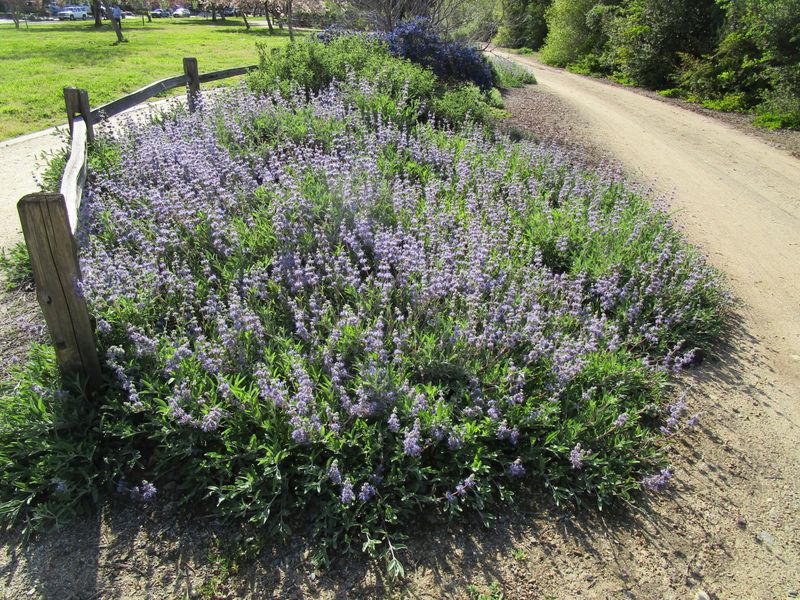
Walk past a Bee’s Bliss sage on a warm California morning and the soft herbal scent alone makes it worth growing.
This popular hybrid sage, a cross between Salvia clevelandii and Salvia sonomensis, has become a go-to groundcover for low-water California gardens because it combines striking appearance with genuine drought tolerance once roots are established.
Long, arching branches covered in soft gray-green leaves spread outward to fill sunny gaps along fence lines and dry borders.
Bee’s Bliss can spread six to eight feet wide or more while staying under two feet tall, giving it excellent ground-covering ability in full sun spots.
In spring, it sends up tall lavender-blue flower spikes that are genuinely irresistible to bees, hummingbirds, and other pollinators.
That bloom season adds seasonal color to what is otherwise a year-round weed-suppressing mat of foliage along the fence.
Like most California native sages, Bee’s Bliss needs good drainage and does not appreciate wet soil during its summer dormancy period. Overwatering in summer is one of the most common reasons established plants decline.
Water young plants regularly through their first dry season and reduce watering significantly once the plant is rooted in. In hotter inland areas, occasional deep summer watering may help during extended heat.
Prune back lightly after bloom to encourage fresh growth and keep the plant looking full and tidy along the fence line. Mulch around young plants during establishment to help retain moisture.
6. Fremont’s Carpet Sage Needs Little Summer Water
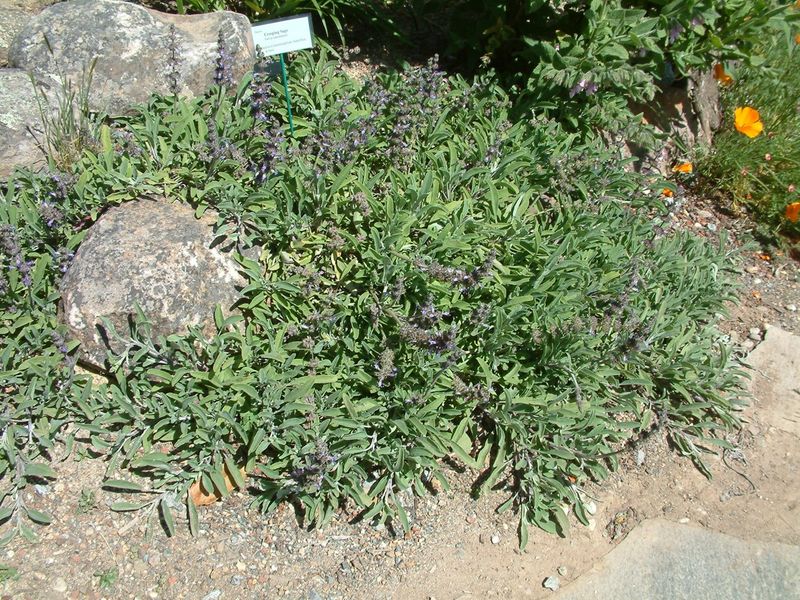
Some groundcovers earn their reputation quietly, and Fremont’s Carpet Sage is a good example of that.
Salvia sonomensis, the species behind this low-spreading sage, grows natively across dry slopes and open woodlands in California, making it genuinely adapted to the state’s dry summers and minimal summer rainfall.
Along a fence line, it spreads as a low, dense carpet of small, slightly rough-textured gray-green leaves that cover bare soil and suppress weeds as it fills in.
It typically stays under one foot tall while spreading two to four feet wide, sometimes more in ideal conditions. That low profile makes it especially useful in narrow fence-line strips where taller plants might look out of place or create maintenance problems.
Full sun exposure suits it well, and it handles a range of California soils as long as drainage is adequate.
It tends to perform well in both coastal and inland gardens, though very hot reflected heat from a south-facing fence may stress it during peak summer.
Young Fremont’s Carpet Sage plants need regular watering through their first dry season to allow roots to establish before summer arrives.
After that, they typically need very little summer water in appropriate California sites, which is exactly what makes them valuable for low-maintenance fence lines.
A few deep waterings during extreme inland heat may help maintain plant health. Mulch around new plantings reduces early weed competition and helps hold soil moisture.
Light pruning after bloom keeps the mat dense and tidy year after year.
7. Point Reyes Manzanita Makes Tough Cover
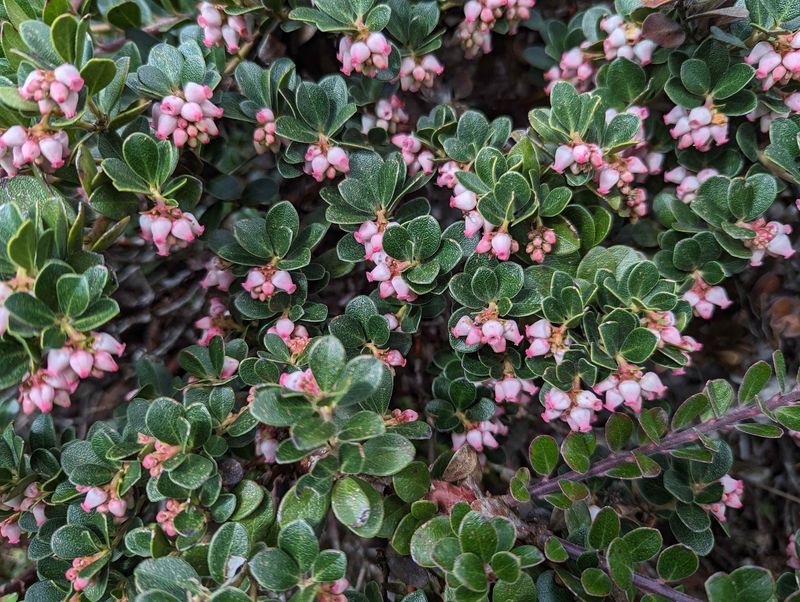
There is something almost sculptural about a well-established manzanita, and the groundcover form known as Point Reyes Manzanita brings that character right down to soil level.
Arctostaphylos uva-ursi ‘Point Reyes’ is a low-spreading form of bearberry manzanita that hugs the ground tightly, forming a dense mat with small, glossy dark green leaves and the characteristic smooth reddish bark that manzanitas are known for.
Along a fence line, this mat covers bare soil effectively and leaves little opportunity for weeds to establish.
Point Reyes Manzanita grows well in California coastal gardens and mild inland areas, where it handles the dry summers that would stress many other groundcovers.
It typically spreads three to six feet wide while staying just six to twelve inches tall, making it one of the lower-profile manzanita options available for home gardens.
Small pink-white urn-shaped flowers appear in late winter and early spring, attracting early-season native bees before most other plants have woken up.
This groundcover needs excellent drainage and does not tolerate summer irrigation once established. Overwatering established manzanitas is a common mistake in California gardens and can cause root issues.
Young plants need regular deep watering through their first one to two dry seasons to develop a strong root system. Mulch around young plants helps retain moisture and reduce weed pressure during establishment.
Avoid planting in heavy clay or areas with standing water. In the right California site, Point Reyes Manzanita can provide years of low-maintenance, weed-suppressing ground cover.
8. Emerald Carpet Manzanita Covers Open Soil
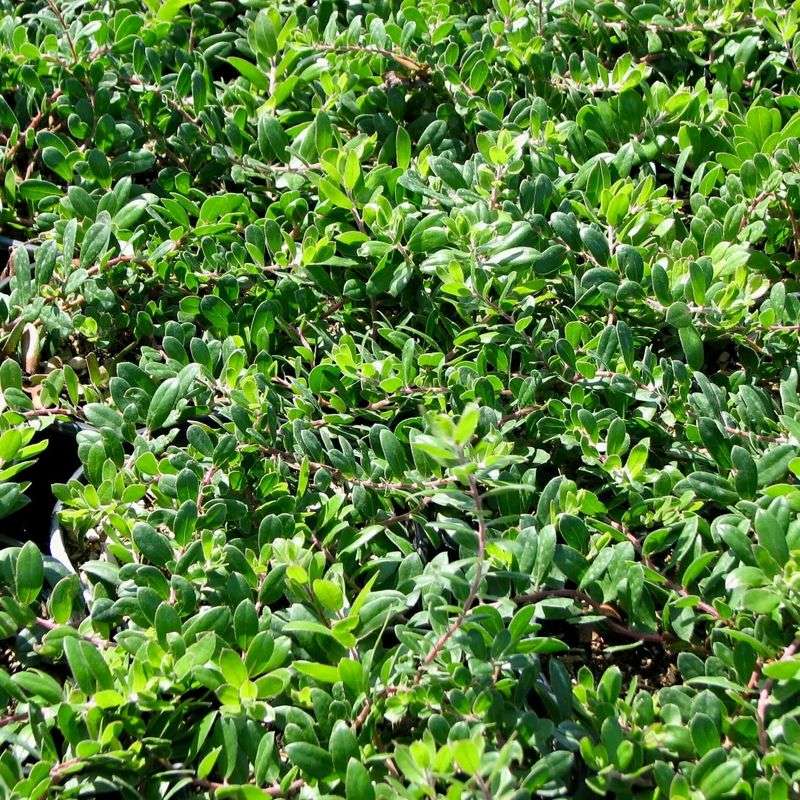
Bright green and reliably low, Emerald Carpet Manzanita is one of the most widely planted native groundcovers in California gardens, and for good reason.
Arctostaphylos ‘Emerald Carpet’ forms a tight, even mat of small vivid green leaves that covers open soil densely and keeps weed seeds from getting the sunlight they need to sprout.
Along fence lines, its steady spreading habit gradually fills bare strips that would otherwise turn into weedy messes by mid-spring.
This groundcover typically stays under one foot tall while spreading three to six feet wide, and sometimes wider in favorable conditions.
Its compact, even growth makes it a tidy choice for visible fence lines in front yards, side yards, and dry borders where appearance matters.
Full sun suits it best, and it performs well across a range of California garden settings from coastal areas to mild inland zones. Like most manzanitas, it asks for well-drained soil and does not appreciate summer irrigation once it is established.
Getting Emerald Carpet established takes patience and consistent watering through the first dry season or two. Mulching around young plants helps hold soil moisture and reduces early weed competition while the roots develop.
Once rooted in, established plants typically manage California’s dry summers without supplemental irrigation in suitable sites. Hotter inland gardens may benefit from occasional deep summer watering during extreme heat events.
Avoid planting near irrigation zones or in areas prone to standing water, as wet roots during summer can shorten the plant’s lifespan significantly.