Native Plants That Thrive Through Washington’s Shifting Seasons
Washington’s climate can feel like two states stitched together, with rain-soaked coastal forests giving way to sunbaked, dust-dry stretches east of the Cascades. Somewhere in that split personality, native plants have quietly figured out how to handle it all.
These are the species that watched glaciers retreat, weathered volcanic ash, and adapted to soils most transplants would find impossible. Choose them for your yard and you are working with plants that already know the rules of this place.
Some bloom early enough to catch the last snow melting nearby. Others save their best show for October, when leaves turn shades borrowed from sunset. Skip the plants that need constant coaxing to survive here.
These eight Washington natives ask for almost nothing and give back color, texture, and life through every season the state throws at them.
1. Vine Maple (Acer Circinatum)
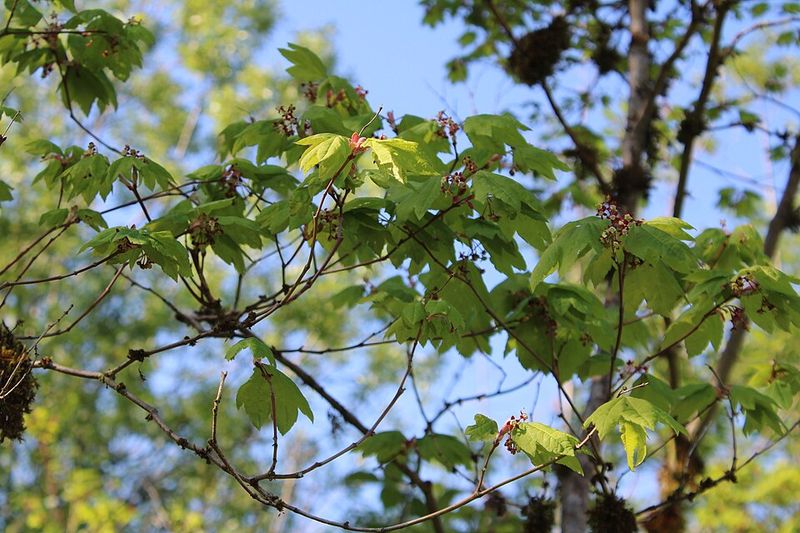
Few plants put on a show quite like the Vine Maple in autumn. Its leaves explode into shades of red, orange, and gold that rival anything you’d find in New England.
Native to the Pacific Northwest, this small tree or large shrub is incredibly adaptable. It grows happily in deep shade under towering conifers or in full sun along a garden edge.
Vine Maple typically reaches ten to twenty-five feet tall, making it a smart choice for smaller yards. Its twisting, multi-stemmed form gives it a wild, sculptural look even in winter when the leaves are gone.
Spring brings delicate clusters of white and red flowers that attract early pollinators. Hummingbirds and native bees absolutely love those tiny blooms.
The paired winged seeds, called samaras, ripen through summer and feed birds heading into fall migration. Deer browse the branches lightly, but this plant bounces back without much fuss.
Planting Vine Maple is straightforward. Give it moist, well-drained soil and some room to spread its arms wide.
It handles clay soil better than most ornamental trees, which is a real bonus in many Pacific Northwest yards. Water it during its first summer, and then mostly leave it alone.
This plant thrives through Washington’s shifting seasons with almost no intervention once established. It is the kind of plant that makes neighbors stop and ask what it is every single October.
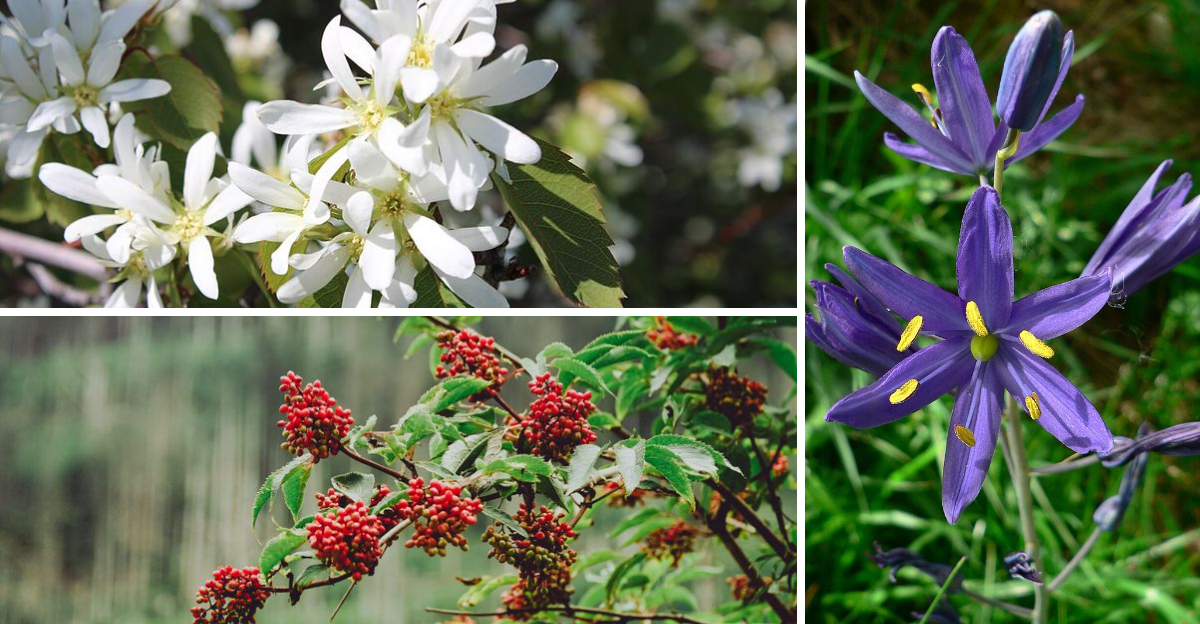
2. Serviceberry (Amelanchier Alnifolia)
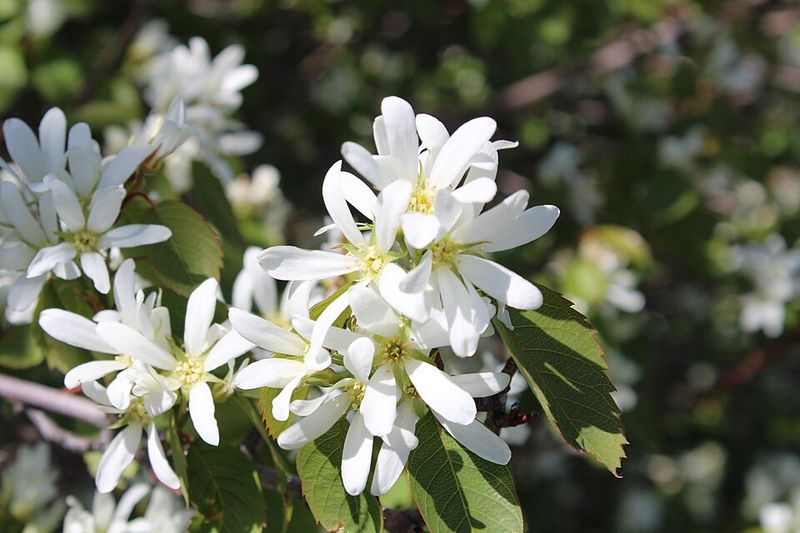
Before most other plants have even thought about waking up, Serviceberry bursts into a cloud of white blossoms. It is one of the earliest native bloomers in the Pacific Northwest, and pollinators go absolutely wild for it.
Also called Saskatoon Berry, this shrub produces sweet, blueberry-like fruits by early summer. Indigenous communities across the region have harvested and eaten these berries for thousands of years.
Birds like cedar waxwings and robins will raid the branches before you even get a chance to pick a handful. Planting a few extra shrubs ensures there is plenty to go around for both wildlife and your kitchen.
Serviceberry grows six to fifteen feet tall depending on conditions. It works beautifully as a privacy screen, a wildlife hedge, or a standalone specimen in a mixed border.
Your Washington Garden Changes Every Week. Your Plan Should Too.
Gardening in Washington changes quickly throughout the season. Every Friday you’ll receive a simple weekly plan showing exactly what to plant, prune, fertilize, harvest, and protect so you never miss the right timing.
Fall color is another strong suit here. Leaves turn shades of orange and deep red, giving the garden a warm send-off before winter sets in.
This shrub handles a range of soils with ease. It prefers full sun to partial shade and tolerates dry spells once it has settled in after the first season.
Pruning is minimal. Snip out any crossing branches in late winter to keep the shape tidy, and that is about all the effort required.
For native plants that thrive through Washington’s shifting seasons, Serviceberry delivers something beautiful in every single month of the year.
3. Oregon Grape (Mahonia Aquifolium)
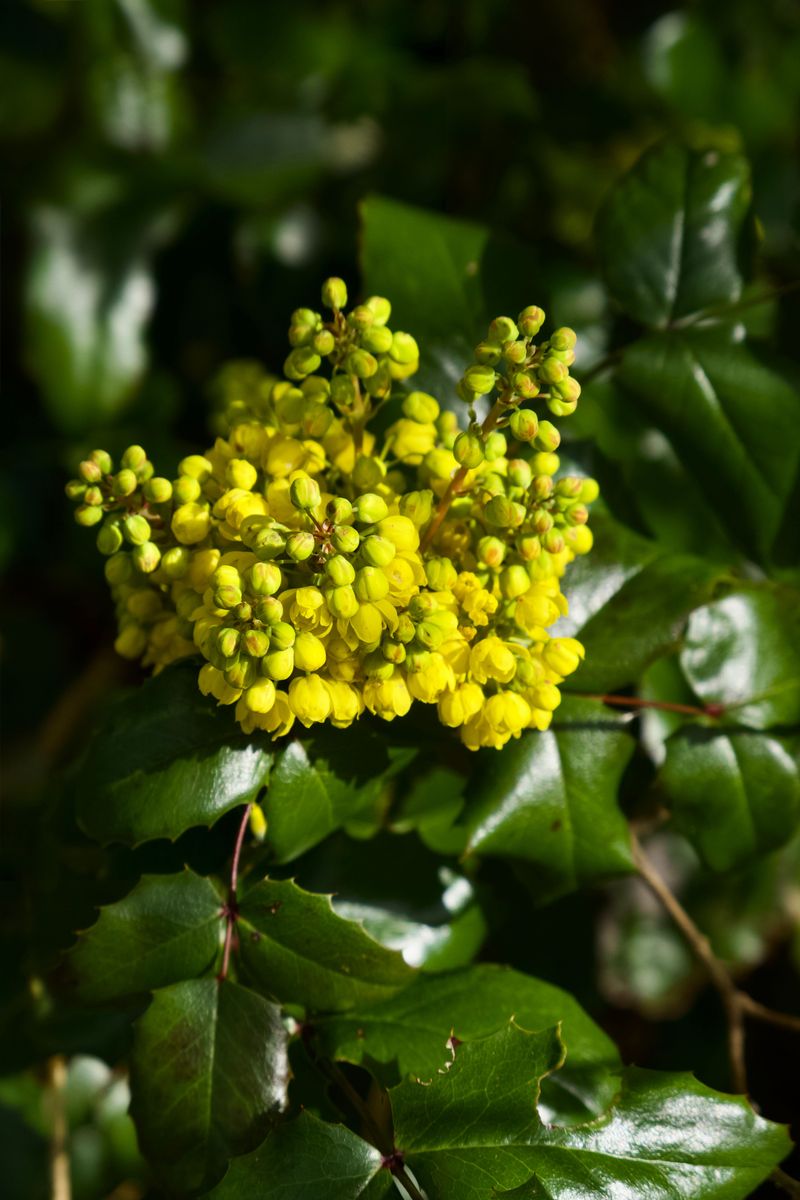
Oregon Grape is the kind of plant that looks like it belongs in a fairy tale. Its spiky, holly-like leaves stay deep green all winter long, giving the garden structure when everything else has gone dormant.
Bright yellow flower clusters appear in early spring, drawing in native bees that are just waking up from their winter rest. The blooms have a light, honey-sweet fragrance that catches you off guard on a warm March afternoon.
By late summer, clusters of deep blue-purple berries ripen and hang like tiny grapes. Birds love them, and the berries are edible for humans too, though quite tart on their own.
Oregon Grape carries deep symbolic weight across the Pacific Northwest, prized as a signature native in Washington gardens for generations. It grows two to six feet tall and spreads slowly by underground runners to form a dense colony.
That spreading habit makes it an excellent groundcover for slopes and shaded areas where other plants struggle. It holds soil in place and chokes out weeds once established.
Full shade, partial shade, or full sun, this plant handles all three without complaint. Dry summers do not faze it once the root system is established after the first year.
Deer tend to leave it alone thanks to those spiny leaf edges, which is a huge bonus in many Pacific Northwest neighborhoods. Minimal pruning keeps it looking tidy and full.
Tough, beautiful, and low-effort, Oregon Grape earns its place in any native garden.
4. Redtwig Dogwood (Cornus Sericea)
Imagine looking out your window on a gray January morning and seeing a burst of brilliant red cutting through the frost. That is exactly what Redtwig Dogwood delivers every single winter without fail.
The stems glow brightest in the coldest months, turning deep crimson when temperatures drop. Gardeners who plant this shrub for the first time always end up planting more.
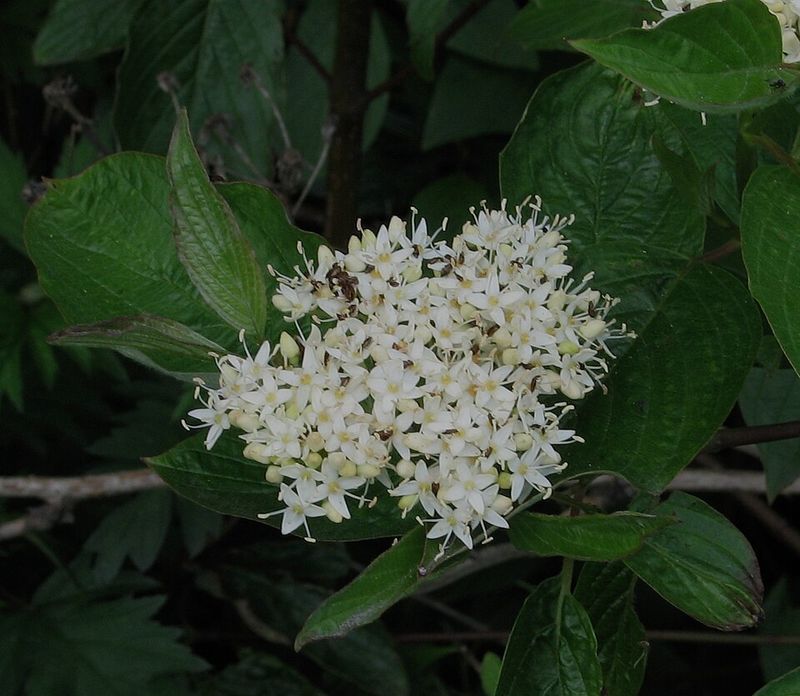
Come spring, flat-topped clusters of small white flowers appear and attract a parade of native pollinators. Butterflies, bees, and beetles all show up to the party.
White berries follow the flowers through summer and fall. Birds like thrushes, waxwings, and woodpeckers rely on those berries as a high-fat fuel source before migration.
Redtwig Dogwood loves wet feet, making it a perfect candidate for rain gardens, pond edges, and low-lying spots that stay soggy after winter storms. Most ornamental shrubs would rot in those conditions, but this one thrives.
It grows four to eight feet tall and spreads by suckering, forming a dense thicket over time. That spreading habit is great for erosion control along stream banks or sloped areas.
Cut one-third of the oldest stems to the ground each late winter. Fresh growth produces the most vivid red color, so regular renewal pruning keeps the display intense.
Few native shrubs reward such simple care with such a dramatic visual payoff through every shift in Washington’s seasons.
5. Camas (Camassia Quamash)
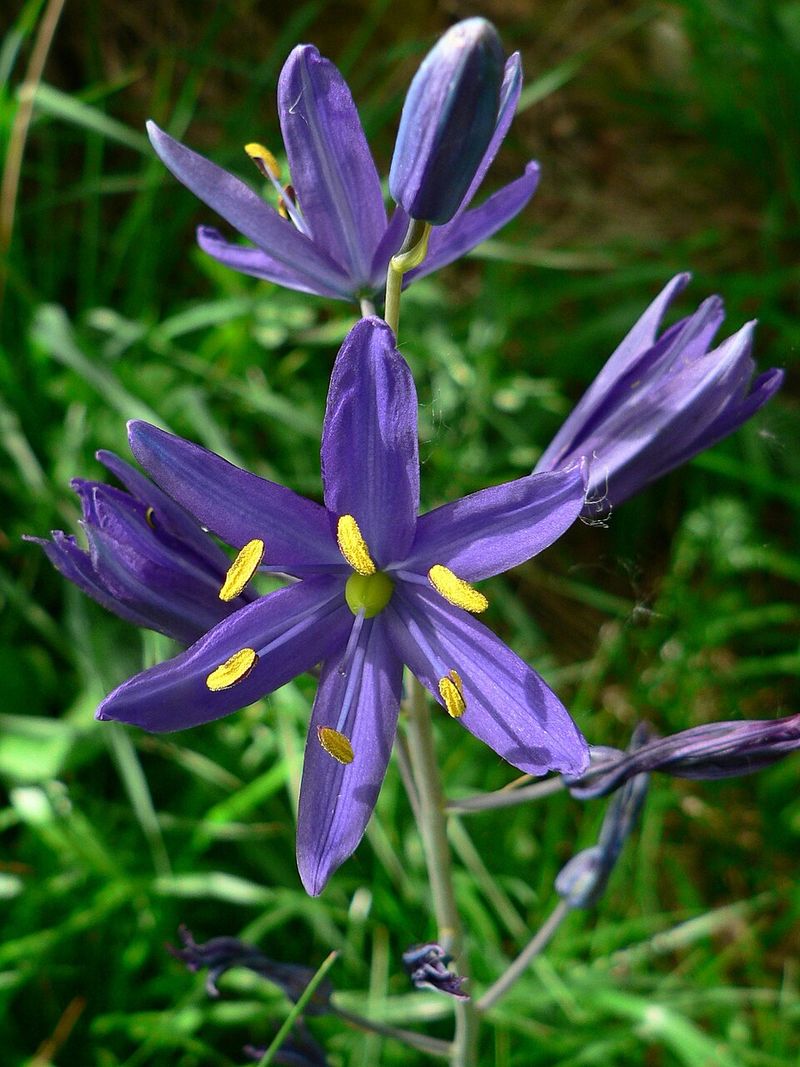
There is a moment in late April when a Camas meadow looks like someone spilled a jar of blue ink across the ground. It is one of the most stunning natural spectacles the Pacific Northwest has to offer.
This bulb-forming perennial sends up tall spikes of violet-blue flowers that bloom for several weeks in spring. Each flower has six petals arranged in a loose star shape that catches the light beautifully.
Camas holds enormous cultural significance for Indigenous peoples across the region. The bulbs were a critical food source, carefully harvested and prepared in earth ovens for thousands of years.
Planting Camas bulbs in fall gives them time to settle in before spring blooms arrive. They prefer moist, rich soil and perform best in areas that stay wet in winter and dry out in summer.
Full sun to partial shade works well for this plant. Once established, a colony of Camas will naturalize and spread slowly over the years, filling in beautifully without much help.
Native bumblebees are the primary pollinators, and watching them work through a patch of blooming Camas is genuinely entertaining. The buzzing is constant and energetic.
After blooming, the foliage goes dormant and disappears completely by midsummer. Pair Camas with ornamental grasses or later-blooming perennials to fill the gap it leaves behind.
Among native plants that thrive through Washington’s shifting seasons, Camas brings a blue that no other plant can quite match.
6. Salal (Gaultheria Shallon)
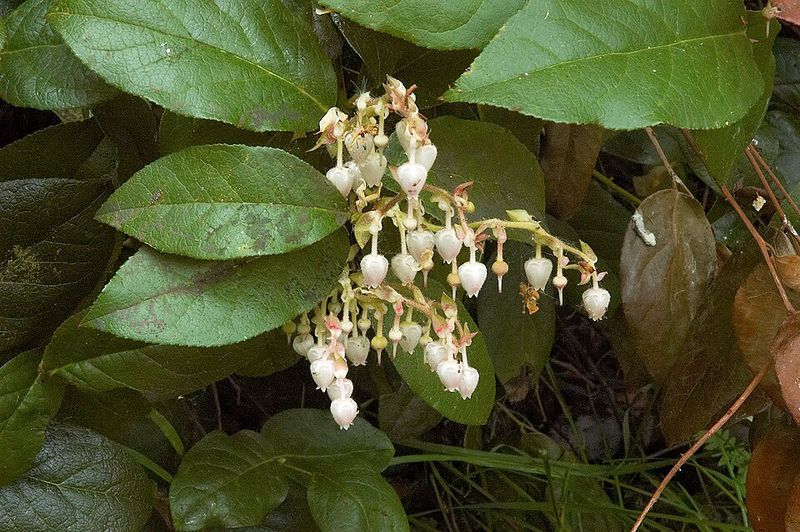
Walk into almost any old-growth forest west of the Cascades and you will find Salal carpeting the ground beneath the big trees. It is the unsung hero of Pacific Northwest native plants.
Leathery, deep green leaves stay on the plant year-round, providing consistent structure and color through even the gloomiest winter months. Florists actually harvest the branches commercially because they last so long in arrangements.
In late spring, strings of small pink and white bell-shaped flowers dangle from the stems like tiny lanterns. Hummingbirds and native bees work them steadily through the bloom period.
Dark purple berries ripen in late summer and were historically eaten by Indigenous communities across the region. Bears, grouse, and songbirds also depend on the fruit as a seasonal food source.
Salal grows two to six feet tall depending on light levels. Deep shade produces taller, leggier plants, while more sun creates a compact, bushy form that works well as a groundcover.
Dry shade is one of the toughest gardening challenges in any Pacific Northwest yard. Salal handles it better than almost anything else you can plant.
Once established, it spreads by rhizomes to form a dense mat that suppresses weeds and stabilizes slopes. Pruning it back hard in early spring encourages fresh, full regrowth.
Salal is not flashy, but it is reliable, tough, and genuinely beautiful in a quiet, forest-floor kind of way that grows on you fast.
7. Little Bluestem (Schizachyrium Scoparium)
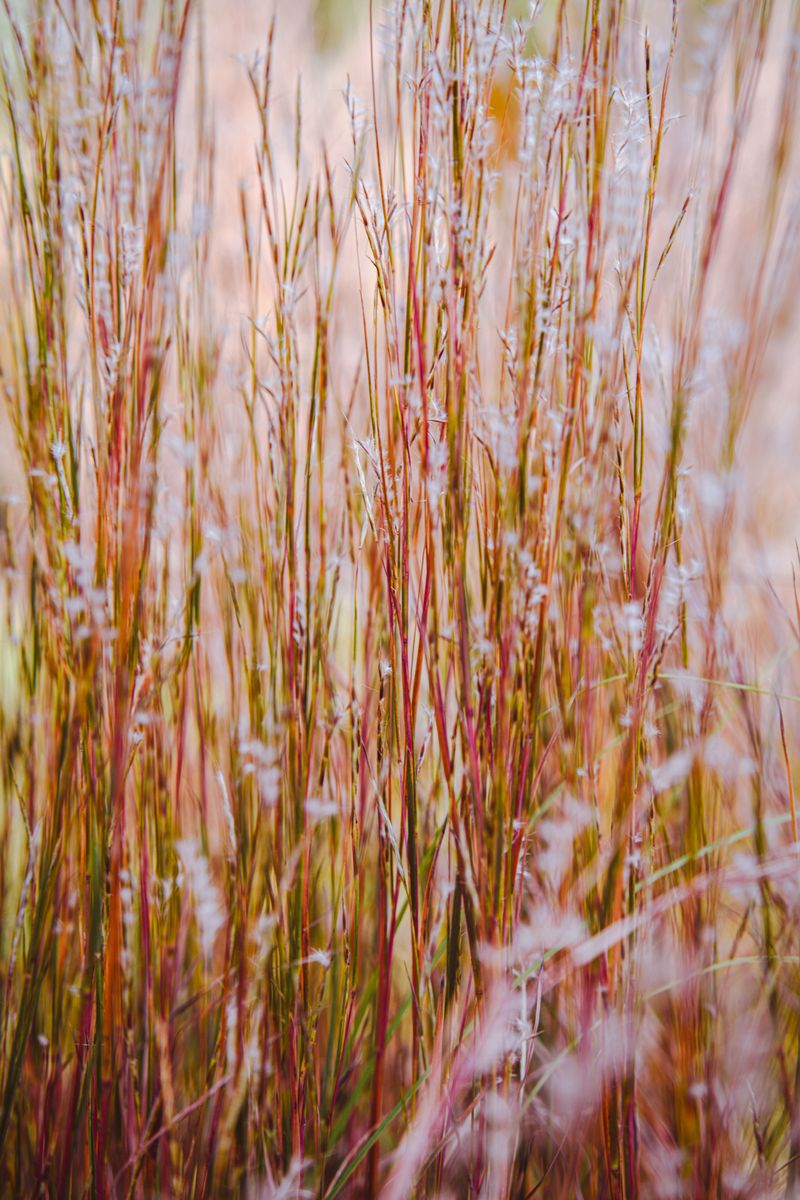
Most ornamental grasses look their best in summer and then fade into beige obscurity. Little Bluestem flips that script entirely by saving its best performance for fall and winter.
Through summer, the upright clumps glow with a distinctive blue-green color that stands out in any sunny border. Then temperatures drop, and the whole plant transforms into shades of copper, rust, and bronze.
Fluffy seed heads catch winter light and shimmer in a way that makes the garden feel alive even on the coldest days. Birds like sparrows and juncos cling to the stems and pick out seeds through the season.
Little Bluestem is native to grasslands across North America, including the dry, prairie-like pockets of eastern Washington. It is also a smart choice for western gardeners dealing with summer drought conditions.
This grass loves poor, well-drained soil and full sun. Rich, moist soil actually makes it flop and sprawl, so resist the urge to fertilize or over-water.
Mature clumps reach two to four feet tall and wide. They stay upright through wind and rain without staking, which is more than you can say for many ornamental grasses.
Cut the whole plant back to about four inches in late winter before new growth emerges. That single annual chore is the full extent of the maintenance required.
Tough, stunning, and wildlife-friendly, Little Bluestem is a prairie classic that earns every inch of space in a Washington native garden.
8. Red Elderberry (Sambucus Racemosa)
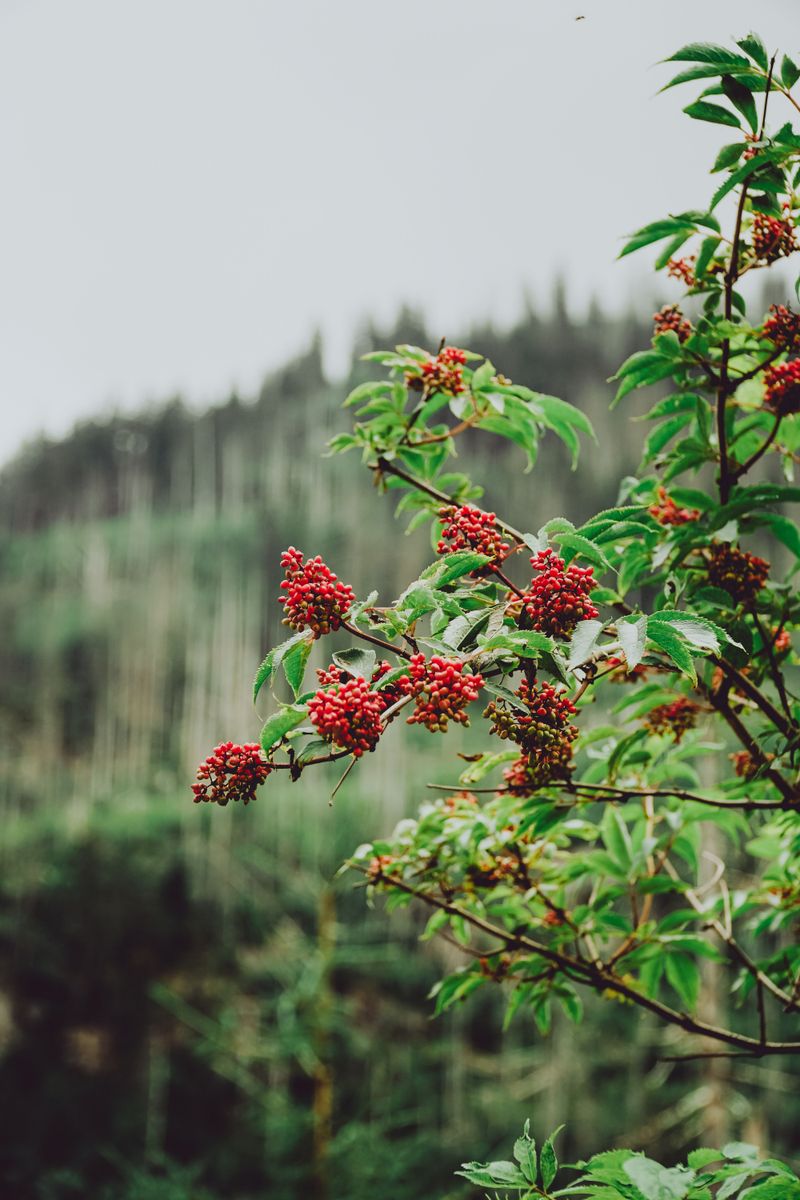
Red Elderberry grows fast, blooms hard, and feeds half the neighborhood wildlife without asking for anything in return. It is the overachiever of Pacific Northwest native shrubs.
Massive flat-topped clusters of creamy white flowers appear in spring, sometimes before the leaves are even fully open. The fragrance is sweet and slightly musky, carrying across the garden on a warm breeze.
Bright red berry clusters follow by early summer and are among the most important wildlife food sources in the region. Thrushes, waxwings, tanagers, and grosbeaks all descend on ripe clusters with obvious enthusiasm.
Note that the berries are not safe for humans to eat raw, so plant this one for the birds rather than your kitchen. Cooking destroys the compounds that cause stomach upset, but raw consumption is not recommended.
Red Elderberry grows quickly to eight to fifteen feet tall, making it a great choice for fast privacy screens or wildlife habitat hedges. It fills in a bare corner faster than almost any other native shrub.
Moist to wet soils are where this plant truly excels. Stream banks, rain gardens, and low spots that collect winter runoff are ideal locations for a happy, thriving elderberry.
Prune it hard every few years to keep it from getting too rangy. New growth comes back vigorously and produces even more flowers the following season.
Few native shrubs offer this much wildlife payoff for so little effort, making Red Elderberry a standout pick for any Washington garden.