The Backyard Fruit Pennsylvania Rats Find First In Late Summer
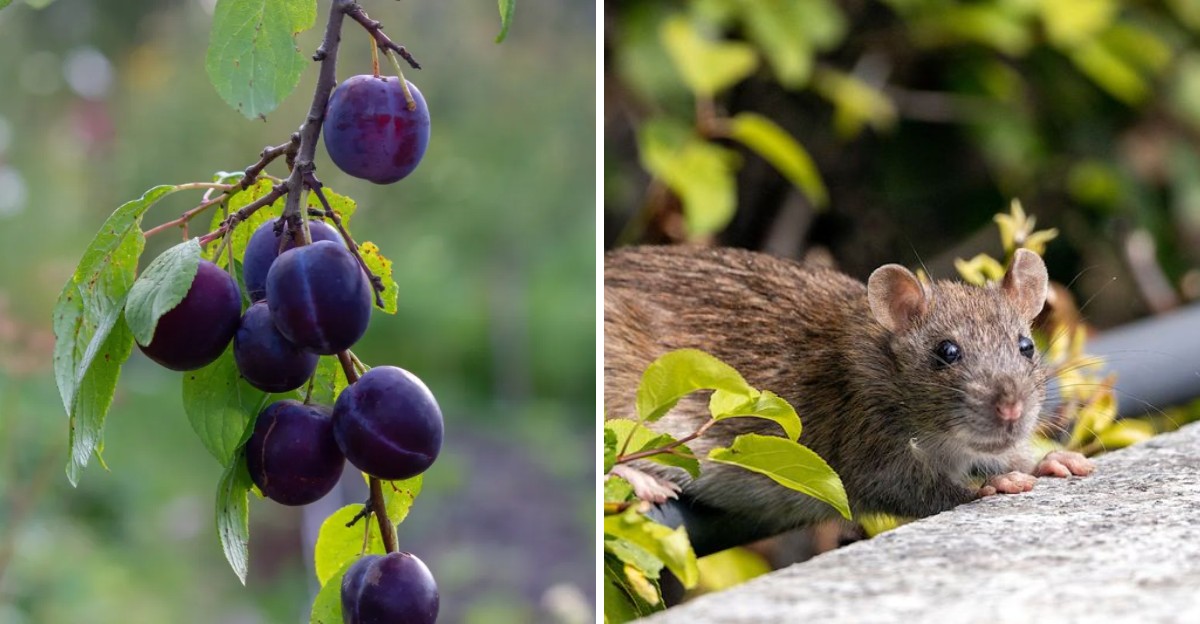
Late summer in Pennsylvania fruit gardens comes with a problem most homeowners don’t fully account for until it’s already happening. Something is getting to the fruit before you are.
Not the obvious damage of insects or disease, but a quieter kind of loss, fruit disappearing, partially consumed, or disturbed in ways that point to something visiting the garden at night.
If you have fruit trees or berry-producing plants, you may already know exactly what September brings.
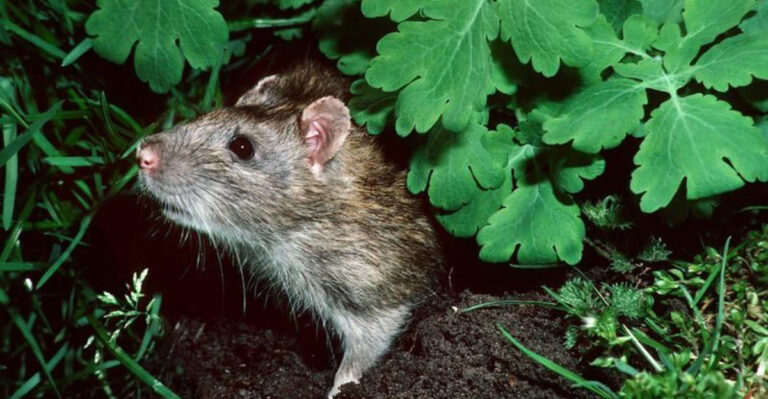
Rats are efficient foragers, and late summer puts one particular type of fruit directly in their path in ways that most gardeners create without realizing it.
Understanding which backyard fruit draws them in first and how it ends up accessible to them changes how you manage the harvest and what you find still there in the morning.
Fallen Plums Can Attract Rodents To Pennsylvania Yards
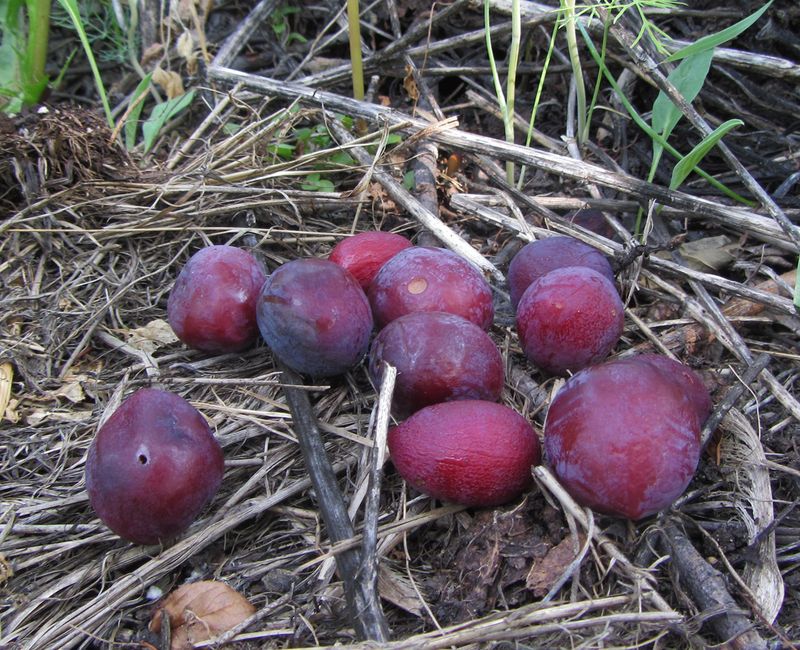
Picture a warm August evening with your plum tree bending under the weight of ripe fruit. It looks beautiful, but every plum that falls becomes an open invitation. Rats notice these treats faster than most people realize.
Plums are soft, sweet, and full of sugar, which makes them one of the top choices for hungry rodents.
Once fruit hits the ground and starts to bruise, it releases a strong smell that travels across the yard. That scent acts like a dinner bell for rats living nearby.
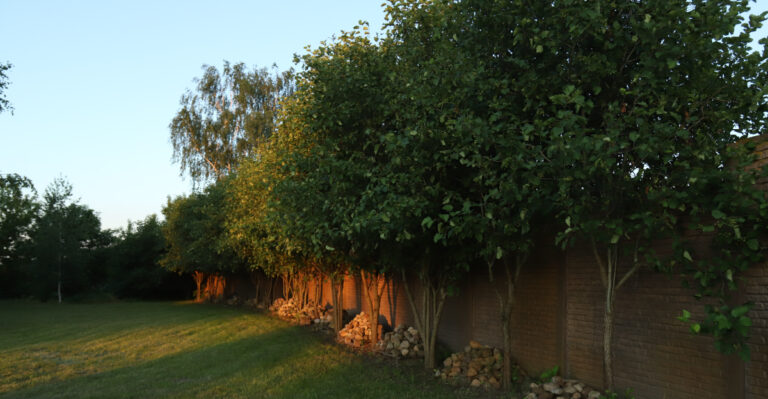
In many Pennsylvania neighborhoods, plum trees grow close to fences, sheds, and garden beds.
These spots give rodents plenty of hiding places while they snack. A single tree can drop dozens of plums in just a few days during peak season.
Rats are not the only visitors, either. Squirrels, raccoons, and opossums may also stop by, but rats tend to show up first because they are always searching for easy food.
They can squeeze through tiny gaps and travel long distances to reach a reliable meal.
The real trouble starts when fruit is left to pile up. A few forgotten plums today can turn into a steady food source by next week. Once rats learn where the free meals are, they keep coming back.
Understanding this early is your best advantage. By knowing that fallen plums draw rodents, you can act before a small snack becomes a big problem.
A quick daily check under your tree makes a huge difference in keeping your yard clean and less appealing to these unwelcome guests.
Why Late-Summer Fruit Becomes A Food Source
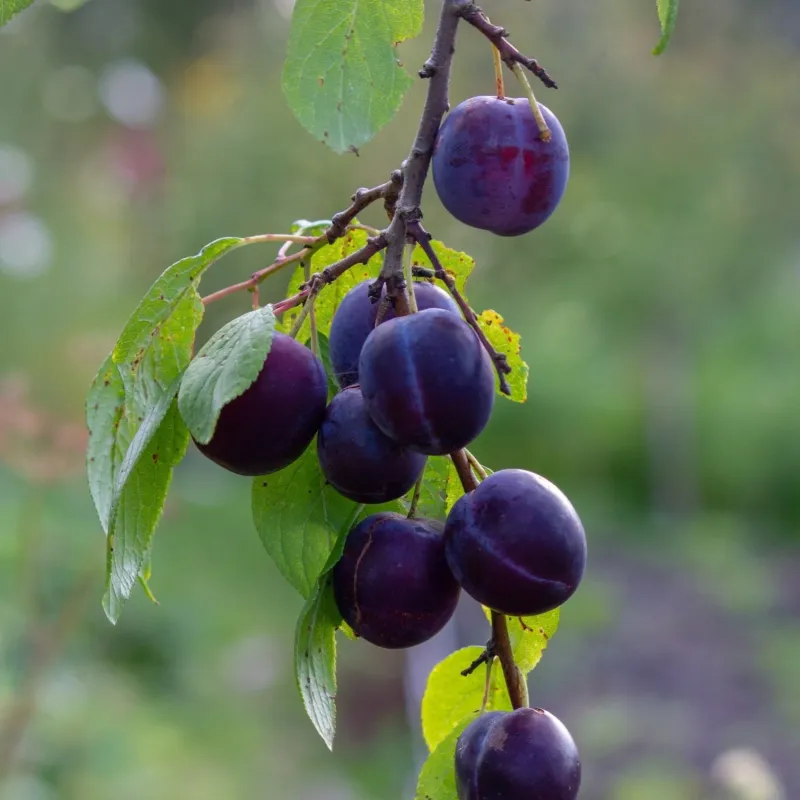
There is something about late-summer fruit that rodents simply cannot resist. As plums ripen fully, they grow softer and sweeter, and that combination is exactly what rats look for. Easy calories with almost no effort keep them coming back.
By this time of year, natural food in the wild starts to shift. Seeds and green plants become less common, so animals search for richer meals to build up energy. A yard full of sugary fruit fits that need perfectly.
Overripe plums are especially tempting because they are already soft enough to eat without much work. Rats do not need strong teeth or lots of time. They can grab a quick meal and dash back to safety in seconds.
Your Pennsylvania Garden Changes Every Week. Your Plan Should Too.
Gardening in Pennsylvania changes quickly throughout the season. Every Friday you’ll receive a simple weekly plan showing exactly what to plant, prune, fertilize, harvest, and protect so you never miss the right timing.
Sugar plays a big role here. Ripe fruit is packed with natural sugars that give rodents fast energy.
That energy helps them stay active, travel farther, and even raise more young during the warmer months.
When a food source is steady and close to shelter, rats settle in. Instead of passing through, they start treating your yard as home base. The longer the fruit lasts, the more comfortable they become.
Weather matters too. Warm, humid Pennsylvania days speed up ripening and spoiling, which means more fallen fruit in a shorter time. That gives rodents an even bigger supply to feast on.
Knowing why late-summer fruit is so appealing helps you stay one step ahead. When you understand what draws rats in, you can remove the reward before they get too settled. A little awareness now saves you from bigger headaches later in the season.
The Signs That Fruit Is Attracting Rats
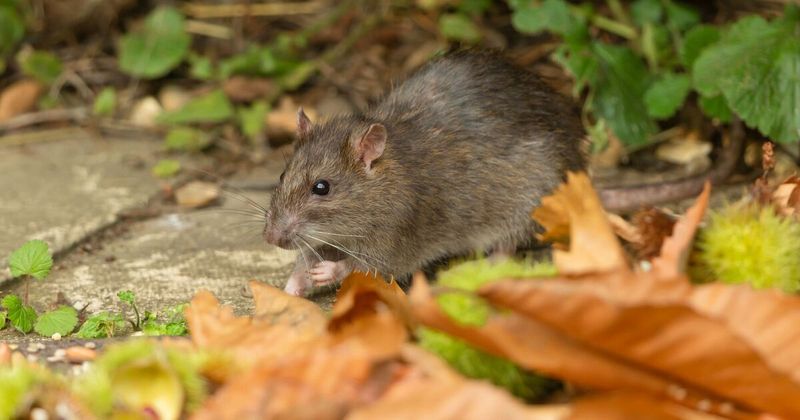
Ever walked outside and noticed fruit that looks chewed on? That is often the first clue that rats have discovered your plum tree. Learning the signs early helps you take action before things get worse.
Gnawed fruit is one of the clearest warnings. Rats leave rough bite marks and often eat only part of a plum before moving to the next. You might find half-eaten fruit scattered around the base of the tree.
Droppings are another giveaway. Rat droppings are small, dark, and shaped like grains of rice. Spotting them near fallen fruit, along fences, or by the shed means rodents are spending time in the area.
Pay attention to nighttime activity too. Rats are most active after dark, so you may hear rustling in leaves or see quick movement near the tree if you step outside in the evening.
Missing fruit is a sneaky sign that many people overlook. If plums vanish from low branches or seem to disappear from the ground faster than expected, something is helping itself to your harvest.
Worn paths in the grass can also point to trouble. Rats often travel the same routes, leaving behind small trails between hiding spots and food sources like your fruit tree.
Check for holes or burrows near fences and under sheds. These entry points show where rodents may be nesting close by.
Catching these signs early gives you the upper hand. The sooner you notice the clues, the faster you can clean up and cut off the food supply. A quick response keeps a small visit from turning into a full-blown problem.
How To Manage Fallen Fruit Around Plum Trees
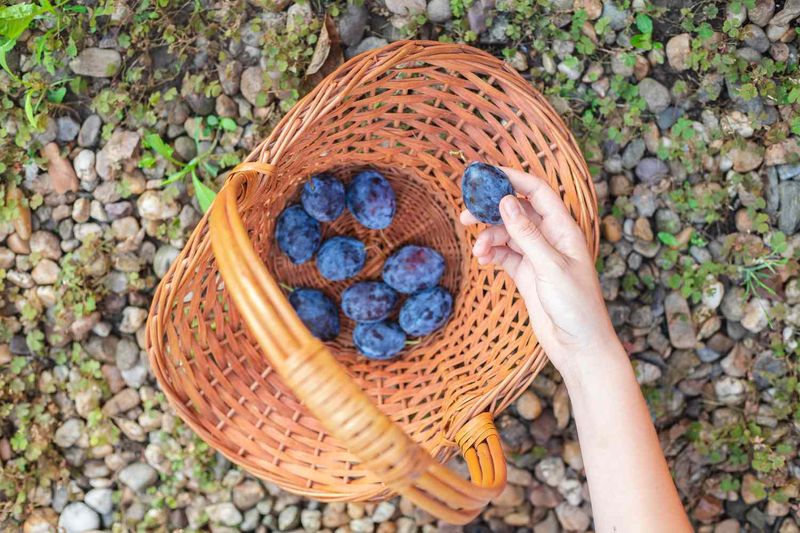
The best defense against fruit-loving rodents is simple: keep the ground clean. When there is nothing to eat, rats have little reason to stick around. A tidy tree base makes a big difference.
Start by collecting fallen plums every day during peak season. It only takes a few minutes, and it stops fruit from piling up and rotting. A bucket and a pair of gloves are all you really need.
Remove spoiled or bruised produce quickly. Overripe fruit gives off the strongest smell, so getting rid of it right away cuts down on the scents that draw rodents in from nearby areas.
Do not toss fallen fruit into a loose pile at the edge of your yard. That just creates a new snack station. Instead, seal it in a bag or bin with a tight lid, or bury it in an active compost setup.
Keep the grass around your tree trimmed short. Tall grass and weeds give rats cover while they eat, so a neat, open space makes them feel exposed and less welcome.
Prune low branches that hang close to the ground. Fruit on high branches is harder for rodents to reach, and better airflow helps plums ripen more evenly too.
Consider spreading a clean layer of mulch or a ground tarp during harvest to make cleanup faster. Sweeping fruit off a smooth surface beats digging it out of thick grass.
Staying consistent is the real secret. A few minutes of daily cleanup keeps your yard far less inviting. When you make tidiness a habit, you protect both your harvest and your peace of mind.
Other Yard Features That Can Keep Rodents Nearby
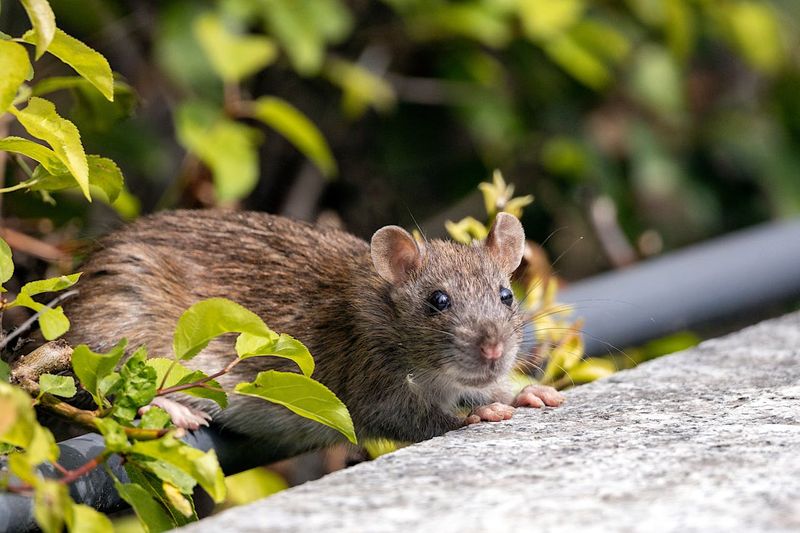
Fruit is rarely the only thing pulling rats into a yard. Plums may get them in the door, but other features often convince them to stay. Looking at the whole picture helps you solve the real problem.
Compost piles are a common draw. When food scraps sit uncovered, they add another easy meal right next to your fruit tree. A sealed compost bin keeps the good soil benefits without the rodent risk.
Pet food left outside is like a bonus buffet. Bowls of kibble on the porch or patio give rats a reliable snack. Bringing food indoors after your pet eats removes that temptation fast.
Birdseed can cause trouble too. Spilled seed under feeders collects on the ground, and rats happily clean it up at night. Using trays to catch seed and sweeping often keeps things tidy.
Clutter offers shelter that rodents love. Stacks of wood, old pots, junk piles, and unused equipment create cozy hiding spots. Keeping storage areas neat and off the ground removes those safe havens.
Dense vegetation gives rats cover as they move around. Overgrown shrubs, ivy, and thick ground plants let them travel unseen. Trimming plants and clearing overgrowth opens up the space.
Water sources matter as well. Leaky spigots, pet water bowls, and standing puddles give rodents something to drink. Fixing drips reduces one more reason for them to linger.
When these features combine with a fruit tree, your yard becomes a full rodent resort. Tackling them together works far better than fixing just one. A clean, open yard sends a clear message that there is nothing worth staying for.
Enjoy Backyard Fruit Without Creating Rodent Problems
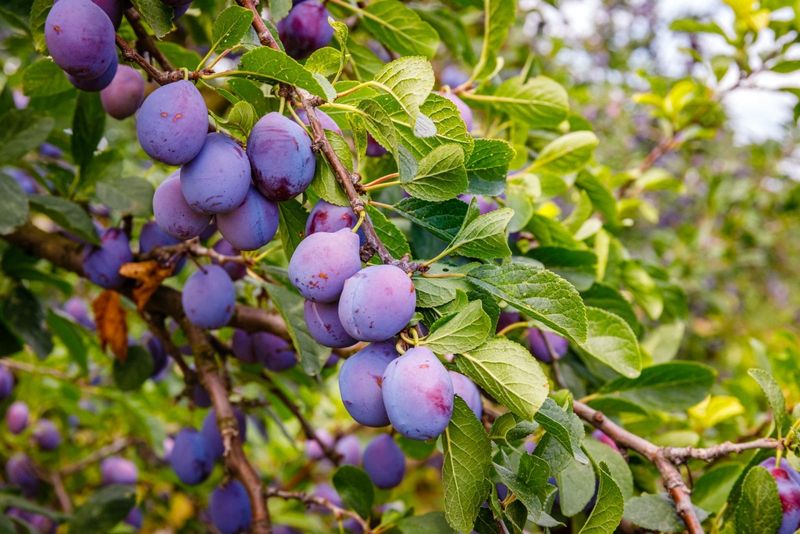
Growing your own plums should be a joy, not a battle with backyard pests. With smart habits, you can have both a healthy harvest and a rodent-free yard. It all comes down to routine care.
Make daily cleanup part of your gardening rhythm. Picking ripe fruit at the right time and clearing anything that falls keeps the reward off the ground where rats can find it.
Harvest a little early when you can. Plums that ripen fully on the branch are less likely to drop and rot. Grabbing them slightly firm also means fewer soft treats waiting on the grass.
Keep the whole yard in good shape, not just the tree. Trimmed grass, sealed bins, and neat storage areas work together to make your space less inviting to any wildlife looking for an easy meal.
Set up a simple weekly check. Walk around your yard, look for droppings or gnaw marks, and fix any new problem spots. Catching small issues early keeps them from growing.
Share extra fruit instead of letting it go to waste. Giving plums to neighbors, freezing them, or making jam means less fruit sitting around and fewer chances for rodents to feast.
Consider planting or maintaining trees away from fences and sheds. A little distance makes it harder for rats to reach fruit and hide at the same time.
Good garden hygiene truly is the key. When you stay consistent with cleanup and maintenance, your plum tree stays productive and your yard stays peaceful.
A few simple habits let you enjoy every sweet bite while keeping unwanted visitors far away all season long.