Elderflower Season Has Ended In Missouri, But The Real Benefit Is Just Starting
Missouri elderflower season closed quickly, surprising almost everyone this year. Something remarkable keeps quietly happening after those pale blossoms disappear. You assumed the fragrant story had already reached its end.
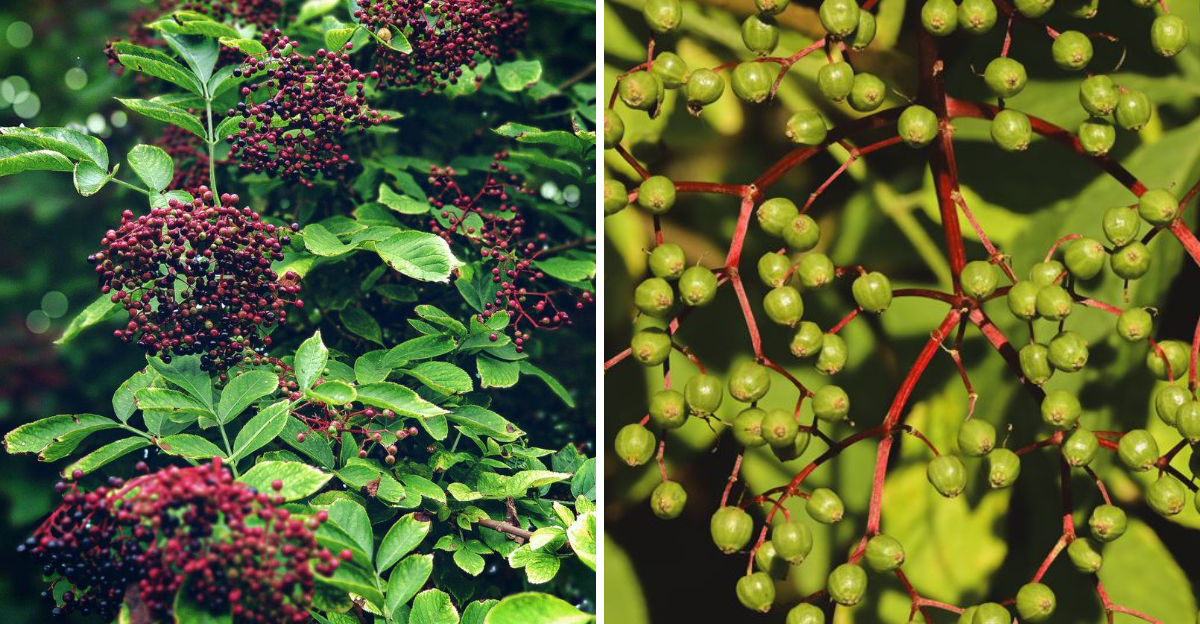
Actually, the elder shrub just entered its most rewarding phase. Clusters that once hung creamy white now deepen into purple. Each ripening berry gathers concentrated wellness power worth your attention.
Few people truly realize this later phase matters even more. Currently, across Missouri, elderberries are nearing their most potent point. Your narrow harvest window stays noticeably shorter than most people expect.
Farmers already understand that timing shapes berry quality entirely. Waiting even a few extra days can noticeably lessen berry richness. Science now confirms what careful foragers have long sensed instinctively.
Antioxidant levels build quickly inside each ripening berry, then settle. Missing this narrow window truly means missing the season’s reward. Turning away now means missing everything still worth witnessing.
From Delicate Blooms To A Winter Ally
June felt magical when those flat white flower clusters opened across Missouri hedgerows. That elderflower perfume was sweet, almost honeyed, and impossible to ignore.
Now the blooms are gone, and something better has taken their place. Clusters of tiny dark berries hang heavy on arching branches, dense and unmistakable.
Elderberries are the payoff for every gardener who watched the flowers with patient eyes. The same shrub that gave you fragrant blossoms is now stocking your future medicine cabinet.
People have used elder plants as winter allies for hundreds of years across Europe and North America. Midwestern foragers know this rhythm well, and they plan for it every spring.
The shift from flower to fruit is not just botanical; it feels personal. You watched the plant grow, and now it is handing you something genuinely useful.
Elderberries are loaded with antioxidants, vitamins, and compounds that support immune health. That is a powerful return on a season of simply paying attention.
Missouri’s warm summers give elder shrubs exactly the heat they need to ripen fully. By late August, those berries are ready for harvest.
Think of elderflower season as the promise and elderberry season as the delivery. The plant kept its word, and now your job is to show up and harvest.
Why These Berries Show Up Right On Time
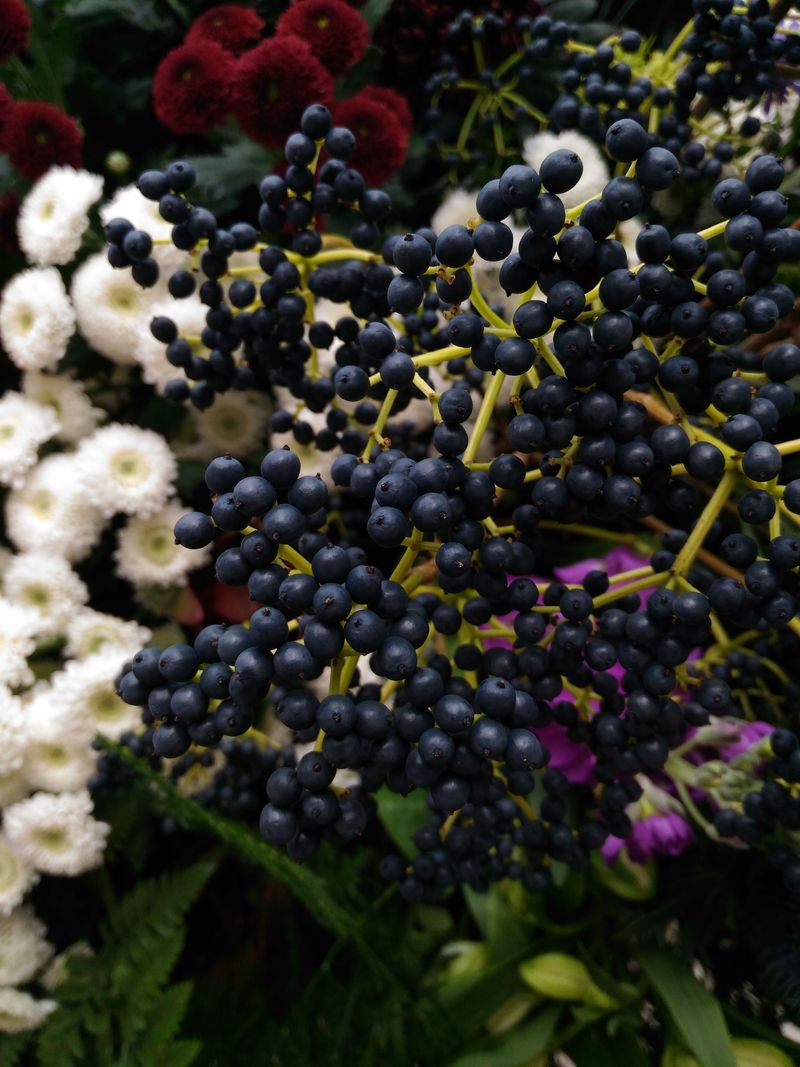
Cold and flu season arrives on a predictable schedule every September. Elderberries ripen just weeks before it arrives. That timing works in your favor, arriving just as cold and flu season begins.
Elderberries typically reach peak ripeness in Missouri between late August and mid-September. That window lines up almost exactly with the start of back-to-school cold season.
Some early studies suggest that compounds in elderberries may help shorten the duration of colds and flu, though research remains limited. Scientists call these compounds flavonoids, and they may help support your body’s natural defenses.
Traditional herbalists across the Ozarks have been making elderberry syrup for generations. They did not need a clinical trial to tell them it worked; they just watched their families stay healthier.
Your Missouri Garden Changes Every Week. Your Plan Should Too.
Gardening in Missouri changes quickly throughout the season. Every Friday you’ll receive a simple weekly plan showing exactly what to plant, prune, fertilize, harvest, and protect so you never miss the right timing.
The berries also contain vitamin C, vitamin B6, and iron. Those nutrients are not glamorous, but they quietly support everything from energy levels to red blood cell production.
Picking berries in late summer feels like a gift wrapped in the right season. You are not scrambling to find immune support in January; you are building your stash before you even need it.
Preparation tends to beat reaction when it comes to seasonal immune support. Elderberries ripen right on schedule so you can get ahead of winter, not just survive it.
How To Tell When They’re Safe To Harvest
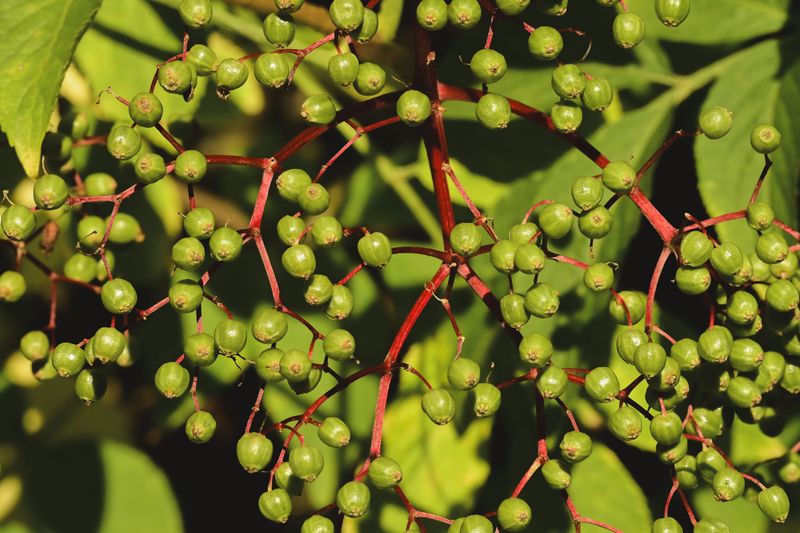
Not every dark berry in the woods is an elderberry, and that distinction genuinely matters. Knowing what you are picking keeps the whole experience safe and enjoyable.
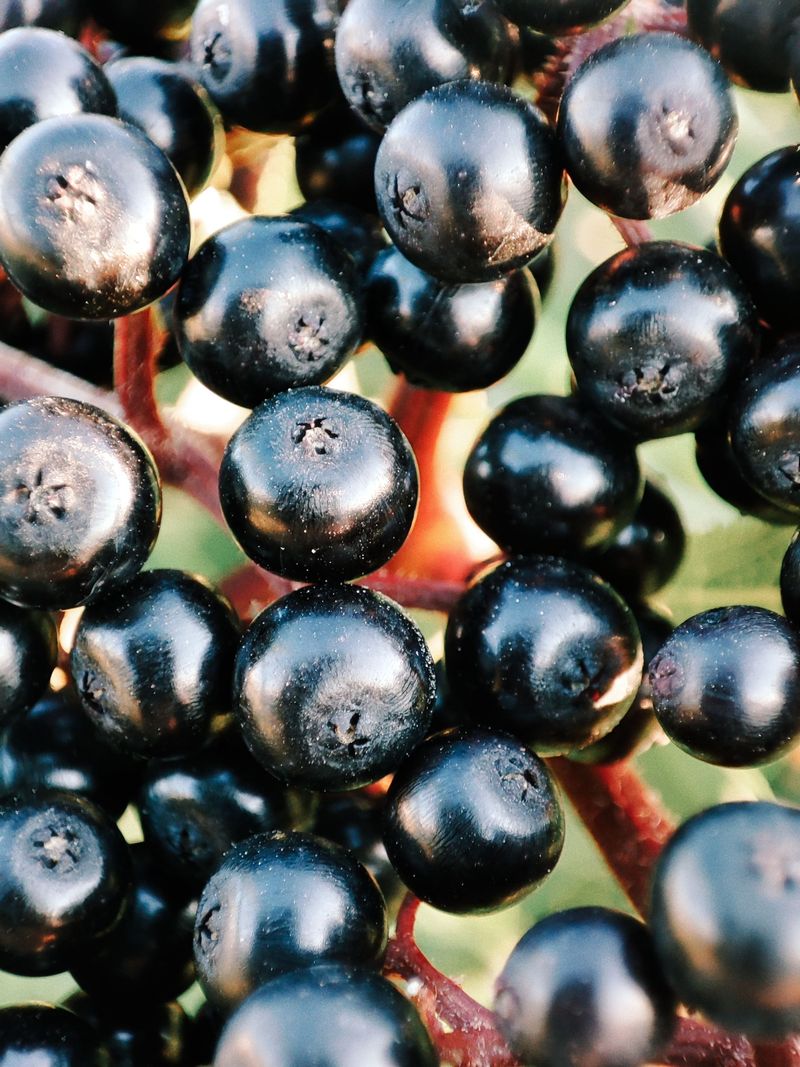
Ripe elderberries are deep purple-black, almost like tiny grapes. They grow in flat-topped clusters called corymbs, which fan out like an upside-down umbrella.
Green elderberries are not ready yet, and eating them raw can cause nausea. Always wait until the entire cluster has turned deep purple before you snip it free.
One helpful identification trick is to look at the stems. Elderberry stems turn reddish-purple as the berries ripen, giving you a second visual cue to work with.
The leaves have a distinctive smell when crushed, slightly unpleasant and earthy. That aroma is actually a helpful identifier, because most lookalike plants smell very different.
Pokeweed is the most common dangerous lookalike in Missouri. Its berries also turn dark purple, but they grow in elongated grape-like clusters, not flat-topped fans.
Elderberries never grow on a vine. If the plant you are looking at climbs or twines, walk away and keep searching.
Once you find a true elderberry shrub loaded with ripe clusters, use clean scissors or pruning snips to harvest whole clusters. Bringing a flat-bottomed basket helps keep delicate berries from crushing each other on the way home.
Turning The Harvest Into Syrups And Tonics
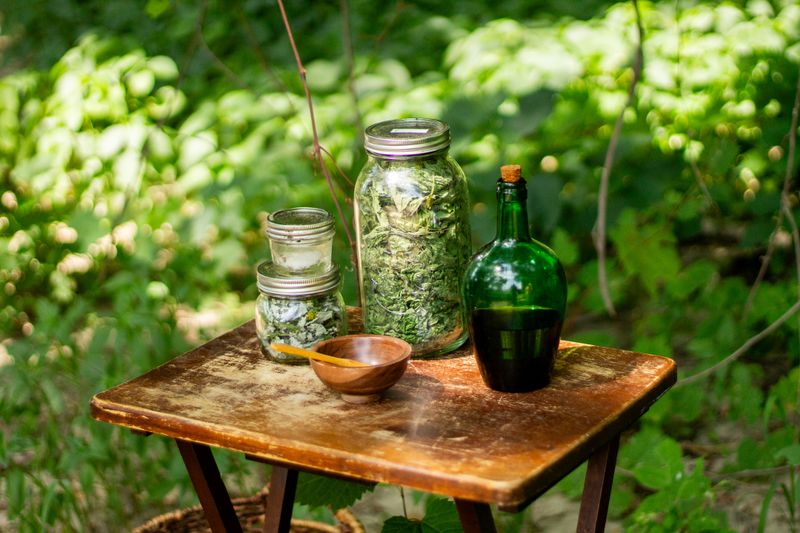
Your kitchen is about to smell absolutely incredible. Simmering elderberries with cinnamon and cloves fills the whole house with something between mulled wine and autumn itself.
The most popular elderberry preparation is syrup. It takes about 45 minutes to make, and the result is a thick, dark liquid that keeps in your fridge for up to three months.
Start with two cups of fresh or dried elderberries and three cups of water. Add a cinnamon stick, four cloves, and a tablespoon of fresh ginger for extra immune-boosting punch.
Simmer that mixture until the liquid reduces by roughly half. Mash the berries, strain the liquid through a fine mesh sieve, and let it cool completely before stirring in raw honey.
Raw honey adds its own antimicrobial properties to the syrup. It also balances the tart berry flavor into something genuinely delicious, not just medicinal.
Many people commonly use about one tablespoon of elderberry syrup daily as a general wellness habit, increasing frequency during illness. It is worth checking with a healthcare provider before starting any regular regimen.
Beyond syrup, elderberries work beautifully in tonics, teas, and even gummies. Elderberry gummies are especially popular with kids who wrinkle their noses at liquid supplements.
Making your own syrup from Missouri-foraged berries costs a fraction of store-bought versions. You also know exactly what went into it, an advantage store-bought versions simply cannot offer.
What Makes Elderberries A Winter Staple
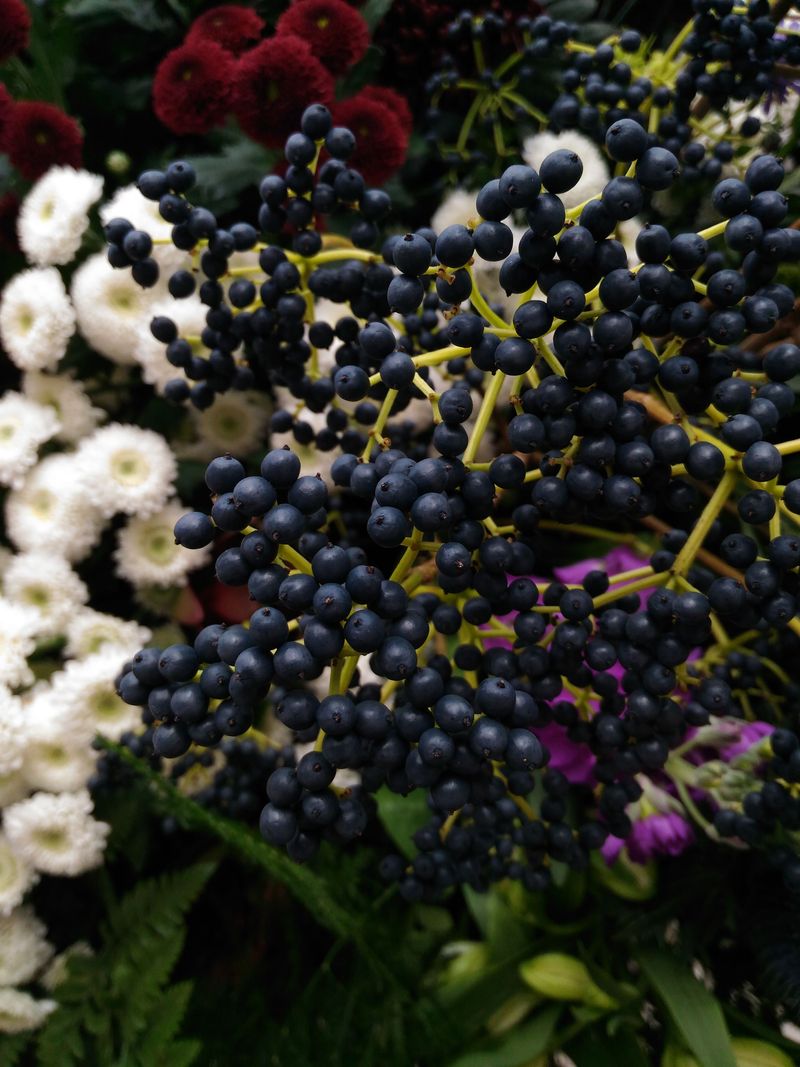
Some pantry staples are about comfort, and elderberries cover both comfort and function at the same time. That dual role is exactly why foragers and herbalists keep coming back to them year after year.
Elderberries contain anthocyanins, the same pigments that give blueberries their color. These compounds are potent antioxidants that help protect cells from damage caused by everyday stress and illness.
A small 2016 study on air travelers reported that elderberry extract appeared to reduce cold duration, though the sample size was limited and results should be viewed cautiously. Frequent fliers and school parents alike have been paying attention to that research.
The berries also have mild anti-inflammatory properties. For people dealing with seasonal congestion or sinus pressure, that quality alone makes elderberry syrup worth keeping on the shelf.
What separates elderberries from trendy supplements is their long track record. Herbal tradition has long credited the elder plant as a natural remedy chest, a claim passed down through generations of folk medicine.
Missouri’s climate is well-suited to growing elder shrubs, meaning local access is easier than many people realize. You do not need to order anything online if you know where to look along creek banks and woodland edges.
Having a jar of syrup in the fridge feels like quiet preparedness. When someone in the house starts sniffling, you are already three steps ahead.
Elderberries earned their place as a winter staple through centuries of consistent traditional use, well documented across cultures.
Simple Ways To Store Your Harvest For Later
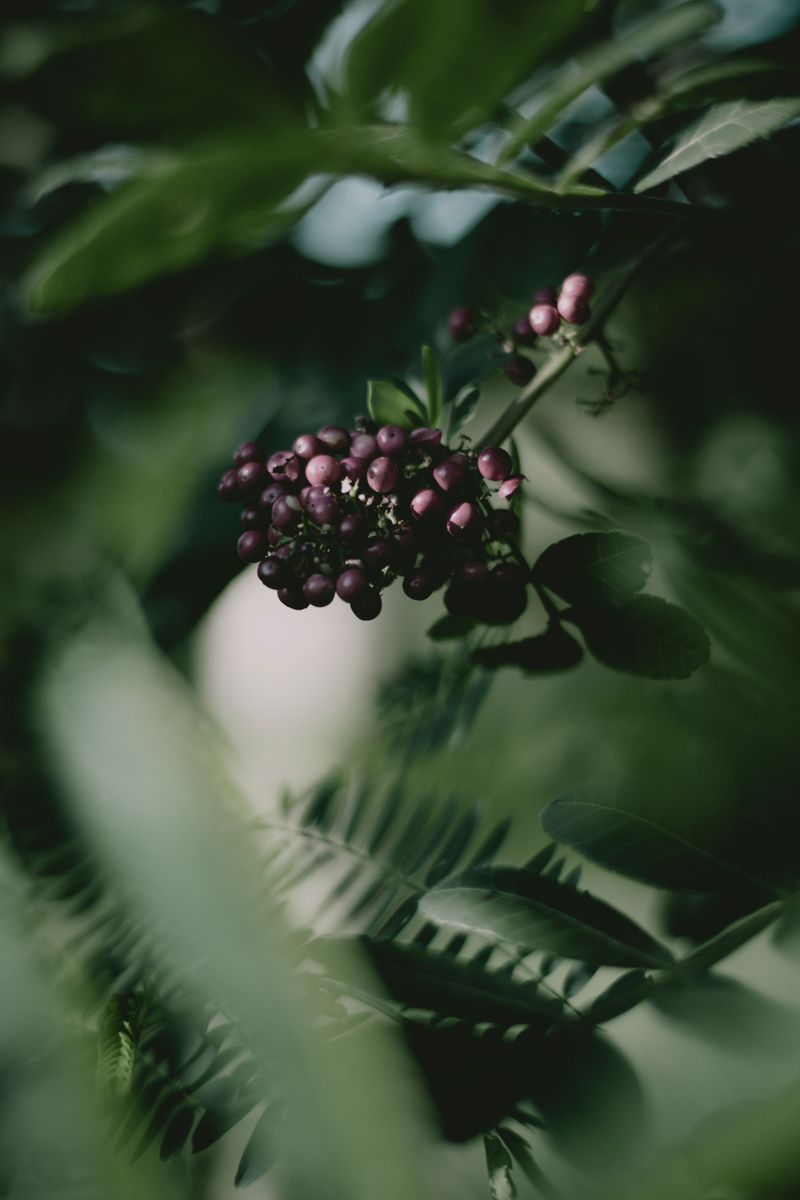
Fresh elderberries have a short shelf life, so knowing how to preserve them properly makes all the difference. A little planning now means you have immune support stocked well into February.
Freezing is the easiest method, and it works beautifully. Spread rinsed berry clusters on a flat baking sheet and freeze them for two hours before transferring to sealed freezer bags.
Freezing the berries on the sheet first keeps them from clumping together in one giant frozen mass. You can then scoop out exactly what you need without defrosting the entire bag.
Dried elderberries are another excellent option for long-term storage. A food dehydrator set to 135 degrees Fahrenheit works well, or you can use your oven on its lowest setting with the door cracked.
Dried berries last up to a year in an airtight container stored in a cool, dark pantry. Many herbalists prefer dried berries because they are lightweight and easy to measure for recipes.
You can also make elderberry syrup in large batches and freeze it in silicone ice cube trays. Each frozen cube equals roughly one tablespoon, making daily doses effortless to grab.
Canning elderberry syrup is another option for those comfortable with water bath canning methods. Properly sealed jars can last up to a year on a cool shelf.
Whatever storage method fits your kitchen, the goal is the same: keep your elderberry harvest working for you long after the Missouri summer fades.
What Their Journey Says About Changing Seasons
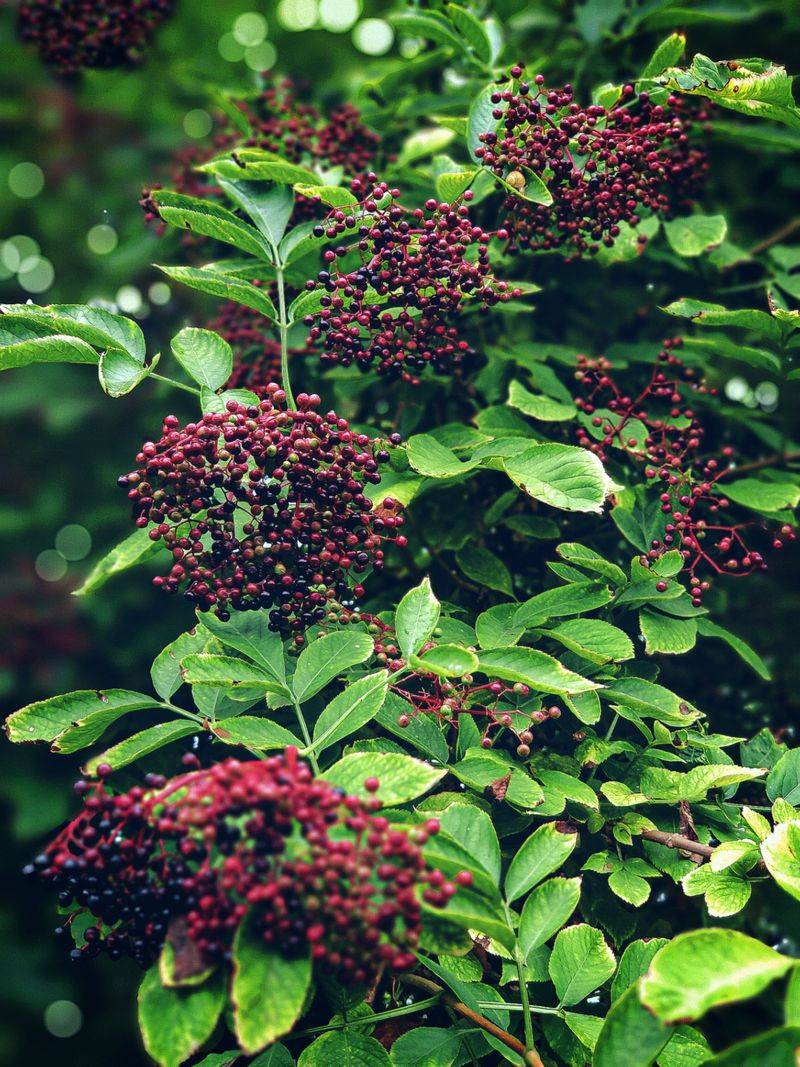
Elder shrubs follow a clear seasonal pattern. They bloom when warmth arrives, fruit when summer peaks, and go dormant as autumn sets in.
Watching that cycle every year teaches you something about patience. You cannot rush an elder shrub, and honestly, you would not want to.
The elderflower season in Missouri lasts only a few weeks in late May and June. Blink too long and the flowers are already fading into tiny green berry clusters.
That fleeting quality makes the flowers precious and the berries feel earned. There is a satisfaction in following a plant through its whole seasonal arc from bloom to harvest.
Many foragers say elder plants helped them feel genuinely connected to the land around them. You start noticing creek banks differently when you know what is growing there.
The shift from elderflower to elderberry also mirrors our own seasonal shift. We move from the openness of summer into the cozy, protective instincts of fall without even thinking about it.
Elder shrubs remind us that endings are rarely just endings. The flowers did not disappear; they became something more nourishing and lasting than a pretty bloom could ever be.
Elderflower season has ended in Missouri, but the real benefit is just starting to fill your jars, warm your kitchen, and carry your family through the months ahead. Pay attention next spring, and the whole beautiful cycle begins again.