Flower Seeds Arizona Gardeners Should Sow in October After the Rains
The monsoon storms have rolled through, the soil is soft, and the air finally feels kind again. October is the secret planting window that desert gardeners wait all year for.
Seeds you scatter now can root deep through the mild winter and burst into color by spring, feeding bees, butterflies, and hummingbirds along the way. Here are ten tough, water-wise flowers that turn your Arizona yard into a living habitat.
1. California Poppy
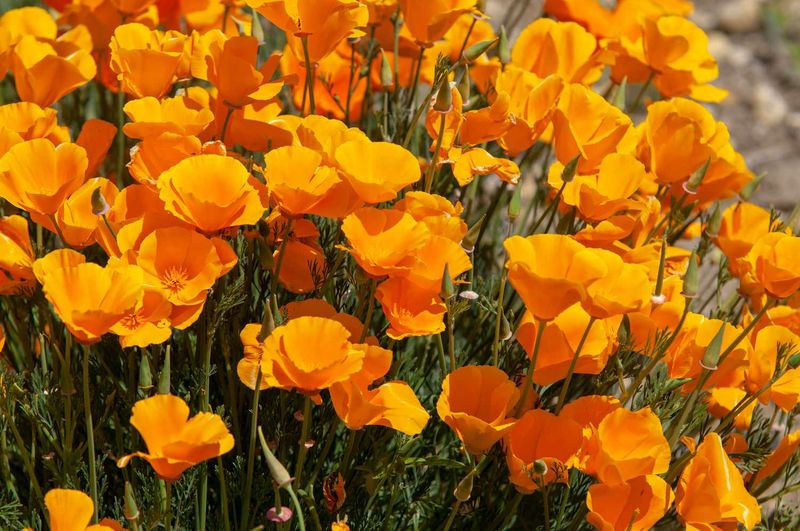
Few flowers glow quite like a California poppy catching the morning sun. The silky orange cups open wide on bright days and fold up tight at night, almost like they keep their own schedule.
Kids love watching them do it.
October is prime time to sow them in the low desert. After the monsoon softens the ground, scatter the seeds over raked soil and press them in lightly.
Poor, sandy, or gravelly spots suit them best, so that stubborn patch near the driveway may finally earn its keep. Rich soil and heavy watering can actually make them floppy.
Once they sprout, they need surprisingly little. Water every week or two if winter rains are skimpy, then back off as spring arrives.
The feathery blue-green leaves stay tidy, and blooms usually show up from February into April.
Here is the bonus most folks miss. Poppies drop plenty of seed when they finish, which can feed finches and sparrows and also sets up next year’s show without any effort from you.
Leave the dried pods standing a few weeks before tidying. A single packet today can become a self-renewing carpet of color that asks almost nothing in return.
2. Mexican Gold Poppy
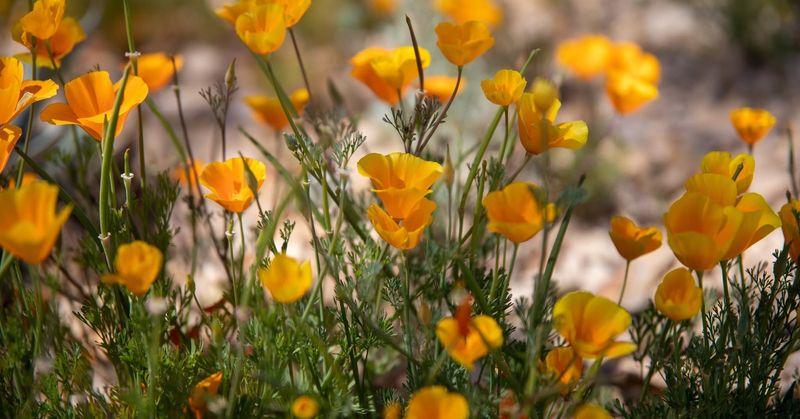
Picture a desert hillside near Tucson in March, washed in gold so bright it looks painted. That scene belongs to the Mexican gold poppy, the signature spring bloom of the Sonoran Desert.
You can grow a small piece of it right at home.
A close cousin of the California poppy, this one is truly local. It evolved with our alkaline soils, our cool winter rains, and our quick spring warm-up, so it handles Arizona conditions without fuss.
Seeds sown in October get the long, mild season they need to build roots before flowering.
Planting is simple. Rake bare soil, mix the tiny seeds with sand for even spreading, and toss them across the area.
Skip burying them deep, since a light dusting of soil or a gentle press works fine. Keep the surface damp for one to two weeks until green sprouts appear.
Because it sips so little water, it fits nicely into xeriscape beds, along walkways, or between cactus and agave. Early native bees often visit the open blossoms on warm mornings.
When the flowers fade in late spring, let them set seed. Each year the patch tends to grow a bit wider, much like a real desert wash.
3. Desert Bluebells
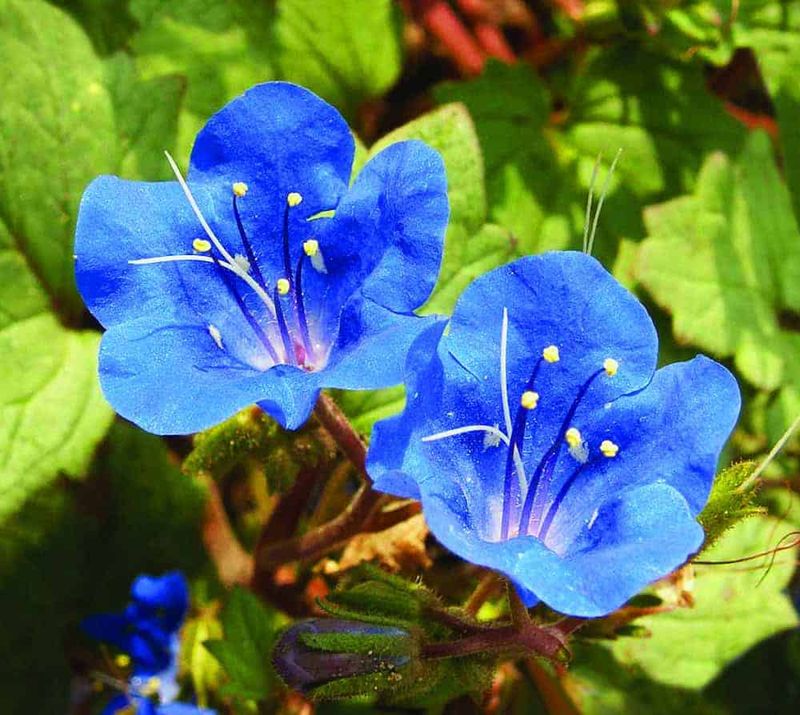
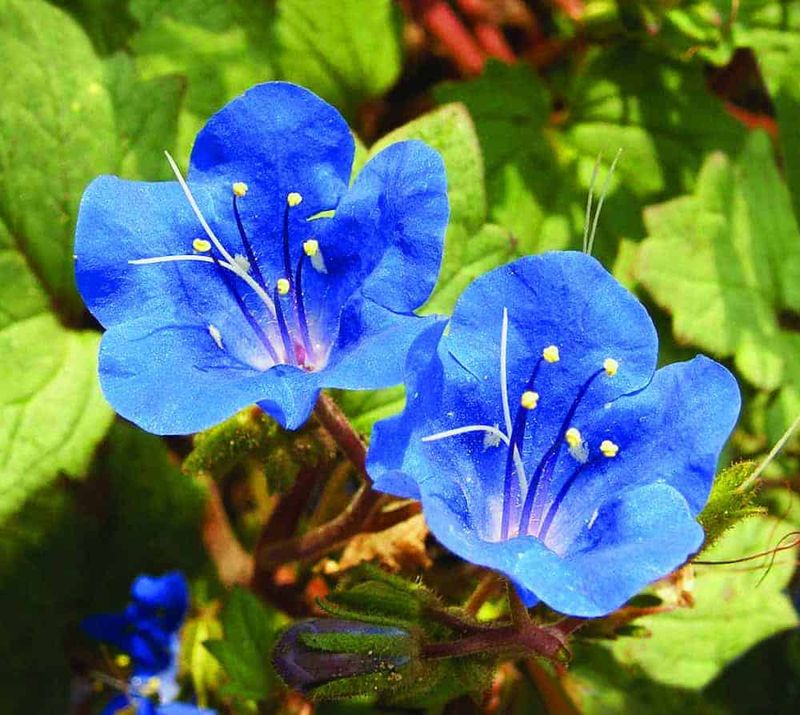
Blue is a rare color in the desert, which is exactly why desert bluebells stop people in their tracks. Their bell-shaped flowers come in a deep cobalt that almost looks electric against tan gravel.
Your Arizona Garden Changes Every Week. Your Plan Should Too.
Gardening in Arizona changes quickly throughout the season. Every Friday you’ll receive a simple weekly plan showing exactly what to plant, prune, fertilize, harvest, and protect so you never miss the right timing.
Neighbors will ask what you planted.
These native annuals come from the Mojave and Sonoran regions, so they are built for lean, sandy ground. Fertilizer and fussing are not needed.
Sow seeds in October on loosened soil, barely cover them, and let the cooler nights do their work.
Timing is part of their charm. Bluebells often flower from late winter into spring, before many other plants wake up.
That early bloom makes them a valuable food stop for native bees just coming out for the season. A healthy bee population in your yard can mean better fruit on citrus trees and more blooms everywhere else.
Give them full sun and good drainage, and avoid spots where sprinklers soak the ground daily. A light watering every week or so during dry stretches is plenty.
Plant them in drifts near poppies for a striking blue and orange combo. Fair warning: some people find the leaves can bother sensitive skin, so wear gloves when weeding nearby.
4. Desert Marigold
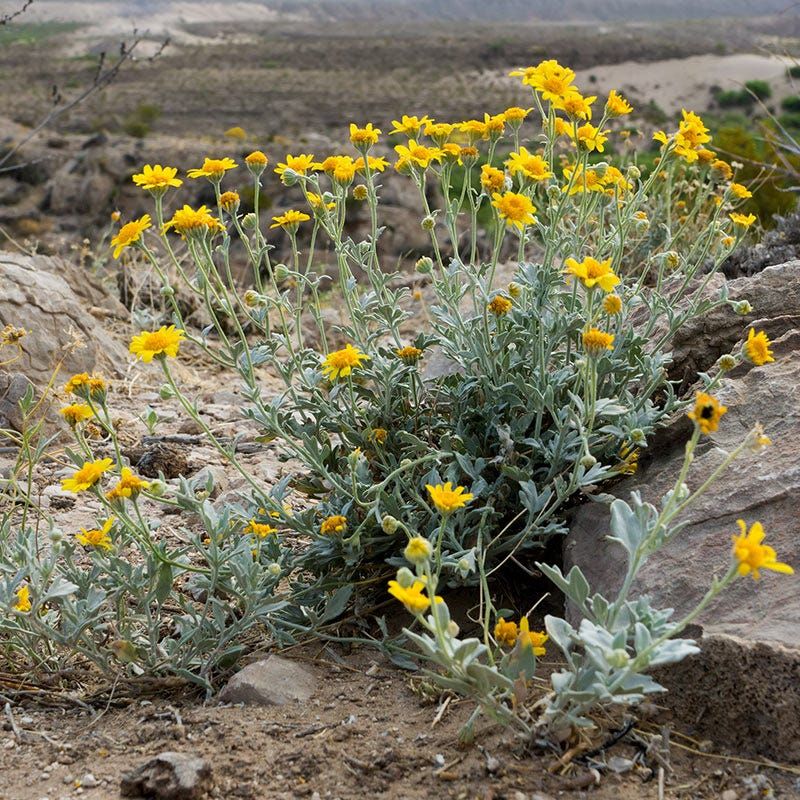
Some flowers fade the moment June arrives. Desert marigold just keeps smiling.
With fuzzy silver leaves and sunny yellow daisies, it can bloom from spring well into fall when conditions suit it.
That fuzzy coating is not just for looks. The soft gray hairs help reflect harsh sunlight and slow water loss, a clever survival trick for 110-degree afternoons.
It is one reason this plant thrives where thirstier flowers give up.
Fall sowing gives seedlings a head start. Spread seeds in October across lean, fast-draining soil, and resist the urge to amend with compost.
Rich soil and frequent water can shorten its life. Once established, deep watering every couple of weeks in summer is usually enough.
Pollinators adore it. Bees, butterflies, and small native insects visit the open blossoms, turning a dull corner of the yard into a busy little habitat.
Birds may also pick at the seed heads later in the year.
Desert marigold reseeds freely, so expect volunteers popping up along paths and gravel edges. Most gardeners welcome them.
If one shows up somewhere awkward, it pulls easily. Pair it with penstemon or globemallow for a long-running, low-water flower bed that looks cheerful in every season.
5. Parry’s Penstemon
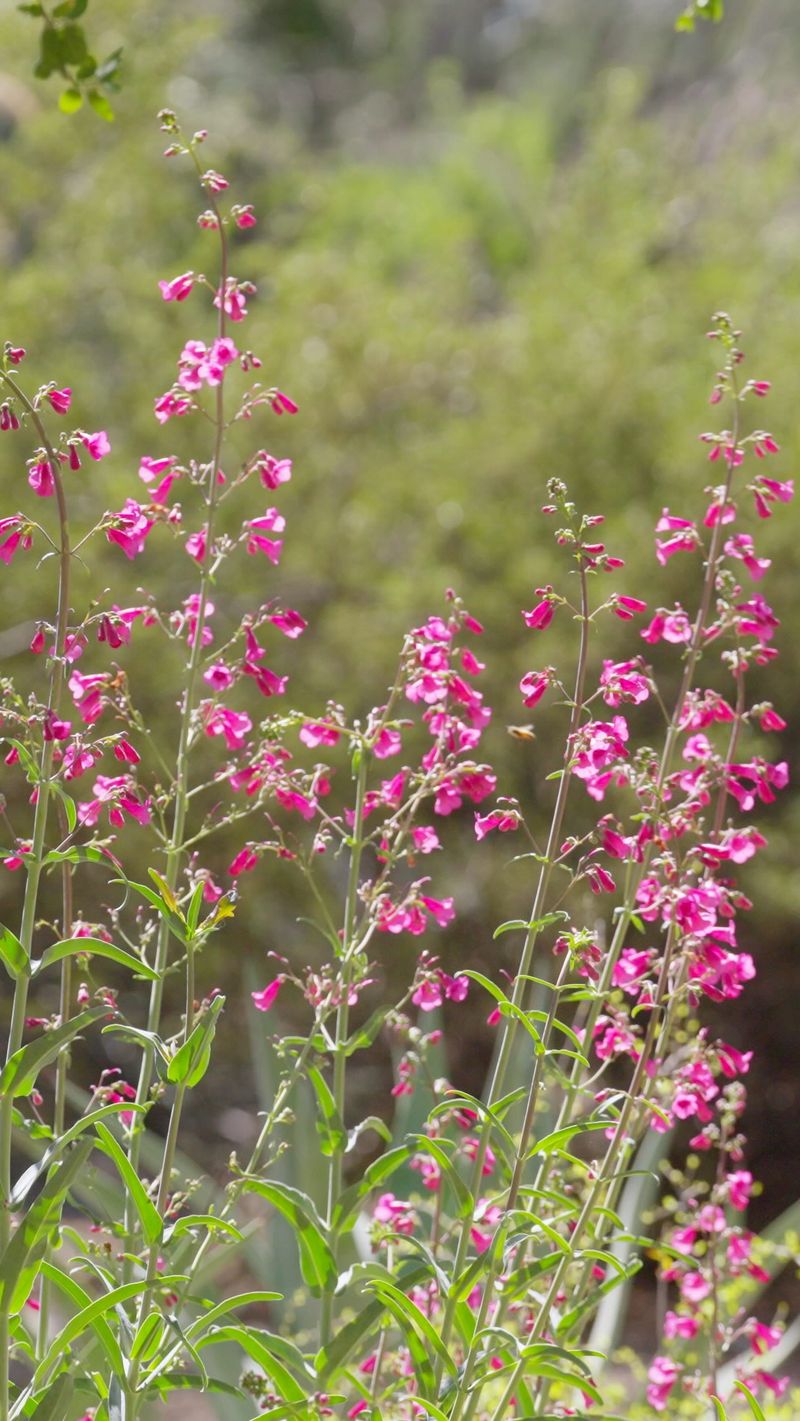
Want hummingbirds zipping through your yard every spring? Parry’s penstemon is practically a dinner bell.
Its tall spikes of rosy pink, tube-shaped flowers seem made for a hummingbird’s long beak.
Native to southern Arizona, this perennial grows as a low rosette of leaves through winter, then sends up flower stalks two to four feet tall from late winter into spring. October seeding lets roots settle into warm soil while cooler air keeps young plants from stress.
Seeds benefit from a little patience. Scatter them on the surface or cover them very lightly, then keep the area moist until sprouts appear.
Some gardeners also tuck in nursery plants this month for faster results. Either way, full sun and sharp drainage are musts, since soggy roots are its biggest enemy.
After the first year, watering can drop to occasional deep soaks. Bees and butterflies share the nectar too, so the plant supports more than just hummers.
Cut back spent stalks if you like a tidy look, or leave a few to drop seed.
Fun fact: the name beardtongue comes from a fuzzy sterile stamen inside the flower. Look closely next spring and you may spot it.
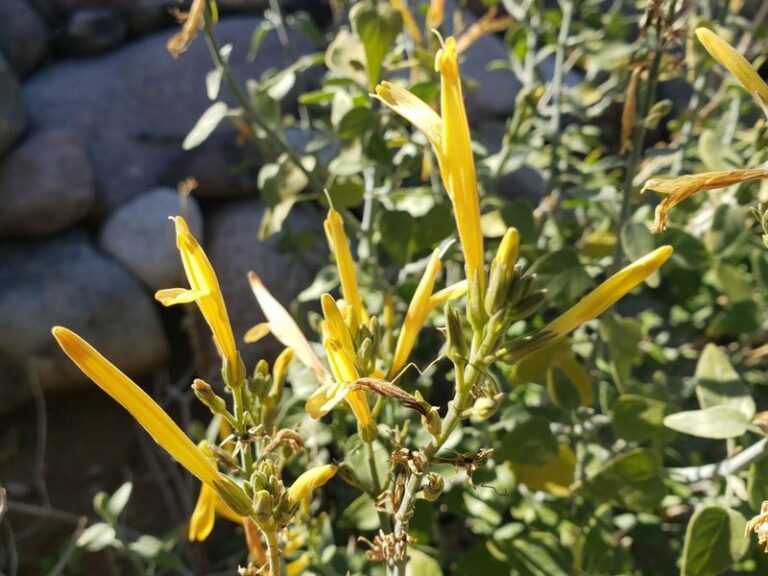
6. Firecracker Penstemon
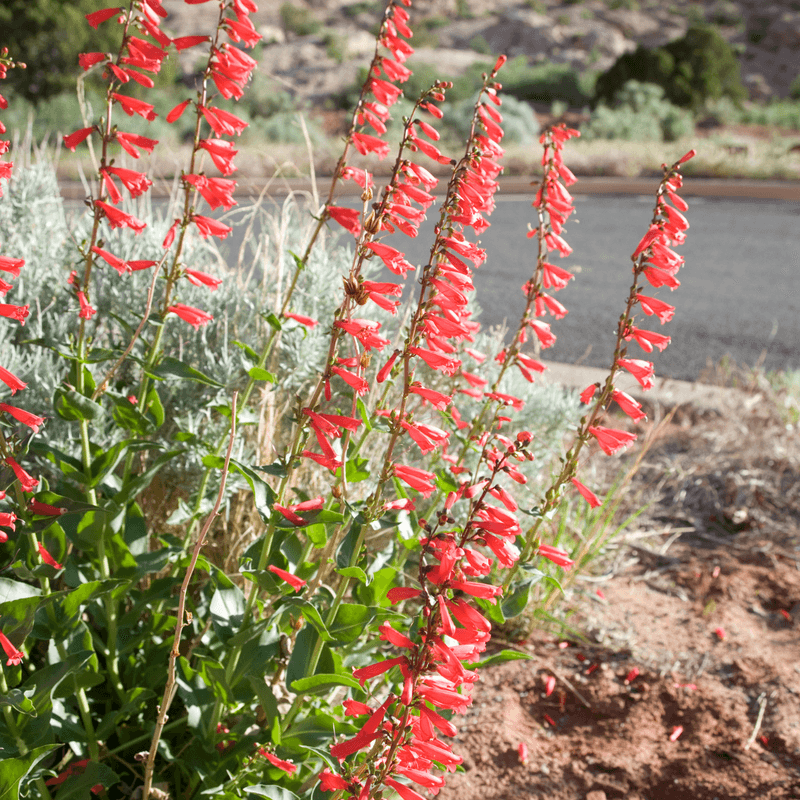
Bold red tubes bursting from slender stems give firecracker penstemon its fitting name. While Parry’s leans soft pink, this one shouts scarlet.
The two together create a hummingbird buffet that stretches across weeks.
Firecracker tends to bloom a bit earlier in the season, often lighting up yards in late winter. That early color matters for hummingbirds that overwinter in the Phoenix and Tucson areas and need reliable nectar.
It also brings welcome brightness when much of the garden still looks sleepy.
Plant seeds in October in a sunny spot with gritty, well-drained soil. Rocky slopes, raised berms, and the edges of gravel paths all work well.
Water gently to keep seeds damp during germination, then switch to deep, infrequent watering once plants look sturdy.
Reflected heat from a stucco wall is fine, as long as drainage stays good. Avoid heavy mulch piled against the crown, which can hold too much moisture.
Plants usually stay compact, around one to three feet tall, so they fit small yards and courtyard beds. After flowering, the evergreen leaves remain neat.
With almost no care, firecracker penstemon delivers a dependable red flare every year.
7. Desert Globemallow
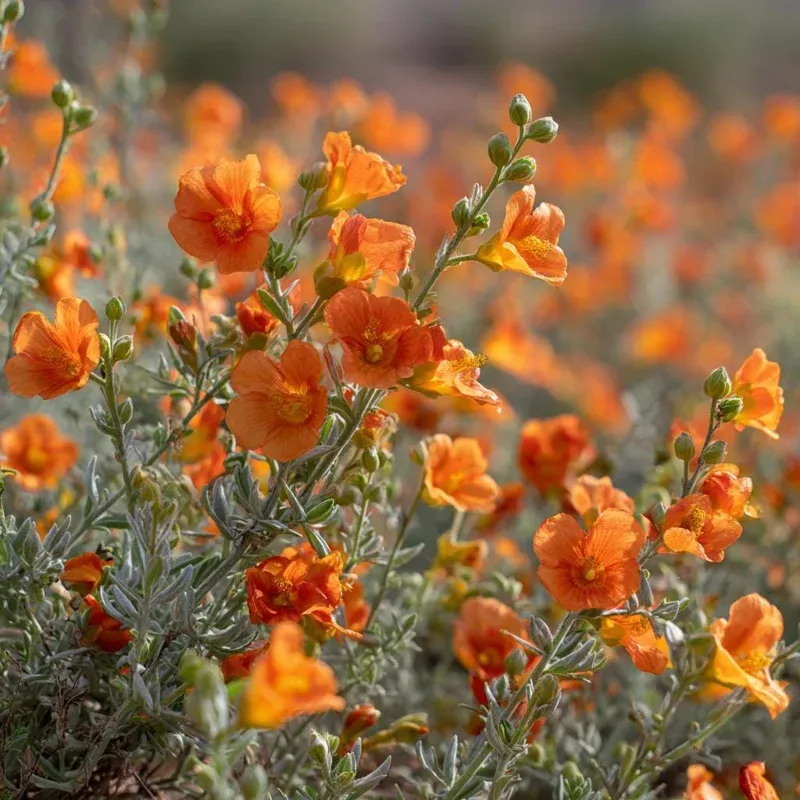
Drive any Arizona highway in spring and you will likely spot desert globemallow glowing along the shoulder. If it can thrive on a roadside with zero care, imagine how happily it will settle into your yard.
Small, cup-shaped flowers come in a warm apricot orange, though pink, red, and lavender forms exist. Silvery green leaves frame the color beautifully.
Plants grow into rounded mounds about three feet tall and wide, making them great fillers for open desert beds.
October sowing works well because seeds want those cool, damp months to wake up. Some gardeners nick or soak the hard seeds overnight to help them sprout faster.
Plant in full sun, and do not worry about poor soil. Caliche and alkaline ground rarely bother this plant.
Bees, butterflies, and even hummingbirds visit for nectar, and certain native bees rely heavily on mallows. That makes globemallow a strong pick for anyone building a pollinator-friendly yard.
Once established, it survives on very little water. Give it an occasional deep drink in summer and a hard trim in late spring to keep it compact.
It often bounces back fast and blooms again.
8. Blanket Flower
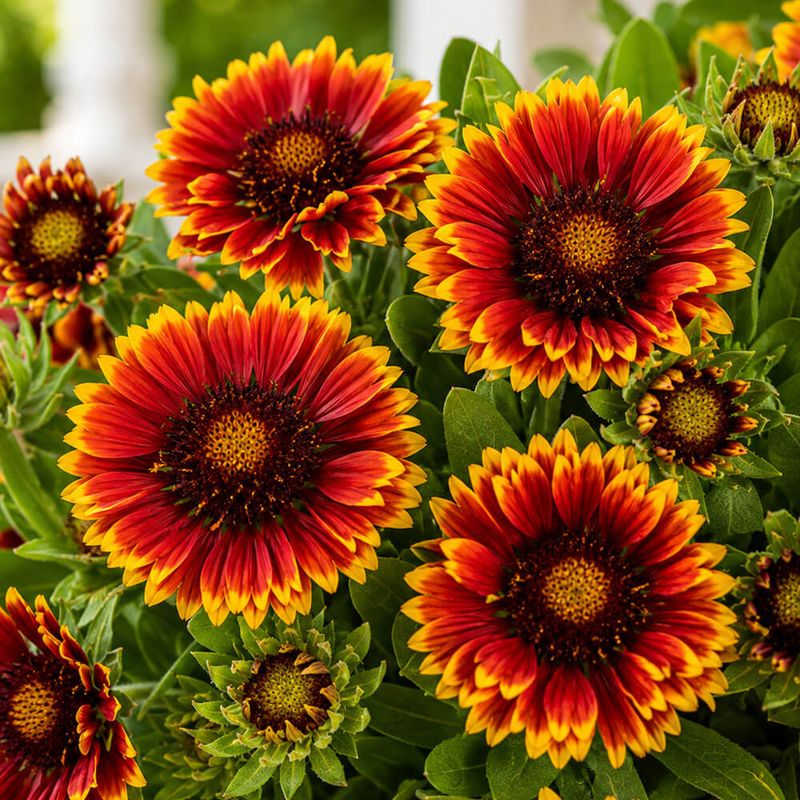
Red centers ringed with golden tips make every blanket flower look like a tiny campfire. Also called firewheel or Indian blanket, it brings a burst of warm color that suits the desert palette perfectly.
What sets it apart is staying power. Many spring wildflowers finish by May, but blanket flower can keep blooming for months, often pushing through early summer heat.
For yards that tend to look tired by June, that longer show makes a real difference.
Toss the seeds in October onto sandy or rocky soil in full sun. Rake lightly and water to keep things damp until seedlings appear.
After that, watering every week or two during dry spells is usually plenty. Too much water or fertilizer can make plants lanky and short-lived.
Butterflies especially seem drawn to the flat, open blooms, which give them an easy landing pad. Bees join in too, and small birds may pick at the spent seed heads later.
Blanket flower reseeds with enthusiasm, so a small sowing tends to spread into a bright patch over a few seasons. Deadhead a few flowers if you want more blooms, but leave plenty to go to seed.
9. Coreopsis
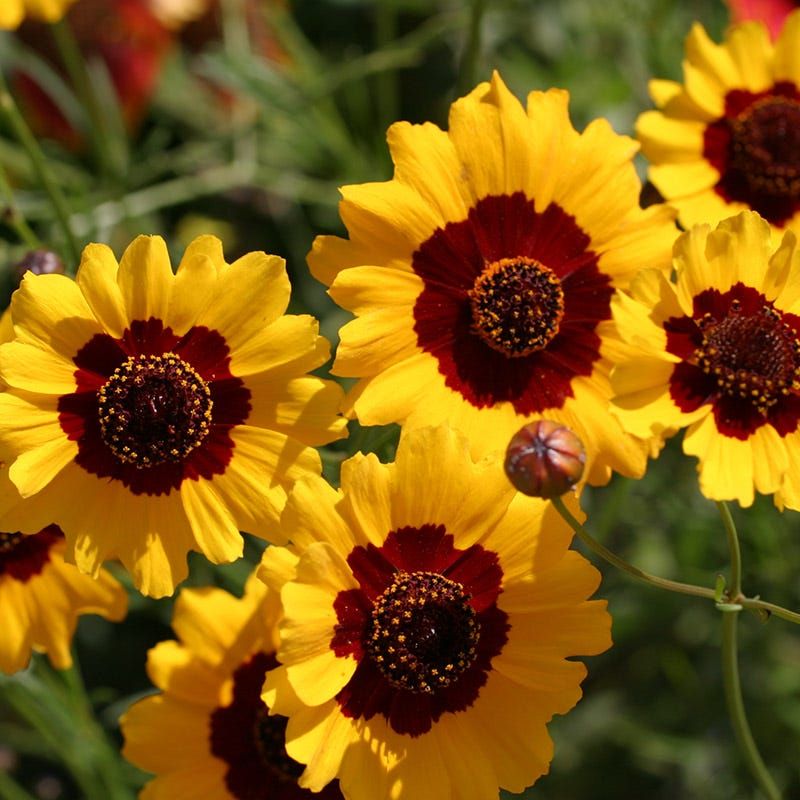
Honestly, coreopsis might be the easiest flower on this whole list. It asks for sun, a bit of water while young, and then pretty much takes care of itself.
No fertilizer needed, ever.
Cheerful yellow blooms, sometimes with maroon centers depending on the type, cover the plants for a long stretch. That extended season keeps pollinators fed when other flowers take a break.
Bees and butterflies treat it as a reliable stop.
Birds get something too. As blooms fade, the seed heads become snacks for goldfinches and other small seed-eaters, especially in fall.
Leave the stems standing for a while and you may see little flocks dropping in.
For Arizona, October sowing makes the most sense. Spread seeds over loosened soil, press them lightly, since they like some light to sprout, and keep the surface moist for about two weeks.
Plains coreopsis and lanceleaf coreopsis both handle our heat reasonably well, especially with afternoon relief from a nearby tree.
Coreopsis self-sows and naturalizes, so it slowly fills empty gaps without replanting. It mixes nicely with blanket flower and desert marigold for a sunny, low-effort bed that buzzes with life.
10. Rocky Mountain Beeplant
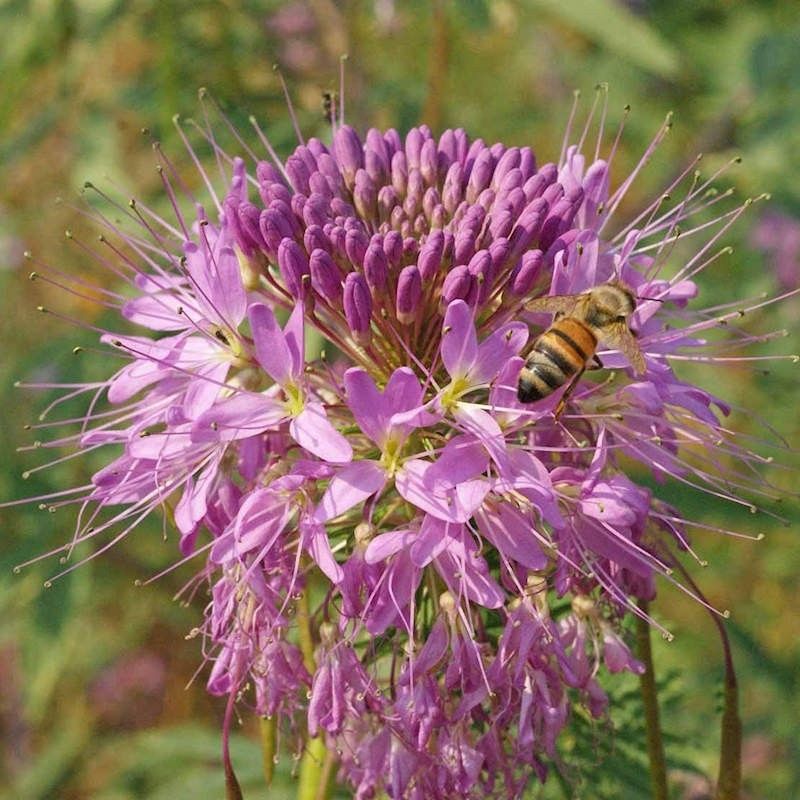
The name tells you its job. Rocky Mountain beeplant pulls in bees like few other flowers can, thanks to fluffy clusters of pink to purple blooms loaded with nectar.
Long, whisker-like stamens stick out from each flower, giving the clusters a soft, airy look. Plants can grow two to five feet tall, so they work well at the back of a bed or as a loose screen near a fence.
Butterflies and hummingbirds also stop by, making it a true habitat plant.
Native wildflower mixes for hot, dry regions often include beeplant because it handles drought well once rooted. Sow seeds in fall so they experience the cool period that helps them germinate.
A spot with full sun and decent drainage is ideal. A little extra water during spring growth often leads to taller plants and more flowers.
Here is a fun bit of history. Native peoples of the Southwest have long used this plant as food and as a source of dark pigment for pottery designs.
It has a rich story behind it.
Let some seed pods ripen and split. Next year, seedlings will likely return on their own, keeping the bees coming back too.