The Long-Blooming Native Perennial You Can Plant In Pennsylvania
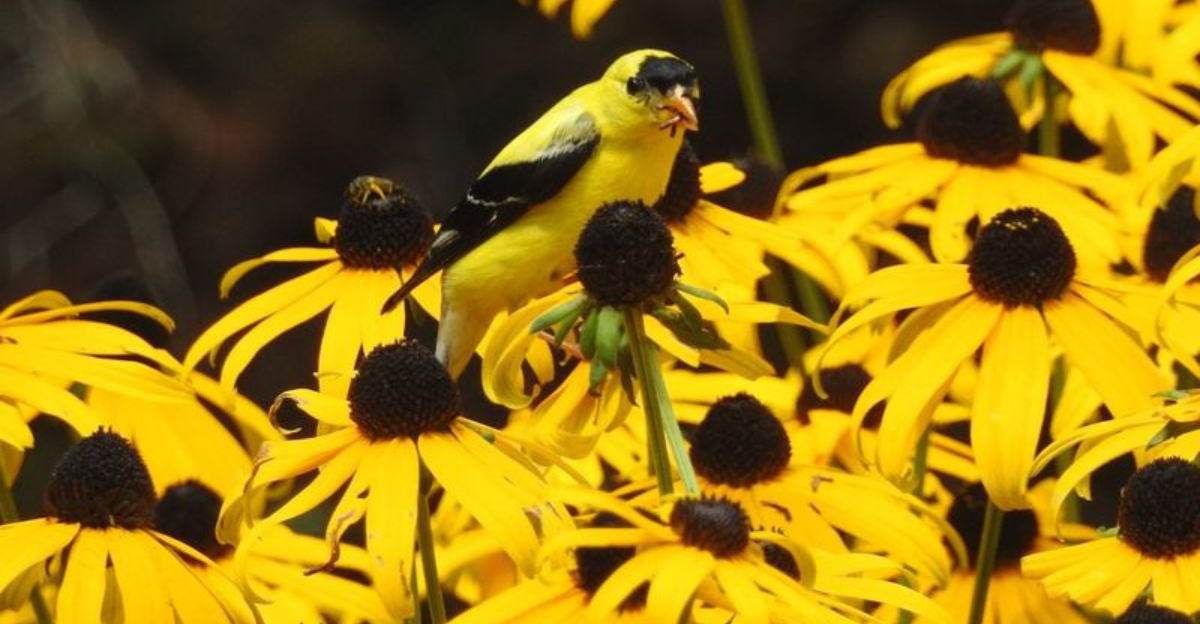
A Pennsylvania perennial border can look spectacular in June and strangely tired only a few weeks later.
Spring favorites fade. Early summer flowers lose their color. By midsummer, empty green stretches start appearing between plants that looked perfectly coordinated when the season began.
One native perennial handles that awkward gap differently.
It keeps sending up color through the hottest part of summer, holds its place without demanding rich soil, and continues offering something useful even after the petals finally disappear.
So which plant earns that kind of staying power?
The answer is familiar enough that many gardeners overlook it, yet its bloom season, wildlife value, and tolerance for ordinary Pennsylvania conditions make it far more useful than its reputation suggests.
Give it the right amount of sun, avoid pampering the soil, and make a few well-timed maintenance choices, and the display can keep rolling while other perennials are already winding down.
This is one native worth seeing as more than a roadside flower in your own garden all summer long.
Plant Black-Eyed Susan For Months Of Color
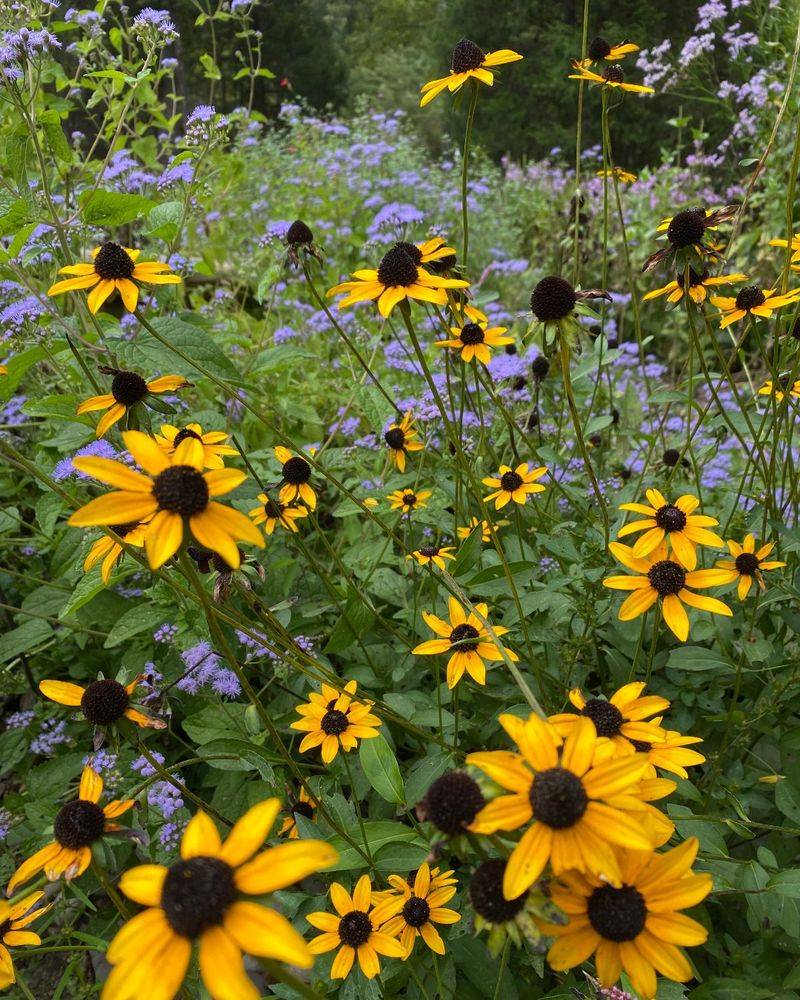
The reveal is black-eyed Susan, one of the easiest native perennials to underestimate until midsummer arrives.
Several Rudbeckia species occur in Pennsylvania gardens, but two matter most here. Rudbeckia hirta behaves as a short-lived perennial or biennial and often keeps itself present by reseeding.
Rudbeckia fulgida is the more dependable clump-forming perennial, returning from the same crown year after year.
Both bring the familiar golden petals and dark central cones that make the plant instantly recognizable.
The real advantage is timing.
Depending on species, cultivar, and site, flowering can begin in early or midsummer and continue for weeks.
That puts black-eyed Susan directly into the seasonal gap between fading spring perennials and the asters and goldenrods that dominate later.
Full sun produces the strongest display, but established plants can tolerate ordinary Pennsylvania garden conditions without constant attention.
They also bring steady insect activity. Bees, butterflies, beetles, and other flower visitors use the blooms while the petals are fresh.
Choose the species based on how permanent you want the planting to feel. Use R. fulgida when you want a reliable clump. Use R. hirta where some reseeding and a looser meadow effect are welcome.
Either way, the plant earns its place by refusing to let midsummer become the boring part of the border.
For Pennsylvania gardeners wanting color without turning the border into a high-maintenance project, that distinction matters. One type wanders naturally while the other stays anchored, yet both keep midsummer from feeling empty.
Give It Full Sun For More Flowers
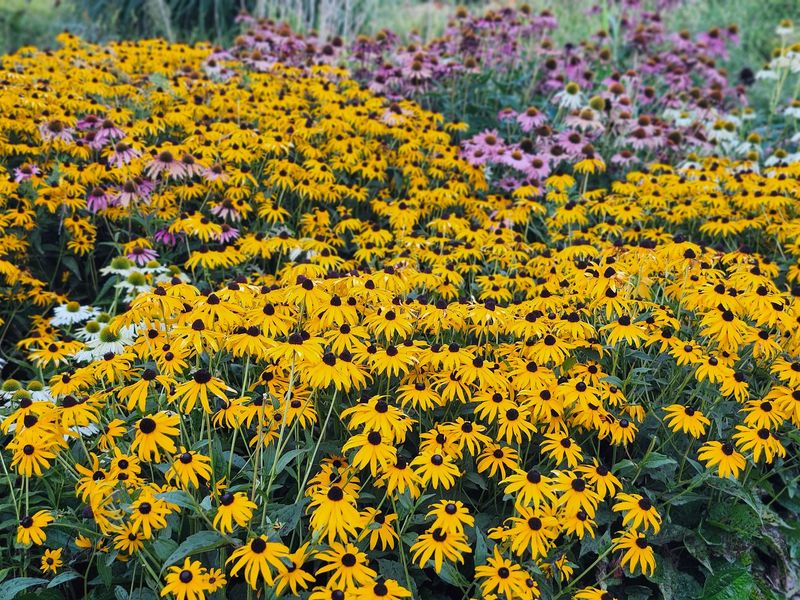
A black-eyed Susan planted in weak light can survive without delivering the flower show that made you choose it.
Sun is the difference.
Give the plant at least six hours of direct light whenever possible, especially when the goal is a dense run of upright stems covered in flowers. In brighter sites, growth stays sturdier and bloom production is usually heavier.
Partial shade changes the structure.
Stems can stretch toward available light, the clump may open up, and flowers often become fewer. In deep shade, the plant can lose the compact, energetic habit that makes it so useful in a summer border.
Your Pennsylvania Garden Changes Every Week. Your Plan Should Too.
Gardening in Pennsylvania changes quickly throughout the season. Every Friday you’ll receive a simple weekly plan showing exactly what to plant, prune, fertilize, harvest, and protect so you never miss the right timing.
Use the brightest edge you have.
A south- or west-facing bed, an open meadow strip, or the sunny side of a fence can all work well. Near trees, place black-eyed Susan beyond the deepest canopy rather than directly under dense branches.
Air movement matters too.
Pennsylvania summers can be humid, and crowded foliage may develop leaf spotting or powdery growth under the wrong conditions. Proper spacing gives leaves room to dry and helps the stems stand more naturally.
Avoid squeezing young plants together simply to make the bed look full immediately.
Give each clump space to mature, then let neighboring plants close the gaps over time.
Black-eyed Susan is forgiving about many things.
Light is not the place to cut corners when long bloom is the goal.
More sun keeps flowers visible above foliage, making the clump look brighter and fuller from across the yard.
Use Average Soil Without Heavy Feeding
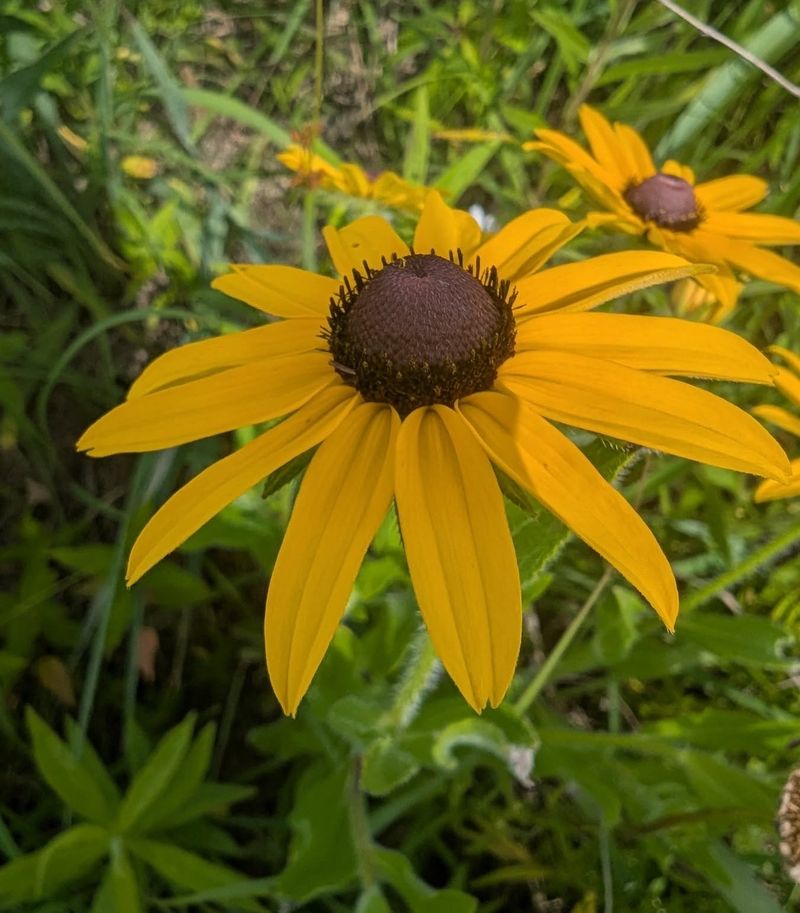
Rich soil can make black-eyed Susan look impressive for all the wrong reasons.
Too much fertility pushes soft, leafy growth. Stems stretch taller, flowers can become less balanced with the foliage, and heavy summer rain may leave the whole clump leaning across neighboring plants.
Average soil is usually enough.
Black-eyed Susan naturally suits open sites where conditions are not excessively pampered. A well-drained garden bed with moderate fertility gives the roots what they need without encouraging a floppy green jungle.
Skip routine high-nitrogen feeding.
Where the soil is already reasonably productive, another layer of fertilizer may create more maintenance rather than more flowers. A small amount of compost during bed preparation is usually plenty for most established plantings.
Drainage deserves more attention than fertility.
Heavy Pennsylvania clay can hold water around the crown after prolonged rain. Persistent saturation can weaken roots and shorten the life of the plant, especially during cool periods.
Improve the site rather than creating an overly rich planting hole.
Plant slightly high in troublesome ground, use a raised bed where necessary, or choose a naturally better-drained section of the garden. Do not dump sand into a small clay hole and expect the drainage problem to disappear.
During the first season, water enough to establish a strong root system.
After that, black-eyed Susan generally handles ordinary dry spells much better than constantly soggy soil.
The secret is not feeding it harder.
It is giving the roots somewhere comfortable to live.
That restraint saves money and prevents growth.
Trim Early Blooms To Extend The Show
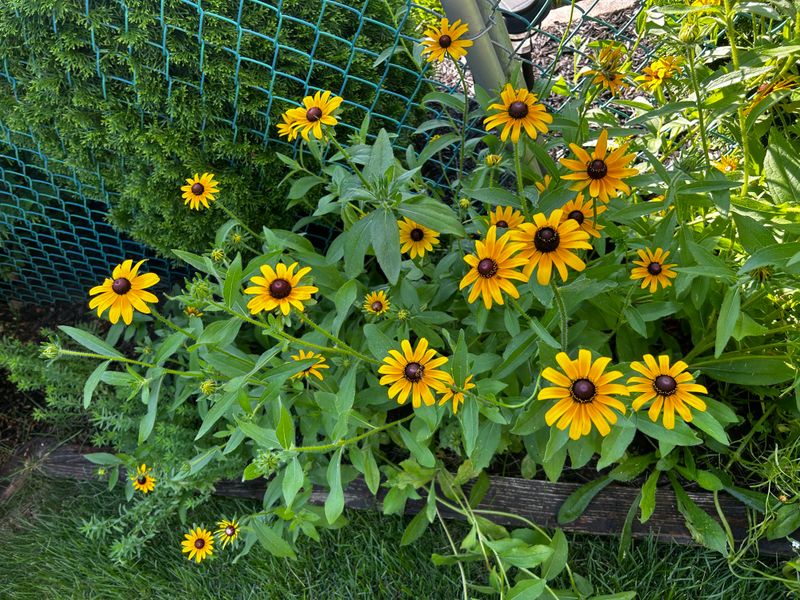
The first faded flowers do not have to signal the end of the display.
Early trimming can encourage black-eyed Susan to keep directing energy toward additional buds instead of putting everything into mature seed.
That makes selective cutting useful when you want the brightest possible border through the first part of summer.
Keep the technique simple.
Once a flower head turns tired, cut the stem back to a healthy leaf or side shoot rather than clipping only the brown cone from the top. That leaves the plant looking cleaner and gives nearby buds room to become more noticeable.
You do not need to patrol the bed every morning.
A quick pass every week or two during active flowering is enough for most gardens. Concentrate on the earliest spent blooms while plenty of unopened buds remain.
Then change strategy later.
By late summer, stop removing every flower head. Allow some cones to mature so seed remains available for birds and, with R. hirta, so natural reseeding can help maintain the planting.
That balance gives you two benefits.
Early cuts stretch the ornamental show, while late seedheads keep the plant useful after the petals fade.
Do not expect trimming to turn one plant into an endless flower machine. Heat, moisture, species, and overall vigor still determine how long it blooms.
The goal is simply to extend what the plant was already prepared to give.
A few smart snips can keep the gold going noticeably longer.
Leave fresh buds untouched for another flush.
Leave Late Seedheads For Birds
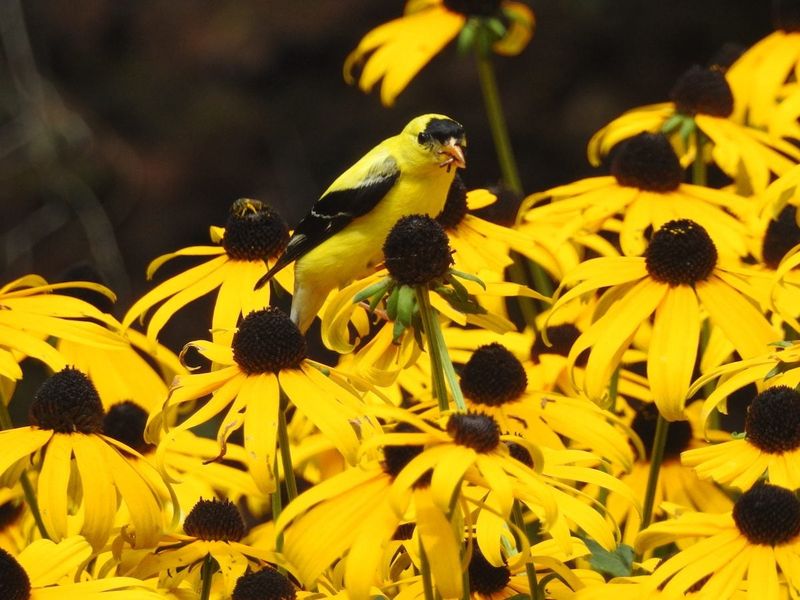
The flower show changes rather than disappears when black-eyed Susan petals finally drop.
Those dark central cones can remain standing well into fall and winter, giving seed-eating birds a reason to investigate the bed. Goldfinches are especially associated with Rudbeckia seedheads, and other small birds may forage there too.
That makes immediate fall cleanup unnecessary.
Leaving at least some stems standing preserves food and adds vertical structure to a garden that can otherwise become flat after frost. The dry cones also catch snow and frost, giving the bed more texture through the colder months.
Wildlife value extends beyond the seeds.
Standing stems and the surrounding undisturbed plant material can provide shelter for small insects, while leaf litter helps protect organisms overwintering close to the soil.
You do not have to leave the garden completely unmanaged.
Remove diseased foliage when a serious problem has developed, and clear stems that flop across paths or create safety issues. Healthy standing material can remain until late winter or early spring.
Then cut it back before fresh growth becomes difficult to work around.
This delayed cleanup keeps the garden useful through more of the year without adding another complicated chore.
Black-eyed Susan earns attention for its summer flowers, but cutting everything down the minute the petals fade throws away part of what the plant still offers.
Let the cones finish the season.
The birds may appreciate the encore more than you do.
That choice also removes one completely unnecessary autumn chore from your list.
Divide Crowded Clumps As They Expand
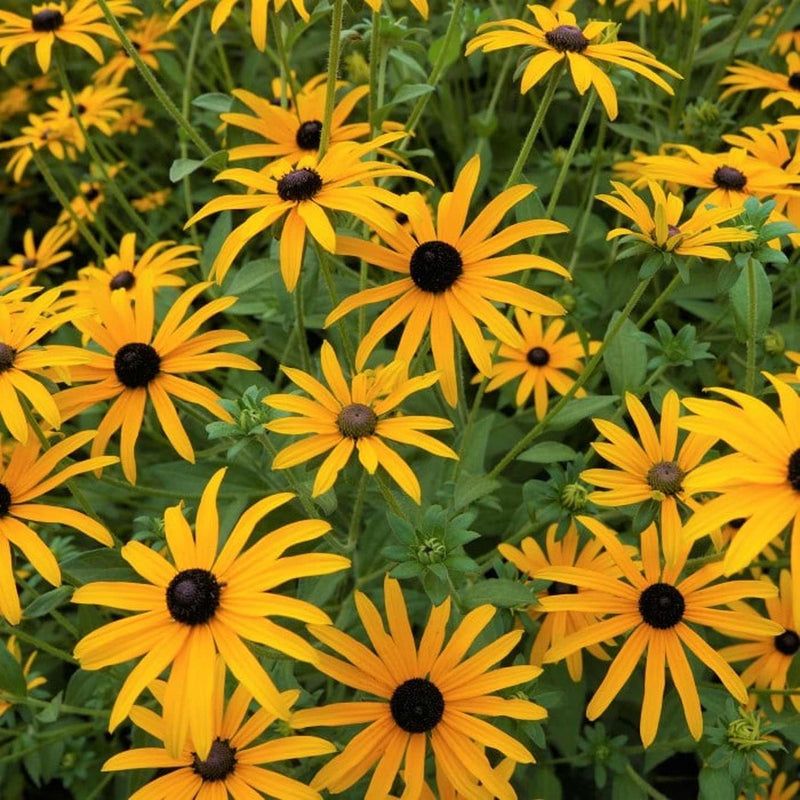
A mature patch of black-eyed Susan eventually tells you when it needs more room.
With clump-forming R. fulgida, the outside can stay vigorous while the center becomes crowded or less productive. That is a good signal to divide rather than simply adding fertilizer or cutting the plant harder.
Early spring is a practical time for the job in Pennsylvania.
Lift the clump as new growth begins, then separate it into smaller sections with healthy roots and several active growing points.
Replant those divisions at roughly the same depth they were growing before and water them well while the roots settle.
Do not treat every black-eyed Susan the same way.
R. hirta relies much more on reseeding and a shorter individual lifespan, so dividing it is not as useful as managing where seedlings are allowed to remain. Let some late seedheads mature when you want that informal renewal.
Spacing matters after division.
Avoid packing pieces shoulder to shoulder simply because you suddenly have extras. Crowding reduces airflow and can make foliage problems more noticeable during humid summers.
Use the surplus elsewhere in the garden or share it.
Dividing a healthy clump can refresh the original planting while giving you more of the same summer color at no extra plant cost.
The job does not need to happen every year.
Wait until growth becomes congested or flowering declines.
Black-eyed Susan is low maintenance partly because it tells you when intervention is actually worth the effort.
Spring moisture helps fresh divisions settle afterward.