Fixes To Try When Aerating And Overseeding Didn’t Fill Lawn Patches In Ohio
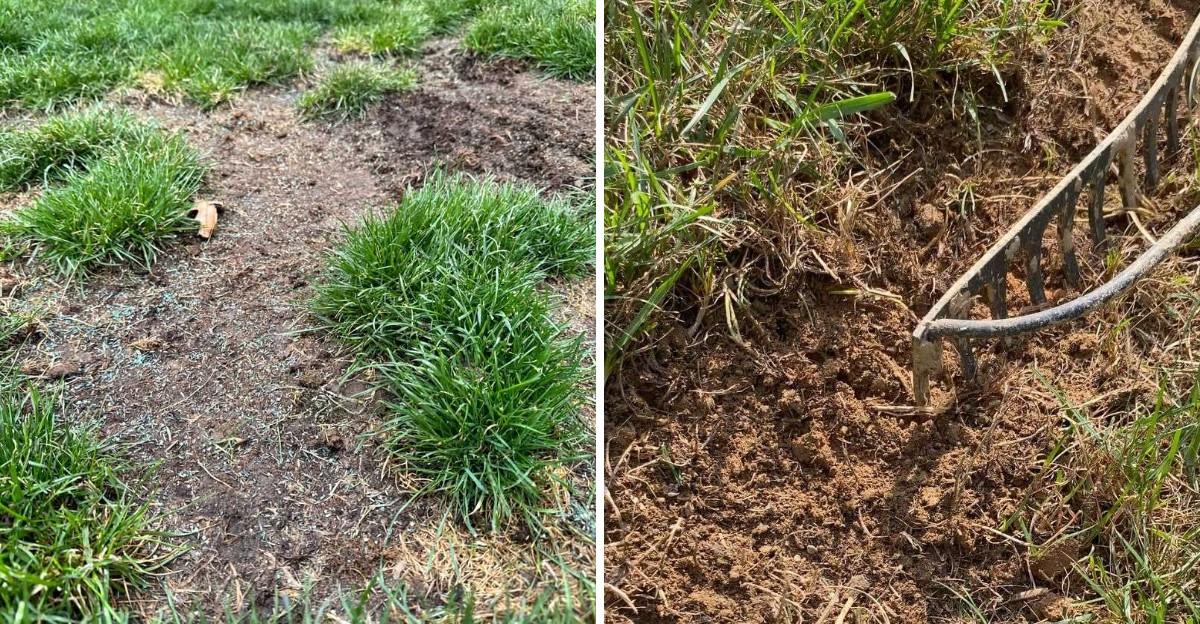
You aerated, you seeded, you watered like it was your job, and the bare patches stared right back at you. Rough.
Ohio yards pull this stunt on plenty of owners. The seed was fine, the weather played along, and the grass still refused to show.
Something else was in the way, and it’s usually hiding in plain sight.
The usual advice is to throw down more seed. That often repeats the same mistake at double the cost.
A different fix works better, and it starts with figuring out why the first round failed.
A few clues sit right there in the dirt. Poke around before you spend another dime.
Study those patches like a detective this week. The answer is usually simpler than the frustration suggests.
1. Check Whether The Seed Ever Reached The Soil
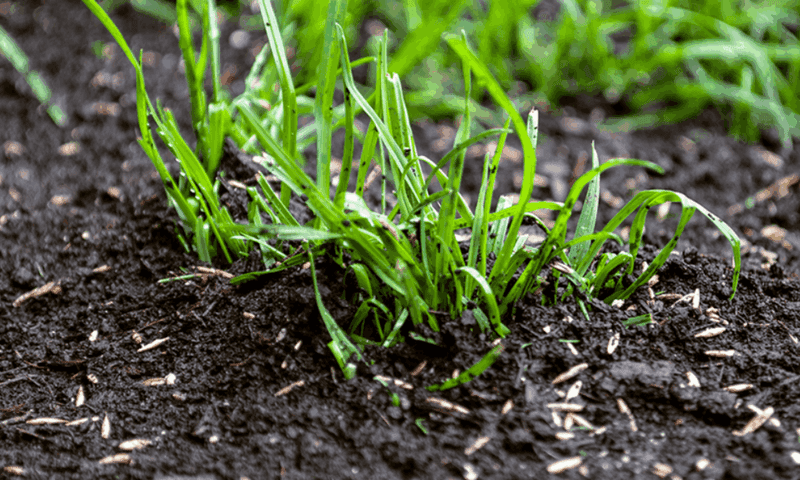
Picture a seed trying to grow while perched on a pile of dry straw. It has no way to drink, and it bakes in the sun until it gives up.
Grass seed needs to touch bare soil to sprout. That contact lets it soak up water and nutrients from the ground below.
Kneel down and look closely at a patch that stayed bare. If you spot seeds resting on old thatch, leaves, or matted grass, you have found your first clue.
Seeds stuck on debris dry out fast, even after a good rain. Birds also find them easily, since they sit right out in the open like a snack bar.
Before you seed again, clear away loose clippings, twigs, and leaves. A quick rake will show you whether real dirt is sitting underneath all that clutter.
After spreading new seed, rake it in lightly so it settles into the top layer. Some homeowners also roll the area with a lawn roller to press seeds down firmly.
Think of it like tucking the seed into bed. A snug spot in the soil gives each one a much better shot at turning green in Ohio.
2. Rough Up Bare Spots With A Hand Fork Or Hard Rake
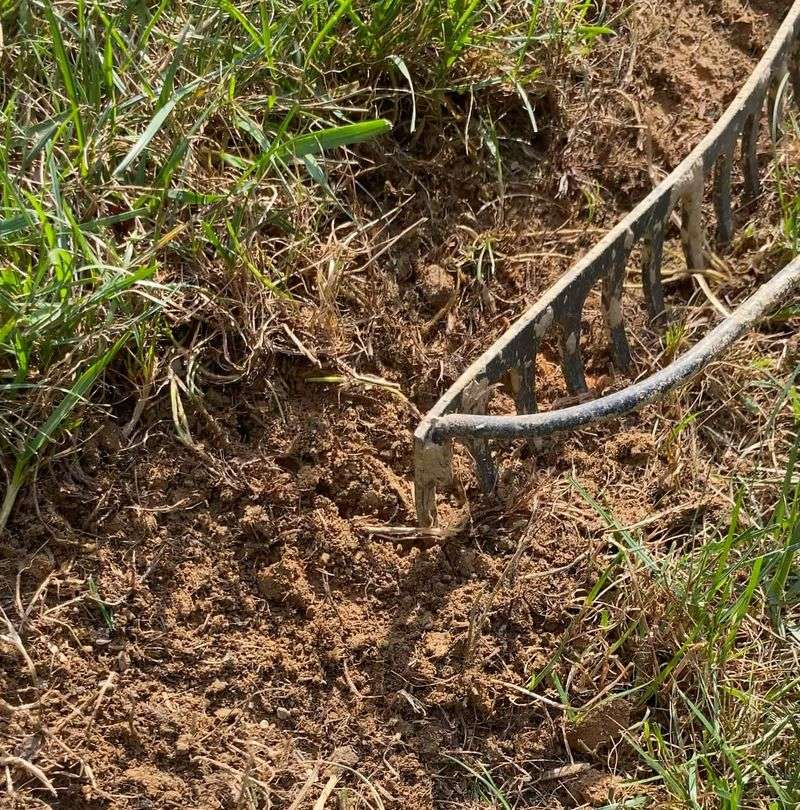
Sometimes the old-fashioned way works best. A hand fork or a stiff metal rake can do wonders for a stubborn bare spot.
Start by pulling out any brown, faded grass and loose junk. You want to see plain soil before you do anything else.
Next, scratch and loosen the top one to three inches of dirt. Work back and forth until the surface feels crumbly instead of hard like a sidewalk.
Loose soil gives seeds lots of tiny nooks to settle into. More surface area means better contact, and better contact means more sprouts.
Ohio clay can be tough on your wrists, so take breaks. Working when the soil is slightly damp, not soggy, makes the job much easier.
Once the ground looks fluffy, sprinkle seed evenly over the spot. Then lightly rake again so the seed mixes into the top quarter inch.
Small patches respond really well to this hands-on care. It takes maybe ten minutes per spot, and you can feel proud watching those first green threads appear.
Your Ohio Garden Changes Every Week. Your Plan Should Too.
Gardening in Ohio changes quickly throughout the season. Every Friday you’ll receive a simple weekly plan showing exactly what to plant, prune, fertilize, harvest, and protect so you never miss the right timing.
Here is a fun bonus. Raking by hand lets you spot rocks, roots, or buried debris that a machine would roll right over.
3. A Slit Seeder Puts Seed Right Into The Soil
Tossing seed across the yard is a bit like throwing confetti at a party. Some lands where you want, but plenty blows away or gets eaten.
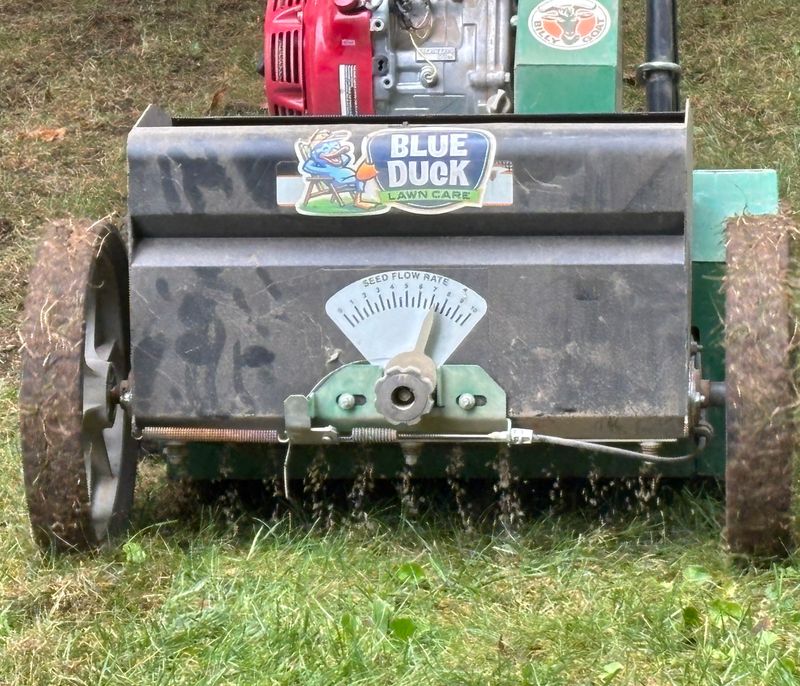
A slit seeder takes the guesswork out of the job. Also called a slice seeder or overseeder, it cuts narrow grooves and drops seed straight into them.
Those grooves are usually spaced 1.5 to 2 inches apart. For grass seed, set the blades shallow, about a quarter inch deep, since seed buried too deep may never reach the surface.
Many machines have a roller that closes the slits after seeding. That keeps the seed snug and safe from hungry birds, strong wind, and heavy rain runoff.
Because the seed sits right in the dirt, it gets steady moisture. Germination rates tend to climb, and sprouts often appear faster than with surface spreading.
You can rent a slit seeder from many Ohio hardware stores or rental shops. Plenty of lawn care companies also offer slit seeding as a service.
For best results, mow the lawn short first and clear any debris. Then make two passes in a crisscross pattern for even coverage.
If aerating alone left you disappointed, this tool might be the upgrade your lawn needs.
4. Keep New Seed Consistently Moist
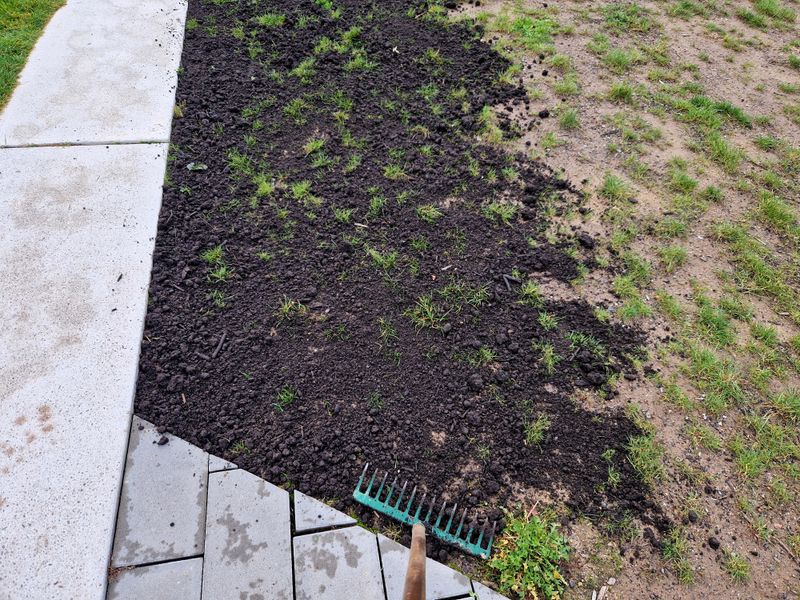
Ask any lawn pro what trips people up most, and many will say watering. It sounds simple, yet it can make or break a new patch.
Fresh grass seed needs the top half inch to inch and a half of soil to stay damp. Even one hot, dry afternoon can stop a sprout in its tracks.
Aim for light watering two to four times a day for the first week or two. Some seed types may need this care for up to 30 days.
Each session should be short, about five to ten minutes. You want damp soil, not puddles or streams running down the driveway.
Too much water causes trouble as well. Soggy ground can wash seeds away or leave them without enough air to grow.
Early morning watering is a smart choice. Less water evaporates, and the grass has time to dry before evening.
Once seedlings pop up, shift your plan. Water less often but a bit longer, which pushes roots to dig deeper into the soil.
A cheap hose timer can be a lifesaver here. It keeps the schedule steady even when work, school, or a weekend trip gets in the way.
5. A Soil Test Can Reveal Hidden Problems
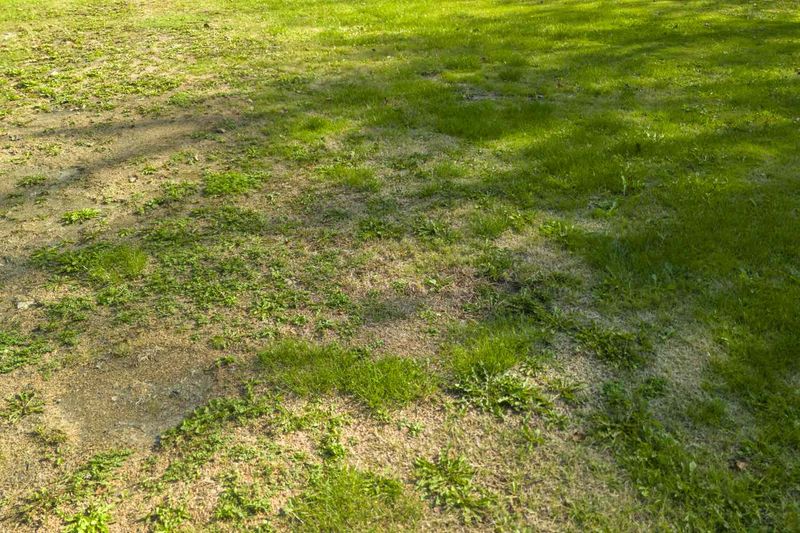
Your lawn might be hungry, and you would not even know it. Soil hides a lot of secrets just under the surface.
Problems like low nutrients, compaction, or the wrong pH can stall new grass. Seeds may sprout and then struggle because the ground cannot feed them.
A soil test is the easiest way to find out what is going on. It measures things like pH, phosphorus, and potassium, and it gives clear advice.
In Ohio, your local county extension office can help you set one up. Many offer kits or point you to a trusted lab for a small fee.
To collect a sample, dig several small cores about three to four inches deep. Mix them in a clean bucket and send in about two cups of soil.
Results usually come back in a week or two. You will learn whether you need lime, fertilizer, or something else entirely.
Here is a neat fact. Grass tends to grow best when soil pH sits around 6.0 to 7.0, which is slightly acidic to neutral.
Fixing soil first saves money on seed you might otherwise waste. It is like checking the engine before buying new tires.
6. Shady Patches May Need A Different Seed
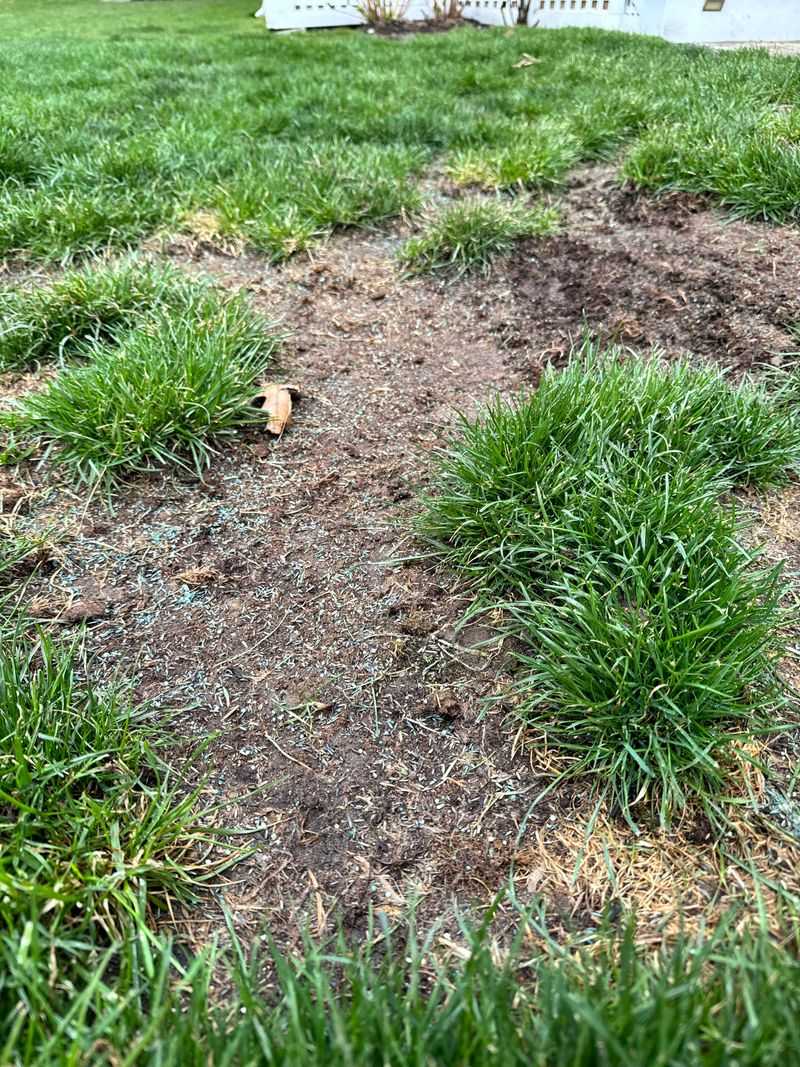
That big maple out back gives lovely shade on summer days. Sadly, the grass beneath it might be starving for light.
Many common lawn grasses want plenty of sun. In deep shade, they grow thin, weak, and patchy no matter how much seed you spread.
Fine fescues are the champions of shade among cool-season grasses. Look for a shade mix with at least 50 percent fine fescue, and 75 percent is even better.
Good types include creeping red fescue, hard fescue, Chewings fescue, and sheep fescue. They handle low light well and need less fertilizer than sunny turf.
Tall fescue also does fine in partial shade, especially with around four hours of sun. It stands up better to foot traffic too.
Perennial ryegrass can cope if it gets at least four hours of partial sun. Below two hours of direct light, even tough grasses may struggle.
In those very dark spots, a groundcover or mulch bed might be wiser. Pruning lower tree limbs can also let in extra sunshine.
Go easy on nitrogen in shaded areas. These spots usually need less feeding than the sunny parts of your yard.
7. Herbicide Residue Can Keep New Seed From Sprouting
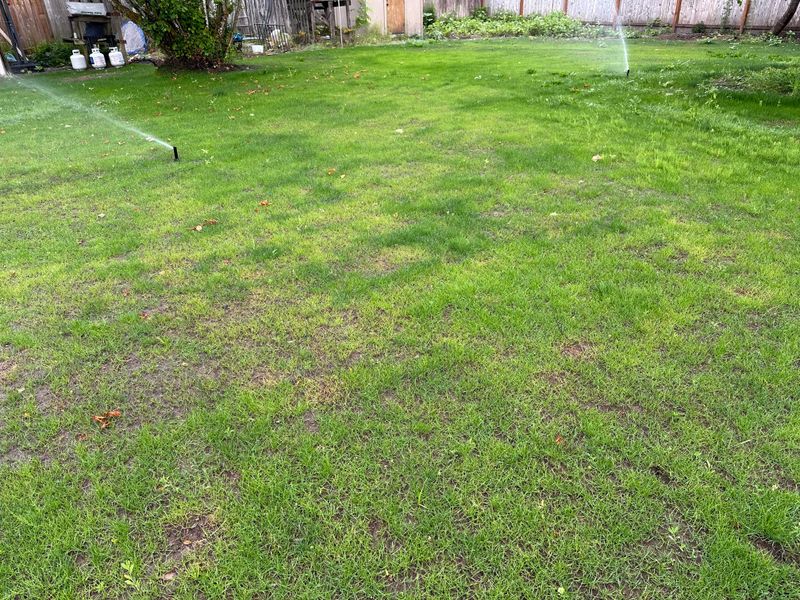
Here is a mistake that catches many careful homeowners. That spring crabgrass preventer you spread could be the reason nothing came up.
Pre-emergent herbicides work by stopping seeds from sprouting. The trouble is, they cannot tell the difference between weed seeds and your expensive grass seed.
If you or a lawn service applied one before overseeding, that may explain the bare spots. It is a common and costly slip.
Think back to what went on the lawn this year. Check receipts, product bags, or service notes for words like pre-emergent or crabgrass control.
When seeding in spring, skip the pre-emergent for that season. You will likely see a few more weeds, but your new grass will have a fair chance.
Experts suggest waiting until new grass has been mowed three or four times. After that, it is usually safer to use weed preventers again.
Some products contain an ingredient called mesotrione that can be used at seeding. Read every label closely, since product rules vary.
A little patience now pays off later. Thick, healthy grass becomes one of the best natural weed blockers you can have.
8. Thick Thatch May Be Blocking The Way
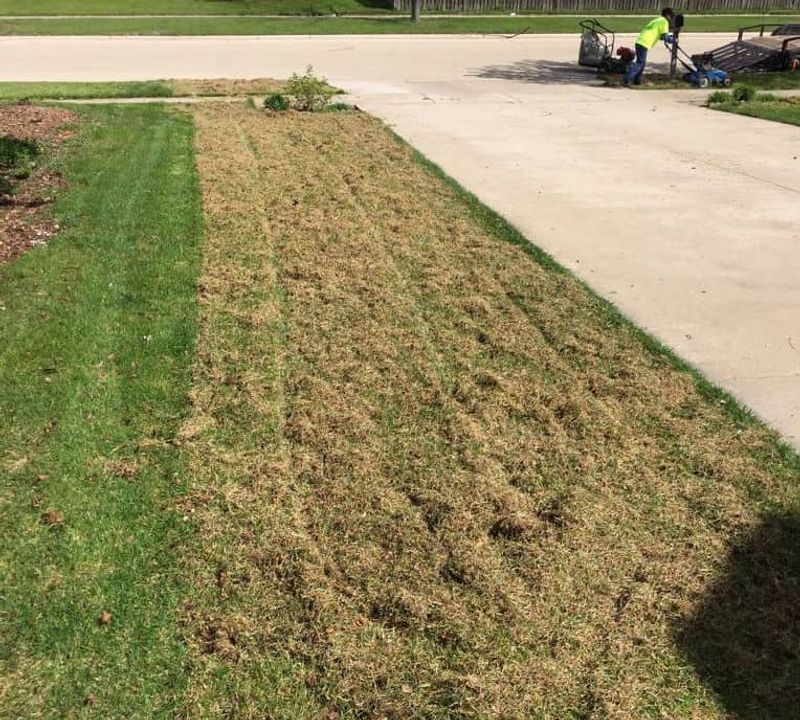
Step on a spot that feels oddly spongy, like walking on a mattress. That bouncy feeling often means thatch has built up.
Thatch is a layer of stems, roots, and plant bits that sits between grass blades and soil. A thin layer is fine, but too much becomes a barrier.
Once it grows past about half an inch, seeds struggle to reach dirt. Water may run off instead of soaking in, too.
To check, cut a small wedge of turf with a trowel. Measure the brown, matted layer sitting above the soil line.
If it is thick, consider dethatching before your next seeding. A power rake or dethatcher pulls up the mat so seed can land where it belongs.
Early fall is a great time to dethatch cool-season lawns in Ohio. The grass recovers quickly in mild weather and fills in alongside new seed.
For lighter buildup, a firm hand rake may do the trick. Core aeration also helps break down thatch over time by bringing soil to the surface.
Keep future buildup in check by not overfeeding with nitrogen. Mowing regularly and leaving short clippings is fine, since they break down fast.
9. Compacted Clay Needs More Than One Pass
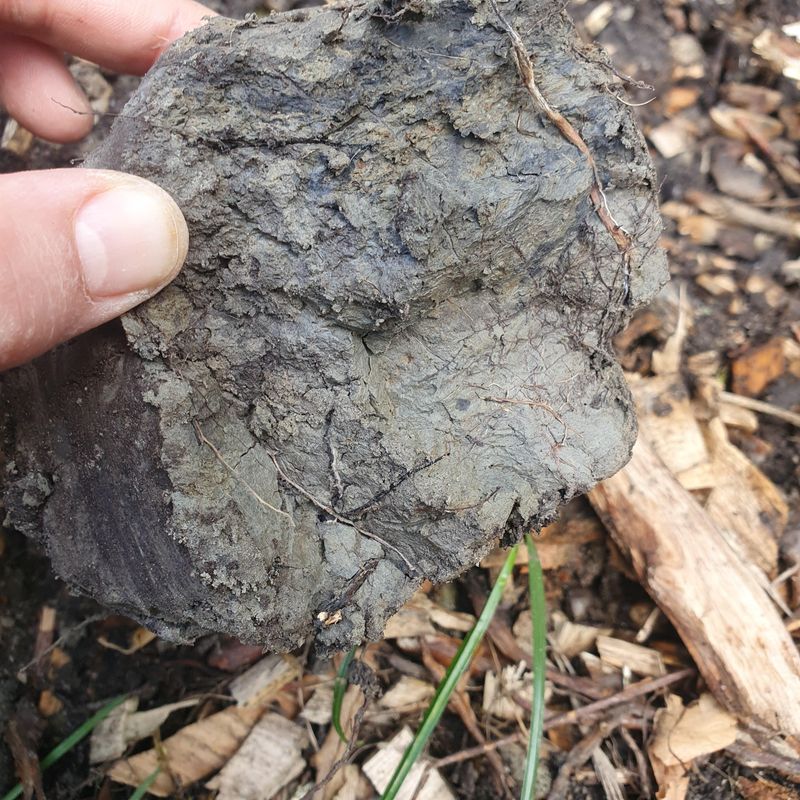
Much of Ohio sits on heavy clay that packs down like brick. After a dry spell, you could almost bounce a ball off it.
One round of aeration may not loosen clay enough. Seeds sitting in the holes might sprout, while the spaces between stay bare.
Try making two passes with a core aerator in different directions. More holes give seed more chances to drop in and grow.
Timing matters as well. Aerate when the soil is moist but not muddy, usually a day after a good soaking rain.
Core aerators that pull out plugs work better than spike types. Spikes can press clay together even tighter around each hole.
Leave the plugs on the lawn to break down. They melt back into the grass after a few rains and mowings.
Adding organic matter over time helps clay become crumbly. Compost spread after aerating can fall into the holes and improve the soil from within.
Here is a fun bit of trivia. Clay particles are so tiny that thousands could fit on the head of a pin, which explains why they pack so tightly.