The Backyard Mistake That Can Make Florida Painted Buntings Feel Too Exposed To Stay
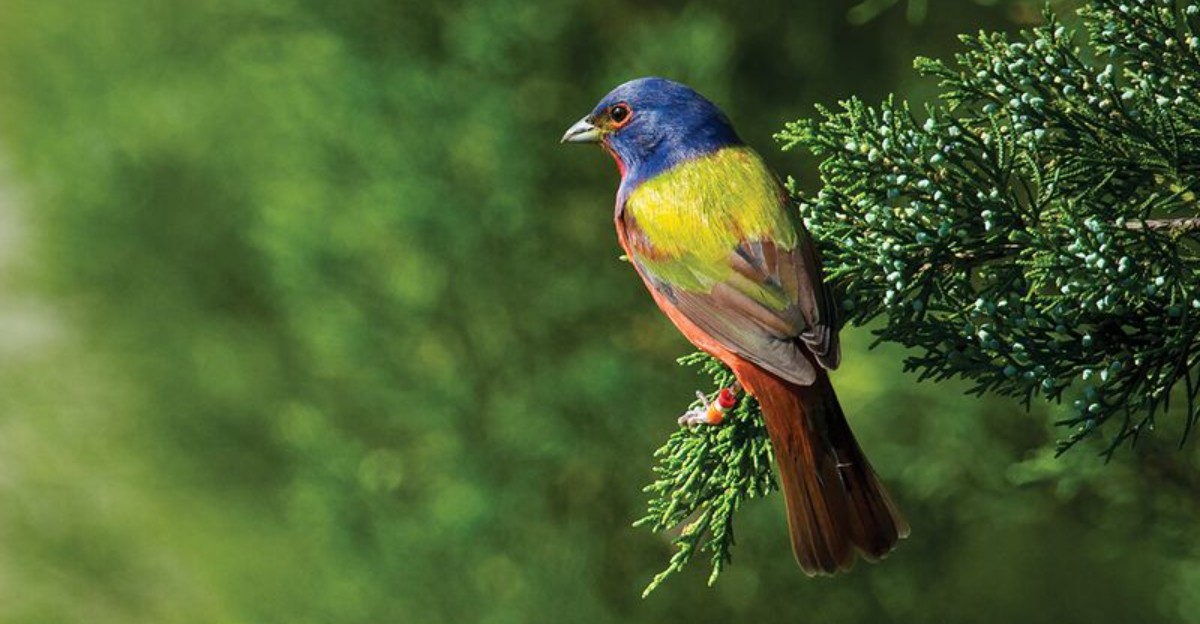
Few backyard visitors look as if a child colored them with every crayon in the box. That flashy visitor might stop by your Florida yard this fall, then vanish before you blink twice.
Many homeowners scratch their heads when bright birds flutter in for a single visit and then do not return. The reason often hides in plain sight, right where your mower hums along every weekend morning.
Small songbirds judge a yard much like we pick a seat in a crowded room, preferring a spot near the wall over one in the middle. If they feel watched or trapped in the open, they pack up and look for safer spots.
Fall brings migrating birds through Florida, and some painted buntings settle in for the winter. A few smart tweaks now can turn a quick drive-by visit into a longer stay.
Open Lawn Edges That Leave Small Birds Feeling Watched
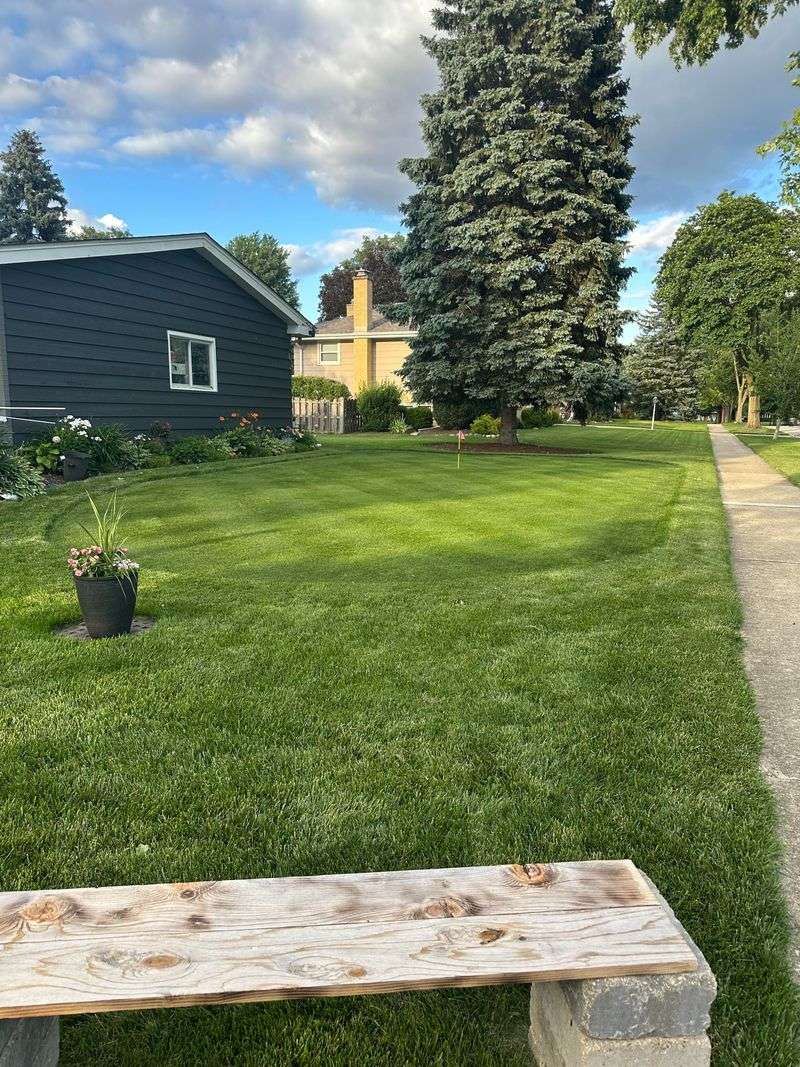
Imagine eating lunch in the middle of a football field while hawks circle slowly overhead all afternoon. A painted bunting staring at a wide, mowed lawn feels much the same nervous tension inside.
Painted buntings are shy birds that mostly feed low to the ground near thick, tangled, leafy plants. When the nearest bush sits forty feet away, every hop across the grass feels like a risky gamble.
Many Florida yards have sharp lines where clipped turf meets a fence with nothing in between. Those bare edges give hawks and outdoor cats a clear view of anything that moves nearby on the ground.
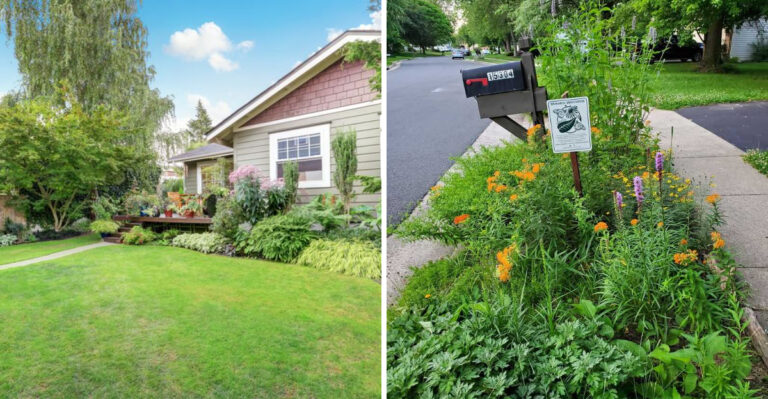
A softer edge works better, with grasses, wildflowers, and low shrubs stepping down gradually from tall to short. Birds can then slip between layers and stay hidden while they search for seeds and tiny insects.
Try leaving a strip about three to six feet wide unmowed along one side of your yard. Early October is a fine time to start, since many grasses are dropping seeds right now in the cooler air.
You do not have to give up your whole lawn to make a real difference for birds. Even a curved bed tucked into one corner can break up that wide, exposed, sunny stretch of green.
Neighbors may wonder about the shaggy patch at first, so a small, friendly garden sign can help. Once a bright blue head pops out from those grasses, the extra effort will feel well worth it.
Dense Shrub Layers Painted Buntings Use For Cover
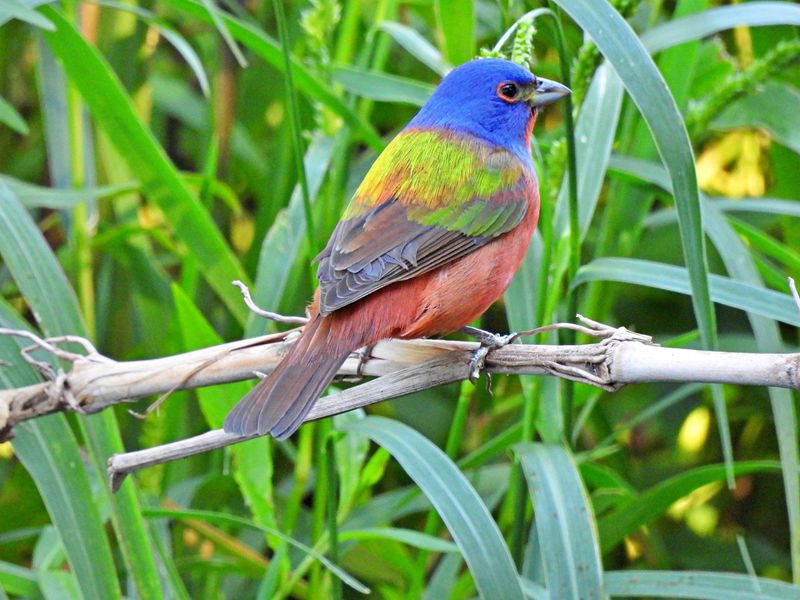
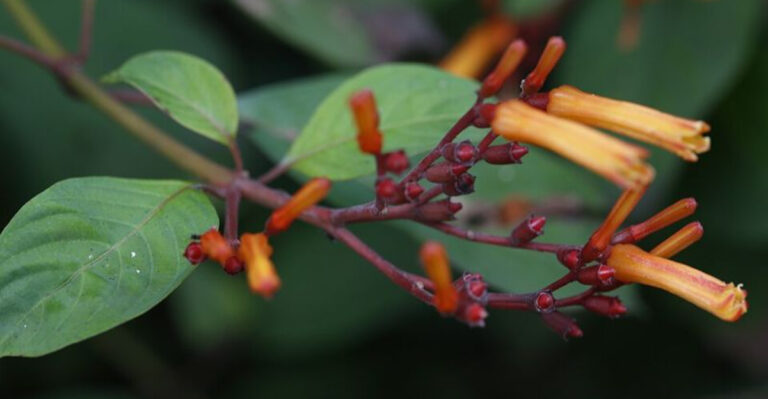
My neighbor once swore her yard had no buntings, until she planted a messy hedge of firebush. Within weeks, a green female and a rainbow male were darting in and out of the branches.
Thick shrubs act like a safe hallway, letting small birds move around without being easily spotted. Painted buntings rarely stray far from that kind of shelter, especially when hawks are migrating south in fall.
Good cover usually has three levels, starting with low groundcover, then mid-height shrubs, then small trees. That mix gives birds a choice of hiding spots, whether they want to rest, preen, or escape.
Your Florida Garden Changes Every Week. Your Plan Should Too.
Gardening in Florida changes quickly throughout the season. Every Friday you’ll receive a simple weekly plan showing exactly what to plant, prune, fertilize, harvest, and protect so you never miss the right timing.
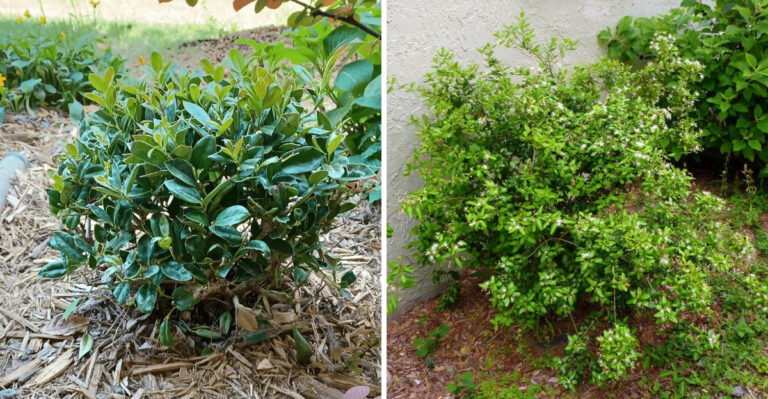
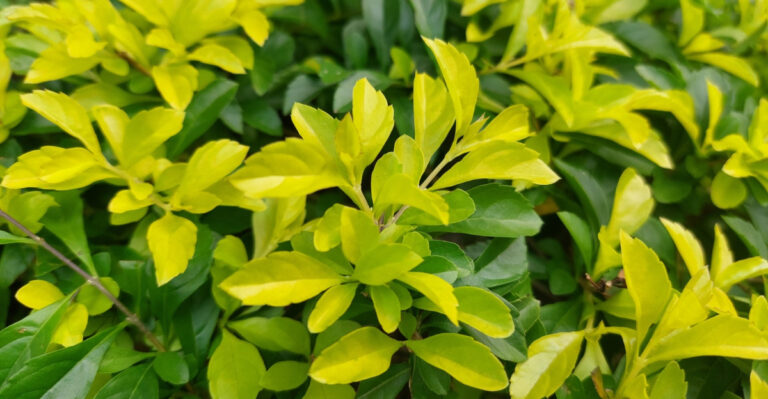
In Florida and other southern states, native shrubs like wax myrtle, firebush, and Simpson’s stopper work wonderfully. Beautyberry is another favorite, and its bright purple fruit ripens in fall.
Fall is a smart season to plant shrubs, because cooler temperatures help roots settle in before next year. Water new plants a few times a week until rains return or the soil stays slightly moist.
Try grouping shrubs in clusters of three or five instead of lining them up in one stiff, straight row. Clumps feel more natural to birds and create pockets of shade where insects tend to gather.
Skip heavy pruning this fall, since a slightly wild, bushy look offers far more protection for visitors. Your shrubs do not need to look perfect, because they mainly need to feel safe to a tiny bird.
Feeder Placement Distances From Open Ground
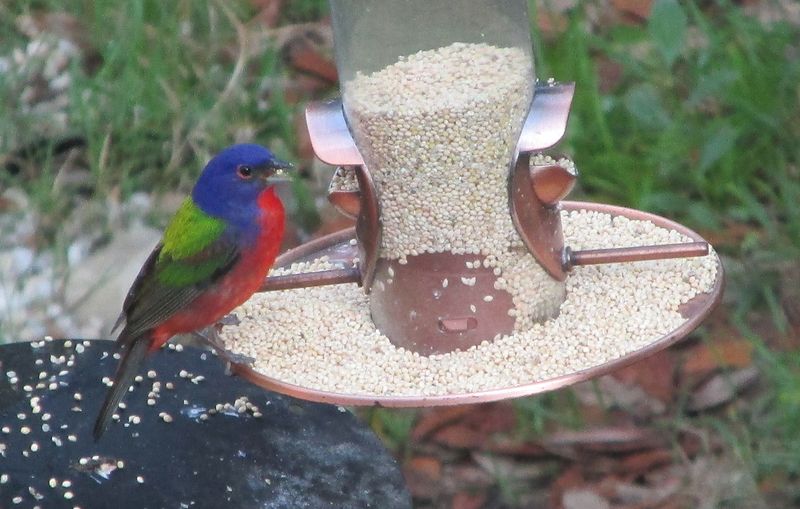
Window strike experts often suggest a simple rule, placing feeders closer than three feet or farther than thirty. Painted buntings add another twist, because they also want quick access to cover within a short hop.
A feeder hanging alone in the middle of a Florida lawn might look pretty, but it feels risky to buntings. Most of these birds prefer a feeder set about ten to fifteen feet from thick shrubs.
That distance gives them a nearby hiding spot while still leaving room to spot an approaching cat. Too close, and cats can crouch in the leaves and pounce before the birds have time to react.
White millet is the top choice for painted buntings, and they often eat it from tube feeders or trays. A small caged tray can also keep larger birds like grackles from crowding the smaller visitors away.
Ground feeding matters too, since buntings like picking up spilled seed beneath the feeder on calm mornings. Keep that spill zone close to plants, so the birds are not stranded on bare dirt or grass.
Early October is perfect timing for adjusting feeders, as migrating and wintering buntings start looking for steady food sources. Fill feeders lightly at first, then add more seed once you notice regular visitors stopping by.
Clean feeders every two weeks with mild soapy water to keep mold and germs from building up. A tidy, well-placed feeder tells shy birds that your yard is a calm, reliable place to eat.
Predator Pressure Around Backyard Perches
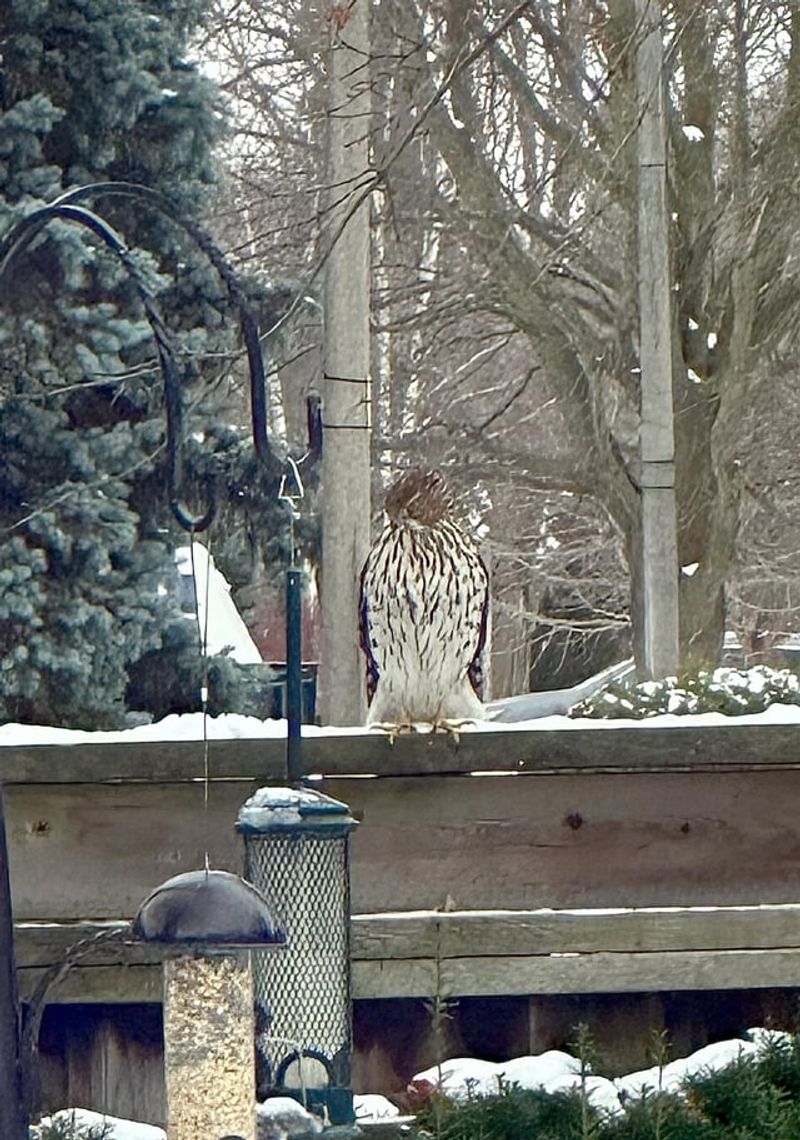
Ever noticed a hawk sitting on your fence post, staring at your feeder like it owns the place? Cooper’s hawks and sharp-shinned hawks often hunt small birds in Florida yards, especially during fall migration in October.
High, open perches give these hunters a perfect lookout over feeders, birdbaths, and wide stretches of lawn. Bare snags, tall poles, and lonely fence posts can turn a peaceful yard into a hawk’s favorite diner.
Hawks are part of nature, so the goal is balance rather than removing them from your neighborhood. Small birds simply need enough hiding spots so a single swoop does not leave them with nowhere to go.
Outdoor cats are a bigger worry for many backyard birds, since they hunt quietly from low cover. Keeping pet cats indoors helps a lot, and motion-activated sprinklers can discourage roaming strays from lingering near feeders.
Look around your yard from a bird’s point of view, crouching low near your feeders for a minute. Notice any spots where a hawk could perch above or a cat could hide right beside the seed.
If a hawk keeps visiting, take feeders down for about a week so it moves along to other areas. Buntings usually return once the hunter leaves, especially if thick shrubs sit within a short, easy flight.
Brush piles tucked along a back fence also make handy emergency shelters when danger suddenly appears overhead. Fall cleanup gives you plenty of branches, so stack them loosely instead of hauling them to the curb.
Native Seed Plants That Draw Painted Buntings Back
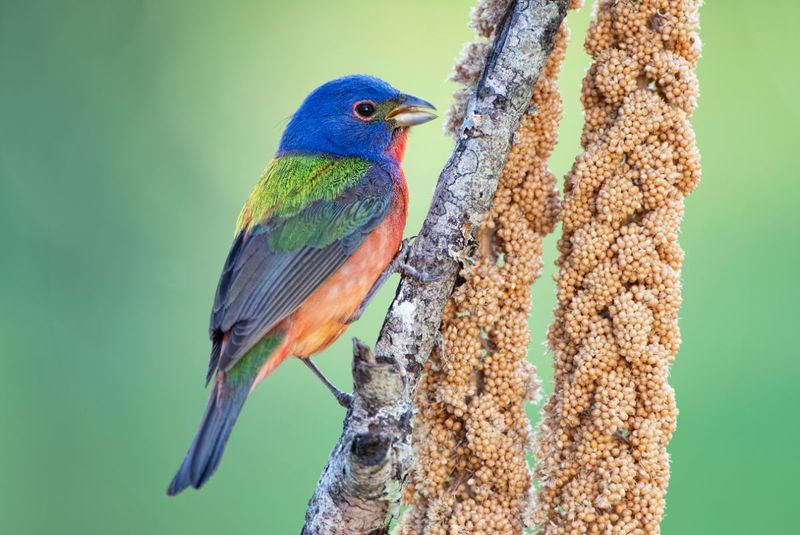
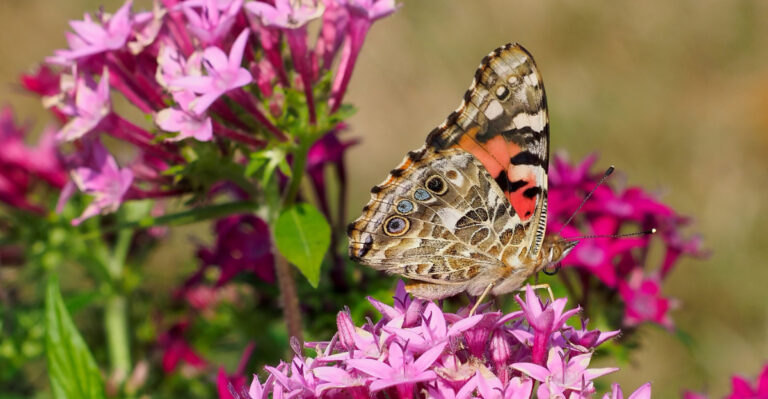
Fun fact: painted buntings were once nicknamed nonpareil, a French word meaning without equal, and one look explains why. Those dazzling birds have simple tastes, though, and mostly crave small seeds from grasses and wildflowers.
Native plants offer food that local birds already know, and many of them also attract insects that add extra protein during fall travel. That makes a native planting a reliable stop for hungry visitors.
Grasses like switchgrass, purple lovegrass, and bushy bluestem hold their seeds well into the cooler months. Their feathery seed heads sway in October breezes and catch the low, golden afternoon light beautifully.
Wildflowers such as tickseed, black-eyed Susan, and partridge pea also produce tiny seeds that buntings happily nibble. Leave the brown flower heads standing this fall instead of snipping them off for a neater look.
Planting in early October gives seeds and young plants time to settle in during mild Florida winters. Local native plant nurseries can point you toward species that grow well in your exact soil and light.
Try placing seed plants right next to shrubs, so birds can grab a bite and duck back into cover. A wildflower patch out in the open sun may get ignored if no safe shelter sits nearby.
Skip chemical sprays around these plants, since they reduce the insects and seeds that hungry buntings depend on. A slightly scruffy garden full of seed heads looks like a fancy buffet to a picky little bunting.
Small Layout Changes That Help Painted Buntings Stay Longer
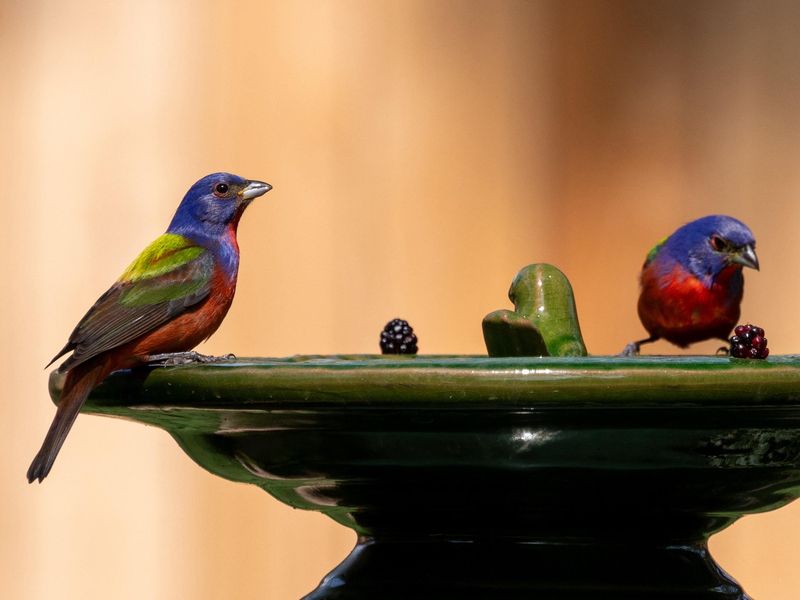
Big landscaping projects sound exciting, but tiny tweaks often make the biggest difference for nervous little birds. Think of your yard as a cozy neighborhood where every stop has a nearby hiding spot.
Start by connecting isolated shrubs with a planted bed, creating a green path across your Florida yard. Birds love traveling along these leafy corridors, because they can move from food to shelter unseen.
Next, add a shallow birdbath near low cover, keeping the water only one or two inches deep. Fresh water draws buntings in during dry fall stretches, especially when you change it every couple of days.
Leaf litter is another easy win, since buntings and their insect snacks both enjoy that crunchy layer. Rake fallen leaves under shrubs instead of bagging them, and your soil will thank you later too.
Lights and noise matter as well, so try placing feeders away from busy patios and bright porch lamps. A quiet corner near the back of the yard tends to feel calmer for shy, colorful visitors.
Mowing less often during October also helps, since taller grass gives birds more places to tuck themselves away. Raising your mower blade by one notch is a simple change that takes just a few seconds.
Keep a small notebook by the window and jot down when buntings show up and where they hide. Over time, those notes will reveal which changes worked best, helping you plan the next season with real confidence.