Florida Heat-Tolerant Flowers You Can Grow Without The Fuss Or Struggle
Florida heat can turn a flower bed into a graveyard before summer even peaks. The good news is that some blooms thrive under blazing sun, heavy rain, salty air, and long dry spells with almost no drama.
These tough flowers keep their color when delicate plants wilt, fade, or demand constant rescue. Many also draw butterflies, brighten bare corners, and return season after season with basic care.
The secret is not more water, richer soil, or endless attention. It is the right plant in the right spot.
From bold tropical color to compact border blooms, Florida gardeners have plenty of low-stress options that handle brutal afternoons without complaint. Choose varieties suited to your yard’s light and soil, then let them do the hard work.
A beautiful garden does not need to feel like a battle. Start with flowers built for Florida, and the fuss drops fast from the very start.
1. Pentas Keep Blooming When The Heat Peaks
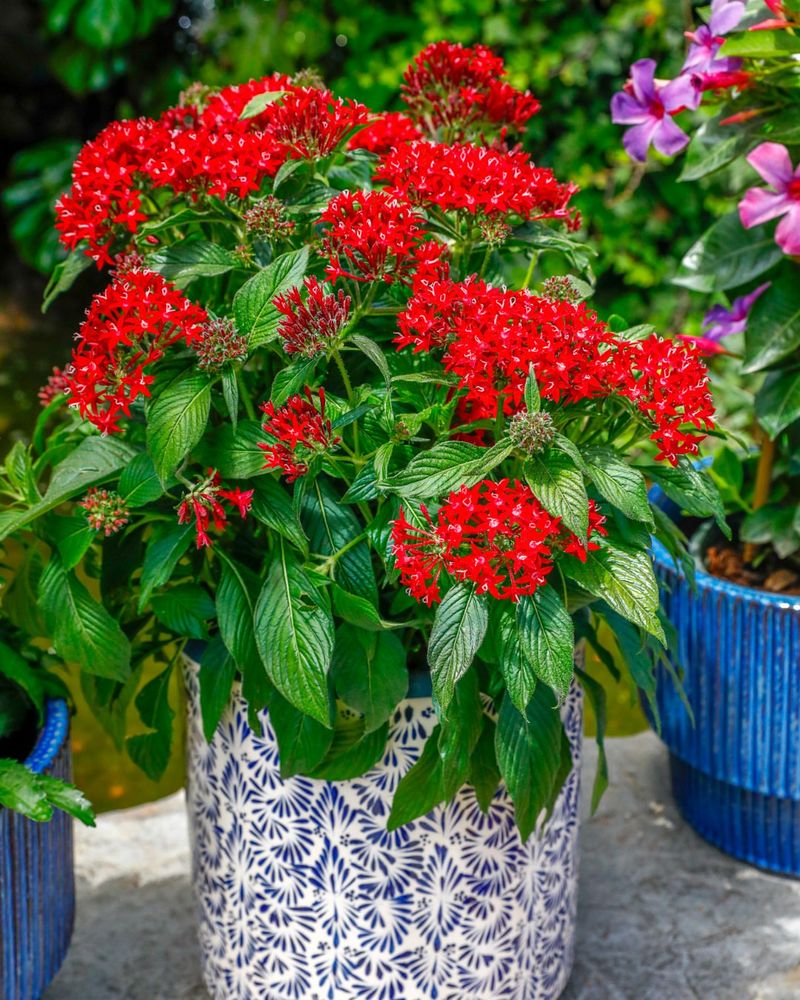
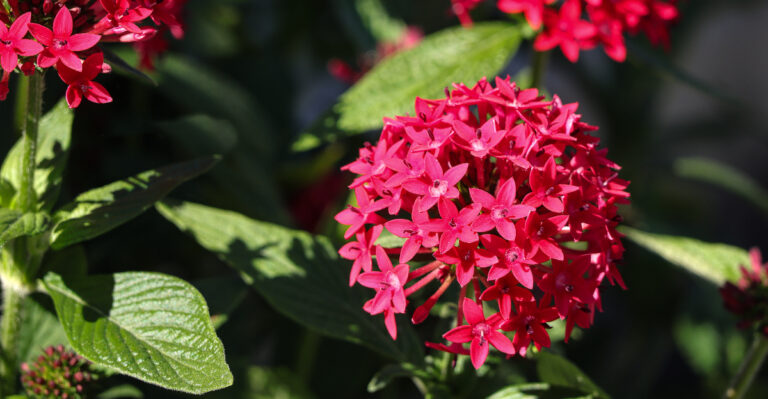
Pentas lanceolata produces tightly packed clusters of star-shaped flowers. Their red, pink, white, and lavender shades make pentas one of the most recognizable warm-season bloomers.
Each tiny bloom is part of a rounded head that sits above dark green, slightly textured leaves. The effect is cheerful and dense, especially when several plants grow side by side.
Pentas performs well in hot, humid conditions when it receives full sun for most of the day. It tolerates the heavy afternoon heat that shuts down many other plants.
Established plants appreciate consistent moisture, but they need soil that drains reliably rather than holding water around the roots.
Mature plants typically reach one to three feet tall depending on the variety. Compact cultivars work well in containers or at the front of a bed.
Occasional light trimming helps keep plants tidy and encourages fresh growth, though it does not guarantee continuous blooms in every situation.
Butterflies and hummingbirds are frequently observed visiting pentas flowers, making them a practical choice for gardeners interested in supporting local pollinators. In frost-free areas of South Florida, pentas may behave as a short-lived perennial.
In cooler parts of the state, it is typically grown as a warm-season annual that needs replanting after a hard frost reduces it.
2. Vinca Holds Its Color Through Steamy Afternoons
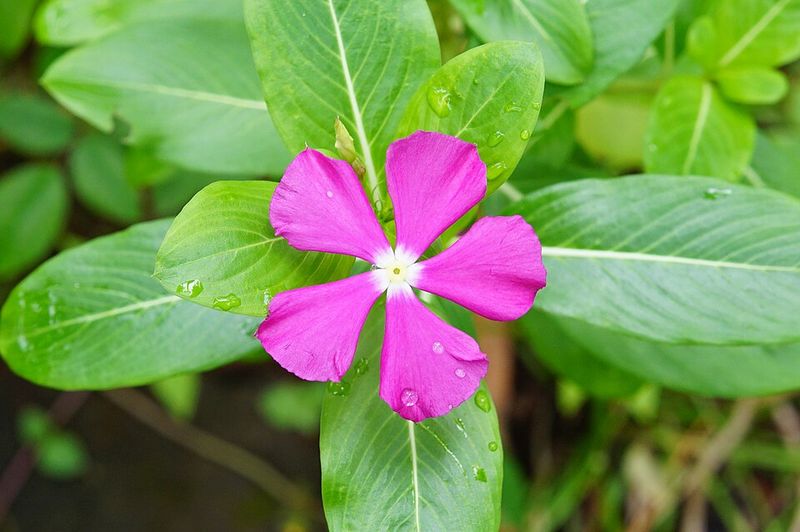
Few warm-season flowers match the staying power of annual vinca, known botanically as Catharanthus roseus. This is not the same plant as trailing vinca ground cover, so it is worth checking the label before buying.
Annual vinca forms a compact, upright mound with glossy, deep green leaves and flat-faced blooms in shades of white, pink, red, coral, and bicolor combinations.
Strong drainage is the single most important factor for keeping vinca healthy during the rainy season. Soggy soil invites root and stem problems that can bring a planting down quickly.
Raised beds, containers, or well-amended ground with good water movement give this flower its best chance.
Full sun is ideal. Adequate spacing between plants allows air to move through the foliage, which helps reduce the humidity that builds up in dense plantings.
Your Florida Garden Changes Every Week. Your Plan Should Too.
Gardening in Florida changes quickly throughout the season. Every Friday you’ll receive a simple weekly plan showing exactly what to plant, prune, fertilize, harvest, and protect so you never miss the right timing.
Overhead watering is generally less favorable than watering at the base, based on guidance around reducing foliar moisture.
Disease-resistant cultivars, including several in the Cora and Titan series, have shown improved performance in humid conditions according to university trial data.
Vinca is not suited to shaded or consistently wet beds. It rewards growers who choose the right site with long-lasting color.
The flowers can withstand extended summer heat without fading or flopping, though results vary by location and season.
3. Zinnias Turn Blazing Sun Into A Cutting Garden
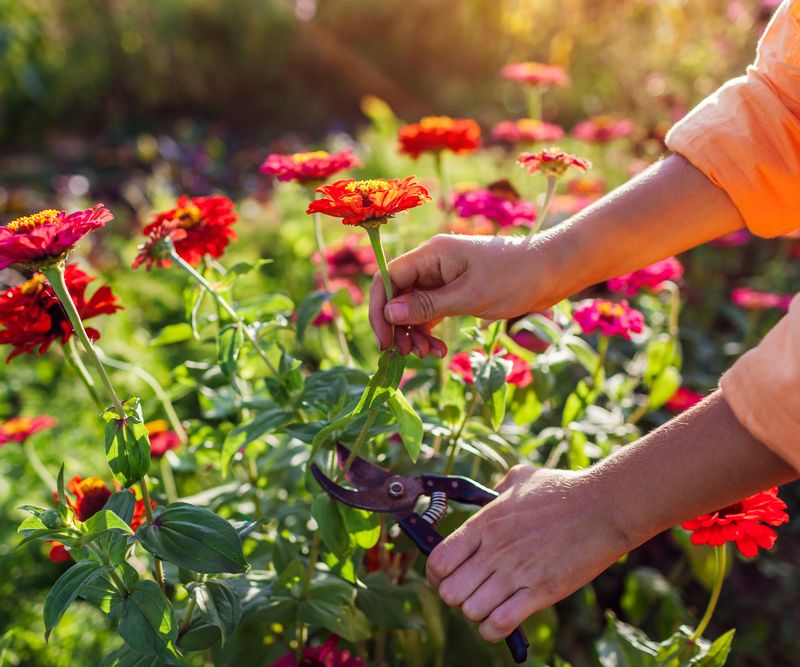
Gardeners who want buckets of cut flowers through the hottest part of the year often reach for zinnias first. Their color range is almost unmatched, covering orange, red, yellow, pink, coral, white, and bicolor patterns.
Blooms range from small buttons to wide, dahlia-like heads depending on the variety you choose.
Zinnias demand strong, direct sunlight and open conditions with good air movement around the plants. Crowding them or tucking them into partial shade leads to weaker stems and more leaf problems.
Seed sowing directly into prepared garden soil works well once temperatures are consistently warm. Thin seedlings to proper spacing after they sprout so plants are not competing for light and airflow.
Powdery mildew and leaf spots can appear on zinnias, particularly during periods of high humidity or when water sits on the foliage. These issues do not always appear, but certain varieties handle local conditions better than others.
Mildew-resistant types such as those in the Profusion series tend to stay cleaner through challenging weather.
Removing faded flowers regularly keeps plants producing new buds for a longer period. Not every zinnia stays attractive from planting through the end of summer, though.
Heat and heavy rain can wear plants down over time, and a second sowing later in the season can refresh a tired bed with new growth and color.
4. Scarlet Salvia Sends Up Color Without Constant Care
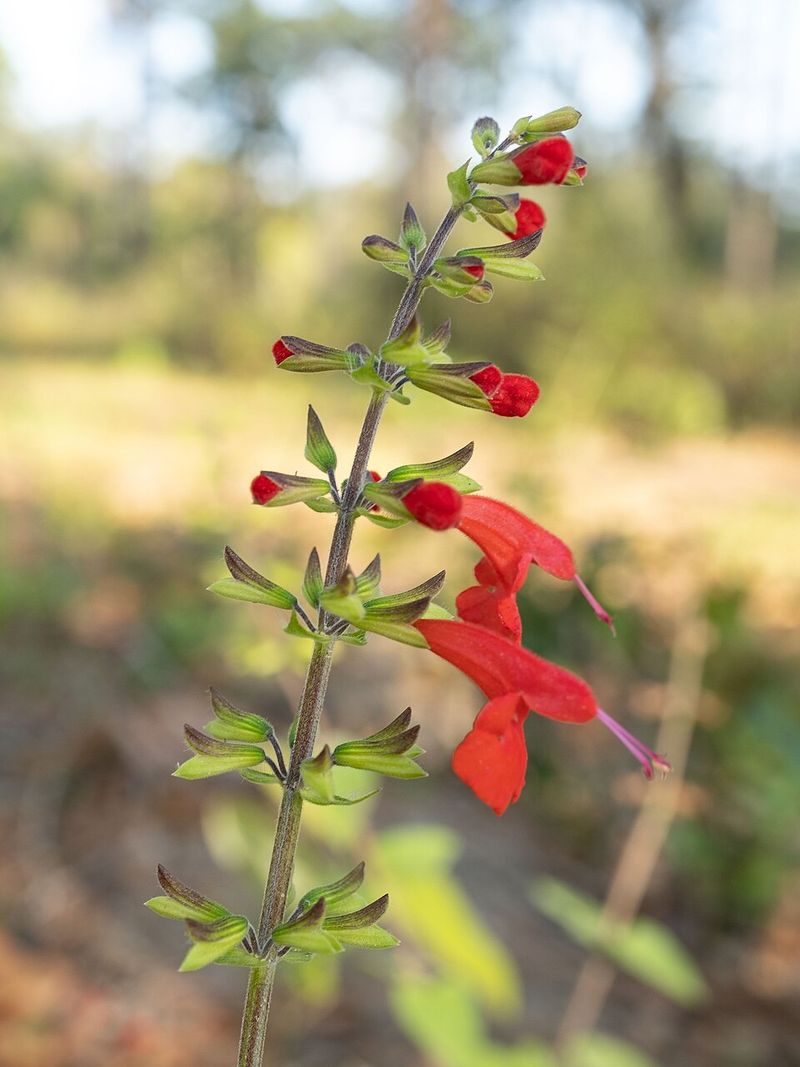
Upright red flower spikes rising above soft, heart-shaped leaves give scarlet salvia a bold vertical presence that stands out in a mixed bed. Botanically known as Salvia coccinea, this plant is native to the southeastern United States and parts of tropical America.
Its native range helps explain why it handles warm, humid conditions so well. It is not the same as every ornamental salvia sold at local garden centers.
Check the botanical name before purchasing to avoid confusing it with species that have different site requirements.
Scarlet salvia tolerates a range of soil types and performs in both full sun and partial shade, though it tends to produce more flower spikes in brighter light.
Established plants show reasonable tolerance for periods without rain, but consistent moisture during dry spells helps maintain steady bloom production. Mature plants typically reach two to four feet tall.
The plant reseeds readily, so volunteers may appear in surrounding areas each season, which some gardeners appreciate and others prefer to manage.
Hummingbirds and several butterfly species are regularly observed visiting the tubular red flowers. This makes scarlet salvia a practical choice for wildlife-friendly gardens.
One realistic note: plants can look ragged by late summer if they are not trimmed back occasionally to encourage fresh growth from the base.
5. Portulaca Thrives Where Thirstier Flowers Struggle
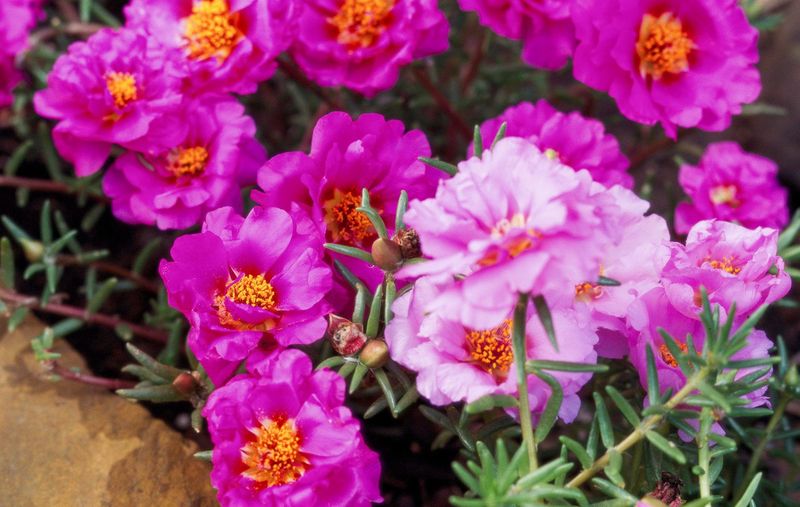
Sandy, sun-baked spots that drain so fast other plants wither are exactly where portulaca earns its place. Portulaca grandiflora, also called moss rose, produces small, succulent leaves along low-spreading stems.
Vivid flowers in magenta, orange, yellow, red, pink, and white appear above the foliage. The overall plant rarely grows taller than six inches, making it ideal for edging, rock gardens, and containers.
After plants are established, they handle dry spells better than many other warm-season flowers. That drought tolerance is not instant, though.
Newly planted portulaca still needs regular watering until roots settle in and the plant can manage on stored moisture in its fleshy stems and leaves.
One quirk worth knowing before planting: the flowers tend to close on cloudy days and may also shut during the cooler parts of morning or late afternoon. This is a natural response to light levels, not a sign that something is wrong.
On bright sunny days, the blooms open wide and the display is striking.
Portulaca is not a good fit for damp shade, heavy clay, or beds that receive frequent overhead irrigation. Wet roots lead to stem rot and rapid decline.
This plant performs most reliably in containers with drainage holes and raised beds filled with sandy or gritty soil. Dry, sunny slopes are also suitable during the hottest weeks of the year.
6. Blanket Flower Makes Sandy Beds Look Effortless
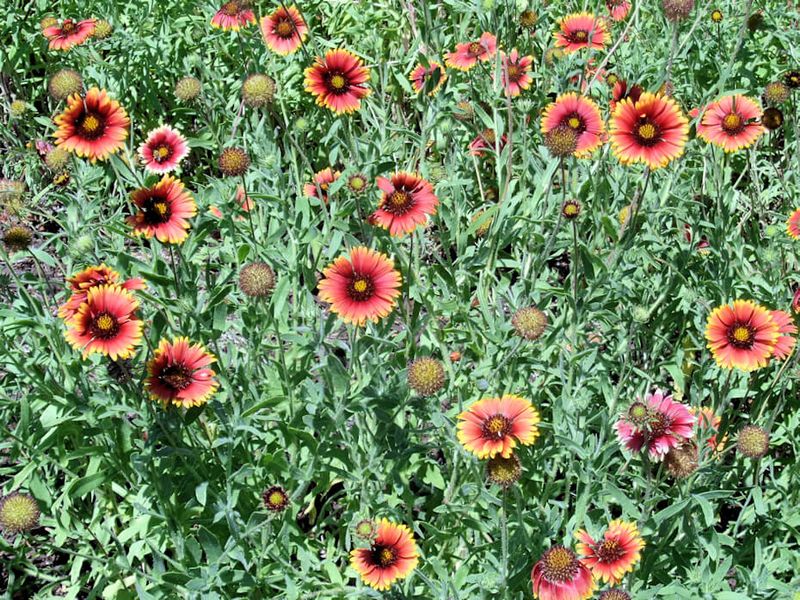
Warm red and yellow blooms ringed with ragged, petal tips give blanket flower a wild, painterly look that suits informal garden beds and naturalistic plantings.
Gaillardia pulchella is the species most commonly recommended for sandy, sunny sites in the Southeast.
It is considered native to much of the eastern and central United States, including parts of Florida. Not every blanket flower species sold at nurseries has the same native status or tolerance for local conditions.
Verify the exact species before buying. Gaillardia pulchella handles heat, full sun, sandy soil, and some exposure to coastal conditions reasonably well once established.
Wet or heavily amended, fertile soil can actually work against this plant. Rich, moist conditions encourage lush foliage at the expense of flowers and can shorten the plant’s life span.
Blanket flower is often a short-lived perennial or biennial, and it may reseed into nearby areas when conditions favor germination.
The flowering period can be long during favorable weather, but plants do not look their best year-round. Older plants may become woody and open in the center over time.
Allowing reseeding or replacing plants every one to two seasons keeps a planting looking fresh. Lean, well-drained soil is genuinely the key to getting the most from this flower.
7. Celosia Adds Bold Texture Through The Hottest Weeks
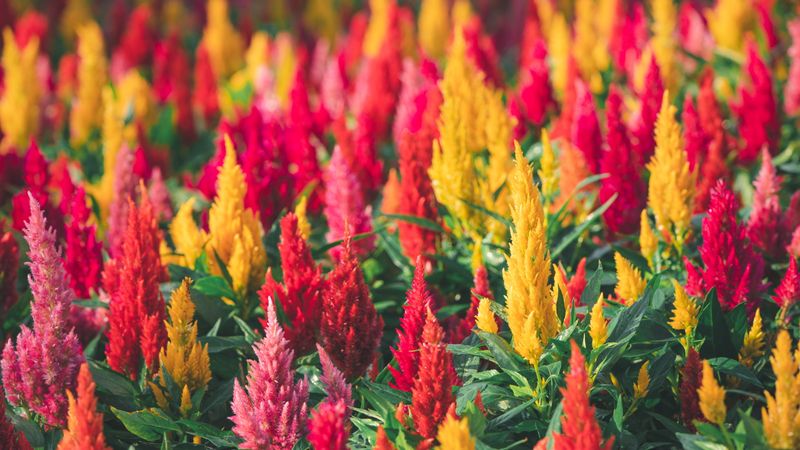
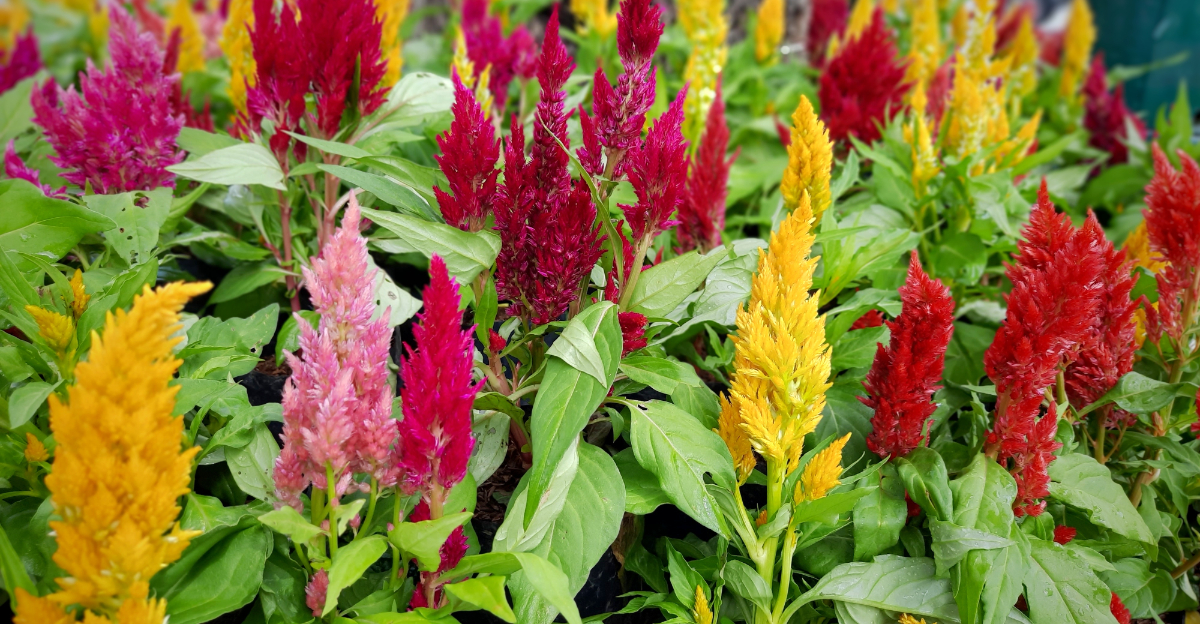
Few flowers stop people in their tracks the way celosia does. Celosia may form a feathery plume, a slender wheat spike, or the crinkled, brain-like crest of the cockscomb type.
Each form provides a distinctive texture in a summer border. Colors run from deep burgundy and scarlet to gold, orange, and soft pink, often with a velvety or iridescent quality in bright light.
Celosia is grown as a warm-season annual and performs best in full sun with soil that drains well between watering sessions. It does not like sitting in wet ground, especially during the heavy rains of midsummer.
Spacing plants so air moves freely between them helps keep the foliage healthy and the flower heads looking their best.
Mature height varies significantly by variety. Some compact types stay under a foot tall and work well in containers or at the front of a border.
Taller plume types can reach two feet or more and make useful cut flowers with a long vase life.
Different cultivars have noticeably different habits, so treating all celosia as interchangeable leads to surprises. Some reseed lightly and return the following season, while others do not.
Removing faded flower heads can keep the plant tidy. However, some gardeners leave them in place to encourage natural reseeding when the variety produces viable seed in warm climates.
8. Coreopsis Keeps Sunny Borders Loose And Lively
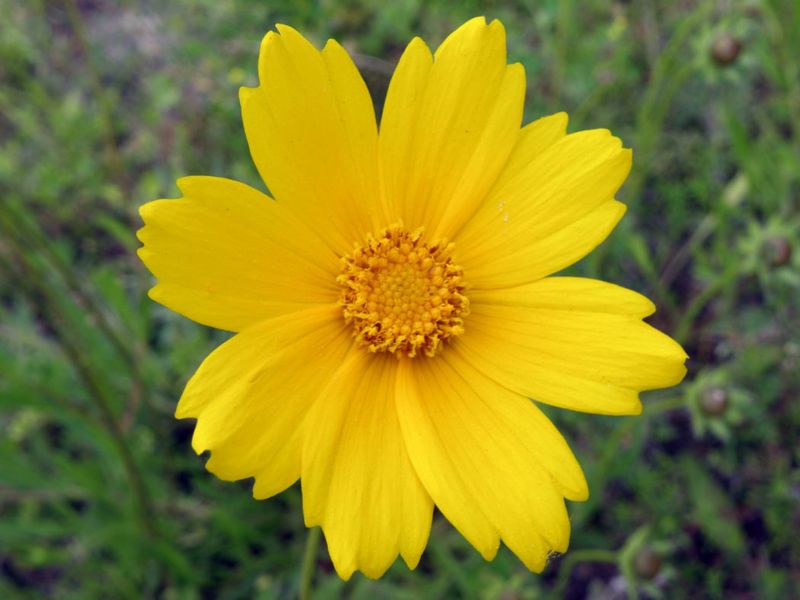
Coreopsis, commonly called tickseed, produces bright yellow, daisy-like flowers on slender stems. Its airy, relaxed appearance pairs well with bolder textures in a sunny border.
Several species exist, and they are not all interchangeable. Choosing the species suited to your specific site and region matters more than most gardeners expect when they first consider this plant.
Coreopsis lanceolata and Coreopsis floridana are among the species with documented performance in warm, sunny, sandy conditions in the Southeast. Both handle full sun and lean, well-drained soil with reasonable success.
Once established, they tolerate dry periods better than they tolerate consistently wet roots, so drainage is a priority when selecting a planting site.
Seasonal performance varies. Some species bloom most heavily in spring and early summer, then slow down during the most intense heat of midsummer before resuming in fall.
Expecting a single coreopsis plant to look perfect from spring through frost sets up unrealistic expectations. Cutting back plants after a heavy bloom flush can encourage a second round of flowers later in the season.
Wet or heavily fertilized soil tends to produce floppy growth and fewer flowers. Coreopsis genuinely performs better in modest conditions than in rich, pampered beds.
Confirm the exact species before planting. Check that it is suited to your drainage, sunlight, and regional growing season for the most reliable results.