Florida Homeowners Are Replacing These Popular Shrubs For A Reason
You can spot the shift all over Florida right now. Shrubs that once felt like the safe, obvious choice are starting to lose their shine, and plenty of homeowners have had enough.
Some grow too wild, some look rough after a hard trim, and some turn into a constant headache the minute heat, humidity, and heavy rain roll in. That is why more yards are getting a fresh look with smarter picks that hold up better and ask for less fuss.
In a state where curb appeal matters year-round, nobody wants a shrub that turns into a money pit or an eyesore.
Florida homeowners are getting wise to what truly works in this climate, and they are no longer sticking with the same old standbys just because everyone else planted them.
Times are changing, and so are front yards. A lot of popular shrubs are on their way out, and for good reason too.
1. Lantana Turns Messy Fast
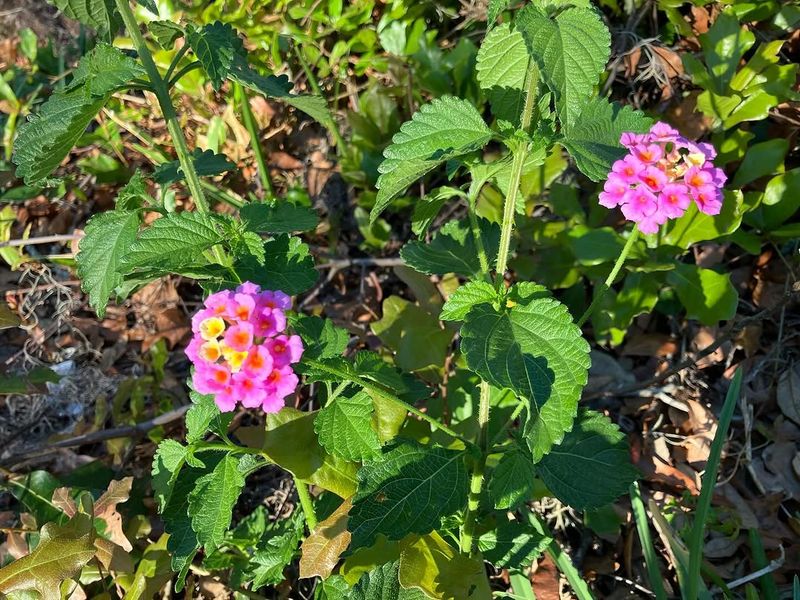
Most people fall for lantana at the nursery because the clusters of tiny flowers look cheerful and the plant seems tough enough to handle anything. And honestly, it is tough, maybe too tough.
Lantana camara, the common garden lantana sold in stores across Florida, has a well-documented reputation for becoming a weedy nightmare once it gets comfortable in the landscape.
Florida’s warm winters and long growing season give this plant almost no reason to slow down. It reseeds itself constantly, sending seedlings into lawns, garden beds, and even neighboring natural areas.
The Florida Exotic Pest Plant Council lists Lantana camara as a Category I invasive, meaning it is actively disrupting native plant communities across the state.
That cheerful shrub can quickly become a dense, sprawling thicket with woody stems that are difficult to cut back and even harder to remove entirely.
Homeowners often notice the problem around year two or three. What started as a tidy mounded plant now leans over the sidewalk, sprouts seedlings in every crack, and develops a thick, rough base that no amount of trimming seems to fix.
Florida extension guidance often points out that the non-sterile varieties are particularly problematic because birds eat the small dark berries and spread seeds far beyond the original planting site.
The good news is there are better options that give you the same colorful payoff without the chaos. Native Lantana involucrata, also called wild sage or buttonbush lantana, is a Florida native that blooms reliably, supports pollinators, and does not aggressively reseed.
If you prefer the look of the larger cultivated types, seek out sterile lantana varieties labeled as non-seeding, which significantly reduce the spread risk while still delivering those bright, cheerful flower clusters all season long.
2. Privet Takes Over Quickly
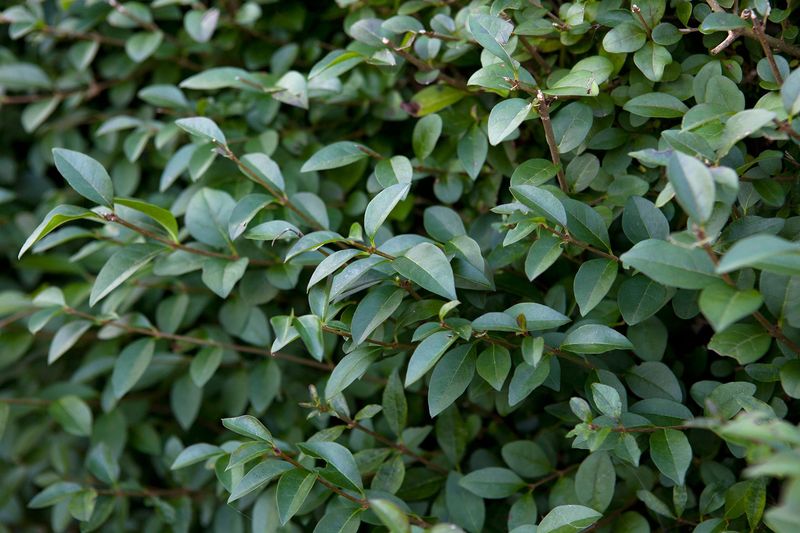
There is a particular kind of frustration that comes with a hedge plant that simply will not stop growing. Ligustrum sinense, commonly known as Chinese privet, has earned that frustration from homeowners all across Florida.
It was widely planted for decades because it grows fast, fills in quickly, and creates a dense privacy screen with minimal effort at the start.
Your Florida Garden Changes Every Week. Your Plan Should Too.
Gardening in Florida changes quickly throughout the season. Every Friday you’ll receive a simple weekly plan showing exactly what to plant, prune, fertilize, harvest, and protect so you never miss the right timing.
The problem is that it never actually stops. Chinese privet grows so aggressively that keeping it at a reasonable size requires pruning several times a year.
Skip a season and you are suddenly dealing with a wall of woody branches that has crept over the fence, shaded out nearby plants, and sent suckers into the lawn. What makes this especially concerning in Florida is that privet does not stay in the yard.
Birds love the small dark berries and spread seeds into surrounding natural areas, where the plant forms dense thickets that crowd out native vegetation.
Florida extension resources consistently flag Ligustrum sinense as an invasive species, and it appears on the Florida Exotic Pest Plant Council’s list as a Category I invasive.
Many homeowners only discover this after spending years battling regrowth and wondering why the shrub always seems to win.
Wax myrtle, known botanically as Myrica cerifera, is the go-to native replacement that landscape professionals in Florida recommend most often.
It grows at a manageable rate, tolerates a wide range of soil conditions including the wet and dry extremes Florida throws at it, and supports native wildlife without threatening natural habitats.
Wax myrtle can be pruned into a formal hedge or left to grow naturally as a soft, layered screen. Either way, it behaves itself far better than privet ever did.
3. Nandina Keeps Spreading
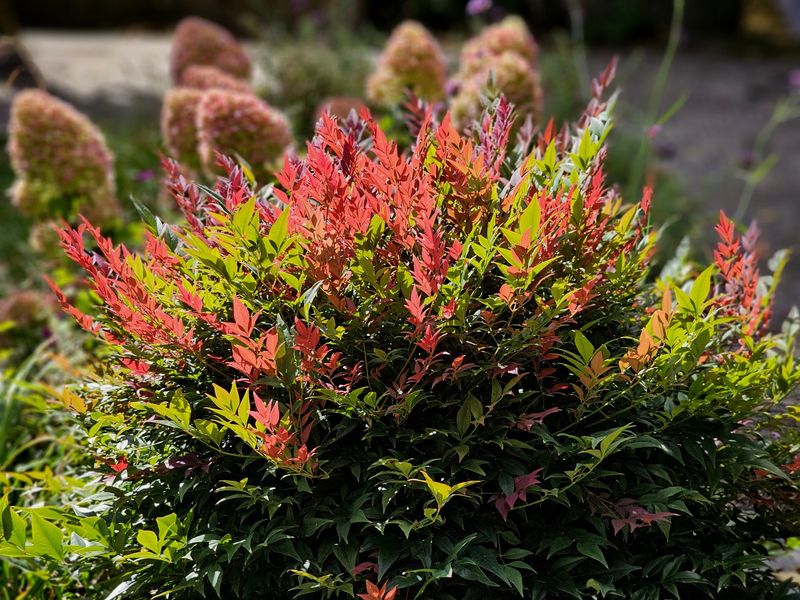
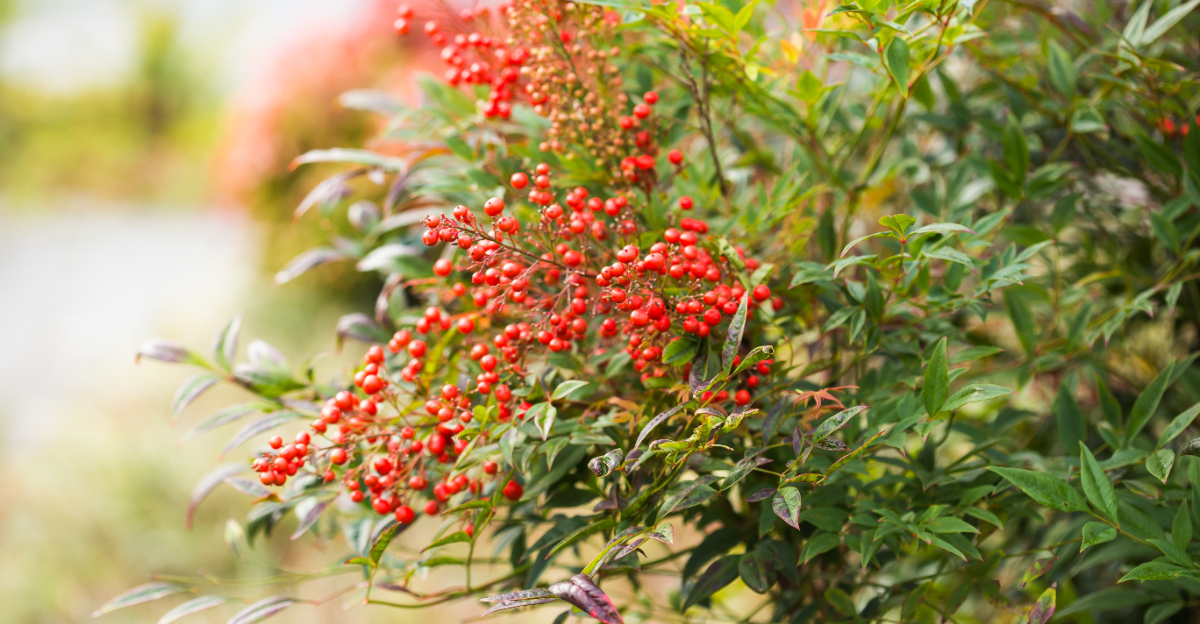
Nandina domestica, commonly called heavenly bamboo, has one of the most misleading common names in landscaping. It looks delicate, with feathery compound leaves that flush red in cooler months and clusters of bright red berries that look almost decorative.
For years it was a go-to choice for foundation plantings and low-maintenance borders across the Southeast, including Florida.
But that beauty comes with a real catch. The berries are eaten by birds, and once the seeds pass through and land in new soil, the plant naturalizes with surprising ease.
In Florida’s mild climate, nandina seedlings pop up in natural areas, along roadsides, and in landscapes far from the original planting. The plant also spreads through underground rhizomes, meaning a single clump can quietly expand outward year after year.
Florida extension guidance has flagged Nandina domestica as a plant of concern due to its documented spread into natural areas across the southeastern United States.
Beyond the spread issue, there are toxicity concerns with the berries. The fruit contains compounds that can be harmful to birds that consume large quantities, which is an uncomfortable irony given that birds are also the plant’s main seed dispersers.
Homeowners who planted nandina for its low-maintenance appeal often end up spending real effort pulling seedlings from unexpected places throughout the yard.
If you love the look of nandina but want something that stays put, yaupon holly, known botanically as Ilex vomitoria, is an outstanding Florida-native alternative.
It offers a similarly refined texture, produces small red berries that wildlife enjoy safely, and tolerates everything from drought to occasional flooding.
Sterile nandina cultivars such as ‘Firepower’ are also available for those who want to keep the look with significantly reduced spreading risk in the landscape.
4. Schefflera Gets Hard To Control
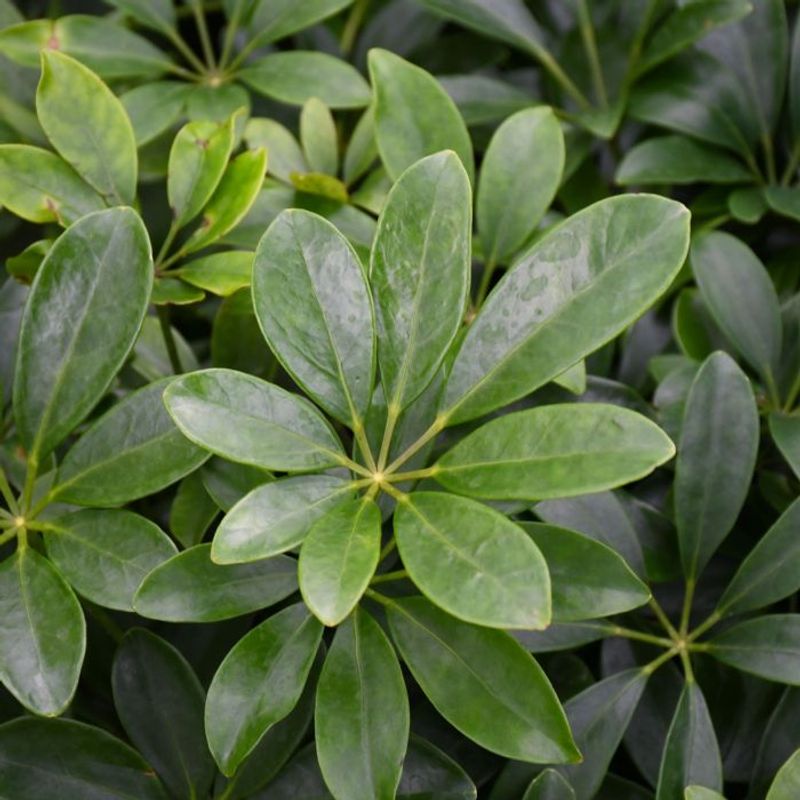
Walk through any older South Florida neighborhood and you will likely spot a schefflera that has completely outgrown its original purpose.
What was planted as a manageable accent shrub is now a multi-trunked tree pressing against the eaves, blocking windows, and shading out everything around it.
Schefflera arboricola, the dwarf schefflera, earned its place in Florida landscapes because it looks lush and tropical and seems easy to maintain in its early years.
The problem shows up gradually. In South Florida’s warm, humid conditions, dwarf schefflera does not stay dwarf for long.
Without regular, aggressive pruning it becomes a large, woody shrub or small tree that is genuinely difficult to keep in bounds.
Stems grow thick quickly and the plant develops a heavy canopy that can damage structures if planted too close to a building, which is exactly where most homeowners originally put it.
Florida extension resources note that Schefflera arboricola has escaped cultivation in South Florida and naturalized in disturbed areas, earning it a spot on the invasive species watch list.
Birds spread the small berry-like fruits, and seedlings establish readily in warm, moist conditions.
Homeowners who have tried to remove a mature schefflera know how labor-intensive the process can be, with deep roots and vigorous resprouting from cut stumps.
A far better-behaved option for South Florida is Clusia guttifera, commonly called small-leaf clusia or pitch apple. It grows into a dense, tidy hedge with thick, waxy leaves that hold up beautifully in heat and humidity.
Clusia responds well to pruning, maintains a predictable shape, and does not escape into natural areas. It delivers that same lush tropical look without the long-term regret that comes with planting schefflera too close to the house.
5. Oleander Raises Concerns
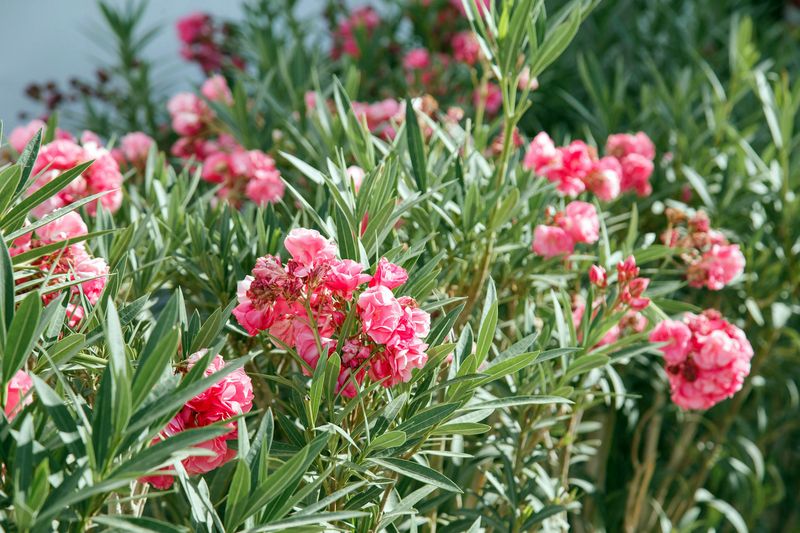
Few flowering shrubs are as dramatic as oleander in full bloom. The clusters of pink, white, or red flowers are genuinely stunning, and for a long time oleander was considered one of the toughest, most reliable shrubs in Florida’s coastal landscapes.
Nerium oleander tolerates heat, salt spray, drought, and poor soils, which made it a natural favorite for highway medians and home landscapes alike.
The concerns, however, are significant enough that many Florida homeowners are rethinking their relationship with this plant. Every part of oleander is toxic, including the leaves, stems, flowers, sap, and even smoke from burning the wood.
This is a documented fact, not a rumor. Households with young children or pets face real risk, and the Florida Poison Control Center consistently lists oleander among the most toxic landscape plants in the state.
Accidental contact with the sap can cause skin irritation, and ingestion of any part of the plant is a serious medical concern.
Beyond toxicity, oleander in Florida has struggled increasingly with a bacterial disease called oleander leaf scorch, caused by Xylella fastidiosa and spread by sharpshooter insects. Infected plants develop brown, scorched-looking leaves and gradually decline with no known cure.
Once a plant is infected, removal is the only real option, and the disease has spread widely across Florida’s oleander population over the past two decades.
For a safer, equally beautiful flowering alternative, Myrcianthes fragrans, commonly known as twinberry or Simpson’s stopper, is an excellent Florida-native choice.
It produces delicate white flowers, small orange-red berries that wildlife love, and attractive peeling bark.
It grows to a manageable size, thrives in Florida’s humidity, and poses no toxicity risk to people or pets sharing the yard.
6. Indian Hawthorn Declines In Humidity
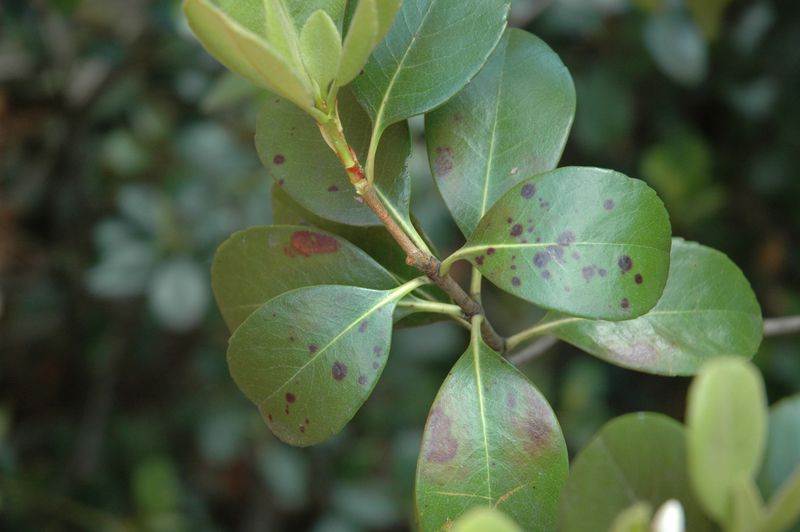
At first glance, Indian hawthorn seems like a perfect fit for a Florida yard. It stays compact, produces pretty pink or white flowers in spring, and has a reputation as a low-maintenance shrub.
For homeowners in drier climates, that reputation holds up well. In Florida, the story is very different, and most gardeners here learn that the hard way.
Rhaphiolepis indica is highly vulnerable to Entomosporium leaf spot, a fungal disease that thrives in exactly the conditions Florida provides year-round: high humidity, warm temperatures, and frequent rain.
Infected leaves develop small red spots that expand into larger brown lesions, eventually causing significant defoliation.
A plant that looked full and healthy in spring can look thin, spotted, and stressed by midsummer. Florida extension specialists have long cautioned homeowners about planting Indian hawthorn in humid regions precisely because of this susceptibility.
The frustrating part is that the disease is difficult to control even with fungicide applications.
Treatments need to begin before infection sets in and must be applied repeatedly throughout the growing season, which turns a supposedly low-maintenance shrub into a high-effort project.
Many homeowners end up with plants that look chronically unhealthy despite their best efforts, which defeats the entire purpose of choosing a landscape shrub for curb appeal.
Ilex vomitoria ‘Nana’, commonly known as dwarf yaupon holly, is one of the best disease-resistant replacements available for Florida landscapes.
It stays compact without much pruning, tolerates heat and humidity without complaint, and rarely shows disease problems even in the wettest Florida summers.
The fine-textured foliage stays clean and green throughout the year, making it a reliable, attractive alternative that genuinely delivers on the low-maintenance promise that Indian hawthorn could never quite keep in Florida conditions.
7. Pittosporum Loses Its Shape
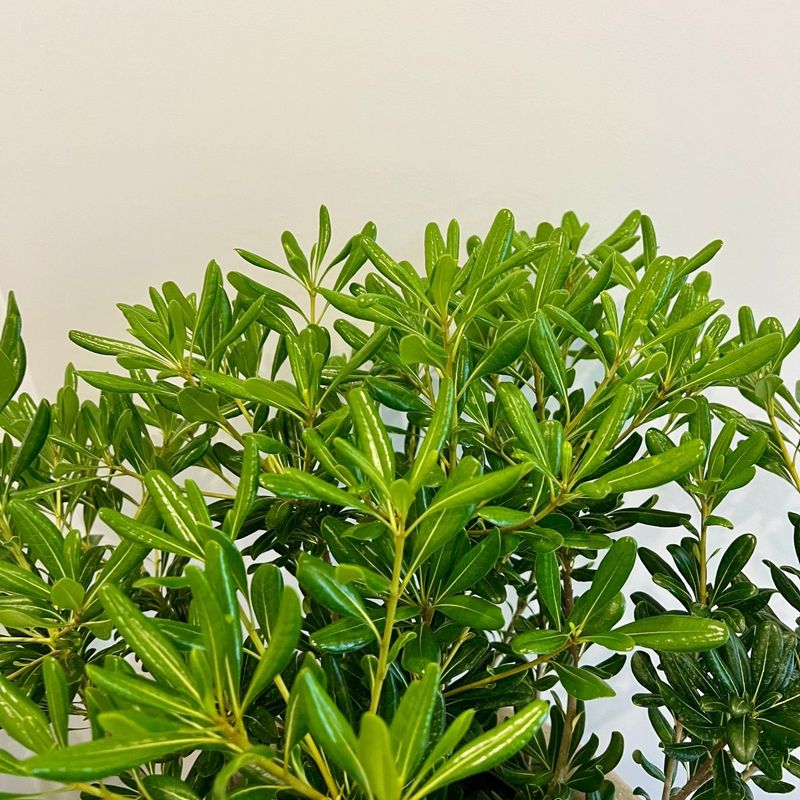
Pittosporum tobira, known as Japanese pittosporum or mock orange, was a staple of Florida foundation plantings for decades. It offered fragrant spring flowers, glossy dark green leaves, and a reputation for being adaptable and easy.
Garden centers sold it everywhere, and homeowners planted it without hesitation along house foundations, as hedges, and in mixed borders across the state.
Over time, though, pittosporum reveals a habit that causes real frustration in Florida landscapes. The plant tends to become leggy, especially in shadier spots or during Florida’s intense summer growth spurts.
Lower branches thin out while the top pushes upward, leaving an uneven, top-heavy silhouette that looks nothing like the tidy rounded shrub it started out as.
Frequent pruning can slow this down, but it rarely solves the problem permanently, and hard cutbacks often leave the plant looking bare and awkward for months.
Florida’s humidity also creates conditions where pittosporum becomes susceptible to scale insects and sooty mold, which coats the glossy leaves in a grimy black film. Heavily infested plants can look visually unappealing despite being technically alive.
The combination of shape management challenges and pest pressure makes pittosporum a surprisingly high-maintenance choice for a plant that was sold as the opposite.
Wax myrtle, Myrica cerifera, stands out again here as a reliable and native-friendly replacement. It maintains a more natural, graceful shape over time, handles Florida’s soil and weather without complaint, and supports native birds and insects as a bonus.
For homeowners who want something denser and more formal, ‘Silver Sheen’ pittosporum alternatives or well-behaved native shrubs like beautyberry, Callicarpa americana, offer seasonal interest, manageable growth, and far fewer maintenance headaches in the long run.