Florida Plants That Attract Barn Owls And What That Does To Your Mole Population
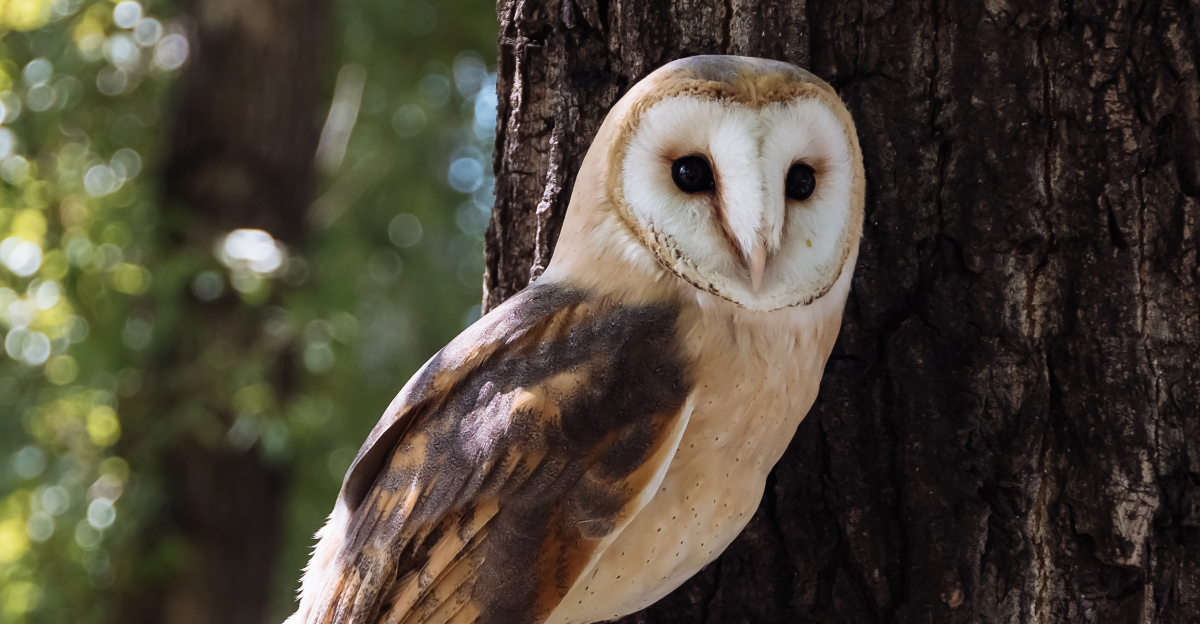
Barn owls are one of the most effective natural pest controllers a Florida yard can attract. Silent, precise, and active through the night hours when moles are most vulnerable above ground.
A resident barn owl does not eliminate a mole problem, but it adds a layer of consistent pressure that no trap or repellent replicates on its own. The part most Florida gardeners miss is that barn owls do not show up randomly.
They are drawn to specific habitat conditions, and what grows in and around a yard plays a real role in whether that habitat exists or not. Florida native plants can create open hunting ground, edge structure, and the kind of night environment barn owls prefer.
Over time, that can make a property genuinely attractive to them. What you plant, what you leave, and how the yard is structured after dark matters more to a barn owl than most people realize.
1. Live Oak Creates Long-Term Roosting Structure Barn Owls May Use
A centuries-old live oak can feel like a yard’s anchor, the kind of tree that changes how the whole space feels. Quercus virginiana, the live oak, is one of the most ecologically valuable native trees in this state.
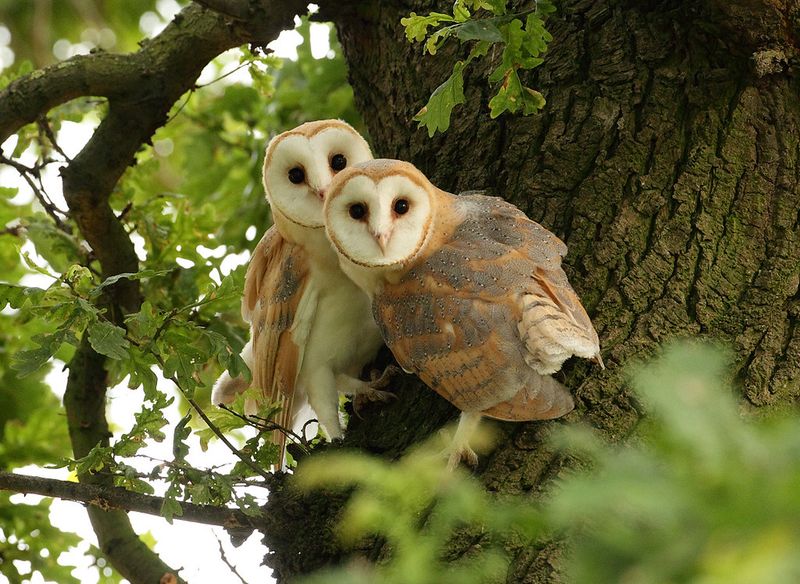
Its broad canopy, dense branching, and rough bark create structure that mature birds may use. On large properties with suitable open ground nearby, barn owls may use that structure for perching, sheltering, or roosting.
Live oaks also support an enormous number of native insects. Those insects feed birds and other small creatures that strengthen the food web around your yard.
A healthy food web supports more wildlife activity overall, though it does not guarantee a barn owl will show up or that rodent numbers will drop.
Planting a live oak is a long-term commitment. This tree can reach 40 to 80 feet wide and needs plenty of open space, good drainage, and full to partial sun.
It is not a quick fix for any wildlife goal. Expect decades before the canopy matures into the kind of structure that has real roosting value for large birds.
If you have the space and the patience, a live oak may be one of the most rewarding native plantings you can make. Just go in with realistic expectations and a long timeline.
2. Slash Pine Adds Tall Perches Near Open Hunting Ground
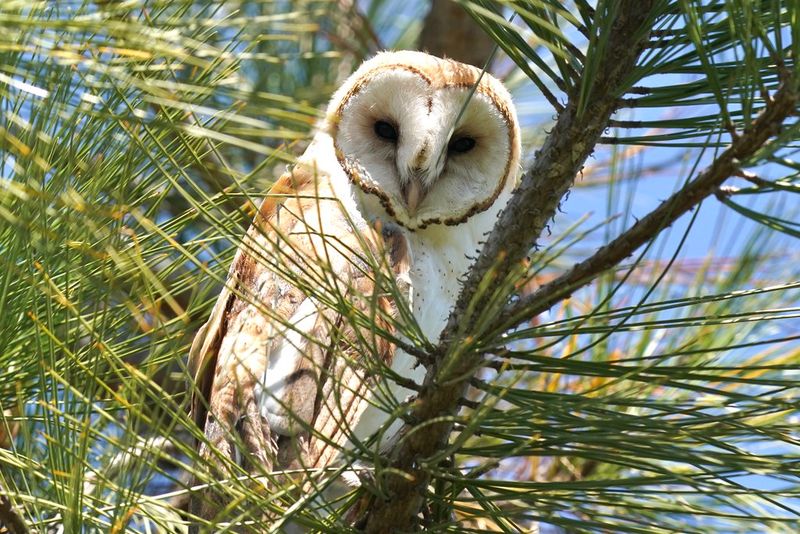
At the edge of a wide open field as the sky fades to orange, a tall pine can be exactly what a hunting owl needs.
Slash pine, Pinus elliottii, is a native Florida tree that grows with a straight trunk and a relatively open canopy, making it useful as a high perch near open ground.
Barn owls often hunt over open spaces, flying low and using their remarkable hearing to locate small mammals in grassy areas.
A tall perch near a clearing, a meadow edge, or a mowed field can give a passing owl a place to pause, scan, and orient before a hunt. Slash pine can fill that role in larger yards, rural properties, or naturalistic edges where there is room for a tree that can reach 60 to 100 feet tall.
Your Florida Garden Changes Every Week. Your Plan Should Too.
Gardening in Florida changes quickly throughout the season. Every Friday you’ll receive a simple weekly plan showing exactly what to plant, prune, fertilize, harvest, and protect so you never miss the right timing.
It needs full sun, well-drained sandy soil, and plenty of space away from structures and utility lines.
Dense plantings close to the house are not going to serve barn owls well. Open sightlines matter more than sheer numbers of trees.
One well-placed slash pine at the edge of an open area may offer more habitat value than a row of mixed shrubs blocking a hunting corridor.
Check with your county Extension office before planting to confirm site suitability and spacing for your specific property.
3. Muhly Grass Keeps Yard Edges Open Enough For Night Hunting
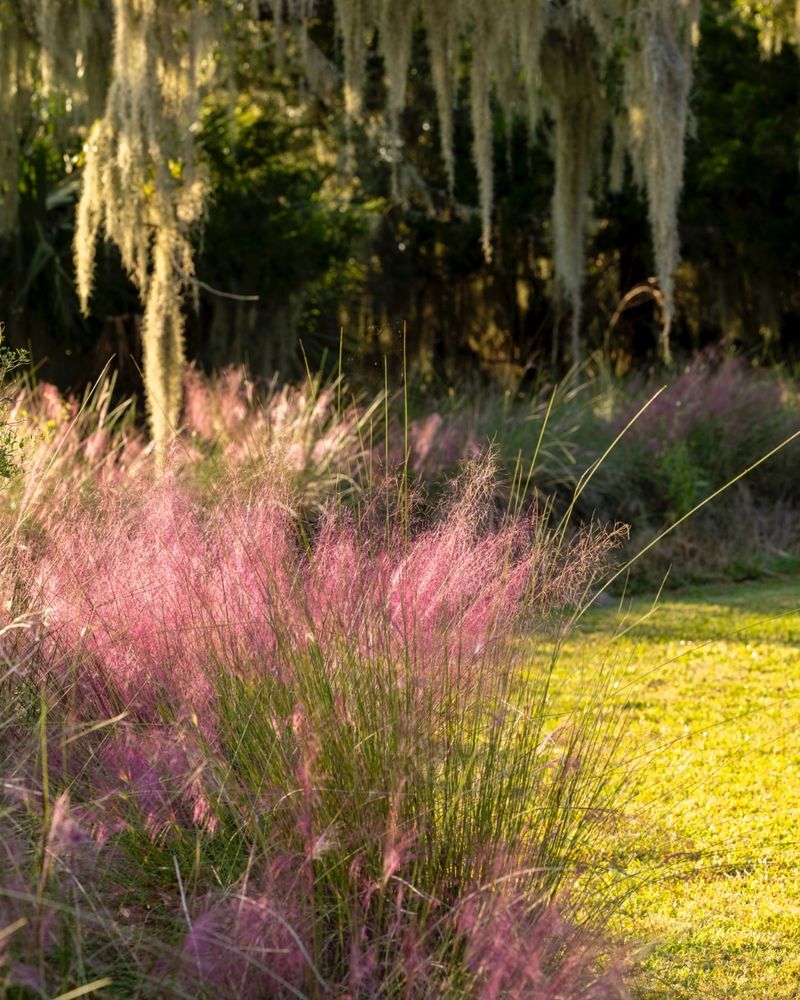
There is something quietly beautiful about muhly grass in full bloom. Muhlenbergia capillaris sends up soft, rosy-pink plumes in fall that catch the light in a way few native plants can match.
Beyond the visual appeal, this grass does something useful for wildlife-friendly yards. It keeps edges soft and airy without turning them into dense, closed-off shrub borders.
Open edges matter to barn owls. These birds hunt low over open ground, using their heart-shaped facial disc to funnel sound and pinpoint prey in the dark.
A yard with some open, grassy texture along its borders may support visibility and movement corridors. Those conditions can make night hunting more practical for owls passing through the area.
Muhly grass does not attract barn owls on its own, and it will not reduce your rodent population directly. What it can do is help maintain the kind of open, textured edge that feels more like natural habitat and less like a wall of shrubs.
Plant it in full sun with good drainage. It handles heat and drought well once established, which makes it a reliable choice for sunny edges and naturalistic borders across much of the state.
Keep placement away from areas where tall grass could provide hiding cover for rodents near the house. Open edges work best when they stay genuinely open.
4. Fakahatchee Grass Frames Larger Spaces Without Closing Them In
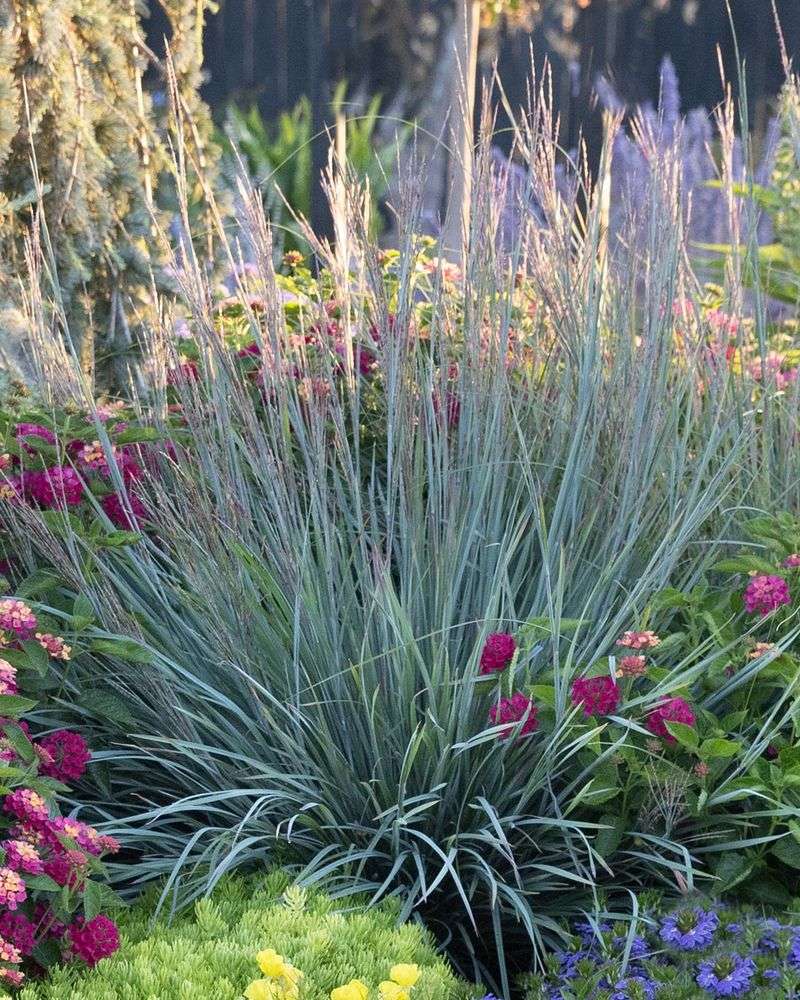
Big yards need plants with presence, and Fakahatchee grass, Tripsacum dactyloides, delivers that without turning a space into a thicket. This native grass grows in bold, arching clumps that can reach four to five feet tall and spread just as wide.
Along pond edges, broad borders, and naturalistic plantings, it adds strong texture and structure. It does this without creating a wall that blocks sight lines or closes off open ground.
Keeping open ground visible and accessible matters in a yard aimed at supporting barn owls. Dense plantings that block movement corridors reduce the usefulness of a space for low-flying hunters.
Fakahatchee grass, placed thoughtfully with room between clumps, can frame open areas rather than fill them.
Wildlife value is real here. The seeds and structure of native grasses support insects, small birds, and other creatures that contribute to a broader food web.
A richer yard ecosystem may support more wildlife activity over time, though no single plant is going to change your rodent situation on its own.
Give Fakahatchee grass full to partial sun, moist to moderately wet soil, and plenty of space. It is not suited for small foundation beds or tight planting spots near walkways.
Large yards, retention areas, and naturalistic pond edges are where it performs best. Check UF/IFAS guidance on spacing before planting to avoid overcrowding.
5. Southern Red Cedar Gives Shelter Near Open Rodent Habitat
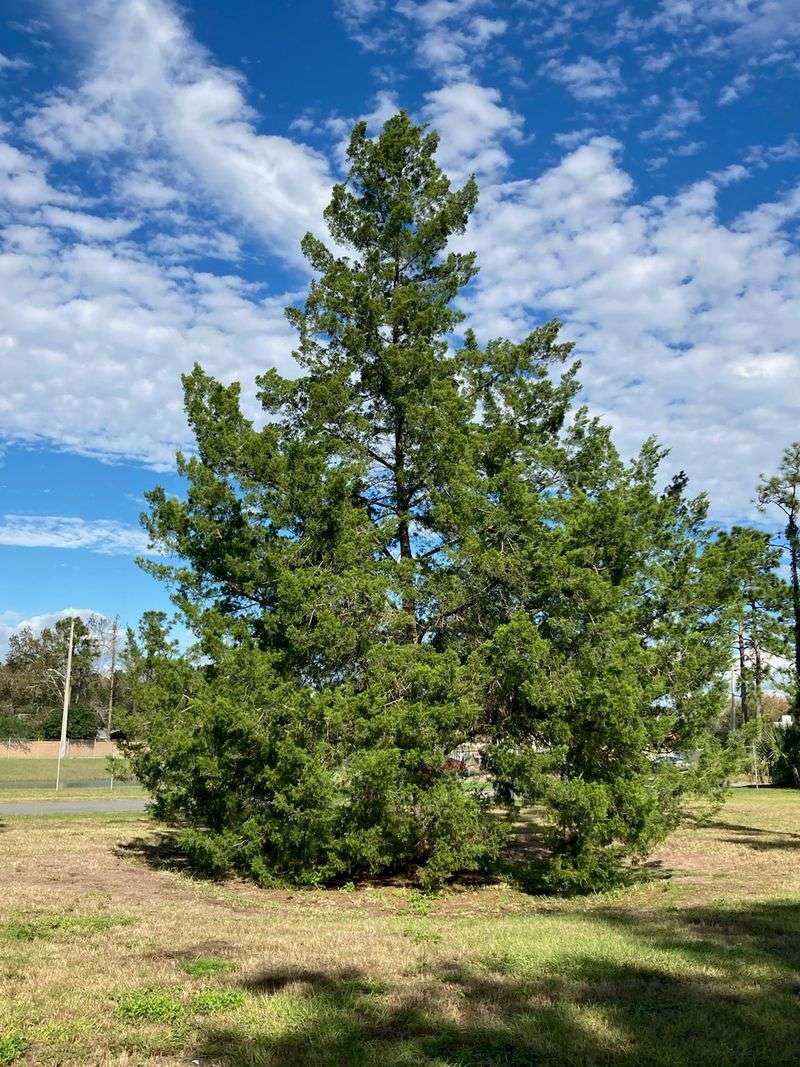
A dense evergreen growing at the edge of an open field gives birds a place to shelter, rest, and watch the world from safety.
Southern red cedar, Juniperus virginiana var. silicicola, is the Florida-appropriate form of this native evergreen, and it earns its place in wildlife-friendly yards through sheer versatility.
Small berries feed dozens of bird species. Dense branching offers cover and nesting sites for a range of native birds through the year.
Near open edges, this tree can support the broader wildlife community without closing off the open ground that barn owls need for hunting. The key is placement.
A cedar growing at the margin of a clearing can provide shelter and perching structure. Placing it there, rather than in the middle, avoids blocking the low-flight corridors owls use at night.
Dense shrubs and trees planted too close together or too close to the house can actually work against your goals. Dense cover near the foundation creates exactly the kind of protected shelter that rodents look for.
Space cedars well, allow airflow between plants, and keep the area around their base clear of debris and leaf litter buildup.
Southern red cedar can grow 30 to 40 feet tall in good conditions. Give it full sun and well-drained soil.
It handles wind and salt air reasonably well, which makes it useful in coastal and inland yards across northern and central regions of the state.
6. Wax Myrtle Builds Wildlife Cover Along The Yard Edge
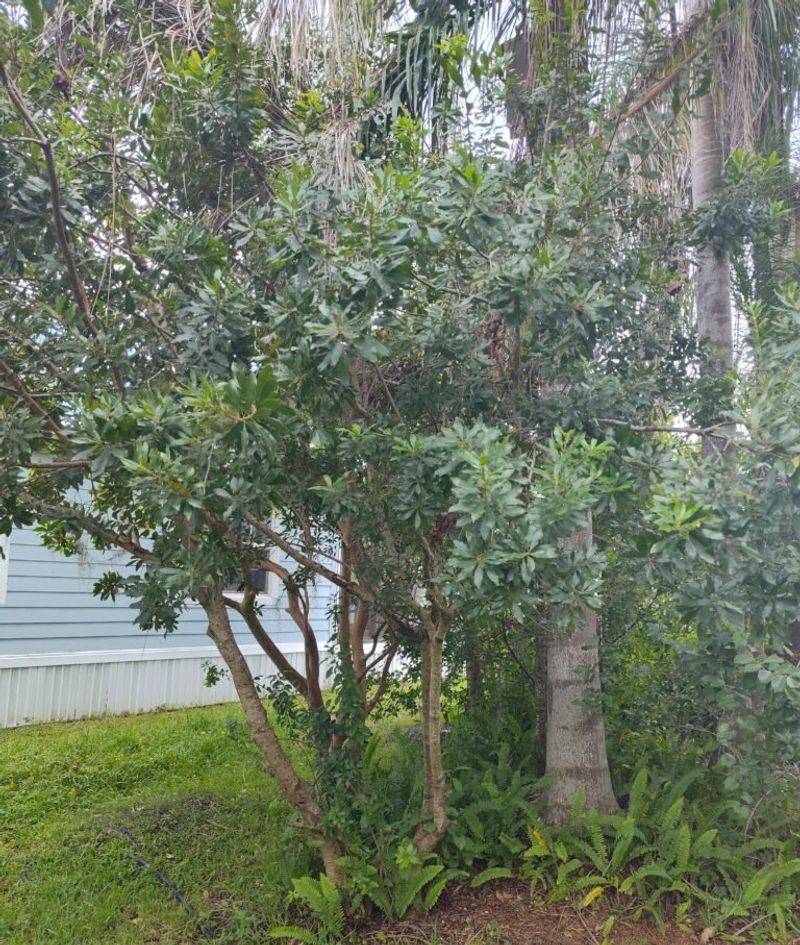
Walk past a wax myrtle thicket in winter and you will likely flush a yellow-rumped warbler or two from the berries. Southern wax myrtle, Morella cerifera, is one of the most bird-friendly native shrubs in the state.
Its small, waxy, blue-gray berries feed dozens of species through the colder months. Planted along a yard edge, it builds layered cover that supports a wide range of wildlife.
Connecting wax myrtle to barn owls requires honesty. This shrub supports songbirds, wrens, and other small birds that add activity to the yard.
A yard with more bird activity and a richer habitat web may be a more interesting environment overall. However, wax myrtle does not directly attract barn owls or reduce rodent numbers.
What it does is contribute to the kind of layered, edge-rich yard that feels like a real wildlife space rather than a mowed lawn with a few ornamentals.
Know what you are getting before planting. Wax myrtle can grow 10 to 15 feet tall, sometimes more, and it suckers readily.
It can spread into a dense thicket if not managed. Dense thickets near the house can provide shelter for rodents, which works against your goals.
Plant it along outer edges with room to grow, and trim it occasionally to keep airflow and visibility through the base.
Full sun to partial shade and moist to average soil suit it well across most of the state.
7. Beautyberry Adds A Lower Habitat Layer Without Feeding Rodents
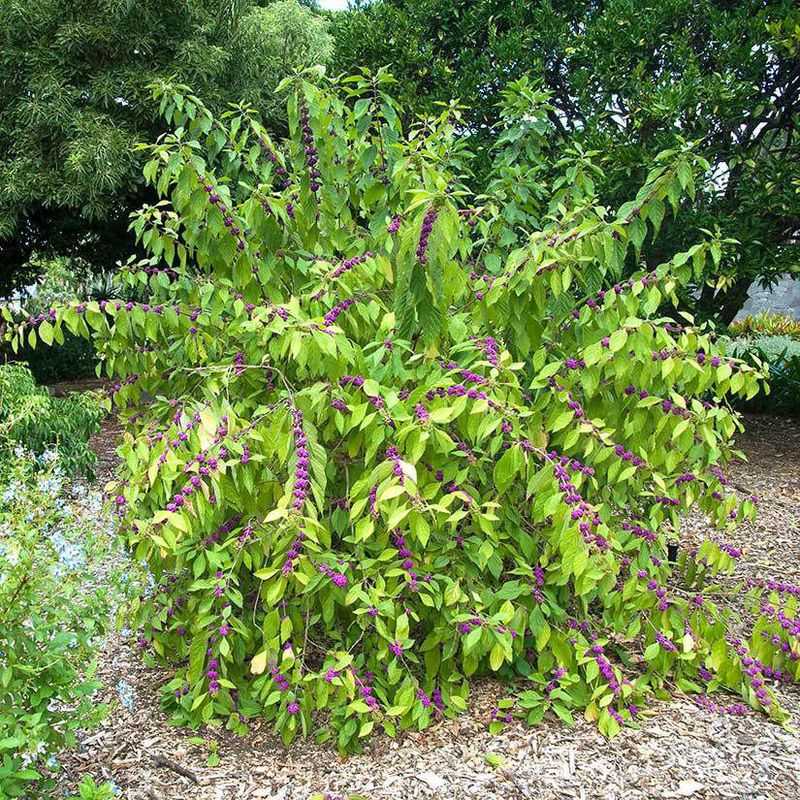
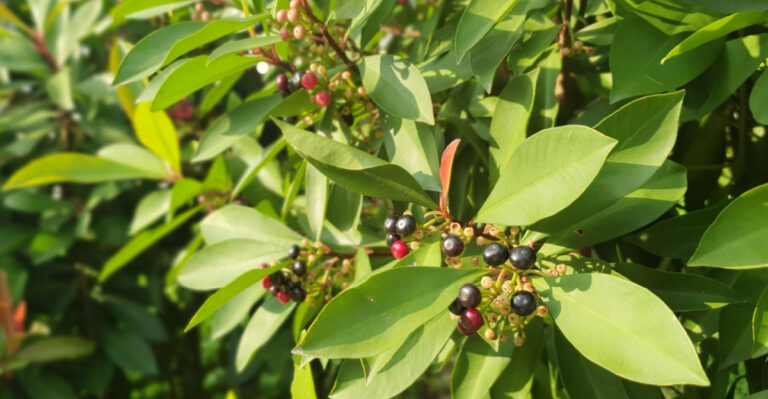
Few native shrubs stop people in their tracks the way American beautyberry does in fall. Callicarpa americana produces clusters of vivid magenta-purple berries directly on its arching stems.
The display is striking enough to make even non-gardeners ask what it is. Beyond the visual impact, those berries feed mockingbirds, cardinals, robins, and many other native birds through the season.
Adding a lower shrub layer like beautyberry fills out a wildlife planting in a way that single-story plantings cannot. A yard with canopy trees, mid-level shrubs, and lower-growing natives has more structure and more niches for different kinds of wildlife.
That kind of layered complexity can support more overall activity, which is part of what makes a yard feel genuinely alive after dark as well as during the day.
Beautyberry does not attract barn owls, and it will not reduce your rodent population. But here is a nuance worth knowing: fallen or overripe berries on the ground can attract rodents if they accumulate.
Place beautyberry away from the house, in a naturalistic bed or a woodland edge where some berry drop is expected. Do a light cleanup of fallen fruit near high-traffic areas to avoid creating an unintended feeding zone.
This shrub grows best in partial shade with average moisture. It can reach six to eight feet tall and wide.
Cut it back hard in late winter if it gets too rangy.
8. Dahoon Holly Supports Birds Without Promising Rodent Control
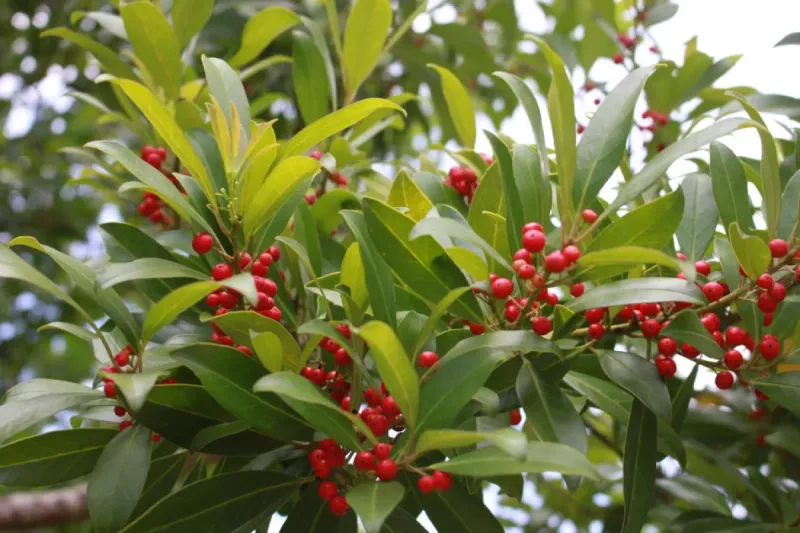
Red berries clustered on slim branches against a winter sky have a way of drawing birds from across the neighborhood. Dahoon holly, Ilex cassine, is a native Florida evergreen tree or tall shrub that produces those berries reliably in moist to wet sites.
That makes it a strong choice for low spots, pond edges, and rain gardens where other trees struggle. Small white spring flowers also support native pollinators before the berries develop.
One detail worth knowing before planting is that dahoon holly is dioecious. That means you need both a female plant and a compatible male plant nearby for reliable berry production.
A single plant may produce few or no berries depending on what is growing in the surrounding area. Check with a native plant nursery for guidance on compatible selections before purchasing.
Adding berry-producing natives like dahoon holly supports the birds that move through your yard, and a yard with more bird diversity is a more complex habitat.
That complexity has value, but it does not mean barn owls will appear or that rodent numbers will change.
Owls respond to hunting conditions, not berry crops.
Dahoon holly can grow 20 to 30 feet tall in good conditions. Give it full sun to partial shade and moist to wet soil.
It handles periodic flooding better than most native trees, which makes it especially useful in poorly drained areas. Avoid planting it in dry, sandy upland sites where it will struggle.