Florida Plants That Attract Gopher Tortoises And What Their Burrows Do For The Whole Yard
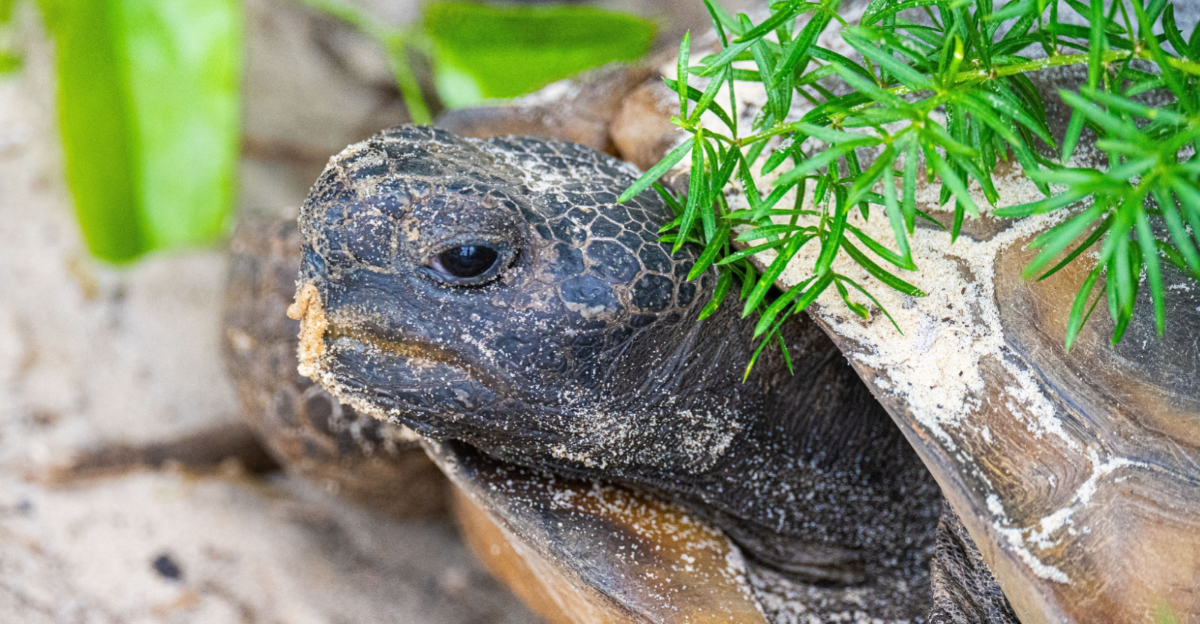
Gopher tortoises do not ask for much, but what they do need, low-growing native plants, open sandy ground, and a yard that is not trying to tidy itself into oblivion, is something Florida homeowners can genuinely help provide.
These slow-moving reptiles are a bigger deal than most people realize.
Their deep burrows end up sheltering dozens of other wildlife species that have nowhere else to go, which makes a single tortoise in your yard basically a one-reptile neighborhood improvement project.
Pretty impressive for an animal that moves at that pace.
Because gopher tortoises and their burrows are fully protected under Florida law, the smartest approach is thoughtful plant selection that supports suitable habitat while leaving the tortoises and any burrows completely undisturbed.
The goal is to make your yard quietly welcoming without interfering with the animals doing their thing.
1. Gopher Apple Offers High-Value Native Forage
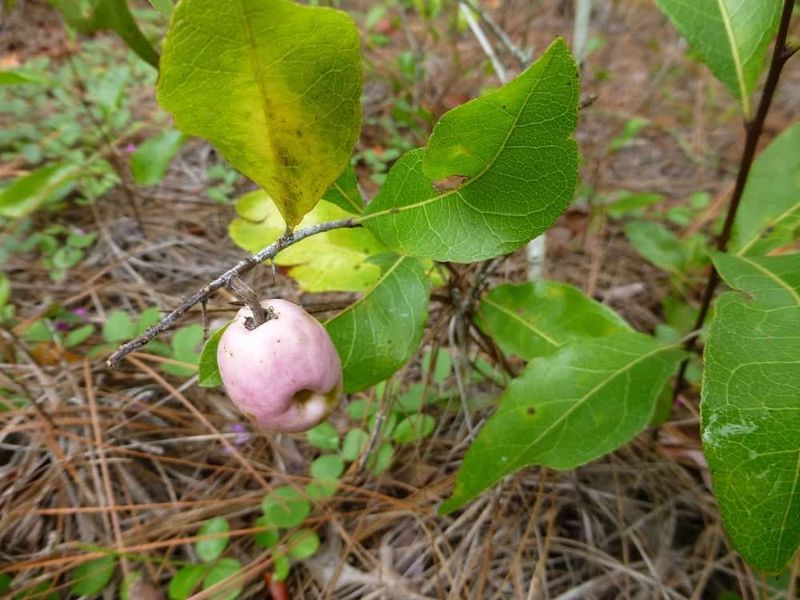
Sandy, open yards in Florida have a quiet champion in gopher apple, a low-growing native groundcover that spreads slowly across dry, sun-drenched ground.
It stays close to the soil, rarely reaching more than a foot in height, which makes it a natural fit for open habitat where gopher tortoises move and forage.
The plant produces small fruits that offer real forage value in suitable habitat areas.
Gopher apple thrives in well-drained, nutrient-poor sandy soils, making it one of the easier native plants to establish in a yard that already has those conditions. It does not need rich garden soil or frequent watering once it settles in.
Gardeners who try to grow it in heavy clay or poorly drained spots may find it struggles.
The spreading habit of gopher apple works best where it has room to move without crowding out other plants. It fits naturally along sunny edges, open patches, or dry native beds rather than tight, formal plantings.
Adding it to suitable Florida habitat can support the ground layer without requiring heavy maintenance, which makes it a genuinely practical choice for wildlife-friendly landscaping.
2. Prickly Pear Fits Sunny Sandy Habitat
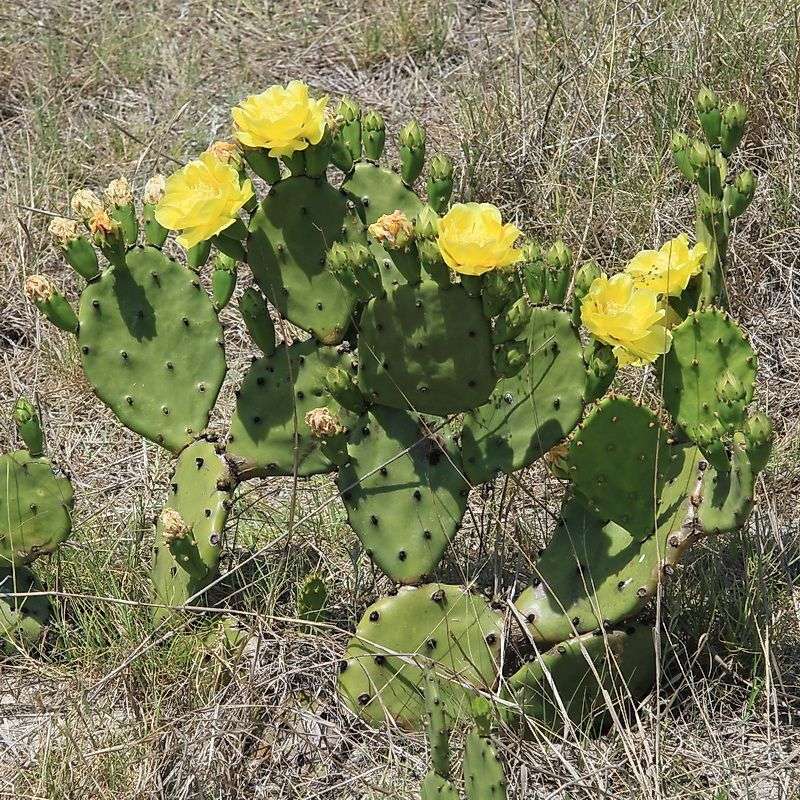
Out in a sunny yard with loose, sandy soil, prickly pear cactus looks completely at home.
Its flat, paddle-shaped pads hold up well in dry conditions, and the bright yellow or orange flowers it produces in late spring add real visual interest to an otherwise simple native planting.
The plant is genuinely Florida-native and fits naturally into open, dry upland landscapes.
Gopher tortoises may forage on prickly pear pads and fruit where the plant grows in suitable habitat. The cactus can contribute forage value as part of a broader native plant mix rather than as a single-species solution.
Gardeners should think of it as one layer in a more complete habitat planting.
Placement matters a lot with prickly pear. The spines are sharp and can cause real discomfort, so planting it away from walkways, play areas, or spots where pets roam freely is a smart move.
It works well along dry, open edges or in corners of larger yards where foot traffic is low. In the right spot, prickly pear is low-maintenance, drought-tolerant, and genuinely suited to Florida’s sandy upland conditions.
Your Florida Garden Changes Every Week. Your Plan Should Too.
Gardening in Florida changes quickly throughout the season. Every Friday you’ll receive a simple weekly plan showing exactly what to plant, prune, fertilize, harvest, and protect so you never miss the right timing.
3. Blackberry Adds Fruit And Cover
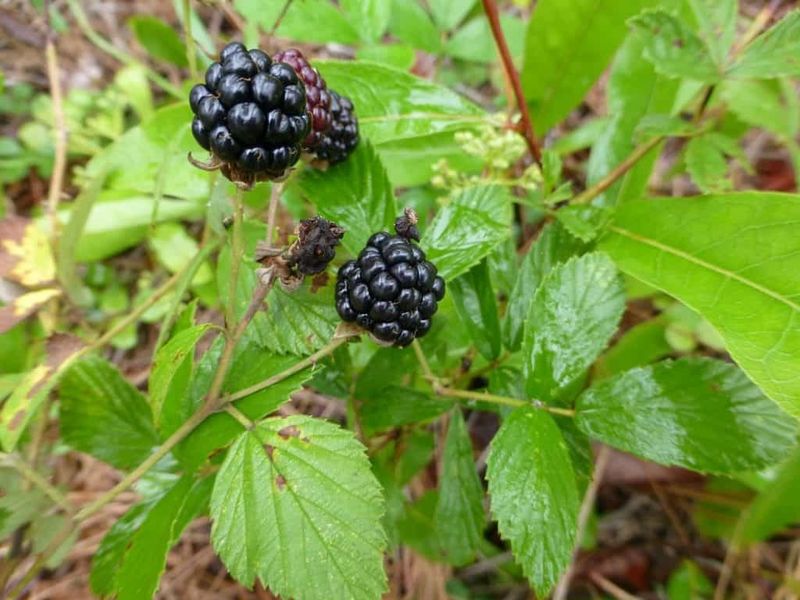
A sprawling blackberry patch along a yard’s natural edge can do a surprising amount of work in a Florida wildlife planting. The canes produce fruit that many animals use, and the dense bramble structure offers cover that smaller wildlife appreciate.
In suitable gopher tortoise habitat, blackberries can contribute forage alongside other low-growing native plants.
Florida native blackberries tend to grow vigorously once established, which means they need space. Trying to squeeze them into a small, formal bed usually ends in frustration.
They do much better along open natural edges, at the back of a larger native planting, or in areas of the yard where some wildness is welcome and manageable.
Brambles benefit from occasional thinning to keep them productive and from taking over nearby plants. Without some light management, they can spread in ways that crowd out other natives you want to keep.
Even so, blackberries are a low-input option for gardeners who want to add real wildlife value to a dry, sunny planting without spending a lot of time on upkeep. Matching the plant to a site where it has room makes the whole experience far more rewarding.
4. Wild Grape Gives Tortoises A Native Vine
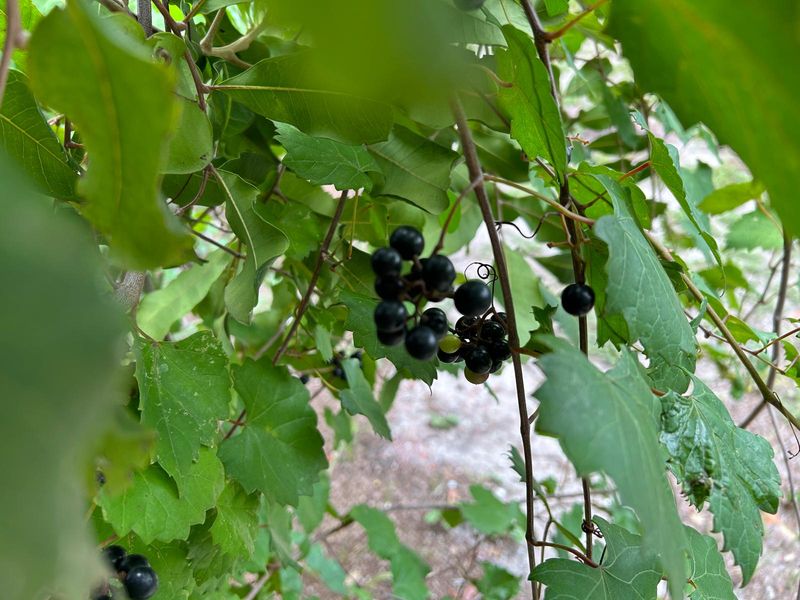
Muscadine grape and other wild native grape species have been growing across Florida for a long time, winding through open woodlands, along fences, and up into the edges of sunny clearings.
The fruit they produce has genuine wildlife value, and the vines can contribute to a more layered native planting in suitable habitat areas.
Where gopher tortoises forage in open, sunny spots, fallen grapes may add to available food sources during fruiting season.
Wild grape needs something to climb, whether that is a fence, a sturdy shrub, or a small tree. Without support, the vines will sprawl along the ground, which can work in some natural settings but may become difficult to manage in a yard.
Gardeners should think carefully about where a grape vine will go before planting, because a vigorous vine in the wrong spot can overwhelm nearby plants quickly.
Giving the vine room and a clear structure to follow makes management much easier over time. Occasional pruning keeps it from running out of control and encourages better fruit production.
In the right spot along a sunny Florida yard edge, wild grape can become a productive, wildlife-friendly part of a native planting without requiring heavy ongoing attention.
5. Blueberry And Huckleberry Support Wildlife Beds
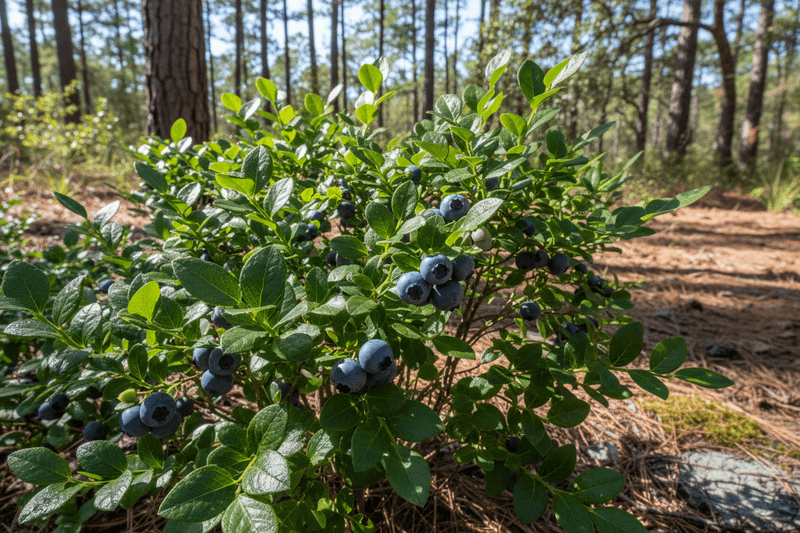
Native blueberries and huckleberries bring a combination of fruit, foliage, and seasonal interest to Florida wildlife beds that few other shrubs can match at their size.
Both produce small berries that many animals use, and they fit naturally into the shrub layer of a dry, sandy, native planting.
In suitable habitat, they can add genuine forage value alongside lower-growing ground plants.
Soil conditions matter more with blueberries and huckleberries than with some other Florida natives. They generally prefer acidic, well-drained sandy soils, and forcing them into conditions that do not match their needs tends to produce weak, unproductive plants.
Testing soil before planting and choosing species that match the specific site gives these shrubs a much better start.
Florida has several native blueberry and huckleberry species, so selecting the right one for your region and yard conditions is worth the extra research. Some species handle drier, sandier soils better than others.
Once established in the right spot, they are relatively low-maintenance and can naturalize into a planting without a lot of fuss.
For wildlife-friendly gardeners who want a shrub that earns its place, native blueberries and huckleberries are a solid, practical choice for sunny Florida beds.
6. Coreopsis Brings Forage To Flower Beds
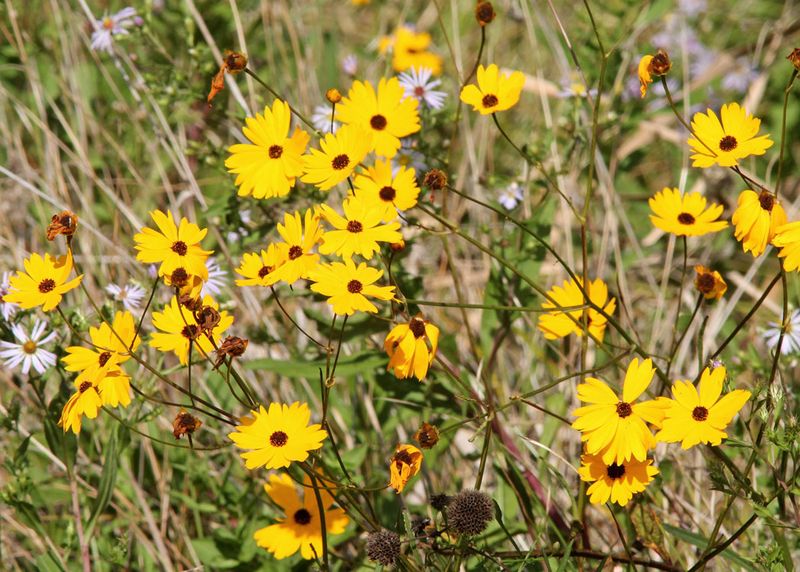
Yellow coreopsis blooming across a sunny bed has a way of making the whole yard feel more alive. It is one of Florida’s most recognizable native wildflowers, and it works well in open, dry, sunny spots where more demanding plants might struggle.
As part of a broader native planting in suitable gopher tortoise habitat, coreopsis adds flower-layer diversity that complements lower-growing forage plants.
One of coreopsis’s real strengths for gardeners is how garden-friendly it is compared to some wilder habitat plants. It does not spread aggressively, it tolerates dry sandy soil well, and it does not require heavy maintenance to look good through the growing season.
That combination makes it a realistic option for homeowners who want to support wildlife habitat without taking on a high-maintenance planting.
Coreopsis also supports pollinators strongly, which adds another layer of ecological value to any Florida native bed. Planting it in clusters rather than as isolated single plants tends to produce a better visual effect and a more useful patch for wildlife.
It pairs naturally with other low-growing Florida natives and fits comfortably at the front or middle of a mixed native bed where it can get full sun and good drainage throughout the season.
7. Spanish Needles Feed More Than Pollinators
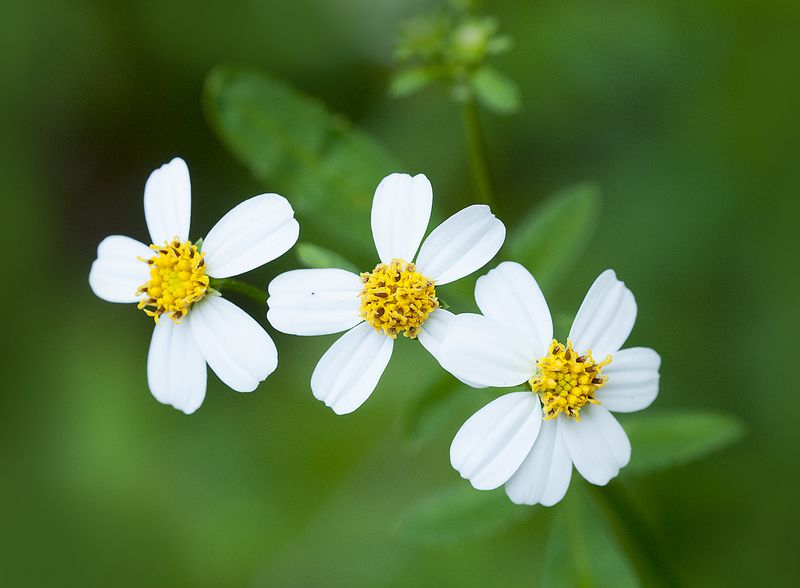
Walk past a patch of Spanish needles in a Florida yard and you will likely notice the pollinators working the flowers before you notice the plant itself.
Bees, butterflies, and other beneficial insects visit Spanish needles heavily, which reflects the real ecological value this plant carries.
Beyond pollinators, Spanish needles and related beggar’s ticks species can also contribute forage value in suitable gopher tortoise habitat.
The honest reality is that Spanish needles can look weedy, especially in formal or manicured yard areas. The seed heads stick to clothing and pet fur, which some homeowners find frustrating.
For those reasons, this plant tends to work best in wildlife corners, meadow-style areas, or low-maintenance habitat zones rather than in tidy beds near the house.
Gardeners who can give Spanish needles a relaxed, naturalistic spot often find that it rewards them with continuous blooms and steady wildlife activity through much of the year.
It reseeds readily and can fill in open ground without much help once established.
Treating it as a habitat plant rather than a garden ornamental helps set realistic expectations. In the right context, it is one of the more productive native wildflowers a Florida yard can support.
8. Burrows Create Shelter For Other Wildlife
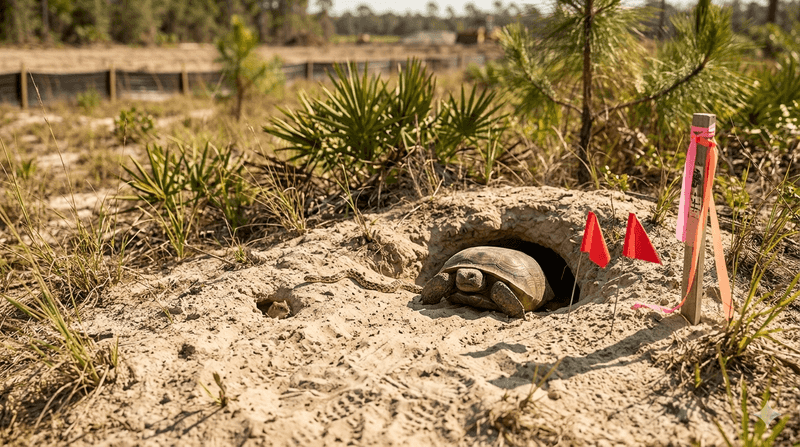
A gopher tortoise burrow is far more than just a hole in the ground. The tunnel can run ten feet deep or more and stays at a relatively stable temperature and humidity even when the Florida sun is pushing surface conditions to extremes.
That stability makes the burrow a valuable resource for many other animals that share the same sandy, open landscape.
Dozens of species are known to use gopher tortoise burrows in Florida, including small mammals, reptiles, amphibians, birds, and a wide range of invertebrates.
Some animals move through burrows temporarily, while others use them more regularly for shelter, nesting, or refuge.
The burrow becomes a shared community resource that benefits wildlife far beyond the tortoise that dug it.
Homeowners who discover a burrow on their property are looking at a real piece of working habitat, not just a curiosity. The burrow represents years of effort by the tortoise and provides ongoing value to a network of local wildlife.
Recognizing that value is the first step toward treating the burrow with the care and distance it deserves. Leaving the area around it undisturbed makes a meaningful difference for the animals depending on it.
9. Burrows Help Build A Backyard Ecosystem
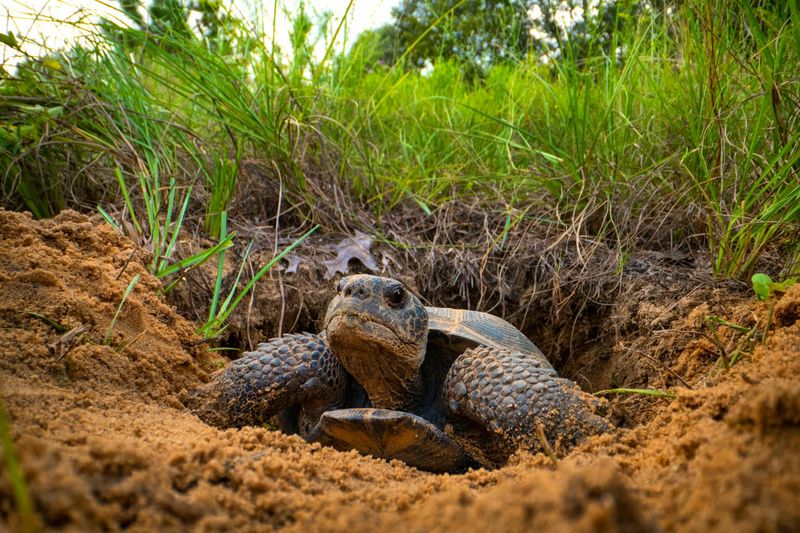
Having a gopher tortoise burrow in a Florida yard quietly connects that property to a larger web of local habitat.
The tortoise moves through the landscape foraging and grazing, which can help maintain open ground and low vegetation in ways that benefit other species.
The burrow itself acts as a hub of activity that extends the yard’s role in the surrounding ecosystem.
Thinking of the yard as part of that larger system changes how you approach planting and maintenance decisions.
Mowing less frequently around open, sandy areas, allowing some native ground-layer plants to establish, and reducing chemical inputs can all support the conditions that make a burrow site more functional for the animals using it.
Small changes in how a yard is managed can add up to real habitat value over time.
The burrow should not be treated as a landscape feature to decorate, fill, block, or alter in any way. Filling or disturbing a burrow, even accidentally, can cause serious harm and may carry legal consequences under Florida’s gopher tortoise protections.
Giving the burrow a wide buffer of undisturbed ground and adjusting yard activities around it is the most practical way to support the ecosystem the tortoise has already started building.
10. Burrows Mark A Yard Worth Protecting
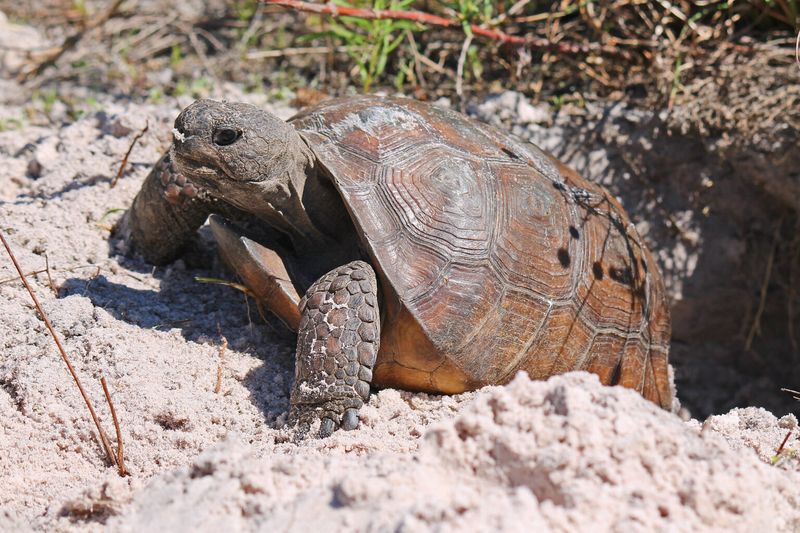
Spotting a burrow entrance in a sandy corner of a Florida yard is a signal worth paying attention to.
An active or inactive burrow suggests the site has qualities that made it worth choosing, open sunny ground, well-drained sandy soil, and enough low vegetation to support a foraging tortoise.
That combination is less common than it once was across Florida, which makes any yard with those features genuinely valuable.
Homeowners who recognize that value often start looking at their yard differently. Patches of bare sand that seemed like problems become important open ground.
Low-growing native plants that seemed like weeds reveal themselves as part of a functioning habitat layer. The burrow reframes the whole landscape as something worth tending carefully rather than tidying away.
Before mowing, digging, or making changes to the area around a burrow, slowing down to assess what is there makes a real difference.
Tortoises move slowly but cover more ground than most people expect, so a burrow near one edge of the yard may have a tortoise grazing far into another area.
Giving the whole open habitat zone a measure of respect, not just the immediate burrow entrance, is the most effective way to protect what the yard already offers.
11. Protected Burrows Need Space And Respect
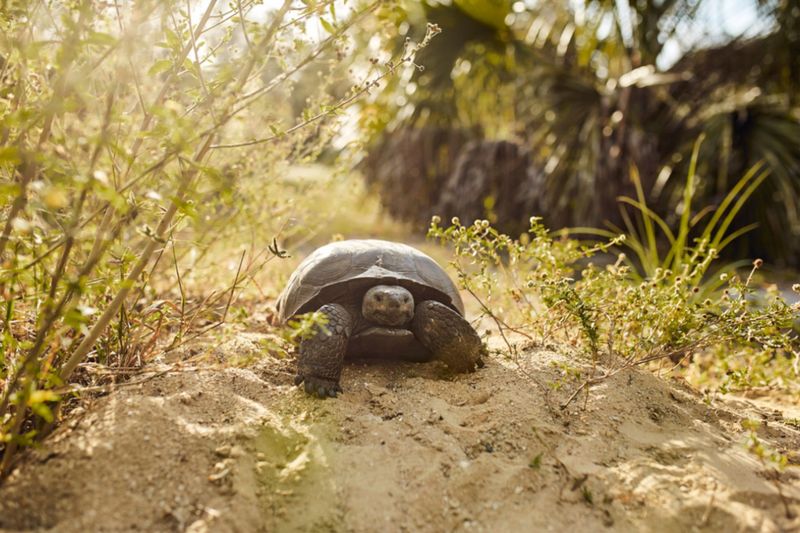
Gopher tortoises and their burrows are protected under Florida law, which means homeowners have real legal responsibilities when a burrow is present on their property.
Relocating, handling, harassing, or harming a gopher tortoise is not allowed without proper authorization.
The same protections extend to the burrow itself, so filling, blocking, or disturbing a burrow can carry serious consequences.
Keeping pets and children away from active burrow areas is a practical and important step. Dogs are especially likely to investigate burrow entrances, which can stress a tortoise or disrupt other wildlife using the tunnel.
Redirecting pet activity away from the burrow zone helps reduce that pressure without requiring major changes to how the yard is used overall.
Heavy equipment, vehicles, and frequent foot traffic near a burrow can compact the sandy soil in ways that damage the tunnel structure over time.
Maintaining a buffer of undisturbed ground around the entrance, and adjusting mowing patterns to avoid driving close to it, goes a long way toward protecting the burrow’s integrity.
When construction projects, property changes, or other conflicts arise near a burrow, contacting Florida wildlife authorities or a qualified gopher tortoise agent before work begins is the right and legally required path forward.