The 10 Native Florida Plants That Bounce Back Fast After Heat Damage
Heat damage in a Florida garden is not always the end of the story. Some plants take a hit, look rough for a stretch, and come back stronger once conditions shift.
Others never recover. Knowing which camp your plants fall into changes how you respond when summer does its worst.
Most Florida gardeners have written off plants that had no intention of staying down. A little patience and the right follow-up care, and what looked like a loss turns into a plant that fills back in faster than expected.
Native Florida plants tend to land on the resilient side of that equation more often than imports. They have a long relationship with this climate, including its worst stretches.
That history shows up in how they handle stress and what they do once the pressure eases. Ten natives have a particular track record for bouncing back.
They are worth knowing before the next heat wave moves through.
1. Frogfruit Fills Back In After Summer Stress
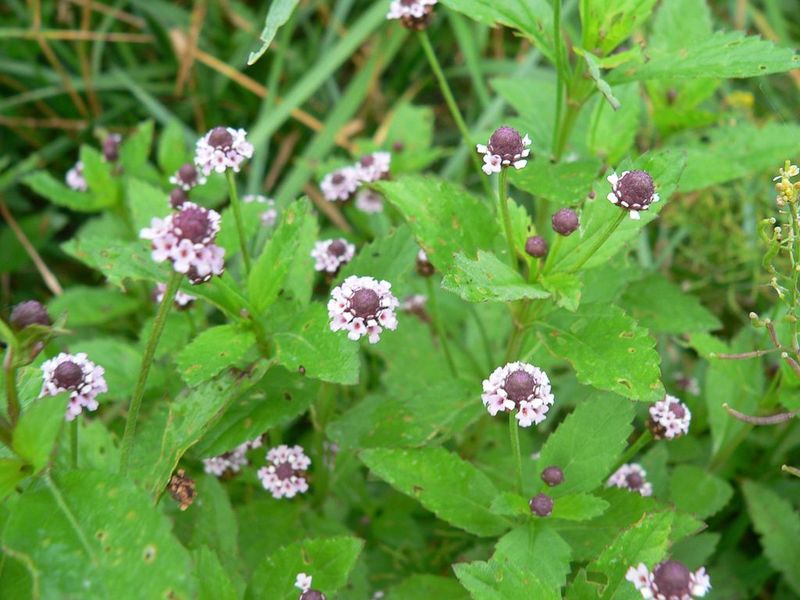
A thin, patchy groundcover after a brutal heat spell can look discouraging. But frogfruit (Phyla nodiflora) is one of the toughest low-growing Florida natives in warm-season gardens.
When roots stay healthy and moisture becomes steadier, this spreading plant can fill back into bare or thinned patches with surprising energy. It works well along sunny lawn edges, sidewalk strips, and open sunny beds where traditional turf struggles.
Heat damage often shows up as bleached or sparse patches, but the plant is rarely lost entirely when roots are intact. Steady moisture during dry spells and a thin layer of mulch around the edges can support faster recovery.
Pollinators, especially small bees and butterflies, rely on its tiny white and pink flowers throughout the warm season.
Frogfruit is not a manicured turf replacement. It grows in a loose, naturalistic mat and looks its roughest during peak summer stress.
Avoid heavy foot traffic on stressed areas while recovery is underway. Once rain returns and temperatures ease slightly, new runners spread and color returns.
Patience and consistent moisture are the two most important tools for helping frogfruit fill back in after a hard summer stretch.
2. Muhly Grass Regains Its Shape With Simple Cleanup
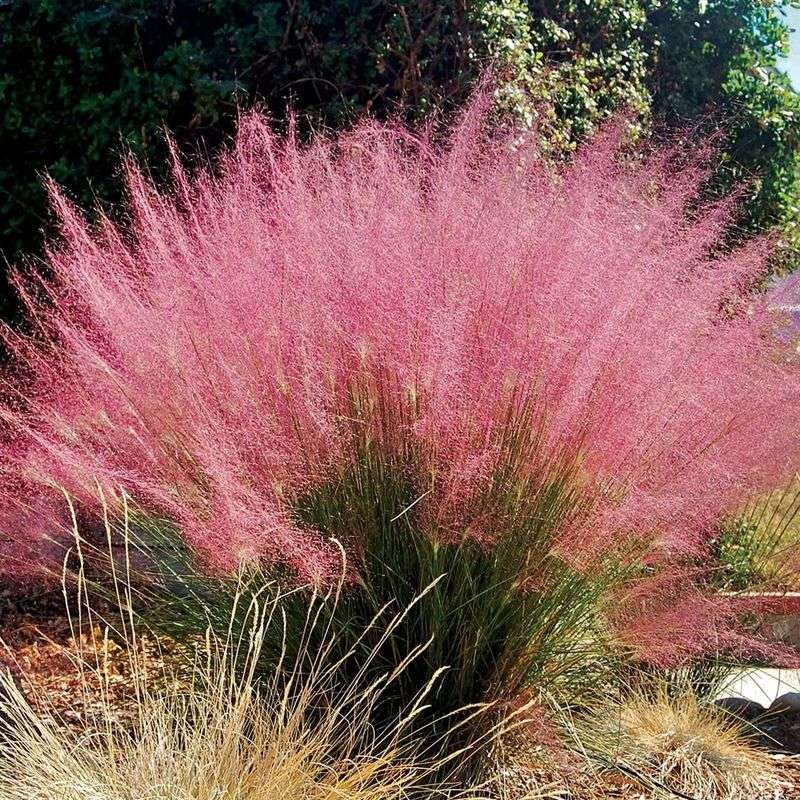
A tired clump of muhly grass (Muhlenbergia capillaris) after a dry, scorching stretch can look flat and dull. This native ornamental grass has a strong recovery habit when planted in full sun with well-drained soil.
Its clumping form holds its structure even when individual blades look worn, and the root system stays anchored through extended heat and dry periods.
Recovery care starts with timing. Avoid cutting the plant back hard during peak summer heat, since removing too much at the wrong time adds stress rather than reducing it.
Instead, gently remove the most tired or damaged blades by hand or with light shearing once cooler, wetter conditions return. New growth emerges from the base and the plant slowly rebuilds its airy, graceful shape.
Muhly grass earns its place in sunny borders and open beds across this state for a reason. Drought tolerance after establishment is real, but young plants still need steady moisture while roots develop.
Your Florida Garden Changes Every Week. Your Plan Should Too.
Gardening in Florida changes quickly throughout the season. Every Friday you’ll receive a simple weekly plan showing exactly what to plant, prune, fertilize, harvest, and protect so you never miss the right timing.
The famous pink-purple plumes appear in fall and are worth the wait. Give it room, good drainage, and full sun, and it will reward that patience with a full, showy recovery season after season.
3. Tropical Sage Pushes Fresh Growth After Heat
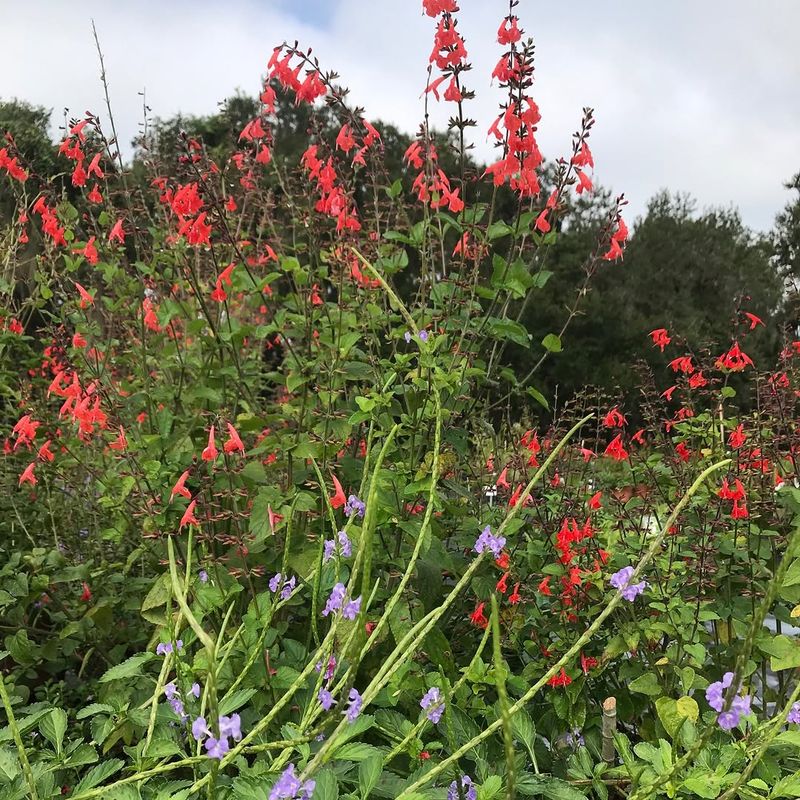
Scorched tips, faded leaves, and a generally tired look are common signs of heat stress on tropical sage (Salvia coccinea). This cheerful native wildflower has a strong habit of pushing fresh new growth once stress eases.
Red, pink, and white flower forms all attract hummingbirds and native pollinators, making it a high-value plant even in a recovery state.
Light trimming helps. Removing the most damaged stems encourages new branching from lower growth points, and refreshed mulch around the base helps hold soil moisture during dry spells.
Tropical sage thrives in full sun but tolerates light shade, which can actually reduce heat stress in spots that get intense afternoon exposure.
One nuance worth knowing is its reseeding habit. Happy plants scatter seed freely, and seedlings can pop up in unexpected spots.
Editing those seedlings keeps the planting tidy without losing the plant entirely. A loose, natural look is part of its charm, but gardeners who prefer a neat bed may need to trim and edit more regularly.
Recovery here is usually quick, especially in summer when warm temperatures and rain support rapid new growth from a healthy root system.
4. Firebush Rebounds Fast In Warm Summer Weather
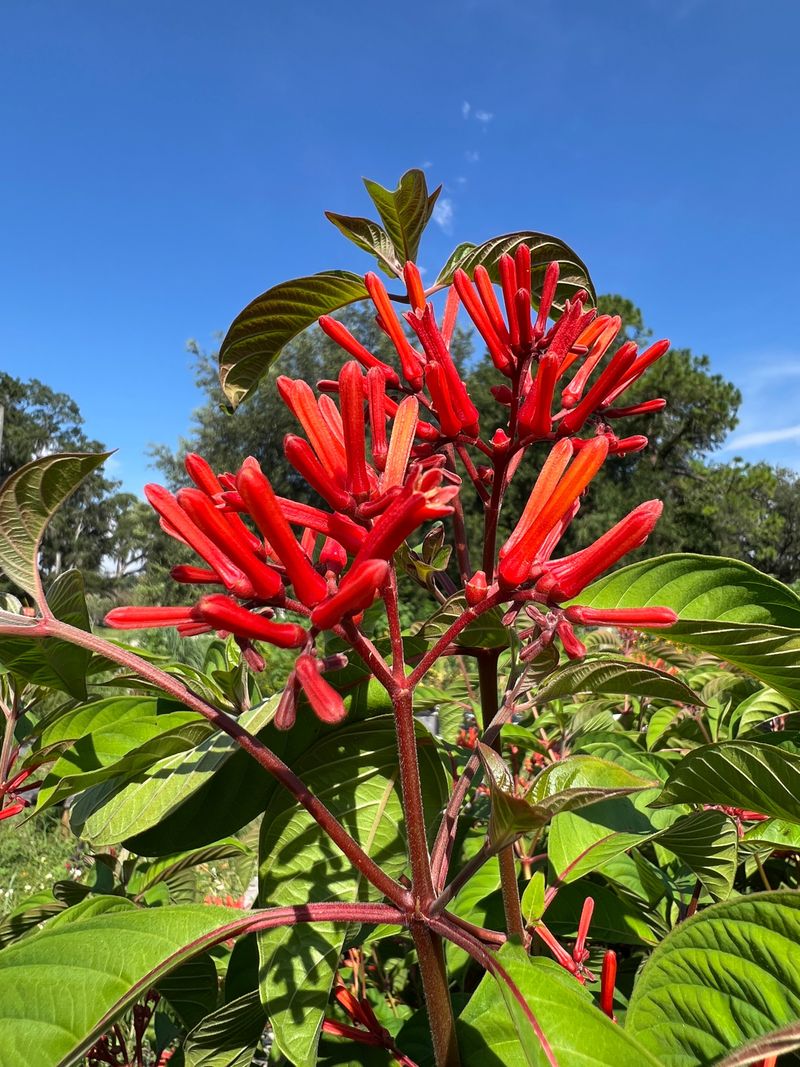
Few native shrubs rebound with as much energy as firebush (Hamelia patens) once summer stress eases and warm, wet conditions return.
Its tubular orange-red flowers are magnets for hummingbirds and butterflies, and the dark berries that follow attract birds throughout the season.
When roots stay healthy and the plant is well-sited, new growth can emerge quickly after a rough heat spell.
Heat damage on firebush often looks like wilted or yellowing leaves, dropped foliage, or slowed flowering. The key is not to panic and prune aggressively during peak heat.
Let the plant stabilize first. Once new growth begins to show at branch tips, light cleanup of the most damaged stems can help redirect energy into fresh, productive growth.
In northern regions, firebush may freeze back in winter, but summer heat recovery is a separate situation. During warm months, this shrub has the root system and growth rate to push back strongly.
Consistent moisture during dry stretches and a mulched root zone support that recovery. Avoid heavy fertilizer on a stressed plant, since a flush of soft new growth during heat stress can create more problems than it solves.
Steady care, not aggressive intervention, is what firebush needs most.
5. Dune Sunflower Recovers Quickly In Sandy Sunny Beds
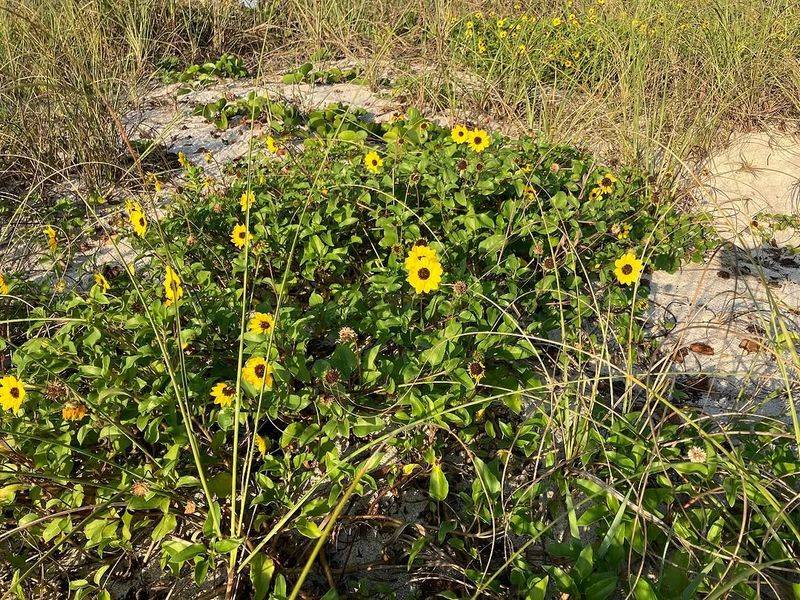
A sandy bed baking in full sun after a heat wave might seem like the last place a plant would recover. But dune sunflower (Helianthus debilis) was built for exactly that kind of site.
Also called beach sunflower, this native groundcover thrives in hot, dry, sandy conditions where other plants falter. Yellow flowers bloom generously and support a range of pollinators through the warm season.
Recovery after heat stress is often quicker here than in other plants because the site match is so strong. When dune sunflower looks rough, the most likely causes are overwatering, poor drainage, or shade rather than heat alone.
Planted in full sun with fast-draining sandy soil, it bounces back with fresh spreading stems and renewed flower production once any added stress is removed.
The spreading and reseeding habit is real. In a yard where it is happy, it can move beyond its intended area fairly quickly.
Regular trimming at the edges keeps it contained without harming the plant. For naturalistic coastal plantings, open sunny strips, or erosion-prone sandy slopes, this trait is actually useful.
Just go in knowing that a little maintenance editing is part of the deal when this plant is thriving.
6. Beautyberry Returns With Strong Seasonal Growth
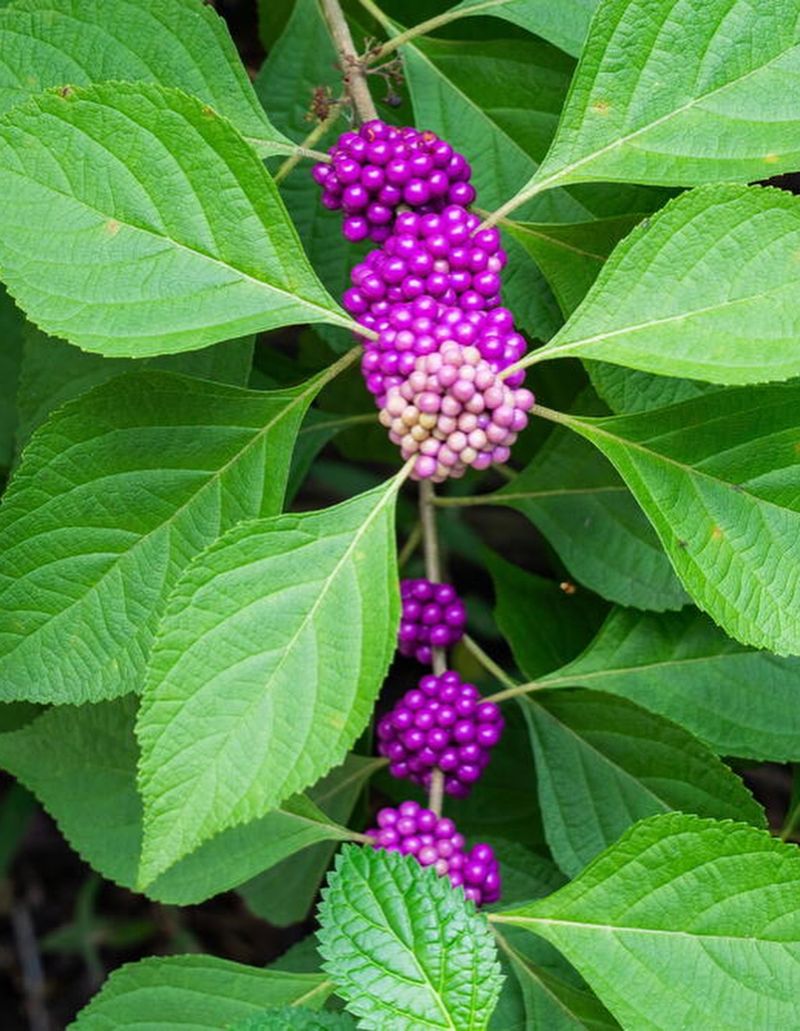
Midseason, an American beautyberry (Callicarpa americana) can look genuinely rough. Sparse foliage, wilted leaves, and dull stems during peak heat might make a gardener question the plant entirely.
But this native shrub has a reputation for returning with strong, showy growth once conditions improve. Its arching stems loaded with vivid purple berries in late summer and fall make the wait worthwhile.
Beautyberry is deciduous to semi-deciduous, which means it naturally drops or reduces its foliage during stress or seasonal change. That sparse look is not always a sign of serious trouble.
Established plants in the right site tend to bounce back with fresh stems and full berry clusters. Good sites include a woodland edge, a mixed native border, or a shaded yard with decent moisture.
Birds love the berries, and that wildlife value alone makes it worth supporting through a rough stretch. Deep watering during dry spells, mulch over the root zone, and avoiding aggressive pruning during peak heat all support recovery.
Hard pruning is best done in late winter before new growth begins. Judging this shrub by how it looks in July is a little like judging a deciduous tree by its bare winter branches.
Give it time and the right conditions.
7. Coontie Holds Structure Through Heat Setbacks
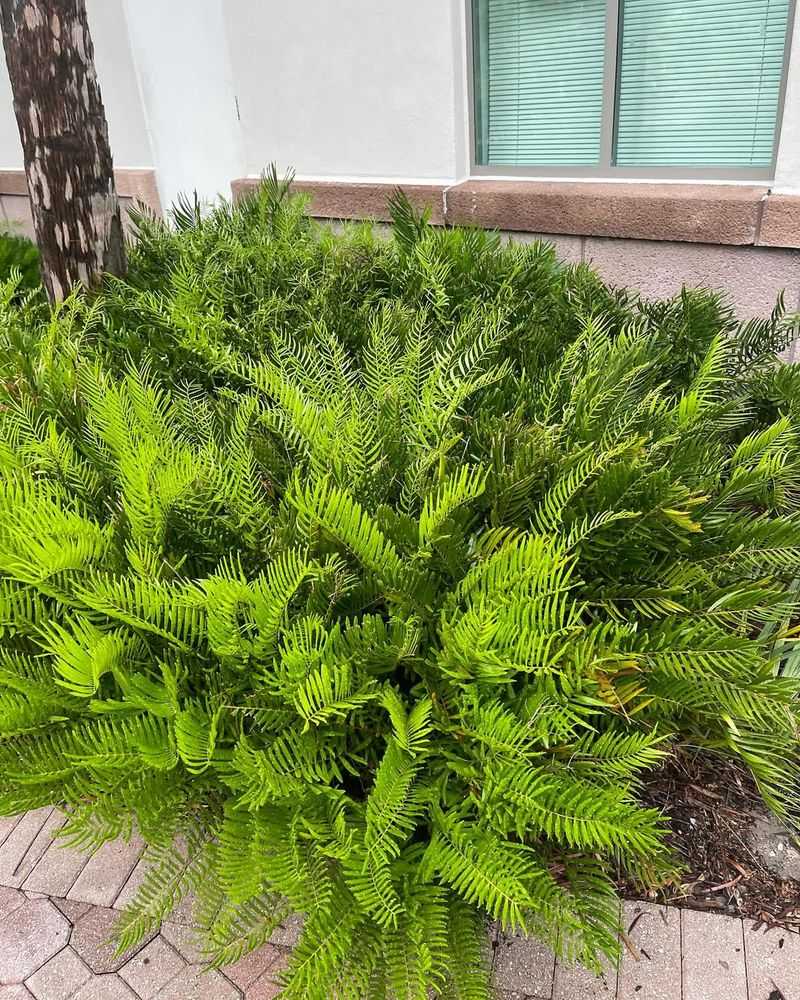
Not many plants can claim the kind of staying power that coontie (Zamia integrifolia) has in warm-climate landscapes.
This native cycad, not a true palm despite its tropical look, holds its dark green sculptural fronds through heat events that leave surrounding plants wilted and spent.
Established coontie rarely shows dramatic heat damage, though individual fronds may yellow or brown at the tips during extended dry stretches.
Drought tolerance after establishment is one of coontie’s strongest traits. Its thick underground stem stores water and nutrients, giving it a buffer against heat and dry spells that shallow-rooted plants simply do not have.
Low, compact, and evergreen, it works well as a ground-level anchor in native plantings, shaded beds, and sunny to partly shaded borders across much of this state.
Coontie is also the sole host plant for the Atala butterfly, a striking native species that was once nearly lost from the region. That ecological role adds real value beyond aesthetics.
If fronds look damaged, remove only the most clearly affected ones and avoid stripping the plant aggressively. New fronds emerge from the center and replace tired ones over time.
Patience and steady moisture during establishment are the foundation of a strong, heat-resilient coontie planting.
8. Walter’s Viburnum Recovers Best When Roots Stay Steady
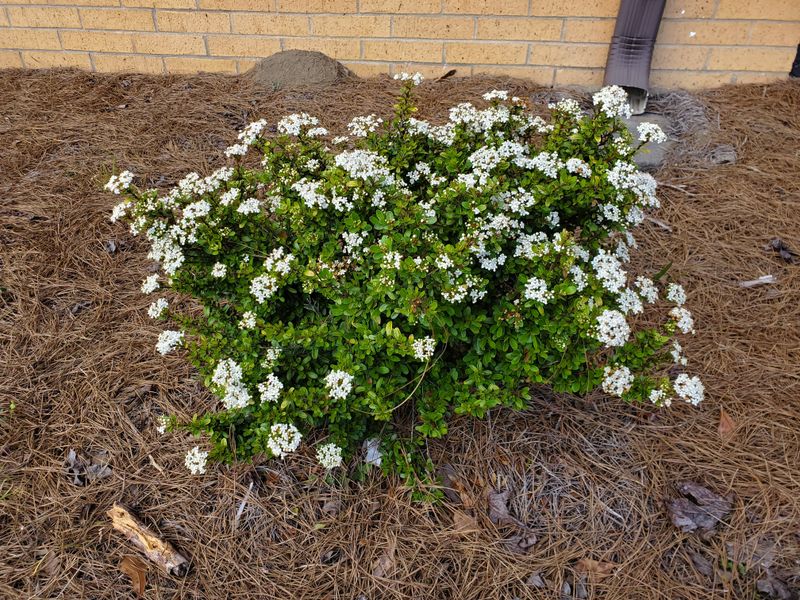
A shrub that looks stressed after a brutal summer stretch is not necessarily in serious trouble, and Walter’s viburnum (Viburnum obovatum) is a good example of that.
This native shrub or small tree can look rough during peak heat stress, with dull or slightly bronzed foliage.
It tends to recover well when planted in the right site and kept evenly supported during establishment.
Evergreen structure and spring flowers that pollinators visit reliably make this a practical choice for native landscapes. Dense branching that provides wildlife cover adds even more value.
Compact cultivars are widely available and suit smaller yards well, while larger forms can grow into substantial screening plants. Knowing which form you have matters, since their recovery needs and space requirements differ considerably.
Recovery support here means steady moisture without waterlogging, a mulched root zone, and patience. Avoid forcing new growth with heavy fertilizer on a stressed plant.
Harsh pruning during peak heat adds stress rather than helping, so save any significant shaping for cooler months. Well-established plants with deep, healthy roots handle summer stress far better than newly planted ones.
If a plant was set in the ground recently, extra attention to watering during heat events is the single most important thing a gardener can do.
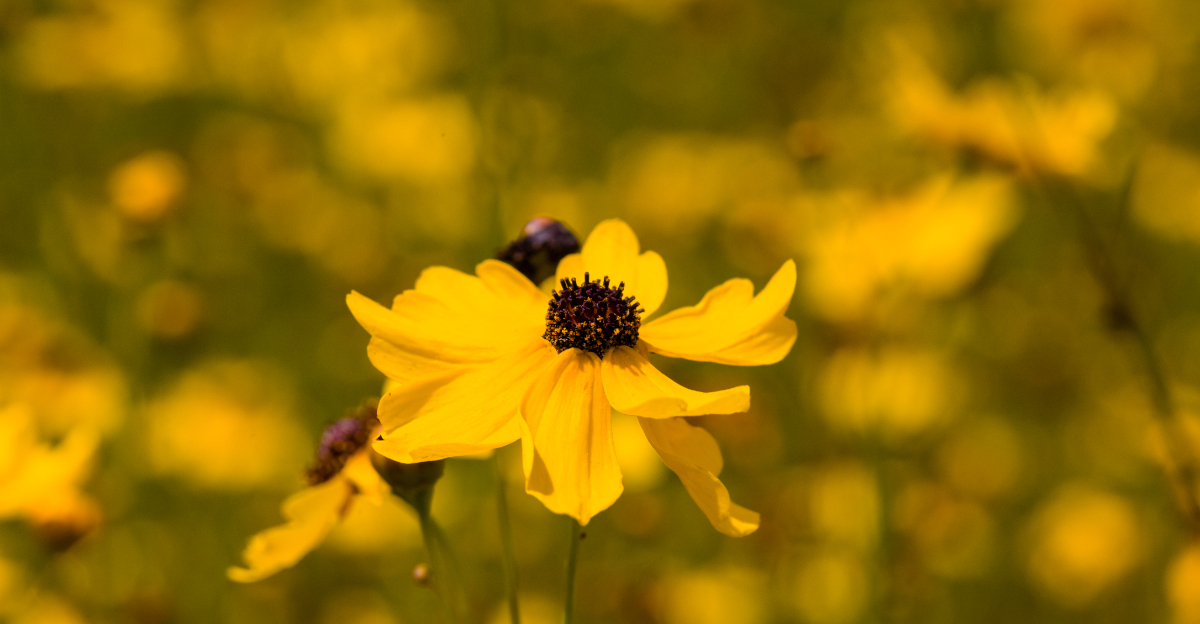
9. Coreopsis Keeps Sending Up Sunny Color
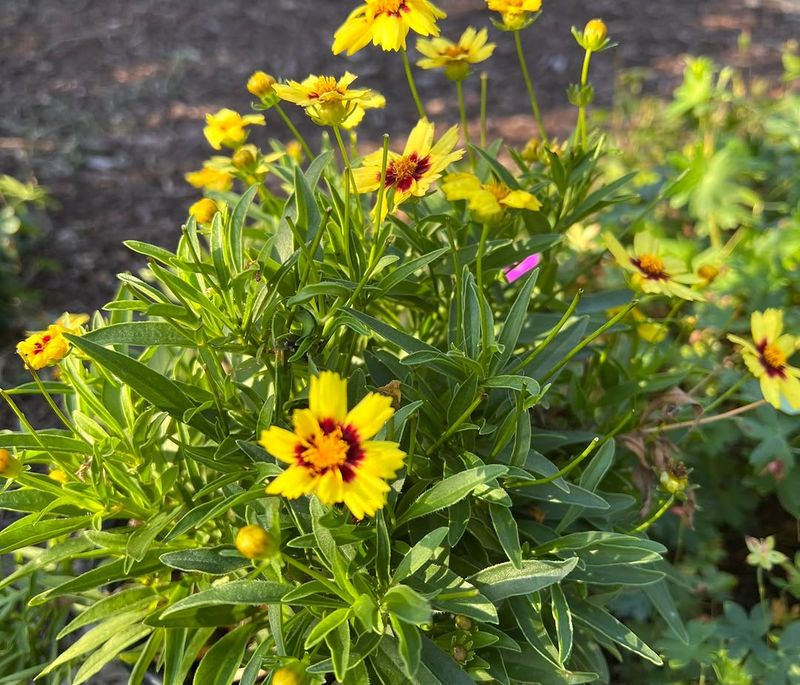
Bright yellow flowers rising above a sun-baked bed are a welcome sight after a rough heat stretch. Native Coreopsis species deliver exactly that kind of cheerful recovery.
Several species are native to this state, including Coreopsis lanceolata, Coreopsis floridana, and Coreopsis lewisii. Choosing a species suited to your specific region makes a real difference in how well plants perform and recover.
Full sun and well-drained soil are non-negotiable for most native Coreopsis. Plants in soggy or partly shaded spots tend to struggle more during heat stress and recover more slowly.
Sandy, open beds in sunny spots are where these wildflowers shine. Pollinators visit the flowers consistently, and some species reseed well enough to maintain a naturalistic planting over time without replanting.
It helps to know that some Coreopsis species are short-lived perennials or biennials rather than long-lived perennials. That means a plant that looks spent may have simply completed its cycle rather than failed due to heat alone.
Removing spent stems, refreshing mulch lightly, and allowing seedlings to develop nearby supports continuity in the planting.
Blanket claims about all Coreopsis species behaving the same way are worth avoiding since regional and species differences are real and meaningful.
10. Fakahatchee Grass Bounces Back With Bold New Blades
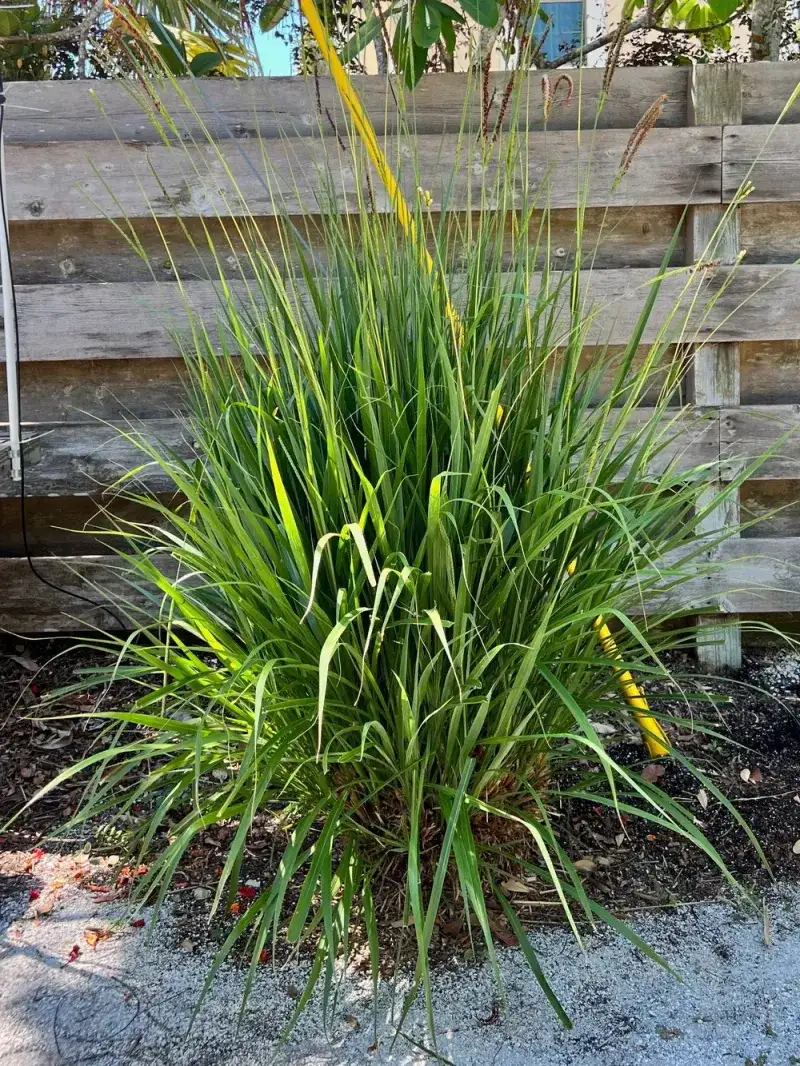
Bold, wide blades rising from a recovering clump of Fakahatchee grass (Tripsacum dactyloides) are a satisfying sight after a stressful summer stretch. This large native grass has a coarse, dramatic texture that stands out in the landscape.
Once established, it can rebound with fresh growth after heat stress when planted in a site that suits its needs.
Suitable sites include open sunny to partly shaded areas with room to spread. Pond edges, rain garden margins, and large naturalistic beds are good fits.
The clumps can get quite large over time, so tight foundation beds or small entry gardens are not the right match. Wildlife value is real, since birds use the seed heads and the dense clumping form provides cover.
Heat damage often shows as browning blade tips or a flattened clump appearance. Avoid cutting the plant back hard during peak summer heat, since aggressive cutting at the wrong time slows recovery rather than helping it.
New blades emerge from the base as conditions improve. Deep watering during dry stretches and a mulched root zone support that regrowth.
Fakahatchee grass rewards the right site with a bold, resilient presence that holds up through warm-season stress better than most ornamental grasses in this region.