How To Keep North Carolina Potted Herbs From Drowning During This Week’s Torrential Downpours
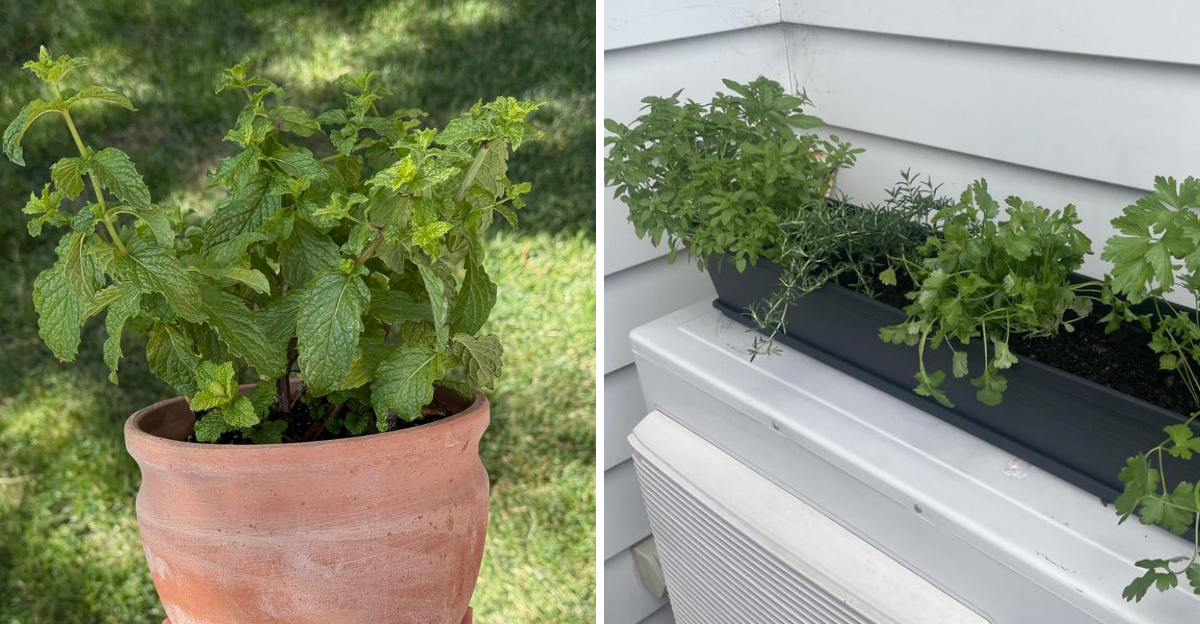
A North Carolina patio can turn into a shallow pond before lunch.
One storm rolls through. Then another. By evening, herb pots sit in overflowing saucers, wet leaves cling together, and the soil feels more like pudding than potting mix.
That is when healthy basil, rosemary, thyme, and mint can start looking strangely tired.
The problem is not rain by itself.
It is what happens when water has nowhere to go.
Roots need air as much as moisture, and several hours of standing water can turn a good container setup into a soggy little trap. Warm, humid weather only makes that harder.
So what should you fix before the next downpour arrives?
Start with shelter, drainage, and airflow. Then check the mix before you add another drop from the hose.
Most of the solution is simple, and none of it requires rescuing every herb with a dramatic repot.
A few quick moves can keep containers from spending the week pretending they belong in a swamp outside after every summer storm.
1. Move Pots Under Cover Before Heavy Rain
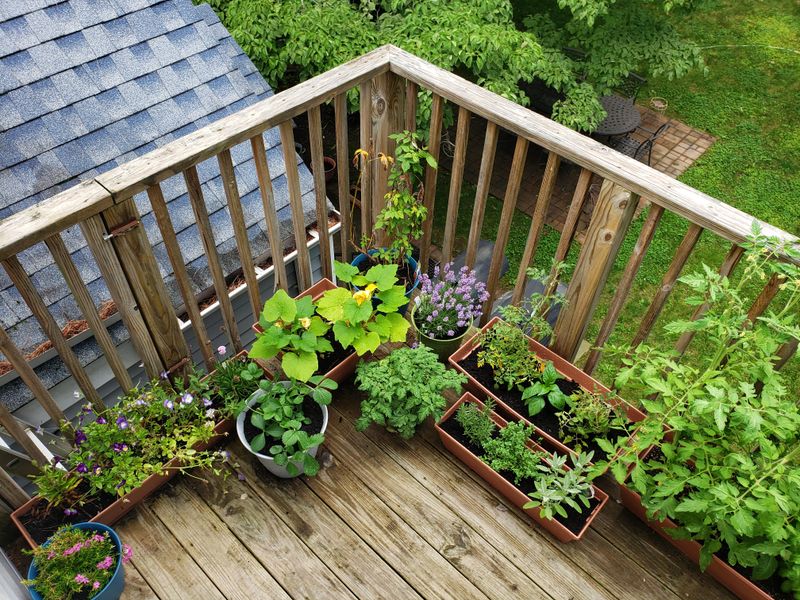
A covered porch can become the most useful gardening tool you own during a week of heavy rain.
Move vulnerable herb pots under an overhang before the next long band of weather arrives. The goal is not to hide them in darkness. It is to stop hours of extra water from pouring into soil that is already saturated.
Keep the pots near the bright edge of the shelter.
A few stormy hours with reduced light will not bother most herbs nearly as much as several days with roots trapped in soggy mix.
Leave space around each container too.
A closed garage or cramped corner can hold warm, humid air around wet leaves. That creates another kind of stress.
A porch edge, carport, or airy overhang usually gives better protection because the plants stay sheltered while air still moves.
Start with pots that dry slowly or already feel heavy.
Basil, oregano, parsley, and other leafy herbs can suffer once saturated soil lingers. Rosemary and thyme prefer especially sharp drainage, so they deserve shelter too when storms keep repeating.
Do not stack everything shoulder to shoulder just to fit one more pot under the roof.
Your herbs need cover, not assigned seating on a packed bus. Give them a little breathing room while the clouds do their worst outside.
2. Raise Containers So Drain Holes Stay Open
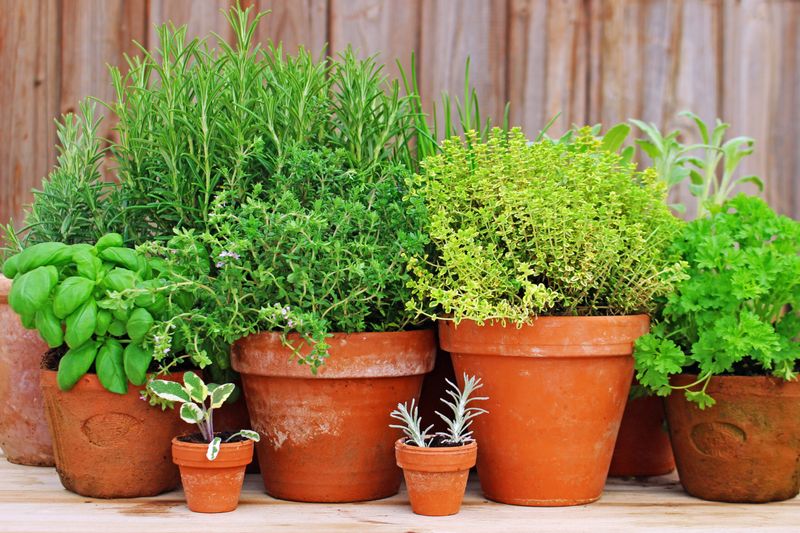
A drainage hole cannot help much when concrete seals it shut.
Pots that sit flat on a patio, deck, tray, or step can trap water at the base. The soil above stays saturated long after the storm moves on because the exit has nowhere to drain.
Lift each container slightly.
Pot feet work well, but bricks, narrow wooden slats, wire racks, or other stable supports can do the same job. You only need about half an inch to an inch of open space beneath the drainage hole.
That small gap changes everything.
Water can leave freely, air reaches the bottom of the pot, and the lowest layer of mix has a chance to recover instead of sitting in a permanent puddle.
Your Florida Garden Changes Every Week. Your Plan Should Too.
Gardening in Florida changes quickly throughout the season. Every Friday you’ll receive a simple weekly plan showing exactly what to plant, prune, fertilize, harvest, and protect so you never miss the right timing.
Check the setup after every hard storm.
Wind can shift lightweight pots. Leaves, mud, or bits of mulch can wash underneath and block the opening again. A quick glance under the base tells you more than staring at the wet soil surface.
Use sturdy supports that keep the pot level.
A wobbly container full of rainwater becomes surprisingly heavy and can tip once another gust arrives.
The fix is almost comically small compared with the problem.
Your rosemary does not need a raised platform worthy of a concert stage. It just needs enough clearance for gravity to remember it has a job.
3. Empty Saucers Before Water Pools
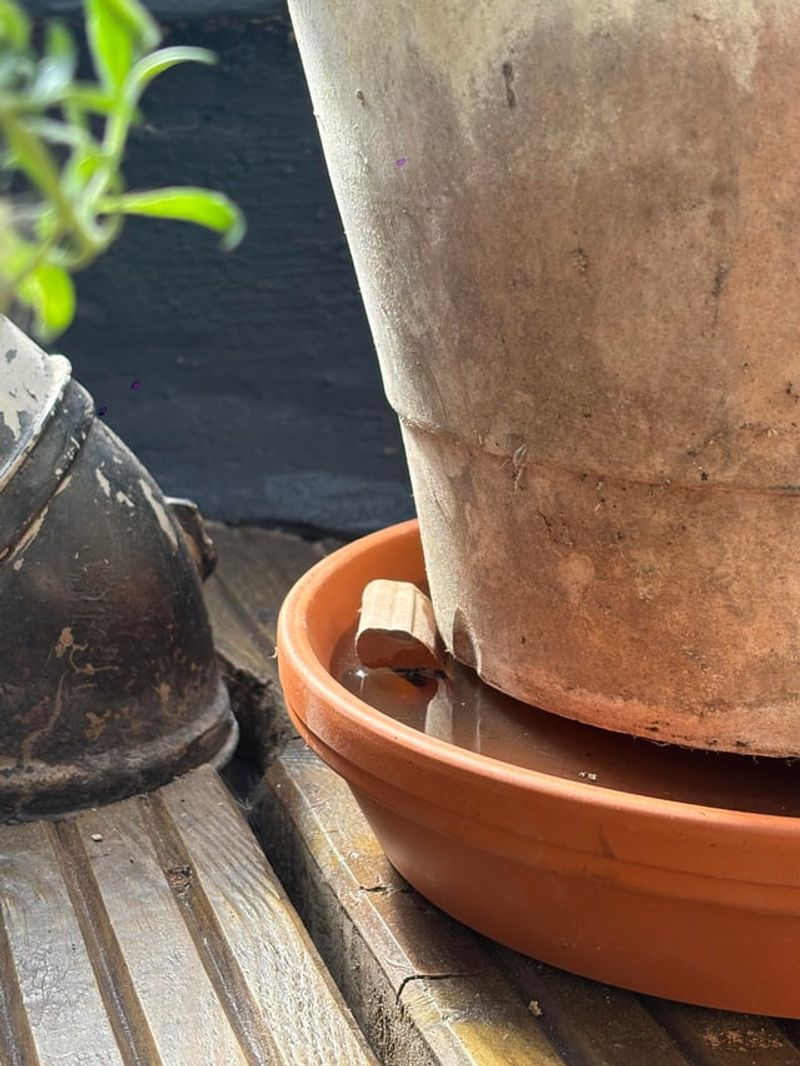
A saucer can switch from helpful to troublesome in one North Carolina thunderstorm.
During normal watering, it catches runoff and keeps a patio cleaner. During hours of heavy rain, that same dish can fill until the bottom of the pot sits directly in water.
Empty it as soon as you notice pooling.
Better yet, remove saucers completely during a long rainy stretch when the patio surface allows it. Set the container on pot feet and let excess water leave without another reservoir underneath.
Decorative outer pots deserve the same inspection.
A nursery pot tucked inside a ceramic cachepot may have excellent drainage holes, but the outer container can still hold every drop that escapes. Pull the inner pot out, drain the collected water, and leave it free until the weather settles.
Check again after the next storm band.
One empty saucer at breakfast can be full by lunch when downpours keep training over the same area.
Avoid letting the pot base stay submerged.
Roots need oxygen around the lower part of the container, and standing water keeps that air out. The plant may wilt even though the soil is soaked, which can tempt you into exactly the wrong response.
A saucer is supposed to catch drips, not host waterfront property.
During torrential rain, give it the week off and let your herbs keep their roots on dry land.
4. Clear Every Blocked Drainage Hole
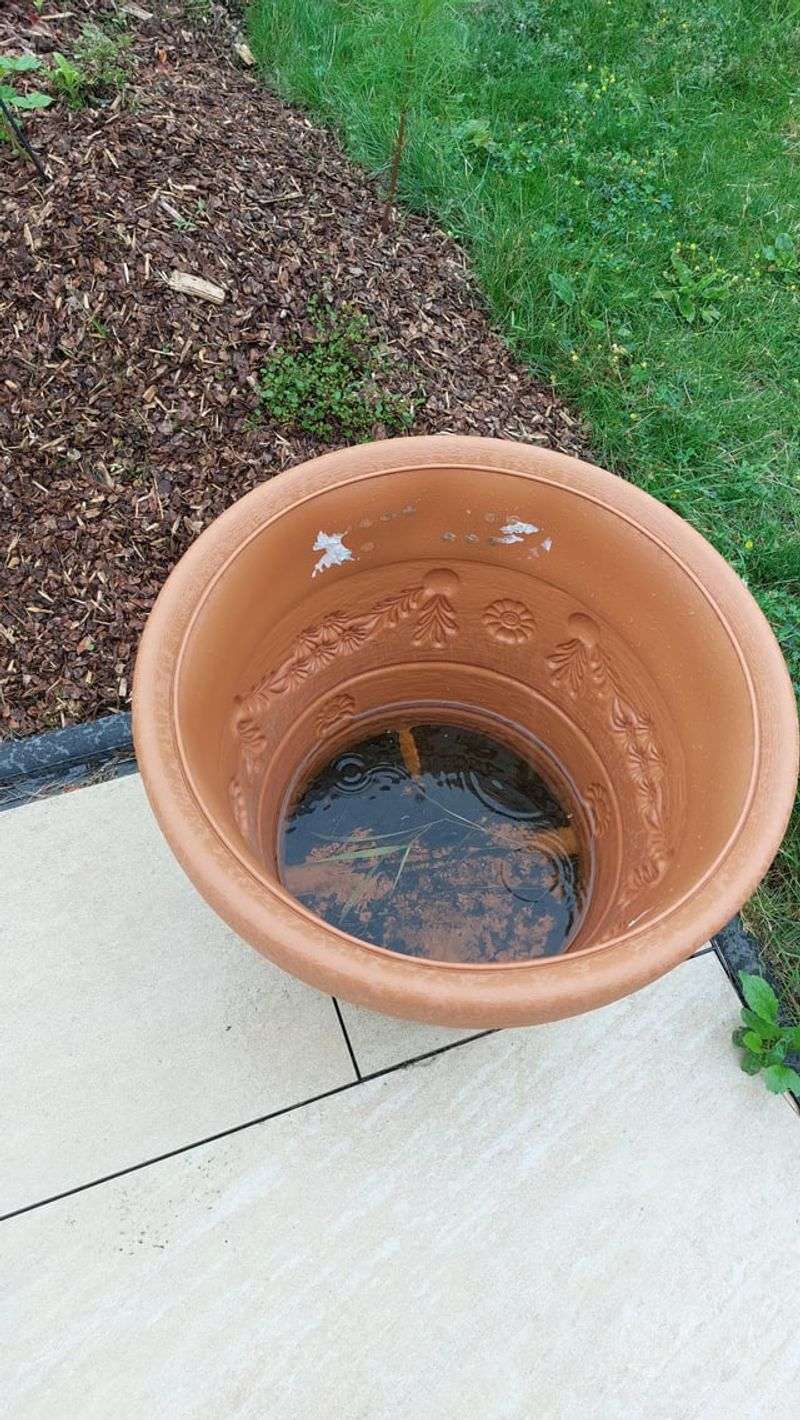
A pot can have drainage holes on paper and still behave like a bucket.
Roots may grow across the opening. Old potting mix can compact near the bottom. Mud, leaves, or debris can press against the outside after a storm.
Tip the container gently and inspect the base.
A visible root mat does not need aggressive cutting. Use a pencil, chopstick, or similar blunt tool to loosen just enough material around the opening for water to pass.
Check the mix from above too.
Older peat-heavy blends can settle into a dense layer that drains slowly. A few narrow channels made carefully through the top can help water move while you decide on fresh mix later.
Do not solve the problem with a gravel layer.
Stones at the bottom do not replace an open drainage hole, and they can leave less useful root space inside the container. Water still needs a clear route out of the pot.
Pay special attention to older herb containers.
A basil pot from this spring may drain beautifully. A rosemary that has spent several seasons in the same container can have roots packed tightly against every exit.
This is the garden version of checking the sink before blaming the plumbing.
Clear the opening first. Once water can leave freely, you can judge the soil and the plant much more accurately.
5. Skip Watering Until The Mix Starts Drying
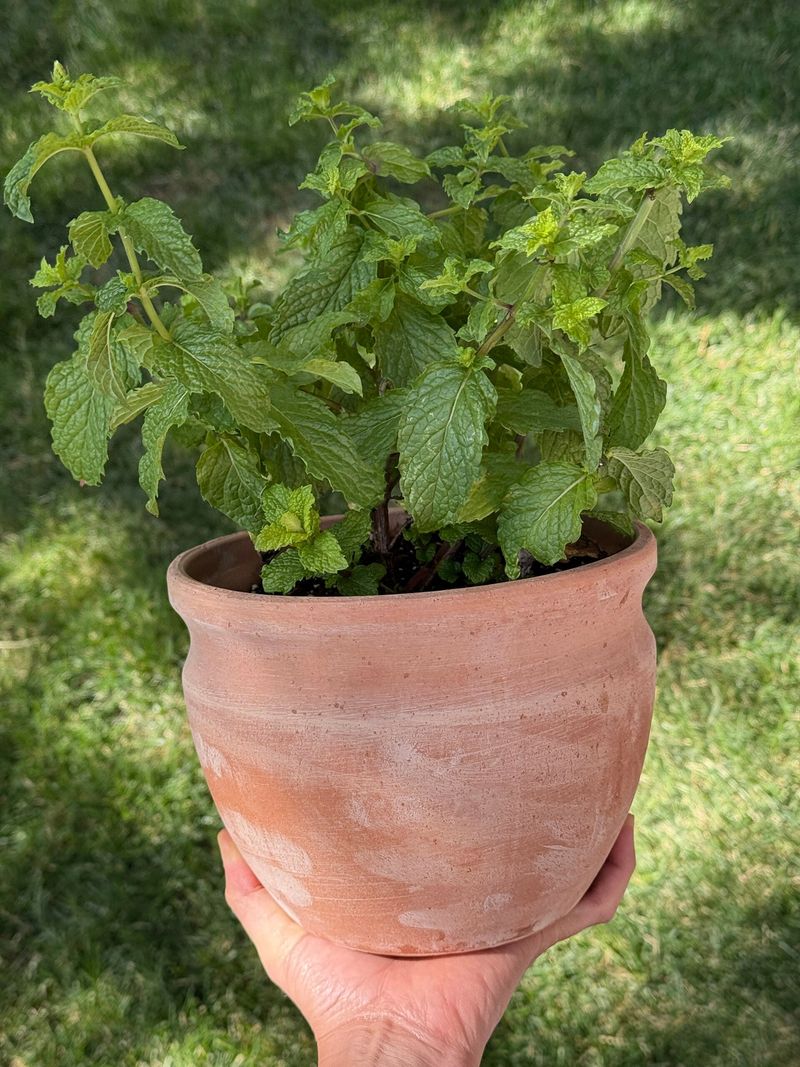
A rainy week is the worst time to obey a watering calendar.
Your basil does not care that Tuesday is usually hose day. The only useful question is what the potting mix feels like below the surface.
Push a finger about an inch into the soil.
Cool, damp mix means wait. Dry, crumbly mix means the pot may be ready for water again. The top can look dry while the lower half stays saturated, so surface color alone can mislead you.
Pot weight gives you another clue.
Lift a smaller container after a thorough watering and remember how heavy it feels. Once the mix dries, the same pot becomes noticeably lighter.
Different herbs dry at different speeds.
Basil, mint, and parsley appreciate more even moisture. Rosemary, thyme, sage, and oregano prefer more drying between drinks. After several days of North Carolina rain, those Mediterranean herbs may need no supplemental water at all.
Do not add water to a wilted plant automatically.
Roots in saturated mix can struggle to function, and the leaves may droop even though the container has plenty of moisture.
Check first, then decide.
The hose can survive a few days without attention. In fact, during a torrential week, ignoring it may be the kindest thing you do for the whole herb collection.
6. Space Herbs For Faster Leaf Drying
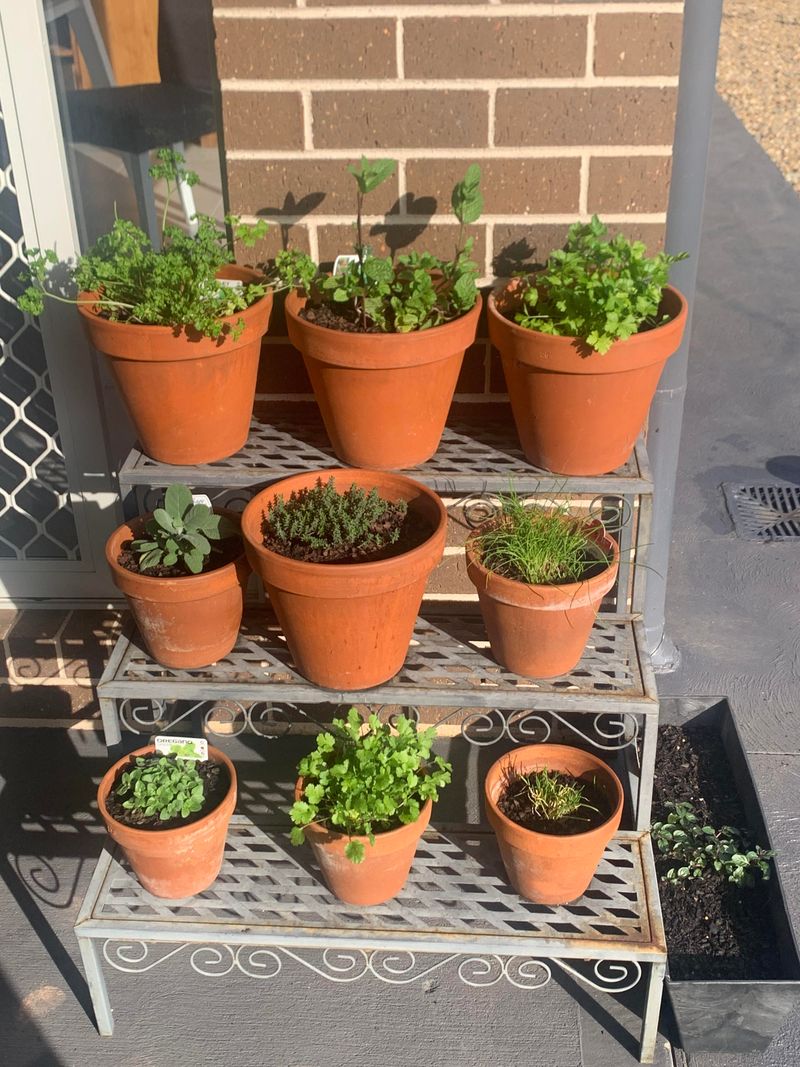
After the rain stops, airflow becomes part of the rescue plan.
Herb pots packed tightly together hold damp air between their leaves. That slows drying and gives fungal problems a much easier opening in North Carolina humidity.
Pull the containers apart.
Even 4 to 6 inches between pots can make a noticeable difference. Air can move around stems, and sunlight reaches more of the foliage once clouds break.
Move pots a little away from walls too.
A container pressed against brick, siding, or a solid fence gets almost no airflow on one side. A small gap can help the plant dry more evenly.
Bushy herbs may need a light cleanup.
Remove a few older inner leaves from basil or mint when the center feels crowded. Keep the pruning modest, especially while plants are already stressed from wet weather.
Save heavy trimming for a calmer stretch.
Fresh cuts plus soaked foliage can add another problem at exactly the wrong time.
Covered herbs can benefit from gentle air movement as well. A small fan on low can help in a sheltered porch or indoor holding area, provided it does not blast the plants.
Rain already gave the leaves a long shower.
Once the clouds move on, give them room to towel off. A little extra space can do more than another product from the garden shelf.
7. Repot Herbs That Stay Limp In Soggy Mix
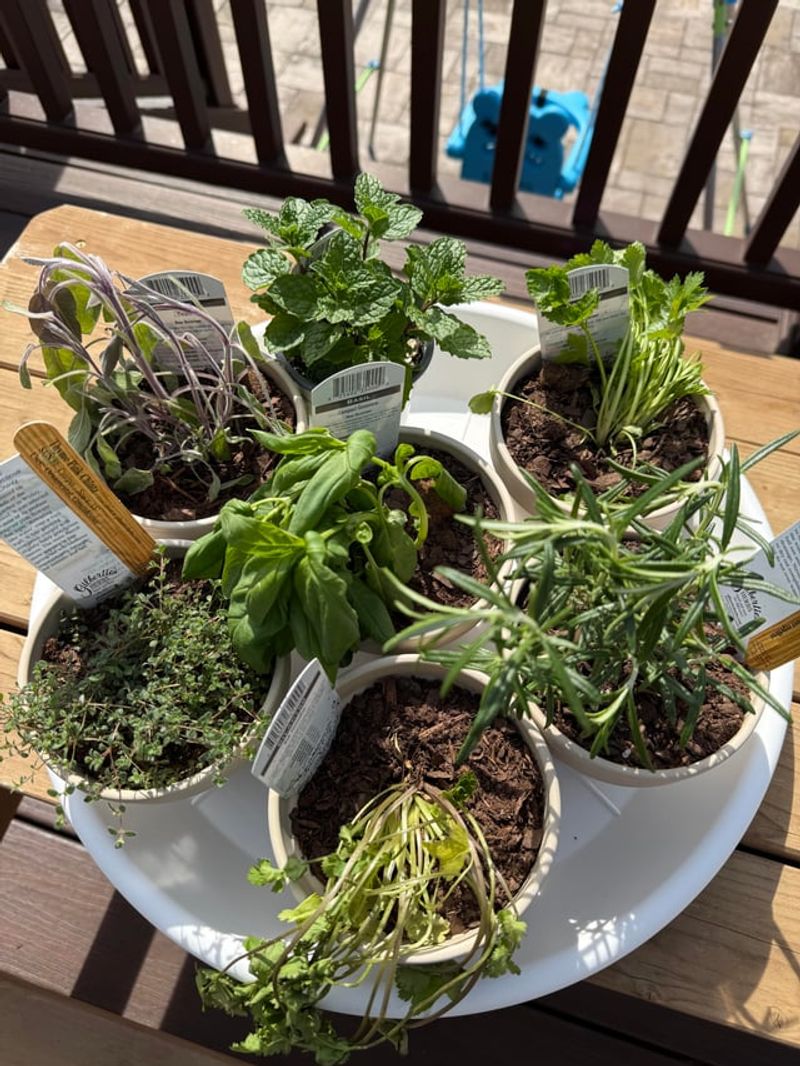
Some pots stay wet long after every saucer is empty and every drainage hole is clear.
That is when the growing mix itself deserves attention.
Old container media can collapse over time and lose the open pore spaces roots need. After repeated downpours, that dense mix may remain saturated for days.
Slide the herb out carefully once the weather gives you a dry break.
Healthy roots usually look white to light tan and feel firm. Brown, soft, or unpleasant-smelling roots point to prolonged stress from excess moisture.
Trim only the clearly damaged portions with clean scissors.
Then move the herb into fresh container mix that drains freely. Products made for pots usually include materials such as bark, perlite, or similar ingredients that keep the root zone more open than garden soil.
Use a container with dependable drainage holes.
Do not jump several pot sizes unless the roots truly need more room. Too much unused wet mix can create another slow-drying problem.
Give the repotted herb a sheltered, bright spot for a short recovery period.
Check moisture before adding water because fresh mix may already hold plenty.
Repotting is the bigger move, so save it for plants that stay limp after simpler fixes.
Most herbs do not need an emergency relocation. But when the potting mix has turned into a sponge with commitment issues, fresh soil can give the roots a much better address.
8. Let The Pots Drain Before You Rescue Them
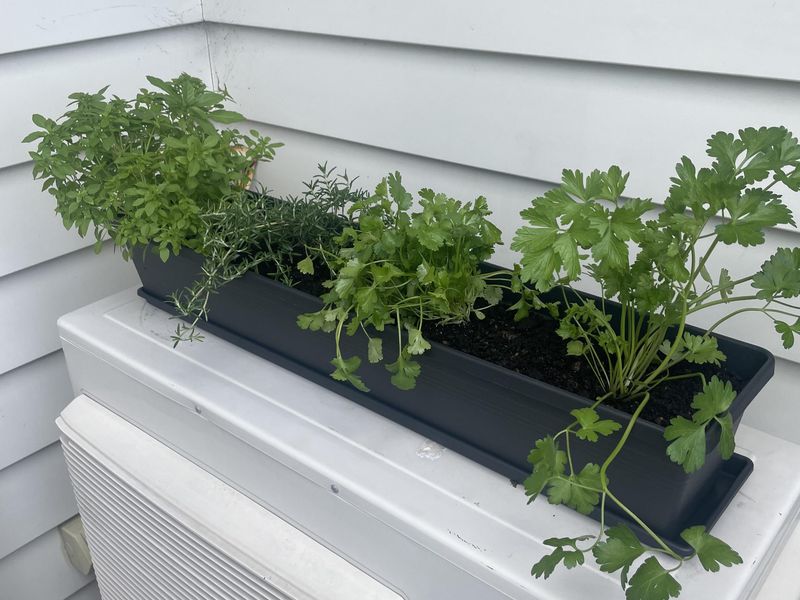
Torrential rain can make a container herb garden look worse than it really is.
Start with the easiest fixes before you assume a plant needs major intervention.
Move vulnerable pots under bright cover. Lift containers so water can escape. Empty saucers and decorative outer pots, then check every drainage hole for roots or debris.
After that, leave the hose alone.
Feel the mix below the surface and give each herb time to use the moisture already in the pot. Rosemary and thyme may need a longer dry-down than basil or parsley, so treat the containers as individuals rather than one watering group.
Airflow deserves the same attention.
Spread wet plants apart and give foliage room to dry after the clouds move on. That simple change can make a humid porch much less inviting to leaf problems.
Repot only when the mix stays saturated and the plant continues to struggle despite good drainage.
North Carolina weather can deliver a remarkable amount of water in a short stretch. Your containers cannot stop the storm, but they can be prepared to let that water leave.
That is the whole strategy.
Keep rain from collecting, keep air around the roots, and keep your own watering can out of the argument until the soil actually asks for it.